
How to Care for Your Authentic Indian Silk: Tips for Longevity

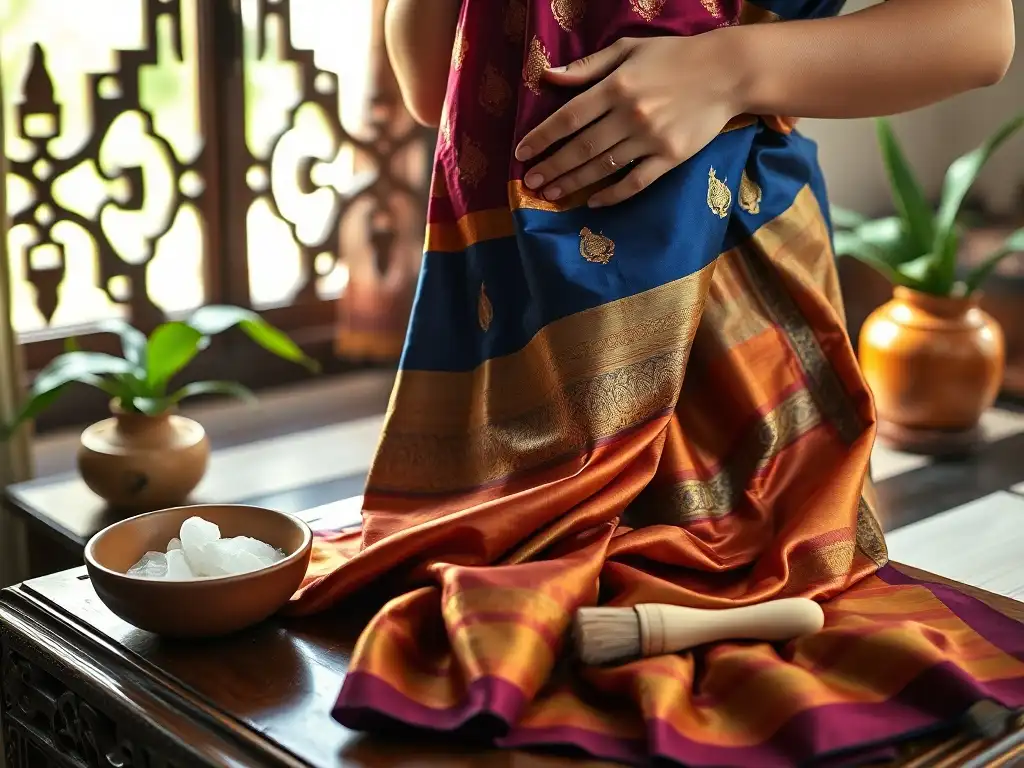
Welcome to Ancient India History, where we delve into the rich tapestry of ancient Indian civilizations that have shaped our world today. In our latest article, "How to Care for Your Authentic Indian Silk: Tips for Longevity," we invite you to uncover the secrets behind preserving the exquisite beauty of this luxurious textile. From the intricate weaves of the Indus Valley to the refined artistry of the Gupta Empire, silk has been a symbol of elegance and craftsmanship throughout history.
Join us as we explore not only the practical care tips but also the fascinating heritage that makes authentic Indian silk a treasure worth preserving. Read on to unlock the timeless allure of this magnificent fabric!
Introduction to Authentic Indian Silk
Authentic Indian silk is not just a fabric; it is a tapestry woven with the rich heritage and artistry of ancient Indian civilizations. Renowned for its luxurious feel, vibrant colors, and intricate designs, Indian silk has been cherished across generations. From the exquisite Banarasi silks of Varanasi to the delicate Kanchipuram weaves, each type of silk tells a unique story of craftsmanship and cultural significance. Understanding how to care for authentic Indian silk is crucial for maintaining its beauty and longevity, allowing you to enjoy its elegance for years to come.
Silk, being a natural protein fiber, requires specific attention to preserve its texture and sheen. Proper care ensures that your silk garments not only look stunning but also withstand the test of time. In this guide, we will explore essential tips and techniques to help you properly care for your authentic Indian silk pieces, ensuring they remain as captivating as the day you acquired them.
Why Proper Care is Essential for Authentic Indian Silk
Taking proper care of your authentic Indian silk is paramount for several reasons:
- Preservation of Quality: Silk fibers are delicate and can easily be damaged by improper handling. Regular maintenance, such as gentle cleaning and storage, helps retain the fabric's integrity.
- Color Retention: The vibrant dyes used in authentic Indian silk can fade or run if not cared for properly. Understanding the right cleaning methods can keep those colors vivid and true.
- Protection Against Damage: Silk is susceptible to environmental factors like sunlight and humidity, which can lead to fading and deterioration. Proper care techniques can mitigate these risks effectively.
- Investment Value: Authentic Indian silk is often a significant investment. By caring for it properly, you can preserve its value and wear it for special occasions, ensuring it remains a cherished part of your wardrobe.
Caring for authentic Indian silk is not merely about maintenance; it is about honoring the craftsmanship and cultural significance embedded in each piece. By following the right procedures, you can enjoy the luxurious appeal of your silk garments while ensuring they last for generations.
Key Tips for Caring for Your Authentic Indian Silk
Caring for authentic Indian silk is essential to maintain its exquisite beauty and longevity. Here are some key tips to ensure your silk garments and textiles remain in pristine condition:
- Handle with Care: Always handle silk with clean, dry hands to avoid transferring oils or dirt. Avoid pulling or stretching the fabric.
- Avoid Direct Sunlight: Prolonged exposure to sunlight can fade the vibrant colors of Indian silk. Store or display your silk items in a shaded area to prevent color deterioration.
- Use Mild Detergents: When washing, opt for gentle, pH-balanced detergents specifically designed for delicate fabrics. Harsh chemicals can damage the silk fibers over time.
1. Gentle Washing Techniques for Indian Silk
Washing silk requires a delicate touch to preserve its luxurious texture and appearance. Here are some effective techniques:
- Hand Washing: The best method for cleaning silk is hand washing. Fill a basin with lukewarm water and add a small amount of mild detergent. Gently agitate the water and submerge the silk item, allowing it to soak for about 5-10 minutes. Avoid rubbing or scrubbing the fabric.
- Machine Washing: If you choose to machine wash, use a mesh laundry bag to protect the silk. Select a gentle cycle with cold water and a mild detergent. Always wash silk separately to prevent it from snagging on other fabrics.
- Rinse Thoroughly: After washing, rinse the silk thoroughly in cool water until all detergent is removed. This helps prevent any residue that could damage the fabric.
2. Drying Methods to Preserve Authentic Indian Silk
Proper drying techniques are crucial to maintaining the integrity of your silk items. Here are some recommended methods:
- Air Drying: Lay the silk item flat on a clean, dry towel, reshaping it to its original form. Avoid hanging silk as it may stretch or lose its shape. Keep it out of direct sunlight to avoid fading.
- Avoid Heat: Never use a dryer or expose silk to direct heat sources, as this can lead to shrinkage and damage. Air drying is the safest option.
3. Ironing and Steaming Your Indian Silk
When it comes to maintaining the smooth appearance of your silk, proper ironing and steaming techniques are essential:
- Low Heat Ironing: If ironing is necessary, use a low heat setting. It's advisable to place a thin cloth between the iron and the silk to prevent direct contact. This protects the fabric from burns and maintains its luster.
- Steaming: Alternatively, use a garment steamer to remove wrinkles. Hold the steamer at a distance of about 6 inches from the silk and gently steam the fabric. This method is safer and less likely to damage the fibers.
Storing Your Authentic Indian Silk Properly
Proper storage is vital to preserving the quality and beauty of your authentic Indian silk. Here are essential guidelines for storing your silk items effectively:
1. Ideal Storage Conditions for Silk
Silk requires specific conditions to prevent deterioration:
- Cool, Dry Environment: Store silk in a cool, dry place to avoid mold and mildew. High humidity can lead to fabric damage, so ensure proper ventilation in the storage area.
- Darkness: To prevent fading, keep silk items away from direct light. Use opaque storage solutions to shield them from sunlight.
2. Recommended Storage Solutions for Authentic Indian Silk
Selecting the right storage solutions can significantly impact the longevity of your silk:
- Breathable Fabrics: Use cotton or muslin garment bags to store silk items. These breathable materials allow air circulation while protecting the silk from dust and insects.
- Avoid Plastic: Refrain from using plastic bags or containers, as they can trap moisture and lead to mold growth. Instead, opt for acid-free tissue paper or boxes to wrap and store silk textiles.
By following these tips and techniques, you can ensure that your authentic Indian silk remains vibrant and beautiful for years to come.
Common Mistakes to Avoid When Caring for Authentic Indian Silk
Caring for authentic Indian silk requires attention to detail and a deep understanding of its delicate nature. However, many individuals unknowingly make mistakes that can compromise the beauty and longevity of their silk items. Here are some common pitfalls to avoid:
- Ignoring Care Labels: One of the most frequent errors is neglecting the care instructions provided on the label. Each silk item may have specific recommendations regarding washing, drying, and ironing. Always adhere to these guidelines to ensure proper care.
- Using Harsh Chemicals: Silk is sensitive to harsh detergents and cleaning agents. Avoid using bleach or strong chemical cleaners, as they can damage the fibers. Instead, opt for a mild detergent specifically designed for silk.
- Overwashing: Frequent washing can lead to wear and tear on silk fabrics. It’s best to wash your silk items only when necessary. Spot cleaning for minor stains can often suffice without subjecting the fabric to the entire washing process.
- Direct Sunlight Exposure: Prolonged exposure to sunlight can fade the vibrant colors of your silk. Always store silk garments in a cool, dark place, and avoid drying them in direct sunlight to preserve their hues.
- Improper Storage: Storing silk in plastic bags or containers can trap moisture and lead to mildew. Instead, use breathable cotton bags or wrap silk items in cotton cloths to maintain air circulation.
By avoiding these common mistakes, you can significantly enhance the longevity of your authentic Indian silk items and keep them looking exquisite for years to come.
Conclusion: Maintaining the Beauty of Your Authentic Indian Silk
Maintaining the beauty of your authentic Indian silk involves a blend of proper care practices and a mindful approach to storage and usage. By taking the time to understand the unique properties of silk and implementing thoughtful care techniques, you can ensure that your silk garments and textiles remain vibrant and luxurious.
Regularly revisiting your care regimen, such as gentle handwashing, appropriate drying methods, and careful ironing, will help preserve the integrity of the silk fibers. Additionally, safeguarding your silk from environmental factors like humidity and direct sunlight will further extend its lifespan. Remember, investing effort in proper care not only enhances the beauty of your silk but also honors the rich heritage and craftsmanship that goes into creating authentic Indian silk.
Additional Resources for Silk Care
To further assist you in caring for your authentic Indian silk, here are some additional resources that provide valuable information and tips:
- Silk Care Guides: Websites and books dedicated to textile care often include detailed sections on silk, offering insights into the best practices for cleaning, storing, and maintaining silk garments.
- Professional Cleaners: Consider consulting with professional dry cleaners who specialize in silk. They can provide expert advice and services that ensure the best care for your silk items.
- Online Forums and Communities: Join online forums or communities focused on textile care where you can share experiences and gain tips from fellow silk enthusiasts.
- Workshops and Seminars: Look for workshops or seminars on textile preservation that may be offered by museums or textile organizations. These can provide hands-on experience and expert tips.
By utilizing these resources, you can enhance your knowledge and skills in caring for authentic Indian silk, ensuring it remains a cherished part of your wardrobe for many years to come.
Final Thoughts on Caring for Authentic Indian Silk
Caring for authentic Indian silk is not just about preserving a piece of fabric; it's about maintaining a rich heritage that has been passed down for centuries. By following the tips outlined in this guide, you can ensure that your silk garments remain beautiful and vibrant for years to come.
Silk is a luxurious material that requires gentle handling. Always remember to treat your silk items with the utmost care, avoiding exposure to harsh chemicals and direct sunlight, which can fade colors and weaken fibers. Regular maintenance, such as gentle hand washing or dry cleaning, will help retain the silk's natural sheen and texture.
Moreover, storing your silk properly is crucial. Use breathable fabric bags or acid-free tissue paper to protect your silk from dust and pests. Avoid hanging silk garments for extended periods, as this can cause stretching. Instead, fold them neatly and place them in a cool, dry area.
Caring for authentic Indian silk not only extends the life of your garments but also enhances their beauty and value. By embracing these practices, you can enjoy the elegance of silk while honoring the artistry and tradition of Indian textile craftsmanship. A little effort goes a long way in preserving these exquisite pieces, allowing you to cherish them for generations to come. Remember, your silk is more than just clothing—it's a connection to a vibrant cultural history.
- Introduction to Authentic Indian Silk
- Why Proper Care is Essential for Authentic Indian Silk
- Key Tips for Caring for Your Authentic Indian Silk
- Storing Your Authentic Indian Silk Properly
- Common Mistakes to Avoid When Caring for Authentic Indian Silk
- Conclusion: Maintaining the Beauty of Your Authentic Indian Silk
- Additional Resources for Silk Care
- Final Thoughts on Caring for Authentic Indian Silk
Frequently Asked Questions
What is authentic Indian silk?
Authentic Indian silk refers to high-quality silk produced in India, known for its luster, durability, and intricate designs. Major types include Mulberry, Tussar, and Eri silk.
How should I wash my authentic Indian silk?
To maintain its rich texture and colors, always hand wash your silk in cold water with a mild detergent. Avoid wringing or twisting to prevent damage.
Can I iron my authentic Indian silk?
Yes, you can iron your silk, but it's important to do so on a low heat setting. Always place a thin cloth between the iron and the silk to prevent burns or shine.
What are some common mistakes to avoid when caring for silk?
Avoid exposure to direct sunlight, using harsh chemicals, or machine washing. These can lead to fading, weakening, or discoloration of the fabric.
How can I store my authentic Indian silk items properly?
Store silk in a cool, dry place away from direct sunlight. Use breathable fabric bags or wrap it in cotton to protect it from dust and pests.
Final Reflection: The Timeless Elegance of Authentic Indian Silk
Caring for authentic Indian silk is not just about preserving a fabric; it's about safeguarding a rich heritage that has transcended generations. In today's fast-paced world, where trends come and go, the significance of maintaining the beauty and integrity of authentic Indian silk resonates more than ever. This exquisite fabric, woven with stories and traditions, deserves our attention and respect, reminding us that true elegance is timeless.
The cultural and social impact of authentic Indian silk is profound, as it embodies craftsmanship, artistry, and the spirit of India. From the vibrant markets of Varanasi to the bustling streets of Jaipur, silk has been a symbol of status and beauty for centuries. As we embrace modernity, it is crucial to recognize the importance of preserving such legacies. Silk is the fabric of dreams, woven with the threads of history.
This ongoing appreciation for silk not only enriches our lives but also connects us to the artisans who pour their heart and soul into each piece.
As you reflect on the care for your authentic Indian silk, consider how this practice extends beyond mere maintenance; it is an invitation to honor tradition and craftsmanship. Take a moment to appreciate the artistry behind each thread and the stories they carry. Let this reflection inspire you to not only care for your silk but also to share its beauty and significance with others, ensuring that the legacy of authentic Indian silk continues to thrive for generations to come.
Embrace the Luxurious Care of Your Silk!
Thank you for exploring the world of authentic Indian silk! You've acquired valuable tips on preserving the beauty and longevity of your treasured pieces. Now, it’s time to take action and ensure your silk remains vibrant for years to come.
Here are some steps you can take right now to keep your silk in pristine condition:
- Implement a regular care routine: Schedule monthly inspections of your silk pieces to check for dust or any issues that require immediate attention.
- Share your knowledge: Engage in discussions with friends and family about the importance of caring for silk fabrics—your insights can help others appreciate this art form!
- Join a silk lovers' community: Connect with fellow enthusiasts online or in local groups to exchange tips, share experiences, and deepen your appreciation for this luxurious fabric.
What unique techniques do you use to maintain the beauty of your silk garments? Feel free to share your thoughts below!