
The Interplay of Religion and Education in Ancient Indian Universities


Welcome to Ancient India History, where we embark on a captivating journey through the rich tapestry of ancient Indian civilizations. Dive into the profound influence of education and spirituality as we explore the fascinating topic of Ancient Indian universities history. Discover how these venerable institutions shaped not only the minds of scholars but also the very fabric of society. Join us as we unravel the intricate interplay of religion and education that flourished in the heart of ancient India, encouraging you to delve deeper into a world where knowledge and spirituality were intertwined. Prepare to be intrigued and inspired!

Introduction to Ancient Indian Universities History
The history of ancient Indian universities is a fascinating exploration of how education and religion intertwined to shape the intellectual landscape of the subcontinent. From the revered halls of Nalanda to the esteemed institutions of Taxila, ancient Indian universities were not merely centers of learning; they were vibrant hubs where philosophy, science, and spirituality coalesced.
This article delves into the intricate relationship between religion and education in these prestigious universities, examining how religious doctrines influenced educational practices and curricula, thereby fostering a unique environment for scholarly pursuits. By understanding the evolution of ancient Indian universities, we can appreciate their role in not only preserving knowledge but also in nurturing a distinct cultural identity that has transcended centuries.
Overview of Ancient Indian Universities
Ancient India was home to several prominent universities, most notably Nalanda, Taxila, and Vikramshila, each renowned for their contributions to education and scholarship.
- Nalanda University: Established in the 5th century CE, Nalanda attracted students from across Asia, becoming one of the world's first residential universities. It offered a diverse curriculum that included subjects like mathematics, astronomy, medicine, and philosophy.
- Taxila University: Dating back to the 6th century BCE, Taxila was a melting pot of cultures and ideas, known for its emphasis on practical knowledge and skills. It served as a crucial center for commerce, military strategy, and governance education.
- Vikramshila University: Founded in the 8th century CE, Vikramshila was established to enhance the quality of education as a response to the decline of Nalanda. It focused on Buddhist studies and was instrumental in the spread of Mahayana Buddhism.
These institutions exemplified the rich tapestry of learning in ancient India, where education was often intertwined with the spiritual and philosophical underpinnings of society.
Significance of Religion in Education
Religion played a pivotal role in shaping the educational framework of ancient Indian universities. The curriculum was often influenced by religious texts and teachings, which provided a moral and ethical foundation for students.
- Religious Texts as Curriculum: Students studied sacred texts such as the Vedas, Upanishads, and Buddhist scriptures. This emphasis on religious studies fostered a deep understanding of various philosophical systems and ethical principles.
- Spiritual Guidance: Educators, often revered as spiritual leaders or gurus, guided students not only in academic subjects but also in personal and spiritual development. This holistic approach was integral to the learning process.
- Interfaith Dialogue: Ancient Indian universities were notable for fostering dialogues among various religious traditions, including Hinduism, Buddhism, and Jainism. This exchange of ideas promoted tolerance and a broader understanding of spirituality and philosophy.
Historical Context of Ancient Indian Universities
Emergence of Universities in Ancient India
The emergence of universities in ancient India can be traced back to the need for organized education systems that could cater to the growing population of scholars and seekers of knowledge. As society evolved, so did the complexity of knowledge and the need for dedicated institutions to facilitate learning.
- Early Education Systems: Prior to the establishment of formal universities, education was imparted in small gurukuls or ashrams, where students learned under the guidance of a guru. These informal setups laid the groundwork for more structured university systems.
- Royal Patronage: The rise of powerful dynasties, such as the Guptas and Mauryas, played a crucial role in the establishment of universities. Royal patronage provided the necessary resources and infrastructure for these institutions to flourish.
Key Periods in Ancient Indian Educational Development
Understanding the historical context of ancient Indian universities requires an exploration of key periods that marked significant advancements in education.
- The Mauryan Period (322-185 BCE): This era witnessed the establishment of institutions that promoted education, particularly in the fields of administration and governance.
- The Gupta Period (c. 320-550 CE): Often referred to as the Golden Age of India, this period saw the flourishing of arts, sciences, and education. Universities like Nalanda and Vikramshila gained prominence and attracted scholars from distant lands.
- Post-Gupta Period (550-1200 CE): Despite challenges from invasions and political instability, ancient Indian universities continued to thrive, adapting their curricula to include new ideas and philosophies.
By examining the interplay between religion and education within the framework of these historical contexts, we can gain a deeper appreciation for the legacy of ancient Indian universities and their enduring influence on modern educational systems.
Major Ancient Indian Universities and Their Religious Influence

Ancient Indian universities were not merely centers of academic learning; they were deeply intertwined with the religious fabric of society. The curriculum and teachings were often influenced by the dominant religious philosophies of the time, which shaped the intellectual discourse within these institutions. As a result, the interplay of religion and education was pivotal in the development of knowledge, culture, and societal values in ancient India. The most prominent universities—Nalanda, Takshashila, and Vikramshila—each showcased unique religious influences that contributed to their legacy as educational powerhouses.
Nalanda University: A Center for Buddhist Learning
Established in the 5th century CE, Nalanda University is renowned as one of the first residential universities in the world. It was primarily a Buddhist institution, attracting scholars from across Asia, including China, Korea, and Tibet. The curriculum was deeply rooted in Buddhist philosophy, with an emphasis on the study of texts like the Tripitaka and the Mahayana sutras.
Nalanda's influence extended beyond just religious teachings; it became a melting pot for various schools of thought. Prominent scholars like Nagarjuna and Dharmakirti were instrumental in developing Buddhist logic and epistemology here. The university's architecture, featuring stupas and monasteries, reflected its religious significance, making it a pilgrimage site for followers of Buddhism. Nalanda’s commitment to learning and dissemination of Buddhist knowledge played a crucial role in the spread of Buddhism across Asia.
Takshashila: The Intersection of Various Beliefs
Takshashila, often cited as one of the earliest universities in history, was established around the 6th century BCE. Situated in present-day Pakistan, it was a hub for diverse learning and religious discourse, attracting students from various backgrounds. The teachings at Takshashila included Vedic texts, medicine, mathematics, and military science, integrating the philosophies of Hinduism, Buddhism, and Jainism.
This intersection of beliefs enabled a rich dialogue among scholars and students, fostering an environment where critical thinking was encouraged. Takshashila’s significance lay in its ability to harmonize differing religious ideologies, allowing for the exploration of knowledge beyond dogmatic boundaries. The legacy of Takshashila is evident in its contribution to fields like grammar and logic, which were influenced by the interplay of various religious thoughts.
Vikramshila: A Hub for Tantric Buddhism
Founded in the 8th century CE by King Dharmapala, Vikramshila University was notable for its focus on Tantric Buddhism. Unlike its contemporaries, Vikramshila emphasized the esoteric aspects of Buddhist teachings, attracting scholars who were interested in the mystical elements of the religion. The university offered an extensive curriculum that covered advanced Tantric practices alongside traditional teachings.
Vikramshila played a critical role in preserving and transmitting Tantric texts, which influenced the spiritual practices of Buddhism in regions such as Tibet and Nepal. The unique religious focus of Vikramshila not only shaped its academic environment but also contributed to the broader evolution of Buddhist practices within and beyond India.
The Role of Religion in Shaping Educational Curricula
Religion had a profound impact on the educational curricula of ancient Indian universities. The integration of religious texts and philosophies into academic studies was not accidental; it was a deliberate effort to cultivate moral and ethical reasoning among students. This approach ensured that education was not just about intellectual growth but also about spiritual development.
Religious Texts as Educational Material
In ancient Indian universities, religious texts served as foundational educational materials. Various scriptures, including the Vedas, Upanishads, and Buddhist sutras, were integral to the curriculum. These texts were not merely studied for their content but were also analyzed for their philosophical implications and ethical teachings.
Courses often included commentaries and interpretations of these texts, enabling students to engage deeply with the material. This approach fostered a holistic understanding of knowledge, where religious teachings informed the moral compass of scholars and their contributions to society. The emphasis on religious texts as educational material illustrates the vital relationship between education and spirituality in ancient India.
Influence of Religious Leaders on Academic Thought
Religious leaders played a significant role in shaping the academic thought within ancient Indian universities. Figures such as Adi Shankaracharya and Nagarjuna not only contributed to religious philosophy but also influenced educational practices. Their teachings were often incorporated into the curriculum, guiding students in their intellectual pursuits.
The presence of renowned religious leaders as faculty members or visiting scholars enriched the academic environment, fostering a culture of inquiry and debate. These leaders imparted wisdom that transcended religious boundaries, encouraging students to explore various philosophical perspectives. The influence of religious leaders on academic thought underscores the integral role of spirituality in the evolution of education in ancient India, making it a unique and enriching experience for scholars of the time.
The Relationship Between Religion and Student Life
In ancient Indian universities, such as Nalanda and Takshashila, religion played a pivotal role in shaping the daily lives and experiences of students. Education was often intertwined with spiritual practices, creating an environment where academic pursuits and religious beliefs coexisted harmoniously. Students were not only learners of secular subjects like philosophy, mathematics, and medicine but also engaged in religious studies, which were considered essential for a holistic education.
The curriculum was deeply influenced by the prevailing religious doctrines, often focusing on texts from Hinduism, Buddhism, and Jainism. This relationship fostered a sense of community among students who shared similar beliefs, enhancing their learning experience. Moreover, many students traveled from distant lands to study at these universities, bringing with them diverse cultural and religious perspectives, which enriched the academic discourse and promoted tolerance and understanding.
Daily Routines and Religious Practices in Universities
The daily routines of students in ancient Indian universities often began with religious rituals. Mornings usually commenced with prayers or meditation, creating a disciplined and focused mindset essential for academic endeavors. Students engaged in practices such as chanting mantras, performing puja (worship), and reflecting on philosophical concepts, which not only nurtured their spiritual growth but also prepared them mentally for the day ahead.
Classes were scheduled around religious observances, and traditional festivals were celebrated with great enthusiasm, allowing students to participate in communal worship and festivities. Such practices fostered a deep connection between education and spirituality, ensuring that learning was not merely an intellectual exercise but a comprehensive journey of personal growth.
Festivals and Their Impact on Academic Environment
Festivals in ancient India also played a significant role in the academic environment of universities. Events like Diwali, Makar Sankranti, and Buddha Purnima were celebrated with fervor and brought students together in a spirit of joy and camaraderie. These occasions were marked by special lectures, discussions on religious texts, and cultural performances that provided a break from the rigorous academic schedule.
The impact of festivals extended beyond mere celebration; they served as opportunities for students to reflect on moral and ethical teachings embedded in their religious texts. Such reflections often influenced their studies and interactions, promoting a culture of respect, cooperation, and shared values among students from various backgrounds.
The Legacy of Religion in Ancient Indian Universities
The legacy of religion in ancient Indian universities is profound and far-reaching. The integration of religious principles into educational frameworks has left an indelible mark on the development of educational philosophies in India and beyond. This legacy continues to influence modern educational systems, where the importance of ethical and moral education is increasingly recognized.
Long-term Impacts on Modern Education
Ancient Indian universities laid the groundwork for a comprehensive approach to education that emphasized not only knowledge acquisition but also moral and ethical development. This holistic model has had a lasting impact on contemporary education, where institutions increasingly aim to foster critical thinking alongside character building.
The emphasis on interdisciplinary studies, which was prevalent in ancient universities, can also be seen in modern educational practices that encourage students to explore diverse fields and integrate knowledge across disciplines. This approach not only prepares students for academic success but also equips them with the skills necessary to navigate a complex world.
Preservation of Religious Knowledge in Universities
One of the most significant contributions of ancient Indian universities to the preservation of religious knowledge is their role as centers of learning that meticulously documented and transmitted religious texts and teachings. Scholars dedicated their lives to the study and interpretation of sacred scriptures, ensuring that the philosophical insights and spiritual wisdom of ancient traditions were preserved for future generations.
This preservation was not limited to the written word; oral traditions were also cultivated, allowing for dynamic exchanges of ideas and interpretations. The legacy of this preservation continues today, as many contemporary educational institutions recognize the importance of maintaining cultural and religious heritage through dedicated programs and courses that explore ancient texts and their relevance in today's context.
Conclusion: The Lasting Influence of Religion on Ancient Indian Universities History
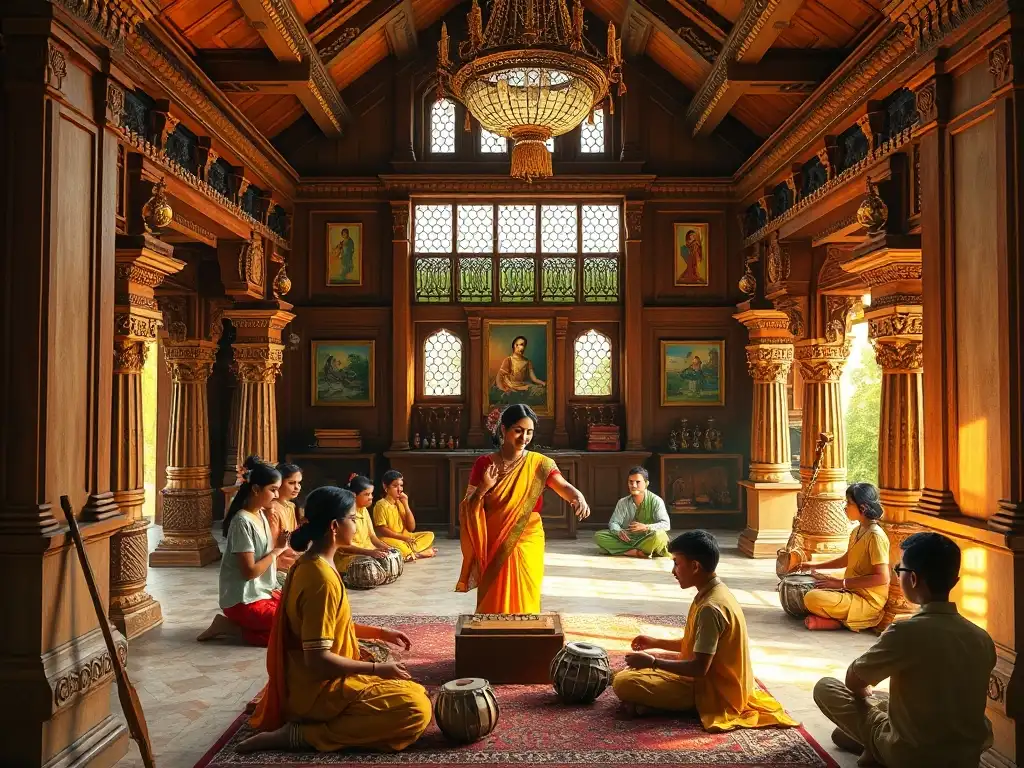
The intricate relationship between religion and education in ancient Indian universities has left an indelible mark on the development of educational systems in India and the broader region. Universities such as Nalanda and Taxila emerged as centers of learning that were deeply intertwined with various religious philosophies, including Hinduism, Buddhism, and Jainism. This interplay shaped not only the curriculum but also the pedagogical approaches, creating an environment where spiritual and intellectual pursuits coexisted and flourished.
The legacy of these ancient institutions continues to influence contemporary education in India. The philosophical underpinnings established by religious doctrines encouraged a holistic view of knowledge, where moral and ethical considerations were as critical as academic achievements. This approach fostered a sense of responsibility among scholars and educators, emphasizing the importance of knowledge as a means to personal and societal betterment.
Summary of Key Insights
- Integration of Religion and Curriculum: Ancient Indian universities were characterized by a curriculum that integrated religious teachings with various subjects, including philosophy, medicine, mathematics, and astronomy.
- Role of Religious Institutions: Temples and monasteries often served as educational institutions, providing a framework for learning that emphasized both spiritual and intellectual growth.
- Diversity of Thought: The coexistence of multiple religious traditions within these universities encouraged a rich exchange of ideas, leading to advancements in various fields of knowledge.
- Influence on Modern Education: The values and educational frameworks established in ancient times continue to resonate in modern educational practices in India, emphasizing the importance of ethics, social responsibility, and holistic learning.
Reflection on the Importance of Religion in Education
The role of religion in ancient Indian universities was not merely as a backdrop but was fundamental to shaping educational philosophy and practice. Religion provided ethical guidelines and a moral compass for students and educators alike, creating a learning environment that prioritized character development alongside academic success.
In a world where scientific inquiry and spiritual exploration often clash, ancient Indian universities exemplified how both can coexist harmoniously. The commitment to fostering a balanced approach to education remains a valuable lesson for contemporary institutions. By recognizing the historical significance of this interplay, modern educators can draw inspiration from the past to create learning environments that nurture both the mind and the spirit, ensuring that education serves a broader purpose in society.
- Introduction to Ancient Indian Universities History
- Overview of Ancient Indian Universities
- Significance of Religion in Education
- Historical Context of Ancient Indian Universities
- Major Ancient Indian Universities and Their Religious Influence
- The Role of Religion in Shaping Educational Curricula
- The Relationship Between Religion and Student Life
- The Legacy of Religion in Ancient Indian Universities
- Conclusion: The Lasting Influence of Religion on Ancient Indian Universities History
- Summary of Key Insights
- Reflection on the Importance of Religion in Education
- What were the main contributions of ancient Indian universities?
- How did religion influence education in ancient India?
- What subjects were commonly taught in ancient Indian universities?
- What role did teachers play in ancient Indian universities?
- How did ancient Indian universities compare to those in other civilizations?
Frequently Asked Questions
What were the main contributions of ancient Indian universities?
Ancient Indian universities like Nalanda and Takshashila were pivotal in advancing knowledge and education in fields such as philosophy, medicine, and mathematics.
How did religion influence education in ancient India?
Religion played a significant role in shaping the curriculum and ethics taught in ancient universities, as subjects like Vedic studies and philosophy were often intertwined with spiritual beliefs.
What subjects were commonly taught in ancient Indian universities?
Students in ancient Indian universities studied a variety of subjects including grammar, logic, astronomy, and medicine, reflecting a holistic approach to education.
What role did teachers play in ancient Indian universities?
Teachers, known as gurus, held a revered position and were responsible for imparting knowledge and wisdom, often guiding students through both academic and spiritual growth.
How did ancient Indian universities compare to those in other civilizations?
Ancient Indian universities were among the earliest in the world, often surpassing contemporaneous institutions in curriculum and scholarly discourse, making significant contributions to global education.
Final Reflection: The Enduring Legacy of Ancient Indian Universities
The interplay of religion and education in ancient Indian universities remains a crucial aspect of understanding our historical narrative. As we navigate through the complexities of modern education systems, it is essential to recognize how these ancient institutions shaped not only the intellectual landscape of their time but also laid the groundwork for contemporary educational philosophies. The profound connection between spirituality and scholarship in these universities serves as a reminder that education is not merely about the accumulation of knowledge but also about the cultivation of wisdom and ethical values.
The influence of ancient Indian universities on today's educational practices is profound and multifaceted. These institutions were not just centers of learning; they were vibrant communities where diverse ideas flourished, and holistic development was prioritized. This legacy continues to inspire educational reformers and institutions around the world. Education is the most powerful weapon which you can use to change the world.
– Nelson Mandela. This quote resonates deeply as we reflect on the transformative power of education, which was so evident in the ancient universities of India.
As we look to the future, let us take a moment to reflect on the lessons imparted by these ancient institutions. How can we integrate the values of inclusivity, spirituality, and holistic development into our current educational frameworks? I invite you to explore these questions in your own life and consider how the rich history of ancient Indian universities can inform your personal and professional journey. Embrace the wisdom of the past as we strive to create a more enlightened and compassionate world through education.
Rediscover the Wisdom of Ancient Indian Education!
Thank you for taking the time to explore the fascinating relationship between religion and education in ancient Indian universities. You've uncovered the profound insights that shaped the philosophical and educational landscape of the time! Now, it’s your turn to dive deeper and engage with this incredible legacy.
Here are a few steps you can take to further your journey:
- Visit the historical archives of a local university to discover how ancient philosophies continue to influence modern education.
- Join or initiate a discussion group focused on the connection between culture, education, and spirituality in ancient societies.
- Share this article with friends or on social media to ignite interest and foster a broader conversation about the importance of education in shaping our understanding of the world.
Which aspects of ancient Indian education do you believe hold the most significance in our contemporary society?