
The Legacy of Ancient Indian Military Texts: Kautilya's Arthashastra and Beyond

Welcome to Ancient India History, where we embark on a fascinating journey through the rich tapestry of India's past. Here, we delve into the nuances of ancient Indian military texts, uncovering the profound wisdom of strategic thinkers like Kautilya and the invaluable lessons embedded in his renowned work, the Arthashastra. What insights did these texts offer to rulers and warriors, and how do they continue to resonate in modern military thought?
Dive deeper with us and explore the legacies that shaped civilizations, as we connect the dots between ancient strategies and their lasting impact on history. Your adventure into the depths of India's military prowess begins now!
- Introduction to Ancient Indian Military Texts
- Kautilya's Arthashastra: A Comprehensive Analysis
- Other Notable Ancient Indian Military Texts
- The Impact of Ancient Indian Military Texts on Warfare
- Conclusion: The Enduring Legacy of Ancient Indian Military Texts
- References and Further Reading on Ancient Indian Military Texts
-
Frequently Asked Questions
- What is the significance of Kautilya's Arthashastra in ancient Indian military strategy?
- Are there other ancient Indian military texts besides the Arthashastra?
- How did ancient Indian military texts influence modern military thought?
- What role did geography play in the military strategies described in these texts?
- How does the study of ancient Indian military texts contribute to our understanding of ancient Indian civilization?
- Final Reflection: The Enduring Wisdom of Ancient Indian Military Texts
- Unveil the Wisdom of Ancient Strategies!
Introduction to Ancient Indian Military Texts
The legacy of ancient Indian military texts offers profound insights into the strategic, political, and economic fabric of early Indian civilizations. From the meticulous planning of warfare to the principles of statecraft, these texts not only reflect the military prowess of ancient India but also its philosophical underpinnings. Among these works, Kautilya's Arthashastra stands out as a seminal text that addresses the complexities of governance and warfare.
By exploring the rich tapestry of ancient Indian military texts, we can better understand how these works influenced military strategies, diplomacy, and statecraft throughout history, laying the groundwork for future generations. This article delves into the significance of military texts in ancient India, with a particular focus on the teachings and implications found in Kautilya's Arthashastra and other notable works.
Importance of Military Texts in Ancient India
The study of military texts in ancient India is crucial for several reasons:
- Strategic Insights: These texts provide a glimpse into the military strategies and tactics employed by ancient Indian states, showcasing a sophisticated understanding of warfare.
- Cultural Reflection: They reflect the societal values, ethics, and philosophies of the time, revealing how warfare was intertwined with culture and governance.
- Political Framework: Military texts often served as guides for rulers and military leaders, helping them navigate the complexities of power dynamics and statecraft.
- Historical Documentation: They serve as historical documents that preserve the knowledge and experiences of ancient civilizations, allowing modern scholars to reconstruct past events and military practices.
By examining these texts, we gain not only a deeper appreciation for the art of war in ancient India but also insights into how these military philosophies shaped the region's history and influenced contemporary military thought.
Overview of Kautilya's Arthashastra
Kautilya's Arthashastra, written in the 4th century BCE, is one of the most significant ancient Indian military texts, renowned for its comprehensive approach to statecraft, economics, and military strategy. Some key elements of the Arthashastra include:
- Political Realism: Kautilya emphasizes a pragmatic approach to governance, advocating for realpolitik and the necessity of moral flexibility in leadership.
- War Strategies: The text outlines various strategies for warfare, including deception, espionage, and the importance of intelligence in military operations.
- Economic Considerations: Kautilya highlights the relationship between economic strength and military success, proposing that a well-managed economy is vital for sustaining war efforts.
- Diplomacy and Alliances: The Arthashastra stresses the importance of diplomacy, alliances, and understanding the geopolitical landscape, illustrating that warfare is often a continuation of political discourse by other means.
Overall, Kautilya’s Arthashastra serves as a foundational document that not only informs us about ancient Indian military practices but also continues to influence modern strategic thought around the world. Its teachings remain relevant today, echoing principles that resonate in contemporary military and political strategy.
Kautilya's Arthashastra: A Comprehensive Analysis
The Arthashastra, attributed to Kautilya (also known as Chanakya), is a seminal text in ancient Indian military literature that provides profound insights into the strategies of governance, warfare, and economic management. Composed in the 4th century BCE, during the Maurya Empire, this treatise has gained recognition not only for its military doctrines but also for its extensive analysis of statecraft and political strategy. Kautilya's work remains a crucial reference for understanding the complexities of ancient Indian military texts and their implications on governance and warfare.
Historical Context of the Arthashastra
The historical backdrop of the Arthashastra is critical for comprehending its significance. It emerged during a tumultuous period in ancient India characterized by constant power struggles and the rise of formidable kingdoms. The text was written in a context where the Maurya Empire was consolidating its power, and Kautilya served as an advisor to Chandragupta Maurya.
The period saw the unification of smaller states into larger empires, necessitating sophisticated strategies for governance and warfare. The Arthashastra reflects the realpolitik of its time, emphasizing pragmatic approaches to statecraft and the importance of a strong military to ensure stability and expansion. This context underlines the necessity of understanding the text as a product of its environment, filled with insights aimed at sustaining and enhancing the power of the state through calculated actions.
Key Themes and Concepts in the Arthashastra
The Arthashastra encompasses a wide range of themes that are instrumental in understanding ancient Indian military texts. Below are some of the key concepts that Kautilya discusses:
Political Strategy and Statecraft
Kautilya’s insights into political strategy are pivotal. He advocates for a realistic approach to governance, emphasizing the need for a ruler to be shrewd and strategic. His theories include:
- The Sixfold Policy (Shadgunya):
- Samdhi (Diplomacy)
- Vigraha (Hostility)
- Yana (Marching)
- Asana (Staying put)
- Dharma (Righteousness)
- Upeksha (Indifference)
These strategies highlight the dynamic nature of political maneuvering, where a ruler must adapt their approach based on the circumstances.
- The Importance of Intelligence: Kautilya emphasizes the role of spies and intelligence networks in shaping effective policies. Gathering information about enemies and allies is crucial for making informed decisions.
Warfare and Military Tactics
Kautilya's work delves deeply into military tactics, offering a comprehensive framework for understanding warfare. Key aspects include:
- Types of Armies: Kautilya categorizes armies into various types and discusses the need for infantry, cavalry, and elephants in combat, highlighting their respective advantages and roles.
- Siege Warfare: He provides detailed strategies for conducting sieges, discussing the importance of surprise attacks and the psychological aspects of warfare.
- Terrain and Geography: Kautilya stresses the significance of understanding terrain, which can greatly influence military outcomes. He advises commanders to leverage geographical advantages during conflicts.
Economic Principles and Resource Management
The Arthashastra does not confine itself to military strategies; it extends into economic principles that underpin state power. Kautilya argues that:
- Wealth as Power: Economic strength is essential for sustaining military campaigns. Kautilya emphasizes the need for efficient tax systems and revenue generation to support the state's military endeavors.
- Resource Allocation: He discusses the strategic allocation of resources, advocating for a balanced investment in agriculture, trade, and military preparedness to maintain a robust state.
- War Economy: Kautilya provides insights on how to manage the economy during wartime, ensuring that the state remains resilient in the face of conflict.
Kautilya's Arthashastra serves as a foundational text that exemplifies the sophistication of ancient Indian military texts. Its themes of political strategy, military tactics, and economic management reflect a comprehensive understanding of the interconnectedness of these domains in establishing and maintaining state power. The insights garnered from this text continue to resonate in contemporary discussions on governance and military strategy.
Influence of Kautilya’s Work on Military Thought
Kautilya's Arthashastra stands as a monumental text in ancient Indian military thought, deeply influencing both the theoretical and practical aspects of warfare. Written in the 4th century BCE, this treatise encompasses a wide range of topics, including statecraft, economics, and military strategy, making it a comprehensive guide for rulers and military leaders of its time. The text's impact extends beyond its immediate historical context, shaping military doctrines and strategies in various cultures even up to the present day.
One of the most significant aspects of Kautilya's Arthashastra is its pragmatic approach to warfare. Kautilya emphasized the importance of intelligence and espionage, arguing that knowledge about the enemy is vital for success in battle. He detailed methods for gathering information, assessing the strengths and weaknesses of adversaries, and employing spies to gain strategic advantages. This focus on intelligence operations has found resonance in modern military strategy, where reconnaissance and information dominance are paramount.
Kautilya also introduced principles of diplomacy and alliances, which were integral to military strategy in ancient India. He advocated for a flexible approach, suggesting that alliances should be formed based on situational needs rather than fixed loyalties. This notion of strategic diplomacy has influenced military thought globally, highlighting the importance of alliances and the shifting nature of power dynamics in warfare.
Moreover, Arthashastra presents a systematic analysis of various forms of warfare, including conventional battles, guerrilla tactics, and psychological warfare. Kautilya’s recognition of the psychological dimensions of conflict foreshadowed modern concepts of warfare, where morale and perception play crucial roles. He understood that warfare is not merely a physical confrontation but also involves manipulating the enemy's perceptions and exploiting their vulnerabilities.
In addition to strategic insights, Kautilya's work also addressed the ethical dimensions of war. He acknowledged the moral dilemmas faced by leaders, providing guidance on how to balance ethical considerations with the ruthless demands of statecraft. This discourse on ethics in warfare remains relevant today as military leaders grapple with the moral implications of their decisions.
Finally, the enduring legacy of Kautilya's Arthashastra can be seen in its continued study and application in military academies and strategic studies around the world. Scholars and military strategists frequently refer to Kautilya’s principles, highlighting their timelessness and relevance across different historical contexts.
Kautilya's Arthashastra has profoundly influenced military thought through its emphasis on intelligence, diplomacy, strategic flexibility, psychological warfare, and ethical considerations. Its teachings provide a rich framework for understanding and navigating the complexities of military strategy, making it a cornerstone of ancient Indian military texts and a lasting legacy in global military discourse.
Other Notable Ancient Indian Military Texts
Manusmriti: Law and Warfare
The Manusmriti, also known as the Laws of Manu, is one of the oldest legal texts in the world, dating back to approximately 200 BCE to 200 CE. While primarily a dharmaśāstra—an ancient Indian text dealing with law and ethics—it also addresses aspects of warfare, reflecting the military ethos of the time. The text outlines duties and responsibilities of different classes in society, including warriors (Kshatriyas), and emphasizes the importance of law in governance and military conduct.
Key principles regarding warfare in the Manusmriti include:
- Just War Theory: The Manusmriti establishes the moral grounds for engaging in war, emphasizing that warfare should be waged only for just causes such as protecting the dharma (moral order) or restoring peace.
- Conduct of War: Guidelines for the ethical conduct of warfare are presented, including the treatment of prisoners, the importance of honor in battle, and the necessity of avoiding unnecessary cruelty.
- Strategic Alliances: The text discusses the significance of forming alliances and the role of diplomacy in mitigating conflicts, showcasing an early understanding of strategic military planning.
The Manusmriti’s insights into law and warfare not only reflect the values of ancient Indian society but also continue to influence contemporary discussions on military ethics and law.
The Mahabharata: War Ethics and Strategies
The Mahabharata, one of the longest epic poems in the world, provides a profound exploration of war ethics, strategies, and the philosophical underpinnings of conflict. Central to this epic is the Kurukshetra War, a monumental battle between two factions of a royal family, the Pandavas and the Kauravas. This epic is not merely a narrative of war; it delves into the moral dilemmas faced by its characters, particularly through the discourse between Arjuna and Krishna.
Key aspects of warfare depicted in the Mahabharata include:
- Dharma Yudhha (Righteous War): The concept of fighting for righteousness is a recurring theme, where characters grapple with the moral implications of their actions in battle.
- Strategic Counsel: Various strategies are illustrated through the interactions between characters such as Bhishma, Drona, and Krishna, showcasing tactical maneuvers, formations, and the importance of intelligence in warfare.
- Consequences of War: The epic does not shy away from the devastating consequences of war, portraying the loss of life, destruction, and the moral ambiguities that arise from conflict. This serves as a cautionary tale about the costs of warfare.
Through its intricate narratives and ethical explorations, the Mahabharata remains a crucial text for understanding ancient Indian military philosophy and the complexities of human conflict.
The Ramayana: Military Leadership and Morality
The Ramayana, another of the great Indian epics, focuses on the life of Lord Rama, his quest to rescue his wife Sita, and the ensuing battle against the demon king Ravana. While it encompasses themes of duty, loyalty, and devotion, it also offers valuable insights into military leadership and the principles guiding warfare.
Prominent themes related to military leadership in the Ramayana include:
- Heroic Leadership: Lord Rama exemplifies the ideal leader, demonstrating qualities such as bravery, honor, and strategic acumen. His character serves as a model for military leaders, emphasizing the importance of righteousness in leadership.
- Unity and Cooperation: The Ramayana illustrates the significance of alliances, such as the partnership between Rama and the monkey king Hanuman, highlighting how collaboration among diverse groups can lead to victory in warfare.
- Moral Dilemmas: The epic addresses the moral complexities faced by its characters, particularly in the context of duty versus personal ethics. This adds depth to the understanding of leadership decisions in warfare.
Overall, the Ramayana contributes to the discourse on ancient Indian military texts by providing a lens through which the values of leadership, morality, and the human experience in war can be examined.
The Impact of Ancient Indian Military Texts on Warfare
Military Strategies Derived from Ancient Texts
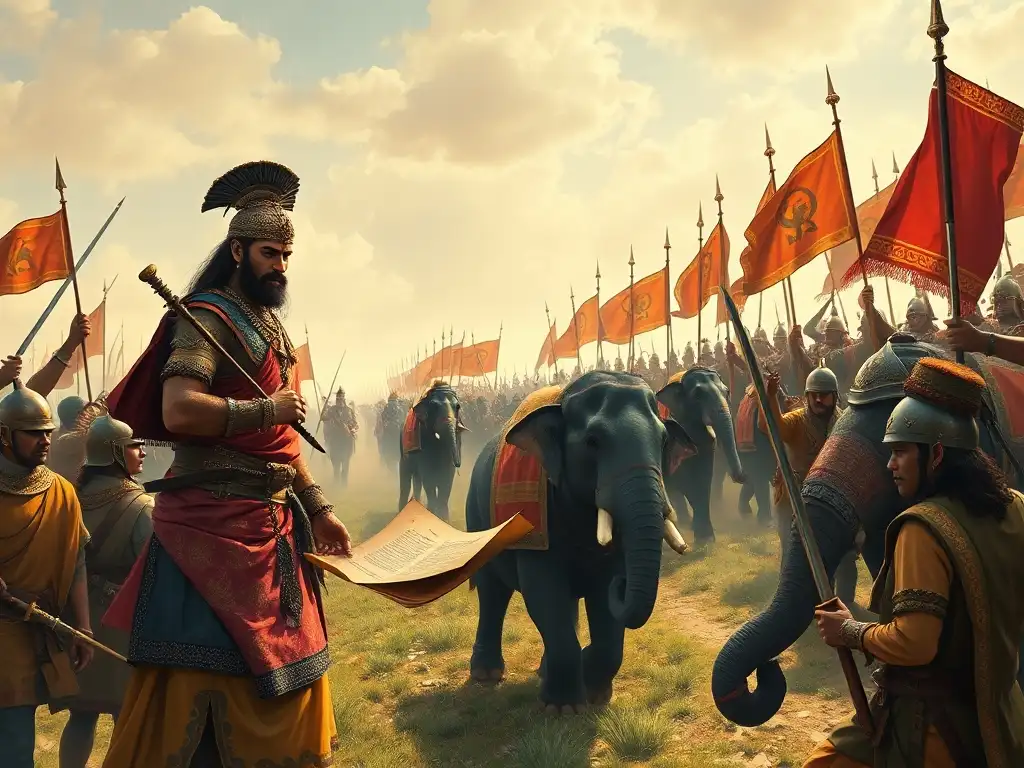
Ancient Indian military texts, particularly Kautilya's Arthashastra, have profoundly influenced the strategies and tactics of warfare in the Indian subcontinent. Kautilya, also known as Chanakya, was not only a strategist but also a political philosopher, and his work encapsulated a wide array of military strategies that emphasized planning, espionage, and diplomacy.
- Strategic Planning: Kautilya emphasized the importance of thorough preparation before engaging in battle. He advocated for understanding the enemy's strengths and weaknesses, suggesting that a ruler should always strategize two steps ahead. For instance, the concept of Danda (punishment) was central to Kautilya's military philosophy, advocating the use of force as a last resort, but when employed, it should be decisive and overwhelming.
- Use of Espionage: The Arthashastra elaborates on the role of spies in warfare, highlighting their importance in gathering intelligence. Kautilya proposed a sophisticated network of informants that could infiltrate enemy ranks to provide valuable information. This reliance on espionage not only shaped military tactics but also influenced political maneuvering in ancient Indian states.
- Divine Warfare: The text also delves into the concept of Dharmayuddha (righteous war) versus Adharmayuddha (unrighteous war), suggesting that moral considerations should guide the conduct of warfare. This distinction influenced the principles of warfare in subsequent Indian military practices.
The Role of Philosophy in Ancient Indian Warfare
Philosophy played a crucial role in shaping the ethos of ancient Indian military thought. Texts such as the Bhagavad Gita provided not just spiritual guidance but also a framework for understanding duty and righteousness in the context of warfare.
- Ethics of War: The Bhagavad Gita addresses the moral dilemmas faced by warriors, particularly the conflict between duty (Dharma) and personal desire. Arjuna's initial reluctance to fight his kin illustrates the philosophical inquiries surrounding the justification of war, urging warriors to act in accordance with their duty rather than personal attachments.
- Spiritual Preparedness: Ancient Indian texts emphasized the preparation of the mind and spirit before engaging in battle. Meditation, self-discipline, and ethical conduct were considered vital for a warrior's effectiveness. This holistic approach to warfare influenced training regimes and the psychological conditioning of soldiers.
- Concept of Dharma: The notion of Dharma in warfare underscored the righteousness of a cause. This philosophical underpinning helped legitimize military campaigns and motivated soldiers, fostering a sense of purpose beyond mere conquest.
Cross-Cultural Influences of Indian Military Literature
The impact of ancient Indian military texts extended beyond the subcontinent, influencing various cultures and military traditions around the world. Scholars and military leaders from different regions have drawn insights from these works.
- Influence on Southeast Asia: The principles outlined in the Arthashastra and other texts were transmitted to Southeast Asia, particularly through trade and cultural exchanges. Texts like the Nitisara and Siddhanta Shikhamani found resonance in the military strategies of kingdoms such as Srivijaya and Majapahit, where Kautilyan strategies were adapted to local contexts.
- Western Military Thought: The strategic concepts from Indian texts have also been recognized by Western military theorists. The importance of espionage and intelligence in warfare, as emphasized by Kautilya, resonates with modern military strategies that prioritize information warfare.
- Modern Applications: In contemporary military studies, ancient Indian military texts are analyzed for their strategic depth and relevance. The principles of deception and psychological warfare detailed in these texts continue to find application in modern military doctrines, underscoring the timeless nature of Kautilya's insights.
Ancient Indian military texts have left an indelible mark on the evolution of warfare and military philosophy, with their influence extending across cultures and epochs. The strategies, ethical considerations, and cross-cultural adaptations reflect a rich tradition of military thought that remains relevant today.
Conclusion: The Enduring Legacy of Ancient Indian Military Texts
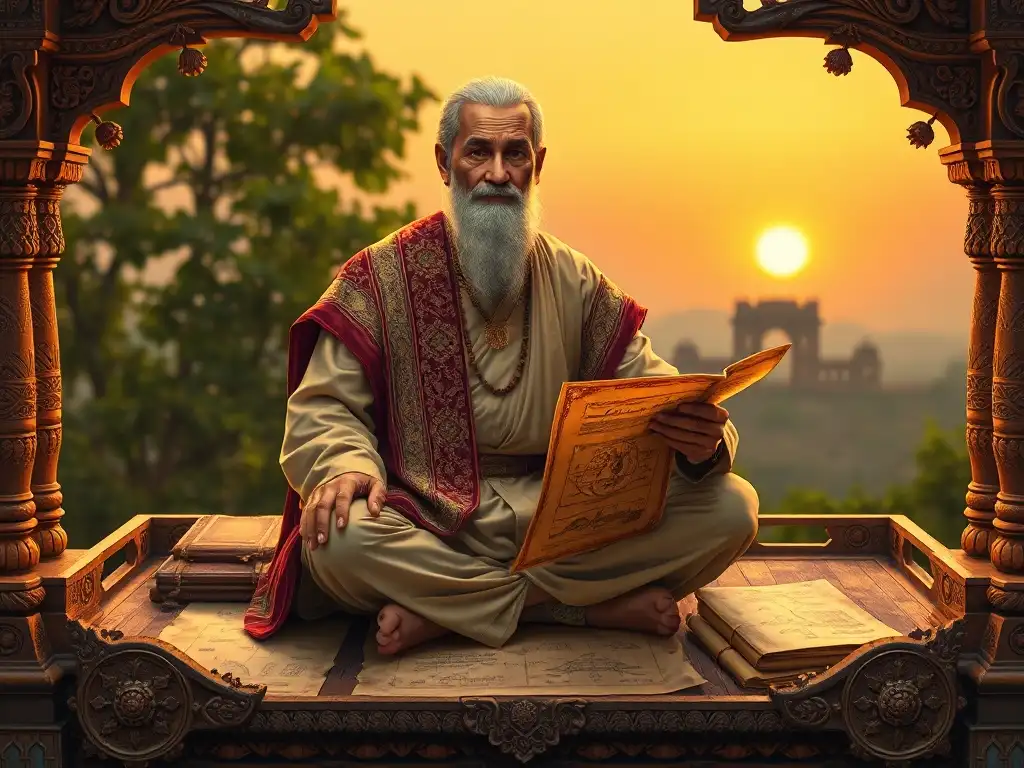
The study of ancient Indian military texts, particularly Kautilya's Arthashastra, reveals a profound legacy that has influenced not only historical military strategies but also contemporary thought in various fields, including politics, economics, and warfare. These texts encapsulate a wealth of knowledge that reflects the sophistication of ancient Indian civilization and its understanding of statecraft, diplomacy, and military organization.
Kautilya's insights into the art of war, governance, and intelligence gathering illustrate a strategic mindset that remains relevant in today’s complex geopolitical landscape. The principles outlined in these texts continue to resonate with modern military theorists and strategists, emphasizing the importance of adaptability, resource management, and psychological warfare.
Relevance of Kautilya's Ideas in Modern Strategy
Kautilya’s Arthashastra offers timeless wisdom that can be applied to contemporary military and political strategies. His emphasis on:
- Intelligence and Espionage: Kautilya advocated for a robust intelligence network as a cornerstone of effective governance and military strategy. Today, the significance of intelligence in modern warfare and national security is undeniable, highlighting the relevance of Kautilya’s ideas in understanding our adversaries and making informed decisions.
- Economic Warfare: The text emphasizes the importance of economic power as a means of warfare. Modern states often engage in economic sanctions and trade wars, echoing Kautilya's assertion that economic strength directly impacts military capability and strategic outcomes.
- Realpolitik and Pragmatism: Kautilya's approach combines moral considerations with practical outcomes, encouraging leaders to prioritize state interests. This pragmatic perspective informs contemporary strategic thinking, where leaders must navigate ethical dilemmas in pursuit of national objectives.
Kautilya’s teachings remind us that the essence of strategy transcends time and cultural boundaries, making his work a vital resource for those studying military history and modern strategic theory.
The Continued Study of Ancient Indian Military Literature
The exploration of ancient Indian military texts is not merely an academic exercise; it serves as a gateway to understanding the broader socio-political context of ancient India. Scholars and enthusiasts continue to delve into these texts for various reasons:
- Historical Insight: These texts provide essential information about ancient Indian warfare, including tactics, battlefield formations, and the role of different military units. This historical perspective enriches our understanding of how ancient civilizations operated and interacted.
- Cultural Significance: The military strategies discussed in these texts reflect cultural values and societal norms of the time. By studying these documents, we gain insights into the philosophical underpinnings of ancient Indian society, such as the balance between dharma (duty) and artha (wealth/power).
- Interdisciplinary Applications: The principles found in ancient military literature have implications beyond the battlefield. Fields such as political science, economics, and ethics can draw lessons from the strategic frameworks established by Kautilya and his contemporaries.
- Revival of Interest: In recent years, there has been a resurgence of interest in ancient Indian texts, driven by a desire to reclaim and reinterpret India's rich heritage. This revival not only fosters a greater appreciation for ancient wisdom but also encourages new interpretations that can inform current practices in governance and strategy.
The legacy of ancient Indian military texts, particularly Kautilya's Arthashastra, is enduring and multifaceted. As we continue to study and apply these ideas, we unlock new dimensions of understanding that bridge the past and the present, ensuring that the wisdom of ancient India remains relevant in shaping modern military and strategic thought.
References and Further Reading on Ancient Indian Military Texts
Suggested Books and Articles
-
Kautilya's Arthashastra
This seminal text, attributed to Kautilya (Chanakya), offers a comprehensive view of statecraft, economic policy, and military strategy. It is divided into 15 books, each addressing various aspects of governance and war. The Arthashastra emphasizes the importance of espionage, political alliances, and resource management in military affairs.
-
The Art of War in Ancient India by R. C. Majumdar
This book delves into the military strategies and philosophies that shaped ancient Indian warfare. It provides a comparative analysis of Indian military texts with those from other cultures, highlighting unique strategies and doctrines.
-
Military History of Ancient India by M. A. Mujeeb
Mujeeb’s work offers a chronological exploration of military developments from the Vedic period through the Mauryan Empire. It discusses key battles, military formations, and the evolution of weaponry, providing insights into the tactics employed by ancient Indian armies.
-
Ancient Indian Warfare by R. S. Sharma
Sharma examines the social, political, and economic factors that influenced warfare in ancient India. This book also discusses the evolution of military organization and the role of various kingdoms in shaping military history.
-
War and Diplomacy in Ancient India by S. P. Gupta
This text explores the interplay between war and diplomacy, analyzing how ancient Indian rulers navigated conflicts through strategic alliances and negotiations. It includes case studies of significant battles and treaties.
Online Resources for Ancient Indian Military History
-
Digital Library of India
A vast repository of texts, including translations of ancient military treatises and historical accounts. This resource is invaluable for researchers and enthusiasts looking to access primary sources on ancient Indian military texts.
-
India’s Military History: An Overview (Online Course)
Offered by various educational platforms, this course covers the evolution of military strategies in ancient India, including discussions on key texts such as the Arthashastra.
-
Ancient Indian Warfare: An Overview (YouTube Lectures)
A collection of lectures by historians specializing in ancient Indian military history. These lectures provide visual and contextual insights into the military strategies and texts of ancient India.
-
ResearchGate
A platform where scholars publish articles related to ancient Indian military history, allowing readers to access research papers that discuss the significance of military texts and their impact on warfare.
-
Internet Archive
A resource for accessing digitized versions of ancient military texts and historical analyses. The Internet Archive hosts a multitude of books and documents that are crucial for understanding the context and content of ancient Indian military writings.
By utilizing these references and resources, readers can deepen their understanding of ancient Indian military texts and their enduring legacy in military strategy and governance.
Frequently Asked Questions
What is the significance of Kautilya's Arthashastra in ancient Indian military strategy?
Kautilya's Arthashastra is a foundational text that outlines strategic governance and military tactics, emphasizing the importance of intelligence and diplomacy in warfare.
Are there other ancient Indian military texts besides the Arthashastra?
Yes, other notable texts include the Siddhanta and Brahmasutras, which also discuss military philosophy and tactics, contributing to the comprehensive understanding of ancient Indian warfare.
How did ancient Indian military texts influence modern military thought?
Ancient Indian military texts, particularly Kautilya's teachings, have impacted strategic studies and political science, highlighting the relevance of realpolitik and strategy in contemporary contexts.
What role did geography play in the military strategies described in these texts?
Geography was crucial, as ancient Indian military texts often incorporated topographical advantages and resource management to optimize defensive and offensive maneuvers during conflicts.
How does the study of ancient Indian military texts contribute to our understanding of ancient Indian civilization?
Studying these texts offers insights into the social, political, and economic structures of ancient India, revealing how military practices influenced cultural and historical developments in the region.
Final Reflection: The Enduring Wisdom of Ancient Indian Military Texts
The legacy of ancient Indian military texts, particularly Kautilya's Arthashastra, remains profoundly relevant in today's complex geopolitical landscape. As we navigate the intricacies of modern warfare, diplomacy, and strategy, the timeless principles laid out in these texts offer invaluable insights. The wisdom of the past continues to resonate, reminding us that understanding the art of strategy is not merely an academic pursuit, but a necessity for effective leadership and governance.
The influence of ancient Indian military texts extends far beyond their historical context; they shape contemporary thought and practice in military and political arenas. These texts encourage us to think critically about power dynamics, ethical governance, and the balance between offense and defense. As Kautilya himself stated, The world's greatest power is the power of knowledge.
This assertion underscores the importance of strategic knowledge in navigating the complexities of our world, highlighting how these ancient teachings continue to inform modern strategies and decision-making processes.
As you reflect on the teachings of ancient Indian military texts, consider how their principles can be applied in your own life. What strategies can you adopt to enhance your decision-making, whether in personal or professional contexts? Embrace the lessons of Kautilya and others, and let them inspire you to cultivate wisdom, foresight, and resilience in the face of challenges. The legacy of these texts is not just a historical artifact; it is a call to action for all of us to engage thoughtfully with the world around us.
Unveil the Wisdom of Ancient Strategies!
Thank you for diving into the fascinating world of Ancient Indian military texts with us! You've uncovered the timeless insights of Kautilya's Arthashastra and the strategic genius it embodies. Now, it’s time to put that knowledge into action and explore how these ancient principles can shape our modern lives.
Here are a few steps you can take right now:
- Engage in strategic reading: Obtain a copy of the Arthashastra and dedicate some time to understanding its teachings. Reflect on how its principles of governance and strategy can be applied to your personal life or career.
- Join our community! Share your thoughts and discoveries about ancient military strategies in the comments below. Let’s initiate a discussion and learn from each other’s insights.
- Seek out related texts: Delve into other ancient military writings, such as Sun Tzu's The Art of War, and analyze how their strategies compare to those found in the Arthashastra.
What ancient strategy or principle resonated with you the most, and how do you think it can be applied in today's world?