
From Ascetics to Gurus: The Transformation of Yoga in Ancient India

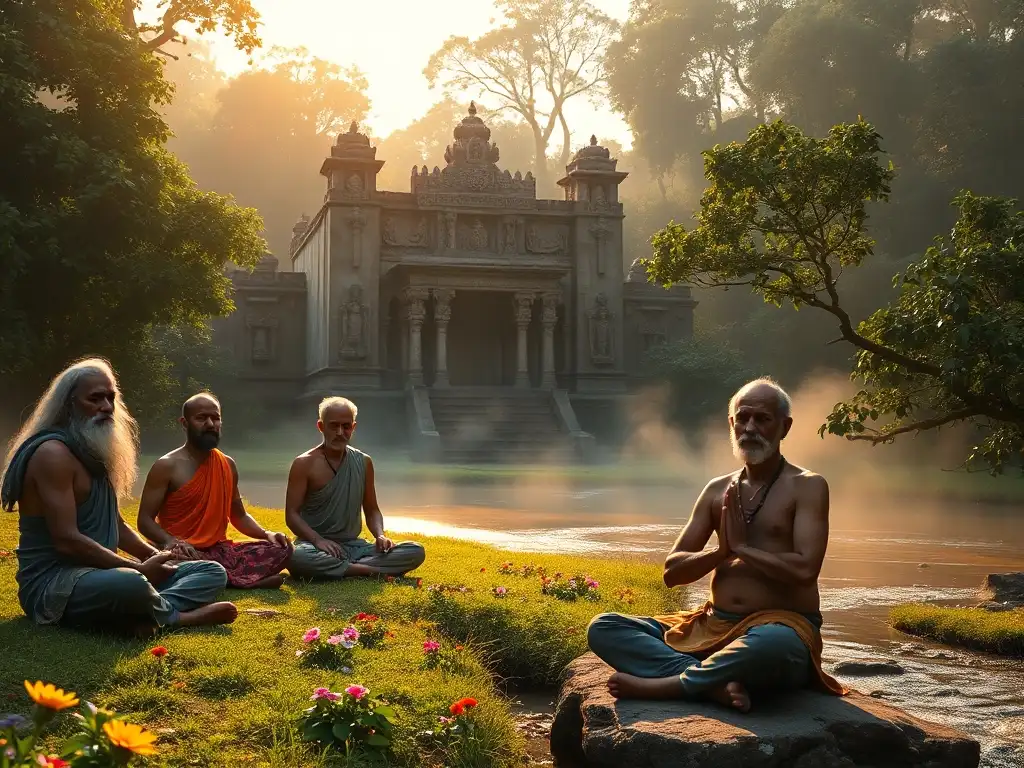
Welcome to Ancient India History, where we embark on a captivating journey through the rich tapestry of ancient Indian civilizations. Here, we delve into the evolution of yoga, tracing its remarkable transformation from the ascetic practices of early hermits to the profound teachings of revered gurus. Discover how this ancient discipline not only shaped the spiritual landscape of India but also left an indelible mark on wellness practices around the globe. Are you ready to unravel the secrets behind the evolution of yoga in ancient India? Dive in and let the exploration begin!
- Introduction to Yoga Evolution in Ancient India
- The Origins of Yoga in Ancient India
- The Role of Ascetics in Early Yoga Evolution
- The Transition from Asceticism to Gurus
- Philosophical Shifts: From Rigorous Practices to Holistic Approaches
- Major Texts and Their Contributions to Yoga Evolution
- The Impact of Cultural and Religious Changes on Yoga
- Modern Interpretations and the Legacy of Ancient Yoga
- Conclusion: The Continuous Evolution of Yoga in Ancient India
- Frequently Asked Questions
- Final Reflection: The Evolution of Yoga as a Cultural Beacon
- Embrace the Yogic Journey!
Introduction to Yoga Evolution in Ancient India
Yoga, a practice that has transcended time and cultural boundaries, finds its roots deeply embedded in the ancient civilizations of India. The evolution of yoga is not merely a narrative of physical postures; rather, it represents a profound transformation of spiritual and philosophical concepts that have shaped the essence of human existence.
This article delves into the yoga evolution in ancient India, tracing its journey from ascetic practices to the emergence of influential gurus who played pivotal roles in its development. By exploring this rich history, we can gain insights into how yoga has become a holistic approach to wellness, connecting the mind, body, and spirit.
Overview of Yoga's Historical Significance
The significance of yoga in ancient India cannot be overstated. It emerged as a vital component of spiritual practices, serving as a pathway to enlightenment and self-realization. Here are some key points that illustrate its historical importance:
- Origins in the Indus Valley: Evidence suggests that yoga practices date back to the Indus Valley Civilization (circa 2500 BCE), where seals depicting figures in yogic postures have been discovered.
- Vedic Texts: The Vedas, ancient Indian scriptures, contain references to meditation and ascetic practices, highlighting the early philosophical underpinnings of yoga.
- Upanishads and Sutras: The Upanishads (circa 800-200 BCE) and the Yoga Sutras of Patanjali (circa 200 CE) further codified yoga, emphasizing meditation, ethics, and the pursuit of knowledge.
The historical journey of yoga reflects the evolving understanding of human consciousness and its relationship with the universe, making it a cornerstone of Indian philosophy.
The Transformation from Ascetics to Gurus
The transformation of yoga from ascetic practices to the teachings of revered gurus marks a significant shift in its evolution. This transition can be understood through the following stages:
- Ascetic Roots:
- Early yoga practitioners were often ascetics who renounced worldly pleasures to attain spiritual insight. They lived in isolation, focusing on meditation and self-discipline.
- Texts like the Bhagavad Gita depict the ascetic lifestyle, emphasizing the importance of detachment and inner peace.
- Emergence of Gurus:
- As yoga began to gain popularity, influential figures or gurus emerged, teaching their followers the deeper meanings and practices of yoga.
- Gurus like Patanjali and later, figures such as Adi Shankaracharya, played crucial roles in disseminating yoga philosophy and practice.
- Integration into Society:
- Yoga gradually evolved from a solitary practice to a communal one, with teachings being shared in ashrams and gatherings.
- The fusion of various philosophical schools, such as Vedanta and Samkhya, enriched yoga, making it accessible to a broader audience.
This transformation not only broadened the reach of yoga but also solidified its status as a vital aspect of spiritual and cultural life in ancient India, paving the way for its modern interpretations and practices.
The Origins of Yoga in Ancient India
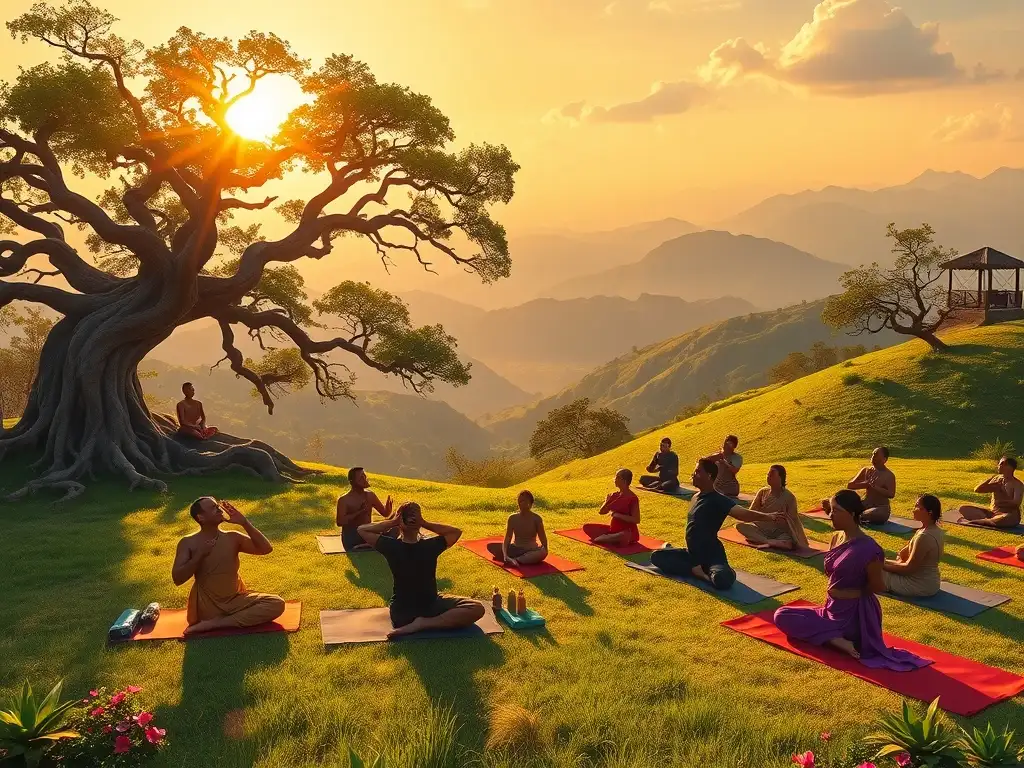
The Indus Valley Civilization and Early Practices
The roots of yoga can be traced back to the Indus Valley Civilization (c. 3300 – 1300 BCE), where archaeological findings suggest the early presence of practices that resemble yoga. Excavations at sites like Mohenjo-Daro and Harappa have revealed seals depicting figures in postures that resemble modern yoga asanas. These findings indicate that physical postures may have been utilized as part of spiritual or ritualistic practices.
The Indus Valley Civilization is known for its advanced urban planning and social organization, which likely facilitated communal rituals and spiritual practices. Evidence points to the existence of a shrine-like structure that might have been used for meditation and spiritual gatherings. Additionally, the presence of fire altars suggests that early inhabitants engaged in sacrificial rituals, which could have incorporated yogic elements, such as breath control and focused meditation.
Moreover, the iconography of the time, including depictions of deities and their associated symbols, indicates a complex understanding of the mind-body connection. Thus, while the term "yoga" may not have been explicitly used, the foundational practices that would later define yoga were likely being developed in this early civilization.
Vedic Texts: The Foundation of Yoga Philosophy
The transition from the practices of the Indus Valley Civilization to a more structured philosophical approach is observed in the Vedic texts (c. 1500 – 500 BCE). The Vedas, particularly the Rigveda, contain hymns that hint at early yogic principles, emphasizing the importance of meditation, mantra chanting, and the pursuit of knowledge as a means to spiritual awakening.
The Upanishads, which are philosophical texts that form the concluding part of the Vedic literature, delve deeper into the concept of yoga. They introduce key ideas such as Brahman (the ultimate reality) and Atman (the individual soul), positing that through yoga, one can attain self-realization and union with the divine. This philosophical framework marks a significant evolution in the understanding of yoga, shifting from mere physical practice to a deeper spiritual pursuit.
In this era, the term "yoga" began to take on a more defined meaning, primarily associated with meditative practices aimed at achieving moksha (liberation from the cycle of birth and rebirth). The Bhagavad Gita, part of the epic Mahabharata, also discusses various paths of yoga, including Karma Yoga (the yoga of action) and Bhakti Yoga (the yoga of devotion), further enriching the philosophical landscape of yoga.
The evolution of yoga in ancient India from the practical rituals of the Indus Valley to the profound philosophical inquiries found in the Vedic texts illustrates the transition from physical practices to a more comprehensive spiritual discipline that encompasses various aspects of life. This foundational period set the stage for the diverse paths of yoga that would emerge in subsequent centuries, each contributing uniquely to the overarching narrative of yoga's evolution.
The Role of Ascetics in Early Yoga Evolution
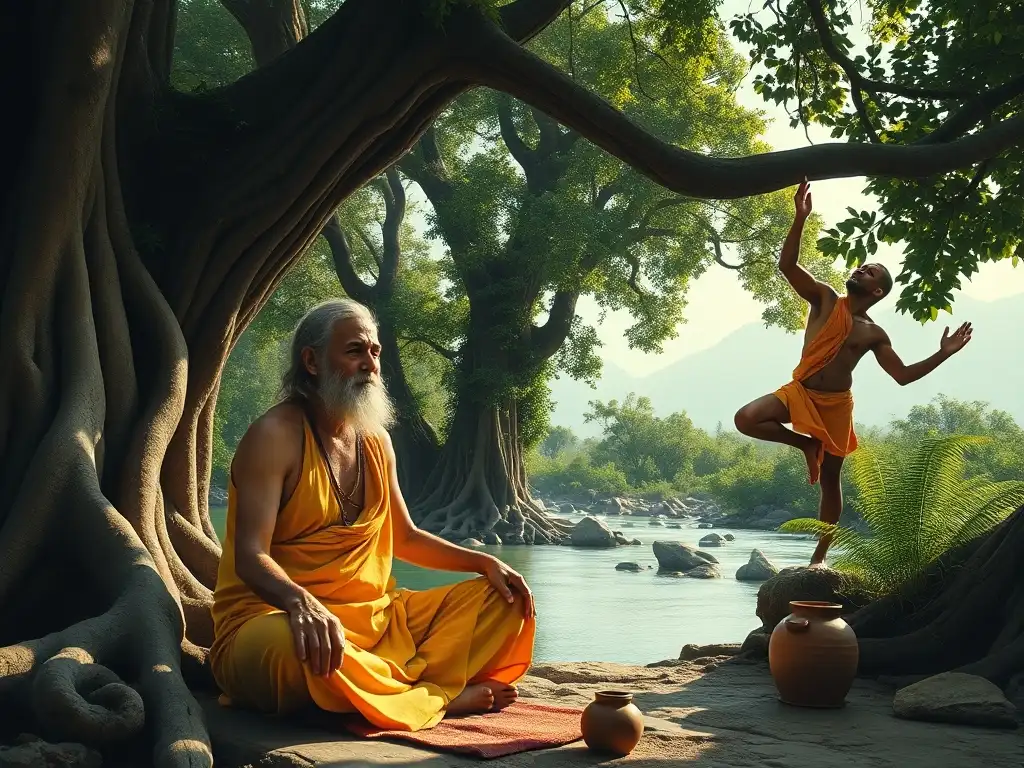
The Ascetic Lifestyle: Principles and Practices
The ascetic lifestyle played a pivotal role in the evolution of yoga in ancient India. Asceticism, characterized by rigorous self-discipline and abstention from worldly pleasures, sought to attain higher spiritual states. Ascetics, or sadhus, engaged in a range of practices that not only shaped their own spiritual journeys but also laid the groundwork for the development of yoga.
Key Principles of Asceticism:
- Self-Discipline: Ascetics committed to strict routines, often involving fasting, meditation, and physical austerities. This discipline cultivated mental clarity and resilience.
- Detachment: By renouncing material possessions and social bonds, ascetics aimed to free themselves from distractions, allowing for deeper introspection and spiritual connection.
- Meditation and Contemplation: Central to the ascetic practice was meditation, which fostered mindfulness and awareness. This practice would eventually find its way into yoga, emphasizing the importance of mental focus.
Common Practices Among Ascetics:
- Fasting: Regular fasting was used as a tool for purification and self-control.
- Meditative Postures: Specific physical postures, or asanas, were developed to facilitate prolonged meditation.
- Breath Control: Techniques like pranayama emerged, emphasizing the regulation of breath to enhance concentration and calm the mind.
The ascetic lifestyle not only influenced individual practitioners but also contributed to the communal knowledge of yoga practices, setting the stage for future philosophical developments.
Influence of Ascetic Traditions on Yoga Development
The ascetic traditions of ancient India laid a profound foundation for the evolution of yoga. By prioritizing spiritual goals over material concerns, ascetics contributed significantly to the philosophical underpinnings that would shape yoga as a holistic practice.
Key Influences on Yoga Development:
- Philosophical Texts: Ascetics were instrumental in the composition of texts that outlined spiritual principles. This corpus included works like the Upanishads, which introduced concepts such as the nature of reality ( Brahman) and the self ( Atman).
- Merging of Practices: The ascetic focus on meditation, physical discipline, and ethical conduct integrated seamlessly into the evolving framework of yoga. Practices such as dhyana (meditative concentration) became central to yoga's goals.
- Formation of Schools: Various sects emerged from ascetic traditions, each contributing to the diversity of yoga practices. For instance, the Jain and Buddhist traditions emphasized non-violence and mindfulness, which later influenced yoga's ethical dimensions.
Impact on Later Yoga Systems:
The ascetic contributions established a rich tapestry of ideas that would later inform the classical yoga systems, particularly those codified by sages like Patanjali in the Yoga Sutras. The emphasis on ethical living, meditation, and physical practice in asceticism became foundational elements in these later interpretations of yoga.
The ascetic traditions were instrumental in the evolution of yoga in ancient India, shaping its principles and practices. The influence of ascetics continues to resonate in contemporary yoga, highlighting the enduring legacy of their spiritual pursuits.
The Transition from Asceticism to Gurus

The transition from asceticism to the establishment of spiritual teachers, or gurus, marked a significant shift in the practice and understanding of yoga in ancient India. This evolution reflected broader social and cultural changes, where the solitary practices of ascetics began to give way to more community-oriented teachings. As yoga evolved, it integrated philosophical concepts that emphasized not only personal enlightenment but also the importance of guidance and mentorship from accomplished teachers.
This period saw a move away from extreme asceticism, prevalent in early yogic traditions, toward a more balanced approach to spirituality. While ascetics sought liberation through severe austerities and isolation, the emergence of gurus led to a more holistic understanding of yoga that included ethical conduct, meditation, and community support. This transformation paved the way for the rich tapestry of yoga practices that continue to influence spiritual traditions today.
Emergence of Spiritual Teachers in Ancient India
The emergence of spiritual teachers in ancient India was a pivotal development in the evolution of yoga. During this time, individuals who had attained significant insight and enlightenment began to share their knowledge with others, establishing a lineage of teaching that emphasized personal experience and guidance.
- Role of Gurus: Gurus became essential figures in the spiritual landscape, providing mentorship and instruction to seekers. They established ashrams and schools where disciples could learn not only the physical aspects of yoga but also the philosophical underpinnings that guided the practice.
- Community and Tradition: This shift marked the beginning of communal practices, where disciples gathered to learn from their gurus. The teachings were often transmitted orally, ensuring the transmission of knowledge and wisdom through generations. This oral tradition allowed for the adaptation and evolution of yoga practices based on the needs of the community.
The rise of spiritual teachers also signified a broader acceptance of diverse yogic practices, creating a rich environment for exploration and growth.
Key Figures in the Evolution of Yoga
Several key figures played a crucial role in shaping the evolution of yoga, each contributing unique perspectives and practices that reflected the cultural context of their time. Below are two prominent figures who significantly influenced the trajectory of yoga in ancient India.
Patanjali and the Yoga Sutras
Patanjali, a seminal figure in the history of yoga, is often credited with systematizing yoga philosophy through his work, the Yoga Sutras. This ancient text, composed around the 2nd century BCE, serves as a foundational scripture for understanding the principles and practices of yoga.
- The Eight Limbs of Yoga: Patanjali outlined the eight limbs of yoga ( Ashtanga), which include ethical precepts, physical postures, breath control, sensory withdrawal, concentration, meditation, and ultimately, liberation. This framework provided a structured approach to yoga, emphasizing the importance of moral conduct and mental discipline alongside physical practice.
- Integration of Philosophy: The Yoga Sutras integrate elements of Samkhya philosophy, which distinguishes between the material world and consciousness. Patanjali's teachings encourage practitioners to cultivate awareness and introspection, leading to self-realization and enlightenment. His influence has resonated through the centuries, establishing a foundation for various schools of yoga.
The Influence of Gautama Buddha and Jainism
The teachings of Gautama Buddha and the principles of Jainism also played a significant role in the evolution of yoga, contributing to its philosophical depth and ethical framework.
- Buddhism: The emergence of Buddhism introduced concepts such as mindfulness and compassion, which have become integral to many modern yoga practices. Buddha's emphasis on the Middle Way encouraged a balanced approach to spirituality, advocating for moderation rather than extreme asceticism. This philosophy aligned closely with the evolving practices of yoga, promoting a holistic path towards enlightenment.
- Jainism: Jainism, with its focus on non-violence ( ahimsa) and truth ( satya), further enriched the ethical dimensions of yoga. The Jain tradition emphasized the importance of self-discipline and purification, which influenced yogic practices that aimed at achieving both personal and communal harmony. The interplay between these philosophies contributed to the broader understanding of yoga as not merely a physical discipline but a comprehensive spiritual practice.
The evolution of yoga in ancient India was profoundly shaped by the emergence of spiritual teachers, key figures like Patanjali, and the influences of Buddhism and Jainism. This rich tapestry of thought and practice laid the groundwork for the diverse forms of yoga that continue to flourish in contemporary spiritual landscapes.
Philosophical Shifts: From Rigorous Practices to Holistic Approaches
The evolution of yoga in ancient India reflects a profound transformation in philosophical perspectives, moving from stringent ascetic practices to more holistic approaches that embrace the mind, body, and spirit. This shift can be traced through various texts and historical contexts, demonstrating how yoga adapted to the changing needs and understandings of practitioners.
The Integration of Meditation and Mindfulness
One of the pivotal changes in the philosophical landscape of yoga was the emphasis on meditation and mindfulness. Initially, yoga was heavily focused on physical austerities and rigorous postures aimed at transcending the physical self. However, as spiritual philosophies began to evolve, particularly with the influence of Buddhism and the Upanishadic texts, a more introspective approach emerged.
- Historical Context: The Upanishads, dating back to around 800-400 BCE, introduced the concept of Brahman (the ultimate reality) and Atman (the individual soul), leading to a more contemplative practice. This philosophical foundation encouraged practitioners to seek inner peace and self-realization.
- Meditative Techniques: Techniques such as Dhyana (meditative absorption) became integral to yoga practice. The focus shifted from merely physical discipline to cultivating mental clarity and emotional stability. This holistic approach fostered a deeper connection between the practitioner and the universe.
- Mindfulness Practices: The incorporation of mindfulness into yoga allowed for a greater awareness of the present moment. Ancient texts began to emphasize the importance of being fully present during practices, leading to a more profound spiritual experience.
The integration of meditation and mindfulness marked a significant philosophical shift in yoga, reflecting a broader understanding of human experience and spirituality.
The Development of Hatha Yoga and Its Techniques
The evolution of yoga also saw the emergence of Hatha Yoga, which played a crucial role in bridging the gap between physical practices and holistic wellness. This form of yoga, which gained prominence around the 9th century CE, focused on the physical body as a means of achieving spiritual goals.
- Foundational Texts: Key texts such as the Hatha Yoga Pradipika and the Gheranda Samhita laid the groundwork for Hatha Yoga, detailing various postures ( asanas), breathing techniques ( pranayama), and purification rituals ( shatkarmas). These texts emphasized the importance of physical health as a prerequisite for spiritual growth.
- Techniques and Practices: Hatha Yoga introduced a variety of techniques designed to purify and strengthen the body. This included:
- Asanas: Specific postures that promote flexibility, strength, and balance.
- Pranayama: Breath control practices that enhance energy and focus.
- Mudras and Bandhas: Hand gestures and energy locks that aid in channeling vital energy within the body.
- Holistic Wellness: The practices of Hatha Yoga were not merely physical but aimed at achieving a balance between the body and mind. By fostering physical well-being, practitioners found themselves more equipped to engage in meditation and spiritual practices, thus encouraging a comprehensive approach to health and spirituality.
The development of Hatha Yoga marked a significant phase in the evolution of yoga in ancient India, illustrating the seamless integration of physical techniques with philosophical insights into mindfulness and spiritual awakening. This holistic approach laid the foundation for modern yoga practices, emphasizing the enduring legacy of ancient Indian civilizations.
Major Texts and Their Contributions to Yoga Evolution

The Upanishads: Spiritual Insights and Yoga
The Upanishads, composed between 800 and 400 BCE, represent the culmination of Vedic thought and play a crucial role in the evolution of yoga in ancient India. These texts delve into the philosophical underpinnings of yoga, emphasizing the importance of self-realization and the pursuit of ultimate truth, or Brahman. The insights provided in the Upanishads serve as foundational principles for various yoga practices that emerged later.
The key themes of the Upanishads include:
- Atman and Brahman: The Upanishads articulate the relationship between the individual self (Atman) and the universal consciousness (Brahman), asserting that realizing this unity is the ultimate goal of yoga.
- Meditation and Contemplation: The texts promote meditative practices as a means to transcend the physical realm and connect with the divine essence. Techniques such as dhyana (meditation) are emphasized for their role in achieving enlightenment.
- Ethical Living: The Upanishads advocate for a life of dharma (duty), which aligns with the moral and ethical dimensions of yoga, guiding practitioners toward a life of virtue.
Through these teachings, the Upanishads laid the groundwork for a spiritual framework that would influence numerous yoga traditions, highlighting the evolution of yoga from mere physical practice to a holistic spiritual discipline.
The Bhagavad Gita: Philosophy and Duty in Yoga Practice
The Bhagavad Gita, a 700-verse dialogue within the Indian epic Mahabharata, is another seminal text that significantly contributes to the yoga evolution in ancient India. Composed around the 2nd century BCE, the Gita addresses the moral and philosophical dilemmas faced by Arjuna on the battlefield, providing profound insights into the nature of duty, righteousness, and the various paths of yoga.
Key contributions of the Bhagavad Gita to yoga include:
- Karma Yoga (Path of Action): The Gita emphasizes selfless action as a means to attain liberation. It teaches that performing one's duty without attachment to the results is essential for spiritual growth.
- Bhakti Yoga (Path of Devotion): The text also highlights the importance of devotion to God as a path to spiritual fulfillment, encouraging practitioners to cultivate love and surrender to the divine.
- Jnana Yoga (Path of Knowledge): The Gita offers a philosophical exploration of knowledge and wisdom, guiding seekers on how to discern the eternal truths amidst the transient world.
The teachings of the Bhagavad Gita illustrate how yoga encompasses more than just physical postures; it embodies a comprehensive approach to life that intertwines ethics, devotion, and knowledge, marking a pivotal evolution in the practice of yoga.
The Hatha Yoga Pradipika: A Guide to Physical Practices
Written in the 15th century CE by Swatmarama, the Hatha Yoga Pradipika is a critical text that specifically addresses the physical aspects of yoga. It serves as a manual for practitioners seeking to cultivate physical strength, flexibility, and mastery over the body. This text marks a significant shift in the evolution of yoga, emphasizing the importance of asanas (postures) and pranayama (breath control) as essential components of practice.
Key elements covered in the Hatha Yoga Pradipika include:
- Asanas: The text describes various postures that promote physical health and prepare the body for meditation. Each asana is detailed with instructions and benefits, highlighting their role in achieving a balanced state of being.
- Pranayama Techniques: Swatmarama elaborates on breath control practices that enhance vital energy (prana) within the body, facilitating deeper meditative experiences and increased focus.
- Purification Practices: The text introduces shatkarmas (purification practices) aimed at cleansing the body and mind, which are essential for successful yoga practice.
The Hatha Yoga Pradipika represents a pivotal moment in the yoga evolution in ancient India, transitioning the focus from solely spiritual and philosophical pursuits to the integration of physical practices. This comprehensive approach laid the foundation for modern yoga practices, making it accessible to a broader audience while maintaining its spiritual essence.
The Impact of Cultural and Religious Changes on Yoga
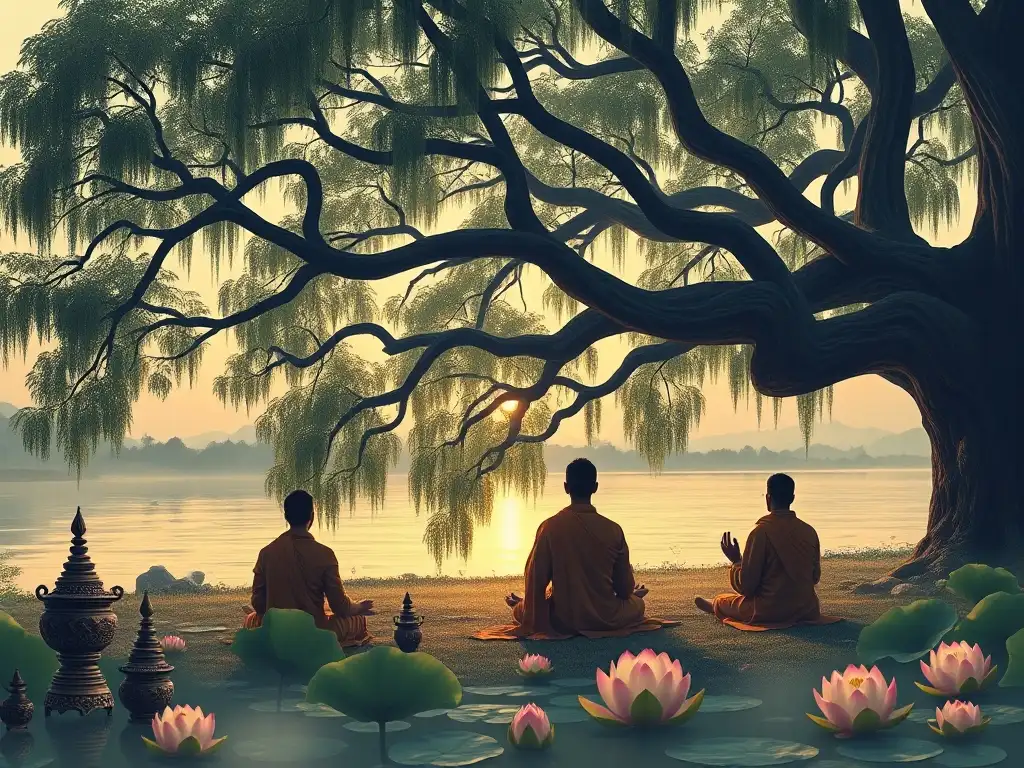
The evolution of yoga in ancient India was not a linear process; rather, it was significantly influenced by the cultural and religious dynamics of the time. As various philosophical and spiritual movements emerged, they brought with them new ideas, practices, and interpretations that shaped the development of yoga. Understanding these influences is crucial for grasping the complexities of yoga's historical trajectory.
The Rise of Hinduism and Its Influence on Yoga Practices
The rise of Hinduism around 1500 BCE marked a pivotal moment in the evolution of yoga. As a major religious tradition, Hinduism introduced a plethora of texts, rituals, and philosophical concepts that intertwined with the practice of yoga.
- Vedic Texts and Early Yoga: The Vedas, the sacred scriptures of Hinduism, contain the earliest references to yoga. The Rigveda mentions practices that can be interpreted as early forms of meditation and asceticism. The concept of tapas (austerity) is prominent, suggesting the importance of self-discipline in spiritual practices.
- Upanishadic Philosophy: The Upanishads further expanded on these ideas, emphasizing the pursuit of spiritual knowledge and the quest for ultimate reality (Brahman). Yoga, in this context, became a means to attain self-realization and unity with the divine. Key practices included meditation (dhyana) and breath control (pranayama), which are integral to modern yoga.
- Integration with Other Practices: As Hinduism evolved, various schools emerged, including Vedanta and Samkhya, which incorporated yoga as a system of philosophical thought and practice. The Bhagavad Gita, a foundational text, articulates the idea of Karma Yoga (the yoga of action) and Bhakti Yoga (the yoga of devotion), showcasing the adaptability of yoga to different aspects of life and spirituality.
The influence of Hinduism solidified yoga as a spiritual discipline, intertwining physical postures, meditation, and ethical living.
The Interplay of Buddhism and Yoga Philosophy
The emergence of Buddhism in the 5th century BCE introduced a new dimension to the evolution of yoga. While Buddhism shares some philosophical roots with Hinduism, it also diverged significantly, impacting yoga practices in various ways:
- Rejection of Ritualism: Buddhism's foundational teachings urged a departure from ritualistic practices common in early Hinduism. Instead, the focus shifted towards mindfulness and meditation as paths to enlightenment. This emphasis on meditation as a core practice influenced the development of yogic techniques, particularly those pertaining to mindfulness and concentration.
- The Eightfold Path: The Buddha's Noble Eightfold Path incorporated elements akin to yoga, such as right understanding, right intention, and right mindfulness. Each aspect can be seen as a form of mental discipline that aligns closely with yogic practices aimed at achieving mental clarity and liberation from suffering.
- Integration of Yogic Techniques: As Buddhism spread across India and beyond, it assimilated various yogic practices. The Yoga Sutras of Patanjali, a seminal text in the yoga tradition, embodies a synthesis of Hindu and Buddhist thought, emphasizing both meditation and ethical conduct as essential for attaining samadhi (a state of meditative consciousness).
The interplay between Buddhism and yoga enriched the latter's philosophical underpinnings, leading to a more nuanced understanding of the mind-body connection and the pursuit of spiritual liberation.
The transformation of yoga in ancient India was deeply influenced by the cultural and religious changes, particularly through the rise of Hinduism and the emergence of Buddhism. Each tradition contributed unique philosophies and practices that not only shaped the identity of yoga but also ensured its survival and adaptation through centuries. The evolution of yoga, characterized by this rich tapestry of influences, continues to resonate in modern practices, highlighting its enduring legacy.
Modern Interpretations and the Legacy of Ancient Yoga
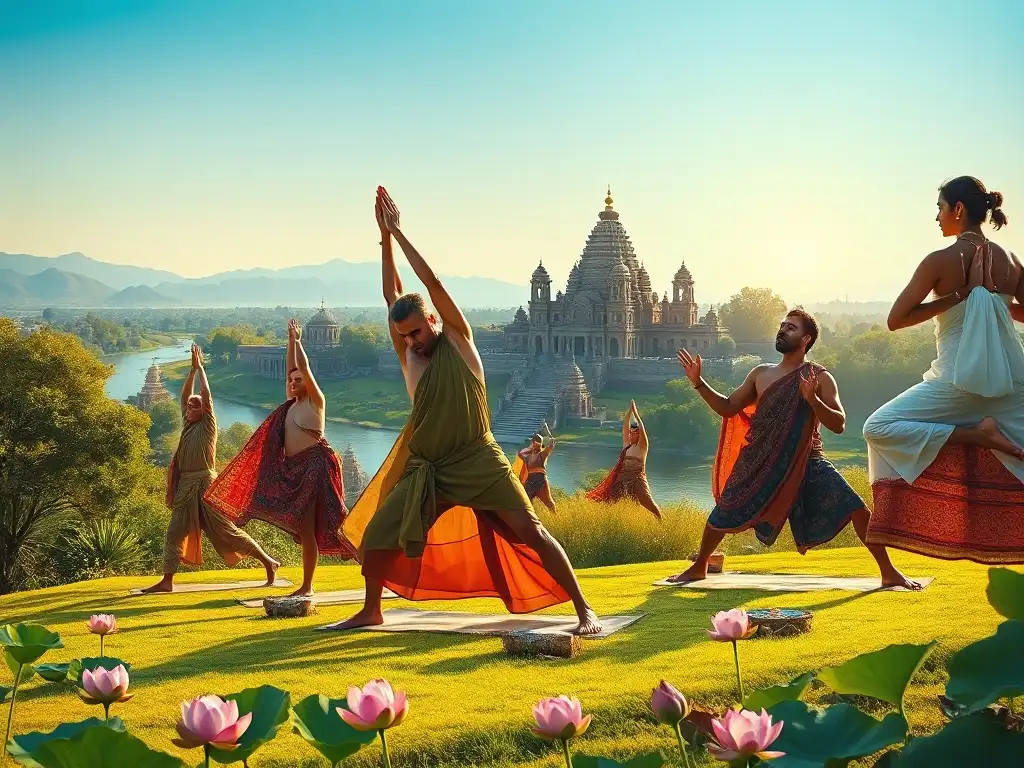
The evolution of yoga in ancient India has left an indelible mark on contemporary practices, shaping not only the techniques employed but also the philosophies and ideologies that underpin modern yoga. As we explore the modern interpretations of ancient yoga, it becomes clear that the foundational practices established thousands of years ago continue to resonate with practitioners today.
How Ancient Practices Influence Contemporary Yoga Styles
Ancient Indian yogic practices, particularly those outlined in texts like the Yoga Sutras of Patanjali and the Bhagavad Gita, laid the groundwork for various contemporary yoga styles. These ancient texts emphasized the importance of meditation, ethical conduct, and physical postures (asanas), which are integral to many current forms of yoga.
- Asanas and Physical Postures:
- The physical postures practiced today can be traced back to ancient techniques used for enhancing physical health and spiritual growth.
- Modern styles such as Hatha, Vinyasa, and Ashtanga have evolved from these traditional forms, incorporating dynamic movements and sequences that reflect the original postures.
- Meditative Techniques:
- Ancient yoga emphasized meditation as a means of achieving self-realization and enlightenment.
- Contemporary practices often include mindfulness and breath control (pranayama), vital components for enhancing mental clarity and emotional stability.
- Philosophical Underpinnings:
- The ethical guidelines (Yamas and Niyamas) set forth in ancient texts serve as a moral compass for practitioners today.
- These principles encourage compassion, non-violence, and self-discipline, which continue to be relevant in modern yoga communities.
- Adaptability and Personalization:
- One notable aspect of yoga's evolution is its adaptability.
- Ancient yogis tailored their practices to suit individual needs and contexts, a principle that modern practitioners embrace, allowing for diverse interpretations and personalized practices.
The Globalization of Yoga: From Ancient India to the World
The globalization of yoga has transformed its practice from a localized spiritual discipline into a worldwide phenomenon. This transition is characterized by several key factors:
- Cultural Exchange: As yoga spread beyond India, cultural exchanges enriched its practice, leading to the fusion of traditional techniques with Western fitness trends.
- Modern Accessibility: The rise of yoga studios, workshops, and online classes has made yoga accessible to a global audience. Practitioners from diverse backgrounds now engage with yoga, often emphasizing physical fitness over its spiritual aspects.
- Commercialization: The popularity of yoga has also led to its commercialization, often focusing on the aesthetic and physical benefits, sometimes overshadowing its philosophical roots. This phenomenon raises questions about the authenticity of contemporary practices in relation to their ancient origins.
- Social Media Influence: Platforms like Instagram and YouTube have played a significant role in promoting yoga, enabling influencers to share their interpretations and styles, further diversifying the landscape of yoga practices worldwide.
The legacy of ancient yoga continues to influence modern interpretations, fostering a dynamic dialogue between tradition and innovation. As yoga evolves, it remains essential to acknowledge its roots and the rich history that has shaped its journey from ancient India to the global stage.
Conclusion: The Continuous Evolution of Yoga in Ancient India
The evolution of yoga in ancient India is not merely a historical account; it is a profound testament to the development of human consciousness and spiritual practices over millennia. The journey from ascetic practices to the establishment of structured schools of thought illustrates how yoga has continuously adapted to the needs and philosophies of society. The ancient texts, such as the Vedas, Upanishads, and the Yoga Sutras of Patanjali, reflect this transformation, presenting diverse perspectives on the practice and its purpose.
As we delve into the historical journey of yoga, we observe an intricate tapestry woven by various philosophies, such as Samkhya and Vedanta, which contributed to deepening the understanding of yoga. The integration of meditation, physical postures, and ethical disciplines paved the way for a holistic approach to wellness that resonates with practitioners to this day. The diverse interpretations and practices that emerged during different periods, including those of the Indus Valley civilization, the rise of Buddhism, and the illustrious Gupta period, showcase yoga’s adaptability and resilience.
Reflection on Yoga’s Historical Journey and Its Future
The historical journey of yoga reveals a dynamic interplay between ascetic traditions and communal practices. Initially, yoga was primarily associated with asceticism, focusing on renunciation and solitary practices aimed at achieving liberation (moksha). However, as time progressed, yoga began to incorporate more community-oriented practices, emphasizing the importance of ethical living and social responsibility.
The future of yoga, influenced by its rich past, appears to be one of integration and inclusivity. Contemporary practitioners are increasingly drawn to the philosophical underpinnings of yoga that advocate for mindfulness, compassion, and holistic living. As yoga continues to evolve, it is crucial to maintain a connection to its historical roots, ensuring that modern interpretations honor the essence of ancient practices.
Moreover, the rise of digital platforms has created new avenues for sharing yoga's teachings, promoting accessibility and diversity in practice. This democratization of yoga allows individuals from various backgrounds to engage with its philosophy, further enriching the practice and ensuring its relevance in a rapidly changing world.
The Lasting Influence of Ancient Indian Yoga on Global Practices
The influence of ancient Indian yoga extends far beyond the borders of India, shaping wellness practices across the globe. Yoga's core principles, such as mindfulness, meditation, and breath control, have found their way into various disciplines, including psychology, fitness, and holistic health.
| Aspect | Ancient Indian Yoga | Global Practices |
|---|---|---|
| Philosophy | Focus on self-realization and liberation | Emphasis on well-being and personal growth |
| Practice | Meditation, asanas, and ethical conduct | Diverse styles (e.g., Hatha, Vinyasa) |
| Community | Ascetic traditions to community practices | Global yoga communities and studios |
| Adaptation | Evolved with cultural influences | Continually adapts to modern lifestyles |
The globalization of yoga has fostered a blend of traditional and contemporary practices, where ancient wisdom meets modern innovation. As such, yoga has transcended its historical roots, becoming a universal practice that promotes physical health, mental clarity, and spiritual awareness.
The evolution of yoga in ancient India serves as a foundation for its current global expression. By understanding and appreciating this historical journey, practitioners can engage more deeply with the practice, ensuring that the essence of ancient Indian yoga continues to inspire and transform lives around the world.
Frequently Asked Questions
What is the significance of Yoga evolution in ancient India?
The evolution of Yoga in ancient India marks a profound transformation from ascetic practices to a comprehensive spiritual discipline, influencing various aspects of Indian culture and philosophy.
How did the Indus Valley Civilization contribute to Yoga?
The Indus Valley Civilization showcased early forms of meditative practices and physical exercises, laying the groundwork for the spiritual principles that later influenced Yoga.
What role did ascetics play in the development of Yoga?
Ascetics played a crucial role in shaping the early practices of Yoga by emphasizing self-discipline, meditation, and the pursuit of spiritual enlightenment.
How did the Gupta Empire influence Yoga practices?
During the Gupta Empire, Yoga evolved into a more systematized practice, integrating philosophical teachings and formal texts, which significantly impacted its global reach.
What are the key texts that discuss the transformation of Yoga?
Key texts like the Yoga Sutras of Patanjali and the Bhagavad Gita document the transformation of Yoga, detailing its philosophical underpinnings and practical applications throughout ancient India.
Final Reflection: The Evolution of Yoga as a Cultural Beacon
The journey of yoga from ascetic practices to revered spiritual guidance is not just a historical narrative; it is a reflection of our ongoing quest for meaning and connection in a rapidly changing world. Today, as we navigate the complexities of modern life, the evolution of yoga in ancient India serves as a powerful reminder of the transformative potential of this practice. It invites us to explore how ancient wisdom can provide clarity and grounding amidst contemporary chaos.
The cultural and social landscape has been profoundly shaped by the teachings of yoga, which continue to resonate across generations. From its roots in asceticism to its current status as a global phenomenon, yoga embodies a bridge between the past and present, fostering a sense of community and self-discovery. Yoga is the journey of the self, through the self, to the self.
– The Bhagavad Gita. This quote encapsulates the essence of yoga's evolution, highlighting its enduring relevance and the personal growth it inspires.
As we reflect on the rich tapestry of yoga's history, I invite you to consider how its principles can be woven into your own life. Embrace the lessons of balance, mindfulness, and self-awareness that yoga offers, and allow them to guide you on your unique journey. Whether through practice, meditation, or simply a moment of stillness, let the evolution of yoga inspire you to cultivate a deeper connection with yourself and the world around you.
Embrace the Yogic Journey!
Thank you for exploring the fascinating evolution of yoga in ancient India! We hope you found insights that inspire you to reflect on the rich traditions and teachings behind this ancient practice. Now, it’s time to take that inspiration further and actively engage with the world of yoga.
Here are some actionable steps you can take right now:
- Dive deeper into your practice: Join a local yoga class or explore an online course that connects you with the teachings of ancient yogic philosophies.
- Share the knowledge: Discuss your insights with friends and family or write a blog about how these ancient teachings can be applied to modern life.
- Explore unexpected realms: Research an ancient yogic text you’ve never read before and uncover the lessons it offers for today’s practitioners.
What aspect of ancient yoga resonates most with you, and how do you see it influencing your daily life?