
How Ancient Indian Surgeons Contributed to Neurosurgery

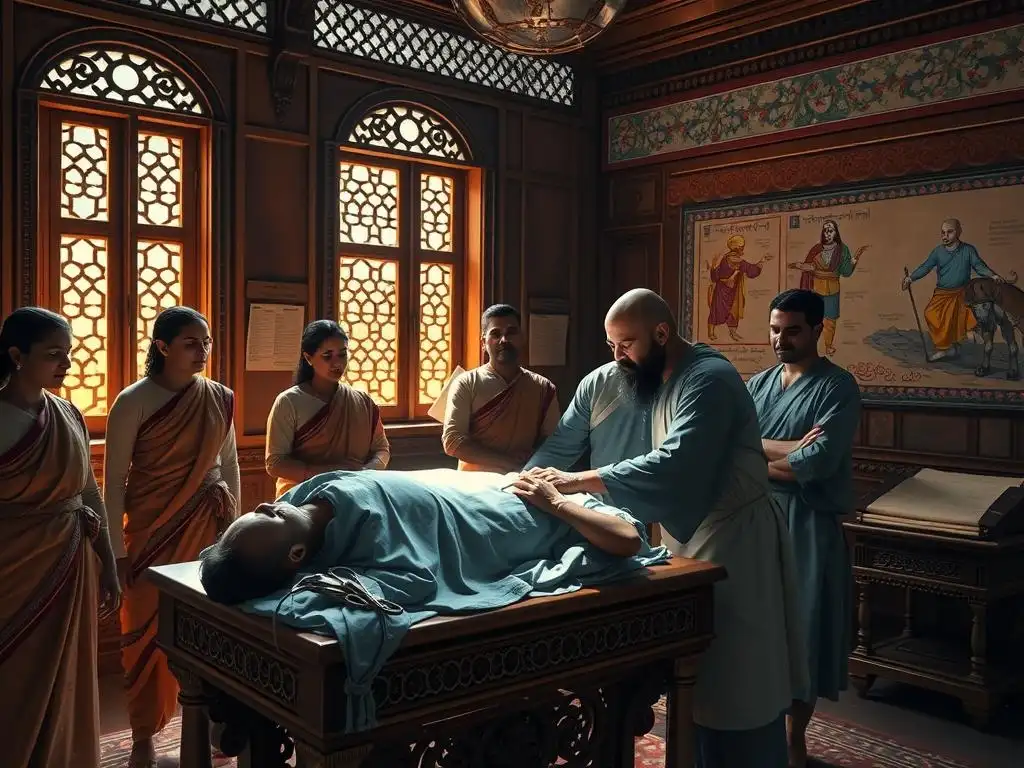
Welcome to Ancient India History, where we embark on a fascinating journey through the rich tapestry of ancient Indian civilizations. From the intricate designs of the Indus Valley to the intellectual heights of the Gupta Empire, our exploration uncovers the remarkable contributions that have shaped human knowledge. Today, we invite you to delve into the astonishing world of ancient Indian neurosurgery contributions.
Discover how the pioneering techniques and profound insights of ancient Indian surgeons laid the groundwork for modern medicine, and prepare to be captivated by a story that intertwines science, culture, and innovation. Your exploration starts here—let's uncover the secrets of the past together!
- Introduction to Ancient Indian Neurosurgery Contributions
- Historical Context of Neurosurgery in Ancient India
- Prominent Ancient Indian Surgeons and Their Contributions
- Techniques and Practices in Ancient Indian Neurosurgery
- Comparative Analysis of Ancient Indian Neurosurgery with Other Civilizations
- Legacy and Influence of Ancient Indian Neurosurgery
- Conclusion: The Lasting Impact of Ancient Indian Neurosurgery Contributions
- References and Further Reading
-
Frequently Asked Questions
- What were the main contributions of ancient Indian surgeons to neurosurgery?
- How did the techniques of ancient Indian neurosurgery differ from those in other civilizations?
- Who were some notable figures in ancient Indian neurosurgery?
- What texts provide insight into ancient Indian neurosurgery?
- How does the legacy of ancient Indian neurosurgery influence modern practices?
- Final Reflection: The Enduring Legacy of Ancient Indian Neurosurgery Contributions
- Unveil the Legacy of Ancient Indian Neurosurgery!
Introduction to Ancient Indian Neurosurgery Contributions
The contributions of ancient Indian surgeons to the field of neurosurgery represent a remarkable chapter in the history of medicine. Long before modern techniques and technologies emerged, skilled practitioners in ancient India were performing complex surgical procedures that laid the groundwork for contemporary neurosurgery. The ancient texts, particularly the Sushruta Samhita, document an extensive understanding of human anatomy and surgical practices, showcasing the ingenuity and expertise of these early medical pioneers. This article delves into the fascinating world of ancient Indian neurosurgery contributions, exploring the innovative techniques and profound impact they had on the development of surgical practices.
Overview of Neurosurgery in Ancient India
Neurosurgery, as recognized today, involves the surgical treatment of conditions affecting the nervous system, including the brain and spinal cord. In ancient India, this field was rudimentarily practiced by skilled surgeons, known as Shalyatantra, who specialized in surgical techniques.
- Sushruta Samhita: One of the foundational texts in ancient Indian medicine, attributed to the surgeon Sushruta, it contains detailed descriptions of surgical procedures, including those performed on the head and brain. This text highlights:
- Techniques for trepanation (boring a hole into the skull).
- Procedures for managing head injuries and neurological disorders.
- A comprehensive understanding of anatomy, including the identification of vital structures.
- Innovative Techniques: Ancient Indian surgeons employed various methods that were ahead of their time, such as:
- Use of scalpels and other surgical instruments: These were crafted with precision from materials such as iron and steel.
- Anesthesia and pain management: Techniques utilizing herbal concoctions to alleviate pain during surgeries.
The ability of these ancient practitioners to successfully perform surgeries with such limited technology is a testament to their skill and knowledge.
Importance of Ancient Indian Surgical Techniques
The significance of ancient Indian surgical techniques extends beyond their historical context; they laid critical foundations for future medical practices both in India and across the world.
- Cultural Legacy: The practices and principles outlined in texts like the Sushruta Samhita influenced not only Indian medicine but also were transmitted to other cultures, impacting the development of surgical techniques in the Middle East and beyond.
- Holistic Approach: Ancient Indian surgeons incorporated a holistic view of health, considering physical, mental, and spiritual well-being. This integrative perspective remains relevant in modern medicine, emphasizing patient care that goes beyond the surgical procedure itself.
- Educational Framework: The rigorous training and apprenticeship models established for aspiring surgeons set a precedent for medical education that continues to evolve today.
The contributions of ancient Indian neurosurgery are not merely historical footnotes; they are integral to understanding the evolution of surgical practices and medical knowledge. The techniques and philosophies developed by these early surgeons have enduring implications for contemporary medicine, highlighting the rich heritage of ancient Indian contributions to health sciences.
Historical Context of Neurosurgery in Ancient India
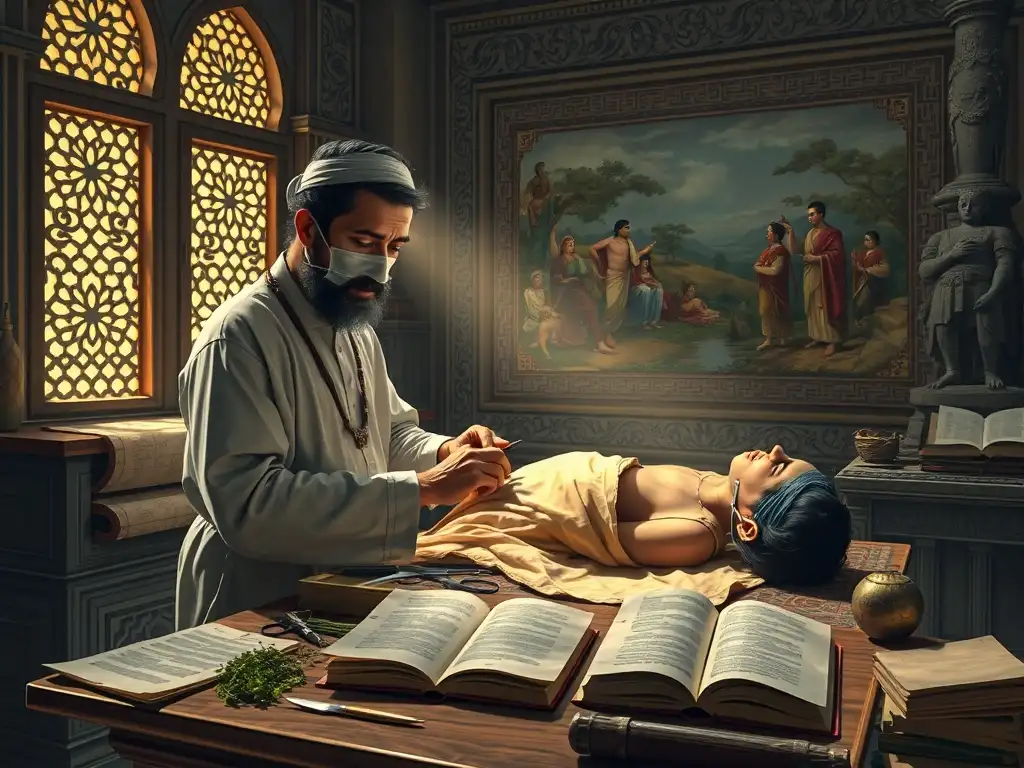
The historical context of neurosurgery in ancient India is a fascinating tapestry woven from the rich traditions of medicine, philosophy, and culture that flourished long before the advent of modern surgical techniques. Ancient Indian surgeons made significant strides in understanding human anatomy and treating neurological conditions, laying the groundwork for what would eventually become neurosurgery.
The Evolution of Medical Practices in Ancient India
The evolution of medical practices in ancient India can be traced back to the early settlements of the Indus Valley civilization (circa 2500 BCE), where evidence of surgical tools and medical practices has been found. Over centuries, these practices evolved through the confluence of various philosophical and cultural influences, including Ayurveda, which emphasizes holistic health and well-being.
- Ayurvedic Principles: Ancient Indian medicine was primarily guided by Ayurvedic principles, which focused on the balance of bodily energies (doshas) and the importance of diet and lifestyle in maintaining health. This holistic approach laid the foundation for surgical practices, including those targeting neurological ailments.
- Surgical Techniques: By the time of the early Mauryan period (circa 322–185 BCE), surgeons had developed a range of surgical techniques, including trepanation, a procedure where a hole is drilled into the skull to relieve pressure or treat head injuries. This practice illustrates the ancient Indian understanding of the human skull and brain, indicating a rudimentary yet sophisticated approach to neurosurgery.
Key Texts and Manuscripts on Neurosurgery
The contributions of ancient Indian surgeons to neurosurgery are preserved in various texts and manuscripts that detail surgical techniques, anatomical knowledge, and medical philosophies. These texts serve as invaluable resources for understanding the evolution of surgical practices in ancient India.
Sushruta Samhita: The Foundation of Ancient Indian Surgery
The Sushruta Samhita, attributed to the surgeon Sushruta (circa 600 BCE), is one of the most significant ancient texts on surgery and is often referred to as the "foundation of ancient Indian surgery." This comprehensive manual covers various aspects of surgical practices, including:
- Anatomy and Physiology: The text provides detailed descriptions of human anatomy, including the cranial structure and the nervous system. Sushruta’s observations laid the groundwork for neurosurgery by advancing the understanding of the brain's anatomy.
- Surgical Techniques: Sushruta documented over 300 surgical procedures and 120 surgical instruments, many of which were designed for delicate operations on the head and brain. Techniques such as trepanation and the treatment of head wounds are described in detail, showcasing the sophisticated approach of ancient Indian surgeons.
- Ethical Considerations: The Sushruta Samhita also emphasizes the importance of ethics in surgery, outlining the qualifications and responsibilities of surgeons, which reflects the high standards of medical practice in ancient India.
Other Notable Texts and Contributions
In addition to the Sushruta Samhita, other notable texts further illuminate the contributions of ancient Indian surgeons to neurosurgery and medicine in general:
- Charaka Samhita: This foundational text of Ayurveda, attributed to Charaka, discusses various medical conditions and treatments, including those related to neurological disorders. It complements the surgical insights of Sushruta by focusing on internal medicine and overall health.
- Ashtanga Hridayam: Authored by Vagbhata, this text synthesizes the teachings of both Charaka and Sushruta, presenting a comprehensive view of Ayurvedic practices, including surgical interventions for head injuries and neurological issues.
- Influence Beyond Borders: The knowledge preserved in these texts not only enriched Indian medicine but also influenced neighboring cultures and medical practices, contributing to the broader field of surgery throughout Asia and beyond.
The rich legacy of ancient Indian neurosurgery contributions, as documented in these texts, highlights the sophisticated understanding of medical practices in ancient India and underscores the cultural and intellectual achievements of this remarkable civilization.
Prominent Ancient Indian Surgeons and Their Contributions
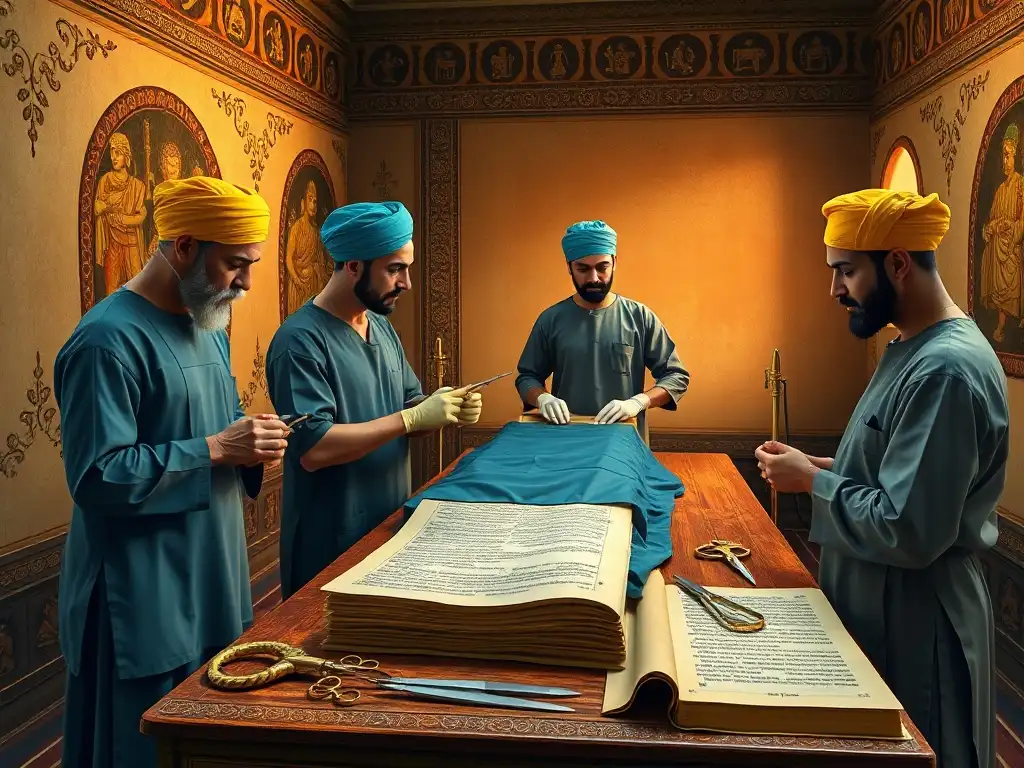
Sushruta: The Father of Surgery
Sushruta, often hailed as the "Father of Surgery," is one of the most significant figures in ancient Indian medicine. His seminal work, the Sushruta Samhita, is a comprehensive text that lays the foundation for surgical practices. Written around the 6th century BCE, this text is revered not only for its detailed descriptions of surgical techniques but also for its insights into the medical knowledge of the time.
Innovations in Surgical Techniques
Sushruta's contributions to surgery are noteworthy for their scope and detail. He introduced several innovative surgical techniques, including:
- Suturing: Sushruta developed methods for suturing wounds, using materials such as silk and cotton threads.
- Plastic Surgery: He is credited with pioneering techniques in reconstructive surgery, particularly rhinoplasty (nose reconstruction).
- Anesthesia: Sushruta utilized herbal concoctions to induce anesthesia in patients, allowing for more complex surgeries to be performed with reduced pain.
His descriptions of over 120 surgical instruments highlight the sophisticated nature of ancient Indian surgical practices, which included scalpels, forceps, and probes, many of which are still in use today.
Contributions to Neurosurgery
Among Sushruta's most remarkable contributions is his understanding of neurosurgery. He recognized the importance of the brain and nervous system, documenting surgical procedures aimed at treating head injuries and neurological disorders. His techniques included:
- Trepanation: Sushruta described the process of trepanation, which involves drilling a hole into the skull to relieve pressure or treat injuries.
- Cranial Surgery: His writings detail methods for performing cranial surgery with precision, ensuring minimal damage to surrounding tissues.
The principles laid out in the Sushruta Samhita regarding neurosurgery set a precedent for later developments in the field, demonstrating a profound understanding of anatomy and surgical techniques that would influence generations of surgeons.
Other Influential Surgeons
While Sushruta is the most prominent figure in ancient Indian surgery, other notable surgeons also made significant contributions to the field, enriching the medical landscape of ancient India.
Charaka and His Impact on Medicine
Charaka, a contemporary of Sushruta, is best known for his work in Ayurveda, particularly the Charaka Samhita. This text is fundamental in understanding the holistic approach to health and medicine in ancient India. Charaka's contributions include:
- Diagnostic Techniques: He emphasized the importance of diagnosis based on patient observation, which laid the groundwork for modern diagnostic approaches.
- Pharmacology: Charaka detailed numerous medicinal plants and their applications, contributing to the field of pharmacology and its integration with surgical practices.
His holistic approach complemented Sushruta's surgical methods, creating a comprehensive medical system that addressed both surgical and non-surgical treatments.
Jivaka and His Role in Ancient Surgery
Jivaka, another influential figure in ancient Indian medicine, is often referred to as the physician to the Buddha. His contributions to surgery and medicine include:
- Surgical Practices: Jivaka is credited with performing complex surgeries, including those related to the ear, eyes, and other sensory organs.
- Ethical Medical Practice: He emphasized the importance of ethics in medicine, advocating for patient care and the moral responsibilities of surgeons.
Jivaka's practices and teachings further enriched the medical knowledge of ancient India, highlighting the importance of skilled practitioners in the field of surgery.
The contributions of ancient Indian surgeons, particularly Sushruta, Charaka, and Jivaka, have left an indelible mark on the field of surgical techniques and neurosurgery. Their innovative practices and profound understanding of medicine continue to influence contemporary medical practices and demonstrate the advanced nature of ancient Indian healthcare.
Techniques and Practices in Ancient Indian Neurosurgery
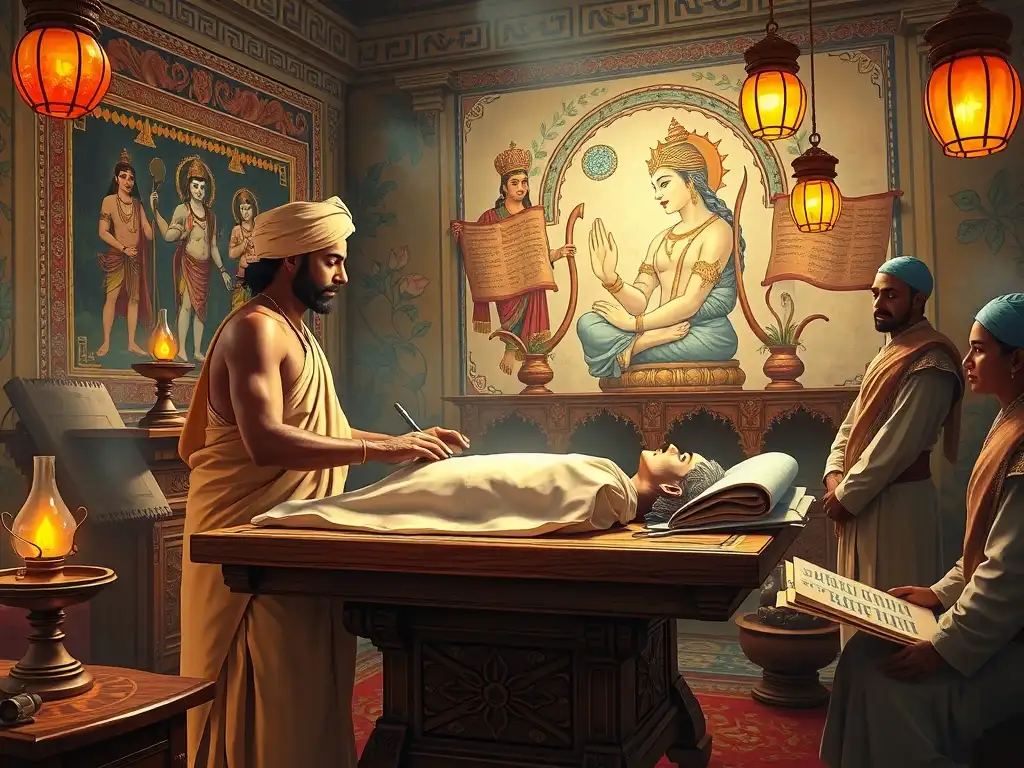
Surgical Tools and Instruments Used in Neurosurgery
Ancient Indian surgeons utilized a variety of specialized tools and instruments that were crucial for performing intricate neurosurgical procedures. Many of these instruments demonstrate remarkable craftsmanship and an understanding of the human anatomy.
- Surgical Knives (Shastra): Crafted from high-quality steel, these knives were used for incisions during operations. Their design often featured a sharp blade with a sturdy handle for better control.
- Scalpels: Smaller than standard surgical knives, scalpels were used for delicate procedures. The design allowed for precision in cutting through skin and other tissues.
- Curettes: These spoon-shaped instruments were essential for scraping away tissue or debris from the surgical site, particularly in cases involving head injuries.
- Forceps (Pincers): Used for grasping and holding tissues or organs, forceps were vital during surgery to maintain visibility and access to the surgical area.
- Needles and Sutures: Ancient Indian surgeons used needles made from metal, often accompanied by threads made from animal sinew or plant fibers, showcasing early practices of suturing.
The combination of these tools and the techniques developed around them reflects the advanced state of surgical knowledge in ancient India, particularly in the realm of neurosurgery.
Techniques for Treating Head Injuries and Disorders
The approach to treating head injuries and neurological disorders in ancient India was holistic, combining surgical methods with herbal medicine and spiritual practices. This multifaceted strategy highlights the sophisticated understanding of the human body and the importance of overall well-being.
- Diagnosis: Ancient physicians employed a thorough examination method that included assessing pulse, appearance, and patient history to diagnose the extent of head injuries or disorders.
- Surgical Intervention: Depending on the diagnosis, surgeries were performed to relieve pressure from head trauma, remove foreign objects, or treat fractures. Techniques like trepanation were notably used to alleviate intracranial pressure and were documented in texts like the Sushruta Samhita.
- Post-operative Care: Emphasis was placed on recovery, with practices including diet regulation, the use of medicinal herbs, and spiritual rituals. This holistic approach aimed to ensure both physical and mental health recovery.
The confluence of these techniques exemplifies the advanced medical knowledge of ancient Indian surgeons in addressing complex neurological issues.
Trepanation: Historical Significance and Techniques
Trepanation, the practice of drilling or scraping a hole in the skull, was widely practiced in ancient India for various reasons, including the treatment of head injuries, epilepsy, and mental disorders. This technique holds significant historical importance as it illustrates early attempts to alleviate conditions believed to stem from intracranial pressure or imbalances in bodily fluids.
- Historical Context: Trepanation has been documented in various ancient texts, including the Sushruta Samhita, where it is described as a method to treat head injuries and ailments. This practice was not unique to India, as it has been found in many ancient cultures worldwide.
- Techniques Used: The procedure involved careful planning and execution:
- Anesthesia: Ancient texts suggest the use of herbal concoctions to numb the area prior to the operation.
- Drilling Methods: Surgeons employed various methods, including the use of bows and drills made from metal or wood, to create precise openings in the skull.
- Post-operative Monitoring: Patients were observed closely for signs of infection or complications, and treatments were adjusted as needed.
The historical significance of trepanation in ancient Indian neurosurgery reflects both the innovative spirit of the time and the foundational steps taken toward modern neurosurgical practices.
Other Surgical Interventions in Neurosurgery
In addition to trepanation, ancient Indian surgeons performed a variety of other surgical interventions that contributed to the field of neurosurgery. Their innovative techniques laid the groundwork for future advancements in the discipline.
- Repairing Skull Fractures: Surgeons utilized techniques to reposition and stabilize fractured skulls. The use of metal plates and sutures showcased their understanding of bone healing and anatomy.
- Tumor Excision: There is evidence that surgeons in ancient India were able to successfully remove tumors from the cranial cavity. This required advanced knowledge of both surgical techniques and the differentiation between healthy and unhealthy tissues.
- Management of Seizures: Ancient texts indicate that surgical interventions were also employed to manage conditions such as epilepsy. These procedures often involved alterations to the cranial structure to alleviate symptoms.
The array of surgical interventions reflects the comprehensive approach to neurosurgery in ancient India, emphasizing the importance of both technical skill and profound anatomical knowledge. This foundation paved the way for future developments in the field, showcasing the rich contributions of ancient Indian neurosurgery practices.
Anesthesia and Pain Management Practices
In ancient Indian medicine, the approach to anesthesia and pain management was remarkably advanced for its time. The practitioners recognized the importance of minimizing pain during surgical procedures, which laid the groundwork for future developments in neurosurgery. Their techniques were multifaceted, utilizing both herbal remedies and physical methods to achieve sedation and pain relief.
Herbal Anesthetics
One of the most notable contributions to pain management in ancient Indian neurosurgery was the use of herbal anesthetics. Texts such as the Sushruta Samhita, attributed to the ancient physician Sushruta, detail the use of a variety of plants and compounds that had sedative properties. Key herbs included:
- Soma: Often referred to in Vedic texts, this plant was believed to induce a state of euphoria and relaxation.
- Ashwagandha: Known for its adaptogenic properties, it was used to reduce anxiety and promote calmness.
- Cannabis: Utilized for its analgesic and sedative effects, it was administered in various forms to alleviate pain during surgeries.
These herbal concoctions were critical in enabling surgeons to perform intricate procedures with minimal discomfort to patients.
Physical Techniques
In addition to herbal remedies, ancient Indian surgeons employed physical techniques for pain management. Some of these practices included:
- Massage and Acupressure: Techniques aimed at easing tension and discomfort before surgical interventions were common. This would often help in relaxing patients and managing pain.
- Meditative Practices: Patients were encouraged to engage in meditation or deep breathing exercises, fostering a sense of calm and reducing pain perception. This holistic approach emphasized the mind-body connection in pain management.
Surgical Techniques
The integration of anesthesia and pain management practices into surgical techniques was pivotal in ancient Indian neurosurgery. Surgeons aimed to ensure that patients were sufficiently sedated before performing delicate operations such as trepanation, which involved drilling holes into the skull to treat various ailments. The emphasis on patient comfort was a distinguishing feature of ancient Indian surgical practices, highlighting the ethical considerations that guided these early medical practitioners.
The contributions of ancient Indian surgeons to anesthesia and pain management played a crucial role in the evolution of neurosurgery. By combining herbal remedies, physical techniques, and ethical surgical practices, they set a precedent that would influence medical practices for centuries to come. The depth of understanding exhibited in these practices underscores the sophistication of ancient Indian medical knowledge and its lasting impact on the field of neurosurgery.
Comparative Analysis of Ancient Indian Neurosurgery with Other Civilizations
Neurosurgical Practices in Ancient Egypt
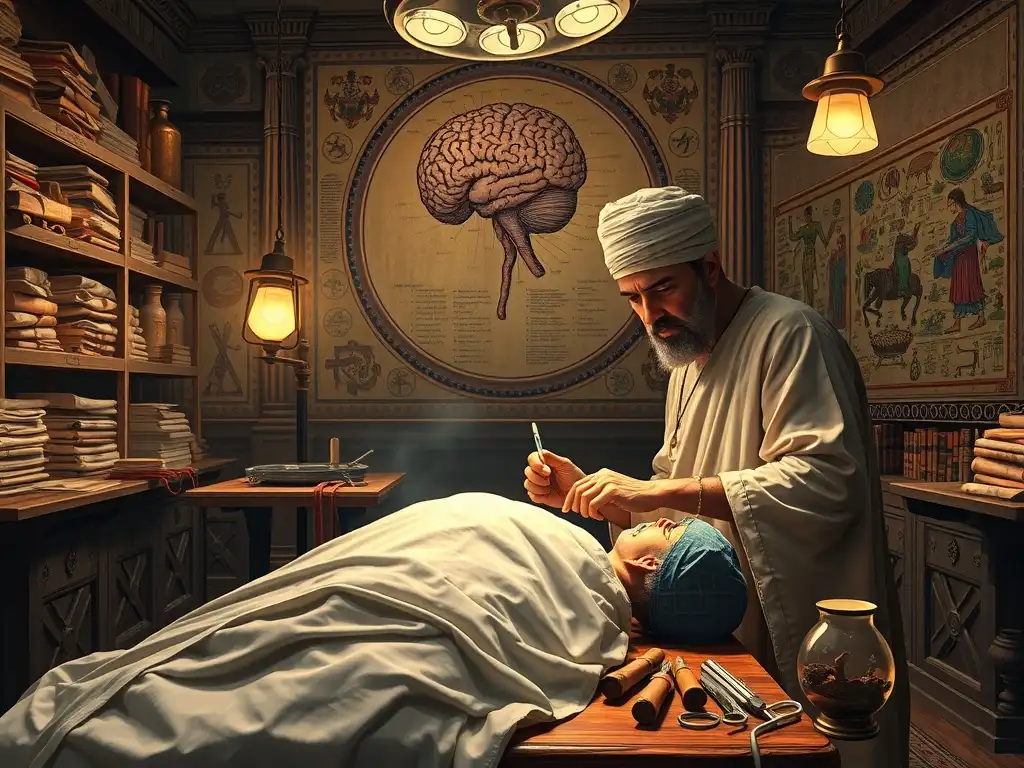
Ancient Egyptian medicine is renowned for its advanced surgical techniques, including neurosurgery. Egyptian papyrus texts, such as the Edwin Smith Papyrus, highlight surgical practices that date back to around 1600 BCE. Neurosurgery in Egypt primarily focused on trauma and head injuries, with practitioners using a method called trepanation, which involved drilling or scraping a hole in the skull to treat conditions like headaches, seizures, or intracranial pressure.
- Techniques and Tools:
- The Egyptians employed sharp tools made from bronze and obsidian for these procedures, reflecting their understanding of the need for precision.
- Surgical interventions were often accompanied by herbal remedies and prayers to the gods for healing, illustrating the intertwining of medicine and spirituality.
Ancient Egyptian surgeons documented their practices meticulously, emphasizing the importance of anatomy and surgical precision, but their understanding of brain function was limited compared to later civilizations.
Contributions of Greek and Roman Surgeons
The contributions of Greek and Roman surgeons to neurosurgery were significant, building on the foundations laid by earlier civilizations, including that of ancient India. Hippocrates, often regarded as the father of medicine, and later Galen, made substantial advances in the understanding of human anatomy and neurosurgery.
- Key Contributions:
- Hippocratic Corpus: This collection of texts included observations on head injuries and surgical techniques, demonstrating an early appreciation for the complexities of the human brain.
- Galen's Influence: Galen expanded on earlier anatomical knowledge through dissections and vivisections, and he proposed theories on brain function that influenced medical thought for centuries.
Both cultures practiced trepanation, similar to the Egyptians, but they also introduced more systematic approaches to surgery, emphasizing observation, diagnosis, and treatment protocols. However, their reliance on the humoral theory and the idea of balancing bodily fluids limited their understanding of neurosurgical practices.
Unique Aspects of Ancient Indian Neurosurgery
Ancient Indian neurosurgery showcases a remarkable level of sophistication, particularly evident in texts like the Sushruta Samhita, attributed to the ancient physician Sushruta around 600 BCE. This seminal work not only outlines surgical techniques but also emphasizes the importance of surgical ethics.
- Innovative Techniques:
- Sushruta's Surgical Procedures: Sushruta detailed over 120 surgical procedures, including methods for cranial surgery, which involved trepanation and even more advanced techniques such as the use of sutures to close wounds.
- Anesthesia and Pain Management: Ancient Indian surgeons were pioneers in pain management, utilizing herbal anesthetics and methods that showcased a profound understanding of patient care.
- Ethical Standards:
- The Sushruta Samhita also set forth ethical guidelines for surgeons, emphasizing the need for skillful practice and respect for patient dignity, which was not as thoroughly addressed in other ancient medical texts.
- Influence on Future Practices:
- The principles and techniques developed by ancient Indian surgeons had a lasting impact, influencing not only subsequent Indian practices but also medical practices in the Islamic Golden Age and beyond.
While ancient Egyptian and Greco-Roman practices laid important groundwork in neurosurgery, the contributions of ancient Indian surgeons reflect a unique blend of surgical innovation, ethical consideration, and a deep understanding of human anatomy that set them apart from their contemporaries. The emphasis on holistic care and advanced techniques in ancient Indian neurosurgery has left an enduring legacy in the field of medicine.
Legacy and Influence of Ancient Indian Neurosurgery
Impact on Modern Neurosurgery
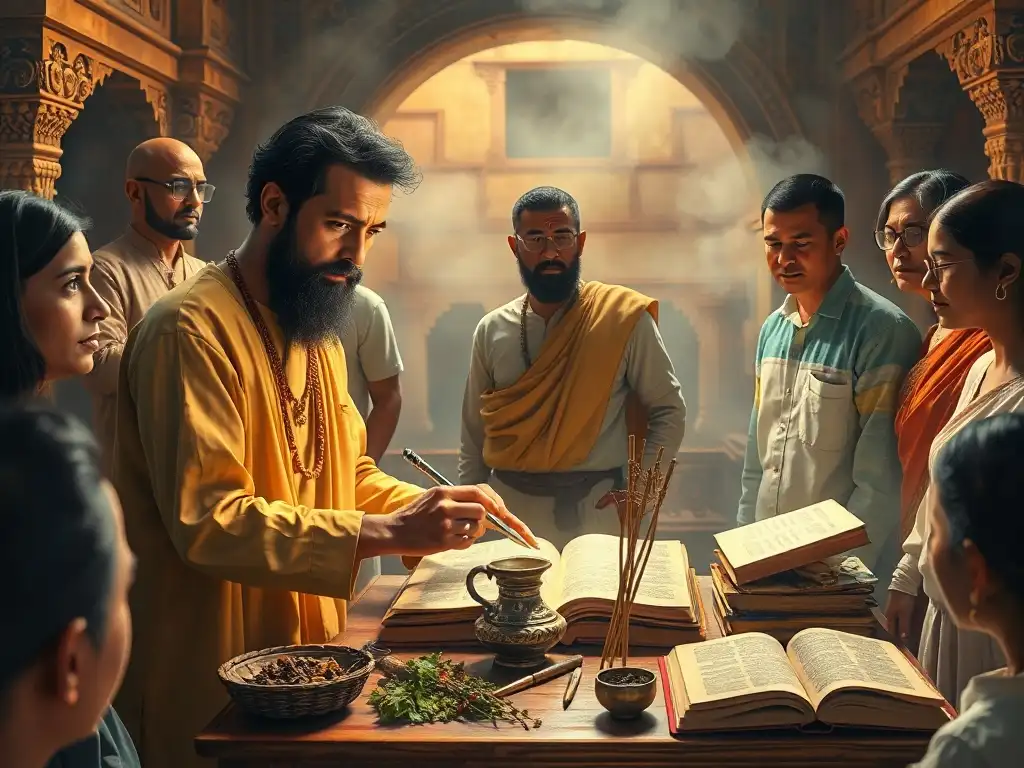
The contributions of ancient Indian neurosurgery have played a significant role in shaping modern practices within the field. Ancient texts, such as the Sushruta Samhita, written by the renowned surgeon Sushruta around 600 BCE, introduced advanced surgical techniques that are still relevant today. This foundational work outlined various surgical procedures, including those for treating head injuries and performing cranial surgeries, which laid the groundwork for contemporary neurosurgical methods.
The surgical instruments described by Sushruta, some of which resemble modern tools, were meticulously crafted from materials such as iron and steel. For instance, the sharp-edged instruments for incision and the suction devices for removing fluids highlight a sophisticated understanding of surgical practices. These innovations not only demonstrate the technical prowess of ancient Indian surgeons but also their emphasis on precision and safety, principles that remain vital in current neurosurgery.
Moreover, the holistic approach to patient care advocated in ancient Indian texts has influenced modern medical ethics and practices. The importance placed on patient consent and the ethical considerations in surgical procedures reflect a mature understanding of patient rights—an aspect that continues to evolve in contemporary medical practice.
Contributions to Medical Ethics and Practices
Ancient Indian neurosurgery wasn't just about surgical techniques; it also contributed significantly to medical ethics and practices. The Sushruta Samhita emphasizes the ethical obligations of physicians towards their patients. Sushruta highlighted the importance of patient confidentiality, informed consent, and the necessity of a thorough diagnosis before proceeding with any surgical intervention. This ethical framework established by ancient Indian surgeons laid the groundwork for medical ethics as we understand it today.
Furthermore, the teachings of Sushruta advocate for the compassionate treatment of patients, illustrating a patient-centered approach that resonates in modern medical practices. Surgeons were urged to develop a rapport with their patients, ensuring that they understood the procedures being performed and the associated risks. This commitment to ethical practice is echoed in today's medical guidelines, which prioritize patient welfare and informed decision-making.
Another notable element is the emphasis on the rigorous training of surgeons. The ancient Indian education system for medical practitioners ensured that only those with comprehensive knowledge and skills were permitted to practice surgery. This principle of maintaining high standards in medical training continues to influence contemporary medical education.
Preservation of Knowledge Through Generations
The preservation of ancient Indian neurosurgery knowledge has been pivotal in its influence on both historical and modern medical practices. Manuscripts such as the Sushruta Samhita were meticulously copied and studied over centuries, ensuring that the surgical wisdom of ancient India was not lost to time. This tradition of passing down medical knowledge through generations has allowed subsequent scholars and practitioners to build upon the foundational work of their predecessors.
In addition to textual preservation, oral traditions played a crucial role in the dissemination of surgical knowledge. Gurus (teachers) imparted their expertise to disciples, fostering a culture of learning and innovation. This mentorship model not only preserved ancient knowledge but also encouraged advancements in surgical techniques and practices.
The revival of interest in ancient Indian medical practices in modern times has led to a resurgence in studying these texts. Researchers and practitioners are increasingly recognizing the value of ancient insights into surgical techniques, anatomy, and patient care, which are now being integrated into contemporary medical curricula.
The legacy of ancient Indian neurosurgery is not merely a historical curiosity; it constitutes a vital part of the evolving narrative of medical science. The contributions and ethical considerations established by ancient Indian surgeons are integral to the development of modern neurosurgery, demonstrating the enduring influence of their practices and philosophies.
Conclusion: The Lasting Impact of Ancient Indian Neurosurgery Contributions
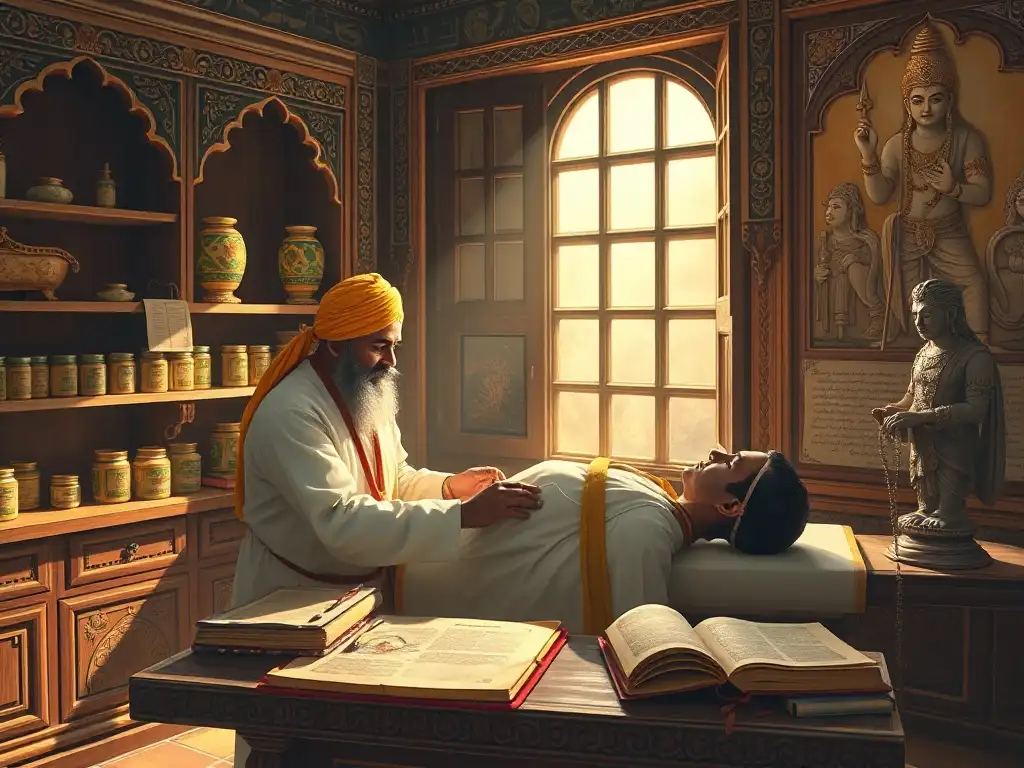
The contributions of ancient Indian surgeons to neurosurgery have left an indelible mark on the field of medicine. Their advanced understanding of human anatomy, innovative surgical techniques, and holistic approach to healing not only revolutionized surgical practices in their time but also laid the groundwork for future advancements in neurosurgery across the globe. The meticulous documentation of surgical methods in texts like the Sushruta Samhita serves as a testament to their expertise and commitment to medical science.
Summary of Key Contributions
Ancient Indian neurosurgery contributions are characterized by several key advancements:
- Surgical Techniques:
- Craniotomy: Ancient texts describe procedures for accessing the brain through the skull, demonstrating an understanding of the need for precision and care.
- Trepanation: This technique involved drilling holes into the skull to relieve pressure or treat injuries, indicating an early comprehension of cranial trauma.
- Innovative Instruments:
- Surgeons developed a variety of specialized instruments, such as scalpels, forceps, and probes, crafted from metals like iron and bronze, which were designed for specific surgical tasks.
- Anesthesia and Pain Management:
- The use of herbal concoctions for sedation and pain relief shows an advanced approach to patient comfort during surgery.
- Holistic Healing Practices:
- Ancient Indian surgeons often combined surgical intervention with Ayurvedic principles, emphasizing a balance of body, mind, and spirit in the healing process.
These contributions reflect a sophisticated understanding of medicine and surgery that was far ahead of their time.
The Relevance of Ancient Techniques in Contemporary Medicine
The legacy of ancient Indian neurosurgery is not just historical; it continues to influence modern medical practices. Here are a few ways in which these ancient techniques are relevant today:
- Foundation of Neurosurgical Procedures:
- Many modern neurosurgical techniques are grounded in the principles established by ancient Indian surgeons. For instance, the meticulous approach to craniotomy highlights the importance of precision that is still emphasized in contemporary practices.
- Instruments and Technology:
- The design and functionality of ancient surgical instruments have inspired the development of modern tools. Understanding the evolution of these instruments can provide insights into current surgical innovations.
- Integrative Medicine:
- The holistic approach to treatment advocated by ancient practitioners is gaining recognition in modern medicine, particularly in the fields of integrative and complementary medicine. The combination of surgical techniques with holistic healing methods is becoming increasingly popular.
- Research and Education:
- The principles found in texts like the Sushruta Samhita are being studied in medical schools and research institutions, highlighting their ongoing relevance in the training of new generations of surgeons.
The ancient Indian contributions to neurosurgery offer invaluable insights that continue to resonate in contemporary medical practices. Their innovative techniques and holistic approaches not only paved the way for future generations of surgeons but also enrich the current understanding of medicine, illustrating the timelessness of their wisdom.
References and Further Reading
Recommended Texts on Ancient Indian Surgery
To delve deeper into the contributions of ancient Indian surgeons to neurosurgery and surgical techniques, several scholarly texts offer invaluable insights. Below are some recommended readings that provide a comprehensive understanding of ancient Indian medical practices:
-
"Sushruta Samhita"
The foundational text of ancient Indian surgery attributed to Sushruta, a revered physician and surgeon. This work details surgical procedures, instruments, and classifications of surgery, including sections pertinent to cranial surgery and neurosurgical techniques.
-
"The History of Medicine in India" by K. S. Shukla
This text chronicles the evolution of medical practices in India, highlighting significant contributions from ancient texts and practitioners. It offers a detailed overview of surgical techniques and their relevance.
-
"Ancient Indian Medicine" by R. K. Sharma
A comprehensive examination of ancient Indian medical systems, this book discusses various aspects of surgery, including neurosurgery. It emphasizes the philosophical and practical underpinnings of surgical techniques used in ancient India.
-
"Surgery in Ancient India" by J. R. B. A. Nair
This work focuses explicitly on surgical practices in ancient India, providing detailed analyses of techniques, instruments, and the socio-cultural context in which these surgeries were performed.
-
"Neurosurgery: A Historical Perspective"
This book includes a section dedicated to the historical contributions of various cultures, including ancient India. It highlights key figures and their techniques that laid the groundwork for modern neurosurgery.
Online Resources for Exploring Ancient Indian Medical History
For those seeking to explore ancient Indian medical history through digital platforms, the following online resources are exceptionally informative:
-
Digital Sushruta
An online project dedicated to the translation and interpretation of the "Sushruta Samhita." It provides access to original verses along with explanations and historical context regarding surgical practices.
-
Ancient Indian Medicine Database
This database comprises articles, texts, and research papers focusing on ancient Indian medicine. Users can access primary sources and modern interpretations, including aspects of neurosurgery.
-
The Internet Archive
A vast repository that includes digitized versions of ancient texts and manuscripts related to Indian medicine and surgery. Researchers can find original texts and translations that provide insights into ancient surgical techniques.
-
National Digital Library of India
A project that aggregates various educational resources, including documents related to ancient Indian medicine. It serves as a valuable tool for students and researchers interested in the historical context of medical practices in ancient India.
-
YouTube Channels and Documentaries
Channels dedicated to history and medicine often feature documentaries and talks about ancient Indian surgery. These visual resources can provide engaging perspectives on the surgical contributions of ancient Indian civilizations.
By utilizing these texts and online resources, readers can gain a more nuanced understanding of the contributions made by ancient Indian surgeons to the field of neurosurgery and the rich tradition of surgical practices in ancient India.
Frequently Asked Questions
What were the main contributions of ancient Indian surgeons to neurosurgery?
Ancient Indian surgeons made significant contributions to neurosurgery, including advanced surgical techniques and innovative instruments that laid the groundwork for modern practices.
How did the techniques of ancient Indian neurosurgery differ from those in other civilizations?
Ancient Indian neurosurgery was characterized by its holistic approach, integrating Ayurvedic principles with surgical procedures, setting it apart from contemporaneous practices in other cultures.
Who were some notable figures in ancient Indian neurosurgery?
Sushruta, often referred to as the "father of surgery," is a prominent figure known for his extensive surgical texts, including detailed descriptions of neurosurgical procedures.
What texts provide insight into ancient Indian neurosurgery?
The Sushruta Samhita is a key text that outlines surgical methods, including those related to neurosurgery, showcasing the knowledge and skills of ancient Indian surgeons.
How does the legacy of ancient Indian neurosurgery influence modern practices?
The principles and techniques derived from ancient Indian neurosurgery continue to influence modern surgical methods, emphasizing the importance of precision and patient care in contemporary practices.
Final Reflection: The Enduring Legacy of Ancient Indian Neurosurgery Contributions
The remarkable advancements made by ancient Indian surgeons in the field of neurosurgery resonate profoundly in today's medical landscape. Their pioneering techniques and holistic approach not only laid the groundwork for modern surgical practices but also emphasized the importance of understanding the human body in its entirety. As we navigate the complexities of contemporary medicine, we must recognize that these ancient contributions are not mere historical footnotes; they are foundational pillars that continue to inspire and inform current practices.
The influence of ancient Indian neurosurgery extends far beyond the operating room; it has shaped cultural perceptions of medicine, healing, and the human experience. The meticulous methods and ethical considerations established by these early practitioners have fostered a legacy of compassion and innovation. As noted by Dr. Sushruta, one of the foremost figures in ancient Indian surgery, “Wherever the surgeon is, there is the hope of life.” > This quote encapsulates the essence of their work, highlighting the profound impact that skilled hands and a caring heart can have on the lives of patients.
As we reflect on the lessons from ancient Indian neurosurgery, let us embrace the call to honor this rich legacy in our own lives. Consider how the principles of empathy, thoroughness, and innovation can be applied not only in medicine but in all aspects of our endeavors.
Whether you are a medical professional, a student, or simply someone seeking to make a difference, take a moment to reflect on how you can contribute to the ongoing journey of healing and discovery. The past has much to teach us, and it is our responsibility to carry these lessons forward into the future.
Unveil the Legacy of Ancient Indian Neurosurgery!
Thank you for taking the time to explore the fascinating world of ancient Indian surgeons and their groundbreaking contributions to neurosurgery. You've gained valuable insights into how their pioneering techniques and knowledge have shaped the medical field we know today. Now, it’s time to take action and keep the spirit of exploration alive!
Here’s how you can dive deeper into this rich history:
- Explore further: Read more about the specific techniques used by these ancient surgeons in our informative articles to broaden your understanding.
- Share your discoveries: Connect with fellow history enthusiasts by sharing this content on social media and discussing your thoughts on ancient medical practices.
- Join our community: Subscribe to our newsletter to receive regular updates on new articles and engage with a community that shares your passion for ancient history and medicine.
What aspect of ancient Indian neurosurgery surprised you the most? How do you believe these early practices have influenced modern medicine?