
The Future of Ancient Inscriptions: Digital Technologies and Preservation

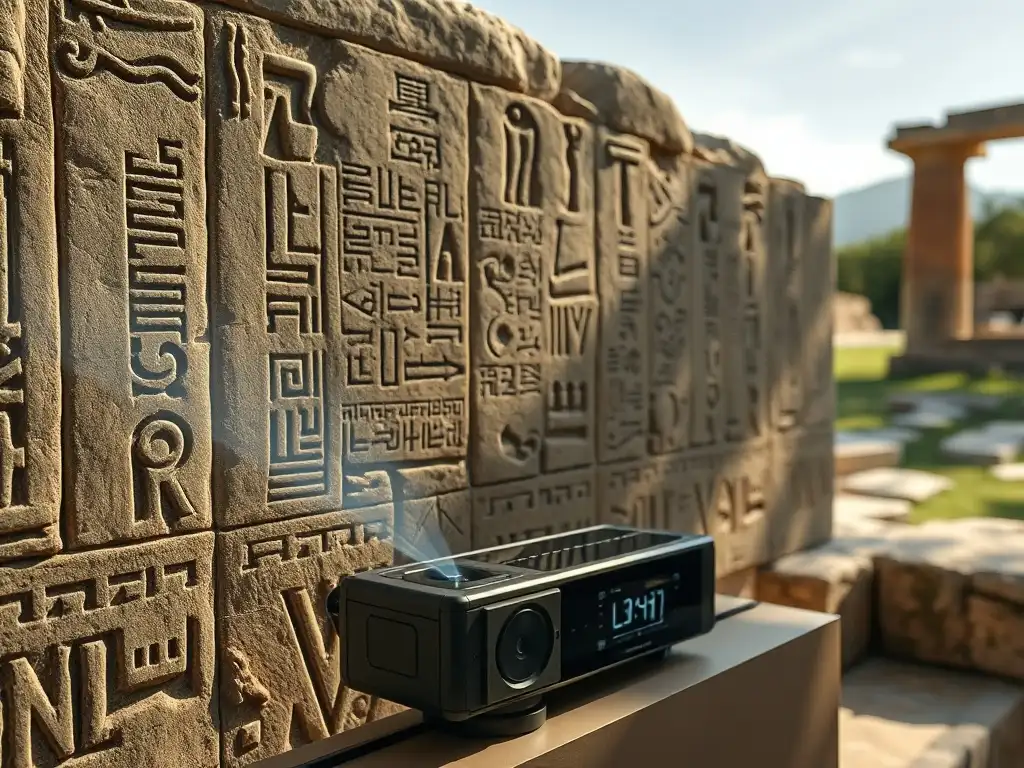
Welcome to Ancient India History, where we embark on a fascinating journey through the rich tapestry of ancient Indian civilizations! Here, we delve into the profound cultural contributions and historical narratives that have shaped our world, from the enigmatic Indus Valley to the illustrious Gupta Empire.
In our featured article, "The Future of Ancient Inscriptions: Digital Technologies and Preservation," we explore the digital preservation of ancient inscriptions, uncovering how modern technology breathes new life into our understanding of the past. Join us as we unveil the secrets locked within these timeless texts and discover the innovative methods that are safeguarding our heritage for future generations!
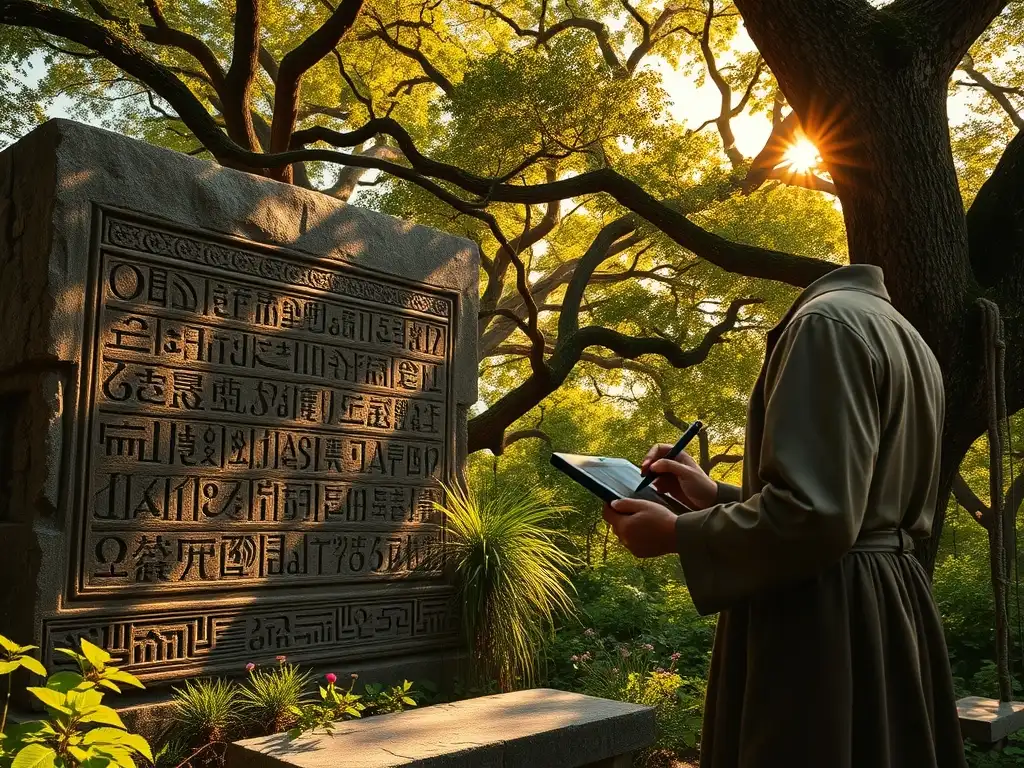
Introduction to Digital Preservation of Ancient Inscriptions
The digital preservation of ancient inscriptions represents a groundbreaking intersection of technology and history, allowing us to safeguard the rich legacies of our past for future generations. As ancient inscriptions serve as invaluable resources that provide insights into the cultural, social, and political landscapes of early civilizations, their preservation is paramount.
With the advent of digital technologies, scholars and historians are now equipped with innovative tools to document, restore, and disseminate these inscriptions more effectively than ever before. This article delves into the significance of these advancements, particularly in the context of ancient Indian civilizations, and explores the various methodologies employed in the digital preservation of these historical artifacts.
Importance of Preserving Ancient Inscriptions
Preserving ancient inscriptions is crucial for several reasons:
- Historical Insights: Inscriptions often hold the key to understanding the values, beliefs, and governance of ancient societies. They provide direct evidence of historical events, languages, and cultural practices.
- Cultural Heritage: These inscriptions are integral to the identity of communities and nations. They embody the artistic and intellectual achievements of civilizations, fostering a sense of connection to the past.
- Educational Value: Digital preservation allows for broader access to these historical texts, enabling educational institutions and the public to engage with history in a meaningful way.
- Research Opportunities: Scholars benefit from preserved inscriptions as they form the basis of research across various disciplines, including archaeology, linguistics, and anthropology.
Overview of Ancient Inscriptions in Indian History
Ancient inscriptions in India can be traced back to the Indus Valley Civilization, continuing through the Maurya and Gupta Empires, and beyond. These inscriptions vary in their material, language, and purpose, ranging from royal edicts and religious texts to commemorative plaques. Notable examples include:
- Ashoka’s Edicts: These inscriptions, carved on rocks and pillars, spread messages of moral governance and Buddhist teachings during the reign of Emperor Ashoka (268-232 BCE).
- Gupta Inscriptions: The Gupta period is marked by inscriptions that reflect advancements in art, science, and literature, providing a glimpse into the golden age of Indian civilization.
The breadth and depth of these inscriptions underscore their significance in piecing together the narrative of ancient India, making their preservation even more critical.
Understanding Digital Preservation Technologies
As the field of digital preservation grows, various technologies have emerged to ensure the longevity and accessibility of ancient inscriptions. These technologies not only facilitate the documentation of existing inscriptions but also aid in the restoration of damaged texts.
Types of Digital Technologies Used in Preservation
Several digital technologies have proven effective in the preservation of ancient inscriptions:
- 3D Scanning: This technology captures the intricate details of inscriptions, allowing for accurate digital replicas that can be studied without risking damage to the original artifact.
- Photogrammetry: By taking multiple photographs from different angles, photogrammetry creates a 3D model of the inscription, preserving its appearance in a virtual space.
- Digital Imaging: Techniques such as infrared and ultraviolet imaging reveal hidden details in inscriptions, offering insights that may not be visible to the naked eye.
- Database Management Systems: These systems store and organize the digital records of inscriptions, making it easier for researchers to access and analyze them.
Benefits of Digital Preservation for Ancient Inscriptions
The transition to digital preservation presents numerous benefits, including:
- Enhanced Accessibility: Digital formats allow researchers and the public to access ancient inscriptions remotely, breaking geographical barriers.
- Improved Analysis: Advanced imaging and scanning technologies enable detailed examinations of inscriptions, supporting more accurate interpretations.
- Long-Term Conservation: Digital records serve as backups for physical artifacts, reducing the risk of loss due to environmental factors or human intervention.
- Collaboration and Sharing: Digital platforms facilitate collaboration among scholars worldwide, promoting the exchange of knowledge and resources.
The future of ancient inscriptions lies in the effective integration of digital technologies, ensuring that these vital pieces of history are not only preserved but also celebrated and understood by future generations.
Case Studies of Digital Preservation in Ancient Indian Inscriptions
The digital preservation of ancient inscriptions in India has gained momentum over the past few decades, illustrating the innovative intersection between technology and heritage conservation. Various case studies highlight how digital technologies can effectively safeguard the invaluable inscriptions that narrate the rich history of ancient Indian civilizations. These projects not only aim to document the inscriptions but also enhance accessibility for researchers and the public alike.
One prominent case study is the Inscriptions of the Mauryan Period, where digital imaging techniques have been employed to capture the intricate details of rock edicts. Using high-resolution photography and 3D scanning, researchers have been able to create detailed digital models that allow scholars to study the inscriptions without causing physical wear and tear to the original artifacts. Additionally, these models can be shared globally, promoting wider academic engagement and public interest.
Another significant project is the Digital Epigraphy of Tamil Inscriptions, which has focused on cataloging and digitizing inscriptions from the Tamil Nadu region. This initiative has utilized Optical Character Recognition (OCR) technologies to transcribe ancient scripts into contemporary formats, making the inscriptions more accessible for study and interpretation. The project has also involved collaborations with local communities to ensure the cultural significance of the inscriptions is respected and preserved.
Notable Projects in India
Several notable projects have emerged in India focused on the digital preservation of ancient inscriptions:
- The Archaeological Survey of India (ASI) Initiatives: ASI has undertaken various digital documentation projects, including the digitization of the Edicts of Ashoka. This project has employed laser scanning and photogrammetry to create detailed 3D models of the inscriptions found on pillars and rocks across India.
- The Indian Digital Heritage Project: This initiative aims to catalog and digitize ancient inscriptions from various regions, particularly focusing on lesser-known sites. By employing crowd-sourcing techniques, the project encourages public participation in the documentation process, fostering a sense of ownership and awareness.
- The Digital Heritage Center at IIT Kharagpur: This center has developed software tools for the digitization and analysis of inscriptions, particularly those in ancient scripts. Their work includes creating databases that facilitate the search and retrieval of information about specific inscriptions, significantly aiding research efforts.
Success Stories of Digital Technologies in Preservation
The deployment of digital technologies has led to several success stories in the preservation of ancient inscriptions in India:
- The Rock Edicts of Ashoka: One of the most successful projects has been the digital mapping of Ashoka's edicts. Using GIS (Geographic Information System) technology, researchers have documented the locations of these inscriptions across India, enhancing their visibility and accessibility for scholars and tourists alike.
- The Mahabalipuram Inscriptions Project: A collaborative effort involving local archaeologists and international experts, this project successfully created a comprehensive digital archive of the rock-cut temples and inscriptions in Mahabalipuram, using advanced imaging techniques to capture the nuances of the carvings.
- The Virtual Museum of Indian Manuscripts: This initiative not only digitizes ancient manuscripts but also includes inscriptions, providing a platform where these artifacts can be viewed in a virtual setting. This project has expanded public access, allowing people from around the world to explore India’s rich epigraphic heritage.
Challenges in the Digital Preservation of Ancient Inscriptions
Despite the promising advancements in the digital preservation of ancient inscriptions, several challenges persist. These challenges can hinder the effectiveness and sustainability of preservation efforts, requiring careful consideration and innovative solutions.
Technical Challenges
Technical challenges in the digital preservation of ancient inscriptions include:
- Data Quality and Integrity: Ensuring high-quality digital representations of inscriptions can be difficult, particularly when working with weathered or damaged surfaces. Inaccuracies in data capture can lead to misinterpretations or loss of important details.
- Standardization of Formats: The lack of standardized protocols for digitization can complicate the sharing and comparison of data across different projects. Variations in formats can lead to difficulties in integrating datasets, making collaborative research more challenging.
- Long-term Digital Storage: As technology evolves, ensuring that digital data remains accessible over time poses a significant challenge. Many digital formats may become obsolete, necessitating ongoing efforts to migrate data to current technologies.
Cultural and Ethical Considerations
Cultural and ethical considerations are paramount in the digital preservation of ancient inscriptions:
- Cultural Sensitivity: The inscriptions often hold significant cultural and religious meaning for local communities. Projects must engage with these communities to ensure that their perspectives and values are respected in the preservation process.
- Ownership and Access Issues: Questions of ownership can arise concerning digital representations of inscriptions. It's crucial to navigate these issues transparently to avoid conflicts and ensure equitable access to the digital resources created.
- Representation and Interpretation: The digital representation of inscriptions can influence how they are perceived and interpreted. Care must be taken to present these artifacts authentically and contextually, avoiding oversimplifications that could distort their historical significance.
While the digital preservation of ancient inscriptions in India presents exciting opportunities for research and public engagement, it is essential to address the accompanying technical, cultural, and ethical challenges to ensure effective and respectful preservation.
The Role of Scholars and Institutions in Digital Preservation

The digital preservation of ancient inscriptions is a multifaceted endeavor that relies heavily on the expertise of scholars and institutions dedicated to the fields of archaeology, epigraphy, and digital humanities. These professionals play a crucial role in not only documenting and analyzing inscriptions but also in developing methodologies for their digital preservation. Their insights into the historical context, linguistic significance, and material culture associated with these inscriptions are invaluable for creating accurate digital representations.
Institutions, including universities, museums, and research organizations, are pivotal in facilitating collaborative projects that enhance the preservation and accessibility of ancient inscriptions. Through funding, resources, and technological support, these institutions enable scholars to engage in comprehensive research initiatives that integrate traditional epigraphic methods with modern digital techniques. The establishment of digital archives and databases by these institutions ensures that ancient inscriptions are preserved for future generations, making them accessible to a wider audience.
Contributions of Archaeologists and Epigraphists
Archaeologists and epigraphists are at the forefront of the digital preservation movement, bringing to bear their specialized knowledge and skills in the study of ancient scripts and languages. Archaeologists contribute by uncovering inscriptions in situ and documenting their physical context, which is essential for understanding their historical significance. They often utilize advanced imaging technologies, such as 3D scanning and photogrammetry, to capture detailed representations of inscriptions, which can then be digitally preserved.
Epigraphists, on the other hand, focus on the linguistic and interpretative aspects of inscriptions. They analyze the text, decipher ancient languages, and provide essential commentary that enhances our understanding of the inscriptions' meanings and implications. Their work is critical in ensuring that digital representations are not only accurate in form but also rich in content. By collaborating with digital technologists, they can create interactive platforms that allow users to explore inscriptions in depth, fostering a greater appreciation for their historical context.
Importance of Collaboration Between Institutions
Collaboration between various institutions is vital for the success of digital preservation initiatives. By pooling resources, expertise, and technologies, institutions can create more comprehensive and sustainable digital preservation projects. Collaborative efforts can lead to the establishment of centralized databases that house inscriptions from various regions and time periods, making it easier for researchers and the public to access this information.
Moreover, partnerships between universities, museums, and cultural heritage organizations can facilitate interdisciplinary research that combines archaeology, history, linguistics, and digital technology. Such collaborations often result in innovative solutions to common challenges faced in the preservation of inscriptions, such as deterioration of materials or limited access to physical sites. By working together, institutions can ensure that ancient inscriptions are preserved not only digitally but also contextually, enhancing their value as educational resources.
Future Prospects for Digital Preservation of Ancient Inscriptions
As technology continues to evolve, the prospects for the digital preservation of ancient inscriptions become increasingly promising. The integration of advanced digital tools and methodologies is expected to transform the way inscriptions are documented, preserved, and studied. This evolution is not only about enhancing existing techniques but also about exploring new avenues for engagement and education in the field of ancient history.
Emerging Technologies and Innovations
Emerging technologies such as artificial intelligence (AI), machine learning, and augmented reality (AR) are set to revolutionize the digital preservation landscape. AI can assist in the transcription and translation of ancient texts, providing researchers with powerful tools to analyze vast amounts of data more efficiently. Machine learning algorithms can help identify patterns in inscriptions, facilitating new insights into linguistic evolution and cultural exchange.
Additionally, augmented reality can offer immersive experiences for users, allowing them to interact with digital representations of inscriptions in a spatial context. This not only enhances the educational experience but also fosters a deeper connection to ancient cultures by enabling users to visualize how inscriptions were originally situated within their environments. These technologies have the potential to broaden access to ancient inscriptions, making them more engaging and accessible to a global audience.
The Potential Impact on Research and Education
The digital preservation of ancient inscriptions is poised to have a significant impact on both research and education. For researchers, the creation of digital archives and databases will facilitate greater collaboration and data-sharing opportunities, enabling scholars from diverse disciplines to work together on interdisciplinary projects. This can lead to more comprehensive studies and a better understanding of the historical, cultural, and linguistic significance of inscriptions.
In educational settings, digital preservation initiatives can enrich curricula by providing students with access to primary sources that were previously difficult to study. Interactive digital platforms can engage students in hands-on learning experiences, allowing them to explore inscriptions and their contexts in ways that traditional methods cannot offer. By fostering a deeper appreciation for ancient inscriptions, these initiatives can inspire future generations to engage with history and contribute to the ongoing study of ancient civilizations.
The future of digital preservation for ancient inscriptions is bright, driven by the collaborative efforts of scholars, institutions, and emerging technologies that will enhance our understanding and appreciation of the rich tapestry of ancient Indian history.
Conclusion
The future of ancient inscriptions is increasingly intertwined with the rapid advancements in digital technologies. As we strive to preserve our historical heritage, the integration of innovative approaches such as 3D scanning, photogrammetry, and machine learning not only enhances our understanding of ancient scripts but also broadens access to these invaluable artifacts. By embracing digital preservation of ancient inscriptions, we are ensuring that future generations can appreciate and learn from the rich tapestry of human history that these inscriptions represent.
Summary of the Importance of Digital Preservation
Digital preservation is not merely a technological trend; it is a vital necessity in safeguarding ancient inscriptions against the ravages of time, environmental factors, and human neglect. Traditional methods of preservation can often be limited in scope and effectiveness, whereas digital technologies offer a proactive approach that can document, analyze, and reproduce inscriptions with high fidelity. Here are some key reasons why digital preservation is essential:
- Accessibility: Digital formats allow for broader access to inscriptions, enabling scholars, students, and enthusiasts from around the world to engage with artifacts that may otherwise be geographically or physically restricted.
- Analysis and Research: Advanced imaging techniques facilitate detailed analysis of inscriptions, revealing insights into language, culture, and history that might be obscured in traditional formats.
- Restoration and Reconstruction: Digital tools can help recreate damaged or eroded inscriptions, providing a clearer picture of their original forms and meanings.
- Education and Awareness: Digital platforms can serve as educational resources, promoting awareness and understanding of ancient civilizations and their contributions to humanity.
By prioritizing the digital preservation of ancient inscriptions, we can protect our cultural heritage and ensure it remains a source of knowledge and inspiration for future generations.
Call to Action for Continued Support and Research in the Field
As we look to the future, it is crucial for researchers, institutions, and the public to advocate for continued investment in the field of digital preservation. This collaborative effort can manifest in several key areas:
- Funding and Grants: Support for research initiatives and projects aimed at the digital preservation of inscriptions should be prioritized, enabling the development of new technologies and methodologies.
- Interdisciplinary Collaboration: Encouraging partnerships between technologists, historians, and epigraphers can lead to innovative solutions that enrich our understanding and preservation efforts.
- Public Engagement: Raising awareness through exhibitions, workshops, and educational programs can galvanize public interest and support for digital preservation initiatives.
- Policy Development: Advocating for policies that protect and promote the digital preservation of cultural heritage can create a supportive framework for ongoing research and development.
By taking action now, we can ensure that the rich legacy of ancient inscriptions is not only preserved but also celebrated and explored in ways that resonate with contemporary society. Let us unite in our efforts to safeguard the past for the enlightenment of the future.
- Introduction to Digital Preservation of Ancient Inscriptions
- Understanding Digital Preservation Technologies
- Case Studies of Digital Preservation in Ancient Indian Inscriptions
- Challenges in the Digital Preservation of Ancient Inscriptions
- The Role of Scholars and Institutions in Digital Preservation
- Future Prospects for Digital Preservation of Ancient Inscriptions
- Conclusion
- What is the significance of digital preservation of ancient inscriptions?
- How do digital technologies aid in the preservation of ancient inscriptions?
- Why is it important to focus on ancient Indian civilizations in the context of digital preservation?
- What challenges are faced in the digital preservation of ancient inscriptions?
- How can the public contribute to the efforts of digital preservation?
Frequently Asked Questions
What is the significance of digital preservation of ancient inscriptions?
The digital preservation of ancient inscriptions allows us to protect and archive these valuable historical artifacts, ensuring they remain accessible for future generations.
How do digital technologies aid in the preservation of ancient inscriptions?
Digital technologies provide high-resolution imaging, 3D scanning, and data archiving, which help to create accurate records of inscriptions while minimizing the risk of physical damage.
Why is it important to focus on ancient Indian civilizations in the context of digital preservation?
Ancient Indian civilizations, from the Indus Valley to the Gupta Empire, made significant contributions to culture, science, and philosophy. Preserving their inscriptions helps to maintain this rich heritage.
What challenges are faced in the digital preservation of ancient inscriptions?
Challenges include deterioration of materials, technological limitations, and the need for funding to support preservation projects, which can hinder efforts to document these important artifacts.
How can the public contribute to the efforts of digital preservation?
The public can support through donations, volunteering, and spreading awareness about the importance of preserving ancient inscriptions, helping to secure the resources needed for future projects.
Final Reflection: Embracing the Future of Digital Preservation
In an era where technology permeates every aspect of our lives, the digital preservation of ancient inscriptions stands as a testament to our commitment to safeguarding cultural heritage. As we navigate the complexities of modernity, the intersection of ancient wisdom and cutting-edge technology offers a unique opportunity to ensure that the voices of our ancestors resonate for generations to come. The urgency of this endeavor cannot be overstated; preserving these inscriptions is not just about maintaining artifacts, but about honoring the narratives that shape our collective identity.
The influence of digital preservation extends far beyond the realm of archaeology and history; it is a cultural renaissance that invites us to engage with our past in innovative ways. As we digitize these ancient texts, we create a bridge between eras, fostering a deeper understanding of our shared humanity. The words of historian David McCullough resonate here: History is a guide to navigation in perilous times.
By embracing digital technologies, we not only safeguard our heritage but also empower future generations to navigate their own paths with the wisdom of those who came before them.
As we reflect on the significance of this topic, I invite you to consider your role in the preservation of history. How can you contribute to the digital preservation of ancient inscriptions in your own community? Whether through advocacy, education, or simply sharing knowledge, each of us has the power to ensure that the stories etched in stone continue to inspire and inform. Let us take action, harnessing the potential of technology to celebrate and protect the legacies that define us.
Unveil the Future of Preservation: Take Action Today!
Thank you for diving into the fascinating world of ancient inscriptions and their preservation through digital technologies! By exploring this topic, you've gained insights into how we can safeguard our history for future generations. Now, it's time to put that knowledge into action!
Here’s how you can make a difference:
- Join a local archaeological group to engage with projects focused on preserving cultural heritage and documenting it through digital means.
- Share this article with friends and family to raise awareness about the importance of safeguarding ancient inscriptions.
- Explore and experiment with digital tools such as photography and 3D scanning—consider starting a small project that documents historical sites in your area!
How do you envision using technology to protect our ancient heritage? Let's share ideas in the comments below!