
The Role of Inscriptions in Documenting Ancient Indian Philosophical Thought

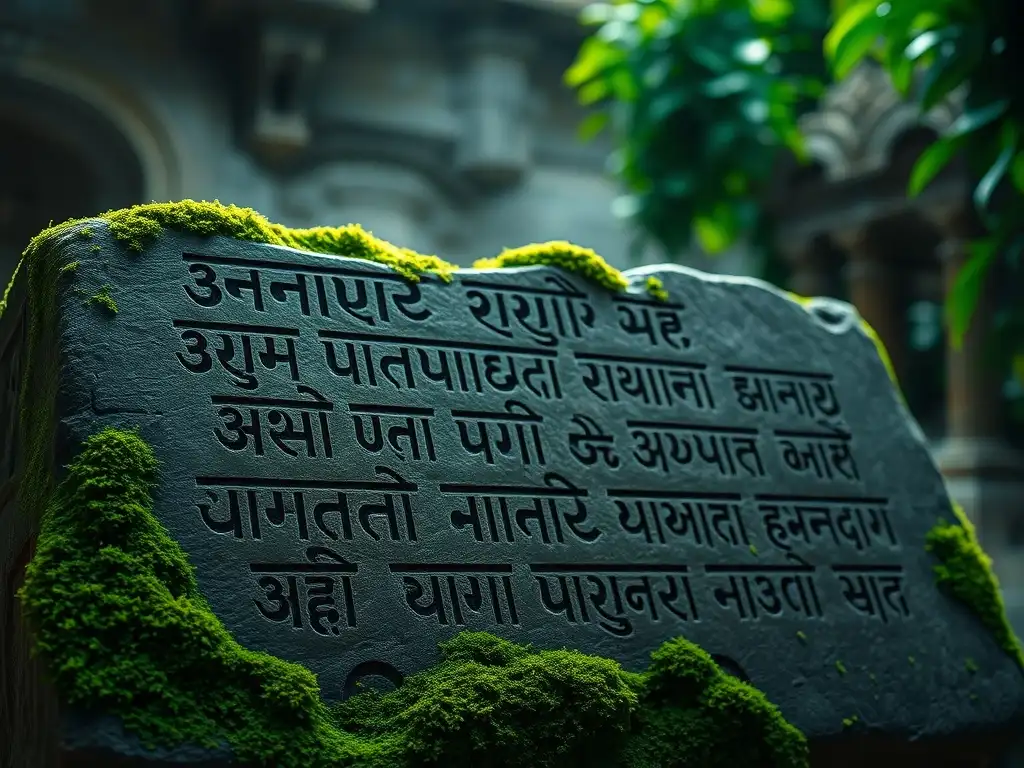
Welcome to Ancient India History, where we embark on a fascinating journey through the rich tapestry of ancient Indian civilizations. Delve into the profound world of ancient Indian philosophical inscriptions, where the wisdom of the past is etched in stone and scripture, revealing the deep thoughts and beliefs that shaped a culture. In our featured article, "The Role of Inscriptions in Documenting Ancient Indian Philosophical Thought," we invite you to explore how these inscriptions served as a vital link between generations, preserving intellectual legacies that continue to inspire.
Are you ready to uncover the secrets held within these ancient texts? Your exploration begins here!

Inscriptions in ancient India serve as a crucial medium for documenting the philosophical thoughts that shaped the civilization's rich intellectual landscape. They represent not only the linguistic and artistic skills of their creators but also provide valuable insights into the cultural, spiritual, and social dynamics of ancient Indian society.
By analyzing these inscriptions, historians and scholars glean information about the prevailing philosophical ideas, ethical considerations, and metaphysical inquiries that characterized various epochs—from the early Indus Valley civilization to the flourishing Gupta Empire. The significance of these ancient Indian philosophical inscriptions lies in their ability to connect contemporary audiences with the profound wisdom and diverse thought systems of the past, thus allowing us to appreciate the depth of India's intellectual heritage.
Introduction to Ancient Indian Philosophical Inscriptions
Definition of Inscriptions in Ancient India
Inscriptions in ancient India refer to written records carved or engraved on durable materials such as stone, metal, or clay. These inscriptions often include edicts, religious texts, proclamations, and philosophical treatises, serving as primary sources for understanding historical contexts and cultural practices. They are distinguished by their formal nature and often reflect the prevailing language and script of their time.
Importance of Inscriptions in Historical Context
Inscriptions are vital for reconstructing ancient history, especially in regions where written texts are scarce. They provide evidence of political authority, social structures, and cultural practices, offering insights into the values and ideologies that influenced Indian civilization. Moreover, inscriptions often commemorate significant events or philosophical doctrines, thus serving as historical benchmarks that help trace the evolution of thought in ancient India.
Overview of Ancient Indian Philosophical Thought
Ancient Indian philosophical thought encompasses a wide range of schools and ideas, including but not limited to, Vedanta, Samkhya, Yoga, and Buddhism. Key concepts such as dharma (duty), karma (action), and moksha (liberation) are central to these philosophical traditions. The inscriptions not only reflect these ideas but also document the dialogues and debates that occurred among various thinkers and schools, illustrating a vibrant intellectual environment that thrived in ancient India.
Key Characteristics of Ancient Indian Philosophical Inscriptions
Language and Scripts Used in Inscriptions
The language and scripts employed in ancient Indian inscriptions vary significantly across different periods and regions. Early inscriptions often utilized scripts such as Brahmi and Kharosthi, while later inscriptions might feature Gupta script or Devanagari. The choice of language—be it Sanskrit, Prakrit, or regional dialects—also reflects the audience's cultural and philosophical inclinations, making it essential for understanding the philosophical discourse of the time.
Common Themes in Ancient Indian Philosophical Thought
Common themes found in ancient Indian philosophical inscriptions include metaphysical inquiries, ethical dilemmas, and the nature of existence. Many inscriptions encapsulate teachings on the interconnectedness of life, the pursuit of knowledge, and the importance of ethical living. By examining these themes, scholars can identify the philosophical currents that influenced societal values and individual conduct during ancient times.
Styles and Techniques of Inscription
The styles and techniques used in ancient Indian inscriptions are diverse and often reflect region-specific artistic traditions. Some inscriptions are characterized by intricate carvings and elaborate decorations, while others may be more straightforward and utilitarian. The style can also indicate the intended audience and purpose of the inscription, whether for public display, commemoration, or personal reflection. Understanding these stylistic choices enhances our appreciation of the artistic and intellectual achievements of ancient Indian civilizations.
Historical Context of Inscriptions in Ancient India
Inscriptions in ancient India serve as a critical window into the philosophical thought and cultural context of the time. Dating back to the Indus Valley Civilization, inscriptions evolved into a vital medium for expressing ideas, beliefs, and governance. Various scripts, including Brahmi and Kharosthi, were employed to articulate philosophical concepts, often intertwining with religious and political narratives. These inscriptions provide evidence of how ancient Indian thinkers grappled with existential questions, moral dilemmas, and the nature of reality, reflecting the intellectual climate of their respective eras.
The significance of inscriptions also lies in their role as official records. Kings and rulers often commissioned inscriptions to propagate their ideologies and assert their legitimacy. Thus, philosophical thought was frequently framed within the context of statecraft, reflecting a synthesis of governance and moral philosophy. This historical interplay is crucial for understanding how philosophical ideas permeated everyday life and state policies in ancient India.
Timeline of Significant Inscriptions
- Circa 2500 BCE: Indus Valley seals, some of which show early forms of writing, hint at the philosophical ideas surrounding trade and society.
- Circa 3rd Century BCE: The Edicts of Ashoka, inscribed on pillars and rocks, promote Buddhist ethical teachings and governance.
- Circa 1st Century BCE - 1st Century CE: Inscriptions from the early Gupta period begin to emerge, showcasing the flourishing of philosophical thought and the integration of art and literature.
- Circa 4th - 6th Century CE: Significant inscriptions during the Gupta Empire reflect deep inquiries into metaphysics and ethics, often linked with religious texts.
- Circa 7th Century CE: The inscriptions of Harsha’s reign reveal the blend of political authority and philosophical discourse, highlighting the ongoing evolution of thought.
This timeline illustrates a rich tapestry of philosophical engagement documented through inscriptions, showcasing the evolving nature of thought in ancient Indian civilizations.
Major Civilizations and Their Contributions to Philosophical Thought
Ancient Indian philosophical inscriptions are intrinsically linked to several major civilizations, each contributing unique perspectives and ideas.
- Indus Valley Civilization: Although limited in decipherable inscriptions, the seals suggest a set of beliefs related to trade, social structure, and possibly early spiritual concepts.
- Maurya Empire: Under Ashoka, inscriptions became a powerful tool for disseminating Buddhist philosophy, emphasizing non-violence, compassion, and ethical governance.
- Gupta Empire: This period is often referred to as the Golden Age of India, where inscriptions reflect advancements in metaphysical thought, including discussions on the nature of the self (Atman) and the universe (Brahman), as seen in texts like the Upanishads.
- Post-Gupta Period: Inscriptions from this era indicate a continuity and evolution of philosophical ideas, incorporating regional variations and dialogues with other traditions.
These civilizations collectively laid the groundwork for what would become a diverse and rich philosophical landscape in India.
Relationship Between Philosophy and Religion in Inscriptions
The relationship between philosophy and religion in ancient Indian inscriptions is profound and multifaceted. Many inscriptions are not merely political or administrative; they often reflect the philosophical doctrines of the time, particularly those of Hinduism, Buddhism, and Jainism.
- Philosophical Teachings: Inscriptions frequently encapsulated core philosophical teachings, such as the Four Noble Truths in Buddhist texts or the principles of Dharma in Hinduism. These ideas were pivotal for both individual spiritual growth and societal ethics.
- Religious Endorsement: Rulers often used inscriptions to endorse specific religious philosophies, which in turn legitimized their authority. For example, Ashoka’s edicts not only promoted Buddhism but also aimed to unify his diverse empire under a common moral framework.
- Cultural Integration: Philosophical thoughts expressed in inscriptions reveal a significant interplay between local customs and broader religious principles, showcasing how philosophical discourse was tailored to resonate with the populace.
This intricate relationship underscores how philosophical thought was not isolated but deeply embedded in the religious and cultural fabric of ancient Indian society.
Notable Ancient Indian Philosophical Inscriptions
Ancient Indian inscriptions provide a treasure trove of philosophical ideas, reflecting the intellectual pursuits of their time.
The Edicts of Ashoka and Their Philosophical Significance
The Edicts of Ashoka, inscribed during the 3rd century BCE, are among the earliest and most significant examples of ancient Indian philosophical thought. These inscriptions, carved on rocks and pillars throughout the subcontinent, embody Ashoka's commitment to Buddhism and ethical governance.
- Moral Precepts: They articulate fundamental moral precepts, such as non-violence (Ahimsa), compassion towards all living beings, and the importance of Dharma (righteousness).
- Social Welfare: Ashoka’s edicts emphasize social welfare, promoting the idea that a ruler's duty extends beyond governance to the moral and spiritual upliftment of his subjects.
- Philosophical Legacy: The philosophical ideas expressed in these edicts had a long-lasting impact on Indian thought, laying the groundwork for discussions on ethics, governance, and social responsibility.
Inscriptions from the Gupta Period: Analyzing Their Impact
The Gupta period, often celebrated as the Golden Age of India, produced numerous inscriptions that reflect a rich philosophical tradition.
- Cultural Flourishing: Inscriptions from temples and monuments often reference key philosophical texts, underscoring the integration of philosophy with art and architecture.
- Development of Ideas: This era saw the emergence of new philosophical schools, particularly in the realms of metaphysics and epistemology, as evidenced by inscriptions discussing concepts such as the nature of reality (Maya) and knowledge (Jnana).
- Influence on Later Thought: The philosophical ideas documented in Gupta inscriptions influenced subsequent generations, informing debates in both religious and secular contexts.
Other Significant Inscriptions and Their Philosophical Contributions
Beyond the well-known edicts and inscriptions, numerous other significant inscriptions contribute to our understanding of ancient Indian philosophical thought.
- Prakrit and Sanskrit Inscriptions: Various inscriptions in Prakrit and Sanskrit reveal local philosophical schools and regional variations in thought, showcasing the diversity within Indian philosophy.
- Temple Inscriptions: Many inscriptions found in temples elaborate on theological concepts and the relationship between the divine and the human experience, often linking worship practices to philosophical inquiries.
- Jain Inscriptions: Jain inscriptions provide insight into ethical and metaphysical discussions within Jain philosophy, emphasizing non-violence and the pursuit of truth.
These inscriptions collectively enrich our understanding of ancient Indian philosophical thought, illustrating a vibrant discourse that spanned centuries and regions.
The Role of Inscriptions in Preserving Philosophical Ideas

Inscriptions have played a crucial role in preserving the philosophical ideas and teachings of ancient Indian civilizations. From the time of the Indus Valley Civilization to the Gupta Empire, these inscriptions provided a medium through which philosophers and scholars could express their thoughts, engage in discourse, and document their understanding of the world. Through stone carvings, metal inscriptions, and manuscripts, a wealth of philosophical knowledge has been transmitted over centuries, allowing us to glimpse the intricate fabric of ancient Indian thought.
The inscriptions often encapsulated the core tenets of various philosophical schools, such as Vedanta, Buddhism, and Jainism. For example, inscriptions found in the Asokan edicts provide insights into the ethical framework of Buddhism, emphasizing principles like non-violence and compassion. Such documented ideas not only served as a record of philosophical thought but also influenced societal norms and values. Thus, inscriptions act as a bridge connecting past philosophies with contemporary understanding, allowing for a continuous dialogue across time.
How Inscriptions Serve as Historical Documents
Inscriptions serve as invaluable historical documents that offer a direct link to ancient Indian philosophical thought. They function as primary sources, providing insights into the intellectual landscape of the time. Many inscriptions are dated and often include the names of philosophers, kings, or scholars, granting context to the ideas being presented. For instance, the inscriptions of Chandragupta Maurya and his successors reveal the patronage of various philosophical schools, indicating the interplay between power and thought during that era.
Moreover, these inscriptions often convey information beyond mere philosophical ideas, such as historical events, societal structures, and cultural practices. This multifaceted nature makes inscriptions critical in reconstructing the broader historical narrative of ancient India. By studying these texts, historians and scholars can glean a more comprehensive understanding of the philosophical, political, and social dynamics that shaped ancient Indian civilization.
The Influence of Inscriptions on Later Philosophical Thought
The impact of ancient Indian philosophical inscriptions extends beyond their time, influencing subsequent generations of thinkers and scholars. Many philosophers referenced earlier inscriptions to support their arguments or to critique existing ideas. The preservation of these texts allowed for a continuity of thought, where later philosophers could build upon the foundations laid by their predecessors.
For example, the writings of thinkers like Adi Shankaracharya in the 8th century drew heavily from earlier texts and inscriptions, integrating concepts from Vedanta and Buddhism. The revival and reinterpretation of these philosophies in later periods can often be traced back to the philosophical inscriptions of ancient times. Thus, inscriptions not only document ancient thought but also serve as a catalyst for ongoing intellectual evolution throughout Indian history.
The Preservation of Cultural Heritage Through Inscriptions
Inscriptions are vital to the preservation of cultural heritage, embodying the values, beliefs, and practices of ancient Indian societies. They provide a tangible connection to the past, allowing modern audiences to engage with the philosophical ideas that shaped ancient Indian civilizations. By studying inscriptions, we can uncover the complexities of cultural identity, religious practices, and philosophical inquiry that characterize ancient India.
Additionally, inscriptions often reflect the linguistic diversity of the region, showcasing various scripts and dialects that were in use. This diversity enriches our understanding of how philosophical thought was expressed and communicated across different communities. Efforts to preserve and study these inscriptions contribute to a deeper appreciation of India's cultural heritage, ensuring that the wisdom and insights of ancient philosophers continue to resonate with future generations.
Challenges in Interpreting Ancient Indian Philosophical Inscriptions
Despite their significance, interpreting ancient Indian philosophical inscriptions is fraught with challenges. Scholars often encounter various obstacles that can obscure the understanding of these texts, making it crucial to approach them with careful consideration and context.
Linguistic and Scriptual Barriers
One of the primary challenges in interpreting ancient inscriptions is the linguistic and scriptual diversity present in the region. Ancient Indian inscriptions were inscribed in numerous languages, including Sanskrit, Prakrit, and Pali, and utilized various scripts such as Brahmi and Kharosthi. This linguistic variety can create significant barriers for researchers who may not be proficient in all the languages or scripts relevant to the inscriptions.
Moreover, ancient languages often have nuances and contextual meanings that can be lost in translation. As a result, scholars must rely on a combination of linguistic expertise and contextual knowledge to produce accurate interpretations. The complexities of language demand an interdisciplinary approach that incorporates linguistics, history, and philosophy to fully grasp the content and implications of these inscriptions.
Contextual Challenges in Understanding Philosophical Concepts
The philosophical concepts expressed in ancient inscriptions are often deeply embedded in their specific cultural and historical contexts. Interpreting these ideas requires an understanding of the societal norms, religious beliefs, and intellectual debates of the time. Without this contextual framework, the meanings of certain inscriptions can be misinterpreted or oversimplified.
For example, philosophical terms or concepts may have evolved over time, leading to different interpretations in contemporary discourse. Scholars must navigate these shifts in meaning to ensure that their interpretations align with the original intent of the authors. Thus, a comprehensive approach that considers the broader historical and cultural landscape is essential for accurately understanding the philosophical ideas documented in inscriptions.
The Role of Archaeology in Uncovering Inscriptions
Archaeology plays a critical role in uncovering and interpreting ancient Indian philosophical inscriptions. Excavations and archaeological surveys can reveal inscriptions that may have been lost to history, providing new insights into the philosophical thought of ancient civilizations. The context in which these inscriptions are found—such as temples, monasteries, or public spaces—can further inform their interpretation.
Moreover, archaeological findings can help to establish timelines and connections between different philosophical schools, enhancing our understanding of how ideas were exchanged and evolved over time. By integrating archaeological data with textual analysis, scholars can create a more nuanced and comprehensive picture of ancient Indian philosophical thought. This interdisciplinary approach underscores the importance of collaboration between historians, archaeologists, and linguists in the study of ancient inscriptions.
Conclusion: The Lasting Impact of Ancient Indian Philosophical Inscriptions
Inscriptions from ancient India serve as invaluable artifacts that encapsulate the philosophical thoughts and ideologies of their time. They provide a unique glimpse into the minds of scholars and thinkers, reflecting the cultural and intellectual milieu of ancient Indian civilization. The significance of these inscriptions goes beyond mere historical records; they are critical in understanding the evolution of philosophical thought in India and its ramifications in various domains, including ethics, metaphysics, and spirituality.
By documenting diverse schools of thought, including Buddhism, Jainism, and Vedanta, these inscriptions highlight the rich tapestry of philosophical discourse that flourished in ancient India. They reveal how philosophical ideas influenced societal norms, governance, and individual conduct, establishing a framework for moral and ethical living. Furthermore, the artistic and linguistic elements of these inscriptions enrich our understanding of the cultural context in which they were created, allowing us to appreciate the interplay between language, art, and philosophy.
Summary of Key Points
- Historical Significance: Ancient Indian philosophical inscriptions serve as primary sources that document the thoughts and teachings of influential philosophers, providing insight into their ideologies.
- Cultural Reflection: These inscriptions reflect the cultural and spiritual practices of the time, showcasing how philosophy was intertwined with daily life and governance.
- Diversity of Thought: The inscriptions reveal a multitude of philosophical traditions, including the teachings of Buddha, Mahavira, and various Vedic texts, emphasizing the diversity of thought in ancient India.
- Artistic Value: The inscriptions are often crafted with intricate designs, reflecting the artistic skills of ancient craftsmen and the importance of aesthetics in philosophical discourse.
- Influence on Society: The philosophies documented in these inscriptions have had a profound impact on ethical and moral frameworks within Indian society, shaping both individual and collective behavior.
Future Research Directions in Ancient Indian Philosophical Inscriptions
The study of ancient Indian philosophical inscriptions is ripe for further exploration, with several promising avenues for future research.
- Technological Advancements: Utilizing modern technology such as digital imaging and machine learning can aid in deciphering and analyzing inscriptions that are currently illegible or poorly understood.
- Comparative Studies: Future research can benefit from comparative studies that analyze inscriptions across different regions of India and their philosophical implications, revealing connections and divergences in thought.
- Interdisciplinary Approaches: Engaging with fields such as archaeology, anthropology, and linguistics can provide a more comprehensive understanding of the context in which these inscriptions were created and their enduring impact.
- Public Engagement: There is a need for initiatives that make these inscriptions accessible to the public through exhibitions, educational programs, and online resources, fostering greater appreciation and understanding of ancient philosophical thought.
- Translations and Commentaries: Continued work on translating and providing scholarly commentaries on these inscriptions will help to disseminate their philosophical insights to a broader audience.
The Relevance of Ancient Philosophical Thought in Contemporary Society
The philosophical ideas encapsulated in ancient Indian inscriptions remain relevant today, resonating with contemporary discussions on ethics, spirituality, and the nature of existence.
- Ethical Frameworks: Many of the ethical teachings found in ancient inscriptions, such as non-violence (ahimsa) and truthfulness (satya), continue to influence modern ethical frameworks and practices, particularly in contexts like environmental conservation and social justice.
- Spiritual Inquiry: The quest for understanding the self and the universe, as articulated in ancient philosophical texts, remains a fundamental aspect of modern spiritual inquiry, attracting individuals seeking meaning and purpose in their lives.
- Interfaith Dialogue: Ancient Indian philosophical thought contributes to interfaith dialogue by promoting mutual respect and understanding among different belief systems, fostering a more harmonious global society.
- Mental Well-being: Practices derived from ancient philosophies, such as meditation and mindfulness, have gained popularity as tools for mental well-being, illustrating the practical applicability of these ancient teachings in contemporary life.
Ancient Indian philosophical inscriptions not only document the rich philosophical heritage of India but also offer timeless insights that continue to inspire and guide individuals and societies in the present day.
- Introduction to Ancient Indian Philosophical Inscriptions
- Key Characteristics of Ancient Indian Philosophical Inscriptions
- Historical Context of Inscriptions in Ancient India
- Notable Ancient Indian Philosophical Inscriptions
- The Role of Inscriptions in Preserving Philosophical Ideas
- Challenges in Interpreting Ancient Indian Philosophical Inscriptions
- Conclusion: The Lasting Impact of Ancient Indian Philosophical Inscriptions
- What are ancient Indian philosophical inscriptions?
- How did inscriptions contribute to our understanding of ancient Indian philosophy?
- What are some notable philosophical themes found in these inscriptions?
- How do inscriptions differ from other historical records in documenting philosophy?
- Why are inscriptions considered important for the study of ancient Indian civilizations?
Frequently Asked Questions
What are ancient Indian philosophical inscriptions?
Ancient Indian philosophical inscriptions are written records that capture the thoughts, ideas, and beliefs of ancient Indian philosophers. They provide insights into the philosophical traditions and cultural values of ancient Indian civilizations.
How did inscriptions contribute to our understanding of ancient Indian philosophy?
Inscriptions serve as primary sources that document the development and transmission of philosophical ideas. They help historians trace the evolution of thought from the Indus Valley through various periods, including the Gupta Empire.
What are some notable philosophical themes found in these inscriptions?
Notable themes include metaphysics, ethics, and epistemology. These inscriptions explore fundamental questions about existence, knowledge, and the nature of reality, reflecting the rich intellectual heritage of ancient India.
How do inscriptions differ from other historical records in documenting philosophy?
Inscriptions are often contemporary records that offer direct insights into the philosophical discourse of the time. Unlike later texts, they represent a snapshot of thought, capturing ideas as they were being formulated and debated.
Why are inscriptions considered important for the study of ancient Indian civilizations?
They are vital for understanding the cultural and intellectual landscape of the time. Inscriptions reveal the values, beliefs, and practices of ancient societies, providing a broader context for their philosophical contributions.
Final Reflection: The Enduring Legacy of Ancient Indian Philosophical Inscriptions
The exploration of ancient Indian philosophical inscriptions reveals a profound connection between past and present, illustrating how these inscriptions serve as vital records of thought that continue to resonate today. The wisdom encapsulated in these texts not only informs our understanding of historical philosophies but also challenges us to reflect on our own beliefs and values in a rapidly changing world. The relevance of these inscriptions is not merely academic; they invite us to engage with enduring questions about existence, morality, and the nature of knowledge.
Cultural and social landscapes are intricately woven with the threads of ancient Indian philosophical thought, which has shaped collective consciousness across generations. The inscriptions serve as a bridge to the past, reminding us of the rich tapestry of ideas that have influenced various aspects of life, from ethics to governance. As Mahatma Gandhi once said, "> The best way to find yourself is to lose yourself in the service of others." This sentiment echoes the teachings found within these inscriptions, emphasizing the importance of self-reflection and community engagement in our personal journeys.
As we conclude this exploration, I invite you to take a moment to reflect on the lessons embedded in ancient Indian philosophical inscriptions. Consider how these age-old ideas can inspire you to cultivate a deeper understanding of your own life and the world around you. Embrace the opportunity to learn from the past, allowing these philosophies to guide your actions and thoughts as you navigate the complexities of modern existence. The wisdom of our ancestors is not just a relic; it is a living legacy that can illuminate our paths forward.
Unveil the Wisdom of Ancient Indian Philosophy Today!
Thank you for taking the time to explore the fascinating role of inscriptions in shaping our understanding of ancient Indian philosophical thought! By diving deep into this rich historical context, you’ve gained valuable insights into how these ancient texts continue to influence modern perspectives. Now, it’s time to put that knowledge into action!
Here are some engaging steps you can take to continue your exploration:
- Delve into a specific philosophical text from ancient India that resonates with you and uncover its principles.
- Join a community discussion or forum to share your thoughts and insights about inscriptions and philosophy; consider participating in local or online groups that focus on history or philosophy.
- Explore local museums or libraries for exhibitions or collections that showcase inscriptions and artifacts related to ancient Indian thought—often, you’ll discover treasures that spark your curiosity!
Now that you're equipped with this knowledge, which ancient philosophical insight will you explore further, and how can it shape your understanding today? Share your thoughts in the comments below!