
The Hidden Stories Behind Ancient Indian Inscriptions

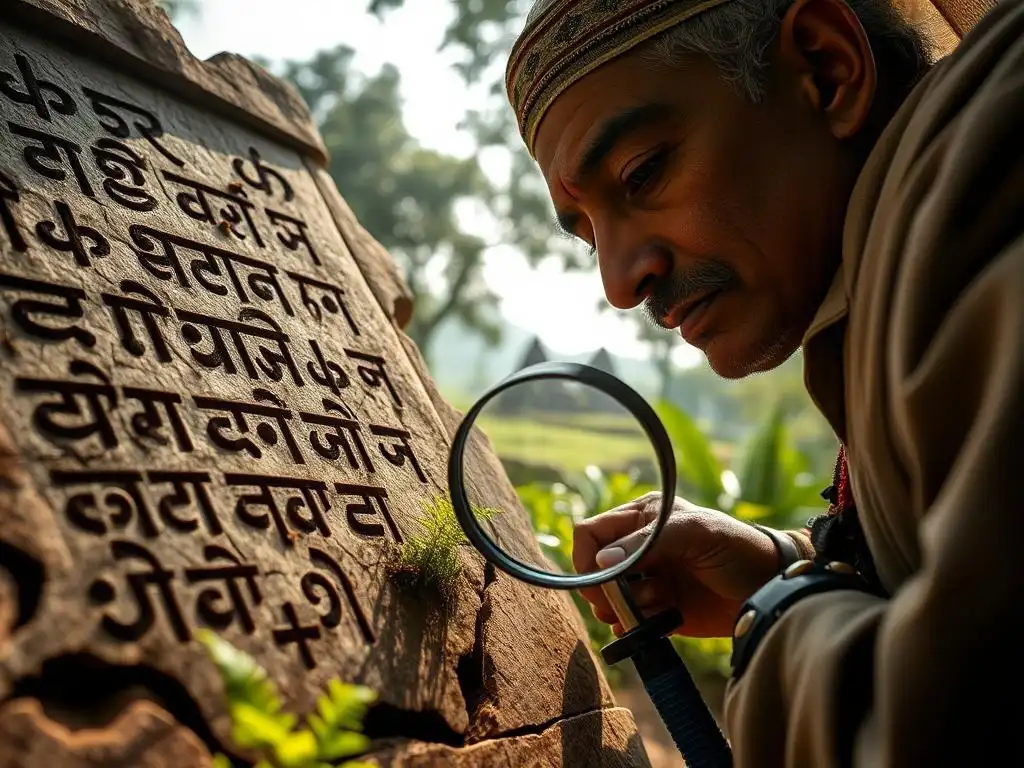
Welcome to Ancient India History, where we embark on a fascinating journey through time to unravel the rich tapestry of ancient Indian civilizations. In our featured article, “The Hidden Stories Behind Ancient Indian Inscriptions,” we delve into the profound significance of ancient Indian inscriptions, exploring how these remarkable artifacts unveil the thoughts, beliefs, and daily lives of our ancestors.
Prepare to be captivated by the stories etched in stone and discover the invaluable contributions of the past that continue to shape our culture today. Join us as we unlock the secrets of language and scripts, inviting you to explore the echoes of history that whisper through time.

Introduction to Ancient Indian Inscriptions
Ancient Indian inscriptions serve as a fascinating window into the rich tapestry of India’s past, revealing not only the linguistic evolution but also the socio-political, religious, and cultural dynamics that shaped early civilizations. These inscriptions, etched on stone, metal, and pottery, encapsulate historical narratives, royal decrees, religious texts, and everyday life, offering invaluable insights into the thoughts and practices of ancient societies. They are not mere relics; rather, they are vibrant storytellers that articulate the significance of ancient Indian civilizations—from the sophisticated urban planning of the Indus Valley to the expansive empires of the Mauryas and Guptas.
In this exploration, we delve into the significance of these ancient Indian inscriptions, examining their contexts and contributions to our understanding of history, language, and culture. The significance of ancient Indian inscriptions lies not only in their content but also in their capacity to connect us with our ancestors, revealing the continuity and transformation of ideas through time.
The Evolution of Ancient Indian Scripts
The journey of ancient Indian scripts is a testament to the ingenuity and adaptability of its people. Over centuries, these scripts evolved, influenced by various factors such as trade, conquest, and cultural exchanges. This evolution reflects the complexities of communication and documentation in ancient India.
Early Scripts: Indus Valley Civilization
The earliest known script in India originates from the Indus Valley Civilization (circa 2500-1900 BCE). Known as the Indus script, it remains largely undeciphered, presenting a tantalizing mystery for historians and linguists alike.
- Characteristics:
- Composed of pictographs and symbols.
- Found on seals, pottery, and other artifacts.
- Predominantly used for trade and administrative purposes.
The Indus script is believed to have been a sophisticated system of communication, possibly used for economic transactions and religious practices. Despite its undeciphered nature, the presence of these inscriptions indicates a complex society with advanced urban planning and trade networks.
Brahmi and Kharosthi: The Scripts of Empires
As we move forward in time, two prominent scripts emerged during the Maurya and Gupta empires: Brahmi and Kharosthi. These scripts played a crucial role in the dissemination of ideas, religion, and administration across vast territories.
- Brahmi:
- Considered one of the earliest writing systems in India, Brahmi is the ancestor of many modern Indian scripts.
- Used extensively for inscriptions, including the famous Edicts of Ashoka, which propagated the principles of Buddhism and moral governance.
- Kharosthi:
- Predominantly used in the northwest regions of India, Kharosthi was influenced by Aramaic scripts.
- Often found on coins and inscriptions, it facilitated trade and communication along the Silk Road.
The significance of these scripts lies in their ability to convey complex ideas and foster cultural exchange, showcasing the rich linguistic heritage of ancient India. Through the lens of these inscriptions, we gain a deeper appreciation for the socio-political frameworks and cultural narratives that defined ancient Indian civilizations.
The Historical Context of Inscriptions
Ancient Indian inscriptions serve as vital records that provide insights into the socio-political, cultural, and religious dynamics of their times. These inscriptions, often etched in stone or metal, reflect the languages, scripts, and artistry of various periods, offering a glimpse into the lives of people and the governance of empires. The significance of ancient Indian inscriptions lies in their ability to bridge the gap between historical events and contemporary understanding, allowing historians and researchers to unravel the complexities of ancient civilizations.
The emergence of inscriptions can be traced back to the Indus Valley Civilization, where seals with inscriptions suggest an early form of writing. However, it was during the Maurya and Gupta empires that inscriptions flourished, serving multiple purposes—from documenting royal edicts to commemorating religious events. Understanding the historical context of these inscriptions helps illuminate the ideologies that shaped ancient Indian society, the evolution of scripts, and the role of language as a tool for communication and administration.
Inscriptions in the Maurya Empire
During the Maurya Empire (c. 322–185 BCE), inscriptions became a crucial means for disseminating information and asserting authority. The most notable example is the edicts of Emperor Ashoka, which were inscribed on rocks and pillars across the Indian subcontinent. These edicts outline Ashoka’s policies on dharma (moral law), social welfare, and the promotion of Buddhism, reflecting his commitment to non-violence and ethical governance.
The use of Prakrit, a vernacular language, in these inscriptions made them accessible to a broader audience, showcasing an early understanding of effective communication. The inscriptions served not only as official proclamations but also as messages of unity and ethical conduct. They played a vital role in the spread of Buddhism, influencing various regions as they conveyed the emperor's vision of a just society.
Gupta Empire Inscriptions
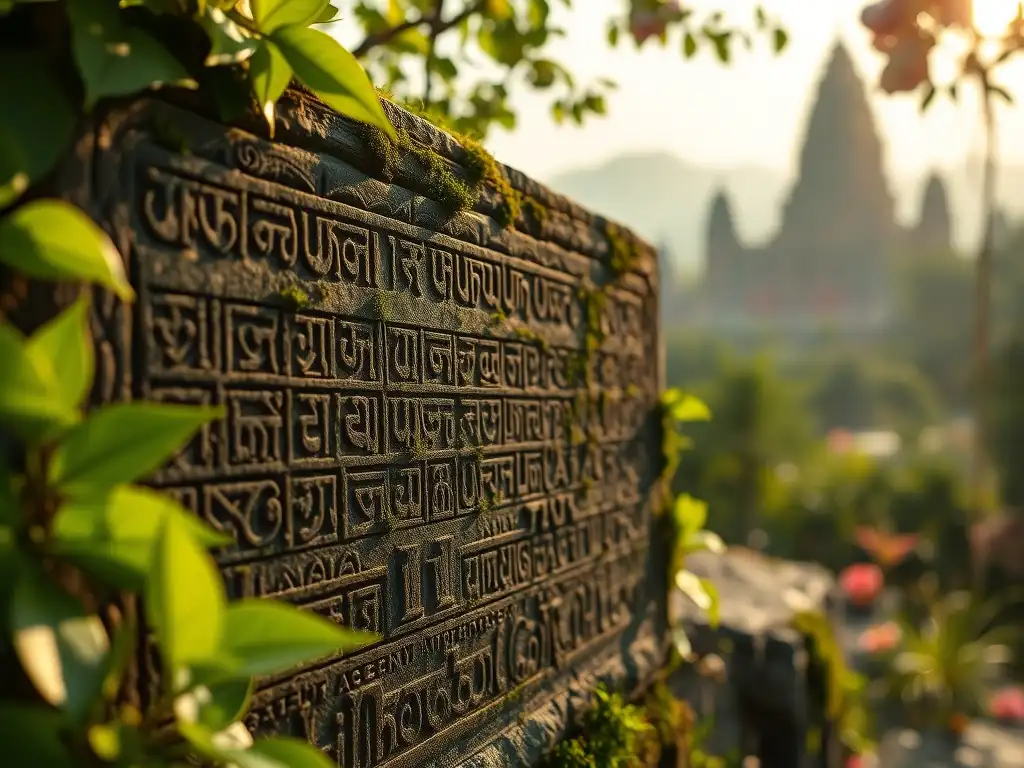
The Gupta Empire (c. 240–550 CE) is often referred to as the "Golden Age" of India, marked by significant advancements in art, science, and literature. Inscriptions from this period reflect the empire’s prosperity and cultural achievements. The Gupta rulers commissioned many inscriptions to commemorate victories, establish legitimacy, and promote Hinduism.
One prominent inscription is the Allahabad Pillar inscription of Samudragupta, which details his military conquests and administrative prowess. These inscriptions often employed Sanskrit, which was a language of the elite, thereby underscoring the cultural renaissance of the time. They also highlight the patronage of arts and architecture, illustrating the Gupta dynasty's role in fostering a rich cultural environment.
Thematic Analysis of Ancient Indian Inscriptions
The thematic analysis of ancient Indian inscriptions reveals the multifaceted nature of these artifacts, as they embody religious, administrative, and cultural narratives. By examining the themes present in these inscriptions, researchers gain insights into the values and priorities of ancient societies.
Religious Inscriptions: Spiritual Significance
Religious inscriptions are pivotal in understanding the spiritual landscape of ancient India. They often manifest in the form of temple inscriptions, commemorative stones, and sacred texts. These inscriptions not only serve as records of religious practices and rituals but also reflect the evolution of belief systems, such as Hinduism and Buddhism.
For instance, inscriptions found in temples frequently dedicate offerings to deities, signifying the importance of worship in daily life. Additionally, they may include hymns, prayers, or philosophical texts, underscoring the role of religion in shaping cultural identity. The spiritual significance of these inscriptions extends beyond mere documentation; they are a testament to the enduring legacy of ancient Indian spirituality and its influence on contemporary practices.
Administrative Inscriptions: Governance and Law
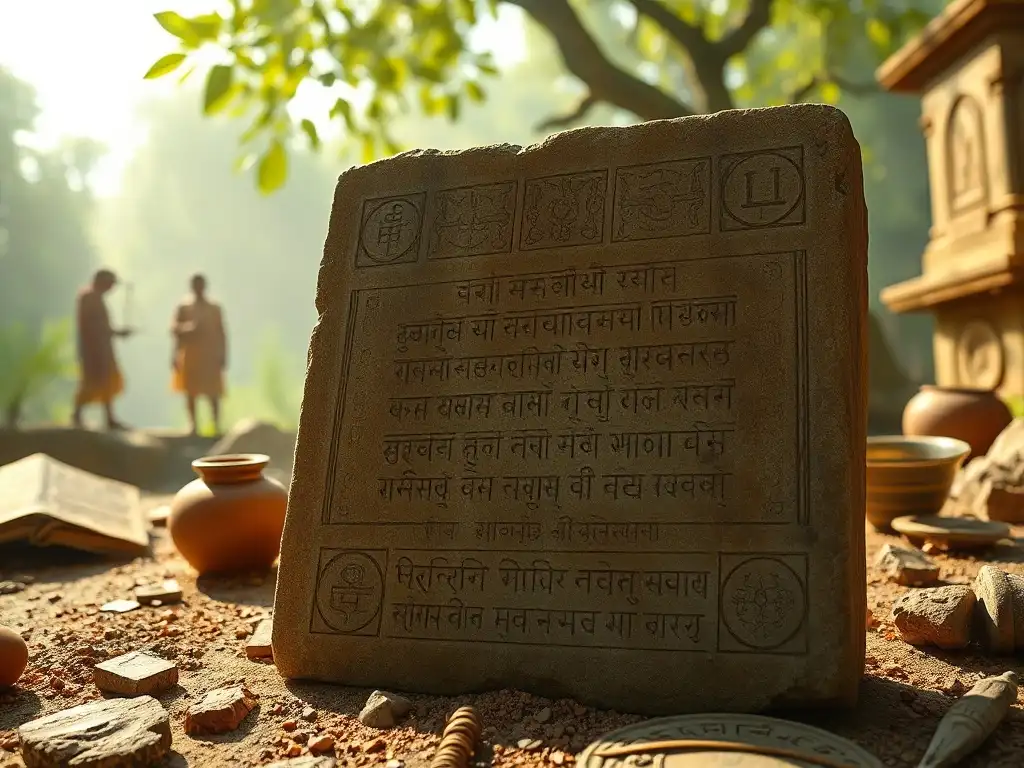
Administrative inscriptions are essential for understanding the governance structures and legal frameworks of ancient Indian societies. They often include records of land grants, tax regulations, and decrees issued by rulers. These inscriptions reveal how power was exercised and maintained, as well as the socio-economic dynamics of the time.
The presence of detailed administrative inscriptions indicates a sophisticated bureaucracy that managed various aspects of governance. For example, inscriptions detailing land grants often specify the rights and obligations of the recipients, illustrating the relationship between rulers and subjects. Such records provide critical insights into how laws were enacted and enforced, thereby contributing to our understanding of ancient Indian governance and its implications for social order.
The Significance of Ancient Indian Inscriptions Today
Ancient Indian inscriptions hold immense significance in understanding the history, culture, and societal values of past civilizations. These inscriptions, found etched on stone, metal, and pottery, serve as vital primary sources that provide insights into the socio-political and economic conditions of ancient India. They reflect the linguistic evolution, religious beliefs, and administrative practices of various dynasties, contributing to our knowledge of the subcontinent's historical narrative.
The inscriptions also play a crucial role in connecting contemporary society with its rich heritage. By deciphering these texts, historians and archaeologists can reconstruct historical events, trace lineage, and even explore the daily lives of ordinary people. Furthermore, they highlight the artistic and technical proficiency of ancient artisans and scribes. The significance of these inscriptions extends beyond mere academic interest; they foster a sense of identity and pride in the cultural legacy of India.
Insights into Ancient Indian Society and Culture
Ancient Indian inscriptions provide profound insights into the social structures, customs, and beliefs that permeated the lives of people during various epochs. For instance, inscriptions from the Maurya period, such as those by Emperor Ashoka, reveal the principles of governance, moral codes, and the promotion of Buddhism through edicts. These texts offer a glimpse into the ethical standards and societal values upheld by rulers and the populace alike.
Moreover, inscriptions often document religious practices, festivals, and rituals, showcasing the rich tapestry of spiritual life in ancient India. For example, inscriptions found in temples frequently describe the patronage of deities and the significance of various religious ceremonies, providing context to the spiritual landscape of the time. In addition, they illuminate the role of women, trade practices, and intercultural interactions, enriching our understanding of the complexities of ancient Indian society.
Preservation and Interpretation of Inscriptions
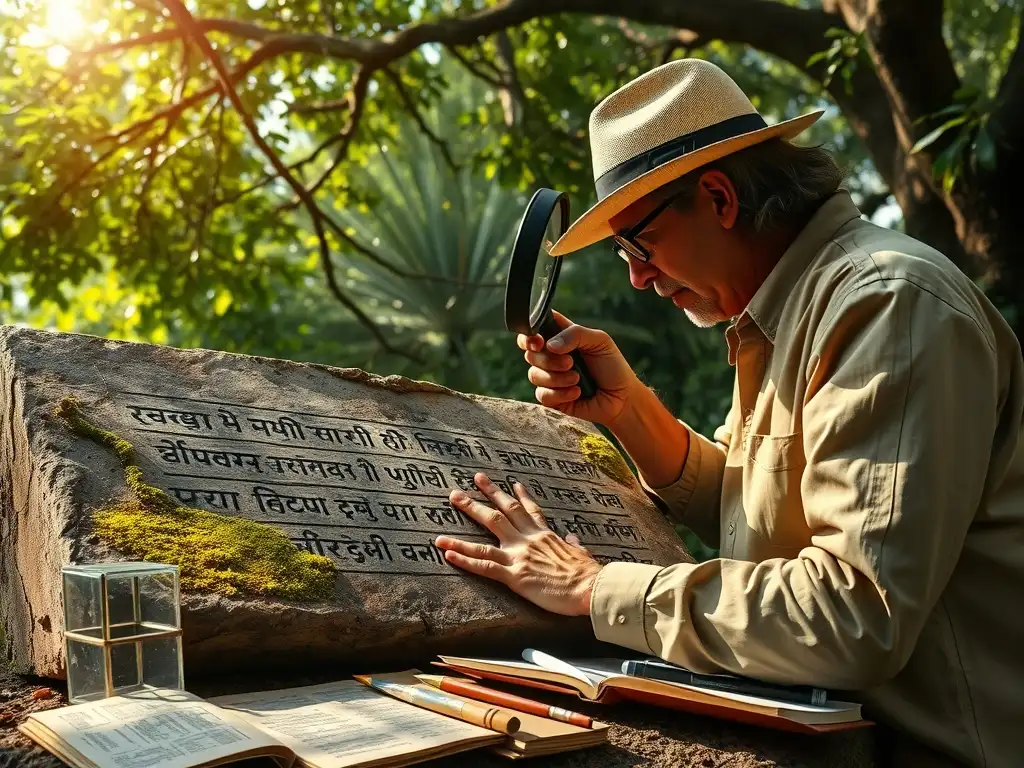
The preservation and interpretation of ancient inscriptions pose significant challenges due to factors such as weathering, human activity, and the passage of time. Archaeologists and epigraphists employ various techniques to conserve these valuable artifacts, including the use of digital imaging and 3D modeling to document and analyze inscriptions without causing damage.
Interpreting the inscriptions requires expertise in ancient languages, scripts, and the historical context in which they were created. Scholars meticulously study the language used, as many inscriptions are written in Brahmi, Kharosthi, or other regional scripts. The translation and contextualization of these texts are vital for uncovering their meanings and implications. Additionally, collaborative efforts between historians, linguists, and archaeologists enhance our understanding of these inscriptions, ensuring that the stories they tell are accurately conveyed to future generations.
Conclusion: The Lasting Impact of Ancient Indian Inscriptions
The lasting impact of ancient Indian inscriptions extends far beyond their immediate historical context. These inscriptions serve as tangible links to the past, allowing us to appreciate the complexity and richness of ancient Indian civilizations. They not only inform us about historical events and cultural practices but also inspire contemporary dialogue about identity, heritage, and continuity.
As scholars continue to decipher and analyze these inscriptions, their significance will undoubtedly evolve, revealing new narratives and insights. The study of ancient Indian inscriptions is crucial for fostering a deeper appreciation of India's diverse heritage and the contributions of its civilizations to the broader tapestry of human history. By preserving and interpreting these inscriptions, we ensure that the hidden stories they carry remain alive for future generations to explore and learn from.
Further Reading on Ancient Indian Inscriptions
To deepen your understanding of the significance of ancient Indian inscriptions, several pivotal texts and resources highlight the complexities, nuances, and historical contexts of these artifacts. Here is a selection of recommended readings that explore various aspects of ancient Indian inscriptions:
- "Inscriptions of India: A Historical Analysis" by J. C. Harle
- This comprehensive book provides a detailed analysis of various inscriptions found across India, discussing their historical significance and the cultural insights they offer into ancient Indian civilization. Harle examines the evolution of scripts and languages used in these inscriptions, making it a vital resource for researchers and enthusiasts alike.
- "The Art of Indian Inscriptions" by K. R. Subramanian
- Focusing on the artistic aspects of ancient inscriptions, this book delves into the styles, motifs, and iconography present in these works. Subramanian’s exploration highlights how inscriptions served not just as historical records but also as artistic expressions that reflect the aesthetics of their time.
- "Deciphering Ancient Indian Scripts" by R. N. Sharma
- This text is invaluable for those interested in the technicalities of reading and understanding ancient scripts. Sharma provides insights into the methodologies used by epigraphists to interpret inscriptions, including case studies that demonstrate the challenges and breakthroughs in deciphering these ancient writings.
- "The Role of Inscriptions in Indian History" by R. C. Majumdar
- Majumdar's work discusses the broader implications of inscriptions in reconstructing Indian history, particularly their role in understanding social, political, and economic structures of ancient societies. This book is essential for anyone looking to grasp the interconnectedness of inscriptions and historical narratives.
- "Ancient Indian Inscriptions: A Study of Scripts and Languages" by R. S. Sharma
- This scholarly work focuses on the various scripts used in ancient Indian inscriptions, offering a thorough exploration of linguistic development over centuries. Sharma's analysis provides context for how language evolved alongside culture and politics in ancient India.
- "The Indus Valley Civilization: Inscriptions and Artifacts" by Irfan Habib
- Habib's study provides a closer look at the inscriptions from the Indus Valley Civilization, examining their significance in understanding one of the earliest urban cultures in India. This book discusses both the archaeological and epigraphical findings that shed light on this fascinating civilization.
By engaging with these texts, readers can gain a more comprehensive understanding of ancient Indian inscriptions, their significance, and their enduring legacy in the study of history and culture. Each of these works contributes to a rich tapestry of knowledge that reveals the intricate stories behind the inscriptions that have survived through millennia.
- Introduction to Ancient Indian Inscriptions
- The Evolution of Ancient Indian Scripts
- The Historical Context of Inscriptions
- Inscriptions in the Maurya Empire
- Gupta Empire Inscriptions
- Thematic Analysis of Ancient Indian Inscriptions
- Religious Inscriptions: Spiritual Significance
- Administrative Inscriptions: Governance and Law
- The Significance of Ancient Indian Inscriptions Today
- Insights into Ancient Indian Society and Culture
- Preservation and Interpretation of Inscriptions
- Conclusion: The Lasting Impact of Ancient Indian Inscriptions
- Further Reading on Ancient Indian Inscriptions
Frequently Asked Questions
What are ancient Indian inscriptions?
Ancient Indian inscriptions are written records found on various materials like stones, copper plates, and clay, providing insights into the culture, governance, and daily life of ancient civilizations.
Why are ancient Indian inscriptions significant?
These inscriptions are significant because they offer firsthand accounts of historical events, societal norms, and linguistic development, helping historians understand ancient Indian civilization more profoundly.
Where can ancient Indian inscriptions be found?
Ancient Indian inscriptions can be found in several locations, including temples, caves, and archaeological sites across India, especially in regions like Tamil Nadu, Karnataka, and Madhya Pradesh.
How do inscriptions contribute to our understanding of ancient Indian history?
Inscriptions serve as primary sources that reveal details about political systems, religious practices, and social structures, thereby enriching our understanding of historical narratives.
What languages are commonly seen in ancient Indian inscriptions?
The most common languages in ancient Indian inscriptions include Sanskrit, Prakrit, and Tamil, showcasing the linguistic diversity and evolution of languages in ancient India.
Final Reflection: Unveiling the Significance of Ancient Indian Inscriptions
The exploration of ancient Indian inscriptions reveals their profound significance in understanding our cultural heritage and identity. These inscriptions serve as a bridge connecting us to our past, offering insights into the social, political, and spiritual lives of our ancestors. In a world increasingly driven by technology and rapid change, the stories etched in stone remind us of the enduring human experience and the lessons we can draw from it.
The impact of ancient Indian inscriptions extends far beyond historical curiosity; they continue to shape our cultural and social landscape today. These inscriptions not only document the achievements and beliefs of past civilizations but also inspire contemporary artists, scholars, and thinkers to delve deeper into their roots. As the renowned historian Romila Thapar once said, "> History is not just a record of the past; it is a guide for the future." This sentiment resonates strongly in our current era, where understanding our history can inform our actions and decisions moving forward.
As you reflect on the significance of ancient Indian inscriptions, consider how these stories can inspire your own journey. Take a moment to explore your roots, engage with your cultural heritage, and appreciate the narratives that have shaped your identity. Let the lessons from the past guide you in your present and future endeavors, fostering a deeper connection with the world around you. Embrace the hidden stories that await discovery, and allow them to illuminate your path forward.
Unveil the Secrets of Ancient Indian Inscriptions!
Thank you for taking the time to explore the fascinating world of ancient Indian inscriptions with us! You've uncovered the rich narratives etched into history, revealing the culture and wisdom of a bygone era. Now, it’s time to take these insights further and engage in actions that celebrate and propagate this ancient legacy.
Here are some powerful steps you can take right now:
- Dive deeper into the stories behind specific inscriptions by researching them online or visiting a local library. Consider choosing an inscription that resonates with you and exploring its historical context further!
- Share your newfound knowledge with friends or on social media. Start a conversation about the impact of these inscriptions by posting an intriguing quote or an interesting fact you learned today. Use the hashtag #AncientIndianInscriptions to connect with the community!
- Join a local history group or an online forum dedicated to ancient cultures. Engaging with others who share your passion can lead to new insights and lasting friendships.
What hidden story from ancient Indian inscriptions has inspired you the most, and how do you plan to delve into it further?