
The Art and Architecture of the Mauryan Period: Chandragupta's Contributions

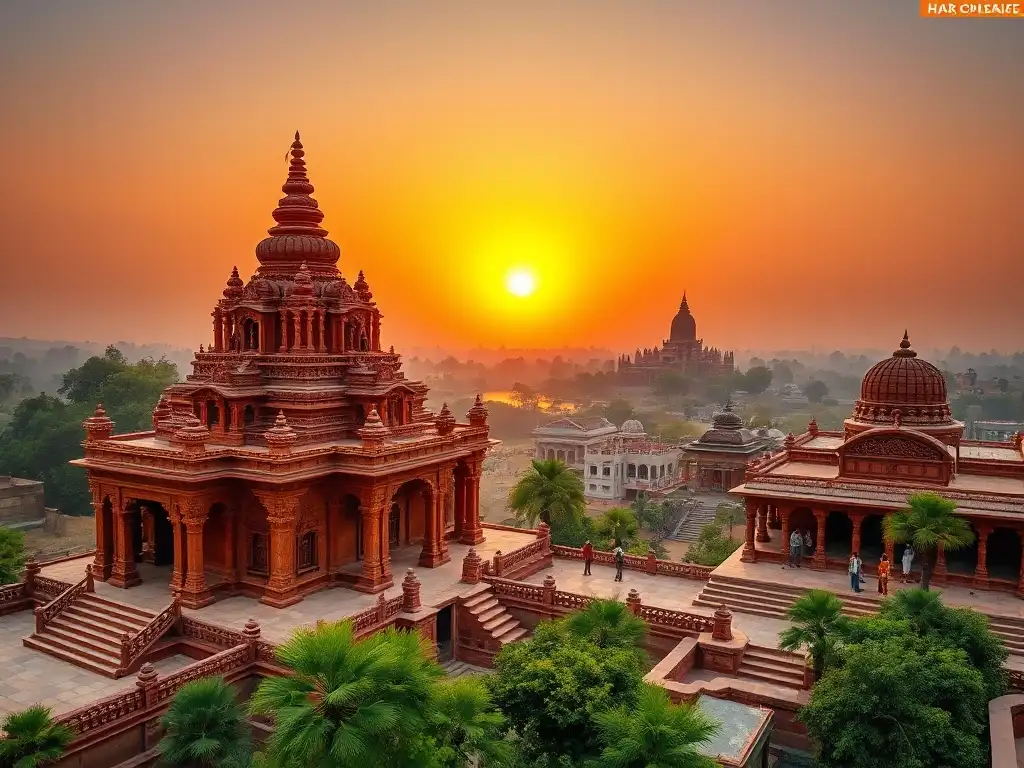
Welcome to Ancient India History, where we embark on a fascinating journey through the rich tapestry of ancient Indian civilizations. As we delve into the Mauryan period art and architecture, you will uncover the remarkable contributions of Chandragupta and witness how his vision shaped a legacy that resonates even today. Prepare to be captivated by the intricate designs and profound cultural significance of this era. Stay with us as we explore the artistic triumphs that defined a civilization and continue to inspire generations. Your adventure into the depths of history begins now!
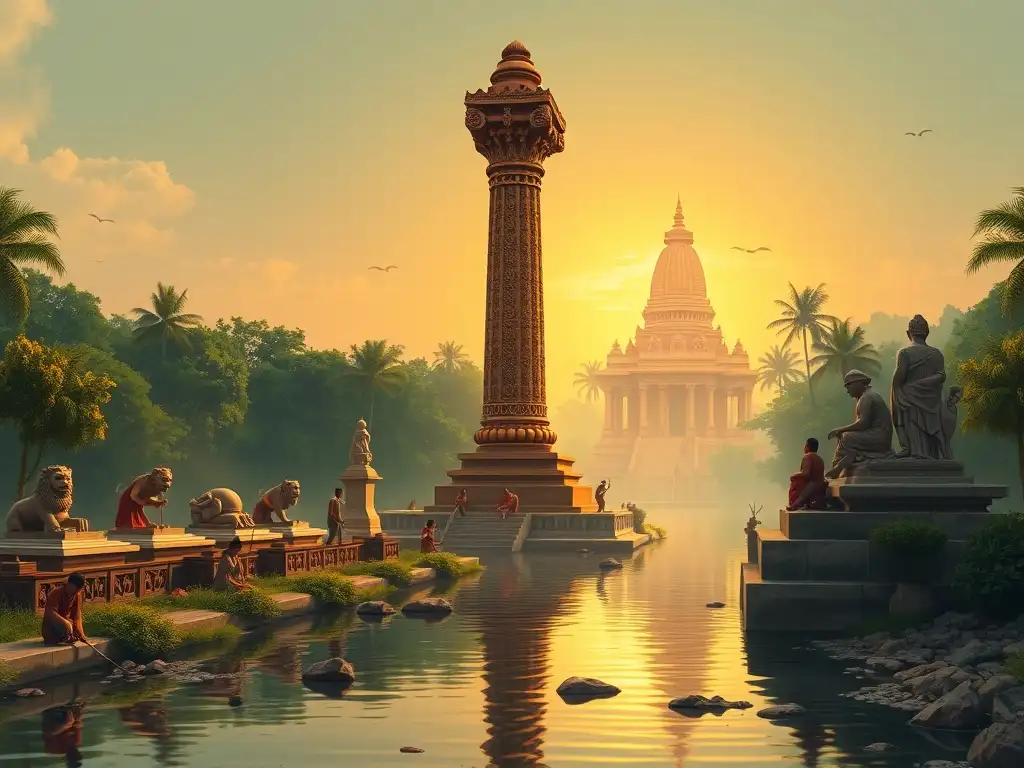
Introduction to the Mauryan Period
The Mauryan period, spanning from 322 to 185 BCE, marks a pivotal era in ancient Indian history characterized by the emergence of a powerful empire under the leadership of Chandragupta Maurya. This period is not only significant for its political achievements but also for its remarkable advancements in art and architecture.
The Mauryan Empire, known for its extensive territorial expanse, facilitated the exchange of ideas, cultures, and artistic expressions across a vast region. This article delves into the rich tapestry of Mauryan period art and architecture, emphasizing the contributions of Chandragupta Maurya, whose vision and governance laid the foundation for a flourishing cultural legacy that continues to influence Indian society today.
Overview of the Mauryan Empire
The Mauryan Empire is renowned as one of the largest empires in ancient India, with its capital at Pataliputra (modern-day Patna). Founded by Chandragupta Maurya, the empire witnessed rapid expansion under his rule, encompassing the majority of the Indian subcontinent. Key features of the Mauryan Empire include:
- Territorial Expansion: At its zenith, the empire stretched from the Hindu Kush mountains in the northwest to Bengal in the east, creating a diverse cultural milieu.
- Administrative Innovations: The Mauryan administration was marked by a centralized bureaucracy, which facilitated efficient governance and resource management.
- Economic Prosperity: The empire thrived on trade, agriculture, and craftsmanship, leading to economic stability that propelled artistic endeavors.
Importance of Art and Architecture in Ancient India
Art and architecture during the Mauryan period played a crucial role in reflecting the empire's values, beliefs, and societal structure. They served not only as expressions of aesthetic beauty but also as mediums for political propaganda and religious devotion. Key aspects include:
- Symbolism and Identity: Artistic representations often conveyed the identity of the empire, showcasing royal patronage and the power of the ruling class.
- Religious Significance: Architecture, particularly stupas, pillars, and rock-cut caves, played a vital role in the spread of Buddhism, which gained prominence during this period.
- Cultural Integration: The fusion of various regional styles led to unique artistic forms that enriched the cultural landscape of ancient India.
Chandragupta Maurya: A Patron of Art and Architecture
Chandragupta Maurya's reign was marked by a profound appreciation for art and architecture, which he recognized as essential tools for unifying and legitimizing his empire. His contributions laid the groundwork for a cultural renaissance that would flourish under his successors.
Early Life and Rise to Power
Born into a humble background, Chandragupta Maurya's early life was marked by struggle and ambition. Influenced by his teacher, Chanakya (Kautilya), he vowed to overthrow the Nanda dynasty, which he successfully accomplished around 322 BCE. Key milestones in his rise to power include:
- Alliance with Chanakya: This strategic partnership provided Chandragupta with the political acumen and military strategy necessary to challenge the established rulers.
- Establishing Control: After a series of conquests, he gained control over northern India, laying the foundation for the Mauryan Empire.
Chandragupta’s Vision for the Empire
Chandragupta's vision extended beyond mere territorial conquest; he aimed to create a cohesive empire marked by cultural unity and artistic expression. His initiatives included:
- Patronage of Artisans: Under his rule, artisans were encouraged to produce exquisite sculptures, pottery, and textiles, leading to a flourishing of crafts.
- Architectural Developments: Noteworthy constructions, such as the Ashoka Pillars, exemplified the grandeur of Mauryan architecture and served as symbols of imperial authority.
- Promotion of Buddhism: His support for Buddhism not only influenced the religious landscape but also inspired monumental art forms like the Sanchi Stupa, which became iconic representations of Mauryan architecture.
Through these efforts, Chandragupta Maurya not only established a formidable empire but also fostered an enduring legacy of art and architecture that would resonate through the ages.
Key Features of Mauryan Period Art and Architecture
The Mauryan period, particularly under the reign of Chandragupta Maurya, marked a significant evolution in the art and architecture of ancient India. This era is characterized by several distinct features that reflect both aesthetic and functional aspects. The use of bold and intricate designs showcased a shift towards more monumental architecture, with a focus on both religious and secular structures.
Key features include:
- Royal Patronage: Art and architecture flourished under royal patronage, which enabled the commissioning of grand structures and sophisticated artworks.
- Symbolic Representation: Many artworks from this period carry deep symbolic meanings, often reflecting the spiritual and political ideologies of the time.
- Integration of Different Styles: The blending of local Indian styles with influences from other cultures, particularly Persian and Greek, created a unique aesthetic that defined the Mauryan period.
In terms of materials, the use of stone became prevalent, allowing for more durable and intricate designs. Furthermore, the adoption of new techniques, such as the use of polished stone and the introduction of decorative motifs, showcased the craftsmanship of this period.
Influence of Persian and Indian Styles
The Mauryan period art and architecture were significantly influenced by both Persian and indigenous Indian styles. This cross-cultural exchange was facilitated by the interactions resulting from the conquests of Alexander the Great and the subsequent political landscapes.
- Persian Influence: The Mauryan Empire adopted elements from Persian architecture, such as the use of massive columns and grand gateways (known as toranas). These features were often adorned with elaborate carvings and motifs that reflected the grandeur of Persian palaces.
- Indian Traditions: At the same time, traditional Indian architectural forms, such as stupas and temples, were integrated into Mauryan designs. This fusion created a distinctive style that emphasized both religious significance and aesthetic appeal.
The blending of these styles not only enriched the artistic landscape of the Mauryan period but also laid the groundwork for future developments in Indian art and architecture.
Materials and Techniques Used in Mauryan Art
The materials and techniques utilized during the Mauryan period played a crucial role in the development of its art and architecture.
- Materials:
- Stone: The widespread use of sandstone and limestone allowed for the construction of durable structures, including stupas and pillars. The famous Ashoka Pillars, with their intricate carvings, exemplify the high-quality stonework of the era.
- Terracotta: Used for smaller sculptures and decorative items, terracotta was a common material that allowed artisans to create detailed and expressive forms.
- Techniques:
- Carving and Sculpting: Skilled artisans employed advanced carving techniques to create intricate designs on stone surfaces, often depicting mythological figures, animals, and floral patterns.
- Polishing: The introduction of polishing techniques gave a smooth finish to stone surfaces, enhancing the visual appeal of artworks and architectural elements.
These materials and techniques not only highlight the craftsmanship of the period but also reflect the technological advancements that contributed to the richness of Mauryan art.
Prominent Architectural Structures
The Mauryan period is noted for several prominent architectural structures that have left a lasting legacy. Some of the most significant include:
- Ashoka Pillars: Erected throughout the empire, these monumental pillars are renowned for their height and intricately carved capitals, often featuring animal motifs such as lions and elephants.
- Stupas: Structures like the Great Stupa at Sanchi exemplify the Mauryan architectural style, featuring domed roofs and elaborate gateways adorned with detailed carvings.
- Fortifications: The construction of forts and defensive structures during this period reflected the Mauryan emphasis on security and territorial control.
These architectural achievements not only served practical purposes but also conveyed the power and sophistication of the Mauryan Empire.
Major Architectural Contributions during Chandragupta's Reign
Chandragupta Maurya's reign marked a pivotal point in the architectural history of ancient India. His contributions laid the foundation for the grandeur of Mauryan architecture that would flourish under his successors.
The Capital City of Pataliputra
Pataliputra, the capital city of the Mauryan Empire, was a hub of political and cultural activity. Its design and layout were carefully planned, reflecting the organizational skills of its builders.
- Urban Planning: The city featured a grid-like street layout, with wide avenues and well-defined residential and administrative areas.
- Fortifications: Pataliputra was surrounded by massive walls and ditches, providing defense against potential invasions. The fortifications included impressive gates that showcased intricate carvings and designs.
This city served as a model for urban planning in ancient India, influencing subsequent cities in the region.
Notable Structures: Palaces and Fortifications
During Chandragupta's reign, several notable structures were constructed, contributing to the empire's architectural legacy.
- Royal Palaces: The palaces of Pataliputra were grand in scale, featuring elaborate gardens, courtyards, and intricate decorative elements. These structures were designed to symbolize the power and wealth of the Mauryan rulers.
- Fortifications: The strategic fortifications built around key cities, such as Pataliputra, showcased advanced engineering techniques, including the use of moats and thick walls.
These structures not only served functional purposes but also played a crucial role in establishing the authority of the Mauryan Empire.
Stupas and Monuments: Symbolism and Design
Stupas and monuments from the Mauryan period are rich in symbolic meaning, often serving as significant religious sites.
- Stupas: The design of stupas, such as the Great Stupa at Sanchi, reflects the Buddhist influence during this period. These structures were typically dome-shaped, symbolizing the universe, and served as reliquaries for sacred relics.
- Monumental Sculptures: Carvings on stupas and other monuments often depicted scenes from the life of the Buddha, conveying moral and spiritual teachings.
The artistic designs and symbolic representations found in these structures highlight the spiritual dimensions of Mauryan architecture, showcasing a blend of aesthetic beauty and religious significance.
Art Forms Flourishing in the Mauryan Period
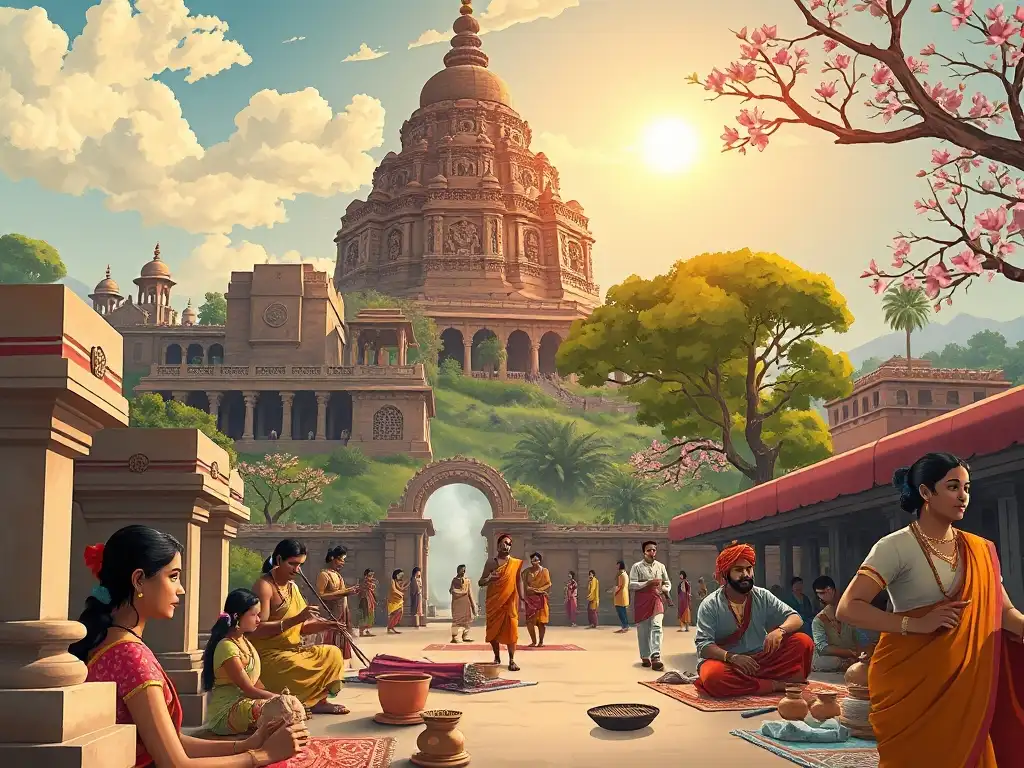
The Mauryan period, particularly under the reign of Chandragupta Maurya, marked a significant evolution in Indian art and architecture. This era is characterized by a fusion of indigenous artistic traditions and influences from neighboring cultures, leading to a rich tapestry of artistic expressions. Notable art forms that flourished during this period included sculpture, stone carving, and decorative arts, each embodying the spiritual and cultural ethos of the time. The Mauryan period's commitment to artistic excellence can be seen in public monuments, religious structures, and artifacts that reflect the grandeur of the empire.
Sculpture and Relief Work
Sculpture during the Mauryan period was primarily influenced by the Buddhist tradition, which emerged prominently with the support of Emperor Ashoka, Chandragupta's grandson. The most notable examples of Mauryan sculpture include the famous Ashoka Pillars and the Great Stupa at Sanchi. These pillars are adorned with intricate carvings of animals, floral motifs, and figures symbolizing Buddhist teachings.
The relief work of this period often depicted scenes from the life of Buddha, as well as various deities, showcasing a high level of craftsmanship. The Lions of Sarnath, which served as the emblem of India, are exemplary of Mauryan relief work, emphasizing not just artistry but also the political message of strength and unity. The realism and expressive quality of the sculptures reflect the skilled artisans of the time, who were influenced by both local traditions and foreign styles.
Role of Stone Carving in Mauryan Art
Stone carving played a pivotal role in the art of the Mauryan period, with artisans utilizing local materials like sandstone and limestone to create intricate designs. This era saw advancements in techniques, allowing for more detailed and refined carvings that conveyed complex narratives and symbolic meanings. The use of polished stone in sculptures provided a luminous quality that enhanced their visual impact.
Moreover, stone carving was not limited to religious art; it also included secular themes, portraying everyday life and the natural world. The rock-cut caves of Ajanta and Ellora, created later but influenced by earlier Mauryan techniques, demonstrate the enduring legacy of stone carving traditions that began during this period.
Paintings and Decorative Arts
Paintings and decorative arts during the Mauryan period were equally significant, though they are less documented than sculpture. Evidence of early Indian painting can be found in the cave paintings of the Barabar Caves, which date back to this time. These paintings depicted geometric patterns, floral designs, and scenes of nature, often reflecting the spiritual aspirations of the era.
Decorative arts also included textiles and pottery, with intricate designs that showcased the skilled craftsmanship of artisans. The use of natural dyes and materials in these decorative arts contributed to the vibrant aesthetics that characterized Mauryan culture. The emphasis on beauty and detail in both functional and ceremonial objects illustrates the sophisticated artistic sensibilities of the Mauryan period.
The Legacy of Chandragupta’s Contributions to Indian Art and Architecture
The contributions of Chandragupta Maurya to art and architecture laid the foundation for a cultural renaissance that would influence India for centuries. His establishment of a centralized administration allowed for the patronage of artists and craftsmen, resulting in monumental constructions and rich artistic expressions that reflected the power and spirituality of the Mauryan Empire.
Influence on Subsequent Dynasties
Chandragupta’s legacy in art and architecture profoundly influenced subsequent Indian dynasties. The artistic techniques and styles developed during the Mauryan period served as a model for later rulers, including the Gupta Empire, which is often regarded as a golden age of Indian art. The Guptas adopted and adapted Mauryan motifs, leading to a flourishing of sculpture, architecture, and painting that drew upon the spiritual themes established during Chandragupta's reign.
The Buddhist stupas and monasteries built in later periods continued to reflect the architectural principles and decorative styles initiated by the Mauryans. This enduring influence demonstrates how the artistic innovations of the Mauryan period set the stage for the evolution of Indian art throughout history.
Preservation and Continued Relevance in Indian Culture
The art and architecture of the Mauryan period have not only been preserved in historical records and monuments but continue to resonate in contemporary Indian culture. The motifs, themes, and techniques developed during this period remain relevant in modern artistic expressions, festivals, and religious practices.
Modern Indian artists frequently draw inspiration from Mauryan aesthetics, incorporating elements of sculpture and painting into their works. Additionally, the sites of Mauryan architecture, such as Sanchi and the remnants of the ancient city of Pataliputra, serve as important cultural heritage sites, attracting scholars, artists, and tourists alike. This ongoing appreciation and adaptation of Mauryan art underline its significance in the narrative of Indian history and culture, ensuring that Chandragupta’s contributions continue to inspire future generations.
Conclusion: The Enduring Impact of Mauryan Period Art and Architecture
The Mauryan period, particularly under the reign of Chandragupta Maurya, marked a transformative era in the history of Indian art and architecture. The monumental achievements during this time established a foundation that influenced the cultural landscape of India for centuries. The innovations in urban planning, such as the well-structured cities of Pataliputra, showcased advanced architectural techniques and urban design principles that were ahead of their time.
Moreover, the artistic expressions seen in the intricate carvings at the Ashoka pillars and stupas reflect a deep philosophical and spiritual engagement, emphasizing the significance of Buddhism and Jainism in Mauryan society. These structures not only served as religious centers but also as symbols of political power and unity across the vast Mauryan Empire. The aesthetic values and architectural styles developed during this period have left a lasting legacy, inspiring subsequent dynasties and continuing to be a source of study for historians and architects alike.
The integration of diverse artistic influences during the Mauryan period also played a crucial role in shaping a unique Indian identity. By fostering a synthesis of indigenous styles with foreign elements, Chandragupta's reign set the stage for a rich cultural dialogue that would resonate through history. The remnants of this period continue to be celebrated, seen as a testament to the ingenuity and creativity of ancient Indian civilization.
Reflection on Chandragupta's Role in Shaping Ancient Indian Heritage
Chandragupta Maurya's contributions extend beyond mere political unification; his vision laid the groundwork for a flourishing cultural and artistic heritage that would define ancient India. As the first emperor of the Mauryan dynasty, he not only consolidated various kingdoms but also embraced the idea of a centralized administration that promoted the arts and architecture.
Under his guidance, the Mauryan Empire saw the emergence of sophisticated art forms, including sculptures and carvings that depicted both religious and secular themes. These artistic endeavors were not just for aesthetic pleasure; they served to communicate the empire's values, beliefs, and power dynamics. Chandragupta’s patronage of Buddhism, particularly through the support of his grandson Ashoka, further solidified the role of art as a vehicle for spiritual expression and moral governance.
Chandragupta's legacy is also characterized by his strategic use of architecture as a means of establishing authority and fostering cultural integration. The construction of grand stupas and pillars, adorned with elaborate carvings, symbolized the empire's commitment to both religious devotion and artistic excellence. This melding of governance and culture under his leadership illustrates the profound impact he had on shaping the heritage of ancient India, which continues to influence contemporary society.
The Importance of Studying Mauryan Contributions Today
Studying the contributions of the Mauryan period is crucial for several reasons. First, it offers valuable insights into the early foundations of Indian civilization, providing a context for understanding subsequent historical developments. The art and architecture of the Mauryan period reflect a unique blend of regional styles and cultural influences, showcasing how artistic expression can serve as a bridge between diverse communities.
Additionally, examining the Mauryan era allows modern scholars and enthusiasts to appreciate the advanced engineering and architectural techniques employed during this time. The innovations in construction methods and urban planning can inform contemporary practices in sustainable architecture and urban development, as these ancient solutions often prioritized functionality and harmony with nature.
Furthermore, the ethical and philosophical underpinnings of Mauryan art and architecture, particularly as they relate to Buddhism, offer profound lessons in values such as compassion, justice, and moral governance. These themes remain relevant today, encouraging a dialogue about the role of art in society and its ability to inspire positive change.
The study of Mauryan contributions is not only a window into the past but also a guide for the future, illustrating how the legacies of ancient civilizations continue to shape our understanding of cultural identity and artistic expression.
- Introduction to the Mauryan Period
- Chandragupta Maurya: A Patron of Art and Architecture
- Key Features of Mauryan Period Art and Architecture
- Major Architectural Contributions during Chandragupta's Reign
- Art Forms Flourishing in the Mauryan Period
- The Legacy of Chandragupta’s Contributions to Indian Art and Architecture
- Conclusion: The Enduring Impact of Mauryan Period Art and Architecture
- What is the Mauryan period known for in terms of art and architecture?
- Who was Chandragupta Maurya and what were his contributions?
- What role did Ashoka play in the art and architecture of the Mauryan period?
- How did Mauryan architecture influence later Indian styles?
- What are some notable examples of Mauryan art and architecture?
Frequently Asked Questions
What is the Mauryan period known for in terms of art and architecture?
The Mauryan period is recognized for its innovative architecture and artistic achievements, including the construction of grand stupas and the use of polished stone sculptures that reflect advanced techniques.
Who was Chandragupta Maurya and what were his contributions?
Chandragupta Maurya was the founder of the Mauryan Empire, known for unifying India. His contributions include establishing a centralized administration and promoting artistic endeavors that enriched the cultural landscape.
What role did Ashoka play in the art and architecture of the Mauryan period?
Ashoka, Chandragupta's grandson, significantly influenced Mauryan art by promoting Buddhism through the construction of stupas and pillar edicts that showcased his commitment to peace and moral governance.
How did Mauryan architecture influence later Indian styles?
Mauryan architecture laid the foundation for later styles, with its use of stone and grand structures influencing subsequent periods, particularly during the Gupta Empire, which built upon these artistic legacies.
What are some notable examples of Mauryan art and architecture?
Notable examples include the Sanchi Stupa, the Ashoka Pillars, and the Great Stupa at Sanchi, each showcasing the intricate carvings and symbolism that represent the cultural richness of the Mauryan period.
Final Reflection: The Enduring Legacy of Mauryan Period Art and Architecture
The art and architecture of the Mauryan period remain profoundly relevant today, as they not only reflect the ingenuity of ancient India but also serve as a testament to the cultural and political advancements initiated by Chandragupta. In an era where we seek to understand our roots and the foundations of civilization, the Mauryan period stands as a beacon of artistic and architectural excellence that continues to inspire modern creators and thinkers alike.
The influence of Mauryan art and architecture extends far beyond its historical context, shaping the cultural landscape of India and the world. The intricate designs and monumental structures from this period are not merely relics of the past; they are living narratives that connect us to our shared human experience. As noted by art historian John Marshall, “The Mauryan period was a turning point in Indian art, laying the groundwork for future generations.” This observation highlights how the innovations of this era continue to resonate, influencing contemporary art and architecture while fostering a deeper appreciation for cultural heritage.
As we reflect on the contributions of Chandragupta and the artistic achievements of the Mauryan period, I invite you to consider how these lessons can be applied in your own life. Take a moment to explore your surroundings—what stories do the art and architecture of your community tell? Embrace the idea that every structure and piece of art carries a legacy, and let this inspire you to engage with your environment, preserving and celebrating the beauty that connects us all.
Unveil the Splendor of Mauryan Contributions!
Thank you for taking the time to explore the magnificent art and architecture of the Mauryan period with us! By understanding Chandragupta's significant contributions, you’ve embarked on a valuable journey into a rich historical narrative. Now, let’s dive deeper and continue this exploration together.
Here are a few actionable steps you can take:
- Explore More: Visit ancient archaeological sites related to the Mauryan era. Research their current status and discover how these sites preserve the history of the Mauryan civilization.
- Get Involved: Join a local history group or an online community. Discuss your insights and learn from fellow enthusiasts about the enduring influences of the Mauryan period on modern culture.
- Share Your Knowledge: Create a post on social media or start a blog. Share the fascinating details you've learned about the Mauryan period, and inspire others to appreciate this unique era.
What aspect of Mauryan architecture or art resonates with you the most, and why? We’d love to hear your thoughts!