
The Dynamics of Trade Relationships between Ancient Indian Kingdoms

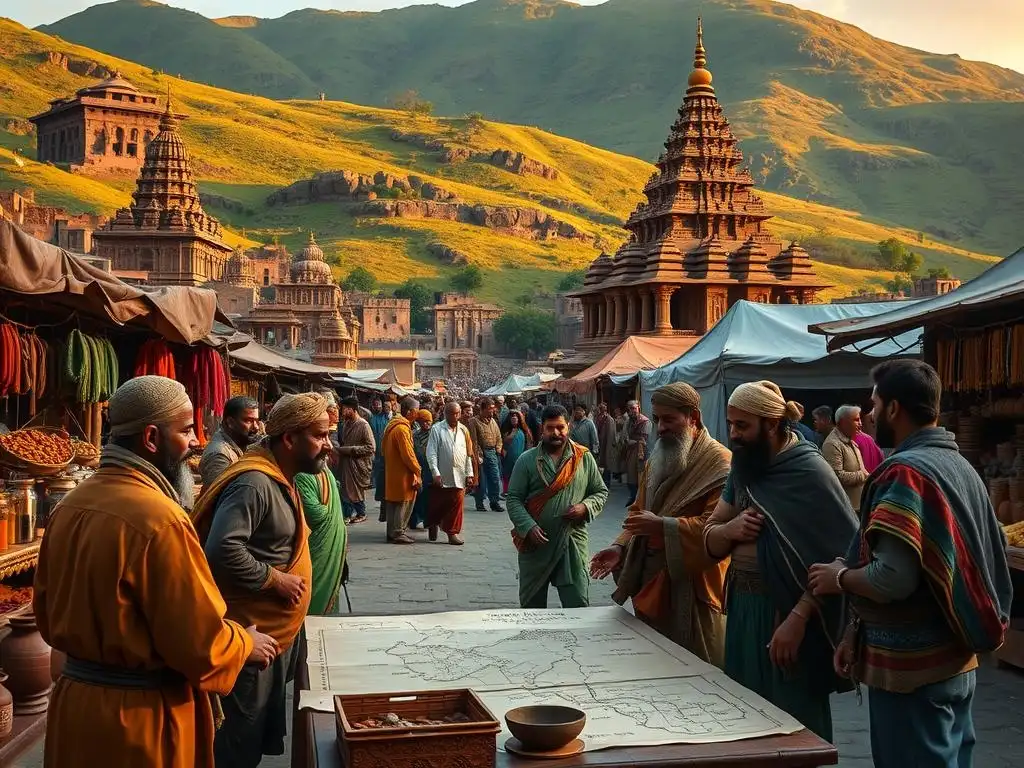
Welcome to Ancient India History, where we embark on a journey through the vibrant tapestry of ancient Indian civilizations. Here, you’ll uncover the fascinating dynamics of trade relationships between ancient Indian kingdoms, revealing how commerce shaped cultures and connected distant lands. What secrets lie in the corridors of the past?
As you explore our in-depth article, "The Dynamics of Trade Relationships between Ancient Indian Kingdoms," prepare to be captivated by the intricate networks that drove economic prosperity and cultural exchange. Join us as we delve into a world of trade routes, bustling markets, and the legacies that still influence us today. Your adventure into history begins now!
- Introduction to Ancient Indian Trade Relationships
- Historical Context of Trade Relationships in Ancient India
- Key Trade Routes of Ancient Indian Kingdoms
- Types of Goods Traded Among Ancient Indian Kingdoms
- The Role of Markets and Trade Centers in Ancient India
- Socio-Cultural Influences on Trade Relationships
- Challenges and Conflicts in Ancient Indian Trade Relationships
- Trade Relationships with Neighboring Civilizations
- Conclusion: The Legacy of Ancient Indian Trade Relationships
- References
- Frequently Asked Questions
- Final Reflection: The Enduring Legacy of Ancient Indian Trade Relationships
- Unveil the Secrets of Ancient Trade!
Introduction to Ancient Indian Trade Relationships
Trade has always played a pivotal role in the development and sustainability of civilizations throughout human history, and ancient India was no exception. The vast subcontinent, with its diverse geography and rich resources, fostered a complex web of trade relationships among various kingdoms and cultures.
From the bustling markets of the Indus Valley Civilization to the flourishing trade networks established during the Mauryan and Gupta Empires, these ancient Indian trade relationships not only facilitated economic prosperity but also encouraged cultural exchanges and the spread of ideas. Understanding the dynamics of these trade connections sheds light on the broader implications they had on the social, political, and economic landscapes of ancient India.
Overview of Trade in Ancient India
Ancient Indian trade was characterized by its extensive internal and external networks, which connected various regions and kingdoms. The primary routes included land paths and maritime routes, with trade hubs emerging at strategic locations.
- Internal Trade Routes: Major trade routes crisscrossed the subcontinent, connecting prosperous urban centers such as Pataliputra, Ujjain, and Taxila. Goods such as textiles, spices, and precious stones were commonly traded among different regions.
- Maritime Trade: The Indian Ocean trade routes linked India with distant lands, including Southeast Asia, Africa, and the Middle East. Ports like Lothal and Arikamedu served as vital points for maritime trade, facilitating exchanges of goods, culture, and technology.
The goods traded were diverse, ranging from agricultural products to luxury items:
- Textiles and dyes
- Spices and herbs
- Metals and gems
- Agricultural products like grains and pulses
This intricate network of trade not only fostered economic growth but also contributed to the cultural and social exchanges that defined ancient Indian civilizations.
Importance of Trade in the Development of Civilizations
The significance of trade in shaping ancient Indian civilizations cannot be overstated. It served as a catalyst for various developments:
- Economic Growth: Trade provided a substantial revenue stream for kingdoms, which in turn funded public projects, military campaigns, and infrastructure development. This economic prosperity enabled states to flourish and expand their influence.
- Cultural Exchange: Trade acted as a conduit for cultural interactions, allowing for the exchange of ideas, art, and technology. The movement of merchants and travelers also facilitated the spread of religions, philosophies, and customs across regions.
- Political Alliances: Trade relationships often led to diplomatic ties among kingdoms, as alliances were formed based on mutual economic interests. This network of alliances could enhance stability and security within the region.
- Urban Development: The rise of trade led to the growth of urban centers, which became melting pots of diverse cultures and practices. Cities like Varanasi and Madurai emerged as important trade hubs, attracting merchants and craftsmen from various backgrounds.
The dynamics of ancient Indian trade relationships were instrumental in shaping the historical trajectory of the subcontinent. By exploring these trade networks, we gain valuable insights into the interconnectedness of ancient Indian civilizations and their lasting impact on the world.
Historical Context of Trade Relationships in Ancient India
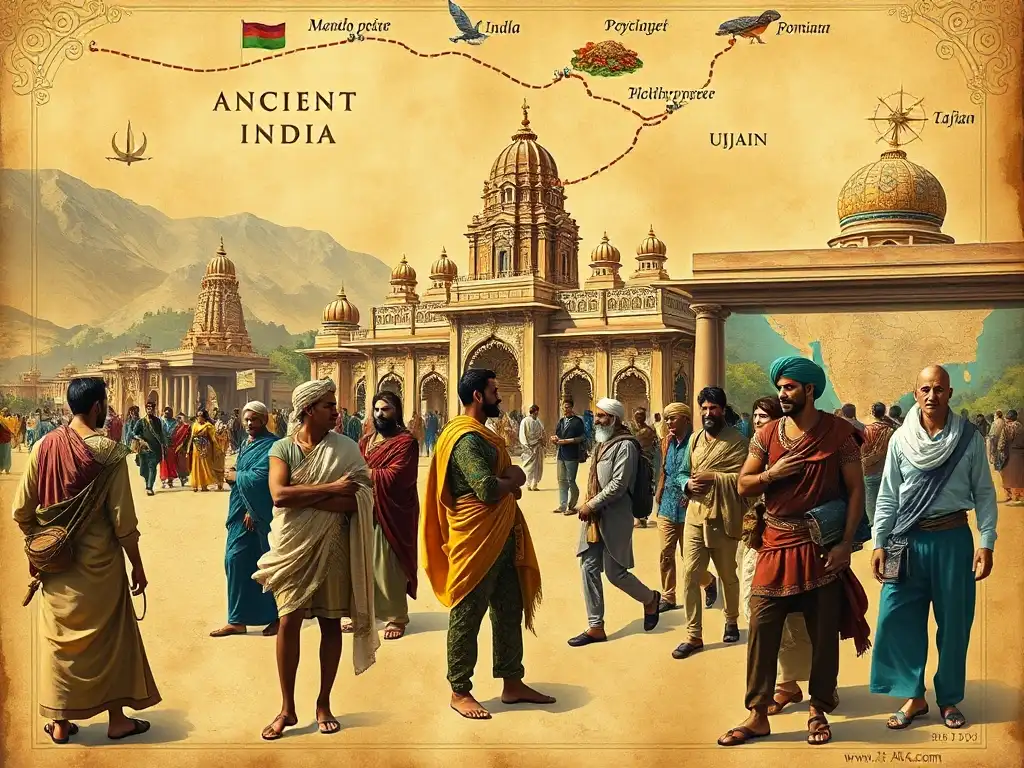
Trade relationships in ancient India were fundamental to the development of its civilization, impacting economic prosperity, cultural exchange, and diplomatic relations. Emerging as early as the Indus Valley Civilization (c. 3300–1300 BCE), these relationships laid the groundwork for complex internal trade networks that would flourish over millennia.
The growth of ancient Indian trade was largely facilitated by rich natural resources, skilled craftsmanship, and a strategic geographical location. The Indian subcontinent acted as a bridge between the East and West, connecting the Far East with the Mediterranean world. As a result, India became a hub for trade routes and markets, particularly for commodities such as spices, textiles, and precious stones.
Trade relationships evolved through various dynasties and kingdoms, each contributing to the expansion of internal and external trade networks. The Maurya Empire (c. 322–185 BCE) and the subsequent Gupta Empire (c. 320–550 CE) played crucial roles in enhancing trade relationships by establishing infrastructure, such as roads and ports, and promoting commerce through a stable political environment.
Furthermore, ancient trade relationships were not solely based on economic factors; they also fostered cultural exchanges. The movement of merchants and traders facilitated the spread of ideas, religions, art, and technology, enriching the cultural tapestry of India.
Major Ancient Indian Kingdoms Involved in Trade
Several prominent kingdoms in ancient India significantly contributed to trade relationships, each with its unique strengths and resources.
- Indus Valley Civilization (c. 3300–1300 BCE):
- Notably famous for its urban planning and advanced drainage systems, the Indus Valley was involved in trade with Mesopotamia, exchanging goods like cotton textiles and terracotta figurines.
- Maurya Empire (c. 322–185 BCE):
- Under the reign of Chandragupta Maurya and later Ashoka, the Maurya Empire established extensive trade networks both inland and across international borders, facilitating the exchange of spices, silk, and precious metals.
- Gupta Empire (c. 320–550 CE):
- The Gupta period is often referred to as the Golden Age of India, marked by significant advancements in science, literature, and trade. The Guptas expanded trade networks to include regions like Southeast Asia and the Middle East, exporting textiles and importing luxury goods.
- Chola and Pandya Dynasties:
- Located in South India, these dynasties were instrumental in maritime trade. They established robust trade links with Southeast Asia, particularly in spices, textiles, and metals, contributing to cultural and economic exchanges across the Indian Ocean.
- Rajput Kingdoms:
- During the medieval period, Rajput kingdoms established trade links with Central Asia and the Middle East. They were known for their skilled artisans and contributed to the flourishing trade of jewelry, textiles, and arms.
The interplay between these kingdoms created a complex web of trade relationships that facilitated not only economic growth but also cultural diffusion across the region.
Geographical Factors Influencing Trade Dynamics
Geography played a pivotal role in shaping the trade dynamics of ancient India. The subcontinent's diverse landscapes, including mountains, rivers, and coastlines, significantly influenced trade routes and practices.
- Rivers and Waterways:
- Major rivers like the Ganges, Indus, and Brahmaputra served as vital trade arteries, allowing for the transportation of goods and enabling easy access to fertile plains. The monsoon winds facilitated maritime trade, with traders leveraging seasonal patterns.
- Mountain Passes:
- The mountain ranges, particularly the Himalayas and the Western Ghats, provided natural barriers but also crucial passes, such as the Khyber Pass, which became important trade routes connecting India to Central Asia and beyond.
- Coastal Trade:
- India's extensive coastline enabled maritime trade with distant lands. Ports such as Lothal, a part of the Indus Valley Civilization, and Tamil Nadu’s ports were bustling centers for trade with regions like Arabia, East Africa, and Southeast Asia.
- Climate and Agriculture:
- The diverse climate across regions influenced agricultural production, which was a significant driver of trade. Regions such as the Deccan Plateau were known for their spices, while the fertile Gangetic plains produced grains, both of which were in high demand.
- Silk Routes:
- The Silk Routes, which traversed parts of India, facilitated not just trade in silk but also various goods, ideas, and cultures, connecting India with the broader world, including China and the Roman Empire.
The geographical features of ancient India not only influenced the patterns of trade but also determined the types of goods that were exchanged, contributing significantly to the evolution of ancient Indian trade relationships.
Key Trade Routes of Ancient Indian Kingdoms
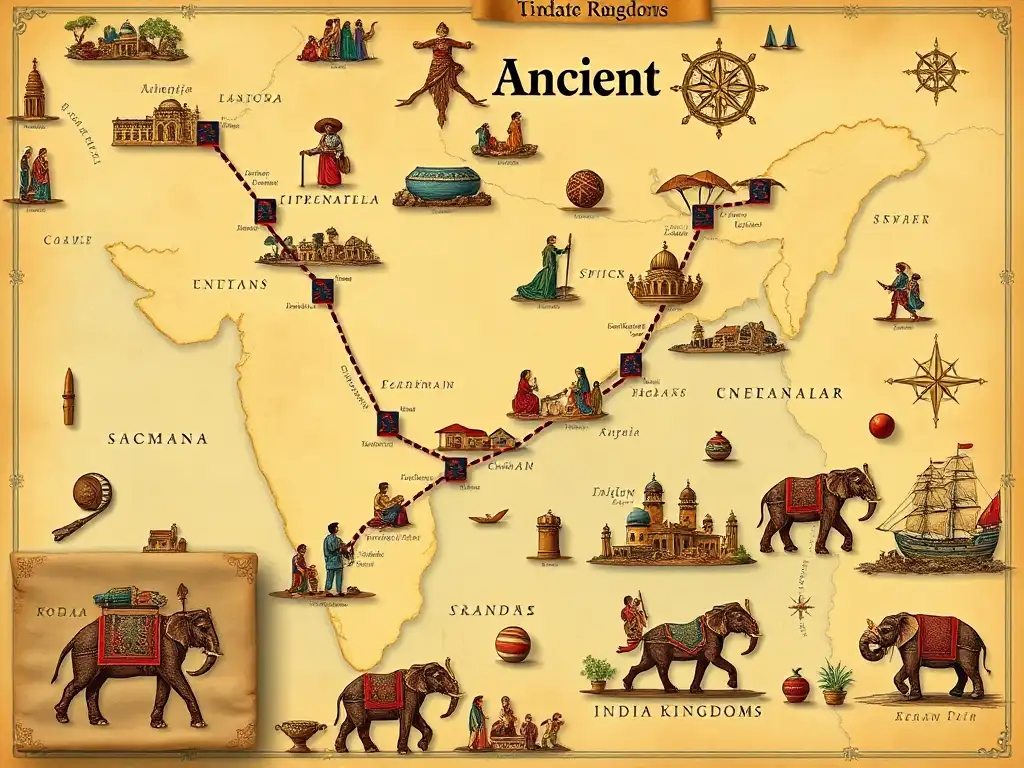
The Silk Road: Connecting India with the World
The Silk Road was not just a singular route; it was a vast network of trade routes that facilitated commerce between the East and West, connecting ancient Indian kingdoms with cultures as far away as the Roman Empire and China. This intricate web of pathways significantly influenced ancient Indian trade relationships, enabling the exchange of goods, ideas, and technologies.
Importance of the Silk Road
- Cultural Exchange: The Silk Road was a melting pot of cultures. It allowed for the interchange of philosophies, religions, and artistic ideas. For instance, Buddhism spread from India to Central Asia and beyond, thanks to traders and monks traveling these routes.
- Luxury Goods: Ancient Indian merchants exported a variety of luxury goods such as textiles, spices, and gemstones. The famed Indian silk, along with fine cotton fabrics, became highly sought after in markets across Asia and Europe.
- Trade Commodities: The trade involved not only luxury items but also essential commodities like:
- Spices: Pepper, cardamom, and cinnamon were among the most valuable exports.
- Metals: Gold and silver were traded, indicating a thriving economy.
- Political Alliances: Trade along the Silk Road also facilitated political relationships. Indian kingdoms often formed alliances with neighboring regions to secure trade routes, enhancing their influence and security.
Key Cities Along the Silk Road
Several cities became pivotal trading hubs along the Silk Road, including:
| City | Present-Day Location | Significance |
|---|---|---|
| Taxila | Pakistan | A center for commerce and culture |
| Peshawar | Pakistan | Gateway for trade with Central Asia |
| Ajanta | India | Famous for its rock-cut caves and trade links |
| Kannauj | India | Known for textiles and trade networks |
The interconnectedness of these cities highlights how ancient Indian trade relationships were not only economic but also cultural and social.
Maritime Trade Routes and Coastal Kingdoms
In addition to overland routes, maritime trade played a crucial role in shaping the economy and culture of ancient India. The Indian Ocean was a vibrant trade network that connected Indian kingdoms with Southeast Asia, Africa, and the Arabian Peninsula.
Major Maritime Trade Routes
- Coromandel Coast: This eastern coastline was a significant hub for maritime trade. Ports like Kaveripattinam and Nagapattinam thrived on commerce with Southeast Asian kingdoms.
- Western Coast: The western coast, especially cities like Surat and Kochi, facilitated trade with the Arabian Peninsula and beyond. Spices, textiles, and pearls were among the chief exports.
- Trade with Africa: Ancient Indian traders reached the shores of East Africa, exchanging goods like ivory, gold, and slaves for Indian textiles and spices.
Key Coastal Kingdoms
Some of the prominent coastal kingdoms that thrived due to maritime trade include:
- Chola Dynasty: Known for their naval prowess, the Cholas expanded trade routes across Southeast Asia, establishing trade relations with kingdoms such as Srivijaya.
- Pandya Kingdom: Renowned for its pearls and spices, the Pandya kingdom maintained extensive trade links with Rome and other Mediterranean cultures.
- Kalinga: This region became a major exporter of various products, including textiles and spices, and engaged in trade with both Southeast Asia and the Mediterranean.
Economic Impact of Maritime Trade
The economic impact of these maritime routes was significant for ancient Indian trade relationships:
- Increased Wealth: The influx of goods and wealth from trade led to the flourishing of local economies and contributed to the development of urban centers.
- Cultural Interactions: Maritime trade facilitated the exchange of cultural practices, languages, and religions, notably the spread of Hinduism and Buddhism to Southeast Asia.
Both the Silk Road and maritime trade routes were instrumental in establishing and enhancing ancient Indian trade relationships, contributing to the rich tapestry of economic and cultural life in ancient India.
Types of Goods Traded Among Ancient Indian Kingdoms
Agricultural Products and Natural Resources
Ancient Indian trade relationships were significantly shaped by the exchange of agricultural products and natural resources. The fertile plains of the Indus Valley and the Gangetic basin allowed for the cultivation of a variety of crops, which became the backbone of trade. Key agricultural products included:
- Grains: Wheat, barley, and rice were staples that not only supported local populations but were also traded extensively with neighboring regions. The surplus production of these grains facilitated the establishment of trade networks.
- Spices: India was known for its diverse spices, such as black pepper, cardamom, and turmeric. These spices were highly sought after in international markets, making them a critical component of trade.
- Cotton and Textiles: The cultivation of cotton and the production of textiles were significant contributors to the economy. India became a leading exporter of fine cotton fabrics, which were traded not only within the subcontinent but also with distant lands such as Rome and Persia.
Natural resources also played a vital role in trade. The availability of minerals, gemstones, and metals contributed to the economy of various kingdoms. For instance, the extraction and trade of precious stones, particularly from regions like Gujarat, enhanced the wealth of many ancient Indian states.
Handicrafts and Artisanal Goods
Handicrafts and artisanal goods were another key aspect of ancient Indian trade relationships, showcasing the rich cultural heritage and skilled craftsmanship of the various kingdoms. These goods included:
- Pottery and Ceramics: Distinctive pottery styles emerged across different regions, reflecting local traditions and techniques. The trade of ceramics not only served everyday purposes but also became a medium for artistic expression.
- Metalwork: Skilled artisans crafted a variety of metal goods, including weapons, tools, and decorative items. The use of iron and bronze in metallurgy led to the creation of high-quality products that were traded throughout the subcontinent and beyond.
- Jewelry: The intricate designs and use of precious metals and stones in jewelry-making made these items highly desirable in trade. The craftsmanship of ancient Indian jewelers was renowned, with many kingdoms becoming famous for their unique styles and techniques.
The trade of handicrafts and artisanal goods was often facilitated by trade routes that connected various kingdoms and regions. Markets and fairs became important centers for the exchange of these goods, fostering economic relationships among different cultures and enhancing the overall prosperity of ancient Indian civilizations.
The diversity of goods traded among ancient Indian kingdoms not only highlights the economic interdependence of these societies but also underscores their cultural richness and the sophistication of their trade networks. The legacy of these trade relationships continues to influence the economic landscape of modern India.
The Role of Markets and Trade Centers in Ancient India
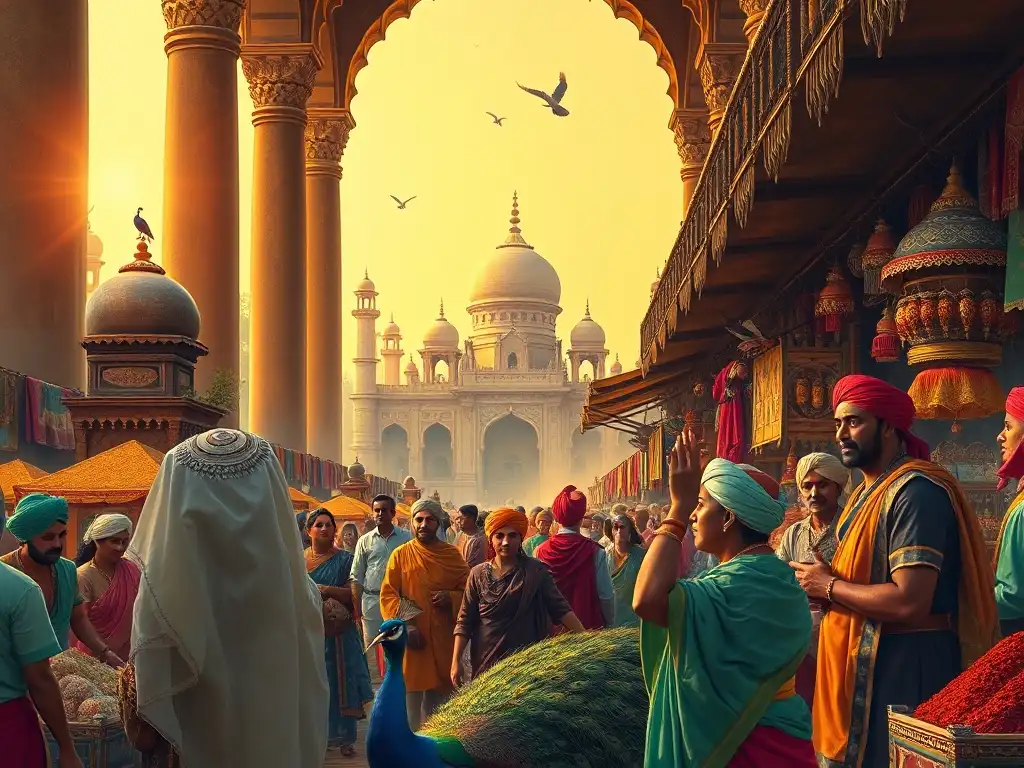
Major Trade Cities and Their Economic Impact
Ancient India was home to several bustling trade cities that played a crucial role in the economy and culture of the time. These cities served not only as commercial hubs but also as centers for cultural exchange and innovation. Among the most notable trade cities were:
- Taxila: Situated at the crossroads of trade routes connecting Central Asia and the Indian subcontinent, Taxila was an important city for trade in textiles, precious stones, and spices. Its bustling markets attracted merchants from various regions, facilitating diverse trade relationships and cultural exchange.
- Pataliputra: As the capital of the Maurya Empire, Pataliputra was a significant trade center. The city thrived on the trade of grains, timber, and luxury goods. Its strategic location along the Ganges River allowed for efficient transportation of goods, thereby enhancing its economic influence.
- Ujjain: Known for its vibrant markets, Ujjain was a key center for trade in both goods and ideas. It was particularly famous for its exports of spices and textiles, drawing traders from distant lands. The city's role as a trade center helped to establish robust trade relationships with regions as far as the Mediterranean.
- Kanchipuram: This city was renowned for its silk production and trade. Kanchipuram's silk textiles were highly sought after, contributing to its wealth and status as a trade center. The city's artisans and traders fostered relationships with foreign merchants, leading to an exchange of culture and goods.
The economic impact of these trade cities was profound; they not only stimulated local economies but also facilitated the growth of internal trade networks. The wealth generated through trade allowed for advancements in infrastructure, arts, and education, creating a thriving environment for cultural and economic development.
The Emergence of Internal Trade Networks
Internal trade networks in ancient India evolved as a response to the growing demand for goods and the establishment of trade routes. These networks were characterized by a complex system of marketplaces, trade routes, and merchant guilds that facilitated the movement of goods across vast distances.
- Marketplaces and Fairs: Local marketplaces were essential for the exchange of goods. Fairs, held periodically, attracted merchants and consumers from surrounding areas, boosting trade. These gatherings allowed for the exchange of not just goods, but also ideas, fostering a rich cultural environment.
- Trade Routes: The development of trade routes, both land and water, was critical to the emergence of internal trade networks. Major routes connected cities, enabling merchants to transport goods efficiently. Notable routes included the Grand Trunk Road, which linked various regions of India, and river routes along the Ganges and Indus rivers.
- Merchant Guilds: Merchant guilds, or shrenis, played a vital role in regulating trade practices, setting standards for quality, and providing a support system for traders. These guilds facilitated collective bargaining and protected the interests of their members, thereby strengthening internal trade relationships.
- Cultural Exchange: The internal trade networks not only facilitated the exchange of commodities but also allowed for the transfer of knowledge and cultural practices. The interaction among various communities resulted in a blend of traditions, art forms, and philosophies, enriching the cultural tapestry of ancient India.
Through these mechanisms, ancient Indian trade relationships flourished, contributing significantly to the economic stability and cultural richness of the civilizations. The legacy of these trade networks continues to influence modern commerce and cultural exchanges in the region.
Socio-Cultural Influences on Trade Relationships
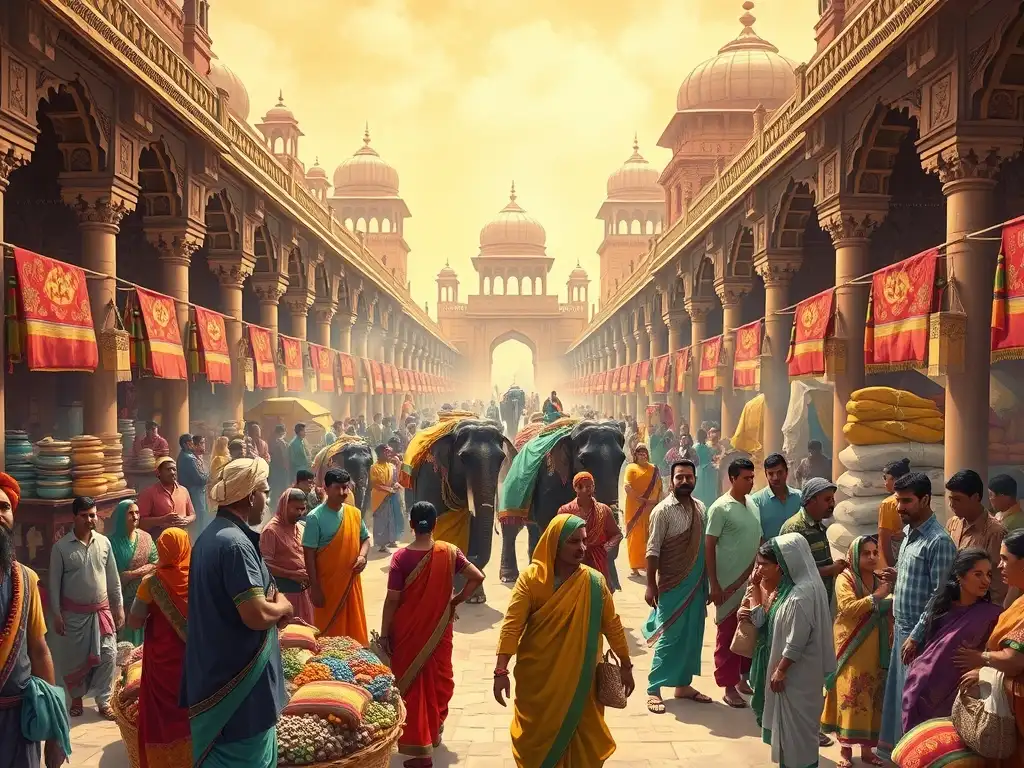
Ancient Indian trade relationships were profoundly shaped by socio-cultural influences that intertwined commerce with the cultural fabric of society. The interactions between diverse civilizations fostered a unique blend of goods, ideas, and practices that enriched both the economy and the cultural landscape of ancient India.
The Interplay of Culture and Commerce
Trade in ancient India was not merely a transactional activity but a vibrant tapestry where culture played a pivotal role. This interplay can be observed through various dimensions:
- Cultural Exchange: Trade routes facilitated the exchange of not just goods but also ideas and cultural practices. Merchants often acted as cultural ambassadors, bringing with them knowledge, art, and traditions from different regions. For instance, the Silk Road connected India with Central Asia, leading to the exchange of silk, spices, and religious philosophies.
- Artistic Influences: The influx of products often led to the amalgamation of artistic styles. Various art forms, such as sculpture and pottery, were influenced by the styles of trading partners. The introduction of new materials and techniques from foreign lands enriched Indian craftsmanship.
- Language and Literature: Trade networks also contributed to linguistic exchanges. The adoption of vocabulary from different languages through trade interactions is evident in ancient texts. For example, Sanskrit texts show influences from Persian and Greek, reflecting the multicultural interactions facilitated by trade.
- Social Structures: The rise of merchant classes and guilds created new social hierarchies. These groups often became influential in local politics and culture, further intertwining trade with social dynamics. The emergence of trading cities, such as Taxila and Pataliputra, highlighted the significance of commerce in urban development.
Religious and Cultural Exchanges Through Trade
The trade relationships of ancient India also served as a conduit for religious and cultural exchanges:
- Spread of Religions: Trade routes were instrumental in the spread of religions. Buddhism and Jainism, for instance, traveled along trade routes, with merchants often acting as patrons. The establishment of stupas and monasteries along these routes facilitated the dissemination of religious teachings.
- Cultural Festivals: Trade interactions led to the celebration of various cultural festivals. Merchants and travelers would bring their customs and traditions, enriching local practices. Festivals such as Makar Sankranti and Diwali were influenced by regional trade practices and interactions.
- Culinary Exchanges: The introduction of new spices and cooking techniques through trade significantly impacted Indian cuisine. Items like saffron, brought by traders from Persia, were integrated into Indian cooking, leading to a rich culinary heritage.
- Philosophical Dialogues: The interactions along trade routes also sparked philosophical exchanges. Thinkers and scholars engaged in dialogues that transcended cultural boundaries, leading to the development of new schools of thought. The integration of Hellenistic philosophy with Indian thought during the Mauryan Empire exemplifies this dynamic.
Through these socio-cultural influences, ancient Indian trade relationships became a multifaceted phenomenon that not only facilitated economic growth but also fostered cultural richness and diversity, leaving a lasting legacy on the Indian subcontinent.
Challenges and Conflicts in Ancient Indian Trade Relationships
The trade relationships between ancient Indian kingdoms were influenced by a myriad of challenges and conflicts that arose from both internal and external factors. Understanding these dynamics is crucial to grasp the complexities of ancient Indian trade networks.
Political Instability and Its Impact on Trade
Political instability played a significant role in shaping the trade relationships among ancient Indian kingdoms. Frequent changes in leadership, power struggles, and regional rivalries often disrupted trade routes and affected economic exchanges. For instance, during the decline of the Maurya Empire, various regional powers such as the Shunga and Kanva dynasties emerged, leading to fragmented trade networks.
- Impact of Wars: Continuous warfare, such as the conflicts between the Mauryas and the Indo-Greeks, often resulted in the destruction of trade routes and infrastructures. Settlements that were once thriving trading hubs could quickly become abandoned due to the devastation of war.
- Taxation and Regulation: Changes in government also affected taxation policies. Heavy taxation imposed by new rulers could deter merchants from participating in trade, leading to a decrease in economic activity. For example, the imposition of tariffs on goods like spices and textiles could reduce the competitive edge of local merchants against foreign traders.
- Diplomatic Relations: The establishment of diplomatic relationships was crucial for smoothing trade interactions. Alliances between kingdoms, such as those between the Chola and Sri Lankan rulers, often facilitated trade by ensuring safe passage for merchants. Conversely, hostile relations could lead to blockades and trade restrictions.
The political landscape of ancient India was often tumultuous, and its instability had a direct correlation with the vitality of trade relationships.
Environmental Factors Affecting Trade Dynamics
Environmental factors were equally influential in shaping the trade dynamics of ancient Indian kingdoms. From geographical features to climate variations, these elements played a crucial role in determining trade routes and the types of goods exchanged.
- Geography and Trade Routes: The diverse geography of India, including mountains, rivers, and plains, dictated the trade routes. The Indus River, for example, was vital for trade during the Harappan civilization, facilitating the movement of goods to and from the Arabian Sea. Similarly, the Himalayan passes allowed for trade with Central Asian regions.
- Climate Variability: Seasonal changes and climate conditions could affect agricultural production, which in turn impacted trade. A monsoon failure could lead to crop shortages, reducing the surplus available for trade. The demand for essential goods would then rise, creating fluctuations in trade relationships.
- Resource Availability: Different regions had access to specific resources, which shaped trade dynamics. The Deccan region, rich in minerals, exported metals, while coastal regions focused on maritime trade of spices and textiles. This specialization fostered interdependence among kingdoms, as they relied on each other for various resources.
Environmental factors significantly influenced the trade relationships of ancient India, making the understanding of these dynamics vital for comprehending the broader economic landscape of the time.
Trade Relationships with Neighboring Civilizations
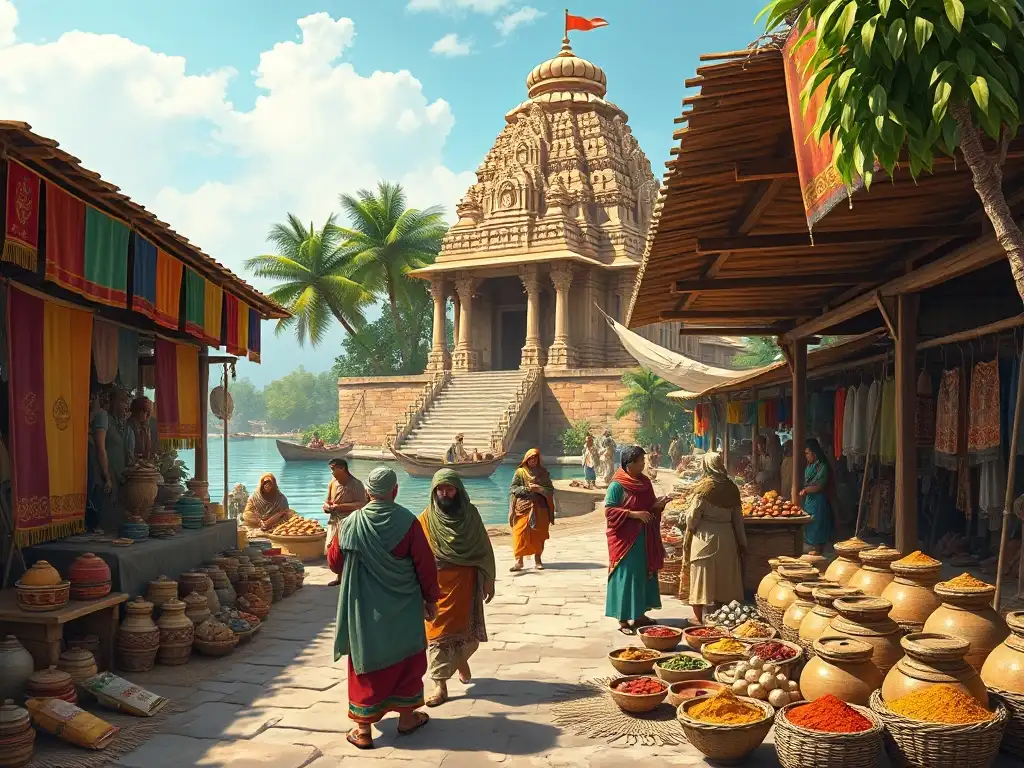
Interactions with Persian and Central Asian Kingdoms
The trade relationships between ancient Indian kingdoms and the Persian and Central Asian civilizations were pivotal in shaping the socio-economic landscape of the region. During the early centuries of the first millennium BCE, India became a crucial player in the vast network of trade routes connecting the East and West. Key interactions can be traced back to the Achaemenid Empire (circa 550-330 BCE), which established significant commercial ties with Indian states.
Key Trade Commodities
- Spices: Indian spices such as black pepper, cardamom, and cinnamon were highly sought after in Persian markets.
- Textiles: India was renowned for its cotton and silk textiles, which were traded extensively.
- Precious Stones: Gemstones like diamonds and emeralds were traded, contributing to the wealth of both Indian and Persian elites.
These interactions facilitated not only the exchange of goods but also cultural exchanges, leading to a mingling of traditions and practices. Persian influence can be observed in several aspects of Indian culture, including architecture, art, and administrative systems.
Trade Routes
The Silk Road and the Royal Road were instrumental in fostering these trade relationships. Merchants traveled these routes, exchanging products and ideas. Alongside the Persian Empire, Central Asian kingdoms like Bactria and Sogdiana played a crucial role in trade, acting as intermediaries between India and other regions.
Trade Links with Southeast Asia and Beyond
Ancient Indian trade relationships extended far beyond the subcontinent, reaching Southeast Asia and other parts of the world. This network was not only significant for economic reasons but also for cultural and religious exchanges.
Maritime Trade
- Indian Ocean Trade: The Indian Ocean served as a vital maritime route connecting India with Southeast Asian nations such as Indonesia, Malaysia, and beyond. Indian traders navigated these waters, exchanging goods like:
- Spices: Cloves, nutmeg, and other spices were transported to India and then to markets in the Middle East and Europe.
- Rice and Other Agricultural Products: The agricultural surplus from India found markets in Southeast Asia.
Indian seafarers were known for their knowledge of monsoon patterns, which facilitated long-distance maritime trade.
Cultural Exchange
The impact of trade relationships was profound, resulting in the spread of Hinduism and Buddhism throughout Southeast Asia. Temples such as Angkor Wat in Cambodia and Borobudur in Indonesia reflect Indian architectural styles and religious iconography, showcasing how trade fostered cultural diffusion.
Notable Kingdoms
Several kingdoms in Southeast Asia, such as Srivijaya and Majapahit, flourished due to their strategic positions on trade routes. They served as vital hubs for trade, linking India with China and the rest of Southeast Asia, facilitating not just commerce but also the exchange of ideas and technologies.
Ancient Indian trade relationships were characterized by dynamic interactions with neighboring civilizations, significantly shaping the economic and cultural frameworks of the region. The legacy of these trade networks continues to influence modern-day commerce and cultural exchanges in South and Southeast Asia.
Conclusion: The Legacy of Ancient Indian Trade Relationships
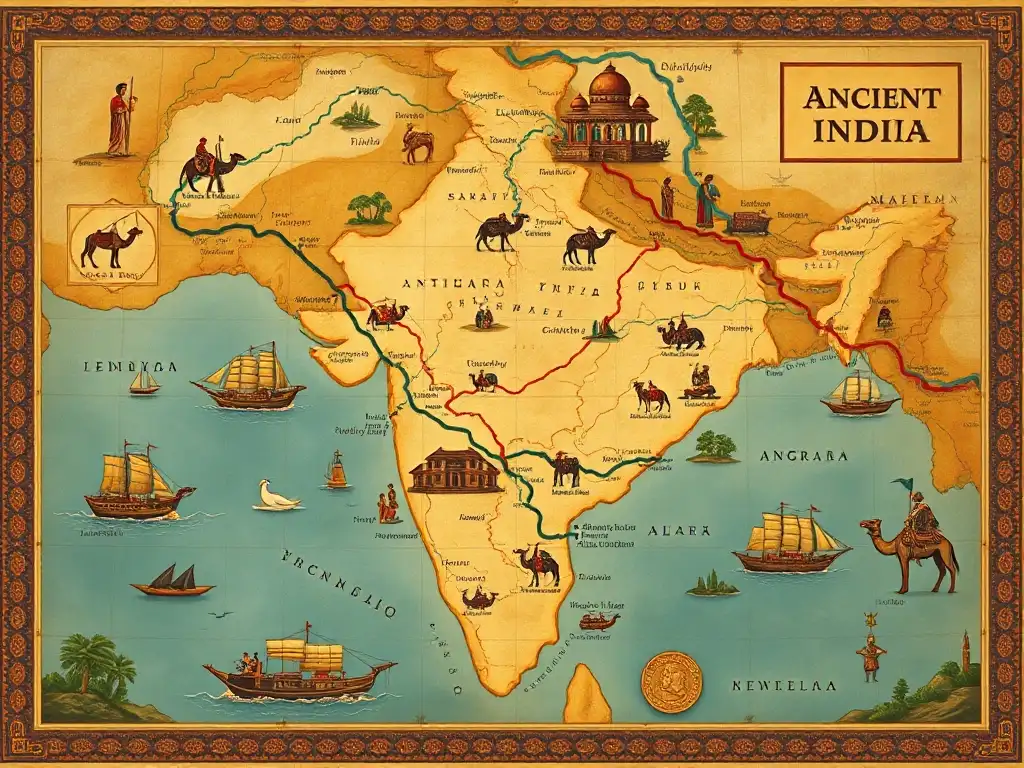
The trade relationships established by ancient Indian kingdoms not only fostered economic prosperity but also facilitated cultural exchanges that shaped the subcontinent's history. These trade networks, characterized by their complexity and dynamism, laid the groundwork for a sophisticated economy that thrived on the exchange of goods, ideas, and innovations. The legacy of ancient Indian trade relationships continues to resonate, influencing modern trade practices and offering valuable insights for contemporary economies.
Lasting Impact on Modern Trade Practices
The intricate trade systems of ancient India, such as the bustling markets of the Indus Valley and the vibrant trade routes connecting the Mauryan Empire to regions as far as Rome and China, have left an indelible mark on modern trade practices. Key impacts include:
- Global Trade Networks: Ancient Indian trade routes established early forms of globalization, connecting diverse cultures and economies. This concept is mirrored in today’s interconnected global economy, where supply chains span continents.
- Cultural Exchange: The cross-cultural interactions facilitated by trade led to the exchange of not only goods but also philosophies, religions, and technologies. Modern international trade continues to benefit from such exchanges, highlighting the importance of cultural diplomacy in trade relations.
- Market Regulation: Ancient Indian merchants often operated under a set of established trade regulations and practices that promoted fair trade. This practice is echoed in contemporary trade agreements, which emphasize the need for regulations that protect all parties involved.
- Specialization and Division of Labor: Ancient Indian societies engaged in specialization, producing goods such as textiles, spices, and metalwork. This specialization is a fundamental principle in today’s economies, allowing for efficiency and innovation in production.
The legacies of these practices are evident in the way modern economies approach trade, emphasizing the importance of networking, regulation, and cultural understanding.
Lessons from Ancient Indian Trade for Contemporary Economies
The trade relationships of ancient India offer several lessons that can be applied to contemporary economies:
- Resilience through Diversity: The diverse range of goods traded, from luxury items to everyday necessities, demonstrates the importance of maintaining a varied economy. Modern economies can learn from this by ensuring diversification to withstand fluctuations in global markets.
- Collaboration over Competition: Ancient Indian trade was often characterized by partnerships and alliances that benefitted all parties. This collaborative spirit can inspire modern economies to engage in cooperative trade agreements that foster mutual growth rather than adversarial competition.
- Sustainability: Ancient traders often relied on local resources and sustainable practices, setting a precedent for modern businesses to adopt eco-friendly practices. Today’s economies can benefit from prioritizing sustainability in trade to ensure long-term viability.
- Adaptability: The ability of ancient traders to adapt to changing political and social conditions was key to their success. This lesson underscores the need for modern economies to remain flexible and responsive to global changes and challenges.
- Cultural Sensitivity: The respect for local customs and practices in ancient trade underscores the necessity for cultural sensitivity in contemporary trade. Understanding and respecting cultural differences can enhance relationships and foster better business practices today.
The rich tapestry of ancient Indian trade relationships not only contributed to the vibrant economic landscape of their time but also provides a reservoir of knowledge for modern economies. By studying these historical trade dynamics, contemporary nations can better navigate the complexities of global trade, ensuring sustainable growth and cultural enrichment.
References
Key Texts and Archaeological Sources on Ancient Indian Trade
The study of ancient Indian trade relationships is enriched by a variety of texts and archaeological findings that provide insights into the economic practices, trade routes, and commercial exchanges between kingdoms. Key sources include:
- Arthashastra by Kautilya (Chanakya)
- This ancient Indian treatise on statecraft, economic policy, and military strategy offers valuable insights into the organization of trade, taxation, and the role of merchants in ancient society. Kautilya emphasizes the importance of trade for the prosperity of a kingdom.
- Periplus of the Erythraean Sea
- Written in the 1st century CE, this ancient Greek text provides a firsthand account of trade routes and ports in the Indian Ocean, including detailed descriptions of the goods traded and the cultures encountered by merchants. It highlights the significance of Indian ports in global trade.
- Accounts of Foreign Travelers
- Travelers like Fa-Hien and Xuanzang documented their journeys through India, providing insights into the economic conditions, trade practices, and cultural exchanges during their time. Their accounts often mention bustling markets and thriving trade centers.
- Archaeological Excavations
- Excavations at sites like Harappa and Mohenjo-Daro in the Indus Valley reveal advanced urban planning and evidence of trade with Mesopotamia, showcasing the importance of trade networks in early Indian civilization. Findings of seals, weights, and measures indicate a sophisticated trading system.
- Coins and Inscriptions
- Various coins and inscriptions from different dynasties, such as the Mauryas and Guptas, provide evidence of trade relationships and economic policies. The study of these artifacts helps historians understand the currency systems and trade practices of ancient India.
Suggested Further Reading on Trade and Economy in Ancient India
For those interested in delving deeper into the dynamics of trade relationships in ancient India, the following resources are recommended:
-
"Trade and Politics in the Indian Ocean World" by K.N. Chaudhuri
This book examines the political and economic interactions between Indian kingdoms and other regions, emphasizing the significance of maritime trade in shaping historical relationships.
-
"The Economy of Early India" by R.S. Sharma
Sharma explores the economic structures of ancient India, focusing on trade practices, agricultural production, and the development of trade networks across the subcontinent.
-
"India in the Persianate Age: 1000-1765" by Richard M. Eaton
This work discusses the evolving trade relationships between India and Persian empires, highlighting how these interactions influenced economic and cultural exchanges.
-
"The Ancient Indian Economy" by A.M. Shastri
Shastri's analysis of economic practices in ancient India covers trade networks, guilds, and the role of commerce in societal development.
-
"Indian Ocean Trade: 1500-1800" by K. N. Chaudhuri
This book provides a comprehensive overview of the trade dynamics in the Indian Ocean, examining the implications of trade on Indian kingdoms and their relationships with neighboring regions.
By exploring these texts and archaeological findings, readers can gain a deeper understanding of ancient Indian trade relationships and their impact on the economy and culture of the time.
Frequently Asked Questions
What were the major trade routes in ancient India?
Ancient India had several major trade routes, including the Silk Road and maritime routes connecting to Southeast Asia, which facilitated trade in spices, textiles, and precious stones.
How did ancient Indian kingdoms establish trade relationships?
Ancient Indian kingdoms established trade relationships through diplomatic alliances, marriage ties, and commercial treaties, promoting mutual economic benefits and cultural exchanges.
What goods were commonly traded by ancient Indian civilizations?
Ancient Indian civilizations traded a variety of goods, including spices, silks, metals, and jewelry, which were highly sought after in both regional and international markets.
How did trade impact ancient Indian society?
Trade significantly impacted ancient Indian society by promoting economic prosperity, enabling cultural exchanges, and leading to the growth of urban centers and social stratification.
What role did the Gupta Empire play in trade?
The Gupta Empire is known for its flourishing trade, which connected India with China, Persia, and Rome, enhancing its wealth and facilitating the exchange of ideas and technologies.
Final Reflection: The Enduring Legacy of Ancient Indian Trade Relationships
The exploration of ancient Indian trade relationships reveals not only the economic exchanges of the past but also the profound cultural connections that shaped civilizations. Today, as globalization continues to redefine how nations interact, understanding these historical trade dynamics offers invaluable insights into the foundations of cooperation and mutual benefit that can still be applied in our modern world. The intricate web of trade routes and partnerships established by ancient Indian kingdoms serves as a reminder of the power of collaboration across cultures and borders.
The influence of these ancient trade relationships extends far beyond mere commerce; they have significantly shaped the cultural and social landscapes of the regions involved. The exchange of goods was often accompanied by the sharing of ideas, art, and philosophies, leading to a rich tapestry of cultural intermingling that persists in various forms today. Trade is not just about goods; it is about the exchange of ideas that can transform societies.
This ongoing legacy encourages us to appreciate the interconnectedness of our world and the importance of fostering relationships that transcend geographical boundaries.
As we reflect on the lessons from ancient Indian trade relationships, let us consider how we can apply these principles in our own lives. Embrace the spirit of collaboration and openness, recognizing that every interaction holds the potential for growth and understanding. In a time when divisions often seem more pronounced than connections, let us strive to build bridges, much like the ancient traders who connected distant lands, and create a future where cooperation and cultural exchange thrive.
Unveil the Secrets of Ancient Trade!
Thank you for diving into the fascinating world of trade relationships between ancient Indian kingdoms! Your interest in this topic not only enriches your understanding of history but also illuminates the complex web of cultural and economic exchanges that shaped the region. Now, let’s take the next step to deepen your exploration!
Take action today to immerse yourself further:
- Explore ancient trade routes by tracing them on a map—consider how geography influenced commerce and culture.
- Share your insights with friends or family—discuss how trade impacted social structures and facilitated cultural exchanges in ancient India!
- Join a historical discussion forum to connect with others who are passionate about ancient Indian history and trade dynamics.
What do you think the impact of trade relationships was on the cultural identities of these ancient kingdoms? **We invite you to share your thoughts below! **