
The Cultural Significance of Block Printing in Ancient Indian Textiles

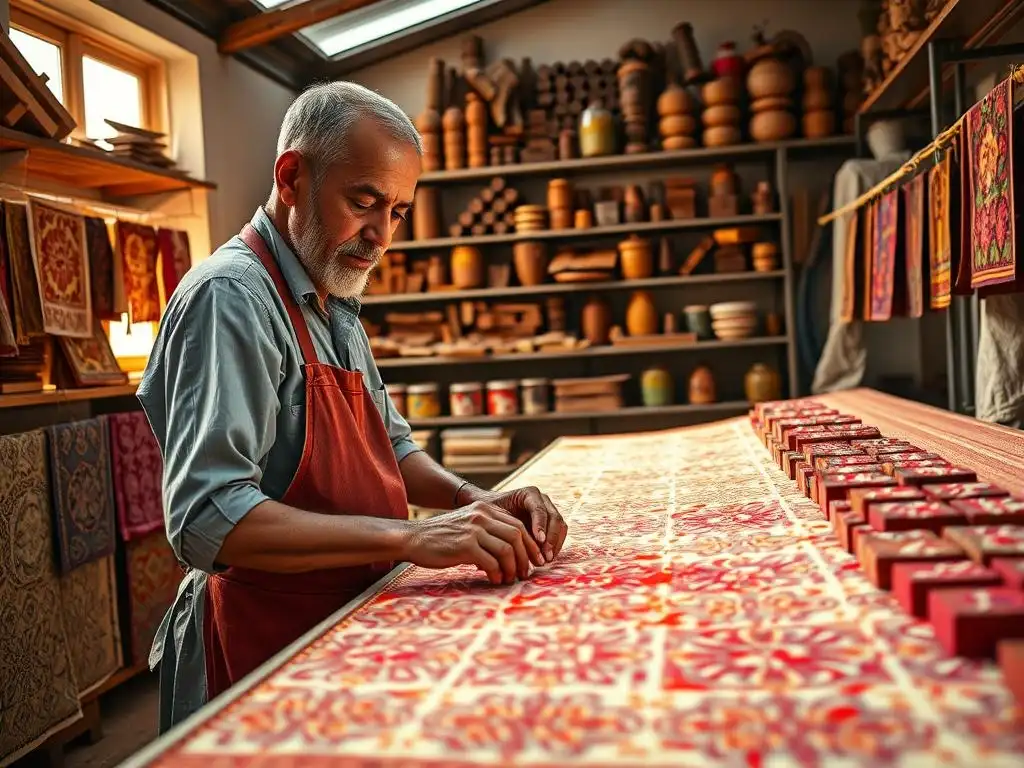
Welcome to Ancient India History, where we embark on a journey through the vibrant tapestry of India’s past. In this exploration, we delve into the cultural significance of block printing in ancient Indian textiles, a craft that not only showcases the artistry of our ancestors but also reveals the intricate connections between history and fashion.
Discover how this timeless technique shaped the textiles of ancient civilizations and left an indelible mark on the world of art and culture. Join us as we unravel the fascinating story behind the interplay of creativity and tradition, inviting you to explore the rich legacy that continues to inspire today.
- Introduction to Ancient Indian Block Printing History
- Historical Context of Block Printing in India
- Cultural Significance of Block Printing
- Techniques and Materials Used in Ancient Block Printing
- Notable Examples of Block Printed Textiles
- The Decline and Revival of Block Printing in Modern Times
- Conclusion: The Enduring Legacy of Ancient Indian Block Printing
- Further Reading and Resources on Ancient Indian Block Printing
-
Frequently Asked Questions
- What is the significance of block printing in ancient Indian textiles?
- How did block printing techniques evolve in ancient India?
- Which regions in ancient India were known for block printing?
- What materials were used in ancient Indian block printing?
- How did block printing influence contemporary textile practices?
- Final Reflection: The Enduring Legacy of Ancient Indian Block Printing
- Embrace the Art of Block Printing Today!
Introduction to Ancient Indian Block Printing History
Block printing is a time-honored technique that has played a significant role in the evolution of textile production in ancient India. This art form not only showcases the exceptional craftsmanship of Indian artisans but also reflects the rich cultural heritage that flourished across various regions of the subcontinent.
The historical narrative of ancient Indian block printing reveals a tapestry of creativity, tradition, and innovation that has influenced both local and global textile practices. By examining the roots and development of this intricate method, we can gain deeper insights into its contributions to the economy, society, and cultural identity of ancient Indian civilizations.
Overview of Ancient Indian Textiles
Ancient Indian textiles are renowned for their diversity, intricacy, and the myriad of techniques employed in their production. From the earliest days of civilization, textiles have served as a vital aspect of daily life, economic activity, and ceremonial practices. The rich history of Indian textiles can be categorized into several key periods, each contributing unique styles and techniques:
- Indus Valley Civilization (c. 3300–1300 BCE): This early civilization showcased advanced skills in cotton cultivation and weaving. Archaeological findings reveal evidence of dyed and patterned fabrics that hint at the origins of textile artistry.
- Maurya and Gupta Empires (c. 322 BCE–550 CE): Under these empires, textile production flourished, with silk and cotton becoming prominent. The introduction of complex dyeing techniques and motifs marked this era, setting the stage for future developments.
- Medieval Period (c. 600–1500 CE): The arrival of different cultures and influences resulted in an amalgamation of styles, with intricate patterns and vibrant colors emerging as hallmarks of this period.
- Mughal Era (c. 1526–1857 CE): This period saw the zenith of textile artistry, with block printing techniques being perfected and widely adopted. The Mughal emperors embraced textiles as symbols of status, leading to the patronage of artisans and widespread innovation.
The evolution of these textiles showcases not only the technical skills of the artisans but also the socio-economic factors influencing production and trade. The intricate motifs and patterns often carried symbolic meanings, making textiles a canvas for storytelling and cultural expression.
The Role of Block Printing in Ancient India
Block printing emerged as a significant technique in the textile industry around the 12th century CE, although its roots can be traced back to earlier practices. This method involves the intricate carving of designs onto wooden blocks, which are then used to print patterns onto fabric. The adoption of block printing in ancient India had several profound impacts:
- Cultural Expression: The motifs created through block printing often reflected local flora, fauna, and mythological themes, serving as a form of storytelling that preserved cultural narratives.
- Economic Impact: The efficiency of block printing allowed for mass production of textiles, making them more accessible to different strata of society. This contributed to the growth of trade, both domestically and internationally.
- Artisanal Heritage: Block printing not only provided a livelihood for countless artisans but also facilitated the passing down of traditional skills through generations, ensuring the survival of this craft.
- Regional Variations: Different regions in India developed their unique styles of block printing, such as the intricate designs of Sanganeri and the bold patterns of Bagru. These regional distinctions enriched the overall tapestry of Indian textiles.
Block printing is more than just a technique; it embodies the essence of ancient Indian textile heritage, intertwining artistry, culture, and economy. The legacy of this practice continues to inspire contemporary textile artists and designers, reminding us of its enduring significance in the narrative of ancient India.
Historical Context of Block Printing in India
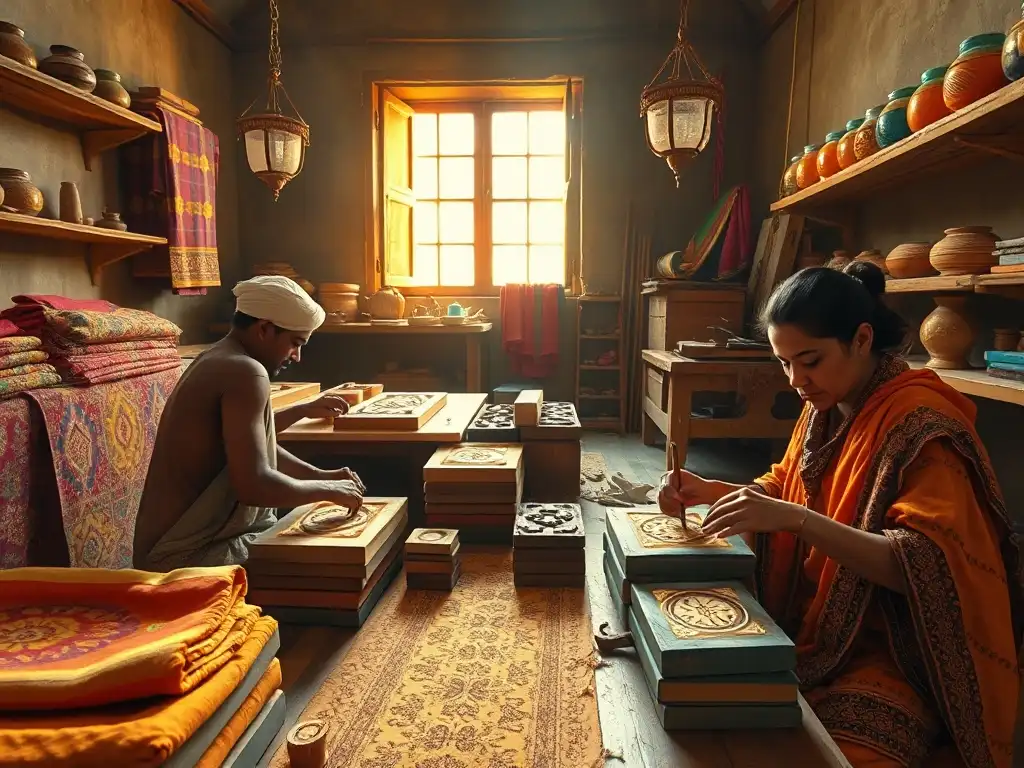
Origins of Block Printing Techniques
Block printing in ancient India traces its roots back to the Indus Valley Civilization, around 2500 BCE. Archaeological evidence suggests that early inhabitants utilized primitive methods to create patterns on textiles. The technique evolved significantly over time, influenced by various cultural exchanges and technological advancements.
The primary method involved carving designs into wooden blocks, which were then dipped in dyes and stamped onto fabric. This process allowed for intricate designs to be replicated with ease, making it a favored method for decorating textiles. The use of natural dyes, extracted from plants and minerals, further enhanced the aesthetic appeal of the printed fabrics, establishing a unique identity for Indian textiles.
Notably, the earliest documented references to block printing can be found in ancient texts like the Arthashastra by Kautilya and various Vedic texts, indicating its significance in trade and society. The craft was not merely an artistic expression but a vital aspect of the economic fabric of ancient India, contributing to local and regional trade.
Influence of Trade Routes on Indian Textiles
The extensive trade routes that connected India with other civilizations played a crucial role in the evolution of block printing techniques. The Silk Road, for instance, facilitated the exchange of ideas and materials between India, the Middle East, and beyond. As merchants traveled along these routes, they introduced new designs and dyeing techniques, enriching the Indian textile tradition.
Moreover, the maritime trade with Southeast Asia and Africa allowed Indian block-printed textiles to reach distant markets, boosting their popularity. These interactions led to a fusion of styles, as Indian artisans incorporated elements from various cultures into their block printing. For example, motifs inspired by Persian art were integrated into traditional Indian designs, creating a unique blend that appealed to both local and foreign markets.
Trade not only expanded the reach of block-printed textiles but also elevated their status. Fabrics adorned with intricate block prints became symbols of luxury and sophistication, sought after by royalty and the affluent class. This demand further spurred innovation in printing techniques, leading to the development of more complex designs and patterns.
Key Regions Known for Block Printing
Several regions in India became renowned for their distinctive block printing styles, each with its unique characteristics and techniques:
- Rajasthan:
- Bagru: Known for its vibrant colors and traditional patterns, Bagru printing uses natural dyes and is characterized by floral and geometric designs.
- Sanganer: This region is famous for its fine cotton fabrics and intricate motifs, often featuring delicate floral patterns and vivid colors.
- Gujarat:
- Kutch: Kutch block printing is marked by bold colors and mirror work, often reflecting the rich cultural heritage of the region.
- Ahmedabad: Known for its tie-dye and block printing techniques, Ahmedabad has a long-standing tradition of textile production, blending various styles.
- Madhya Pradesh:
- Maheshwar: The block-printed textiles of Maheshwar are known for their soft feel and elegant designs, often featuring traditional motifs that evoke the region's history.
- Uttar Pradesh:
- Benares: While primarily known for its silk sarees, Benares also has a tradition of block printing, incorporating intricate patterns and vibrant colors.
These regions not only contributed to the diversity of block printing in ancient India but also played a significant role in shaping the cultural and economic landscape of the textile industry. The craftsmanship developed in these areas continues to influence contemporary textile practices, ensuring that the legacy of ancient Indian block printing remains vibrant and relevant today.
Cultural Significance of Block Printing
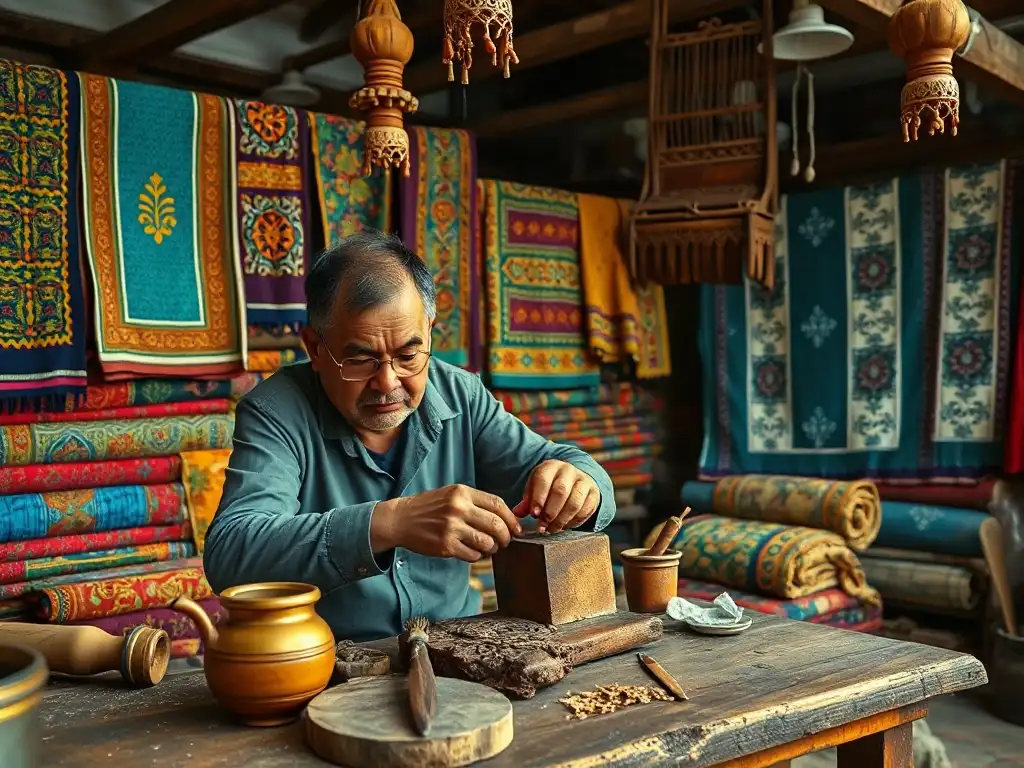
Block printing in ancient India is not merely a technique used for fabric decoration; it is a profound expression of cultural identity and historical continuity. Emerging as one of the oldest forms of textile printing, its significance transcends aesthetic appeal, intertwining with the social, religious, and economic facets of life in ancient Indian societies. The intricate designs and patterns found in block-printed textiles serve as a canvas for storytelling, encapsulating the rich heritage of diverse communities across the subcontinent.
Symbolism and Patterns in Block Printed Textiles
The art of block printing, developed around the 5th century CE, is characterized by its use of hand-carved wooden blocks to imprint designs onto fabric. Each motif holds deep symbolic meanings, often rooted in local folklore, mythology, and religious beliefs.
- Geometric Patterns: These designs often symbolize the cosmos and the universe, reflecting the harmony and order of nature. Geometric shapes are prevalent in textiles from Rajasthan and Gujarat, showcasing the region's connection to ancient mathematical principles.
- Floral Motifs: Flowers, leaves, and vines are common themes, representing fertility, growth, and the cyclical nature of life. These motifs are particularly significant in wedding attire, where they symbolize prosperity and happiness.
- Animal Imagery: Animals such as elephants, peacocks, and tigers are frequently depicted, each carrying its own symbolism. For instance, the elephant is often associated with wisdom and strength, while the peacock represents beauty and grace.
- Cultural Narratives: Specific patterns can narrate stories or convey messages about community values and traditions. For instance, the depiction of gods and goddesses in certain textiles serves to invoke blessings and protection.
The use of colors also plays a crucial role, with each hue possessing particular meanings. For example, red signifies auspiciousness, while yellow represents knowledge.
The Role of Block Printing in Rituals and Festivals
Block printed textiles hold a significant place in various rituals and festivals throughout India. The unique fabrics are often integral to ceremonial attire and decorations during important cultural events.
- Weddings: In many cultures, block printed sarees and lehengas are preferred for weddings due to their intricate designs and vibrant colors, which are believed to attract good fortune.
- Religious Festivals: During festivals like Diwali, the use of block printed fabrics for decorations and clothing adds a festive touch. Textiles adorned with auspicious symbols are used to create an atmosphere of joy and celebration.
- Cultural Events: Traditional performances and dance forms often feature block printed costumes that reflect regional identities. This not only showcases the artisans' skills but also reinforces community bonds through shared cultural expressions.
Block printing also serves a practical function in rituals, as certain patterns and colors are believed to possess protective properties, warding off negative energies and inviting positive blessings.
Preservation of Cultural Identity through Block Printing
The tradition of block printing plays a vital role in preserving the cultural identities of various communities in India. It serves as a medium through which ancestral knowledge and skills are passed down through generations.
- Artisan Communities: Many artisan families have been engaged in block printing for centuries, ensuring that techniques, motifs, and cultural narratives continue to thrive. This craftsmanship fosters a sense of pride and belonging among community members.
- Revival and Sustainability: In recent years, there has been a resurgence of interest in traditional block printing, with contemporary designers incorporating ancient techniques into modern fashion. This revival not only provides economic opportunities for artisans but also reinforces the cultural significance of their heritage.
- Cultural Education: Through workshops and exhibitions, the art of block printing is being taught to new generations, ensuring that the knowledge and appreciation of this craft are sustained. Educational initiatives also promote awareness about the historical context of block printing, linking it to broader themes of cultural heritage and identity.
The cultural significance of ancient Indian block printing extends beyond mere decoration; it is a testament to the rich tapestry of history, belief, and identity that has shaped the lives of countless individuals in India. The preservation of this art form ensures that future generations can continue to connect with their heritage while contributing to the evolving narrative of traditional Indian textiles.
Techniques and Materials Used in Ancient Block Printing
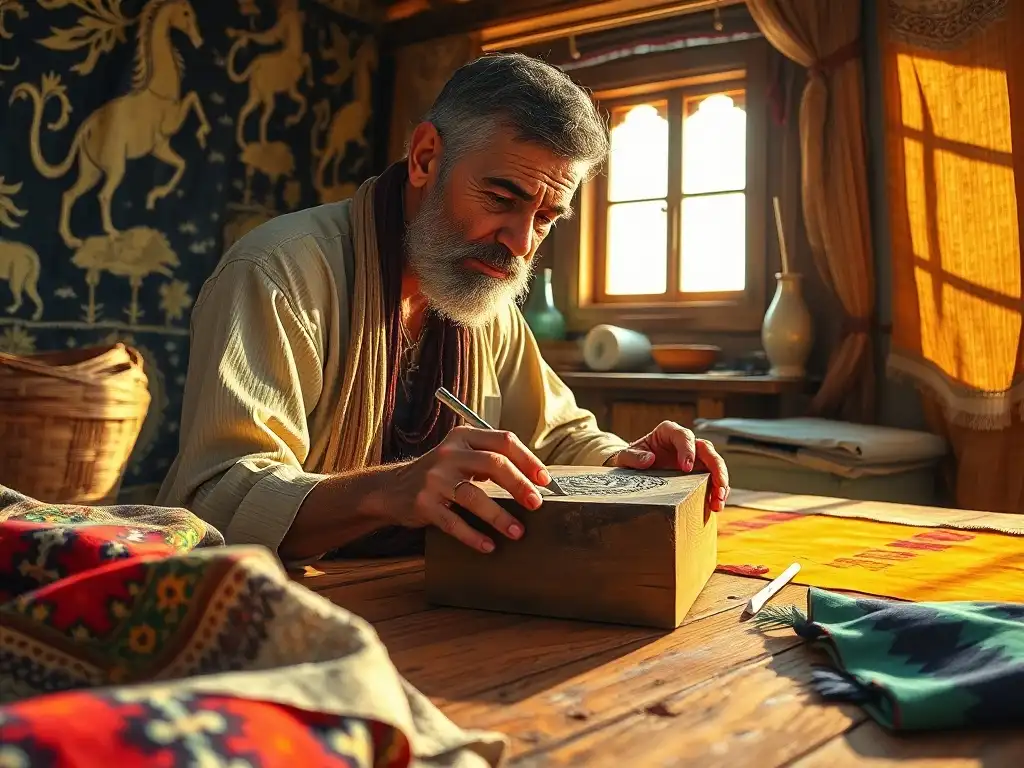
Types of Wood Blocks and Their Significance
In the realm of ancient Indian block printing, the type of wood used for crafting printing blocks played a crucial role in both the quality of the print and the cultural significance of the designs. The most commonly used woods included:
- Teak: Renowned for its durability, teak wood was often favored for its ability to withstand the rigors of repeated use. The intricate carvings possible on teak blocks allowed for detailed patterns that were highly sought after.
- Rosewood: This dense and richly hued wood was chosen for its aesthetic appeal. The fine grain of rosewood enabled artisans to create detailed motifs, making it a popular choice for creating blocks with elaborate designs.
- Pine: While less durable than teak and rosewood, pine was readily available and used for simpler designs. Its softness allowed for easier carving, making it suitable for novice artisans.
The selection of wood not only affected the durability and intricacy of the prints but also carried cultural connotations. Different regions of India favored specific types of wood, which often reflected the local environment and resources. For example, the use of teak in coastal regions where it was abundant indicated a connection between the material and the local economy.
Natural Dyes and Their Role in Block Printing
Natural dyes were an essential component of ancient Indian block printing, providing vibrant colors derived from plants, minerals, and other organic sources. The significance of these dyes can be summarized as follows:
- Sustainable Practices: Ancient artisans relied on sustainable resources, utilizing locally sourced plants and minerals. Common sources of natural dyes included:
- Indigo: Extracted from the indigo plant, this dye produced deep blues and was widely used across various regions.
- Turmeric: Known for its bright yellow hue, turmeric was commonly used in textiles and symbolized auspiciousness.
- Madder Root: This plant provided rich reds and was highly valued in the textile industry.
- Cultural Symbolism: Each color derived from natural dyes held specific meanings in ancient Indian culture. For instance, red symbolized joy and celebration, while blue was often associated with divinity. The use of these colors in textiles reflected cultural narratives and beliefs.
- Techniques of Dyeing: The process of dyeing was intricate and often involved methods such as resist dyeing, where certain areas of the fabric were treated to prevent dye absorption, resulting in unique patterns. This technique allowed artisans to create complex designs and vibrant contrasts.
Skill and Craftsmanship in Block Printing Techniques
The art of block printing in ancient India was not merely a craft but a sophisticated technique requiring immense skill and craftsmanship. Several factors contribute to the mastery of this ancient practice:
- Artisan Training: Apprenticeships were common, where young artisans trained under experienced craftsmen. This mentorship ensured the transmission of intricate techniques and cultural knowledge, allowing skills to be refined over generations.
- Precision in Carving: The ability to carve wood blocks with precision was paramount. Artisans utilized tools such as chisels and knives to create detailed designs. The skill required to achieve balance and symmetry in patterns was a testament to their expertise.
- Printing Techniques: Different printing methods were employed, including single block printing, where one block was used for an entire design, and multi-block printing, which involved several blocks to create more complex patterns. Mastery of these techniques allowed artisans to produce textiles that were not only functional but also works of art.
The cultural significance of ancient Indian block printing lies not only in its visual appeal but also in the rich traditions, materials, and skills that shaped this enduring craft. Through the careful selection of materials and the artistry involved in the process, ancient Indian block printing remains a testament to the ingenuity and creativity of its artisans.
Notable Examples of Block Printed Textiles
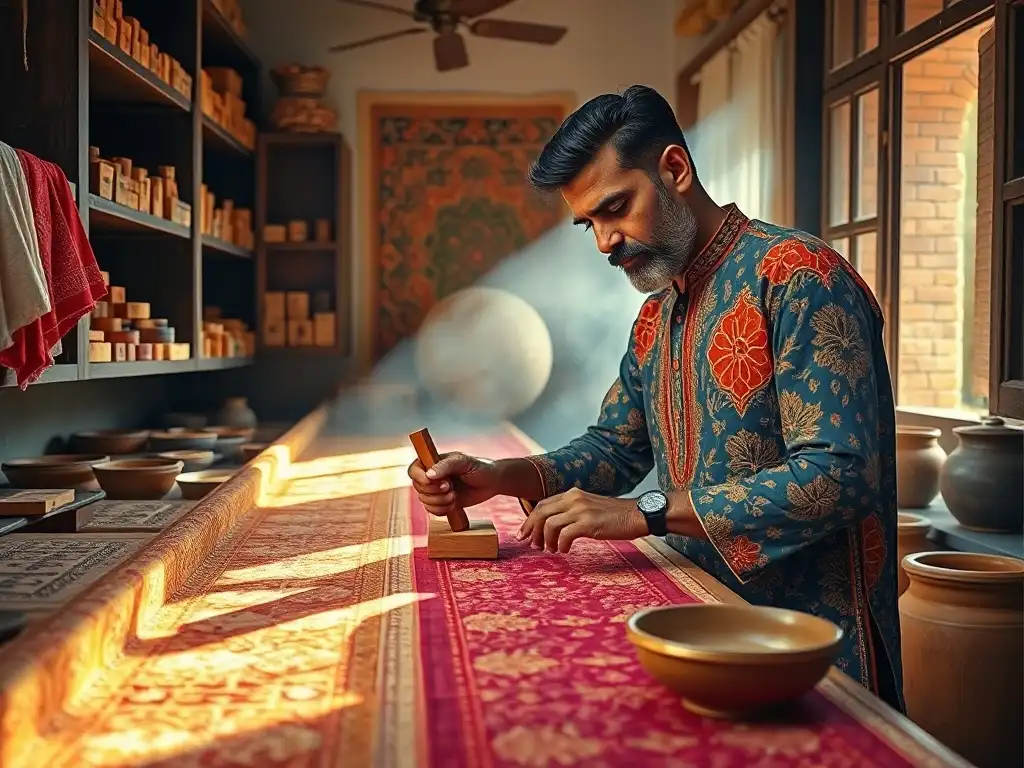
Block printing is an ancient technique that has significantly contributed to the vibrant textile culture of India. This method not only reflects the artistic skills of the craftsmen but also encapsulates the historical, social, and cultural narratives of the regions where it flourished. Below are some notable examples that highlight the diversity and richness of block-printed textiles in ancient India.
The Rich Heritage of Sanganeri Print
Sanganeri print, originating from the town of Sanganer near Jaipur in Rajasthan, is renowned for its intricate and delicate designs. This style emerged in the 16th century and is characterized by floral motifs, paisley patterns, and geometrical shapes.
- Characteristics:
- Natural Dyes: Sanganeri prints traditionally use natural dyes derived from plants and minerals, which not only provide vibrant colors but also make the fabrics eco-friendly.
- Designs: The prints often feature intricate borders and symmetrical patterns, embodying the artistic sensibilities of the artisans.
The craftsmanship involved in Sanganeri printing is a meticulous process that includes:
- Carving the Blocks: Skilled artisans carve intricate designs into teakwood blocks.
- Preparation of Fabric: The fabric is prepped through washing and dyeing before printing.
- Printing Process: The carved blocks are dipped in dye and stamped onto the fabric, requiring precision to maintain alignment and design integrity.
Exploring Ajrak: The Traditional Block Printing of Kutch
Ajrak, a traditional block printing technique from Kutch, Gujarat, is celebrated for its rich colors and bold patterns. This method is deeply rooted in the cultural traditions of the Kutch region and is often associated with the local communities, particularly the Khatris.
- Distinctive Features:
- Double-Sided Printing: One of the unique aspects of Ajrak is its double-sided printing, where both sides of the fabric are printed, often with complementary designs.
- Color Palette: Ajrak is known for its rich indigo blues, deep reds, and earthy tones, achieved through natural dyeing methods.
The process of Ajrak printing includes:
- Preparation: Fabric is prepared using a mordanting process to ensure color retention.
- Block Carving: Hand-carved blocks are used to apply intricate designs, often involving multiple blocks for layering colors.
- Washing and Drying: Post-printing, the fabric undergoes a washing process to remove excess dye, enhancing the vibrancy of the colors.
The Vibrant Patterns of Bagru Printing
Bagru printing, hailing from the Bagru village near Jaipur, is another significant example of ancient Indian block printing. This style is particularly known for its bold patterns and earthy colors, often reflecting themes from nature.
- Design Elements:
- Floral and Geometric Patterns: Bagru prints often feature motifs like flowers, leaves, and geometric shapes, which are representative of the natural surroundings.
- Earthy Tones: The use of natural dyes, especially indigo and madder, gives Bagru textiles their characteristic earthy appearance.
The Bagru printing process involves:
- Fabric Sourcing: Traditionally, cotton fabric is used, which is sourced locally.
- Block Preparation: Artisans carve blocks that are often larger than those used in other printing styles, allowing for bolder designs.
- Printing Technique: The fabric is printed using a technique that emphasizes repetition and symmetry, creating a rhythmic visual effect.
By understanding these notable examples of block-printed textiles, we can appreciate the cultural significance and historical context of ancient Indian block printing history. Each style not only showcases the artistic prowess of the artisans but also serves as a testament to the rich textile heritage of India.
The Decline and Revival of Block Printing in Modern Times
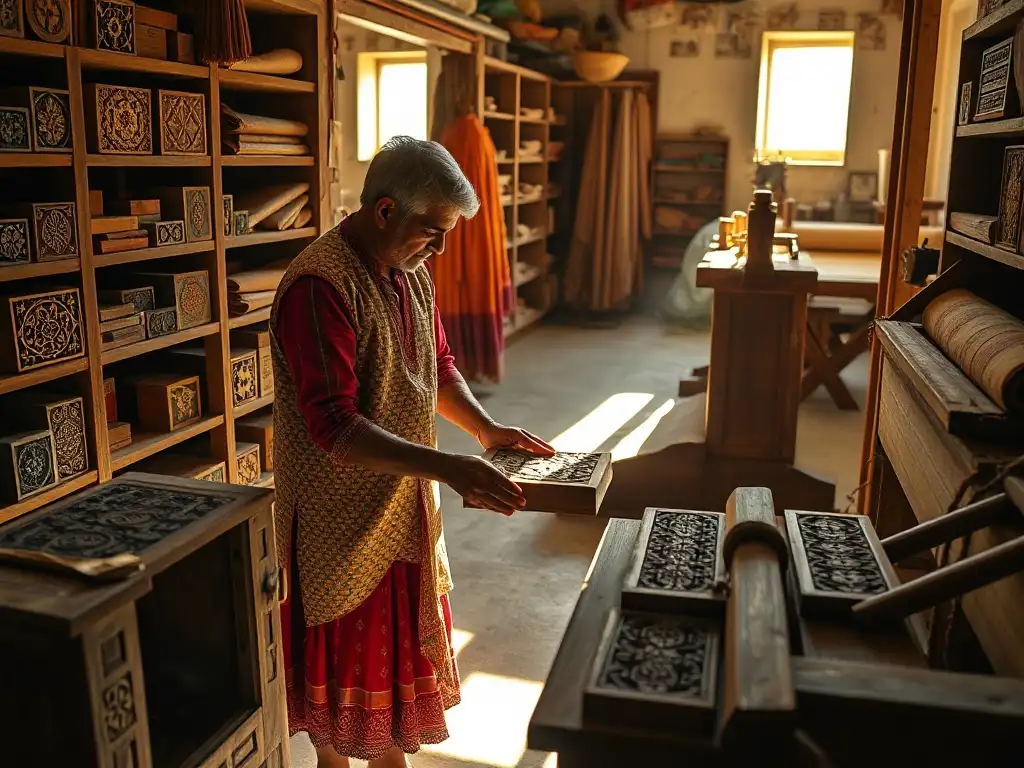
Factors Leading to the Decline of Traditional Techniques
The decline of traditional block printing techniques in ancient Indian textiles can be attributed to several interrelated factors.
- Industrialization: The advent of the Industrial Revolution in the 19th century introduced mechanized textile production, which significantly reduced the demand for hand-crafted textiles. This shift made machine-made fabrics more accessible and affordable, leading to a decline in traditional craftsmanship.
- Cultural Changes: As Western influences permeated Indian society, traditional clothing styles began to wane. The adoption of Western fashion trends diminished the market for hand-printed textiles, pushing traditional artisans into obscurity.
- Urbanization and Migration: The rapid urbanization and migration of populations from rural to urban areas caused a disruption in the traditional artisan communities. Many skilled craftsmen moved to cities in search of better opportunities, leading to a loss of knowledge and practices passed down through generations.
- Economic Challenges: Traditional block printing is a labor-intensive process. As economic pressures increased, artisans often found it challenging to compete with cheaper, mass-produced textiles. This economic strain further diminished the viability of traditional methods.
- Environmental Factors: The changing environmental conditions and the depletion of natural resources used in traditional dyeing and printing were also detrimental. The availability of quality raw materials became scarce, hampering the production of authentic block-printed textiles.
Modern Revival Efforts and Sustainable Practices
Despite the decline, there has been a notable revival of block printing techniques in recent years, driven by a growing appreciation for sustainable and ethical fashion.
- Artisan Cooperatives: Various organizations and cooperatives have been established to support traditional artisans. These groups aim to provide fair wages, training, and resources to revive ancient techniques. By fostering community efforts, artisans can sustain their craft while ensuring economic stability.
- Educational Initiatives: Workshops and training programs have been developed to educate new generations about traditional block printing techniques. These initiatives emphasize the importance of preserving cultural heritage while encouraging innovation and creativity among artisans.
- Sustainable Practices: The modern revival of block printing is closely linked to sustainable practices. Artisans are increasingly adopting eco-friendly materials and natural dyes, which resonate with the contemporary consumer's desire for environmentally responsible products. This shift not only preserves traditional methods but also enhances the appeal of block-printed textiles in the global market.
- Cultural Festivals and Exhibitions: Cultural events and exhibitions focusing on traditional crafts have gained popularity. These platforms showcase the beauty and intricacy of block printing, attracting both local and international attention. Such initiatives help create a renewed interest in ancient Indian block printing history and encourage consumers to appreciate handmade textiles.
- Collaborations with Designers: Collaborations between traditional artisans and modern fashion designers have emerged as a powerful tool for revival. By blending contemporary aesthetics with ancient techniques, these partnerships help bring block-printing back into the fashion limelight, ensuring its relevance in today's market.
The Impact of Globalization on Block Printing
Globalization has played a dual role in the narrative of block printing in ancient Indian textiles, presenting both challenges and opportunities.
- Increased Competition: The global textile market has intensified competition, with mass-produced fabrics flooding the market at lower prices. This has made it difficult for traditional artisans to compete, often pushing them to the margins.
- Cultural Exchange: On the positive side, globalization has facilitated cultural exchange, allowing block printing techniques to reach a wider audience. Artisans can now sell their products internationally, tapping into markets that appreciate the uniqueness of handcrafted textiles.
- Consumer Awareness: As global consumers become more conscious of sustainable and ethically produced goods, there is a growing demand for traditional block-printed textiles. This awareness has fostered a renewed interest in ancient Indian block printing history, prompting consumers to seek out authentic, handmade products over mass-produced alternatives.
- Digital Platforms: The rise of e-commerce and social media has provided artisans with new avenues to showcase their work. Online platforms allow artisans to connect directly with consumers, bypassing traditional distribution channels and enabling them to share their stories and craftsmanship with a global audience.
- Preservation of Heritage: Globalization has also led to various initiatives aimed at preserving traditional crafts. International organizations and NGOs are increasingly supporting projects focused on reviving and sustaining block printing techniques, ensuring that these ancient practices are not lost to the tides of modernization.
While the decline of ancient Indian block printing history has been marked by numerous challenges, the current revival efforts reflect a promising future. By embracing sustainable practices and leveraging globalization, artisans are not only preserving their heritage but also reinvigorating the cultural significance of block printing in modern contexts.
Conclusion: The Enduring Legacy of Ancient Indian Block Printing
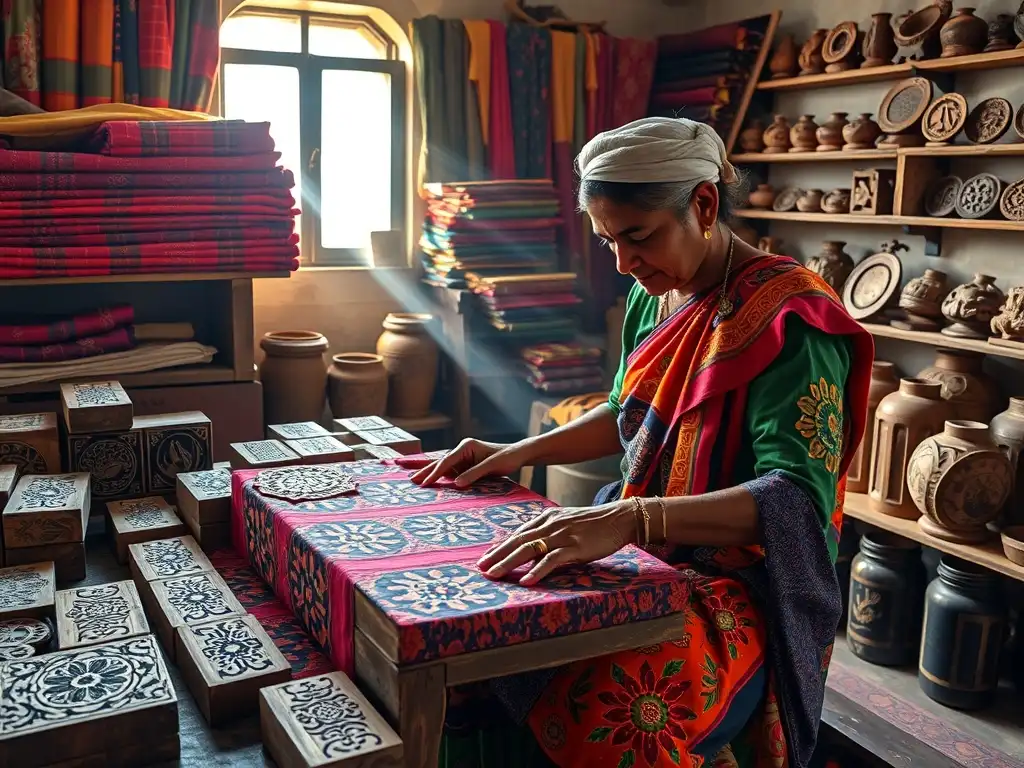
The rich tradition of block printing in ancient India is not merely a craft; it embodies centuries of artistic expression, cultural significance, and social identity. As we conclude our exploration of the ancient Indian block printing history, it becomes evident that this technique has left an indelible mark on the textile industry, influencing not only local practices but also global trends. The legacy of block printing serves as a testament to the ingenuity and creativity of ancient Indian civilizations, where each piece of fabric tells a story of its own.
Importance of Preserving Ancient Techniques
The preservation of ancient block printing techniques is crucial for several reasons:
- Cultural Heritage: Ancient block printing represents a significant aspect of Indian cultural heritage. It connects contemporary artisans to their historical roots, fostering a sense of identity and continuity.
- Artisan Livelihood: The craft sustains numerous artisans and their families. By preserving these techniques, we also support the economic well-being of communities that rely on traditional practices for their livelihood.
- Sustainable Practices: Ancient block printing methods often employ natural dyes and eco-friendly materials, promoting sustainable practices in the textile industry. This is increasingly relevant in today's context of environmental conservation.
- Educational Value: Understanding the history and techniques of block printing provides valuable insights into ancient Indian society, trade, and cultural exchanges, enriching our knowledge of global history.
In light of these factors, initiatives aimed at conserving and promoting ancient block printing need to be prioritized. This can include workshops, educational programs, and collaborations with designers to bring traditional techniques into contemporary fashion.
Future of Block Printing in Indian Textiles
The future of block printing in Indian textiles appears promising, driven by both innovation and a resurgence of interest in traditional crafts. Here are some key trends and considerations shaping its future:
- Revival of Interest: There is a growing appreciation for handcrafted textiles among consumers who seek unique and culturally rich products. This trend is particularly pronounced among younger generations, who value sustainability and authenticity in their fashion choices.
- Integration with Modern Design: Contemporary designers are increasingly incorporating ancient block printing techniques into modern aesthetics. This fusion not only revitalizes traditional skills but also makes block-printed textiles relevant in today's market.
- Technological Advancements: The advent of technology is opening new avenues for block printing. Digital printing methods can complement traditional techniques, allowing for the creation of innovative designs while still honoring historical practices.
- Global Market Reach: With the rise of e-commerce, artisans can access a broader market. This globalization of block printing can enhance visibility and appreciation for ancient Indian textiles worldwide.
- Collaborative Efforts: Partnerships between artisans, NGOs, and fashion brands are crucial for supporting the craft. These collaborations can provide artisans with the resources and training needed to thrive in a competitive market while preserving their heritage.
The cultural significance of ancient Indian block printing extends far beyond its aesthetic appeal. As we look to the future, the commitment to preserving these traditional techniques and adapting them to contemporary contexts will ensure that the legacy of ancient Indian block printing continues to flourish.
Further Reading and Resources on Ancient Indian Block Printing
Recommended Books on Ancient Indian Textiles
For those interested in delving deeper into the ancient Indian block printing history, several insightful books provide a comprehensive understanding of the techniques, cultural significance, and artistry behind this traditional craft. Below are some recommended titles:
- "Textiles of India: From the Collection of the Calico Museum"
- This book offers a rich narrative of Indian textiles, including block printing, showcasing exquisite examples from various regions.
- "The Art of Indian Block Printing"
- A detailed exploration of the history, techniques, and evolution of block printing in India, featuring interviews with contemporary artisans.
- "Indian Textiles: 5000 Years of Art and Design"
- Covering a broad spectrum of Indian textile history, this book provides context for block printing within the larger tapestry of Indian textile arts.
- "Block Printing on Textiles: A Traditional Indian Craft"
- This practical guide not only explains block printing techniques but also discusses the cultural heritage associated with this art form.
- "Patterns of India: A Journey Through Colors, Textiles, and Traditions"
- A vibrant visual journey that captures the essence of Indian textiles, including a dedicated section on block printing's historical development.
Online Courses and Workshops on Block Printing Techniques
Engaging in practical learning is an excellent way to appreciate the ancient Indian block printing history. Several online platforms and workshops offer courses that cater to both beginners and advanced practitioners:
-
Skillshare
Offers classes on block printing techniques, covering everything from basic patterns to intricate designs. Participants can learn from skilled artisans through video tutorials.
-
Udemy
Features comprehensive courses focusing on traditional block printing skills, including the preparation of dyes, block carving, and printing methods.
-
Local Artisans' Workshops
Many regions in India, known for their block printing tradition, offer hands-on workshops. These provide participants with the unique opportunity to learn from experienced craftsmen in an authentic setting.
-
YouTube Tutorials
A plethora of free video tutorials on block printing is available on YouTube, providing step-by-step guidance on various techniques and styles.
Museums and Exhibitions Featuring Block Printed Textiles
Visiting museums and exhibitions is an enriching way to experience the beauty and diversity of ancient Indian block printing history. Here are notable institutions where you can explore this art form:
-
The Calico Museum of Textiles, Ahmedabad
Renowned for its extensive collection of textiles, this museum showcases exquisite block-printed fabrics that highlight the artistry and craftsmanship of ancient India.
-
National Gallery of Modern Art, New Delhi
Regularly hosts exhibitions focused on traditional crafts, including block printing, allowing visitors to appreciate contemporary interpretations of this ancient technique.
-
Textile Museum, Washington, D.C.
Features a permanent collection and rotating exhibitions that include ancient Indian textiles, with significant pieces representing block printing heritage.
-
The Victoria and Albert Museum, London
Home to a diverse collection of textiles from around the world, including ancient Indian block-printed textiles, this museum offers insights into the global influence of Indian textile arts.
By exploring these resources, readers can gain a deeper appreciation for the rich history and cultural significance of block printing in ancient Indian textiles.
Frequently Asked Questions
What is the significance of block printing in ancient Indian textiles?
Block printing played a crucial role in the textile industry, showcasing India's unique artistry and cultural heritage. It allowed for the creation of intricate designs that reflected regional diversity.
How did block printing techniques evolve in ancient India?
The techniques of block printing evolved through centuries, influenced by various cultural exchanges and innovations. Initially used for simple patterns, it later incorporated complex motifs and vibrant colors.
Which regions in ancient India were known for block printing?
Regions such as Gujarat, Rajasthan, and parts of Madhya Pradesh were renowned for their block printing skills, each contributing distinct styles and patterns to the rich tapestry of Indian textiles.
What materials were used in ancient Indian block printing?
Ancient artisans primarily used wooden blocks, natural dyes from plants and minerals, and cotton fabrics. This combination allowed for durability and vibrant designs that have withstood the test of time.
How did block printing influence contemporary textile practices?
The traditional techniques of block printing have significantly influenced modern textile practices, reviving interest in handcrafted textiles and promoting sustainable fashion, preserving the rich heritage of ancient Indian craftsmanship.
Final Reflection: The Enduring Legacy of Ancient Indian Block Printing
The cultural significance of block printing in ancient Indian textiles is not merely a relic of the past; it is a vibrant testament to the artistry and ingenuity that continues to resonate in today's world. As we navigate a fast-paced, technology-driven society, the intricate craftsmanship of block printing serves as a reminder of the rich heritage that shapes our identities. The revival of interest in traditional art forms underscores the importance of preserving these time-honored techniques, offering a bridge between generations and a source of inspiration for contemporary creators.
The influence of ancient Indian block printing extends far beyond its historical context; it has woven itself into the fabric of modern culture, inspiring designers, artists, and artisans alike. The revival of these techniques not only honors the skilled artisans of the past but also fosters a deeper appreciation for sustainable practices in the textile industry.
As Mahatma Gandhi once said, "> The best way to find yourself is to lose yourself in the service of others." This sentiment resonates profoundly in the context of block printing, where the act of creation becomes a service to culture and community, fostering connections that transcend time.
As you reflect on the themes explored in this article, consider how you can incorporate the lessons of ancient Indian block printing into your own life. Embrace the beauty of craftsmanship, support local artisans, and seek out sustainable practices in your choices. By doing so, you not only honor the legacy of this remarkable art form but also contribute to a future where culture and creativity thrive hand in hand. Let the story of ancient Indian block printing inspire you to explore your own creative potential and to appreciate the artistry that surrounds us every day.
Embrace the Art of Block Printing Today!
Thank you for diving into the fascinating world of block printing in ancient Indian textiles! You've uncovered the rich cultural heritage and craftsmanship that has stood the test of time. Now, it’s your chance to connect with this beautiful art form and make it a part of your life.
Here are some actionable steps to get started:
- Visit a local artisan or workshop: Experience the magic of block printing firsthand and support the talented craftspeople who keep this tradition alive.
- Try your hand at block printing: Gather some fabric and a printing kit to create your own designs at home—share your creations on social media to inspire others!
- Join online workshops or classes: Connect with fellow enthusiasts and learn from experts about the intricate techniques involved in block printing.
What unique design will you create that embodies the spirit of ancient Indian art? We can’t wait to hear your thoughts!