
The Role of Women in Ancient Indian Culinary Practices: Guardians of Tradition

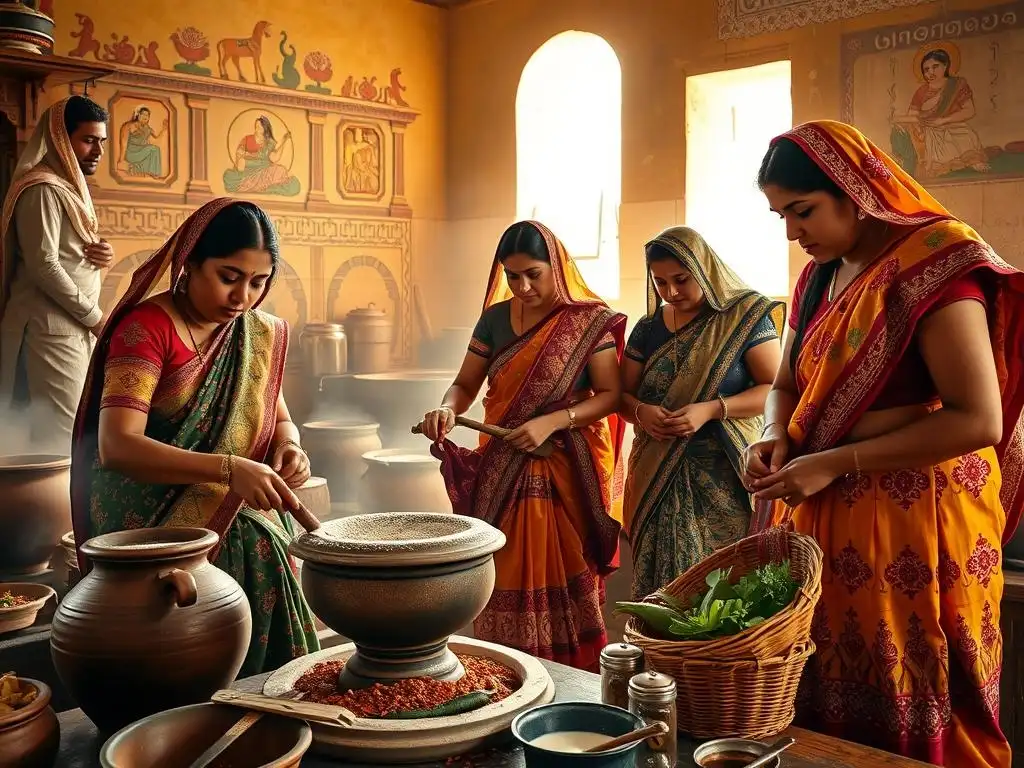
Welcome to Ancient India History, where we embark on a captivating journey through the rich tapestry of India's past. In this exploration, we delve into the often-overlooked contributions of women in shaping cuisine, particularly in our featured article, "The Role of Women in Ancient Indian Culinary Practices: Guardians of Tradition." Discover how these remarkable women not only nourished their families but also preserved and passed down culinary traditions that are still celebrated today. Prepare to uncover the flavors, stories, and cultural significance behind ancient dishes, and let your curiosity lead you deeper into the heart of India's culinary heritage.
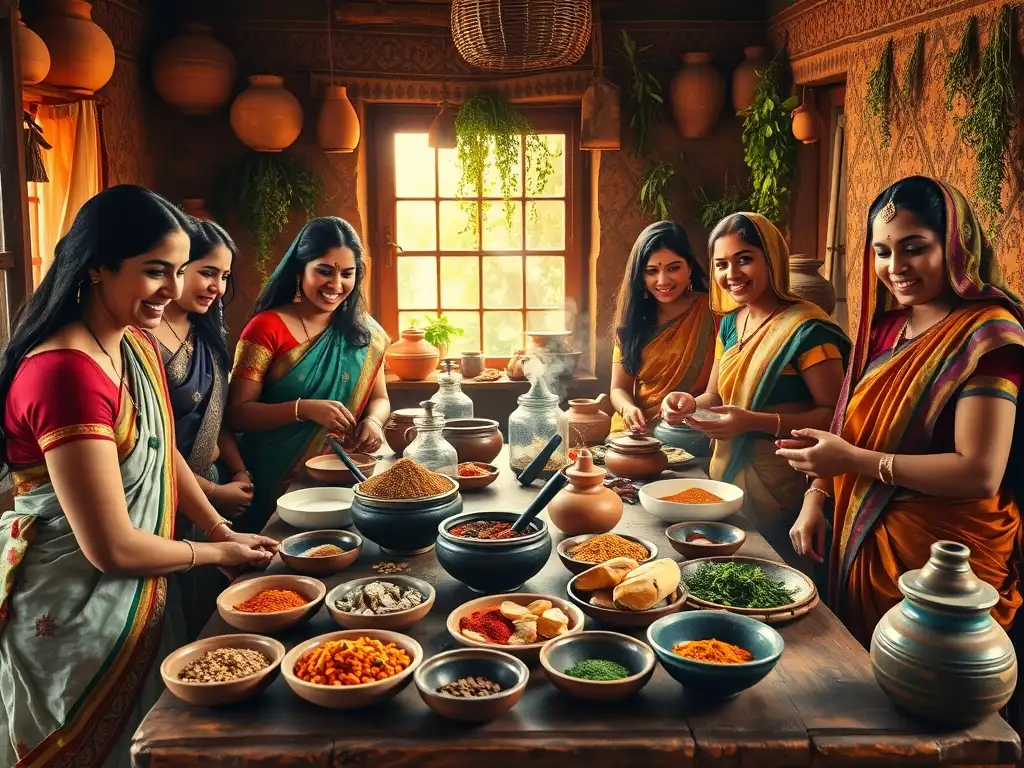
Introduction to Women in Ancient Indian Cuisine
The history of ancient India is deeply intertwined with its culinary traditions, and women have played an indispensable role in shaping these practices. From the bustling streets of the Indus Valley civilization to the opulent courts of the Gupta Empire, women were not just participants but the very custodians of culinary heritage. Their contributions have been pivotal in preserving and passing down recipes, techniques, and food customs that reflect the cultural richness of the time.
Understanding the role of women in ancient Indian cuisine sheds light on their influence in family structures, societal norms, and the overall culinary landscape that has evolved over centuries. This article delves into the integral part women played in ancient Indian culinary practices, emphasizing their significance as guardians of tradition.
Historical Context of Women in Ancient Indian Cuisine
The Status of Women in Ancient Indian Society
In ancient Indian society, the status of women varied significantly across different regions and time periods, shaped by socio-economic, cultural, and religious factors. While some texts and historical records suggest that women held respectable positions as educators, artisans, and even rulers, their roles were often confined to the domestic sphere. Women were primarily seen as caretakers of the household, responsible for nurturing and feeding the family, which inherently linked them to culinary practices.
- Patriarchal Influence: The patriarchal nature of ancient Indian society often limited women's autonomy, yet it also positioned them as the primary custodians of family traditions, including culinary arts.
- Religious Significance: Many culinary practices were intertwined with religious rituals, and women played a crucial role in preparing offerings and maintaining the sanctity of these traditions.
- Educational Roles: Women passed down culinary knowledge through oral traditions, ensuring that recipes and techniques were preserved across generations.
Culinary Heritage in Ancient India
The culinary heritage of ancient India is a testament to the diverse influences that shaped its cuisine. Women, as the main practitioners of cooking, were vital in the development and dissemination of various food traditions.
- Regional Varieties: Different regions had distinct ingredients and cooking methods, often influenced by local geography and climate. Women adapted their culinary practices accordingly, creating a rich tapestry of flavors and techniques.
- Seasonal and Festive Foods: Women were the keepers of seasonal and festive food practices, preparing special dishes for celebrations, religious occasions, and rituals, thus embedding culinary traditions within the cultural fabric of society.
- Documentation of Recipes: Although many recipes were passed down orally, some texts and inscriptions from ancient India document the importance of culinary practices, with women often cited as their originators.
Through their unwavering dedication to preserving culinary traditions, women in ancient India have left an enduring legacy that continues to influence modern Indian cuisine. Their role as guardians of tradition emphasizes the significance of female contributions in the broader narrative of Indian history and culture.
Women as Guardians of Culinary Knowledge
In ancient Indian society, women played a pivotal role as custodians of culinary knowledge, shaping the gastronomic landscape that has evolved over centuries. Their expertise was not merely about cooking; it encompassed a deep understanding of ingredients, seasonal variations, and the cultural significance of food. Women's contributions were integral to the preservation and transmission of traditional recipes, cooking techniques, and rituals associated with food preparation. This rich tapestry of culinary practices reflects the values, beliefs, and history of the communities they belonged to, making women essential figures in the continuum of ancient Indian cuisine.
Traditional Cooking Techniques Passed Down Generations
Traditional cooking techniques in ancient India were often passed down through generations, with women serving as the primary educators within families. These methods included various regional practices, such as:
- Tandoor Cooking: A technique that involves baking bread and meats in a clay oven, widely used in North India.
- Fermentation: Women utilized natural fermentation processes to create foods like idli and dosa, important staples in South Indian cuisine.
- Preservation Techniques: Techniques such as pickling and drying were mastered by women to ensure food sustainability throughout the year.
This knowledge was often imparted through oral traditions, with each generation adding its own nuances, thus enriching the culinary heritage of the region. The meticulous care with which women approached cooking not only ensured the survival of these techniques but also highlighted the importance of food in cultural identity.
The Role of Women in Rituals and Festivals
Women in ancient India were central to the culinary practices associated with rituals and festivals. Every important occasion, from weddings to harvest celebrations, relied heavily on the culinary skills of women. They prepared elaborate meals that were not only a feast for the senses but also steeped in symbolic meaning.
For instance, during festivals like Diwali and Pongal, women prepared specific dishes that represented prosperity and gratitude. The preparation of these meals often involved:
- Special Offerings: Dishes were created as offerings to deities, reflecting the spiritual significance of food.
- Community Engagement: Women often collaborated with neighbors and family members in cooking for large gatherings, fostering a sense of community and shared heritage.
- Cultural Preservation: By adhering to traditional recipes and cooking methods during these events, women ensured that the culinary customs remained alive and relevant.
This role as caretakers of culinary rituals highlights the deep connection between women, food, and cultural identity in ancient India.
Key Ingredients in Ancient Indian Cuisine
The foundation of ancient Indian cuisine was built on a variety of key ingredients that are still celebrated today. Women played a crucial role in sourcing, selecting, and preparing these ingredients, which were often cultivated in home gardens or sourced from local markets.
Women’s Influence on Sourcing Local Ingredients
Women were typically responsible for sourcing local ingredients, ensuring that their families had access to fresh and seasonal produce. This practice not only supported the household’s dietary needs but also promoted sustainable agricultural practices. Key aspects of their influence included:
- Herbal Knowledge: Women possessed extensive knowledge of local flora, allowing them to identify and utilize various herbs and plants for both culinary and medicinal purposes.
- Market Transactions: Women frequently engaged in market transactions, where they negotiated and acquired the best quality ingredients, fostering a strong connection with the community and local farmers.
- Preservation of Biodiversity: By selecting indigenous varieties of grains, vegetables, and spices, women contributed to the preservation of biodiversity in their regions.
Their involvement in sourcing local ingredients ensured that ancient Indian cuisine remained deeply rooted in the environment and culture of the region.
Traditional Spices and Their Cultural Importance
Spices are a hallmark of ancient Indian cuisine, not only for their flavor but also for their cultural significance. Women were instrumental in the cultivation, selection, and use of these spices, which included:
- Turmeric: Known for its vibrant color and medicinal properties, turmeric was a staple in many dishes and rituals.
- Cumin and Coriander: These spices were fundamental to flavoring and were often used in everyday cooking.
- Cardamom and Cloves: Employed in both sweet and savory dishes, these spices represented the rich trade connections of ancient India.
The significance of these spices extended beyond the kitchen; they were often associated with health, wellness, and spiritual practices. Women’s knowledge of these spices and their applications contributed to the overall culinary fabric of ancient Indian society, highlighting their essential role in both gastronomy and culture.
Women and Culinary Innovation in Ancient India
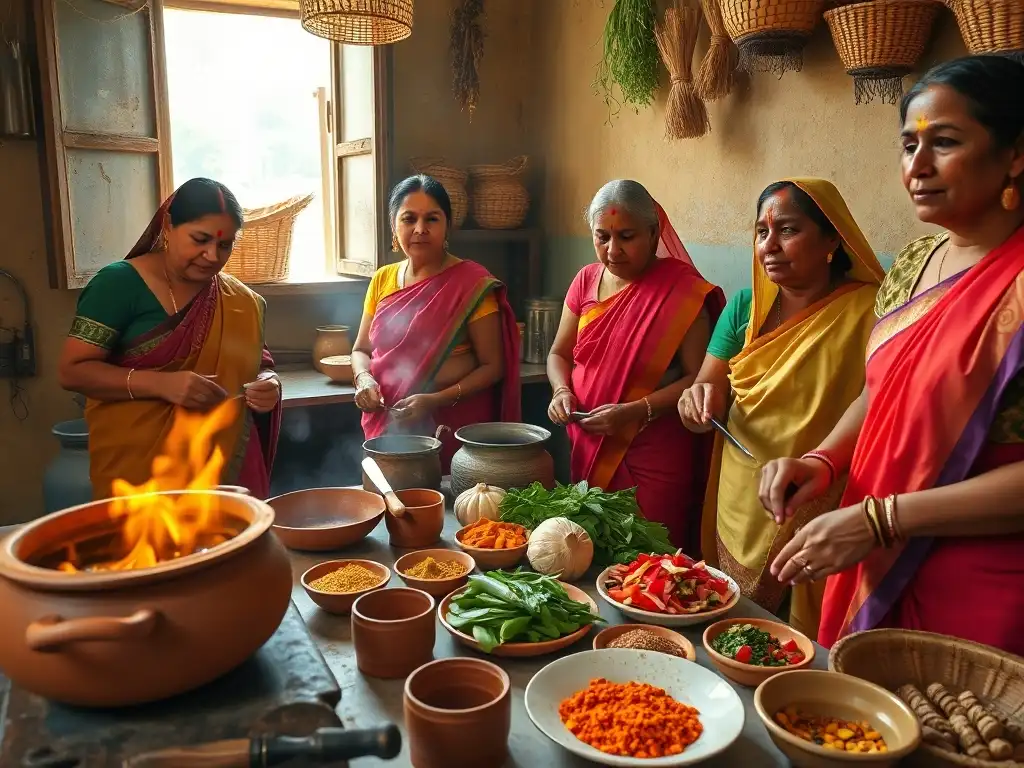
Women played a pivotal role in shaping the culinary landscape of ancient India, often serving as the custodians of culinary traditions. Their influence extended beyond mere meal preparation; they were innovators, adapting recipes and techniques to cater to the evolving tastes and ingredients available in their regions. This creativity was not only a reflection of their resourcefulness but also an integral part of family and community cohesion, as food often served as a medium for cultural expression and social bonding.
In ancient texts and scriptures, women are frequently depicted as the primary figures responsible for culinary arts, often revered for their knowledge of herbs, spices, and medicinal properties of food. This knowledge was crucial in a society that valued holistic wellness, making women not just cooks, but also healers and preservers of health through diet. The culinary practices they established laid the groundwork for the diverse regional cuisines that we see in India today, highlighting their role as true culinary innovators.
Evolution of Recipes and Cooking Styles
The evolution of recipes and cooking styles in ancient India was significantly influenced by women, who adapted their culinary practices to incorporate new ingredients and techniques brought in by trade and cultural exchanges. As India engaged with various civilizations, including Persians, Greeks, and later, the Mughals, women were at the forefront of integrating these influences into traditional recipes. This fusion led to the creation of new dishes that combined indigenous flavors with foreign spices and cooking methods.
Regional variations also emerged, as women tailored cooking styles to their local environments. For instance, in the coastal regions, seafood became a staple, while in the northern plains, grains like wheat and various lentils were predominant. The use of seasonal ingredients also played a crucial role in shaping recipes, with women often foraging for fresh herbs and vegetables to enhance their dishes. This adaptability not only reflects their culinary ingenuity but also their deep connection to the land and its resources, ensuring that the food they prepared was both nourishing and sustainable.
Women Entrepreneurs in Ancient Culinary Practices
In addition to their roles as homemakers, many women in ancient India engaged in entrepreneurial activities related to food. Historical accounts suggest that women operated small-scale businesses, selling homemade goods such as pickles, sweets, and snacks at local markets. This entrepreneurial spirit allowed women to contribute economically to their families and communities, showcasing their skills as both cooks and businesswomen.
Furthermore, women often passed down their culinary knowledge through generations, establishing a lineage of culinary tradition that would be celebrated in their communities. This transfer of knowledge not only empowered women but also fostered a sense of identity and pride in their culinary heritage. Festivals and feasts were often organized around these culinary practices, where women showcased their skills, thus enhancing their status within society and solidifying their role as essential contributors to the culinary landscape.
Conclusion: The Lasting Legacy of Women in Ancient Indian Cuisine
The legacy of women in ancient Indian cuisine is profound and enduring. Their contributions as innovators, preservers, and entrepreneurs have shaped the culinary traditions that continue to thrive in modern India. By nurturing recipes, adapting to changes, and establishing food practices that emphasized sustainability and health, women have left an indelible mark on Indian culinary heritage.
As we delve into the past, it becomes evident that the role of women in ancient Indian cuisine extends far beyond the kitchen. They were the guardians of tradition, the bearers of knowledge, and the architects of a culinary landscape that celebrates diversity and innovation. Today, recognizing and honoring their contributions is essential in understanding the rich tapestry of Indian cuisine, ensuring that their legacy continues to inspire future generations.
Additional Resources
To further explore the fascinating role of women in ancient Indian culinary practices, a variety of resources are available that provide deeper insights, historical context, and practical knowledge. These resources encompass books, online courses, and workshops that focus on ancient Indian cooking techniques, ingredients, and the cultural significance of food practices.
Recommended Readings on Ancient Indian Culinary Practices
-
"The Food of India: A Journey for Food Lovers" by Brinder Narula
This book is an excellent introduction to the culinary heritage of India, detailing traditional cooking methods and the cultural significance of various dishes.
-
"Culinary Traditions of India" by Pushpesh Pant
This comprehensive resource explores regional cuisines across India, highlighting the contributions of women in preserving and passing down culinary traditions.
-
"The Spice Route: A History" by John Keay
While not exclusively about Indian cuisine, this book provides a historical backdrop on the trade of spices, many of which were cultivated and used by women in ancient times.
-
"Women and Food in Contemporary Indian Society" by Rukmini Bhaya Nair
This text examines the evolving role of women in Indian food culture and offers a glimpse into how ancient practices continue to influence modern cuisine.
-
"Indian Cooking: A Historical and Geographical Perspective" by Ranjit R. Bhattacharya
This book connects historical events with culinary evolution, emphasizing women's roles throughout different periods in Indian history.
Online Courses and Workshops on Ancient Indian Cooking
-
Culinary Institute of India
Offers specialized courses focusing on traditional Indian cooking techniques, emphasizing the contributions of women chefs and home cooks.
-
Udemy: Authentic Indian Cooking
This online course teaches traditional recipes and methods passed down through generations, with modules dedicated to the influence of women in Indian kitchens.
-
The Spice Route Cooking Workshop
A hands-on workshop that explores ancient cooking methods, including the use of spices and local ingredients, often led by women skilled in traditional culinary practices.
-
Saffron & Sage: Indigenous Indian Culinary Arts
This platform provides live classes and recorded sessions that delve into ancient recipes and the historical context of women’s roles in Indian cuisine.
-
Culinary Heritage of India: A Virtual Experience
This interactive course features guest speakers, including historians and chefs, discussing the integral role of women in preserving culinary heritage.
Call to Action
Embark on your culinary journey into the rich tapestry of ancient Indian cuisine! Whether you’re a food enthusiast, a history buff, or someone looking to deepen your cooking skills, there are numerous resources available to guide you. Consider picking up one of the recommended readings to gain a more profound understanding of the historical context and the significant role women played in shaping these culinary traditions.
Additionally, enroll in an online course or workshop to experience firsthand the techniques and recipes that have been cherished through generations. By engaging with these resources, you not only enhance your culinary skills but also honor the women who have been the guardians of tradition in ancient Indian cuisine. Start your exploration today and keep the legacy alive!
- Introduction to Women in Ancient Indian Cuisine
- Historical Context of Women in Ancient Indian Cuisine
- Women as Guardians of Culinary Knowledge
- Key Ingredients in Ancient Indian Cuisine
- Women and Culinary Innovation in Ancient India
- Conclusion: The Lasting Legacy of Women in Ancient Indian Cuisine
- Additional Resources
- Call to Action
- What was the significance of women in ancient Indian culinary practices?
- How did social status affect women's roles in ancient Indian cuisine?
- What types of food were women responsible for preparing in ancient India?
- Were there any specific culinary skills associated with women in ancient India?
- How have the roles of women in ancient Indian cuisine influenced modern culinary practices?
Frequently Asked Questions
What was the significance of women in ancient Indian culinary practices?
Women played a crucial role in culinary traditions, often serving as guardians of family recipes and cultural heritage, ensuring the continuation of culinary practices across generations.
Women's roles in cuisine varied significantly based on social status; while higher-status women might focus on ceremonial cooking, those from lower strata often engaged in daily meal preparation and agricultural activities.
What types of food were women responsible for preparing in ancient India?
Women commonly prepared a variety of traditional dishes, utilizing local ingredients and seasonal produce, which were integral to their communities' culinary identities.
Were there any specific culinary skills associated with women in ancient India?
Yes, women were often skilled in spices and herb usage, mastering techniques such as pickling, fermenting, and preserving, which were essential for maintaining food quality.
How have the roles of women in ancient Indian cuisine influenced modern culinary practices?
The traditions and techniques established by women in ancient India continue to influence modern culinary practices, with many contemporary dishes reflecting their cultural significance and regional diversity.
Final Reflection: Guardians of Tradition in Ancient Indian Cuisine
The exploration of women in ancient Indian cuisine reveals a profound connection between culinary practices and cultural identity that remains relevant today. As we navigate a world increasingly focused on globalization and fast-paced living, the significance of traditional cooking methods and the role of women as custodians of these practices cannot be overstated. The culinary arts are not merely about sustenance; they are a reflection of heritage, community, and the intricate tapestry of life that women have woven through generations.
The influence of women in ancient Indian culinary practices has shaped not only the flavors we savor but also the social fabric of our communities. Their contributions have been pivotal in preserving recipes, rituals, and customs that define our cultural landscape. The legacy of these women continues to inspire contemporary chefs and home cooks alike, reminding us of the importance of honoring our roots. Food is not just what we eat; it is a way of life, a connection to our past, and a bridge to our future.
As we reflect on the invaluable lessons from the past, I invite you to consider how you can embrace and celebrate the culinary traditions that have been passed down through generations. Whether it's through cooking a family recipe, learning about the cultural significance of certain dishes, or supporting local women-led culinary initiatives, each action contributes to the preservation of our rich heritage. Let us honor the guardians of tradition by actively engaging with and sharing the stories behind our food, ensuring that the legacy of women in ancient Indian cuisine continues to thrive for future generations.
Embrace the Legacy of Women in Ancient Indian Culinary Traditions!
Thank you for taking the time to explore the fascinating world of women's roles in ancient Indian culinary practices. By diving into this rich heritage, you’ve gained a deeper appreciation for the guardians of tradition and the significant influence they wielded over the culinary landscape.
Now, it’s time to take action! Here are some practical steps you can take to honor and engage with this treasured legacy:
- Rediscover traditional recipes by trying your hand at one today! Seek out historical dishes that celebrate the unique flavors and techniques passed down through generations.
- Share your culinary experiences on social media or with friends and family, inviting them to join in the journey and appreciate the stories behind each dish.
- Connect with local cultural organizations that focus on preserving culinary traditions. This engagement will not only enrich your knowledge but also strengthen community ties.
What delicious creation will you make today to pay homage to the incredible contributions of women in ancient Indian cuisine?