
The Craftsmanship of Ancient Indian Armor: A Blend of Art and Function

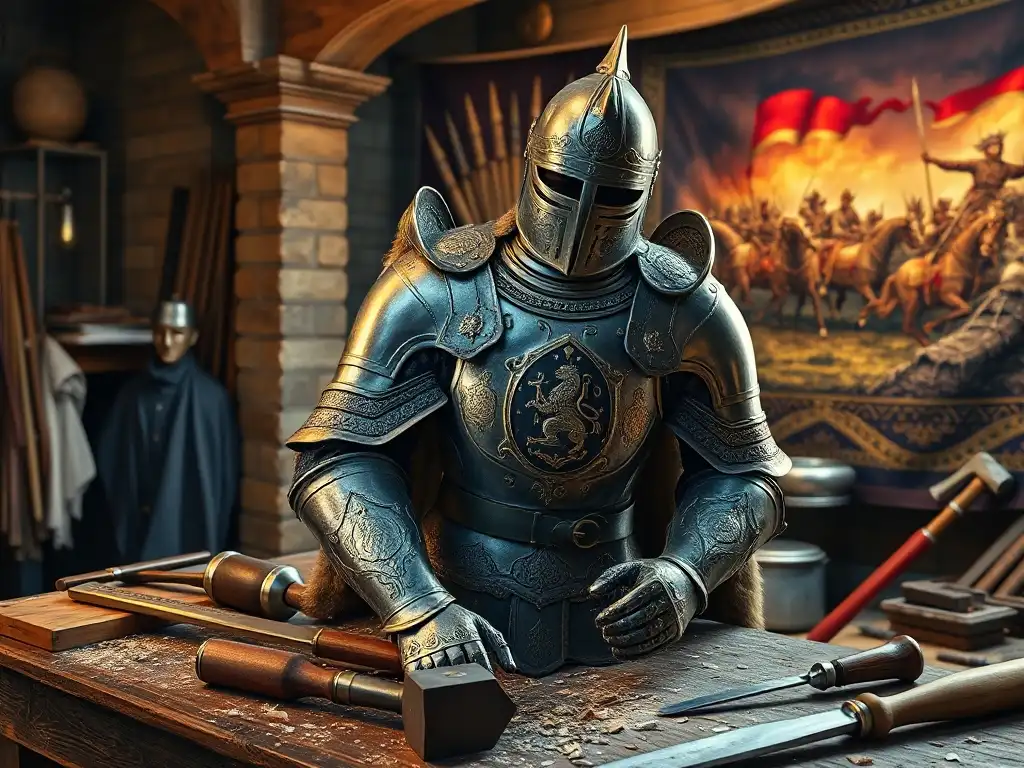
Welcome to Ancient India History, where we embark on a fascinating journey through the rich tapestry of ancient Indian civilizations. In today’s exploration, we delve into the intricate world of ancient Indian armor craftsmanship, a remarkable blend of art and function that not only protected warriors but also showcased the exquisite skills of artisans. What secrets lie behind these formidable creations? Join us as we uncover the stories and techniques that defined a pivotal aspect of military history, inviting you to discover the legacy of craftsmanship that shaped empires.
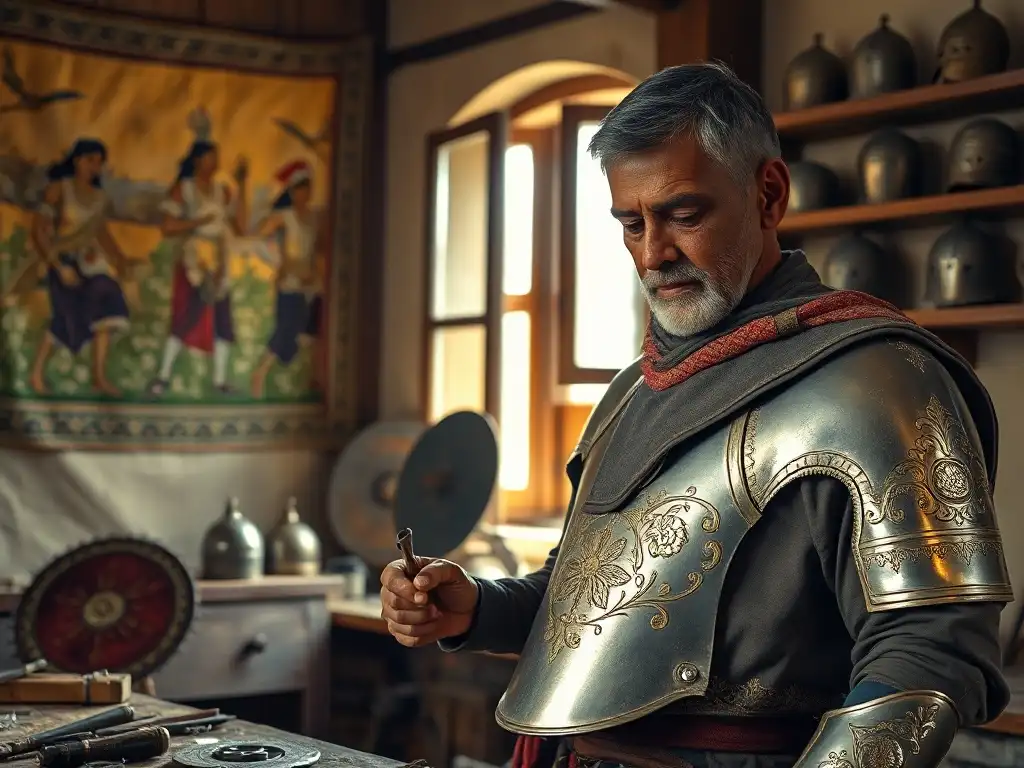
Introduction to Ancient Indian Armor Craftsmanship
Ancient Indian armor craftsmanship represents a fascinating intersection of art, technology, and military strategy. From the intricate designs of the Indus Valley to the sophisticated armaments of the Gupta Empire, the creation of armor was not merely a utilitarian endeavor but also a reflection of cultural identity and artistic expression.
This article aims to delve into the rich history of ancient Indian armor, exploring how craftsmanship played a pivotal role in the development of military technology while also serving as a canvas for artistic innovation. By examining the evolution, design, and functionality of armor, we can gain a deeper understanding of its significance in ancient Indian warfare and its enduring legacy in the annals of military history.
Overview of Armor in Ancient Indian Warfare
The role of armor in ancient Indian warfare was multifaceted, encompassing protection, status, and psychological warfare. Armor served as a defense mechanism against weapons such as swords, arrows, and spears. However, it also symbolized the rank and valor of the wearer, often adorned with intricate designs that displayed wealth and craftsmanship.
-
Types of Armor:
Ancient Indian armor included various forms, such as:
- Helmets: Crafted to protect the head, often embellished with artistic motifs.
- Body Armor: Made from materials like iron, leather, and even textiles, designed for flexibility and protection.
- Shields: Utilized for defense, often featuring elaborate designs that represented regional or familial emblems.
The craftsmanship involved in creating these armaments was essential for ensuring not only the effectiveness of the armor in battle but also its cultural significance.
Importance of Craftsmanship in Military History
The craftsmanship of ancient Indian armor is a testament to the skill and creativity of artisans who blended functionality with artistry. This duality is crucial in understanding the military history of ancient India, as it highlights how armor was not just a product of necessity but also a reflection of the socio-political environment.
- Artistic Techniques:
- Engraving and Inlay Work: Artisans employed various techniques to enhance the aesthetic appeal of armor, such as engraving intricate patterns or inlaying precious metals.
- Material Selection: The choice of materials was critical; artisans often used locally sourced resources, which influenced the durability and design of the armor.
The emphasis on craftsmanship in armor production illustrates the innovative spirit of ancient Indian civilizations and their ability to adapt to changing warfare dynamics while maintaining cultural identity.
Historical Context of Armor in Ancient India
Understanding the historical context of armor in ancient India requires an exploration of the various civilizations that contributed to its evolution. Each period brought forth distinct styles and techniques that enriched the tradition of armor craftsmanship.
Evolution of Armor from the Indus Valley Civilization
The journey of ancient Indian armor craftsmanship can be traced back to the Indus Valley Civilization (circa 3300–1300 BCE), where early forms of protective gear began to emerge. The archaeological findings from this era reveal:
- Early Materials and Designs:
- Use of natural materials such as leather and woven fibers.
- Evidence of rudimentary body protection, signifying the early understanding of warfare.
As time progressed, the techniques and designs evolved, influenced by various factors including trade, warfare, and cultural exchanges.
Influence of Regional Styles on Armor Design
The diversity in regional styles played a significant role in shaping the armor designs of ancient India. Factors such as geography, local resources, and cultural practices contributed to this rich tapestry of craftsmanship.
- Regional Variations:
- Southern India: Known for its ornate designs and the use of lighter materials for mobility.
- Northern India: Emphasized heavier armor, often incorporating metal and intricate detailing.
These regional influences not only enhanced the functionality of armor but also created a unique identity for different warrior classes across ancient India, showcasing the blend of art and function that defined ancient Indian armor craftsmanship.
Materials Used in Ancient Indian Armor Craftsmanship
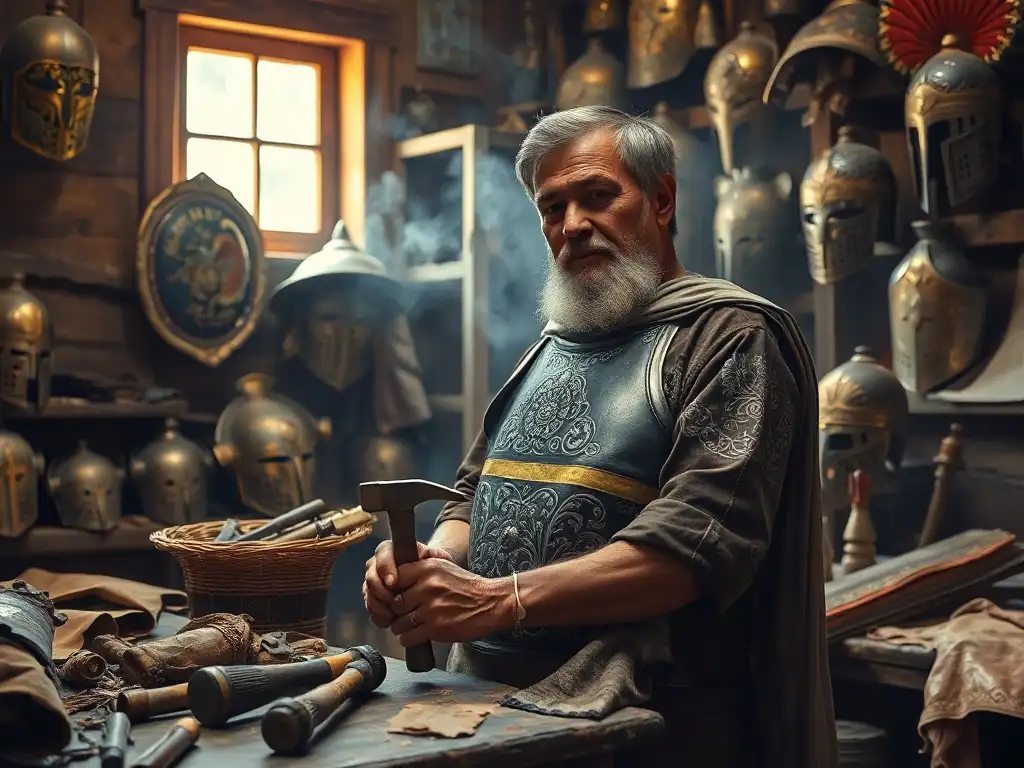
The craftsmanship of ancient Indian armor was deeply influenced by the availability of materials and the techniques employed by skilled artisans. Various materials were utilized not only for their protective qualities but also for their aesthetic appeal. The ability to blend form and function is a hallmark of ancient Indian armor craftsmanship, showcasing the ingenuity of its makers.
Common Materials Employed in Armor Production
Several key materials were commonly used in the production of ancient Indian armor:
- Iron: Predominantly used due to its strength, iron was the backbone of many armor pieces, including helmets, breastplates, and shields. The ability to forge iron allowed for the creation of both heavy and light armor suitable for different combat scenarios.
- Leather: Often used in conjunction with metal, leather added flexibility and comfort. It was commonly employed for lighter armor such as cuirasses and protective coverings for limbs.
- Brass and Bronze: These alloys were utilized for decorative elements and sometimes for constructing lighter armor. Their aesthetic appeal made them favorites among nobility.
- Textiles: Fabrics, often layered and padded, were used in conjunction with other materials to provide additional protection. Cotton and silk were favored for their comfort and ability to absorb shock.
- Wood: Used primarily in shields and certain types of armor, wood provided a lightweight and flexible option that could be easily maneuvered on the battlefield.
The combination of these materials allowed ancient Indian artisans to create a range of armors that met both functional and aesthetic requirements.
The Role of Local Resources in Armor Manufacturing
The local resources available in different regions of ancient India played a crucial role in the type of armor produced. For example:
- Geographical Influence: Regions rich in natural resources, such as iron ore deposits, enabled the production of iron-based armor. In contrast, areas with abundant forests supplied wood for shields and wooden armor components.
- Cultural Practices: The specific needs of local armies and their combat styles influenced the materials used. For instance, cavalry units might prefer lighter armor for mobility, while infantry might favor heavier protection.
- Trade Networks: Ancient India had extensive trade routes that facilitated the exchange of materials. This allowed for the incorporation of various metals and techniques from neighboring regions, enriching the local craftsmanship and leading to innovative armor designs.
The adaptability to use locally available resources not only reduced costs but also fostered a unique regional style in armor craftsmanship that reflected the cultural identity of each area.
Techniques of Ancient Indian Armor Craftsmanship
The techniques employed in ancient Indian armor craftsmanship were as varied as the materials used, with artisans mastering both traditional practices and innovative methods that enhanced the effectiveness of armor.
Traditional Methods in Armor Making
Traditional armor-making techniques in ancient India involved a meticulous process:
- Forging: Blacksmiths would heat metal and hammer it into shape, a foundational technique in creating durable iron armor. This method allowed for the production of intricately designed pieces that offered both protection and decoration.
- Embossing and Engraving: Artisans often adorned armor with intricate patterns through embossing and engraving. This not only enhanced the visual appeal but also signified rank and status among warriors.
- Stitching and Layering: For leather and textile armor, techniques such as stitching and layering were crucial. Multiple layers provided added protection against blows while still maintaining flexibility for movement.
These traditional methods highlighted the skills passed down through generations, ensuring that the craft of armor-making remained a respected profession.
Innovative Techniques and Their Impact on Functionality
Alongside traditional practices, innovative techniques emerged, significantly impacting the functionality of ancient Indian armor:
- Quenching and Tempering: This heat treatment process improved the hardness and durability of iron armor, making it more resistant to damage in combat.
- Use of Composite Materials: The combination of different materials, like metal and leather, resulted in armor that balanced protection with comfort. This innovation allowed for better mobility while still providing adequate defense.
- Modular Designs: Many armors were designed to be modular, allowing for easy repairs and adjustments. This adaptability was crucial in a battlefield setting where damage could occur frequently.
These innovations not only improved the performance of armor during warfare but also contributed to the evolution of military technology in ancient India, reflecting a sophisticated understanding of both materials and combat needs.
Artistic Elements in Ancient Indian Armor
The artistry of ancient Indian armor is a striking testament to the skilled craftsmanship that characterized the civilization. Armor was not merely functional but was also an expression of cultural identity, status, and artistry. The intricate designs and embellishments on armor pieces reveal a lot about the artisan’s skills and the prevailing cultural motifs.
In many instances, armor was adorned with traditional motifs, such as floral patterns, geometric shapes, and mythological figures. These designs often drew inspiration from the rich tapestry of Indian folklore, religion, and nature. Craftsmanship was not limited to the form of the armor but extended to the use of colors and materials, with artisans employing techniques such as engraving, embossing, and inlay work to create visually stunning pieces.
Moreover, the craftsmanship of armor was often influenced by regional styles. For instance, armor crafted in the southern regions of India might display different artistic elements compared to that from the northern territories. This diversity illustrates the rich cultural amalgamation that ancient Indian civilization embraced, reflecting local traditions and artistic expressions in each piece of armor.
Decorative Features and Symbolism in Armor Design
The decorative features of ancient Indian armor were not merely ornamental; they often carried deep symbolic meaning. For example, the use of motifs like the lotus flower symbolized purity and divinity, while images of deities were believed to invoke protection and favor in battle. Such symbolism was crucial for warriors, who relied on their armor not just for physical protection but also for spiritual assurance.
Many armors were embellished with intricate engravings or inlaid with precious stones, which signified wealth and status. This practice was particularly prominent among the nobility and royal classes, where the armor was designed to reflect their elevated position and valor. The inclusion of personalized emblems or family crests further highlighted the identity of the wearer, making each piece unique.
Furthermore, the colors used in the armor also carried significance. Bright colors, for instance, were often associated with courage and valor, while darker shades might be linked to stealth and strategy. All these decorative features combined to create armor that was both a functional asset in warfare and a significant cultural artifact.
The Balance Between Aesthetic and Practical Function
Ancient Indian armor exemplifies a remarkable balance between aesthetic appeal and practical functionality. While the intricate designs and decorations might suggest a focus on beauty, the primary purpose of armor was, of course, to provide protection in battle. This duality is evident in the design choices made by artisans, who skillfully integrated artistic elements without compromising the armor's protective capabilities.
For instance, the construction of a helmet might feature elaborate engravings or plume holders for decorative feathers, yet it was engineered to absorb impact and deflect blows effectively. Similarly, body armor was often layered, allowing for flexibility in movement while simultaneously providing a robust defense.
The challenge for artisans was to create armor that could withstand the rigors of combat while also serving as a representation of honor and valor for the wearer. This balance is a hallmark of ancient Indian craftsmanship, showcasing the artisans' deep understanding of materials and their properties, as well as their artistic vision.
Types of Ancient Indian Armor
The variety of armor used in ancient India is a reflection of the diverse warfare styles and cultural practices that existed throughout the subcontinent. Each type of armor served specific functions and was adapted to the unique demands of different combat situations.
Overview of Different Armor Types: Shields, Helmets, and Body Armor
Ancient Indian warriors utilized several distinct types of armor. The most prominent among them included:
- Shields: These were essential in providing defense against projectiles and melee attacks. Made from materials like wood, metal, or leather, shields often featured artistic designs that reflected the identity of the warrior.
- Helmets: Helmets were crucial for protecting the head during battle. They varied in design, with some featuring visors or decorative crests that denoted rank or affiliation.
- Body Armor: This category encompassed a range of items, from simple leather vests to elaborately constructed metal armor. Body armor was designed to cover vital areas while allowing for mobility.
Each of these armor types was crafted with both defense and the warrior's identity in mind, making them integral to the combat experience.
Characteristics of Each Armor Type and Their Usage in Battle
Each type of ancient Indian armor had specific characteristics tailored to its use in warfare:
- Shields: Typically circular or rectangular, shields were crafted from strong materials and often reinforced with metal. They were designed to be lightweight, allowing for quick movement while providing adequate protection from arrows and swords. The decorative aspects of shields often included family insignias or religious symbols that offered both protection and morale.
- Helmets: Helmets varied in style, from simple leather to more complex metal constructions, often lined for comfort. Some helmets featured face guards or plates that could be raised or lowered. The decorative elements, such as feathers or metal embellishments, not only served aesthetic purposes but also had practical applications in identifying ranks or units during battle.
- Body Armor: Body armor was crafted in several forms, including chainmail, lamellar armor, and padded jackets. Chainmail, composed of interlinked metal rings, offered excellent protection while allowing flexibility. Lamellar armor, made from small overlapping plates, provided solid defense against slashing attacks. Padded jackets were often worn beneath metal armor, providing additional comfort and protection against blunt force.
Each type of armor was crucial for the strategic implementation in battles, reflecting the sophistication of ancient Indian military technology and the skill of their craftsmen.
The Role of Armor in Ancient Indian Military Strategy
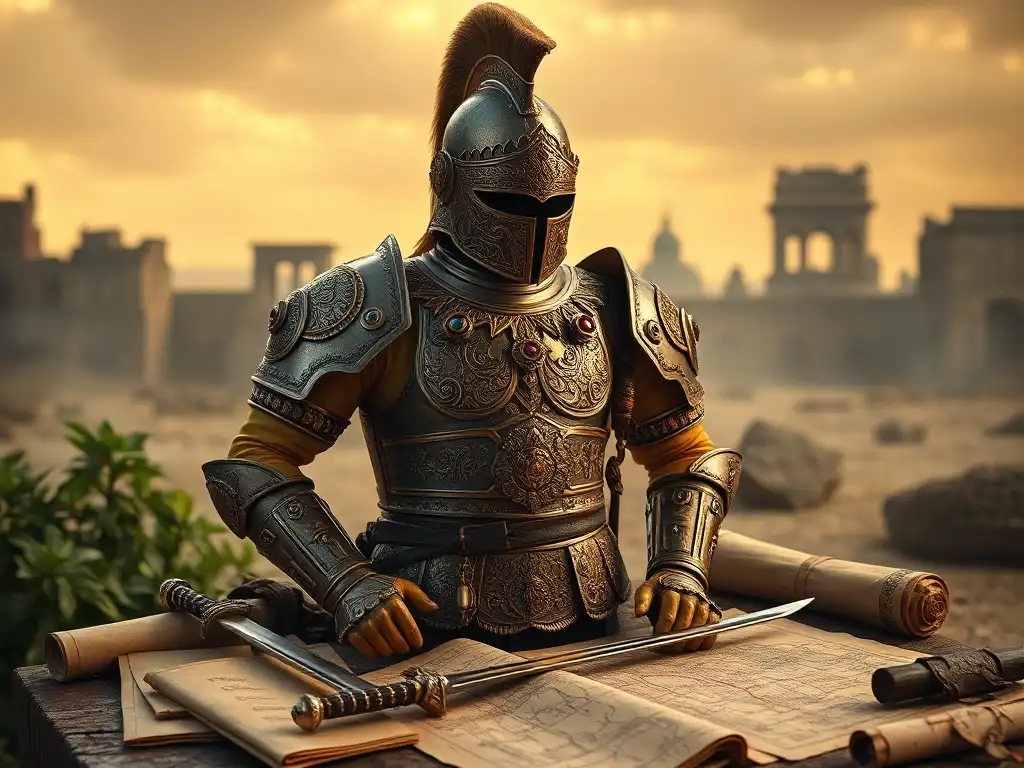
Armor played a pivotal role in the military strategy of ancient Indian civilizations, serving not only as a protective measure for warriors but also as a symbol of status and power. The craftsmanship of ancient Indian armor was deeply intertwined with the tactical approaches of various kingdoms, from the Indus Valley Civilization to the later empires of the Gupta period. Armor was designed to withstand the weapons of the time, such as swords, arrows, and spears, while allowing for mobility in battle.
The strategic use of armor varied across regions and eras, reflecting advancements in metallurgy and the evolving nature of warfare. For instance, during the Mauryan Empire, heavy armor was favored for infantry units, which engaged in close combat, while lighter armor was used for cavalry, emphasizing speed and agility. The choice of armor type significantly influenced how battles were fought, as well-armored troops could hold the line against enemy assaults, while more mobile forces could execute flanking maneuvers.
Moreover, armor was often customized to the individual warrior, taking into account their role on the battlefield, personal preferences, and even the symbolic elements that conveyed their allegiance or achievements. Thus, armor was not merely functional; it was a vital component of the psychological and cultural dimensions of ancient Indian warfare.
How Armor Influenced Warfare Tactics
The design and functionality of armor directly impacted the tactics employed in ancient Indian warfare. Heavily armored infantry units permitted a more aggressive style of combat, allowing soldiers to engage directly with the enemy frontline without fear of significant injury. This led to the development of phalanx formations, where soldiers stood shoulder to shoulder, creating a formidable wall of protection.
Conversely, the introduction of lighter armor facilitated the rise of skirmishing tactics and guerilla warfare. Cavalry units, often equipped with less cumbersome armor, could outmaneuver heavier infantry, striking swiftly before retreating to safety. This adaptability was crucial in the dense forests and rugged terrains of India, where traditional battlefield formations could be less effective.
Furthermore, the evolution of armor prompted innovations in weaponry, as opponents sought to counteract these protective measures. The development of armor-piercing arrows and specialized swords illustrates the dynamic interplay between armor and tactics, whereby each side continually adapted to the other's strengths and weaknesses.
Notable Battles and Their Connection to Armor Use
Throughout ancient Indian history, several notable battles highlight the critical role of armor in military engagements. One significant example is the Battle of Kalinga, fought under Emperor Ashoka of the Maurya Dynasty. The heavily armored infantry played a crucial role in this confrontation, as they faced the formidable Kalinga forces who also utilized advanced armor technologies. The outcome of the battle not only showcased the effectiveness of armor but also led to a profound transformation in Ashoka’s approach to warfare and governance.
Another important engagement is the Battle of Panipat, which featured various forms of armor and tactical formations. The use of armored elephants, for instance, demonstrated the integration of formidable beasts into warfare, with their thick skin and coverings providing protection against arrows and spears. This battle, among others, reflects how armor was not just a protective tool but a decisive factor in determining military success.
Legacy of Ancient Indian Armor Craftsmanship
The legacy of ancient Indian armor craftsmanship is a testament to the artistry and ingenuity of its creators. The intricate designs and advanced techniques used in crafting armor have left an indelible mark on military history. Craftsmen utilized materials such as iron, bronze, and leather, often combining them with decorative elements like engravings and inlays that reflected the cultural significance of armor.
This craftsmanship extended beyond mere functionality; it was also a form of expression. Each piece of armor could signify the wearer’s rank, lineage, and accomplishments. The blend of utility and aesthetics in ancient Indian armor has inspired generations of artisans and historians alike, leading to a deeper appreciation of this unique aspect of military heritage.
Influence on Modern Armor Design and Techniques
Ancient Indian armor craftsmanship has influenced modern armor design in several ways. The techniques developed by ancient artisans, such as layered construction and the use of composite materials, have informed contemporary methods in protective gear manufacturing. Insights gained from the study of ancient armors have led to innovations in materials science, particularly in the quest for lightweight yet durable protective clothing.
Moreover, the artistry involved in crafting armor has inspired modern designers in the fields of fashion and protective equipment. The aesthetic elements found in ancient armor can be seen echoed in contemporary designs, which often seek to balance protection with visual appeal. This legacy underscores the enduring impact of ancient Indian craftsmanship on both military and civilian applications today.
Preservation and Appreciation of Ancient Craftsmanship Today
Today, the preservation and appreciation of ancient Indian armor craftsmanship have gained momentum through various initiatives. Museums and cultural institutions are increasingly recognizing the significance of these artifacts, showcasing them in exhibitions that highlight their historical context and artistic value. Such displays educate the public about the sophisticated techniques employed by ancient craftsmen and the cultural narratives embedded within each piece of armor.
Additionally, efforts are underway to document and restore ancient armors, ensuring that traditional skills are not lost. Workshops and training programs are being established to teach these age-old techniques to new generations of artisans. This revival not only honors the rich heritage of ancient Indian craftsmanship but also fosters a sense of pride and identity within contemporary society.
The craftsmanship of ancient Indian armor represents a unique intersection of art, technology, and military strategy that continues to resonate today. Its legacy serves as a reminder of the creativity and resourcefulness of ancient civilizations in their quest for protection and excellence in warfare.
Conclusion: The Enduring Impact of Ancient Indian Armor Craftsmanship
The craftsmanship of ancient Indian armor represents a remarkable fusion of artistry and practicality that has left a lasting legacy on military technology and cultural expression. This intricate blend of design and functionality not only served to protect warriors on the battlefield but also played a significant role in the socio-political and cultural spheres of ancient Indian societies. The rich traditions of armor-making reflect both technological advancements and the aesthetic sensibilities of the time, showcasing the skill and creativity of artisans who contributed to the evolution of military gear.
Ancient Indian armor, characterized by its diverse styles and materials, has influenced various aspects of warfare, including strategy and troop morale. The use of locally sourced materials, such as iron, bronze, and leather, highlights the resourcefulness of these civilizations, while the elaborate decorations and engravings on armor pieces emphasize the importance of status and identity among warriors. As a result, the legacy of ancient Indian armor craftsmanship continues to resonate, inspiring modern interpretations and practices in both martial arts and contemporary fashion.
Summary of Key Points
- Artistic and Functional Design: Ancient Indian armor exemplified the balance between beauty and utility, serving as both protective gear and status symbols.
- Materials and Techniques: Armor was crafted from a variety of materials, utilizing advanced metallurgical techniques that showcased the ingenuity of ancient artisans.
- Cultural Significance: The designs and decorations on armor reflect the cultural values and beliefs of their respective societies, indicating the role of armor in expressing identity and hierarchy.
- Impact on Warfare: The innovations in armor technology influenced military strategies and practices, shaping the outcomes of numerous battles throughout Indian history.
Future Research Directions in Ancient Indian Military History
As interest in ancient Indian military history continues to grow, several areas present opportunities for future research:
- Material Analysis: Investigating the specific materials used in armor production and their sources can provide insights into trade networks and technological exchanges.
- Comparative Studies: Analyzing the similarities and differences between ancient Indian armor and that of other cultures can enhance our understanding of cross-cultural influences and military adaptations.
- Archaeological Discoveries: Ongoing excavations may yield new artifacts related to armor, allowing for a reevaluation of existing knowledge and potentially uncovering lost craftsmanship techniques.
- Cultural Context: Further exploration of the socio-political implications of armor design and usage can illuminate the relationship between warfare, power, and societal values in ancient India.
- Modern Interpretations: Examining how ancient armor influences contemporary military technology and martial arts practices could bridge the gap between history and modern applications.
By pursuing these research directions, scholars can deepen our understanding of the craftsmanship of ancient Indian armor and its profound impact on military history and culture.
- Introduction to Ancient Indian Armor Craftsmanship
- Overview of Armor in Ancient Indian Warfare
- Importance of Craftsmanship in Military History
- Historical Context of Armor in Ancient India
- Materials Used in Ancient Indian Armor Craftsmanship
- Techniques of Ancient Indian Armor Craftsmanship
- Artistic Elements in Ancient Indian Armor
- Types of Ancient Indian Armor
- The Role of Armor in Ancient Indian Military Strategy
- Legacy of Ancient Indian Armor Craftsmanship
- Conclusion: The Enduring Impact of Ancient Indian Armor Craftsmanship
- What materials were commonly used in ancient Indian armor craftsmanship?
- How did the craftsmanship of ancient Indian armor reflect cultural influences?
- What role did armor play in ancient Indian warfare?
- Are there notable examples of ancient Indian armor craftsmanship?
- How has ancient Indian armor craftsmanship influenced modern practices?
Frequently Asked Questions
What materials were commonly used in ancient Indian armor craftsmanship?
Ancient Indian armor was typically made from steel, leather, and brass, showcasing both durability and artistic design. Natural materials like cotton and silk were also used for padding and decoration.
How did the craftsmanship of ancient Indian armor reflect cultural influences?
The design and craftsmanship of ancient Indian armor were influenced by various cultures and regions, showcasing a blend of local traditions and foreign techniques, particularly from interactions with Persian and Mongolian artisans.
What role did armor play in ancient Indian warfare?
Armor was crucial in ancient Indian warfare, providing soldiers with protection against weapons while also serving as a status symbol. The intricate designs often represented the identity and pride of the warrior class.
Are there notable examples of ancient Indian armor craftsmanship?
Yes, significant examples include the Kshatrapa armor and the beautifully crafted Mughal armor, which exemplify the artistry and functionality of ancient Indian armor, often adorned with intricate designs and gemstones.
How has ancient Indian armor craftsmanship influenced modern practices?
The techniques and designs of ancient Indian armor have influenced modern military gear and textile practices, with an emphasis on blending functionality with aesthetic appeal in contemporary armor production.
Final Reflection: The Enduring Legacy of Ancient Indian Armor Craftsmanship
The craftsmanship of ancient Indian armor is not merely a relic of the past; it is a testament to the ingenuity and artistry that shaped a civilization. In today's world, where the intersection of art and functionality is often overlooked, the intricate designs and practical applications of ancient armor remind us of the importance of merging beauty with purpose. This legacy continues to resonate, inspiring modern artisans and historians alike to appreciate the depth of cultural heritage embedded in these artifacts.
The influence of ancient Indian armor craftsmanship extends far beyond its historical context; it serves as a cultural touchstone that informs contemporary practices in art and design. As we delve into the rich narratives woven into each piece of armor, we uncover a profound connection to identity, resilience, and innovation. Art is the most beautiful of all lies.
This quote encapsulates the essence of how craftsmanship can transcend mere utility, becoming a powerful expression of cultural identity and human experience.
As we reflect on the lessons drawn from the artistry and functionality of ancient Indian armor, let us invite ourselves to explore our own creative expressions. Consider how you can blend art and purpose in your life, whether through your work, hobbies, or community engagement. Embrace the spirit of craftsmanship that has endured through centuries, and strive to create something that not only serves a function but also tells a story—your story.
Unlock the Secrets of Ancient Indian Armor!
Thank you for exploring the fascinating world of ancient Indian armor with us! You’ve delved into a unique blend of artistry and functionality that has shaped history. Now, it's time to take your learning to the next level and engage with this rich heritage.
Here are some actionable steps to deepen your connection with ancient craftsmanship:
- Visit a local museum that features historical artifacts, particularly those showcasing armor or weaponry from ancient cultures.
- Join an online discussion forum dedicated to historical craftsmanship, where you can share insights and learn from fellow enthusiasts.
- Try creating your own piece of art inspired by ancient designs—even a simple sketch can ignite your creativity and enhance your appreciation for this remarkable heritage!
What aspect of ancient Indian armor intrigues you the most, and how would you incorporate its artistry into your own life?