
The Siege of Delhi: A Historical Analysis of Its Consequences

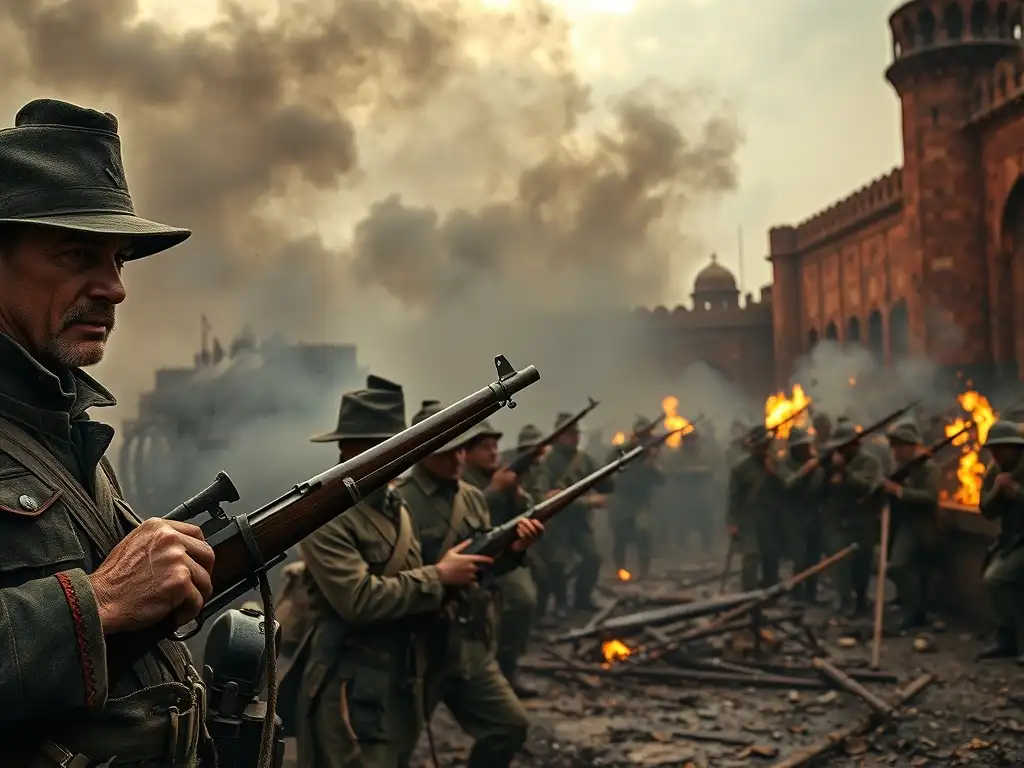
Welcome to Ancient India History, where we journey through the fascinating tapestry of India's past! Today, we delve into the Delhi siege historical consequences, a pivotal event that shaped not only the fate of a city but also the trajectory of Indian civilization. As we unravel the layers of this siege, you'll discover its profound impact on culture, politics, and society. What lessons can we draw from this historical moment? Join us as we explore the echoes of history and their relevance in our understanding of ancient India. Your adventure through time begins now!
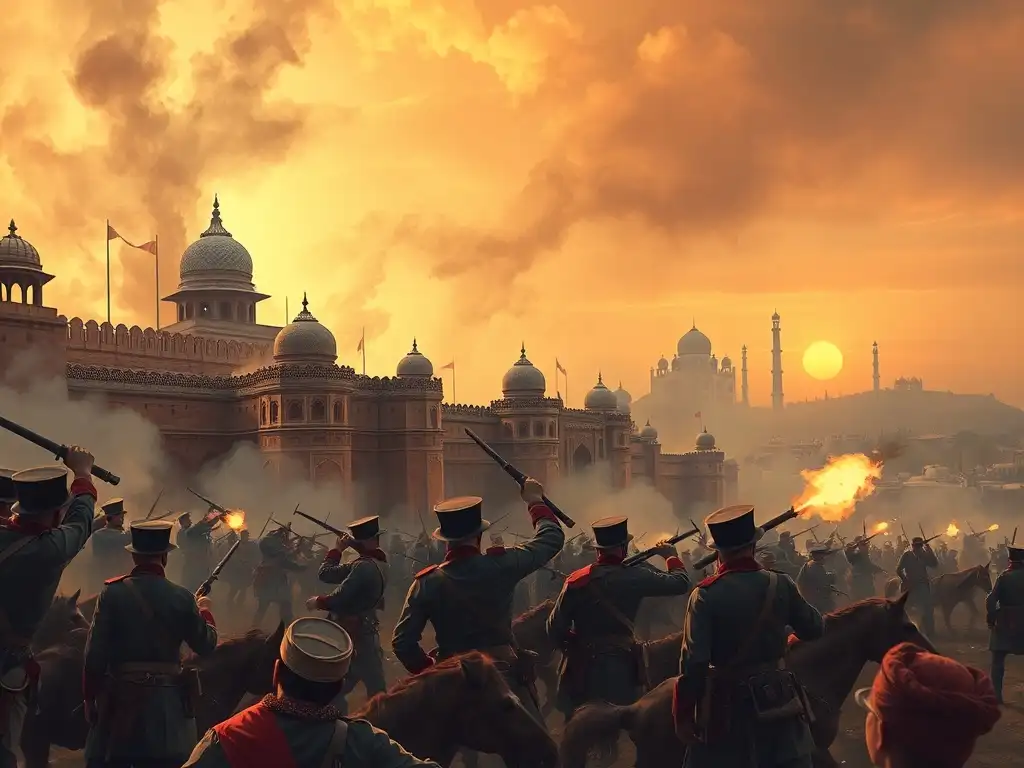
The Siege of Delhi stands as one of the most pivotal moments in the tapestry of Indian military history, marking a significant turning point in the power dynamics of the region. This event encapsulates not only the tactical maneuvers and strategies employed during the siege but also the broader implications it had on the sociopolitical landscape of ancient India.
By delving into the historical consequences of this siege, we can gain insights into how it shaped the future of Delhi and its role as a central hub in Indian civilization. Understanding this context is crucial for appreciating the complexities of ancient Indian military campaigns and their lasting impacts on culture and governance.
Introduction to the Siege of Delhi
Overview of the Siege
The Siege of Delhi, which occurred during [specific date pending], was a dramatic confrontation involving multiple factions vying for control over the city. The siege was characterized by intense fighting, strategic fortifications, and the resilience of the defenders. The key events unfolded as follows:
- Initiation of the Siege: The siege began when [specific events leading to the siege pending].
- Major Battles: Several skirmishes marked the siege, including the notable [specific battles pending].
- Resolution: The siege ultimately concluded with [details on the outcome].
The repercussions of the siege were felt far beyond the battlefield, influencing the political and social fabric of the region.
Importance of the Siege in Indian History
The significance of the Siege of Delhi cannot be overstated. It serves as a critical case study for historians and military strategists alike due to several factors:
- Shift in Power Dynamics: The outcome of the siege altered the balance of power, leading to [specific shifts pending].
- Cultural Impacts: The siege influenced art, literature, and folklore, contributing to the rich narrative of Delhi’s history.
- Military Innovations: Tactics developed during the siege have been studied and adapted in subsequent military campaigns.
These factors underscore why the Siege of Delhi remains a focal point in understanding the evolution of military strategies in ancient India.
Context of the Delhi Siege
Historical Background Leading to the Siege
To fully comprehend the complexities of the Siege of Delhi, it is essential to explore the historical backdrop that set the stage for this significant event. Several elements contributed to the buildup:
- Political Fragmentation: The decline of central authority, particularly following the fall of [specific dynasties pending], led to increased regional conflicts.
- Economic Factors: Economic strife created tensions among various factions, with resources becoming a focal point of contention.
- Social Unrest: Discontent among the populace, fueled by [specific grievances pending], played a crucial role in the lead-up to the siege.
These factors collectively created an environment ripe for conflict, culminating in the siege that would have lasting consequences.
Key Players Involved in the Delhi Siege
The Siege of Delhi was not merely a battle between armies; it involved a complex interplay of various key players, each with distinct motivations and goals:
- Defenders of Delhi: Led by [specific leaders pending], the defenders were determined to protect their city and way of life.
- Sieging Forces: Comprising [specific groups pending], the besieging forces aimed to seize control and assert dominance over the region.
- Influential Figures: Notable figures such as [specific individuals pending] played critical roles in shaping the strategies and outcomes of the siege.
These players significantly influenced the course of events, making the Siege of Delhi a multifaceted historical episode that warrants detailed analysis.
By exploring the intricacies of this siege, we can unearth the rich historical narrative that continues to resonate in modern times.
The Siege of Delhi: Events and Strategies
The Siege of Delhi, a pivotal moment in Indian history, encapsulated a series of military engagements characterized by strategic maneuvering and intense conflict. This siege not only highlighted the tactical prowess of the involved factions but also reflected the socio-political landscape of the time. Understanding the events and strategies that defined the siege reveals the complexities surrounding this historic conflict.
Timeline of the Siege Events
The timeline of the Siege of Delhi is marked by significant milestones that underscore the intensity and duration of the conflict. Here’s a brief overview of key events:
- May 1857: The uprising against British rule begins, leading to widespread unrest across northern India.
- July 1857: The rebels capture Delhi, declaring it the seat of their resistance.
- September 1857: The British forces begin a concerted effort to retake the city, initiating a full-scale siege.
- October 1857: Intense fighting ensues as the British bombard the city, targeting key fortifications.
- December 1857: The siege culminates as British forces breach the walls of Delhi, leading to the city’s recapture and the end of organized resistance.
This timeline provides a clear framework for understanding the progression of the siege and the escalating conflicts that unfolded during this critical period.
Military Strategies Employed During the Siege
The military strategies employed during the Siege of Delhi were instrumental in shaping the outcome of this conflict. Key strategies included:
- Siege Warfare: The British utilized traditional siege tactics, surrounding the city to cut off supplies while bombarding its defenses. This method aimed to weaken the morale of the defenders and force a surrender.
- Artillery Barrage: Heavy artillery was pivotal in the British strategy, with cannons and mortars deployed to destroy key structures, including the defenses and rebel strongholds within the city.
- Coordinated Attacks: British forces executed coordinated assaults, combining infantry and cavalry units to exploit weaknesses in the rebel defenses, which were often poorly organized and lacking in supplies.
- Psychological Warfare: The British also engaged in psychological tactics, spreading fear and uncertainty among the defenders through propaganda and displays of military might.
These strategies reflected both conventional military doctrine and adaptations to the unique challenges posed by urban warfare in Delhi.
Role of Leadership and Commanders in the Siege
Leadership played a crucial role in the Siege of Delhi, influencing both the rebel and British forces' strategies and morale. Key figures included:
- General John Nicholson: A prominent British commander, Nicholson was instrumental in organizing the siege operations. His assertive leadership and tactical acumen were vital in the British efforts to breach the city.
- Bahadur Shah II: The last Mughal emperor, Bahadur Shah II, became a symbolic leader for the rebels. However, his lack of decisive military leadership limited the effectiveness of the resistance against British forces.
- Rebel Leaders: Various local leaders and military commanders rallied forces within the city, yet their fragmented leadership often led to disunity and ineffective strategies against the well-coordinated British.
The contrasting leadership styles and their impacts on troop morale and strategies highlight how command significantly affected the siege's dynamics.
Historical Consequences of the Delhi Siege
The consequences of the Delhi Siege extended far beyond the immediate military outcome, shaping the trajectory of Indian society and its relationship with colonial powers.
Immediate Impact on Delhi and Its Inhabitants
The immediate impact of the siege on Delhi and its inhabitants was profound and devastating. The city experienced:
- Widespread Destruction: Extensive damage to infrastructure, homes, and historical landmarks, leading to significant loss of cultural heritage.
- Humanitarian Crisis: The siege resulted in a humanitarian disaster, with thousands of civilians caught in the crossfire, leading to famine and disease.
- Displacement: Many residents were forced to flee or were displaced within the city, altering the demographics and social fabric of Delhi.
These immediate consequences left an indelible mark on the city and its populace, reshaping their lives and communities.
Long-term Consequences for Indian Society
The long-term consequences of the Delhi Siege had far-reaching implications for Indian society, including:
- End of Mughal Rule: The siege marked the effective end of the Mughal Empire, leading to a power vacuum that facilitated increased British control over India.
- Nationalist Sentiment: The resistance during the siege ignited a sense of nationalism among Indians, planting the seeds for future movements against colonial rule.
- Social Reforms: The aftermath prompted discussions about social reforms, as the violence and suffering experienced during the siege highlighted the need for change within Indian society.
These long-term impacts fostered a new awareness and consciousness among Indians, influencing socio-political dynamics for generations.
Changes in Military Tactics Post-Siege
Following the siege, military tactics in India underwent significant transformations:
- Adoption of Modern Warfare: The British learned from the siege, leading to the adoption of more modern military strategies and technologies in subsequent campaigns.
- Counterinsurgency Tactics: The British developed enhanced counterinsurgency techniques, emphasizing intelligence and local collaboration to prevent future uprisings.
- Military Training: The siege underscored the importance of disciplined and well-trained forces, prompting the British to reform military training and organization within their Indian army.
These changes reflected a broader evolution in military thought and practice, shaping the future of warfare in India and beyond.
Political Ramifications of the Delhi Siege
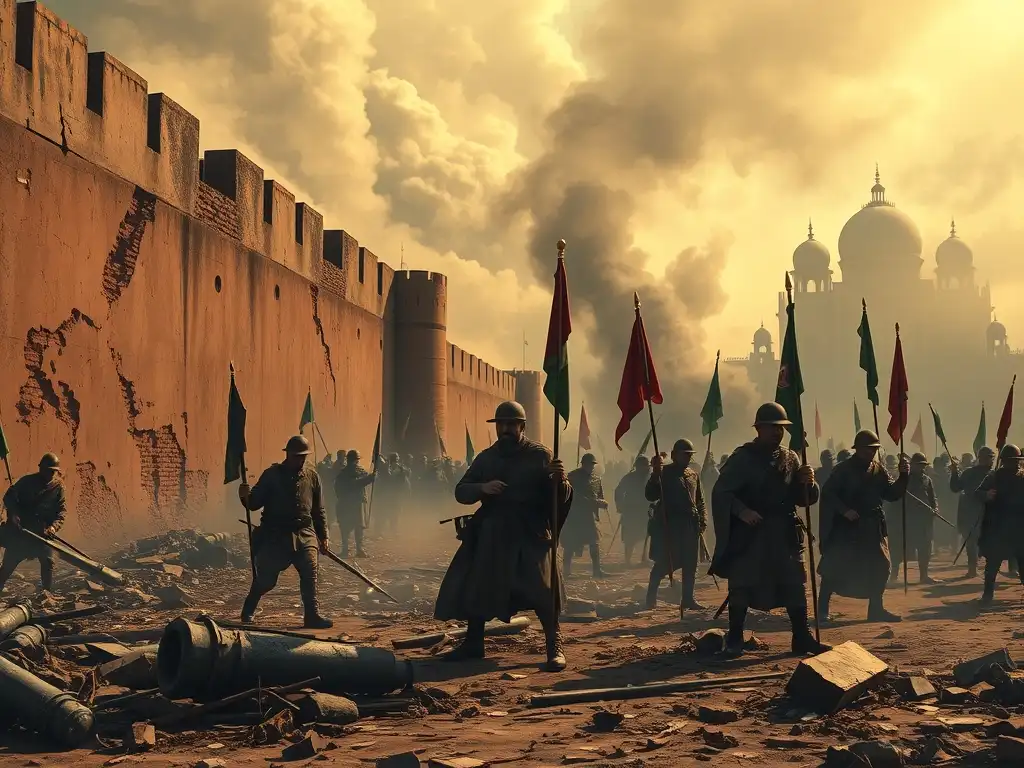
The Siege of Delhi had profound political ramifications that reshaped the landscape of power in India. The immediate aftermath of the siege saw a significant alteration in the control and governance of the region. Power vacuums created by the siege allowed various regional powers to assert their dominance, leading to a fragmented political scenario. This fragmentation not only affected Delhi but also had cascading effects on neighboring territories and regional kingdoms.
Shifts in Power Dynamics in India
Following the siege, the Mughal Empire, once a formidable force in India, experienced a steep decline in authority. The loss of Delhi as a political center diminished its influence over the subcontinent. Regional powers such as the Marathas and Sikhs capitalized on this decline, leading to a shift in the power dynamics within India.
The rise of local rulers and the consolidation of power by regional forces marked the beginning of a new era. The Marathas, in particular, emerged as a dominant force, expanding their influence across central and western India, which led to a series of conflicts with other emerging powers. The weakening of Mughal authority and the consequent rise of these regional kingdoms significantly altered the trajectory of Indian politics, resulting in a patchwork of competing states and alliances that would define the region for decades.
Influence on Subsequent Battles and Campaigns in India
The consequences of the Delhi siege extended beyond immediate political shifts; they also set the stage for subsequent military engagements across the subcontinent. The power struggles that ensued prompted various factions to engage in battles, seeking to establish or maintain dominance.
Notable campaigns, such as the Third Battle of Panipat in 1761, can be traced back to the disruptions initiated by the siege. As regional powers vied for control over the remnants of Mughal territories, the frequency and intensity of military confrontations increased, leading to a cycle of conflict that characterized much of the 18th century. The siege served as a catalyst, igniting a series of military conflicts that would ultimately reshape the political boundaries and power structures within India.
Cultural Impact of the Delhi Siege
The Siege of Delhi also had significant cultural repercussions that were felt throughout the subcontinent. The turmoil and violence of the siege left indelible marks on the cultural landscape of India, influencing art, literature, and collective memory.
Changes in Art and Literature Post-Siege
In the wake of the siege, art and literature underwent substantial transformations. The themes of loss, resilience, and the human experience during conflict became prevalent in various artistic expressions. Poets and writers began to reflect on the tragedy of the siege, using it as a backdrop to explore broader themes of identity and culture.
The fusion of artistic styles and the emergence of new genres can be attributed to the influences of the siege. For instance, the use of symbolism in literature became more pronounced, as writers sought to capture the emotional and psychological impacts of the events. Similarly, visual arts began to depict the stark realities of war, moving away from traditional representations to portray more poignant and evocative imagery that resonated with the populace.
The Siege's Influence on Historical Narratives and Memory
The memory of the Delhi siege has played a crucial role in shaping historical narratives in India. Over time, the event became emblematic of resistance and resilience against oppression, contributing to a collective memory that has been recounted in various forms.
Historians and scholars have engaged in extensive discourse regarding the siege, interpreting its significance from multiple perspectives. The narratives surrounding the siege have often been used to highlight themes of heroism, sacrifice, and the struggle for autonomy. Consequently, the siege has not only influenced historical writing but has also become a reference point in discussions about sovereignty and identity in Indian history.
Overall, the cultural impact of the Delhi siege continues to resonate, influencing contemporary interpretations of history and shaping the collective consciousness of the Indian populace.
Lessons Learned from the Delhi Siege
The Siege of Delhi, a pivotal event in Indian military history, offers a wealth of insights and lessons relevant to both military strategy and leadership. From the detailed tactics employed during the siege to the broader implications of command and morale, the consequences of this historical event continue to resonate in contemporary military studies and leadership discussions.
Tactical Lessons for Future Military Campaigns
One of the most significant tactical lessons gleaned from the Delhi Siege is the importance of logistics and supply lines. The besieging forces must ensure that they have adequate resources and reinforcements to sustain a prolonged engagement. The mismanagement of supplies and the breakdown of communication lines can lead to significant disadvantages.
Another critical takeaway is the value of terrain knowledge. The defenders of Delhi utilized their intimate understanding of the city’s geography to fortify positions and create obstacles for the attackers. Future military campaigns can learn from this by emphasizing reconnaissance and terrain analysis, which can dictate the success or failure of an operation.
Additionally, the siege highlighted the need for flexible tactics. As the situation evolved, both sides had to adapt their strategies in response to changing conditions, such as shifts in troop morale, supply issues, and unexpected counterattacks. This adaptability is crucial in any military campaign, where the battlefield is often unpredictable.
The Siege as a Case Study in Leadership and Strategy
Leadership during the Delhi Siege serves as a compelling case study in military strategy. The commanders on both sides faced immense pressure and had to make swift decisions that would affect the outcome of the siege. Effective communication and the ability to inspire troops became vital components of leadership.
The siege illustrated the significance of strategic alliances. The defenders of Delhi sought to bolster their ranks by rallying support from various factions, highlighting that collaboration can enhance resilience against a common threat. This aspect of leadership underscores the importance of fostering relationships with potential allies in military contexts.
Furthermore, the siege demonstrated the impact of morale on the effectiveness of forces. Both the besieging and defending troops experienced fluctuations in morale, which subsequently influenced their combat effectiveness. Leaders must recognize the psychological components of warfare, as maintaining high spirits can often be as crucial as superior strategy.
Conclusion
Summary of the Delhi Siege Historical Consequences
The historical consequences of the Delhi Siege are profound and multifaceted. The siege not only altered the immediate military landscape but also had lasting effects on the political and social structure of the region. The outcome shifted power dynamics and influenced subsequent conflicts in Indian history.
Additionally, the siege acted as a catalyst for administrative changes within the ruling powers, prompting a reevaluation of governance and military organization. The lessons learned from this event continue to inform military training and strategy today, emphasizing the importance of comprehensive planning and resource management.
Reflection on the Siege's Legacy in Indian History
The legacy of the Delhi Siege is woven into the fabric of Indian history, serving as a reminder of the complexities of warfare and its implications on society. It symbolizes the resilience and tenacity of the defenders, as well as the relentless ambition of the besieging forces.
Moreover, the siege is often referenced in discussions about national identity and the historical narratives that shape contemporary perceptions of conflict in India. By examining the siege through various lenses—military, political, and cultural—scholars and historians can better understand the intricate tapestry of India's past and its enduring influence on present-day society. The lessons derived from the Delhi Siege remain relevant, encouraging ongoing dialogue about strategy, leadership, and the consequences of conflict.
- Introduction to the Siege of Delhi
- Context of the Delhi Siege
- The Siege of Delhi: Events and Strategies
- Historical Consequences of the Delhi Siege
- Political Ramifications of the Delhi Siege
- Cultural Impact of the Delhi Siege
- Lessons Learned from the Delhi Siege
- Conclusion
Frequently Asked Questions
What were the main causes of the Delhi siege?
The Delhi siege was primarily caused by political instability, external invasions, and the desire for control over valuable resources and trade routes in the region.
How did the Delhi siege impact the local population?
The siege had devastating effects on the local population, leading to significant loss of life, displacement, and a decline in the socio-economic conditions of the affected communities.
What were the long-term historical consequences of the Delhi siege?
The historical consequences of the Delhi siege included a shift in political power, changes in administrative practices, and the rise of new dynasties that shaped the course of Indian history.
How did the Delhi siege influence later conflicts in India?
The events of the siege set a precedent for future military confrontations in India, influencing both strategies and alliances among various political entities that emerged later.
In what ways did the Delhi siege contribute to cultural changes?
The siege facilitated a cultural exchange as different groups were forced to interact, leading to the blending of traditions, languages, and artistic expressions that enriched Indian culture.
Final Reflection: Understanding the Lasting Consequences of the Delhi Siege
The Delhi Siege stands as a pivotal moment in history, shaping not only the course of the Indian Rebellion of 1857 but also the broader narrative of colonialism and resistance. Today, as we navigate complex socio-political landscapes, the lessons drawn from this event resonate deeply, reminding us of the enduring impact of conflict on national identity and collective memory. The siege was not merely a battle; it was a crucible that forged new realities and ideologies, highlighting the power struggles that continue to define our world.
The cultural and social ramifications of the Delhi Siege are profound and far-reaching. This historical event has influenced literature, art, and political discourse, serving as a reminder of the resilience of those who resist oppression. The stories of bravery and sacrifice during the siege continue to inspire movements for justice and equality. As noted by historian William Dalrymple, The Siege of Delhi was not just a military confrontation; it was a clash of civilizations, a moment that redefined the relationship between the colonizers and the colonized.
This ongoing dialogue about power dynamics and resistance underscores the importance of remembering and learning from our past.
As we reflect on the consequences of the Delhi Siege, I invite you to consider how these historical lessons can shape our actions today. What can we learn from the courage and determination of those who fought against oppression? As we face our own challenges, let us draw inspiration from their legacy and strive to foster understanding, empathy, and resilience in our communities. By engaging with history, we empower ourselves to create a future that honors the struggles of the past while promoting justice and equality for all.
Unveil the Legacy of the Siege of Delhi!
Thank you for diving into our exploration of the Siege of Delhi and its far-reaching consequences. Your interest in this pivotal moment in history helps illuminate the complexities of our past, enriching our understanding of ancient India.
Now, let’s take that knowledge a step further! Here are some engaging actions you can take:
- Delve deeper: Research the influential leaders and soldiers who played critical roles during the siege to gain insights into their motivations and actions.
- Share your thoughts: Join our community by leaving a comment below or discussing the siege on social media. Your perspective is invaluable!
- Explore related events: Examine the significant societal changes that emerged following the siege to better understand its lasting impact on future generations.
What new perspectives have you gained from learning about the Siege of Delhi, and how do you think they shape our understanding of modern India?