
The Global Influence of Ancient Indian Scripts on Neighboring Civilizations

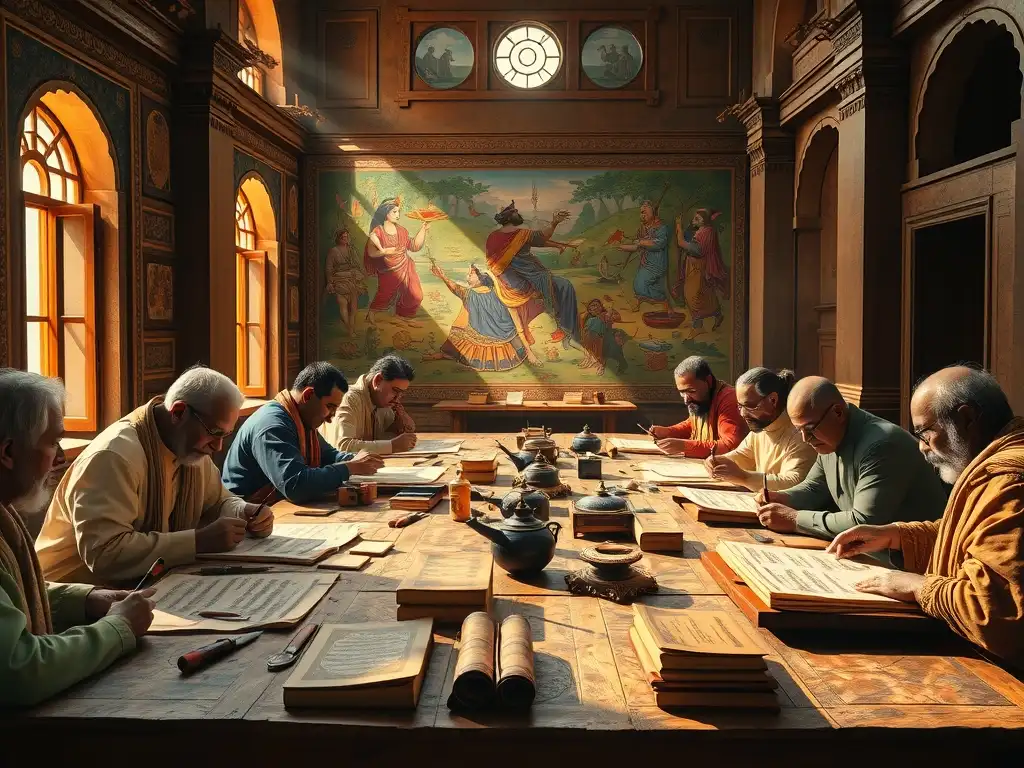
Welcome to Ancient India History, where we embark on a fascinating journey through time, unraveling the rich tapestry of ancient Indian civilizations. Here, you'll discover how the influence of ancient Indian scripts transcended borders, shaping the cultures and languages of neighboring civilizations. Dive into our latest article, "The Global Influence of Ancient Indian Scripts on Neighboring Civilizations," and uncover the profound impact these inscriptions have had on the world. Prepare to be captivated as we explore the intricate connections between scripts and the legacies they left behind!

Introduction to Ancient Indian Scripts Influence
The influence of ancient Indian scripts extends far beyond the subcontinent, weaving a rich tapestry of linguistic and cultural exchanges that shaped the narratives of neighboring civilizations. From the sophisticated symbols of the Indus Valley Civilization to the intricate characters of Brahmi and Kharosthi, ancient Indian scripts have played a pivotal role in the spread of knowledge, trade, and religious beliefs across regions. This article delves into the profound impact that these scripts have had on the development of writing systems in Asia and beyond, highlighting their significance and the legacies they have left behind.
Overview of Ancient Indian Scripts
Ancient Indian scripts can be traced back to several key historical periods, each contributing uniquely to the evolution of written communication. The earliest known script, the Indus Valley script, remains undeciphered, yet its existence signifies an advanced level of urbanization and administrative capabilities within the civilization. Following this, the Brahmi and Kharosthi scripts emerged around the 3rd century BCE, marking a substantial advancement in the representation of sounds and phonetics in writing.
These scripts not only facilitated the documentation of administrative records and trade transactions but also served as mediums for religious texts, literature, and philosophical discourse. The adaptability of these scripts allowed them to be modified and adopted by various cultures, leading to the creation of numerous regional scripts across South and Southeast Asia.
Importance of Scripts in Historical Context
The significance of ancient Indian scripts extends beyond mere communication; they are crucial in understanding the socio-political landscape of ancient India. Scripts were instrumental in the administration of empires, enabling the codification of laws and governance. Moreover, they played a vital role in the dissemination of religious ideologies, especially Buddhism and Jainism, which traveled along trade routes, bringing with them the written word.
In a broader context, the scripts influenced neighboring civilizations, contributing to the development of writing systems in countries such as Nepal, Sri Lanka, and even regions as far as Southeast Asia. The cultural exchanges facilitated by these scripts fostered a shared heritage, enriching the historical narrative of the region.
Historical Background of Ancient Indian Scripts
Evolution of Writing in Ancient India
The evolution of writing in ancient India can be seen as a reflection of the societal changes and technological advancements of the time. The transition from oral tradition to written communication marked a significant turning point, enabling the preservation of knowledge for future generations. Early forms of writing were primarily pictographic, gradually evolving into phonetic scripts that represented sounds more accurately.
The introduction of the Brahmi script, attributed to Emperor Ashoka, represents a key milestone in this evolution. It is considered one of the earliest scripts to use a systematic approach to phonetics, allowing for a more nuanced expression of language. This innovation not only facilitated administrative tasks but also laid the groundwork for future scripts in the region.
Major Ancient Indian Scripts and Their Characteristics
Among the most notable ancient Indian scripts are Brahmi, Kharosthi, and the various regional derivatives that emerged over time.
| Script | Characteristics | Usage |
|---|---|---|
| Brahmi | Linear, characterized by rounded shapes; used for inscriptions and manuscripts | Widely used across India and influenced many other scripts |
| Kharosthi | Right-to-left writing with angular shapes; often used for Buddhist texts | Primarily found in the northwest regions of India and Central Asia |
| Tamil | Distinctive curves and dots; used for the Tamil language | Evolved into a classical script, still in use today |
These scripts not only served functional purposes but also encapsulated the artistic expressions of their time, influencing the aesthetic dimensions of writing and literature across civilizations. The continued study and deciphering of these scripts reveal the depth of their influence and the interconnectedness of ancient cultures.
Influence of Ancient Indian Scripts on Neighboring Civilizations
Ancient Indian scripts, particularly Brahmi and its derivatives, have had a profound influence on the writing systems of several neighboring civilizations across Asia. This influence is evident in the adoption and adaptation of these scripts, which facilitated cultural exchanges and the spread of ideas, religions, and administrative practices. As trade routes expanded and empires grew, the scripts served as a medium for communication, connecting diverse cultures and facilitating their interactions. The legacy of these scripts is not only seen in the written language but also in the cultural and historical narratives that emerged in the regions influenced by them.
Spread of Ancient Indian Scripts Across Asia
The spread of ancient Indian scripts began primarily during the Mauryan Empire (322–185 BCE) when Emperor Ashoka embraced Buddhism and sent missionaries across Asia. This not only promoted Buddhism but also the Brahmi script, which was used to write the edicts inscribed on pillars and rocks. As these edicts were translated and adapted, the Brahmi script laid the groundwork for numerous other scripts, such as the Khmer script in Cambodia, the Thai script, and the various scripts used in Myanmar and Sri Lanka.
The geographical reach of these scripts extended through trade routes and conquests. Merchants, travelers, and monks played pivotal roles in carrying the scripts beyond Indian borders, leading to their incorporation into local languages and dialects. For instance, the influence of Brahmi is visible in the Kawi script of Java, which emerged around the 8th century CE and became a significant writing system in the region for centuries.
Case Study: Brahmi Script and Its Impact on Southeast Asia
The Brahmi script stands as a prime example of ancient Indian scripts influencing Southeast Asia. As Indian traders established routes to Indonesia, Malaysia, and beyond, the use of Brahmi for religious and trade purposes facilitated its adaptation into local writing systems. The Kawi script, derived from Brahmi, became the primary script for writing Old Javanese and played a crucial role in the dissemination of Hindu-Buddhist culture in the region.
Moreover, inscriptions found in places like Borobudur and Prambanan reveal how Brahmi influenced the development of local scripts and the spread of religious texts. The inscriptions, often in Sanskrit and Old Javanese, illustrate the cultural synthesis that occurred as Southeast Asian societies integrated Indian literary and religious traditions into their own.
Influence on Neighboring Cultures: A Comparative Analysis
A comparative analysis of ancient Indian scripts reveals the extent of their influence on neighboring cultures. For example, the development of the Tibetan script was significantly inspired by Brahmi. As Buddhism spread into Tibet, so did the writing system, which adapted Brahmi's phonetic structure to suit the Tibetan language. This adaptation allowed for the transcription of Buddhist texts, ensuring the preservation of religious teachings and facilitating the spread of Buddhism in Central Asia.
Similarly, the emergence of the Sinhala script in Sri Lanka can be traced back to the Brahmi script. The historical connection between India and Sri Lanka, marked by trade and cultural exchange, led to the development of a script that served both practical and literary purposes, allowing for the flourishing of Sinhalese literature.
Key Features of Ancient Indian Scripts That Inspired Others
The key features of ancient Indian scripts, particularly their phonetic structure and artistic elements, played a significant role in their influence on neighboring civilizations. These features not only made the scripts adaptable to different languages but also appealing for artistic representation.
Phonetic Structure and Linguistic Innovations
One of the standout characteristics of ancient Indian scripts is their phonetic structure, which allows for a precise representation of sounds. The Brahmi script, for instance, is an abugida, meaning that each character represents a consonant with an inherent vowel sound. This system of writing is particularly efficient for transcribing the sounds of various languages, making it easier for neighboring cultures to adopt and modify these scripts to suit their linguistic needs.
The innovations in linguistic representation found in ancient Indian scripts influenced the development of phonetic scripts across Asia. For example, the Devanagari script, which evolved from Brahmi, retains the same phonetic principles and is used for languages such as Hindi and Sanskrit. This adaptability has allowed for a rich literary tradition to flourish in India and its neighboring regions.
Artistic Elements in Ancient Scripts
The artistic aspects of ancient Indian scripts also contributed to their appeal and influence. The intricate designs and decorative elements of scripts like Brahmi and Kharosthi not only served functional purposes but also became a form of artistic expression. The aesthetic appeal of these scripts inspired neighboring cultures to incorporate similar artistic features into their own writing systems.
Inscriptions on temples and monuments often showcased elaborate calligraphy, reflecting the cultural significance of the written word. This artistic tradition influenced the development of regional scripts, as seen in the ornate styles of the Khmer and Thai scripts, which adopted and adapted elements from ancient Indian scripts to create visually striking texts that conveyed both meaning and beauty.
The Role of Trade and Cultural Exchange in Script Influence

Ancient Indian scripts, particularly Brahmi and Kharosthi, played a pivotal role in shaping the writing systems of neighboring civilizations. The exchange of goods, ideas, and culture along trade routes facilitated not only economic transactions but also the sharing of knowledge, including linguistic and scriptural elements. Merchants, travelers, and scholars acted as conduits for this exchange, ensuring that the influence of Indian scripts reached far beyond the subcontinent.
The flourishing trade networks, especially during the Mauryan and Gupta Empires, served as a melting pot of cultures. These routes connected India with regions such as Central Asia, Southeast Asia, and the Middle East. As traders and emissaries moved along these paths, they brought with them not only products but also the linguistic and cultural heritage of India, which included its scripts. This interaction led to the gradual adaptation and incorporation of Indian scripts into local writing systems, facilitating literacy and record-keeping in various cultures.
Trade Routes Facilitating Script Dissemination
Key trade routes, such as the Silk Road and maritime pathways, were instrumental in disseminating ancient Indian scripts. The Silk Road, in particular, connected India with the Middle East and beyond, allowing for a vibrant exchange of not just goods but also ideas and scripts. Merchants traveling these routes would often carry texts, inscriptions, and even religious manuscripts, exposing distant lands to the written forms of the Indian languages.
The maritime trade routes linking India with Southeast Asia further expanded the reach of Indian scripts. The Indianized kingdoms of Southeast Asia, such as those in present-day Indonesia and Malaysia, adopted Indian scripts, which were crucial for administrative and religious purposes. Archaeological findings, including inscriptions in Brahmi and its derivatives, highlight the profound impact of these trade routes on the local cultures and their writing systems.
Cultural Interactions and Their Impact on Writing Systems
Cultural interactions were equally significant in the spread of ancient Indian scripts. As Indian influence permeated neighboring regions, local rulers and elites often adopted Indian cultural practices, including writing systems, to legitimize their authority and enhance their governance. For instance, the adoption of Brahmi in the inscriptions of Southeast Asian kingdoms is a testament to how cultural assimilation influenced local writing practices.
Moreover, the spread of Buddhism and Hinduism played a crucial role in this cultural exchange. As these religions traveled to various regions, they brought with them not just religious texts but also the scripts used to write them. This resulted in the incorporation of Indian scripts into Buddhist and Hindu narratives in places like Sri Lanka and Cambodia, where inscriptions in local languages began to reflect Indian script influences.
Resistance and Adaptation: Neighboring Civilizations’ Responses
Despite the widespread influence of ancient Indian scripts, neighboring civilizations exhibited varying responses, characterized by both resistance and adaptation. While some cultures embraced these scripts wholeheartedly, others sought to preserve their indigenous writing systems, leading to a complex dynamic of influence and autonomy.
Adaptation of Ancient Indian Scripts in Local Contexts
Many civilizations that encountered Indian scripts chose to adapt them to suit their linguistic needs. For example, the emergence of scripts like the Thai and Khmer scripts can be traced back to the adaptation of Brahmi. These adaptations often involved modifying the phonetic structures to better represent local languages, showcasing the flexibility and resilience of writing systems in the face of external influences.
This process of adaptation allowed for the creation of unique identities within the framework of Indian script influence. The local scripts not only maintained their distinctiveness but also enriched the cultural tapestry of the regions, reflecting a blend of indigenous and Indian elements.
Preservation of Indigenous Scripts Amidst Influence
In contrast to adaptation, some civilizations resisted the encroachment of Indian scripts, striving to preserve their indigenous writing systems. This resistance can be observed in regions with strong historical and cultural identities, where local scripts were deeply ingrained in the societal fabric. For instance, the Sogdian script in Central Asia and the various local scripts in the Indian subcontinent, such as Tamil and Kannada, remained resilient against the overwhelming influence of Brahmi.
The preservation of these indigenous scripts is a testament to the cultural pride and identity of these civilizations. They recognized the value of their writing systems as carriers of history, tradition, and local governance, ensuring that their unique narratives continued to be told in their own voices, even in the face of external influences.
The Legacy of Ancient Indian Scripts in Contemporary Context
The legacy of ancient Indian scripts extends far beyond their original context, influencing a myriad of cultures and languages throughout history. The scripts, such as Brahmi and Kharosthi, were pivotal in the documentation of religious texts, administrative records, and literary works. Their significance lies not only in the information they convey but also in the way they have shaped the linguistic landscape of South Asia and beyond.
In contemporary times, the impact of these ancient scripts can be seen in various aspects of cultural identity and linguistic development. Scholars and linguists recognize the value of studying these scripts to understand the evolution of language and writing systems. The resurgence of interest in ancient Indian scripts has led to their inclusion in educational curricula, promoting awareness of their historical importance and fostering a deeper appreciation of India's rich cultural heritage.
Furthermore, the ongoing efforts to digitize and preserve these ancient texts have made them accessible to a global audience. This accessibility has allowed for cross-cultural exchanges and collaborations, reinforcing the idea that ancient Indian scripts are not merely relics of the past but active participants in the ongoing dialogue of human civilization.
Modern Descendants of Ancient Indian Scripts
Ancient Indian scripts have given rise to several modern writing systems, showcasing the adaptability and resilience of the cultural and linguistic heritage rooted in these early forms of communication. Some notable descendants include:
- Devanagari: This script, used for several languages including Hindi, Sanskrit, and Marathi, traces its lineage back to Brahmi. Devanagari's structure and phonetic principles reflect the innovations of ancient scribes.
- Bengali and Assamese Scripts: These scripts evolved from the Brahmi script and are used primarily for the Bengali and Assamese languages. They exhibit unique stylistic features while retaining core elements from their ancestral roots.
- Gurmukhi: The script used for Punjabi, Gurmukhi is also derived from Brahmi. It has played a vital role in the preservation and propagation of Sikh religious texts.
- Tamil Script: Although distinct, Tamil script shows influences from ancient Indian scripts, particularly in its phonetics and structure, highlighting a shared cultural heritage.
These modern scripts not only serve practical communication purposes but also embody the historical narratives and cultural identities of the regions they represent.
Influence on Current Languages and Scripts in the Region
The influence of ancient Indian scripts on current languages and scripts in the region is profound and multifaceted. Many contemporary languages owe their alphabetic systems and phonetic structures to ancient scripts like Brahmi and Kharosthi. This influence is particularly evident in various Indo-Aryan and Dravidian languages, which have integrated elements from these ancient writing systems into their own.
For instance, languages such as Hindi, Marathi, and Bengali utilize scripts that have evolved from Brahmi, ensuring that the linguistic features established centuries ago continue to resonate in modern communication. The phonetic accuracy and adaptability of these scripts have enabled them to accommodate the sounds of numerous languages, fostering a rich tapestry of linguistic diversity across South Asia.
In addition, the cultural connections fostered by these scripts have facilitated the exchange of ideas, literature, and philosophies between neighboring civilizations. This historical interconnectivity underscores the importance of ancient Indian scripts as a bridge for cross-cultural interactions, influencing not just language, but also art, literature, and religious practices.
Conclusion: The Lasting Impact of Ancient Indian Scripts Influence
The influence of ancient Indian scripts is a testament to their enduring legacy in shaping not only the languages of South Asia but also the broader cultural and intellectual landscapes of neighboring civilizations. As we explore this influence, it becomes clear that these scripts are more than mere historical artifacts; they are living legacies that continue to inform contemporary language and culture.
Summary of Key Points
- Ancient Indian scripts, particularly Brahmi and Kharosthi, have significantly influenced the development of modern writing systems in South Asia.
- They have given rise to several modern scripts, including Devanagari, Bengali, Gurmukhi, and Tamil, all of which reflect elements of their ancient predecessors.
- The phonetic structures and linguistic features derived from these scripts are integral to the current languages in the region, fostering a rich diversity of expression and communication.
- The cultural linkages established through these ancient scripts have facilitated cross-cultural exchanges, highlighting their role in the historical narrative of human civilization.
Reflection on the Importance of Ancient Scripts in Global History
The importance of ancient Indian scripts in global history cannot be overstated. They serve as a critical link between ancient and modern civilizations, illustrating how language and writing systems evolve while retaining their foundational elements. The study of these scripts offers valuable insights into the cultural, social, and intellectual dynamics of past societies, enriching our understanding of human history as a whole.
As we continue to unravel the complexities of ancient scripts and their influences, we are reminded of the interconnectedness of cultures and the timeless nature of human expression. The legacy of ancient Indian scripts is indeed a crucial chapter in the broader story of global civilization, one that continues to inspire and inform our present and future.
- Introduction to Ancient Indian Scripts Influence
- Historical Background of Ancient Indian Scripts
- Influence of Ancient Indian Scripts on Neighboring Civilizations
- Key Features of Ancient Indian Scripts That Inspired Others
- The Role of Trade and Cultural Exchange in Script Influence
- Resistance and Adaptation: Neighboring Civilizations’ Responses
- The Legacy of Ancient Indian Scripts in Contemporary Context
- Conclusion: The Lasting Impact of Ancient Indian Scripts Influence
Frequently Asked Questions
What are ancient Indian scripts?
Ancient Indian scripts refer to the writing systems developed in India, notably Brahmi and Kharosthi, which served as the foundation for many modern scripts in South Asia.
How did ancient Indian scripts influence neighboring civilizations?
The influence of ancient Indian scripts extended beyond India, impacting the writing systems of several neighboring cultures, including those in Southeast Asia and Central Asia, facilitating communication and trade.
What is the significance of the Brahmi script?
The Brahmi script is significant as it is considered the ancestor of many writing systems in India and Southeast Asia, showcasing the cultural exchange that occurred through trade and conquests.
How did trade contribute to the spread of these scripts?
Trade routes facilitated the exchange of ideas, culture, and technology, allowing ancient Indian scripts to spread and be adapted by various civilizations, leading to a shared literary heritage.
Are there modern languages that trace their roots to ancient Indian scripts?
Yes, many modern languages in India, such as Hindi and Bengali, as well as scripts in Nepal and Sri Lanka, can trace their roots back to ancient Indian scripts, showcasing their lasting impact.
Final Reflection: The Enduring Legacy of Ancient Indian Scripts
The influence of ancient Indian scripts extends far beyond their geographical origins, shaping the cultural and intellectual landscapes of neighboring civilizations. Today, as we navigate a world increasingly defined by globalization and interconnectedness, it is crucial to recognize how these ancient forms of writing have not only preserved knowledge but also fostered a rich tapestry of shared heritage. The profound impact of these scripts serves as a reminder of the power of language to bridge divides and cultivate understanding among diverse peoples.
The legacy of ancient Indian scripts is woven into the very fabric of many cultures, influencing literature, religion, and governance across borders. Their adaptability and resilience have allowed them to thrive and evolve, leaving an indelible mark on the societies that embraced them. As noted by historian Romila Thapar, The scripts were not merely tools of communication; they were vessels of culture that carried ideas and philosophies across time and space.
This observation highlights the ongoing relevance of these scripts in contemporary discussions about identity and cultural exchange, emphasizing the importance of recognizing and honoring our shared histories.
As we reflect on the lessons imparted by the ancient Indian scripts, let us consider how we can apply their spirit of collaboration and innovation in our own lives. Take a moment to explore the rich tapestry of your own cultural heritage and seek connections with others.
By embracing the diversity of our backgrounds and learning from one another, we can continue to foster a world that values understanding and celebrates the beauty of shared knowledge. The legacy of ancient Indian scripts is not just a chapter in history; it is an invitation for us to engage with the past and shape a more inclusive future.
Thank you for diving into the fascinating world of ancient Indian scripts and their profound impact on neighboring civilizations! You've gained insights into how these scripts shaped cultures and societies throughout history. Now, it's time to take this knowledge further and explore the connections that still resonate today.
Here are some exciting steps you can take right now:
- Dive Deeper: Research a neighboring civilization that was influenced by Indian scripts and share your findings on social media to spark discussions within your networks.
- Join the Conversation: Participate in online forums or local history groups focused on ancient cultures to broaden your understanding and connect with others who share your passion.
- Visit a Museum: Explore exhibitions featuring ancient scripts or artifacts from the Indian subcontinent to experience this rich history firsthand.
Which ancient script resonates with you the most, and how do you think it has influenced modern cultures? Share your thoughts below!