
The Role of Festivals and Rituals in Sangam Poetry: Celebrating Life and Nature

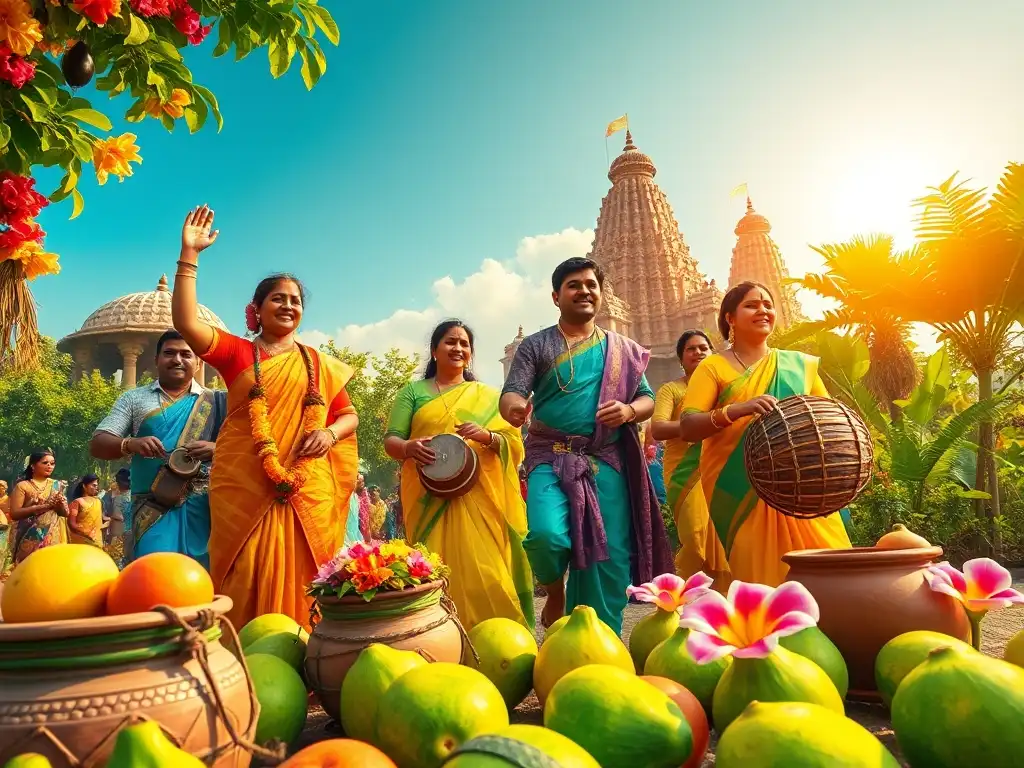
Welcome to Ancient India History, where we invite you to journey through the vibrant tapestry of ancient Indian civilizations! Today, we delve into the fascinating world of Sangam poetry festivals and rituals, a celebration that intricately weaves together life, nature, and artistry. Discover how these age-old traditions not only reflect the cultural richness of the Tamil landscape but also offer profound insights into the human experience.
Join us as we explore the enchanting role of festivals and rituals in Sangam poetry, and unlock the secrets of a bygone era that continue to resonate in our lives today. Are you ready to uncover the stories that shaped a civilization? Dive in!
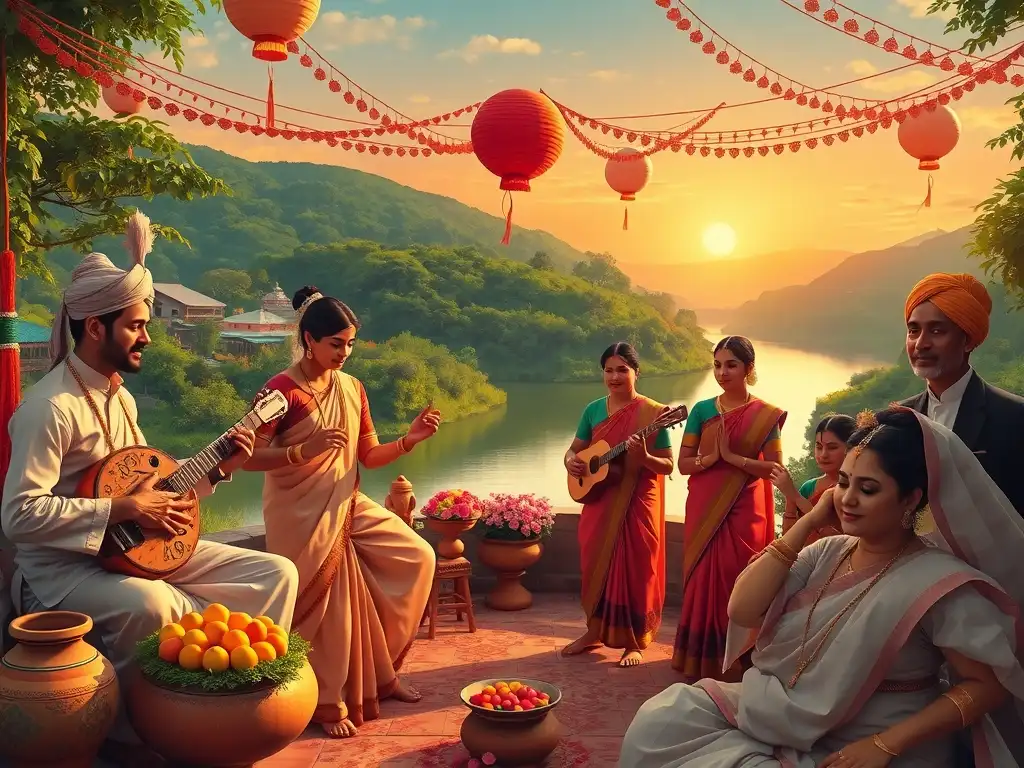
Sangam poetry, a cornerstone of ancient Tamil literature, encapsulates the vibrant tapestry of life in the Tamil region during the Sangam period (approximately 300 BCE to 300 CE). This poetic tradition not only reflects the social, political, and emotional landscapes of its time but also intertwines deeply with the festivals and rituals that were integral to the lives of the people.
The celebrations of life and nature in Sangam poetry highlight the profound connection between humans and their environment, portraying how festivals serve as a medium for community bonding and cultural expression. By exploring the significance of these festivals and rituals, we uncover the essential role they played in shaping the ethos of ancient Indian culture and their enduring influence on Tamil literature.
Introduction to Sangam Poetry
Definition and Historical Context of Sangam Literature
Sangam literature refers to a body of ancient Tamil texts composed between the early centuries of the Common Era. It is characterized by its poetic forms, which include akkam (inner), puram (outer), and kalavu (thematic). This literature was produced by a group of poets known as the Sangam poets, who were supported by various kings and chieftains of the time.
The works often celebrate themes of love, valor, and the beauty of nature, while also reflecting the socio-political realities of the era. The Sangam age is notable for its rich cultural exchanges and the flourishing of the Tamil language, making it a remarkable period in the history of Indian literature.
Importance of Festivals and Rituals in Ancient Indian Culture
Festivals and rituals have always been pivotal in ancient Indian culture, acting as markers of time and community identity. They provide a framework for social cohesion, enabling people to come together in celebration and observance. Festivals often align with agricultural cycles, seasonal changes, and significant life events, reflecting the agrarian lifestyle of ancient societies.
The rituals associated with these festivals not only honor deities and nature but also serve to reinforce cultural values and traditions, ensuring their transmission across generations. In the context of Sangam poetry, these festivals are vividly depicted, showcasing the integral relationship between human life and the natural world.
Festivals in Sangam Poetry
Overview of Key Festivals Celebrated in Sangam Period
The Sangam period saw the celebration of various festivals, each imbued with cultural significance. Among the most notable were festivals such as Pongal, a harvest festival celebrating the bounty of the land, and Thiruvizha, which marked the onset of the rainy season. These festivals were characterized by vibrant rituals, music, dance, and communal feasting, which are frequently referenced in Sangam poetry. The poets often used these celebrations as a backdrop to express emotions, social values, and the beauty of nature, thus enriching the poetic narrative.
The Significance of Seasonal Festivals in Sangam Poetry
Seasonal festivals play a crucial role in Sangam poetry, symbolizing the cyclical nature of life and the connection between humanity and the earth. These festivals are often depicted as moments of renewal, where the changing seasons bring forth new life and opportunities. The poets celebrate the vibrancy of nature during these times, reflecting on themes of fertility, love, and the transient beauty of life. By illustrating the interplay between the seasons and human experience, Sangam poetry elevates these festivals to a spiritual level, emphasizing their importance in the cultural consciousness of ancient Tamil society.
Rituals Associated with Agricultural Festivals in Sangam Literature
Agricultural festivals, particularly those related to harvests, are rich in rituals that underscore their significance in the agrarian society of the Sangam period. Rituals such as offering the first fruits to deities, performing dances, and engaging in communal prayers are vividly portrayed in Sangam poetry. These rituals not only express gratitude to the divine for the sustenance provided but also reinforce communal bonds among participants. The poets skillfully weave these elements into their verses, illustrating how these rituals serve as a celebration of life, nature, and the interconnectedness of the community.
The role of festivals and rituals in Sangam poetry is both profound and multifaceted. They serve as essential touchstones in understanding the cultural and emotional landscape of ancient Tamil society, celebrating the intricate relationship between humanity and the natural world.
Rituals in Sangam Poetry
Sangam poetry, a hallmark of ancient Tamil literature, intricately intertwines rituals and cultural expressions. These poems, composed between 300 BCE and 300 CE, reflect the lives of the people and their relationship with nature, society, and spirituality. Rituals form a significant aspect of this poetic tradition, showcasing how daily practices and communal activities are celebrated and revered. The depiction of rituals in Sangam poetry not only emphasizes the cultural significance of these practices but also serves as a medium for poets to convey deeper philosophical insights and emotional connections to the world around them.
The rituals portrayed in Sangam poetry encompass various aspects of life, including agricultural practices, religious ceremonies, and community gatherings. Through vivid imagery and emotive language, poets encapsulate the essence of these rituals, highlighting their role in fostering a sense of belonging and identity within the community. The interplay of rituals and nature in these works emphasizes the cyclical relationship between human life and the environment, illustrating how the two are inextricably linked.
Types of Rituals Reflected in Sangam Poems
Sangam poetry encompasses a diverse array of rituals that reflect the multifaceted nature of Tamil culture. The types of rituals depicted in these poems can be broadly categorized into:
- Agricultural Rituals: These rituals celebrate the agricultural calendar, emphasizing the importance of farming and seasonal changes. Poems often describe the planting and harvesting of crops, imbued with prayers for bountiful yields and gratitude for the earth’s gifts.
- Religious Rituals: Many poems highlight ceremonies dedicated to deities, showcasing the spiritual beliefs of the community. These rituals often involve offerings, chants, and festivals, which serve to connect individuals with the divine and seek blessings for prosperity and protection.
- Social and Community Rituals: These include gatherings for celebrations such as weddings, births, and local festivals. The community’s collective participation in these rituals fosters a sense of unity and cultural identity, as they share in the joys and sorrows of life together.
- Rituals of Mourning: Poems also reflect rituals associated with death and mourning, underscoring the significance of honoring the deceased and processing grief within the community.
Through these varied rituals, Sangam poetry captures the essence of Tamil life, revealing how cultural practices are woven into the fabric of daily existence.
The Role of Personal and Community Rituals in Expressing Cultural Identity
Personal and community rituals play a pivotal role in expressing and preserving cultural identity within Sangam poetry. Individual rituals, such as personal prayers or rites of passage, allow poets to convey their innermost thoughts and emotions, while community rituals foster a shared sense of belonging.
- Personal Rituals: These might include acts of devotion, such as visiting temples, performing daily prayers, or undertaking pilgrimages. Such personal practices reflect the individual's relationship with spirituality and often serve as a source of comfort and strength during challenging times.
- Community Rituals: The communal aspect of rituals is crucial in reinforcing cultural identity. Festivals, communal prayers, and collective celebrations create a shared narrative that binds individuals together. These rituals are often depicted in Sangam poetry as joyous occasions filled with music, dance, and feasting, thereby enhancing the sense of community and cultural pride.
In essence, the interplay of personal and community rituals in Sangam poetry highlights the significance of shared traditions in reinforcing cultural identity and preserving the collective memory of the Tamil people.
Rituals as a Reflection of Nature and Life Cycles in Sangam Poetry
In Sangam poetry, rituals are often depicted as integral to the natural world and the cycles of life. The relationship between rituals and nature is profound, as they often mirror the rhythms of the seasons, agricultural practices, and human experiences.
- Nature's Influence on Rituals: Many rituals are closely tied to seasonal changes, such as monsoons and harvests. Poets describe the beauty of blooming flowers, the joy of rain, and the bounty of crops, which are celebrated through various rituals. This connection underscores the importance of nature in shaping human experiences and cultural practices.
- Life Cycles and Rituals: The poetry reflects the various life stages—birth, marriage, and death—each accompanied by specific rituals. These life events are portrayed as milestones that connect individuals to their heritage and the natural order. For instance, the birth of a child might be celebrated with rituals invoking fertility and abundance, while death rituals honor the cycle of life and the inevitable return to nature.
Through these reflections, Sangam poetry illustrates how rituals serve as a bridge between humanity and the natural world, emphasizing the interconnectedness of life, nature, and cultural practices.
Themes of Life and Nature in Sangam Poetry
The themes of life and nature are central to Sangam poetry, serving as a backdrop for the exploration of human emotions, societal norms, and cultural values. These themes are intricately woven into the fabric of the poetry, highlighting the profound connection between the human experience and the natural world.
Celebration of Nature through Festivals in Sangam Verses
Festivals in Sangam poetry are vibrant celebrations that honor nature and its cycles. Poets vividly depict the splendor of nature during these festivities, often using rich imagery and sensory language to convey the essence of the celebrations.
- Seasonal Festivals: Many poems celebrate specific agricultural festivals, which align with the harvesting of crops or the changing of seasons. These festivals are marked by communal joy, rituals, and offerings to deities, reflecting gratitude for nature's bounty.
- Cultural Significance: The celebration of nature through festivals not only highlights the beauty of the environment but also reinforces the cultural identity of the Tamil people. These events serve as communal gatherings that strengthen societal bonds while honoring the cycles of life.
By capturing the essence of these celebrations, Sangam poetry promotes an appreciation for nature's beauty and humanity's dependence on it.
Life Events and Their Connection to Rituals in Sangam Literature
Sangam poetry intricately connects life events with the rituals that accompany them, illustrating how these experiences shape individual and collective identities.
- Birth and Initiation Ceremonies: The arrival of a child is often celebrated with rituals that invoke blessings for health and prosperity. These ceremonies signify the continuation of lineage and the community's role in nurturing new life.
- Marriage Rituals: Marriage is depicted as a vital life event, surrounded by elaborate rituals that symbolize unity and the blending of families. These rituals are essential in affirming social ties, cultural values, and traditions.
- Mortuary Practices: The rituals surrounding death reflect the community's beliefs about life after death, emphasizing respect for the deceased and the importance of remembrance.
Through these connections, Sangam poetry reveals the significance of rituals in framing the human experience, highlighting how life events are celebrated and mourned within the cultural context.
The Symbolism of Nature in Celebratory Contexts
Nature serves as a powerful symbol in Sangam poetry, particularly in celebratory contexts. The imagery of nature often reflects emotions, societal norms, and the spiritual essence of rituals.
- Symbolism of Flora and Fauna: Poets frequently use flowers, rivers, and animals as symbols of beauty, love, and fertility. These elements are woven into the fabric of celebrations, enhancing the emotional depth of the poetry.
- Natural Elements as Metaphors: The changing seasons, such as the arrival of spring or the monsoon rains, are employed as metaphors for renewal and rebirth. Such symbolism resonates deeply with the themes of life, growth, and continuity that are central to Sangam poetry.
The symbolism of nature in celebratory contexts within Sangam poetry serves to deepen the emotional resonance of the rituals and festivals depicted, reinforcing the interconnection between humanity and the natural world.
The Interconnection of Festivals, Rituals, and Sangam Poetry
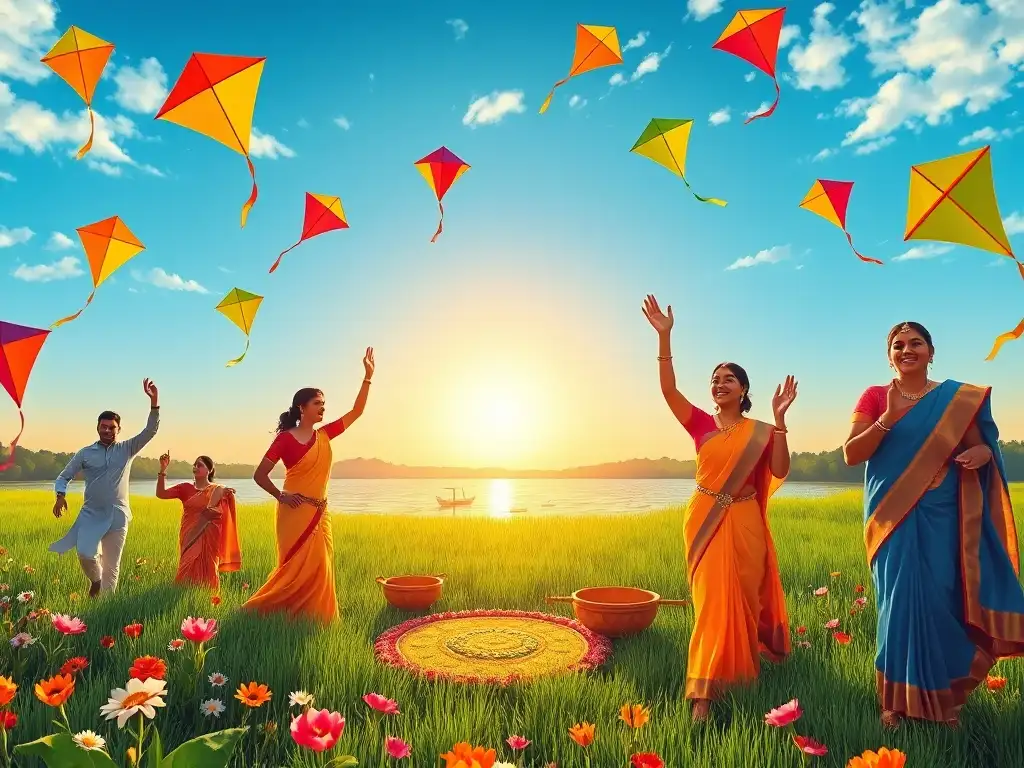
Sangam poetry, a hallmark of Tamil literature, intricately weaves the themes of festivals and rituals into its fabric, reflecting the socio-cultural ethos of ancient Tamil society. Festivals and rituals were not merely events; they were communal experiences that shaped the lives of individuals and the collective identity of communities. In Sangam literature, these elements serve as a backdrop against which human emotions, nature, and the divine interact. The poets celebrated the cyclical nature of life, epitomized in agricultural cycles, seasonal changes, and various festivities that punctuated the Tamil calendar.
The interconnection is most evident in the Aham and Puram sections of Sangam poetry, which explore themes of love and valor, respectively. Festivals often act as a catalyst for these themes, providing a rich context for the exploration of human relationships, social bonds, and the reverence for nature. By emphasizing the interconnectedness of life, nature, and spirituality, Sangam poets encapsulate the essence of their cultural heritage.
How Festivals Enhance the Themes of Sangam Poetry
Festivals in Sangam poetry often enhance themes of love, community, and nature by providing a celebratory context in which human experiences unfold. For instance, the celebration of Pongal, a harvest festival, symbolizes abundance and gratitude towards nature. The poets use this festival to depict the joy and togetherness of families, often highlighting the beauty of the natural world and its nurturing role in human life.
Moreover, festivals serve as a narrative device that allows poets to explore complex emotional landscapes. The joyous atmosphere of a festival can contrast sharply with themes of longing and separation, creating a powerful emotional resonance. This duality is beautifully captured in poems where the festive spirit amplifies emotions, illustrating how celebrations can simultaneously evoke joy and nostalgia.
Festivals also play a pivotal role in the communal aspect of Sangam poetry. They are depicted as moments of social unity, where individuals come together to celebrate shared traditions and values. This communal experience reinforces bonds among people and highlights the importance of collective identity, making festivals a central theme in the exploration of human relationships in Sangam literature.
The Influence of Rituals on Poetic Expression in the Sangam Period
Rituals, integral to the daily lives of ancient Tamils, significantly influenced the poetic expression of the Sangam period. These rituals, often connected to religious practices, agricultural cycles, and social customs, offered rich imagery and symbolism for poets to draw upon. The meticulous descriptions of rituals in Sangam poetry provide insights into the cultural practices and beliefs of the time.
For example, the ritualistic worship of deities during festivals is often depicted in Sangam poems, illustrating the deep spiritual connection between humans and the divine. Poets employ vivid imagery and metaphors related to these rituals, enhancing the emotional depth of their work. The act of offering, whether it be rice during the harvest or flowers during a temple festival, symbolizes devotion and gratitude, key themes that resonate throughout Sangam literature.
Additionally, the cyclical nature of rituals mirrors the rhythms of life and nature, creating a profound connection between the two. This intertwining of life experiences and rituals adds layers of meaning to the poetry, allowing for a richer interpretation of the human condition. Rituals serve as a means of expressing reverence for nature, emphasizing the significant role it plays in sustaining life.
Case Studies of Notable Poems Reflecting Festivals and Rituals
Several notable poems from the Sangam period exemplify the rich interplay of festivals and rituals within their verses. One such poem is "Pattinapalai," which vividly describes the festival of the Chariot of the Gods. The poem captures the excitement and devotion of the people as they participate in the procession, highlighting the communal spirit and the fervor of worship. The poet uses the festival as a backdrop to explore themes of love and longing, showcasing how celebrations can evoke deep emotional responses.
Another significant example is "Silapathikaram," which intertwines the narrative of a couple with the rituals performed during their wedding celebrations. The poet emphasizes the grandeur of the festivities, contrasting them with the personal struggles of the characters. This juxtaposition illustrates how rituals can serve as a microcosm for larger life experiences, reflecting both joy and sorrow.
Additionally, the "Akananuru" anthology features poems that celebrate various seasonal festivals, such as Maasi Magam, where the beauty of nature is highlighted alongside the festivities. The poets use nature as a metaphor to convey the cyclical patterns of life, drawing parallels between the changing seasons and human emotions, thus enriching the thematic depth of the poetry.
Conclusion
The exploration of festivals and rituals within Sangam poetry reveals a profound appreciation for the interconnectedness of life, nature, and spirituality in ancient Tamil culture. These elements not only enhance the thematic richness of the poems but also serve as a reflection of the societal values and beliefs that shaped the lives of the people during the Sangam period.
The Lasting Impact of Festivals and Rituals on Sangam Poetry
Festivals and rituals have left an indelible mark on Sangam poetry, influencing its themes, imagery, and emotional depth. The ongoing relevance of these celebrations in modern Tamil culture underscores their significance in shaping cultural identity and continuity. The poetic expressions of these ancient traditions continue to resonate, reminding us of the enduring human experience and our connection to the natural world.
Reflections on the Cultural Significance of Celebrating Life and Nature in Ancient India
In ancient India, the celebration of life and nature through festivals and rituals was a cornerstone of cultural expression. It fostered community bonds, spiritual connections, and reverence for the environment. Sangam poetry encapsulates this rich heritage, serving as a timeless reflection of the values and beliefs that continue to inform contemporary Indian culture. The legacy of these celebrations is a testament to the resilience of human expression and the universal need to honor the cycles of life and nature.
Further Reading on Sangam Poetry and Cultural Practices
Sangam poetry, rooted in the rich cultural tapestry of ancient Tamil Nadu, is not only a literary form but also a celebration of life, nature, and the festivals that punctuate human experience. To fully appreciate its depth and context, engaging with further reading materials is essential. These resources delve into the intersections of poetry, festivals, and rituals within Sangam literature, providing insights into the cultural practices of the time.
Recommended Texts and Resources on Sangam Literature
-
"The Sangam Literature: An Overview" by A.K. Ramanujan
This book offers a comprehensive introduction to Sangam literature, focusing on its themes, styles, and historical context. Ramanujan's translations and interpretations make it accessible to modern readers.
-
"Sangam Poetry: A New Translation" by A. P. K. Rajarathnam
Rajarathnam's work presents a selection of key poems from the Sangam era, highlighting their lyrical beauty and the celebration of nature and festivals. The commentary accompanying each poem provides valuable cultural insights.
-
"The Tamil Epic: A Study of the Cilappatikaram" by K. K. Rajasekaran
While focusing on a specific epic, this book contextualizes the importance of rituals and festivals within the broader framework of Tamil literature, allowing readers to see connections to Sangam poetry.
-
"Festivals of Ancient Tamil Nadu" by R. V. S. Jaganathan
This resource examines various festivals celebrated during the Sangam period, linking them to the poetic expressions found in Sangam literature. It provides a detailed analysis of how these celebrations influenced and were reflected in poetry.
-
Journals and Articles
Academic journals such as "The Journal of Tamil Studies" often publish articles exploring specific aspects of Sangam literature, including the role of festivals and rituals. Searching through these journals can yield insightful research papers and critiques.
Related Topics in Ancient Indian History and Culture
-
Cultural Significance of Festivals in Ancient India
Festivals played a vital role in the social fabric of ancient Indian societies, serving as occasions for community bonding, religious observance, and cultural expression. Understanding these festivals provides context for their representation in Sangam poetry.
-
Nature in Indian Literature
The depiction of nature in ancient Indian literature, especially in the context of Sangam poetry, reflects a deep reverence for the environment. This theme is often intertwined with descriptions of seasonal festivals and agricultural practices.
-
Rituals and Their Societal Impact
Rituals in ancient India were not merely religious observances; they were integral to the community's social structure and cultural identity. Exploring these rituals sheds light on their significance in the poetic expressions of the Sangam poets.
-
Comparative Studies of Regional Literatures
Examining similarities and differences between Sangam poetry and other regional literatures, such as Vedic or Puranic texts, can reveal the unique cultural practices and themes prevalent in ancient Indian society.
By engaging with these texts and topics, readers can deepen their understanding of Sangam poetry and its celebration of the rich cultural heritage of ancient Tamil Nadu. The interplay between literature, festivals, and rituals continues to resonate, reflecting the timeless nature of these artistic expressions.
- Introduction to Sangam Poetry
- Festivals in Sangam Poetry
- Rituals in Sangam Poetry
- Themes of Life and Nature in Sangam Poetry
- The Interconnection of Festivals, Rituals, and Sangam Poetry
- Conclusion
- Further Reading on Sangam Poetry and Cultural Practices
Frequently Asked Questions
What is Sangam poetry?
Sangam poetry refers to a body of classical Tamil literature composed between 300 BCE and 300 CE, celebrated for its rich expression of emotions, nature, and life.
How do festivals and rituals influence Sangam poetry?
Festivals and rituals serve as central themes in Sangam poetry, reflecting the cultural practices and spiritual beliefs of the time, often celebrating nature and community life.
Significant festivals include Pongal, a harvest festival, and Maasi Magam, which are often depicted in Sangam literature, showcasing the interconnection between poetry, culture, and nature.
What role does nature play in Sangam poetry?
Nature is a pivotal element in Sangam poetry, symbolizing beauty, transience, and the ever-changing relationship between humans and their environment.
Why are rituals important in the context of Sangam poetry?
Rituals in Sangam poetry highlight the spiritual and social values of ancient Tamil society, emphasizing the importance of community and the celebration of life's cycles through poetic expression.
Final Reflection: Celebrating Life and Nature Through Festivals and Rituals in Sangam Poetry
The essence of Sangam poetry lies in its profound connection to festivals and rituals, which serve as vibrant expressions of life and nature. In today's fast-paced world, where the beauty of tradition often gets overshadowed by modernity, the relevance of these ancient practices is more significant than ever.
They remind us of the importance of community, celebration, and the cyclical rhythms of nature that are essential to our existence. The rich tapestry of Sangam poetry invites us to pause and reflect on our own lives, urging us to celebrate the moments that connect us to our heritage and the natural world.
Sangam poetry not only captures the spirit of its time but also continues to resonate within our cultural and social landscapes. The themes of love, nature, and communal celebration found in these poems are timeless, influencing contemporary art, literature, and even our personal relationships.
As we navigate the complexities of modern life, the wisdom embedded in these ancient texts serves as a guiding light. > “Poetry is the language of the soul, and in the rhythms of Sangam, we find the heartbeat of our shared humanity.” This enduring legacy challenges us to honor our roots while embracing the beauty of our shared experiences.
As we reflect on the lessons of Sangam poetry and its vibrant festivals and rituals, I invite you to consider how you can incorporate these elements into your own life. Take a moment to celebrate the small joys, connect with your community, and honor the natural world around you.
Let the spirit of Sangam inspire you to create your own rituals of gratitude and celebration, fostering a deeper appreciation for the life and nature that surrounds us. In doing so, we not only keep the legacy of Sangam poetry alive but also enrich our own lives with meaning and connection.
Embrace the Spirit of Celebration in Poetry!
Thank you for diving into the vibrant world of Sangam poetry with us! By exploring the integral role of festivals and rituals, you've uncovered how these elements celebrate both life and nature. Now, it’s time to bring that spirit into your own life.
Here are a few actionable steps to enhance your connection with this rich cultural heritage:
- Participate in a Local Festival: Engage in a community festival that reflects the essence of Sangam poetry and celebrates local traditions.
- Create Your Own Ritual: Establish a personal or family tradition that honors the beauty of nature, such as gardening or taking nature walks, to connect more deeply with the themes explored in the poetry.
- Share Your Insights: Document your experiences on social media or in community groups, inviting others to discover the beauty of Sangam literature and its cultural significance.
What festival or tradition have you participated in that resonated with the themes of life and nature? We would love to hear your story!