
Sangam Literature as a Mirror of Ancient Tamil Society: Reflections on Daily Life

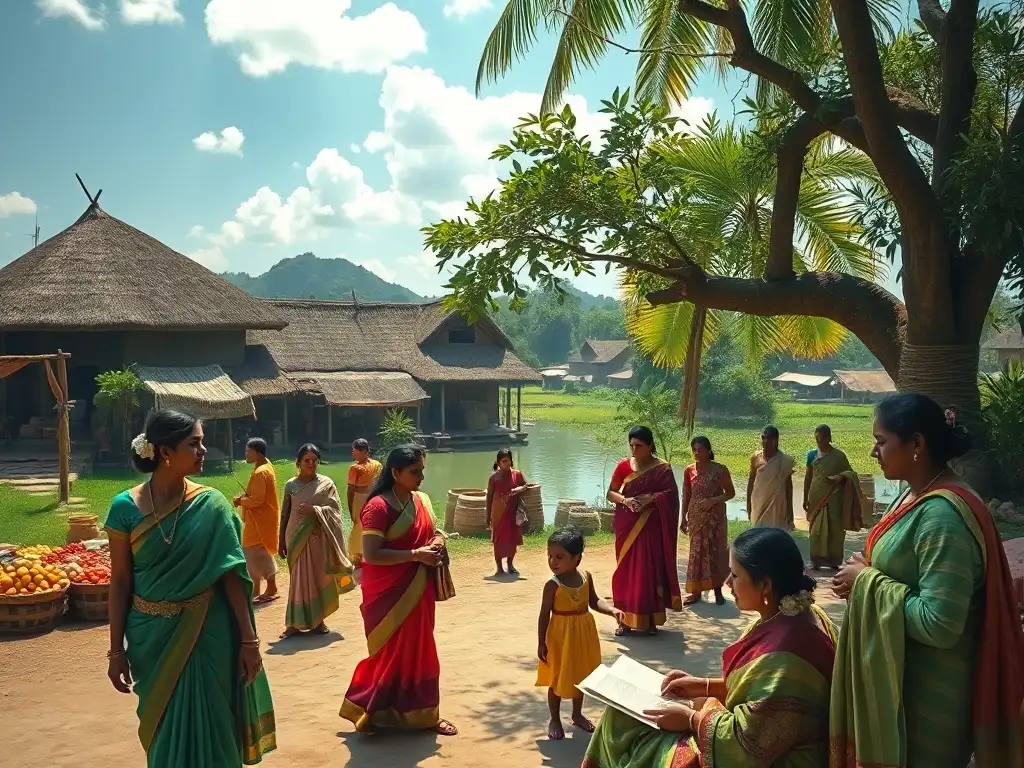
Welcome to Ancient India History, where we embark on a captivating journey through the vibrant tapestry of ancient Indian civilizations. Today, we delve into the fascinating world of Sangam literature, a treasure trove that reflects the intricacies of Tamil society and its daily life. As we uncover the poetic expressions and rich narratives that shaped this era, you'll discover how these timeless works illuminate the culture, values, and experiences of the people who lived during this remarkable period.
Join us as we explore the echoes of the past and unravel the stories that continue to resonate through time. Dive in to find out how Sangam literature serves as a mirror to ancient Tamil society!
- Introduction to Sangam Literature and Tamil Society
- The Historical Context of Sangam Literature
- Themes in Sangam Literature Reflecting Daily Life
- The Role of Women in Sangam Literature
- Religion and Spirituality in Sangam Literature
- The Language and Style of Sangam Literature
- The Legacy of Sangam Literature on Contemporary Tamil Culture
- Conclusion: Sangam Literature as a Reflection of Ancient Tamil Society
- Frequently Asked Questions
- Final Reflection: Sangam Literature as a Window into Tamil Society's Soul
- Discover the Richness of Tamil Heritage!
Introduction to Sangam Literature and Tamil Society
Sangam literature, a remarkable body of ancient Tamil texts, serves as a profound reflection of the cultural, social, and economic facets of Tamil society during the Sangam period (approximately 300 BCE to 300 CE). This literary collection, composed by numerous poets and scholars, encapsulates the essence of Tamil life, offering insights into the values, beliefs, and daily activities of a civilization that thrived in South India. By exploring the themes and narratives embedded within Sangam literature, we gain a deeper understanding of the societal norms and practices of this ancient culture, which laid the groundwork for modern Tamil identity.
In this article, we delve into the intricate relationship between Sangam literature and Tamil society, uncovering how these literary works act as a mirror reflecting the vibrancy and complexity of everyday life in ancient Tamil Nadu. We will discuss the key characteristics of Sangam literature and its enduring significance, highlighting how these texts not only document historical events but also provide a lens through which we can perceive the rich tapestry of Tamil heritage.
Overview of Sangam Literature
Sangam literature is characterized by its diverse genres, including poems, songs, and narratives that celebrate various aspects of life, from love and valor to nature and spirituality. The texts are primarily categorized into two sections: Aham, which focuses on personal and emotional themes, mainly related to love and relationships, and Puram, which deals with the external world, including valor, heroism, and social duties.
Key features of Sangam literature include:
- Poetic Form: The literature employs various poetic forms, often utilizing intricate meter and rhyme schemes.
- Imagery and Symbolism: Rich imagery and symbolism are prevalent, drawing heavily from nature and the surroundings to convey emotions and ideas.
- Cultural Context: The texts reflect the cultural practices, societal norms, and values of the Tamil people, including their codes of ethics and heroic ideals.
Notable works from this period include the Ettuthokai and Pattupattu, which collectively form the core of Sangam literature. These texts not only illustrate the literary prowess of ancient Tamil poets but also serve as historical documents that help us understand the socio-political landscape of the time.
Significance of Sangam Literature in Ancient Tamil Society
The significance of Sangam literature in ancient Tamil society extends beyond mere artistic expression; it played a crucial role in shaping social identity and community cohesion. The literature reflects the values and aspirations of the Tamil people, providing insights into their worldview, ethics, and social structure.
Key points regarding its significance include:
- Cultural Identity: Sangam literature is a cornerstone of Tamil cultural identity, preserving the language, traditions, and history of the Tamil people.
- Historical Record: The texts serve as valuable historical records, offering glimpses into the political alliances, trade relations, and daily life of ancient Tamil society.
- Moral and Ethical Framework: The literature often imparts moral lessons, guiding societal conduct and reinforcing ethical norms prevalent in the community.
In essence, Sangam literature not only encapsulates the artistic expressions of its time but also acts as a vital conduit through which we can access the rich and multifaceted history of ancient Tamil society, making it an indispensable component of the broader narrative of Indian civilization.
The Historical Context of Sangam Literature
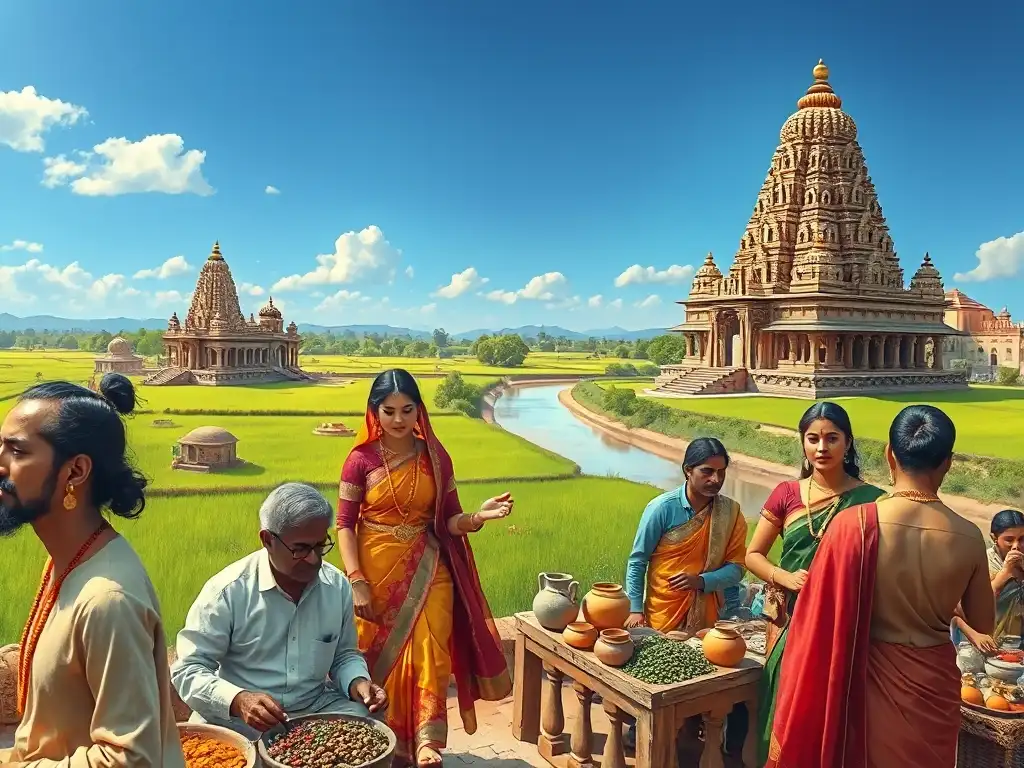
Sangam literature, a defining feature of ancient Tamil culture, offers profound insights into the social, political, and economic landscapes of Tamil society from approximately 300 BCE to 300 CE. This literary corpus not only reflects the artistic expressions of the time but also serves as a crucial document for understanding the lived experiences of people in ancient Tamil Nadu.
Time Period and Geographical Setting
The Sangam period is typically divided into three distinct phases: the Early Sangam (300 BCE - 100 CE), the Middle Sangam (100 CE - 200 CE), and the Later Sangam (200 CE - 300 CE). This era coincided with significant developments in trade, agriculture, and urbanization, leading to a flourishing of Tamil literature.
- Geographical Overview: The heart of Sangam literature is the Tamil-speaking region of southern India, which includes present-day Tamil Nadu and parts of Kerala, Andhra Pradesh, and Sri Lanka. This region, characterized by its diverse landscapes—such as the fertile plains of the Kaveri River, the coastal areas of the Bay of Bengal, and the mountainous terrains of the Western Ghats—played a pivotal role in shaping the cultural and literary outputs of the time.
- Cultural Interactions: The Sangam period was marked by increased interactions with neighboring cultures, including the Greeks, Romans, and Southeast Asians. Trade routes facilitated not only commerce but also the exchange of ideas, which enriched Tamil literature with new themes and narratives.
Major Tamil Kingdoms and Their Influence on Literature
During the Sangam era, several prominent Tamil kingdoms emerged, each contributing uniquely to the development of literature.
- The Cheras: Located in the western part of Tamil Nadu, the Chera dynasty was influential in promoting trade and agriculture. Their patronage of poets and scholars led to the creation of several illustrious works, such as the Tolkāppiyam, which is a foundational text on Tamil grammar.
- The Cholas: Renowned for their naval prowess and extensive trade networks, the Chola dynasty played a significant role in the cultural landscape of the Sangam period. Their contributions to literature include Akanānūru, a collection of poems that delve into themes of love and nature, reflecting the daily lives of people.
- The Pandyas: Situated in the southernmost part of Tamil Nadu, the Pandya dynasty was known for its patronage of arts and education. The Narrinai, a classic anthology of poems, captures the essence of life in ancient Tamil society, highlighting social customs, relationships, and the natural environment.
- Cultural Synthesis: The interplay between these kingdoms fostered a vibrant literary culture, where poets often traveled across regions, sharing and exchanging ideas. This cultural synthesis is evident in the common motifs and stylistic elements found within Sangam texts, showcasing a unified yet diverse Tamil identity.
Through the lens of Sangam literature, we can glean a rich tapestry of ancient Tamil society—its values, beliefs, and daily experiences—making it an invaluable resource for the study of Tamil culture and history.
Themes in Sangam Literature Reflecting Daily Life
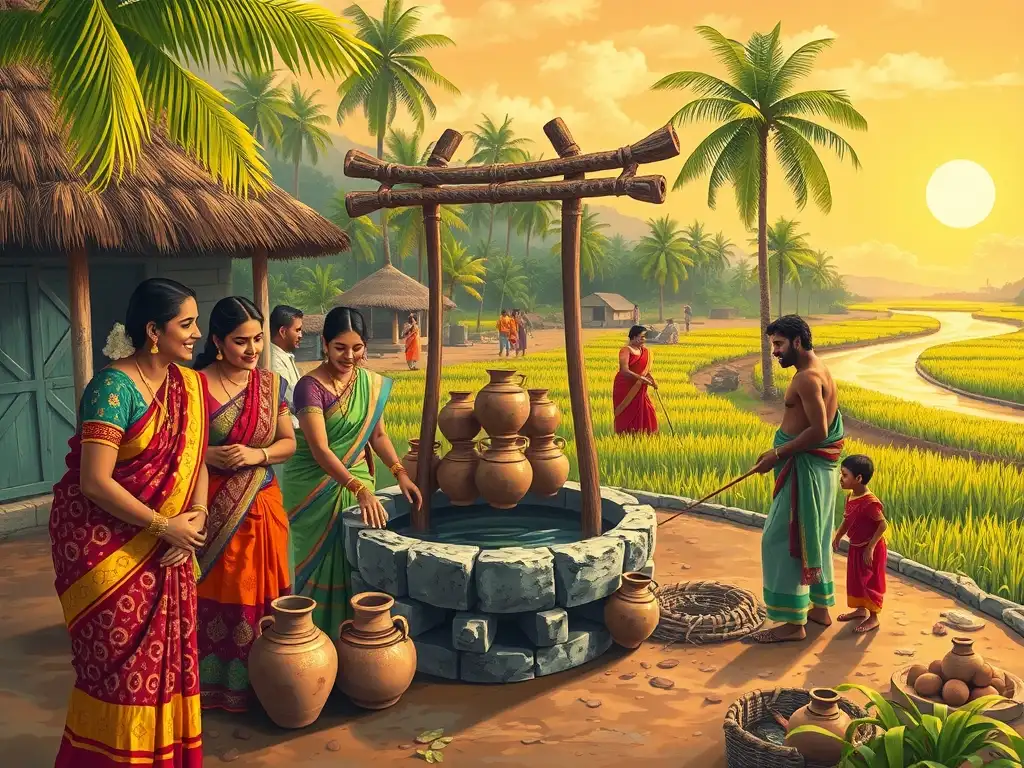
Sangam literature, a collection of ancient Tamil poems composed between 300 BCE and 300 CE, serves as a profound reflection of the daily life and societal norms of ancient Tamil society. This body of work not only showcases artistic expressions but also encapsulates the values, beliefs, and practices of the time. The thematic diversity found within these texts reveals intricate details about love, nature, and social structures that defined the Tamil way of life.
Love and Relationships in Sangam Poetry
Love and relationships are central themes in Sangam literature, portraying various dimensions of affection and emotional bonds. The poetry often divides love into two primary categories: "Akam" (interior or intimate) and "Puram" (exterior or public).
- Akam Poetry: This genre focuses on the personal and emotional aspects of love, highlighting the feelings of longing, desire, and separation. Poems often depict the pangs of love, the beauty of the beloved, and the deep emotional connections that bind lovers. For example, many poems describe the plight of a woman waiting for her lover, illustrating the nuances of devotion and heartache.
- Puram Poetry: In contrast, the Puram aspect reflects on the societal roles and responsibilities surrounding love, such as marriage and familial obligations. These texts often celebrate heroic deeds and valor, intertwining love with themes of honor and social duty.
The portrayal of love in Sangam literature sheds light on the societal acceptance of romantic relationships and the emotional depth attributed to them, suggesting a culture that valued both personal connections and societal expectations.
Agriculture and Nature in Tamil Society
Agriculture is a recurring motif in Sangam literature, reflecting the agrarian roots of ancient Tamil society. The poets often expressed reverence for nature, intertwining agricultural themes with their depictions of daily life.
- The Role of Agriculture: Many poems celebrate the fertility of the land, the changing seasons, and the cycles of planting and harvest. This not only illustrates the agricultural practices of the time but also highlights the dependency of society on the land for sustenance. For instance, descriptions of lush fields and bountiful harvests emphasize the connection between the people and their environment.
- Nature as a Symbol: Nature in Sangam poetry often serves as a backdrop for human emotions and experiences. Poets used natural imagery to reflect the internal states of characters, drawing parallels between the beauty of the landscape and the complexities of human life. The rich descriptions of flora and fauna serve to enhance the emotional landscape of the poems.
Through these themes, Sangam literature captures the essence of agriculture and nature, revealing how intertwined they were with the identity and daily experiences of Tamil society.
Sangam literature also provides insight into the social hierarchy and class structure that characterized ancient Tamil society. The texts reflect a complex system of social stratification, revealing how various classes interacted and contributed to society.
- The Three Main Classes: Society was generally divided into three primary categories: the ruling class ( kings and chieftains), the warrior class, and the agricultural class (farmers and laborers). Each class had distinct roles and responsibilities, and this division is often reflected in the poetry, which highlights the valor of warriors and the wisdom of rulers.
- Gender Roles: Gender dynamics are also explored in Sangam literature, where the portrayal of women often oscillates between ideals of virtue and the realities of their social positions. Women are depicted as both powerful figures in their own right and as symbols of honor within the family structure, reflecting the dualities present in societal expectations.
- Cultural Practices: The texts also provide glimpses into various cultural practices, rites, and rituals that were vital to maintaining social order and cohesion. These practices often reinforced the existing hierarchy and emphasized the importance of kinship and loyalty within the community.
Sangam literature serves as a vital lens through which we can understand the complexities of social hierarchies and class structures in ancient Tamil society. The interplay between these elements reveals the nuanced dynamics that shaped daily life and cultural identity.
The Role of Women in Sangam Literature
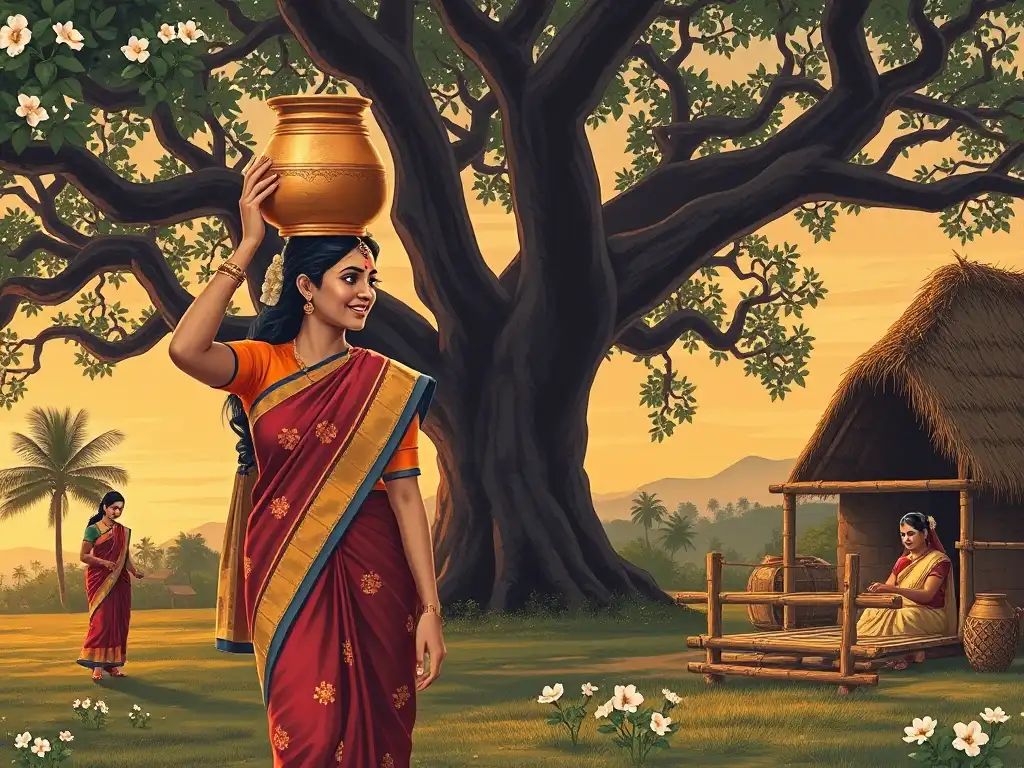
Sangam literature, a cornerstone of ancient Tamil culture, provides invaluable insights into the lives and roles of women in Tamil society. This body of work, composed between 300 BCE and 300 CE, not only reflects the societal norms of the time but also highlights the significant contributions of women in various domains. The portrayal of women in Sangam literature serves as a mirror, reflecting the complexities of their identities, their social standings, and their influence within the community.
Representation of Women in Poetry
Women in Sangam literature are depicted with a rich variety of emotions and roles, ranging from devoted lovers to strong matriarchs. The poetry often uses metaphors and symbols to convey the experiences of women, showcasing their inner lives and societal roles.
- Lovers and Beloveds: Many poems capture the intense emotions associated with love and longing. Women are often portrayed as central figures in love stories, embodying both passion and vulnerability.
- Mothers and Caregivers: The maternal figures in Sangam poems are celebrated for their nurturing qualities. They are often depicted as the emotional backbone of the family, emphasizing the importance of motherhood in Tamil society.
- Warriors and Leaders: Interestingly, some texts reveal women as warriors and leaders, challenging the traditional notion of passive femininity. For instance, certain poems depict women engaging in battles or taking charge of their family's affairs during times of crisis.
- Cultural Icons: The poems also reflect the role of women as cultural custodians, involved in rituals and festivals that sustain the community's heritage. Their participation signifies their integral role in maintaining societal traditions.
The representation of women in Sangam poetry is multifaceted, illustrating their diverse roles in love, family, and society. This nuanced portrayal challenges simplistic views of gender in ancient Tamil culture.
Women's Contributions to Tamil Society
Women in ancient Tamil society were not only passive recipients of cultural norms but active contributors to various aspects of life. Their contributions, as reflected in Sangam literature, encompass several domains:
- Agriculture and Economy: Women played a crucial role in agricultural practices, often participating in farming activities and managing household economies. Poems highlight their involvement in cultivating crops and maintaining livestock, thus underscoring their economic significance.
- Art and Craftsmanship: Many women were skilled artisans, contributing to the creation of textiles, pottery, and other crafts. Their work was vital to the local economy and cultural expression, as depicted in various literary references.
- Cultural Preservation: Women were instrumental in preserving oral traditions, songs, and folklore, which were essential to Tamil identity. Their participation in storytelling and music helped sustain cultural continuity.
- Social Reformers: Some women emerged as social reformers, advocating for changes in societal norms and practices. Their voices, though often subdued, can be traced in the subtext of poems that challenge existing norms.
The contributions of women to Tamil society, as reflected in Sangam literature, are profound and varied. They were not merely subjects of poetic admiration but active participants in shaping the socio-economic and cultural contours of their time. This rich tapestry of women's roles and contributions in Sangam literature reveals the depth of their impact on ancient Tamil society, challenging modern perceptions of gender roles in history.
Religion and Spirituality in Sangam Literature
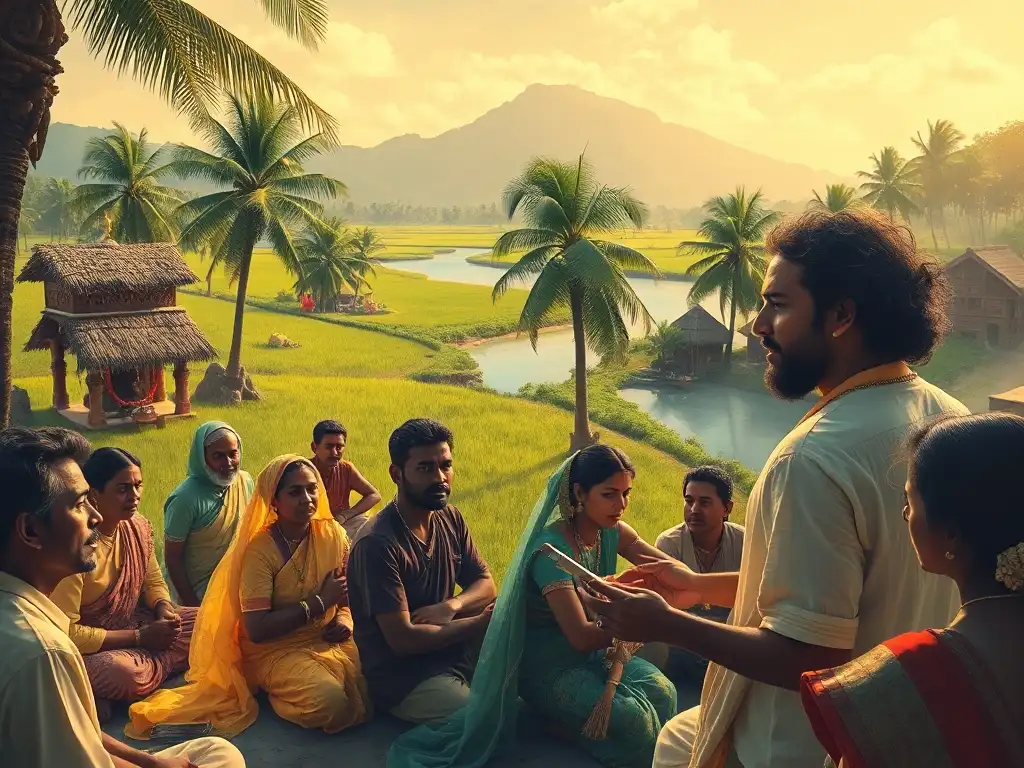
Sangam literature serves as a significant lens through which one can explore the intricate tapestry of religion and spirituality in ancient Tamil society. This body of work, composed between 300 BCE and 300 CE, reflects the beliefs, practices, and the socio-religious landscape of early Tamil Nadu. The themes of devotion, morality, and the sacredness of nature permeate these texts, offering invaluable insights into the spirituality of the time.
Hindu Beliefs and Practices Depicted in Sangam Texts
Sangam literature is rich with references to Hindu beliefs and practices, illustrating the integral role of religion in daily life. The texts often showcase the worship of various deities, highlighting the polytheistic nature of Tamil spirituality. Key aspects include:
- Vedic Influence: While Tamil Nadu had its indigenous beliefs, Vedic traditions significantly influenced the region. References to concepts like karma and dharma emerge, emphasizing moral conduct and the consequences of one's actions.
- Rituals and Sacrifices: Sangam poems frequently depict rituals and sacrifices that were performed to appease gods and secure blessings for prosperity. These rites often involved offerings of food, flowers, and music, reflecting a vibrant ritualistic culture.
- Example: The poem "Purananuru" mentions various sacrifices performed by kings to seek divine favor for their reigns.
- Philosophical Undertones: The texts also incorporate philosophical reflections, discussing the nature of existence, the soul (atman), and the ultimate reality (Brahman). This interplay of spirituality and philosophy marks the nuanced understanding of life and the divine among Tamil poets.
Overall, Sangam literature depicts a society deeply rooted in Hindu beliefs, showcasing how spirituality shaped their worldview and influenced everyday conduct.
Influence of Local Deities and Traditions
In addition to mainstream Hinduism, Sangam literature illustrates the significance of local deities and unique traditions that thrived in Tamil society. The reverence for nature and local spirits is a recurrent theme, emphasizing the connection between the divine and the environment. Key highlights include:
- Nature Worship: Many poems celebrate natural elements such as mountains, rivers, and forests, often personifying them as deities. This indicates a spiritual connection to the land and its resources.
- Example: The "Akananuru" poems often evoke the beauty of the landscape, linking it to the divine and portraying nature as a source of inspiration and reverence.
- Local Deities: The texts mention various local gods and goddesses, often associated with specific villages or regions. These deities were worshipped alongside major Hindu deities, revealing a syncretic approach to spirituality.
- Example: The worship of Kotravai, a goddess associated with war and fertility, highlights the local cultural identity interwoven with broader Hindu practices.
- Festivals and Celebrations: Sangam literature records numerous festivals that honored local deities, reflecting the communal spirit and cultural vibrancy of ancient Tamil society. These celebrations often involved music, dance, and theatrical performances, fostering a sense of unity among the people.
The influence of local deities and traditions within Sangam literature underscores the diverse religious landscape of ancient Tamil society. The texts capture a rich interplay between indigenous beliefs and broader Hindu practices, illuminating the profound connection between faith, culture, and daily life.
The Language and Style of Sangam Literature
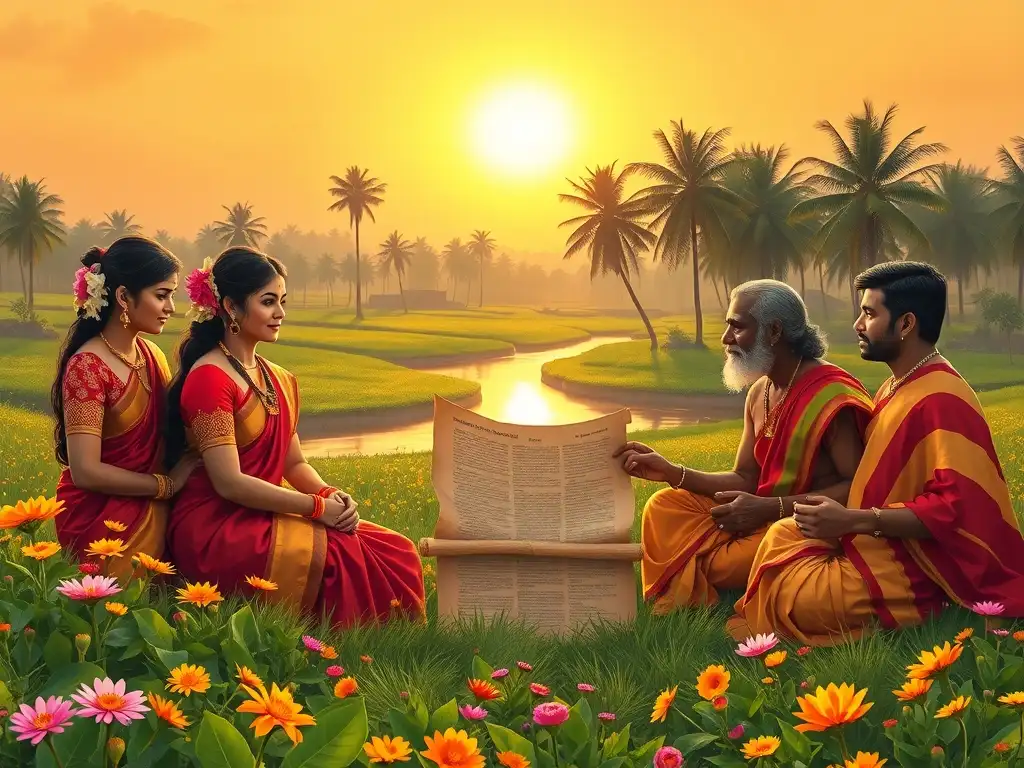
Sangam literature, a cornerstone of ancient Tamil culture, is characterized by its unique language and stylistic elements that reflect the intricacies of Tamil society during its time. The Tamil language, with its rich lexicon and syntax, facilitated the expression of various themes ranging from love and valor to the beauty of nature. The Sangam poets employed a sophisticated vocabulary that not only conveyed emotions but also illustrated the social, cultural, and political milieu of ancient Tamil Nadu.
A hallmark of Sangam literature is its use of alliteration and metaphor, which enhance the musicality and aesthetic appeal of the poems. The poets skillfully utilized rhetorical devices to evoke emotions and create vivid imagery, making the texts resonate with readers even today. Furthermore, the employment of dialects and regional variations in language showcases the diversity within Tamil society, reflecting localized experiences and cultural nuances.
The style of Sangam poetry is succinct yet profound, often encapsulating complex ideas in a few lines. This economy of words is a testament to the poets' mastery of language, allowing them to convey deep meanings and emotions effectively. The works are often categorized into two primary styles: Aham (inner) and Puram (outer), each representing different aspects of life and society.
Poetic Forms and Structures in Sangam Poetry
Sangam literature is renowned for its distinctive poetic forms and structures, which play a crucial role in the overall aesthetic and thematic expression. The most notable forms include "Ettuthokai" and "Pattupattu," collectively comprising a vast array of poems that explore various themes and subjects.
- Ettuthokai: This is a collection of 108 poems divided into eight anthologies, each containing poems that reflect different aspects of life, love, and nature. The verses in Ettuthokai often adhere to specific meters, showcasing the poets' command over rhythm and form.
- Pattupattu: Comprising ten long poetic works, Pattupattu highlights events, legends, and the lives of heroes and deities. These poems are characterized by their narrative style, weaving stories that often include moral lessons or cultural values.
The structure of Sangam poetry typically involves stanzas (known as "venba") with varying line lengths, allowing for versatility in expression. The combination of meter and rhyme creates a musical quality that enhances the reader's experience.
The poets also employed specific themes or "tinai," which categorize poems based on the context of the subject matter:
- Kurinji: Mountain and love
- Mullai: Forest and pastoral life
- Marutham: Agricultural and rural life
- Neithal: Coastal and maritime life
- Palai: Desert and the harshness of life
Each theme is intricately tied to the natural landscape and social practices of the Tamil people, providing insights into their daily life and cultural practices.
Use of Imagery and Symbolism in Depicting Daily Life
Imagery and symbolism are integral to Sangam literature, serving as powerful tools for the portrayal of daily life in ancient Tamil society. The poets employed vivid descriptions and symbols to evoke emotions and paint a detailed picture of the world around them.
- Nature as a Reflection of Emotion: The natural world is often used as a metaphor for human feelings and relationships. For instance, the blooming of flowers may symbolize love, while the raging of rivers could represent conflict or turmoil. This interplay between nature and emotion allows readers to connect deeply with the themes presented in the poetry.
- Symbolic Elements: Various symbols are recurrent in Sangam poetry, such as the cuckoo, which symbolizes love, or the lotus, representing purity and beauty. These symbols not only enrich the text but also serve as cultural signifiers that resonate with the Tamil ethos.
The depiction of daily life in Sangam literature also includes references to occupations, rituals, and social interactions. The poets captured the essence of community life, from the intricacies of agricultural practices to the vibrant festivals celebrated in honor of deities. Such portrayals provide a glimpse into the social hierarchy, gender roles, and the economic activities prevalent in ancient Tamil society.
The use of imagery and symbolism in Sangam literature transcends mere description; it is a reflection of the values, beliefs, and daily experiences of the Tamil people. Through these artistic elements, the poets not only preserved the cultural identity of their time but also created a timeless connection to the human experience.
The Legacy of Sangam Literature on Contemporary Tamil Culture
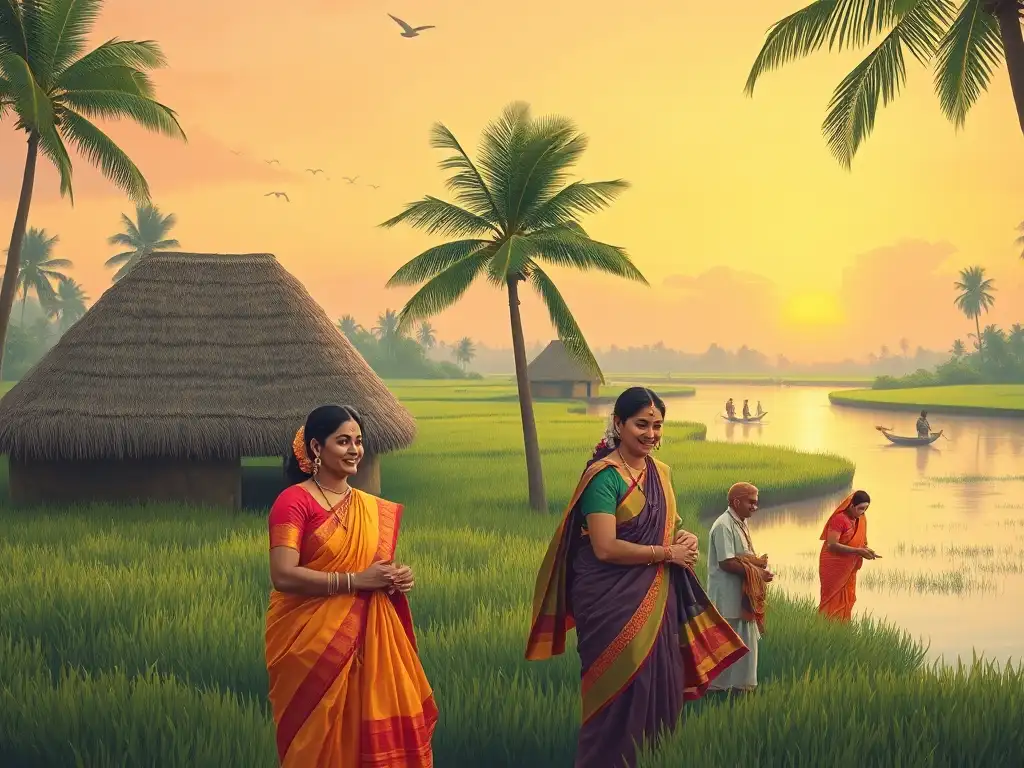
Sangam literature, a remarkable collection of Tamil poems composed between 300 BCE and 300 CE, serves not only as an artistic treasure but also as a vital link to understanding the evolution of Tamil culture and society. Its profound influence extends into contemporary Tamil culture, shaping various aspects of literature, art, and social values. This legacy continues to resonate with modern Tamil speakers, ensuring that the essence of Sangam thought remains relevant today.
Influence on Modern Tamil Literature and Art
The impact of Sangam literature on modern Tamil literature is both profound and multifaceted. Many contemporary Tamil writers draw inspiration from the themes and styles prevalent in Sangam texts. The poetic forms and the use of metaphors found in works like the Akananuru and Purananuru have inspired poets and authors to explore complex emotions and societal issues through similar literary devices.
- Poetic Forms and Styles
- The Venpa and Akkaravadisal forms of poetry, prominent in Sangam literature, are often emulated in modern poetry. Writers like S. R. K. Prabhu and K. M. Karunanidhi have revitalized these forms, blending traditional elements with contemporary themes.
- Modern Tamil songs frequently reference Sangam poetry, using its rich imagery and emotional depth to connect with audiences. For instance, popular Tamil film songs often incorporate metaphors from Sangam texts to evoke feelings of love and longing.
- Visual Arts and Performance
- The themes depicted in Sangam literature, such as love, valor, and nature, continue to inspire visual art forms, including paintings and sculptures. Artists like K. C. S. Panicker have drawn on the visual imagery found in Sangam poems to create compelling works that celebrate Tamil heritage.
- Traditional dance forms such as Bharatanatyam frequently incorporate narratives from Sangam literature, using dance to express the stories and emotions encapsulated within these ancient texts.
- Literary Festivals and Cultural Revivals
- Literary festivals in Tamil Nadu often celebrate Sangam literature, inviting scholars and poets to discuss its relevance. These events foster a renewed interest in classical texts, encouraging younger generations to appreciate their cultural roots.
Reflection of Sangam Values in Today's Society
The values expressed in Sangam literature, such as community, love, and respect for nature, continue to reflect in modern Tamil society. These values have shaped social norms and customs, influencing how individuals interact within their communities.
- Community and Brotherhood
- The concept of "Vaazhkai" (life) in Sangam literature emphasizes the importance of community and mutual support. This ethos remains strong in contemporary Tamil society, where familial bonds and community ties are prioritized.
- Festivals like Pongal exemplify the Sangam spirit of communal celebration, where people come together to share food, joy, and gratitude for nature's bounty.
- Nature and Environmental Awareness
- Sangam poets often praised the beauty of the Tamil landscape, portraying a deep connection with nature. This appreciation has translated into modern environmental movements in Tamil Nadu, where communities advocate for sustainable practices and conservation.
- Initiatives to protect local flora and fauna echo the reverence for nature found in Sangam texts, demonstrating the enduring legacy of these ancient values.
- Love and Relationships
- The exploration of love in Sangam literature, particularly in the Akan poems, continues to influence contemporary views on romance and relationships. The nuanced understanding of love as portrayed in Sangam texts informs modern Tamil literature and cinema, reflecting the complexities of human emotions.
- Concepts such as "Kama" (desire) and "Aram" (virtue) from the Sangam era are still discussed in the context of personal relationships, highlighting the ongoing dialogue between ancient values and modern sensibilities.
The legacy of Sangam literature is deeply embedded in the fabric of contemporary Tamil culture. Its influence on literature and art, combined with the reflection of its values in society, ensures that the teachings of this ancient corpus continue to resonate, inspire, and shape the Tamil identity today.
Conclusion: Sangam Literature as a Reflection of Ancient Tamil Society
Summary of Key Insights
Sangam literature serves as a vital lens through which we can examine the intricacies of ancient Tamil society. Composed between 300 BCE and 300 CE, this body of work comprises poetry that captures the essence of everyday life, societal norms, and the cultural ethos of the time. Key insights from this literature reveal:
- Social Structure: The poems demonstrate a well-defined social hierarchy, with insights into the roles of various classes, including farmers, warriors, and merchants. For instance, the akkam (inner) and puram (outer) themes highlight personal emotions and public deeds, respectively, reflecting the duality of individual and societal responsibilities.
- Cultural Practices: The literature vividly portrays various cultural practices, such as festivals, rituals, and art forms. It showcases the significance of music and dance in social gatherings, emphasizing the community's collective identity.
- Nature and Environment: A recurring theme in Sangam literature is the profound connection between the Tamils and their natural surroundings. The vivid descriptions of landscapes and seasonal changes underscore their dependency on agriculture and the reverence for nature.
- Philosophy and Ethics: The poems often delve into moral dilemmas and philosophical reflections, encouraging readers to contemplate virtues such as love (kaadal), courage (veera), and friendship (sneha). The ethical frameworks established in these texts continue to resonate in contemporary Tamil culture.
Through these insights, Sangam literature emerges as a crucial document that not only celebrates Tamil identity but also provides a nuanced understanding of the complexities within ancient Tamil society.
The Enduring Relevance of Sangam Literature in Understanding Tamil Heritage
The relevance of Sangam literature extends beyond its historical context, playing a pivotal role in contemporary Tamil culture and identity. Its enduring themes resonate with modern readers, offering valuable lessons and insights into:
- Cultural Continuity: The values and traditions depicted in Sangam poetry continue to influence Tamil cultural practices today. Festivals, folk arts, and storytelling traditions carry forward the heritage encapsulated in these ancient texts.
- Language and Literature: Sangam literature significantly contributed to the evolution of the Tamil language. The linguistic richness and poetic devices used by the poets have shaped Tamil literary forms, inspiring countless writers and poets through the ages.
- Identity and Pride: For Tamils worldwide, Sangam literature is a source of pride and identity. It reinforces a sense of belonging and cultural heritage, connecting modern Tamils to their ancient roots and shared history.
- Academic Studies: Scholars continue to explore Sangam literature for its historical, linguistic, and sociological implications. It remains a crucial area of study in understanding the development of South Indian civilizations and their contributions to the broader canvas of Indian history.
Sangam literature not only mirrors the daily life of ancient Tamil society but also serves as a beacon of cultural heritage, providing insights that remain relevant in today's world. Its exploration enriches our understanding of the past while fostering a deeper appreciation for Tamil identity and values.
Frequently Asked Questions
What is Sangam literature?
Sangam literature refers to a collection of ancient Tamil texts composed between 300 BCE and 300 CE, reflecting the cultural and social life of early Tamil societies.
How does Sangam literature depict daily life in ancient Tamil society?
Sangam literature serves as a mirror of daily life, showcasing aspects such as agriculture, trade, and social interactions, providing insights into the values and beliefs of the time.
What are the key themes found in Sangam literature?
Key themes in Sangam literature include love, valor, and nature, which highlight both the emotional and physical landscapes of ancient Tamil society.
How did Sangam literature influence Tamil culture?
Sangam literature has had a profound impact on Tamil culture by shaping its language, arts, and folklore, influencing generations of poets and writers in the Tamil tradition.
What is the significance of studying Sangam literature today?
Studying Sangam literature is significant for understanding the historical context, social structures, and cultural heritage of ancient Tamil society, enriching our appreciation of India's diverse history.
Final Reflection: Sangam Literature as a Window into Tamil Society's Soul
Sangam literature serves as a profound testament to the intricacies of ancient Tamil society, revealing not just the poetic beauty of the era but also the daily lives, values, and struggles of its people. In today's fast-paced world, where cultural heritage often gets overshadowed by modernity, the insights gleaned from these ancient texts remind us of the timeless human experiences that connect us across centuries. Understanding Sangam literature is not merely an academic pursuit; it is a journey into the heart of a civilization that has shaped the identity of Tamil culture.
The influence of Sangam literature extends far beyond its historical context; it continues to resonate within the cultural and social fabric of contemporary Tamil society. The themes of love, valor, and community found in these texts are echoed in modern Tamil art, music, and literature, fostering a sense of pride and continuity among Tamil speakers worldwide. The past is never dead. It's not even past.
This quote by William Faulkner encapsulates how the echoes of Sangam literature still inform our understanding of identity and belonging today.
As we reflect on the lessons of Sangam literature, let us embrace the richness of our cultural heritage and recognize its relevance in our lives. I invite you to explore these ancient texts, not just as relics of the past, but as living narratives that can inspire and guide us in our daily lives. By engaging with the wisdom of our ancestors, we can cultivate a deeper appreciation for our roots and foster a more profound connection with our community, ensuring that the legacy of Tamil society continues to thrive for generations to come.
Discover the Richness of Tamil Heritage!
Thank you for diving into the captivating world of Sangam literature with us! You've just uncovered how these ancient texts reflect daily life in Tamil society, and now it’s time to take the next step. Let’s keep this exploration alive!
Here’s how you can further engage with the precious heritage of Tamil culture:
- Join a local or online study group focused on Tamil literature to deepen your understanding and connect with fellow enthusiasts.
- Share insights from this article on social media to spark a conversation about the significance of Sangam literature in today’s context.
- Explore other literary works and authors from the Sangam period to broaden your perspective and discover how this literature shaped cultural identity.
What aspect of Sangam literature resonates most with you, and how do you think it mirrors modern society?