
The Cultural Heritage of Kite Flying During Uttarayan

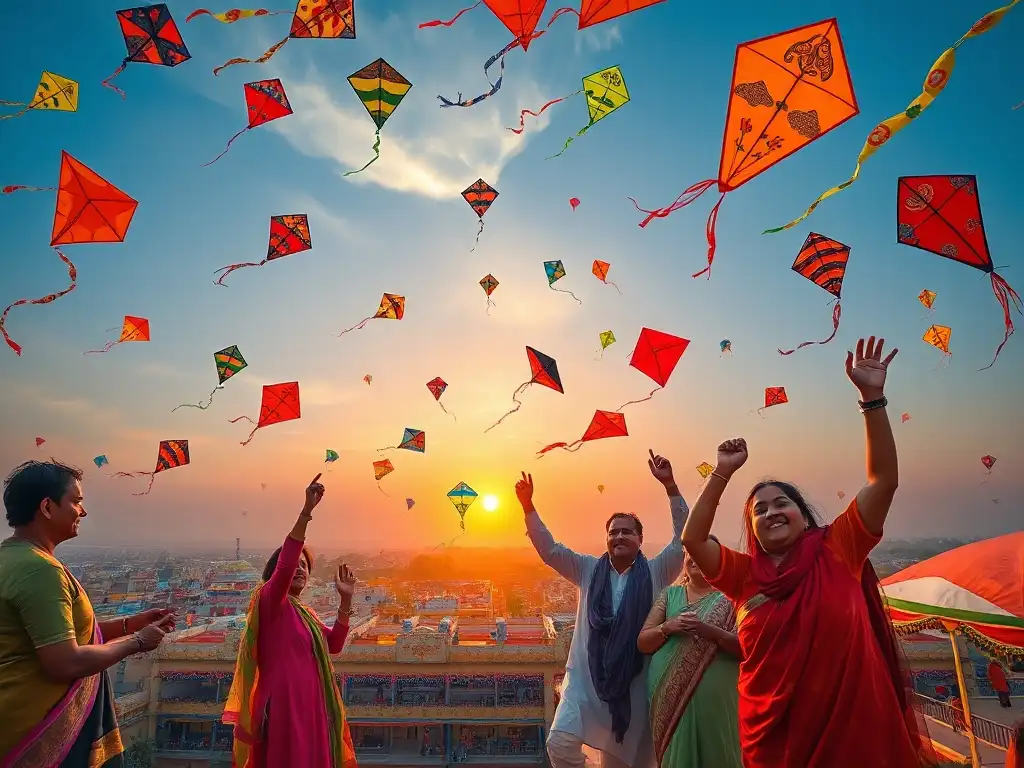
Welcome to Ancient India History, where we embark on a captivating journey through the rich tapestry of India's past. In today’s exploration, we delve into the vibrant Uttarayan kite flying tradition, a festival that not only fills the skies with color but also embodies the spirit of community and celebration in ancient Indian culture. Join us as we uncover the historical roots and cultural significance of this enchanting tradition, revealing why it has soared through the ages. Ready to discover the skies of history? Let’s dive in!
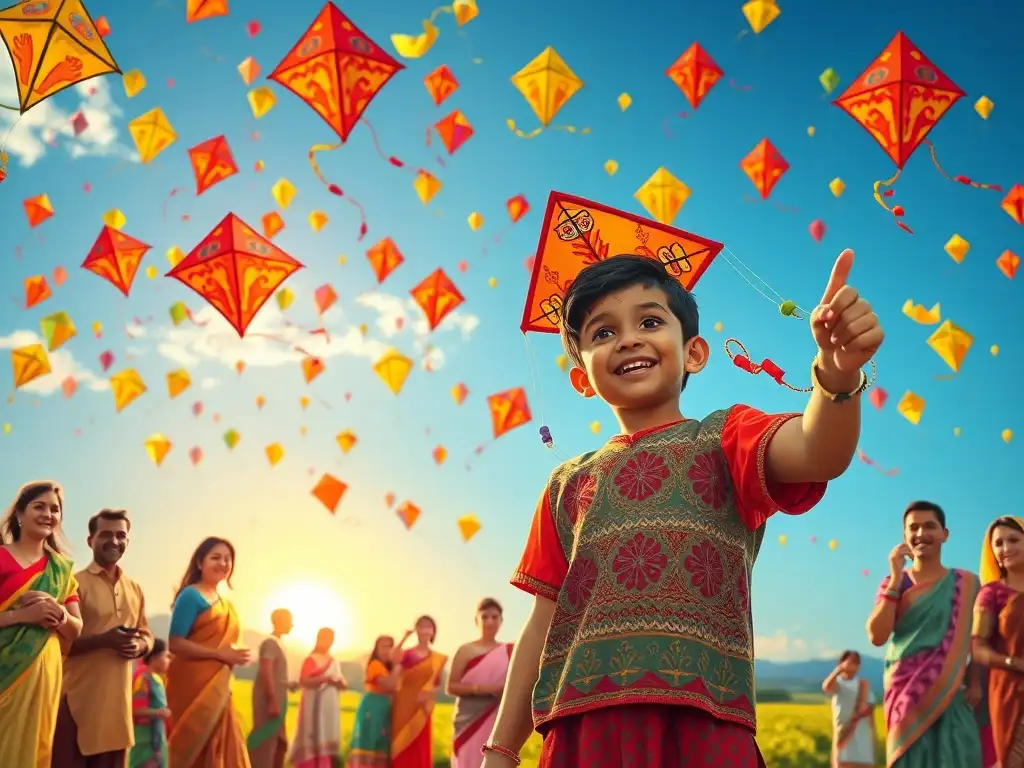
Introduction to Uttarayan and Its Significance
Uttarayan, celebrated primarily in the Indian state of Gujarat, marks the transition of the sun into the northern hemisphere, heralding longer days and the onset of warmer weather. This festival, which falls on the 14th of January, is not just a celestial event but a cultural phenomenon that brings communities together in jubilant celebration.
One of the most distinctive features of Uttarayan is the tradition of kite flying, which is a vibrant expression of cultural identity and communal spirit. The Uttarayan kite flying tradition transcends mere recreation; it embodies a symbolic connection to nature, joy, and the rich heritage of Indian festivals.
Overview of Uttarayan as a Festival
Uttarayan is celebrated with immense fervor, often referred to as Makar Sankranti in various parts of India. The festival is characterized by rituals that include the preparation of special sweets like tilgul (made from sesame seeds and jaggery) and the exchange of greetings among friends and family. While different regions have their unique customs, the essence of Uttarayan remains the same - a celebration of the sun's journey and the abundance it brings. The festive atmosphere is palpable, with families gathering on rooftops, engaging in lively kite battles, and enjoying the vibrant colors that fill the sky.
Historical Context of Kite Flying Tradition in India
The art of kite flying in India has deep historical roots, believed to have originated centuries ago. Although its exact origins remain uncertain, references to kites can be found in ancient texts and literature. Traditionally, kites were made from materials such as paper and bamboo, reflecting the ingenuity of artisans. Over time, kite flying evolved into a popular pastime, merging with the cultural practices of various communities. During Uttarayan, this tradition took on a new significance, symbolizing triumph, freedom, and unity as people of all ages participate in the joyous activity of flying kites.
The Uttarayan Kite Flying Tradition
Understanding the Origins of Kite Flying During Uttarayan
Kite flying during Uttarayan is steeped in myth and tradition. It is said that the origins of this practice can be traced back to ancient times, where kites were used as a means to harness the winds. The festival coincides with the harvesting season, making it an opportune time for communities to celebrate their agricultural successes. The vibrant colors of the kites soaring against the blue sky symbolize the joy and hope that accompany the arrival of spring.
Importance of Kites in Uttarayan Celebrations
Kites serve as more than just a recreational activity during Uttarayan; they play a central role in the festival's celebrations. The act of flying kites fosters a sense of camaraderie among participants, as families and friends compete to cut each other's kites while cheering each other on. This tradition not only strengthens social bonds but also encourages a spirit of friendly rivalry that is integral to the festive atmosphere. Moreover, the intricate designs and artistic expressions found on kites reflect the cultural diversity of India, showcasing regional craftsmanship and creativity.
Different Types of Kites Used in Uttarayan
The kites used during Uttarayan come in various shapes, sizes, and colors, each representing different styles and regions. Some popular types include:
- Patang: The traditional diamond-shaped kite, often made from paper and adorned with vibrant colors.
- Tukkal: A larger kite with a unique design, usually used for competitive flying.
- Chakri: A circular kite that spins in the wind, adding a playful element to the festivities.
Each type of kite has its own significance and is crafted with care to ensure it can withstand the winds of competition. The diversity in kites echoes the cultural richness of the festival, making Uttarayan a visual feast for both participants and spectators alike.
Cultural Practices Associated with Kite Flying
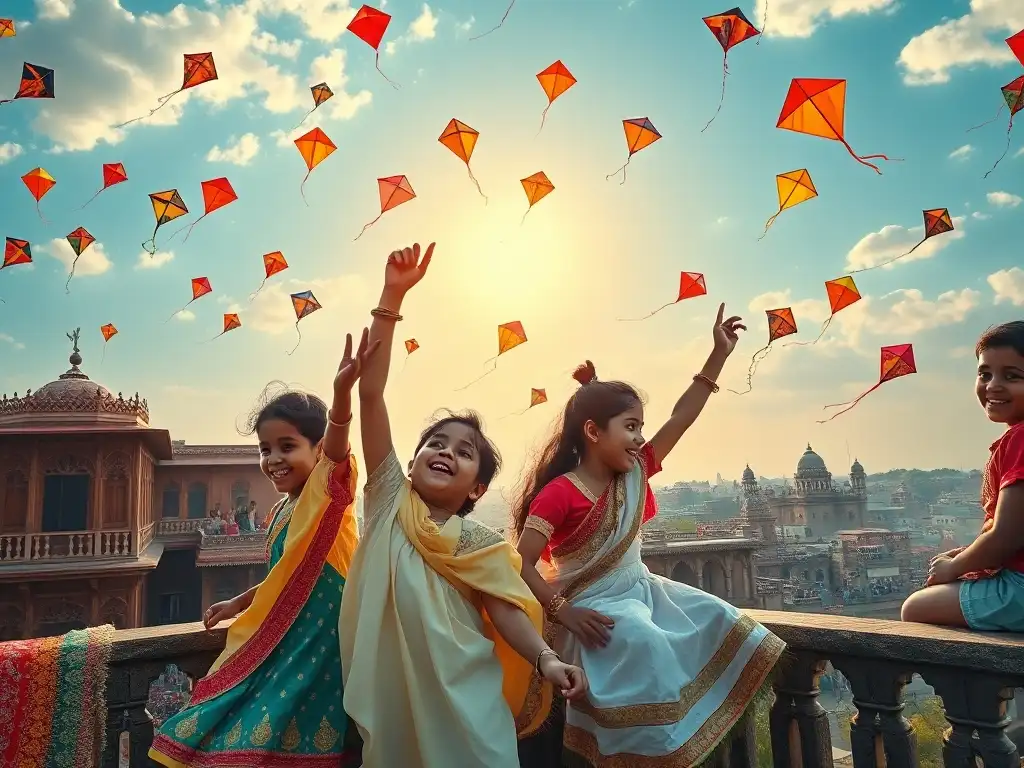
The Uttarayan kite flying tradition is more than just a recreational activity; it embodies a rich tapestry of cultural practices that reflect the values and social dynamics of various communities in India. Kite flying during Uttarayan, celebrated primarily in Gujarat, marks the transition of the sun into the northern hemisphere, symbolizing the arrival of longer days and the end of winter. This festival encourages social gatherings, where families and friends come together to partake in this vibrant activity.
Additionally, kite flying is often accompanied by traditional music, dance, and food, enhancing the festive atmosphere. Street vendors play a crucial role by selling colorful kites and other accessories, contributing to the lively ambiance. Local communities often organize competitions, encouraging friendly rivalry that fosters a spirit of camaraderie and celebration. This blending of cultural practices makes Uttarayan a significant event that goes beyond kite flying; it is a celebration of life, community, and tradition.
Regional Variations in Kite Flying Traditions Across India
While Uttarayan is most famously celebrated in Gujarat, kite flying traditions vary significantly across India, each region adding its unique flavor. In Punjab, for instance, the festival of Lohri coincides with kite flying, where participants engage in spirited contests while enjoying traditional folk songs and bonfires. In Rajasthan, kite flying is deeply intertwined with the Makar Sankranti festival, where kites are flown against the backdrop of vibrant fairs, showcasing local crafts and foods.
In Maharashtra, particularly in Mumbai, the festival is celebrated with grand enthusiasm, where residents take to rooftops to enjoy the colorful spectacle of kites in the sky. The competition here is fierce, with phrases like “Kaate!” (cut!) echoing in the air as flyers attempt to outmaneuver one another. Each region not only has its own kite designs and materials but also unique customs and rituals, creating a rich mosaic of cultural expressions associated with kite flying.
The Role of Community in Uttarayan Celebrations
Community plays a pivotal role in the Uttarayan kite flying tradition. The festival is a communal event that brings people together, fostering a sense of belonging and shared identity. Neighbors often collaborate to prepare for the festival, sharing kites, string, and tips on flying techniques. This collective preparation enhances social bonds and reinforces community ties.
During the festival, rooftops transform into vibrant social hubs where laughter, cheers, and competitive spirit fill the air. Families and friends gather to enjoy the spectacle, creating an atmosphere of joy and festivity. The exchange of kites and friendly competitions can also lead to the formation of new friendships, making the celebration a vital aspect of community life. Ultimately, the communal aspect of Uttarayan highlights the importance of togetherness and mutual support in preserving cultural traditions.
Rituals and Customs Linked to Kite Flying
Kite flying during Uttarayan is steeped in various rituals and customs that enhance its cultural significance. One common custom is the preparation of special foods, such as tilgul (sweet made of sesame and jaggery), which is exchanged among friends and family as a gesture of goodwill and unity. The act of sharing these delicacies reinforces social bonds and adds to the festive spirit.
Another important ritual is the offering of prayers to the sun, symbolizing gratitude for the harvest and the changing seasons. Participants often raise their kites in homage to the sun, aligning the activity with spiritual beliefs. The use of specific colors and patterns in kite designs also carries significance, with certain motifs believed to bring good luck and prosperity.
Moreover, the competitive aspect of kite flying—where participants try to cut down opponents' kites—symbolizes the triumph of skill and strategy, echoing life lessons about perseverance and cleverness. These rituals and customs collectively enrich the Uttarayan kite flying tradition, making it a multifaceted celebration of culture and community.
The Artistry of Kite Making
The artistry of kite making is a significant component of the Uttarayan kite flying tradition, showcasing the creativity and craftsmanship of artisans across India. Kite making involves a meticulous process where each design reflects cultural motifs, local aesthetics, and personal expressions. The vibrant colors and intricate patterns used in kites not only make them visually appealing but also carry deeper meanings, often representing themes of joy, prosperity, and spirituality.
The craftsmanship involved in creating kites has transformed into an art form over generations. Artisans employ a variety of techniques and materials, creating kites that range from simple shapes to elaborate designs adorned with artwork. This artistry not only preserves traditional techniques but also adapts to contemporary styles, making kite flying a dynamic cultural practice.
Traditional Techniques of Kite Crafting
Traditional kite crafting techniques have been passed down through generations, ensuring the preservation of this unique art form. The process begins with the selection of lightweight materials, which are essential for achieving optimal flight. Artisans typically use bamboo sticks for the frame, as their flexibility and strength allow for the construction of various shapes and sizes.
The crafting process involves several key techniques:
- Cutting and Shaping: Skilled artisans precisely cut the bamboo and paper to create a balanced structure.
- Skinning: The application of paper or fabric to the frame is done meticulously to ensure durability and aesthetic appeal.
- Painting and Decoration: Traditional colors and patterns are painted onto the kites, often using natural dyes, which imbue them with cultural significance.
These techniques reflect a deep understanding of aerodynamics and aesthetics, allowing artisans to produce kites that are not only functional but also beautiful.
Materials Used in Kite Construction
The materials used in kite construction are crucial to their performance and visual appeal. Traditionally, kites are made from lightweight materials that allow them to soar high in the sky. Some common materials include:
| Material | Description |
|---|---|
| Bamboo | Lightweight and sturdy, used for the frame. |
| Paper | Thin, vibrant paper is commonly used for kite skins. |
| Fabric | Occasionally used for more durable and decorative kites. |
| String | Strong, often coated with glass powder for cutting. |
Bamboo is preferred for its strength-to-weight ratio, making it ideal for creating a robust frame that can withstand the forces during kite flying. The paper is often dyed in bright colors, creating a visual spectacle in the sky. Additionally, the string used in kite flying is critical; it is often coated with fine glass powder to enhance its cutting capabilities during competitions.
Symbolism and Designs of Kites
Kites in the Uttarayan tradition are more than mere flying objects; they are imbued with symbolism and meaning. Various designs and colors denote different cultural beliefs and auspiciousness. For instance, kites adorned with motifs of birds or traditional patterns often symbolize freedom and aspiration, reflecting the spirit of the festival.
The choice of colors also holds significance:
- Red and Yellow: Associated with prosperity and joy.
- Green: Symbolizes growth and harmony.
- Blue: Represents tranquility and peace.
Each kite serves as a canvas for artistic expression, with designs that tell stories or represent local folklore. The act of flying a kite is seen as a way to connect with the heavens, making it a spiritually enriching experience. This artistry and symbolism contribute to the deeper cultural heritage of kite flying during Uttarayan, reinforcing its status as a beloved tradition in India.
The Competitive Spirit of Uttarayan Kite Flying
The Uttarayan kite flying tradition is not just a festive activity; it embodies a competitive spirit that brings communities together in celebration of skill, strategy, and friendly rivalry. Each year, as the sun moves northward, marking the transition of seasons, the skies of Gujarat, particularly in cities like Ahmedabad, become vibrant canvases filled with colorful kites of various shapes and sizes. This spirit of competition is rooted deeply in cultural practices, reflecting not only individual prowess but also communal pride, as people gather on rooftops and open grounds to engage in thrilling battles of kite flying.
During Uttarayan, participants compete to cut the strings of opponents' kites while keeping their own aloft. The art of kite flying during this festival requires not just physical dexterity but also a keen understanding of wind patterns and a strategic mindset. Families often prepare for weeks leading up to the festival, crafting or purchasing kites and developing their techniques, which adds to the excitement and anticipation of the event.
Kite Flying Competitions: A Celebration of Skill and Strategy
Kite flying competitions during Uttarayan are serious affairs that attract participants of all ages, from seasoned kite flyers to enthusiastic novices. These competitions often take place in large open spaces, with designated judges overseeing the events to ensure fairness. The atmosphere is electrifying, filled with cheers and laughter as kites soar high against the backdrop of a clear blue sky.
Competitors employ various techniques to gain an advantage, such as using special string coated with glass powder to enhance cutting ability or employing specific maneuvers to outsmart opponents. The strategies can be as diverse as the kites themselves, with some flyers opting for aggressive tactics while others may choose a more defensive approach. The thrill of competition fosters camaraderie among participants as they share tips and stories about their experiences, reinforcing the community bonds that are integral to the Uttarayan kite flying tradition.
Famous Kite Festivals and Events During Uttarayan
Among the most famous kite festivals during Uttarayan is the International Kite Festival held in Ahmedabad. This event attracts kite enthusiasts from across the globe, showcasing a stunning array of kites, including traditional Gujarati designs and modern interpretations. The festival includes cultural performances, food stalls, and workshops, making it a complete celebration of heritage and innovation.
In addition to Ahmedabad, other cities like Surat and Vadodara also host significant kite flying events, each with its unique flair. Local communities often organize neighborhood competitions, turning the festival into a family affair where children and adults alike partake in the joy of flying kites together. These festivals not only celebrate kite flying but also serve as a platform for cultural exchange, where participants can share techniques, styles, and stories from their regions.
Stories of Notable Kite Flyers and Their Techniques
Throughout history, numerous kite flyers have gained recognition for their exceptional skills and techniques. One notable figure is the legendary kite flyer, Kitesh Bhai, who is known for his innovative designs and strategies that have won him numerous competitions. His approach emphasizes understanding the mechanics of wind and the art of maneuvering kites in challenging conditions.
Another inspiring story is that of a local youth named Rajesh, who transformed his passion for kite flying into a community initiative. He organizes workshops for children, teaching them the intricacies of kite making and flying. Rajesh's techniques, which blend traditional methods with contemporary approaches, have reinvigorated interest in the art of kite flying among the younger generation, ensuring that the tradition continues to thrive.
The Influence of Uttarayan Kite Flying on Modern Culture
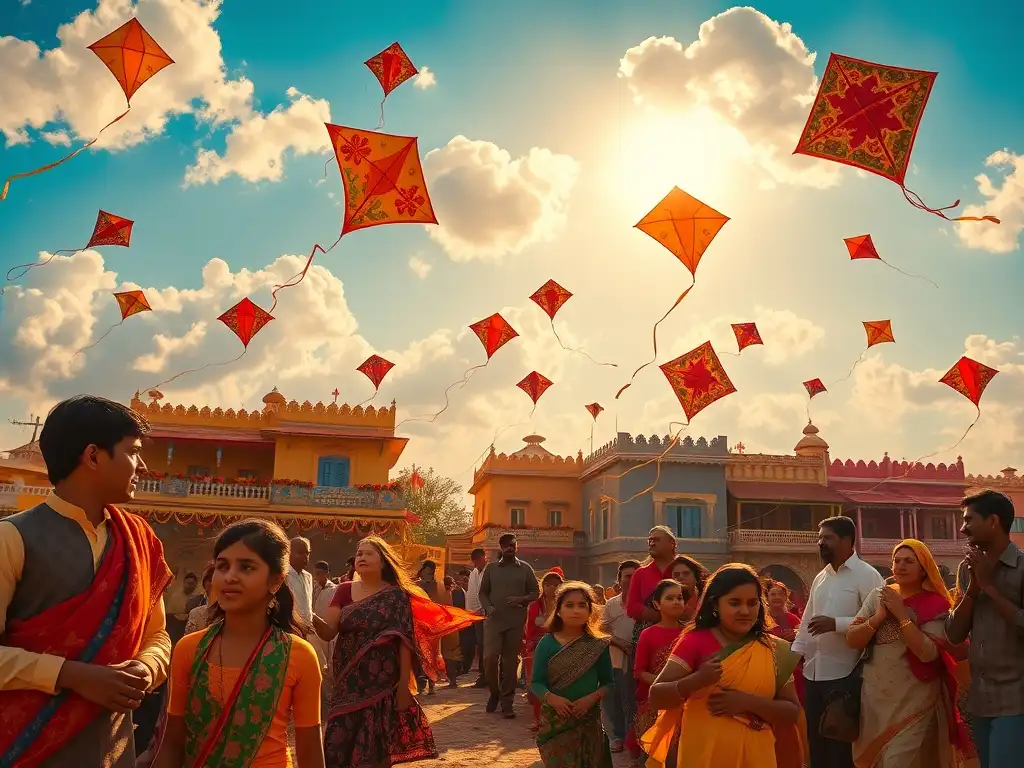
Uttarayan kite flying has transcended its traditional roots, leaving a significant mark on modern culture. The festival has become a symbol of joy, freedom, and community spirit, resonating with people from various backgrounds. Its influence extends beyond the skies of Gujarat, inspiring kite flying enthusiasts around the world to embrace this vibrant tradition, often incorporating it into their local celebrations.
The integration of technology into kite flying has also modernized the practice. With the advent of social media, kite flyers now share their experiences, techniques, and designs online, creating a global community that celebrates the art of kite flying. This cultural exchange enriches the tradition, introducing new styles and methods while preserving the essence of Uttarayan.
Impact of Globalization on the Uttarayan Kite Flying Tradition
Globalization has played a pivotal role in shaping the Uttarayan kite flying tradition. With increased connectivity, kite flying has gained international recognition, leading to collaborations and exchanges among kite enthusiasts worldwide. This exposure has allowed for the introduction of new materials, designs, and flying techniques, enhancing the traditional practices that have been passed down through generations.
However, globalization also poses challenges. The influx of mass-produced kites threatens the traditional craftsmanship that is integral to the Uttarayan experience. Local artisans and kite makers are now competing with cheaper imports, which undermines the cultural significance of handmade kites. As a result, there is a growing movement to promote and preserve traditional kite making techniques, ensuring that the heritage of Uttarayan remains intact amidst the rapid changes brought about by globalization.
Preservation Efforts for Traditional Kite Flying Practices
Recognizing the importance of preserving the Uttarayan kite flying tradition, various organizations and community groups have initiated efforts to safeguard this cultural heritage. Workshops and training programs are organized to teach the art of kite making and flying to younger generations, fostering a sense of pride and responsibility towards the tradition.
Additionally, festivals now include competitions specifically focused on traditional kite designs, encouraging artisans to showcase their skills and creativity. Efforts to document the history and techniques of kite flying are also underway, ensuring that the stories and knowledge of past generations are not lost. These preservation initiatives not only sustain the tradition but also celebrate the rich cultural tapestry that kite flying represents in Indian heritage.
Current Trends in Kite Flying and Cultural Exchange
In recent years, kite flying has evolved to reflect contemporary trends while still honoring its historical roots. The introduction of eco-friendly kites made from sustainable materials is gaining popularity, as awareness of environmental issues rises. This shift is encouraging kite makers to innovate while remaining mindful of their ecological impact.
Cultural exchange continues to flourish, with international kite festivals serving as platforms for collaboration. Kite flyers from different countries come together to share their unique styles and traditions, enriching the global kite flying community. This blending of cultures not only enhances the experience of kite flying but also promotes understanding and appreciation of diverse heritage, ensuring that the Uttarayan kite flying tradition remains a vibrant and evolving aspect of cultural practice.
Conclusion: The Legacy of Uttarayan Kite Flying Tradition
The Uttarayan kite flying tradition embodies a rich tapestry of cultural significance that has evolved over centuries in India. Celebrated primarily in the western states, particularly Gujarat, this festival marks the transition of the sun into the northern hemisphere and is eagerly anticipated by kite enthusiasts and families alike. The joyous atmosphere, characterized by vibrant colors and the thrill of competition, fosters a sense of community and continuity among participants.
As generations come together to celebrate Uttarayan, the tradition of kite flying transcends mere recreation. It serves as a reminder of India's agricultural roots, symbolizing the end of winter and the beginning of harvest. The legacy of this practice is evident not only in its enduring popularity but also in its ability to unite people from diverse backgrounds under a common cause—celebrating life, hope, and prosperity.
Reflection on the Cultural Significance of Kite Flying
Kite flying during Uttarayan is steeped in cultural symbolism. Traditionally, it signifies the victory of light over darkness, aligning with the broader themes of renewal and hope that accompany the festival. Families gather on rooftops, engaging in friendly competitions to cut down each other's kites, echoing the spirit of camaraderie and festivity.
This tradition also showcases the craftsmanship involved in kite making, where artisans infuse creativity and skill into their designs, often reflecting local art forms and heritage. The colorful kites soaring across the sky represent not just the joy of the festival but also a connection to ancestral practices and the wisdom passed down through generations. As such, kite flying serves as a vibrant expression of cultural identity, enriching the tapestry of Indian heritage.
Future of Uttarayan and Its Kite Flying Heritage
The future of the Uttarayan kite flying tradition looks promising as it continues to adapt to contemporary influences while retaining its core values. With the advent of technology, kite flying has seen innovations in design and materials, appealing to younger generations who embrace both tradition and modernity.
Education and awareness initiatives are crucial to fostering appreciation for this cultural practice. Community workshops and festivals can engage youth, ensuring that the skills of kite making and flying are not lost but instead flourish. Moreover, as globalization brings diverse cultures together, Uttarayan offers an opportunity for cross-cultural exchanges, allowing the kite flying tradition to be celebrated beyond Indian borders.
Further Exploration
Resources for Learning About Kite Flying Traditions
For those interested in delving deeper into the rich history and practices surrounding kite flying during Uttarayan, several resources are available:
- Local Workshops: Many cities, especially in Gujarat, host workshops that teach kite making and flying techniques.
- Cultural Festivals: Participating in local Uttarayan celebrations can provide firsthand experience of the customs and practices associated with this festival.
- Online Platforms: Websites and social media groups dedicated to kite enthusiasts often share tips, historical context, and community events.
Recommended Books and Documentaries on Uttarayan Celebrations
To further explore the cultural heritage of Uttarayan and its kite flying tradition, consider the following recommended readings and documentaries:
- Books:
- Kite Flying in India: A Cultural History - This book offers an in-depth exploration of the historical significance and evolution of kite flying in India.
- Festivals of India: A Cultural Perspective - A comprehensive guide that includes detailed sections on various festivals, including Uttarayan.
- Documentaries:
- The Kite Festival of Gujarat - A documentary that captures the vibrancy of the Uttarayan festival, showcasing both the competitive spirit and cultural significance of kite flying.
- Kites: The Art and Tradition of Kite Making - This film delves into the craftsmanship behind kite making, highlighting artisans and their techniques.
Through these resources, enthusiasts can gain a deeper understanding of the Uttarayan kite flying tradition and its place within the broader scope of Indian cultural practices.
- Introduction to Uttarayan and Its Significance
- Overview of Uttarayan as a Festival
- Historical Context of Kite Flying Tradition in India
- The Uttarayan Kite Flying Tradition
- Cultural Practices Associated with Kite Flying
- The Artistry of Kite Making
- The Competitive Spirit of Uttarayan Kite Flying
- The Influence of Uttarayan Kite Flying on Modern Culture
- Conclusion: The Legacy of Uttarayan Kite Flying Tradition
- Further Exploration
Frequently Asked Questions
What is the Uttarayan kite flying tradition?
The Uttarayan kite flying tradition is a vibrant celebration in India, particularly in Gujarat, where people fly kites to mark the harvest festival and the arrival of longer days.
When is Uttarayan celebrated?
Uttarayan is celebrated on January 14th each year. It coincides with the solar event known as Makara Sankranti, heralding the transition of the sun into the Capricorn zodiac sign.
What are the cultural significance and rituals associated with Uttarayan?
Uttarayan is not just about kite flying; it also involves family gatherings, enjoying traditional sweets, and expressing gratitude for the harvest. It symbolizes the victory of light over darkness.
How has the Uttarayan kite flying tradition evolved over time?
The tradition has evolved from simple handmade kites to intricate designs and materials. Modern times have seen the introduction of competition and festivals, enhancing community participation.
What are the types of kites used during Uttarayan?
Various types of kites are used, including detailed paper kites and bigger, more colorful designs. Each kite has its own significance and often represents cultural motifs or regional styles.
Final Reflection: Embracing the Spirit of Uttarayan Kite Flying Tradition
The cultural heritage of kite flying during Uttarayan is not just a celebration of colors and competition; it is a vibrant expression of community, joy, and tradition that resonates deeply in today's world. As we navigate the complexities of modern life, the essence of this age-old practice reminds us of the importance of connection—both to our roots and to each other. The thrill of watching kites soar against the azure sky serves as a powerful metaphor for freedom and unity, making it ever-relevant in our fast-paced society.
The Uttarayan kite flying tradition has significantly shaped our cultural landscape, fostering a sense of belonging and shared identity among diverse communities. This annual event transcends mere recreation; it is a ritual that brings families and friends together, creating lasting memories and reinforcing bonds. As we witness the colorful kites dance in the wind, we are reminded of the words of Mahatma Gandhi: In a gentle way, you can shake the world.
The spirit of Uttarayan embodies this philosophy, encouraging us to embrace our heritage while inspiring future generations to carry forward this beautiful tradition.
As you reflect on the significance of the Uttarayan kite flying tradition, consider how you can incorporate its values into your own life. Let this celebration of freedom and community inspire you to seek connections with those around you, to honor your heritage, and to share the joy of tradition with others.
Whether you fly a kite or simply gather with loved ones, remember that each moment spent together is a thread woven into the fabric of our shared cultural legacy. Embrace the spirit of Uttarayan, and let it guide you toward a future filled with joy, connection, and celebration.
Soar into the Sky: Embrace the Spirit of Kite Flying!
Thank you for taking the time to explore the vibrant world of kite flying during the festival of Uttarayan! This celebration is rich in cultural heritage and tradition, connecting generations through joy, camaraderie, and creativity. Now it's your turn to immerse yourself in this captivating experience.
Here are some exciting action steps you can take:
- Join a local kite flying event or festival to connect with others and gain hands-on experience with this joyful tradition.
- Create your own unique kite design—let your creativity soar! Share your creation on social media to inspire others.
- Learn about various kite flying techniques and consider teaching a friend or family member, fostering a new generation of enthusiasts.
What new kite flying tradition or story will you share with others during this vibrant festival?