
The Use of Dance in Ancient Indian Warfare: A Unique Perspective

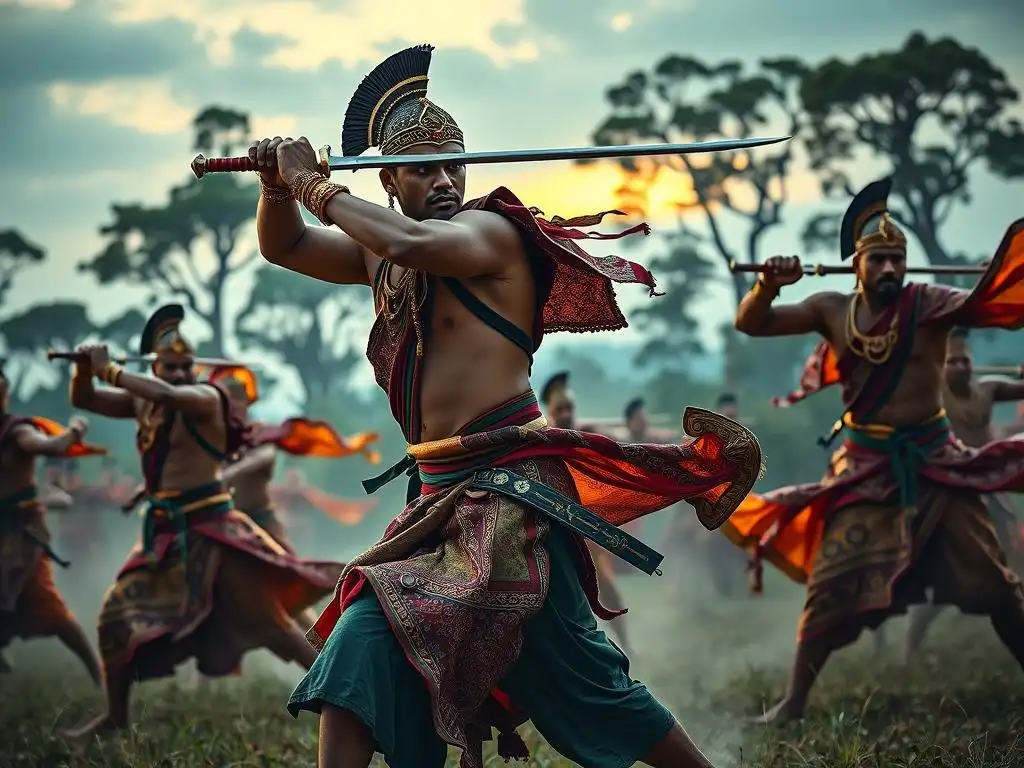
Welcome to Ancient India History, where we embark on a fascinating journey through the rich tapestry of India's past! Discover the unique interplay between art and conflict as we delve into the intriguing concept of ancient Indian dance warfare. This captivating exploration reveals how movement and rhythm were not just forms of expression but pivotal elements in the strategies of ancient battles. Are you ready to uncover the profound connections between artistry and martial prowess? Dive in to learn more about this unique perspective and how it shaped the vibrant cultures of ancient India!
Introduction to Ancient Indian Dance Warfare
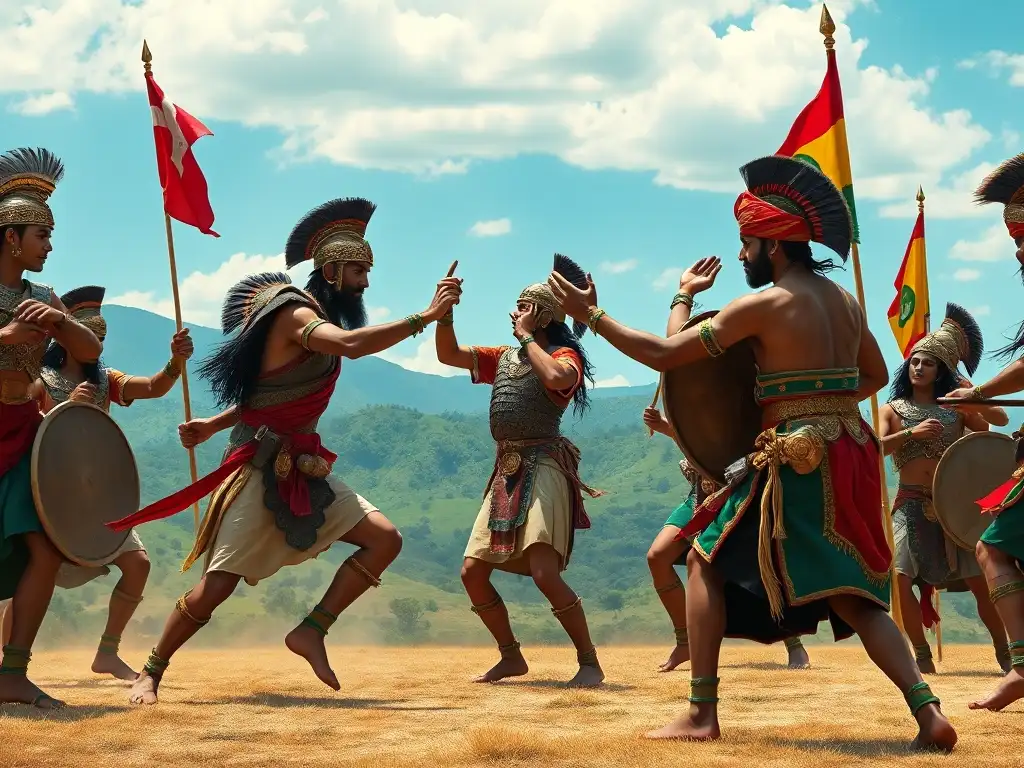
The intricate relationship between dance and warfare in ancient Indian civilizations presents a fascinating lens through which we can explore their rich cultural heritage. While dance is often celebrated for its artistic expression, its role in the context of warfare is both unique and essential.
Ancient Indian dance warfare refers to the integration of choreographed movements and rituals that served not only as a means of preparation for battle but also as a strategic tool that influenced morale and unity among warriors. This article aims to delve into the multifaceted connections between dance and warfare in ancient India, highlighting how these practices were interwoven into the fabric of society, reflecting both cultural values and military strategies.
Definition of Dance in Warfare Context
In the context of ancient Indian warfare, dance can be defined as a series of rhythmic movements that are performed with purpose and precision, often to convey messages, build camaraderie, and prepare warriors for the challenges ahead. These dances were not mere displays of artistry; they were integral to military training and psychological conditioning. Through specific movements and sequences, warriors were conditioned to respond to battle scenarios, enhancing their agility and coordination. Additionally, the symbolic representations in these dances often served as a form of communication, conveying strategies and intentions among troops.
Importance of Dance in Ancient Indian Cultures
Dance held significant importance in ancient Indian cultures, transcending mere entertainment to become a vital aspect of various social and religious practices. It was believed that dance could invoke divine blessings, instilling courage and fortitude in warriors preparing for battle. Furthermore, dance rituals often accompanied significant events, such as festivals or royal ceremonies, reinforcing community bonds and fostering a collective identity. The portrayal of deities through dance also reflected the belief that divine intervention could influence the outcome of conflicts, making it a crucial element in the cultural landscape of ancient Indian societies.
Historical Overview of Dance and Warfare in Ancient India
The Role of Dance in Ancient Indian Military Traditions
Dance played a pivotal role in shaping military traditions throughout ancient India. Various forms of dance, such as Kalaripayattu and martial arts, were often incorporated into the training regimes of warriors, focusing on agility, strength, and coordination. These performances not only served as physical training but also as a ritualistic preparation for the psychological warfare that often accompanied battle; the rhythms and patterns of dance instilled a sense of discipline and camaraderie among troops. Moreover, dance was frequently used in victory celebrations, reinforcing morale and unity among soldiers and their leaders.
Key Historical Periods Influencing Dance and Warfare
Throughout the ages, several key historical periods influenced the interplay between dance and warfare in ancient India. The Vedic period, for instance, saw the emergence of martial arts intertwined with dance as part of religious ceremonies. Similarly, during the Maurya and Gupta Empires, dance evolved into a more structured art form, reflecting the socio-political dynamics of the time.
The influence of regional styles, such as Bharatanatyam and Kathak, also contributed to the development of dance as a means of storytelling around warfare, often depicting valor and heroism. Each of these periods left an indelible mark on the evolution of dance in relation to military practices, underscoring its significance in the broader context of ancient Indian history.
Cultural Significance of Dance in Warfare
In ancient Indian society, dance was not merely a form of entertainment or aesthetic expression; it held deep cultural significance, particularly in the context of warfare. The integration of dance into military practices highlighted the multifaceted role of the warrior, who was expected to embody both strength and grace. Dance served as a medium for expressing valor and pride, reinforcing the morale of soldiers while simultaneously acting as a ritualistic preparation for battle.
Moreover, dance was often intertwined with the spiritual beliefs of the time. Many ancient texts, such as the Vedas and Puranas, reference the connection between divine forces and martial prowess. It was believed that performing specific dance forms could invoke blessings from deities, ensuring victory in battle. These performances were not only a means of physical training but also a path to spiritual fortification, creating a holistic warrior prepared for the challenges of combat.
Dance as a Form of Training for Warriors
Dance served as an innovative training method for warriors in ancient India. The movements inherent in various dance forms enhanced physical agility, coordination, and strength—qualities essential for combat. For instance, the intricate footwork and body movements found in classical dance forms like Bharatanatyam and Kathak helped develop reflexes and stamina that were beneficial on the battlefield.
Beyond physical training, dance also promoted discipline and focus among warriors. The practice of memorizing dance sequences and executing them with precision fostered a sense of teamwork and synchronization, crucial for military formations. Additionally, these dance routines often involved weapons, allowing warriors to practice their combat techniques in a controlled environment, blurring the lines between art and martial skill.
Symbolism and Rituals Associated with Dance in Combat
Dance in ancient Indian warfare was rich in symbolism, often embodying the ideals of heroism, sacrifice, and the warrior ethos. Rituals surrounding dance performances were designed to evoke courage and determination in soldiers. For example, before significant battles, warriors would participate in dance rituals that served as both a psychological boost and a way to honor their ancestors and deities.
These rituals often included offerings to gods, accompanied by music and dance, creating an atmosphere of reverence and collective resolve. The symbolism in dance movements frequently represented various martial themes, such as protection, offense, and the cycle of life and death. Such performances not only prepared warriors physically but also mentally, instilling a sense of purpose and connection to the greater narrative of their culture and beliefs.
Types of Dance Used in Ancient Indian Warfare
The landscape of ancient Indian warfare was diverse, and so too were the dance forms that influenced it. Different regions and cultures contributed unique styles and techniques, each with its own significance and impact on military practices.
Martial Dance Forms: Characteristics and Examples
Martial dance forms, such as Kalaripayattu and Gatka, are prime examples of how dance was directly linked to warfare. Kalaripayattu, originating from Kerala, is one of the oldest martial arts and combines dynamic movements with elements of dance. Its training involves fluid motion and precise footwork, which mirror the agility required in combat.
Similarly, Gatka, a traditional Sikh martial art, incorporates rhythmic movements and dance-like postures, showcasing the warrior's skills with weapons. These martial dance forms emphasized not only physical prowess but also the importance of discipline and spiritual connection, with practitioners often engaging in meditative practices alongside their training.
Folk Dances and Their Influence on Warfare Strategies
Folk dances, deeply rooted in the traditions of various communities, also played a role in shaping warfare strategies. These dances often depicted historical battles, valorous heroes, and community resilience, serving as a means to pass down knowledge and tactics through generations. For example, the Gidda of Punjab and the Bhangra dance are not just celebrations; they also encapsulate the stories of bravery and strategy used in local conflicts.
The rhythmic patterns and movements of folk dances contributed to a communal identity, fostering unity among warriors. This sense of collective identity was crucial in forming strategies that relied on teamwork and collaboration during battles. Moreover, folk dances often included aspects of improvisation, allowing warriors to adapt their movements and tactics dynamically in response to the chaos of warfare.
The integration of dance into ancient Indian warfare reflects a rich tapestry of cultural significance, training methodologies, and symbolic practices that shaped the warrior ethos of the time. Through various dance forms, warriors not only honed their physical abilities but also connected with their cultural heritage, creating a legacy that resonates in the dance and martial traditions of India today.
Notable Ancient Indian Texts on Dance and Warfare
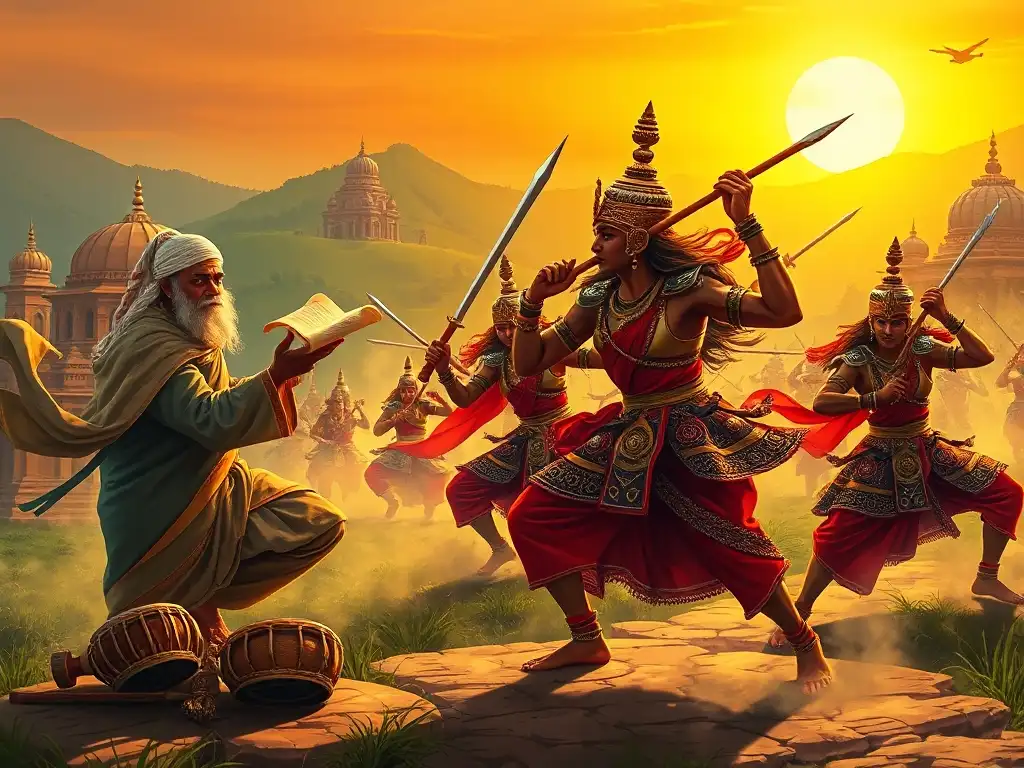
Ancient Indian texts serve as a rich repository that intertwines the themes of dance and warfare, highlighting their significance in society. The Natya Shastra, attributed to Bharata Muni, is a seminal work that discusses the art of performance, including dance, drama, and music, while also touching upon the martial arts. This text outlines various dance forms and their emotional expressions, which were often used to inspire and motivate warriors before battle.
Additionally, the Arthashastra by Kautilya presents strategies not only for governance and economics but also for warfare. It emphasizes the role of morale and psychological tactics in battle, where dance and music were employed to uplift the spirits of soldiers. The interplay of these arts in the context of warfare indicates a holistic approach to preparing troops, where physical prowess was complemented by the psychological impact of performing arts.
References in Epics: Mahabharata and Ramayana
The Mahabharata and Ramayana, two of the most significant epics of ancient India, contain numerous references to the use of dance in warfare. In the Mahabharata, dance is often depicted as a medium of expression for warriors, portraying their valor and emotions. For instance, during the great war of Kurukshetra, various artists would perform to uplift the spirits of the Pandavas and instill fear in their enemies. The epic underscores how the rhythm of dance could resonate with the cadence of battle, enhancing the warrior's resolve.
Similarly, in the Ramayana, dance is associated with various characters, notably Hanuman, who uses his agility and grace to outmaneuver foes. The narrative often emphasizes the role of dance as a form of preparation and as a ritual to seek blessings before engaging in battles. These epics illustrate the cultural significance of dance as not just an art form but as a vital component in the ethos of warfare.
Historical Accounts from Ancient Scholars
Ancient scholars like Kalidasa and Bhartrihari have also documented the connection between dance and warfare, emphasizing its importance in the warrior's training and preparation. Kalidasa, in his works, often alludes to the physicality and discipline of dance as a means of enhancing a warrior's agility and strength. His poetic descriptions create a vivid picture of dance as a form of physical conditioning that complements martial skill.
Bhartrihari, in his treatises, discusses the role of music and dance in establishing camaraderie among warriors, fostering unity and morale. This historical perspective reveals that ancient Indian scholars recognized dance not merely as entertainment but as an essential aspect of preparing for the rigors of battle.
Case Studies of Dance in Ancient Indian Battles
The Cholas: Dance and Warfare in the South
The Chola dynasty, known for its remarkable contributions to art and culture, incorporated dance into its military traditions. During battles, the Chola warriors would perform specific dance forms like Karagattam and Kavadi Attam to invoke the blessings of deities, seeking strength and victory. These performances were not just ritualistic; they were also a means of showcasing their skills and unity before engaging in warfare.
The dances were often accompanied by traditional music, enhancing the overall experience and creating a charged atmosphere. The Cholas understood the psychological impact of such performances, using them as a tool to prepare their soldiers mentally and emotionally for the challenges ahead.
Rajput Warriors: Dance Forms and Combat Techniques
Rajput warriors are renowned for their valor and gallantry, and their connection with dance is equally compelling. Specific dance forms such as Ghoomar and Kalbeliya were not only traditional expressions of cultural identity but also served practical purposes in warfare. These dances emphasized the agility and grace required in combat, allowing warriors to hone their physical skills while maintaining cultural rituals.
Before battles, Rajput warriors would perform these dances as a form of invocation, seeking blessings from their ancestors and deities. The rhythmic movements of the dance mirrored the strategies employed in combat, where every step and turn was a reflection of agility and precision. This deep-seated connection between dance and warfare showcases how integral these art forms were in shaping the identity and prowess of the Rajput fighters, emphasizing the strategic advantage that could be gained through cultural practices.
The Psychological Impact of Dance in Warfare
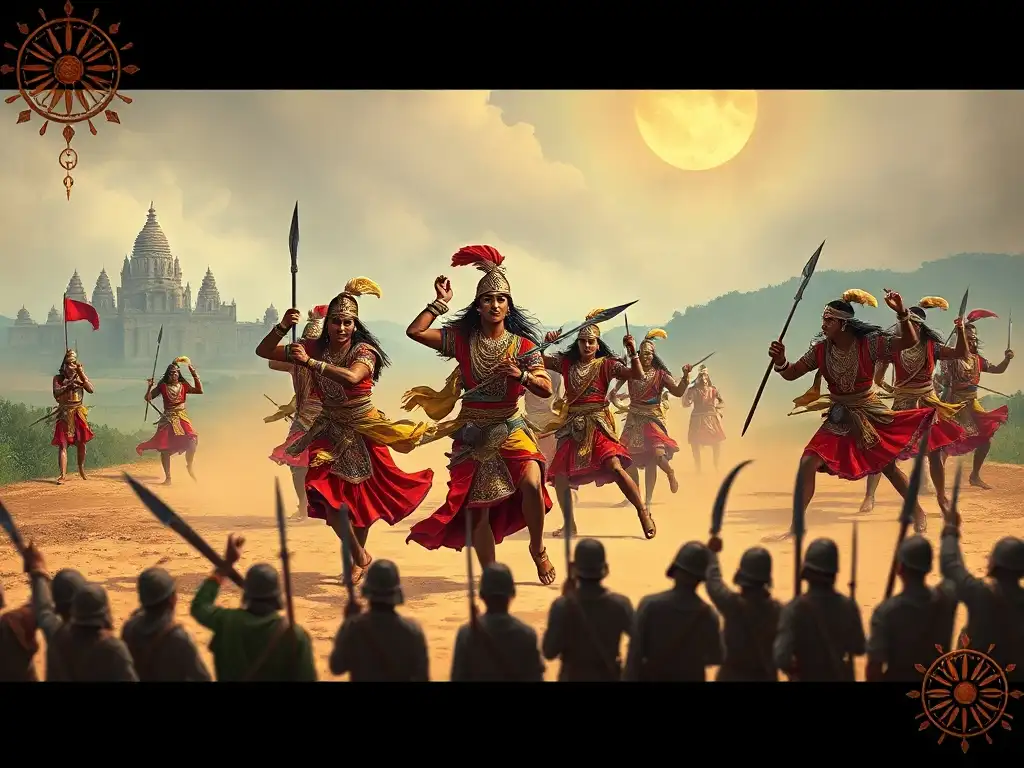
The use of dance in ancient Indian warfare extended beyond mere physical movements; it played a critical role in shaping the psychological landscape of battle. Dance was not only a form of artistic expression but also a strategic tool that influenced the mindset of warriors and the overall dynamics of conflict. The rhythmic movements, coupled with music and chants, were employed to evoke emotions, instill courage, and create a sense of purpose among soldiers. This psychological impact was crucial, as it helped warriors to overcome fear, bolster their resolve, and maintain unity during the chaotic environment of warfare.
Boosting Morale and Unity Among Troops
One of the primary functions of dance in ancient Indian warfare was to boost morale and foster a sense of unity among troops. Before engaging in battle, soldiers often participated in group dances that were specifically designed to elevate their spirits. These dances created a shared experience that encouraged camaraderie and strengthened bonds among comrades.
The communal aspect of these performances served to remind warriors of their shared goals and cultural heritage, reinforcing their commitment to one another and their cause. For example, the traditional Garba dance, which involves circular movements and rhythmic clapping, could have been adapted to create a sense of togetherness before a battle. The synchronized movements, accompanied by vibrant music, not only uplifted the soldiers' spirits but also unified their efforts, making them more formidable in combat.
The Role of Dance in Fear Management during Battles
Dance also served as a powerful tool for managing fear during battles. The chaotic nature of warfare often induced panic and anxiety among soldiers. However, by incorporating rhythmic movement and music, warriors could channel their fears into a collective energy that transformed anxiety into focus and determination.
Traditional dances, such as the Kalaripayattu, a martial art that combines combat techniques with dance-like movements, exemplified this approach. The fluidity and grace of Kalaripayattu allowed warriors to engage in a dynamic form of expression that provided an outlet for their emotions. By engaging in such dance forms, warriors could effectively manage their fear and anxiety, turning them into sources of strength as they faced their adversaries.
Legacy of Ancient Indian Dance Warfare
The legacy of dance in ancient Indian warfare has had a profound and lasting impact on both martial arts and cultural traditions. The integration of dance and combat techniques has shaped the evolution of various forms of physical expression, ensuring that the essence of this unique intersection remains relevant in contemporary practices.
Influence on Modern Martial Arts and Dance Forms
The influence of ancient Indian dance warfare can be observed in many modern martial arts and dance forms. Techniques and movements derived from traditional dances have been incorporated into various martial disciplines, seamlessly blending artistic expression with combat effectiveness. For instance, forms such as Kalaripayattu and Silambam continue to showcase the dance-like movements that were integral to ancient Indian warfare.
Additionally, contemporary dance forms often draw inspiration from these historical practices, emphasizing the rhythm and physicality that characterized ancient warfare. This fusion of dance and martial arts not only preserves the historical significance but also enriches modern practices, allowing practitioners to connect with their cultural heritage.
Preservation of Dance Traditions in Contemporary Indian Culture
The preservation of ancient dance traditions within contemporary Indian culture highlights the enduring legacy of dance in warfare. Many classical dance forms, such as Kathak, Bharatanatyam, and Odissi, incorporate themes and narratives that reflect the valor and heroism associated with ancient warriors. These dances not only serve as a celebration of cultural identity but also as a reminder of the historical contexts in which they evolved.
Moreover, festivals and cultural events often feature performances that pay homage to the martial arts and dance traditions of ancient India, ensuring that these art forms remain vibrant and relevant. Through educational initiatives, dance schools, and cultural organizations, the rich heritage of dance in ancient Indian warfare continues to be celebrated, fostering a deeper understanding of its significance and impact on both historical and contemporary society.
Conclusion: The Intersection of Dance and Warfare in Ancient India
The relationship between dance and warfare in ancient India presents a fascinating and multi-dimensional perspective on how cultural practices intertwined with military preparations and rituals. Dance was not merely an artistic expression; it served practical purposes in the context of warfare, embodying the values, skills, and spiritual beliefs of the time. The integration of dance into martial practices highlights the distinct ways ancient societies viewed the body and movement as tools of both combat and communication.
Summary of Key Insights
- Cultural Significance: Dance in ancient Indian warfare was deeply rooted in cultural traditions, reflecting societal values and beliefs about heroism, honor, and the divine. It served as a medium to transmit historical narratives and religious ideals, reinforcing community identity.
- Physical Preparation: Many forms of dance involved rigorous physical training that enhanced the combat skills of warriors. Movements in traditional dances often mimicked combat techniques, allowing practitioners to hone their agility, strength, and coordination in a creative manner.
- Ritualistic Functions: Dance played a crucial role in rituals preceding battles, invoking blessings from deities and ensuring the favor of higher powers. These performances were believed to boost morale among troops and instill fear in foes, making them a strategic component of warfare.
- Documentation of History: Historical texts and sculptures often depict dancers in martial contexts, serving as valuable records of ancient practices and societal norms. This documentation provides insight into the aesthetic and functional roles of dance within military life.
Final Thoughts on the Importance of Dance in Ancient Indian History
The exploration of ancient Indian dance warfare enriches our understanding of how art forms were interwoven with daily life, spirituality, and the practice of war. It challenges the modern perception of dance as solely an entertainment medium, revealing its multifaceted role in ancient civilizations.
By recognizing the importance of dance in the context of warfare, we gain a deeper appreciation for the innovative ways ancient Indians adapted their cultural expressions to meet the needs of their socio-political landscape. The legacy of this intersection continues to influence contemporary interpretations of dance, emphasizing its enduring relevance in understanding the complexities of human experience. The study of dance as a form of ancient Indian warfare ultimately underscores the profound connections between art, society, and conflict, inviting further exploration and appreciation of this unique aspect of ancient Indian history.
- Introduction to Ancient Indian Dance Warfare
- Historical Overview of Dance and Warfare in Ancient India
- Cultural Significance of Dance in Warfare
- Types of Dance Used in Ancient Indian Warfare
- Notable Ancient Indian Texts on Dance and Warfare
- References in Epics: Mahabharata and Ramayana
- Historical Accounts from Ancient Scholars
- Case Studies of Dance in Ancient Indian Battles
- The Psychological Impact of Dance in Warfare
- Legacy of Ancient Indian Dance Warfare
- Conclusion: The Intersection of Dance and Warfare in Ancient India
- What is the significance of dance in ancient Indian warfare?
- How did ancient Indian dance styles influence military training?
- Were there specific dances associated with battle ceremonies?
- How did the Indus Valley Civilization incorporate dance into their culture?
- What contributions did the Gupta Empire make to the evolution of dance in warfare?
Frequently Asked Questions
What is the significance of dance in ancient Indian warfare?
Dance played a crucial role in ancient Indian warfare by serving as a form of training, enhancing coordination, and building team spirit among warriors.
How did ancient Indian dance styles influence military training?
Various dance styles, such as Kathakali and Bharatanatyam, incorporated martial elements that helped in developing agility, strength, and combat skills in soldiers.
Were there specific dances associated with battle ceremonies?
Yes, certain dances were performed during battle ceremonies to invoke blessings, boost morale, and celebrate victories, often reflecting the spiritual aspects of warfare.
How did the Indus Valley Civilization incorporate dance into their culture?
The Indus Valley Civilization depicted dance in their art, suggesting that it was part of their rituals and may have had ties to social and military activities.
What contributions did the Gupta Empire make to the evolution of dance in warfare?
The Gupta Empire saw the formalization of dance forms, which were integrated into military training and used in court performances, enriching the cultural landscape of ancient Indian warfare.
Final Reflection: The Dance of War in Ancient India
The intersection of dance and warfare in ancient India reveals a profound cultural narrative that resonates with our contemporary understanding of art and conflict. As we explore the intricate ways in which ancient Indian dance was employed not just as a form of expression but as a strategy in warfare, we uncover a striking reminder of how creativity and conflict have always been intertwined. This unique perspective challenges us to reconsider the roles of art in society, prompting us to ask how these historical practices might inform our current views on conflict resolution and cultural expression.
Culture is a living entity, continuously shaped by the interplay of its various elements, including art and warfare. The influence of ancient Indian dance on military tactics and morale illustrates how deeply ingrained these practices were in society, fostering unity and strength among warriors. As we reflect on this, we are reminded of the words of the renowned Indian philosopher Rabindranath Tagore: The highest education is that which does not merely give us information but makes our life in harmony with all existence.
This harmony, as seen in the fusion of dance and warfare, encourages us to seek balance in our own lives, recognizing the importance of creativity even in the face of conflict.
As we move forward, let us take a moment to reflect on the lessons embedded in the dance of ancient Indian warfare. Consider how you can incorporate creativity into your own life, especially in challenging situations. Whether through art, movement, or other forms of expression, embracing the spirit of resilience and innovation can transform our approach to conflict and collaboration. In doing so, we honor the legacy of those who came before us, ensuring that the dance of life continues to flourish in harmony with our collective existence.
Thank you for exploring the fascinating intersection of dance and warfare in ancient India! You've uncovered a unique perspective that not only enriches your understanding of history but also highlights the cultural significance of movement and expression. Now, let's take those insights and turn them into action!
- Dive deeper into the world of ancient arts: Seek out a workshop or online class that explores traditional Indian dance forms, connecting with the rhythms that once influenced warriors.
- Share your newfound knowledge: Discuss this captivating topic with friends or engage in online forums to spread awareness about the rich cultural tapestry of ancient India.
- Explore the connection further: Visit a local museum or an online exhibit dedicated to ancient Indian history and discover how dance played a role in various aspects of life.
What impact do you think integrating such cultural practices into modern martial arts could have on our perception of both dance and combat today?