
The Impact of Geography on Ancient Indian Dance Styles and Music Genres

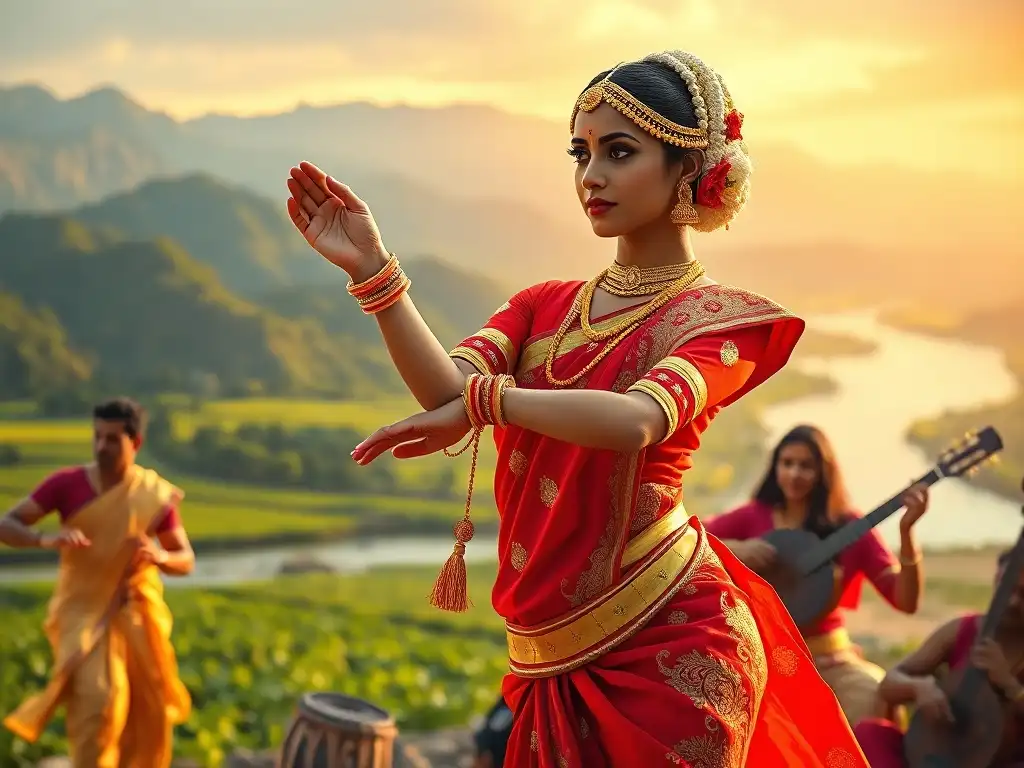
Welcome to Ancient India History, where we embark on a fascinating journey through the rich tapestry of India's past. In this exploration, we delve into the intricate ways geography has shaped the vibrant dance styles and music genres that echo through time.
From the rhythmic movements of classical dance in the lush valleys to the spirited folk traditions born in arid landscapes, discover how the diverse terrains of ancient India have influenced artistic expression. Get ready to uncover the connections between place and performance, and let your curiosity guide you as you dive deeper into the impact of geography on ancient Indian dance.
Introduction to Geography's Influence on Indian Dance and Music
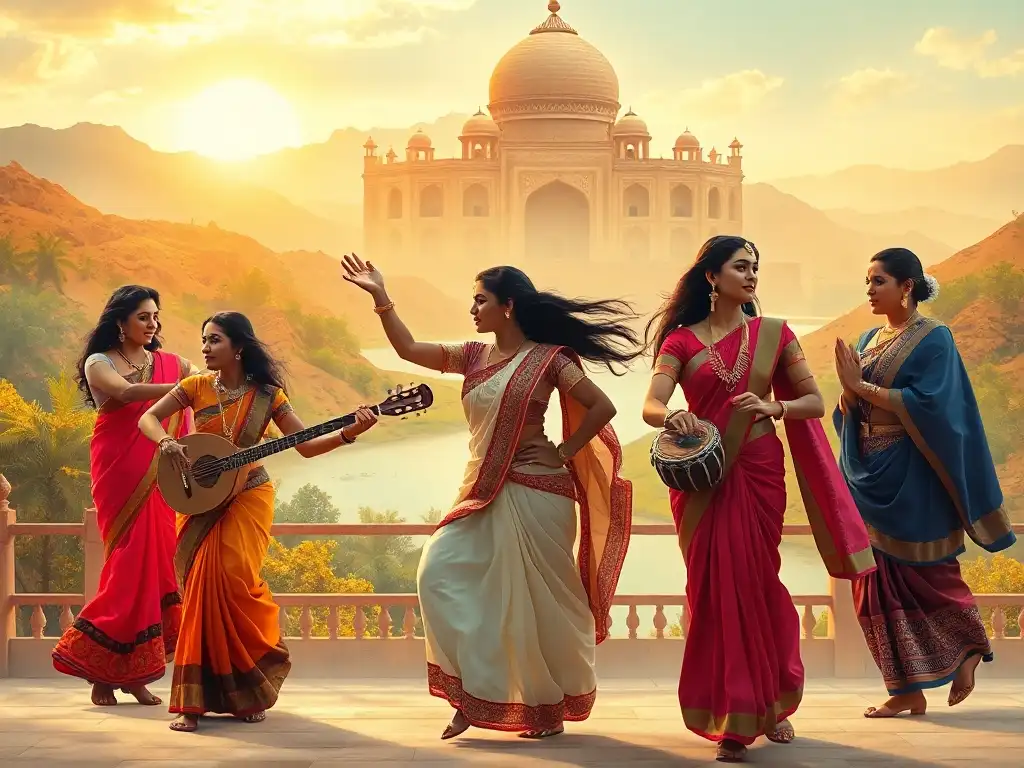
The intricate tapestry of ancient Indian dance and music is deeply interwoven with the country's diverse geography. From the towering Himalayas in the north to the serene coastlines of the south, the various landscapes have not only shaped the physical expressions of art but also influenced the rhythms, melodies, and thematic elements of performances.
Understanding the geography's influence on Indian dance provides a profound insight into how environmental factors, regional resources, and cultural interactions have culminated in the unique art forms that we recognize today. This exploration will reveal how each region's distinctive geographic characteristics have fostered specific dance styles and music genres, each with its own narrative and expressive qualities.
Understanding the Role of Geography in Ancient Indian Culture
Geography has been a pivotal factor in shaping the cultural practices of ancient India. The subcontinent’s vast diversity—comprising mountains, rivers, forests, and plains—has led to a rich variety of artistic expressions. For instance, the natural environment often dictated the materials available for musical instruments, the themes of dances, and even the attire worn by performers.
- Natural Resources: The availability of certain materials influenced the types of instruments created, such as the use of bamboo flutes in regions with abundant bamboo forests.
- Cultural Exchange: Trade routes facilitated the exchange of ideas, styles, and techniques across different regions, leading to a fusion of dance and music traditions.
- Spiritual Connection: Many dance forms and musical styles were linked to the local spiritual practices and rituals, often reflecting the geography of sacred sites.
Significance of Dance and Music in Ancient Indian Civilizations
Dance and music were not merely forms of entertainment in ancient India; they held profound significance in social, religious, and cultural contexts. These art forms served as a medium for storytelling, a prayer for divine blessings, and a means of preserving history.
- Cultural Identity: Dance styles and music genres became emblematic of specific regions, fostering a sense of identity and belonging among communities.
- Ritualistic Importance: Many forms were performed during significant religious ceremonies or festivals, linking them closely to the socio-cultural fabric of ancient civilizations.
- Educational Role: Dance and music also played a vital role in the education of the youth, imparting moral values and life lessons through performance.
Regional Variations in Ancient Indian Dance Styles
The geographic diversity of India has led to a rich array of dance styles, each with its own unique features, techniques, and historical contexts. Each region’s dance form reflects its geography, climate, and cultural influences, showcasing the profound impact of the land on artistic expression.
Northern Indian Dance Forms and Their Geographic Roots
Northern India, with its varied terrain from the plains of Punjab to the rugged hills of Himachal Pradesh, has birthed several prominent dance styles.
- Kathak: Originating in the temples of North India, Kathak is characterized by intricate footwork and expressive gestures. Its evolution was influenced by the Mughal Empire, incorporating Persian elements and storytelling techniques.
- Bhangra: A lively folk dance from Punjab, Bhangra reflects the agrarian lifestyle and the vibrancy of rural life, often performed during harvest festivals.
Southern Indian Dance Forms and Regional Characteristics
Southern India is renowned for its classical dance forms, which showcase the region's rich cultural heritage and religious traditions.
- Bharatanatyam: One of the oldest classical dance forms, Bharatanatyam emerged in Tamil Nadu and is deeply rooted in Hindu temples, expressing devotion through intricate movements and facial expressions.
- Kathakali: This dance-drama from Kerala combines dance, music, and acting, portraying mythological stories with elaborate costumes and stylized movements, influenced by the lush landscapes of the region.
Eastern Indian Dance Styles and Their Unique Features
Eastern India boasts a variety of dance styles that reflect the region's unique cultural influences.
- Odissi: Originating from Odisha, Odissi is characterized by its lyrical movements and expressions, often depicting themes from Hindu mythology. The dance is said to be influenced by the temple architecture and sculptures of the region.
- Chhau: A martial dance from Jharkhand and Odisha, Chhau incorporates elements of combat and storytelling, reflecting the rural life and traditions of the eastern tribes.
Western Indian Dance Forms and Their Cultural Landscape
Western India presents a vibrant mix of dance styles, each embodying the spirit of its diverse communities.
- Garba: A folk dance from Gujarat, Garba is performed during festivals and celebrates the goddess Durga. The dance’s circular movements symbolize community and togetherness, reflecting the region's agrarian heritage.
- Kuchipudi: Though originating from Andhra Pradesh, Kuchipudi has gained popularity in Western India, known for its graceful movements and narrative storytelling, often influenced by local themes and folklore.
The exploration of these regional variations not only highlights the geography's influence on Indian dance but also underscores the rich cultural dialogues that have shaped these art forms over centuries. Each dance style and music genre serves as a living testament to the interplay between geography and cultural expression in ancient Indian civilizations.
The Geographic Influence on Music Genres in Ancient India
The geography of ancient India played a pivotal role in shaping its diverse music genres. The vast subcontinent, with its varied topography, climates, and cultural interactions, fostered the development of distinct musical styles that reflected the local traditions, beliefs, and lifestyles of its inhabitants. From the snow-capped Himalayas in the north to the tropical coasts in the south, each region developed unique sounds that were influenced by the environment, available instruments, and societal norms.
The interaction between different cultures and communities, often facilitated by trade routes and conquests, further enriched the musical landscape of ancient India. For instance, the confluence of indigenous traditions with Persian and Central Asian influences during the medieval period led to the evolution of genres such as Hindustani classical music. This adaptability underscores the profound impact of geography on music genres throughout ancient Indian history.
Regional Music Styles and Their Cultural Contexts
Ancient India was home to a multitude of regional music styles, each deeply embedded in the cultural contexts of its area. For example:
- North Indian Music (Hindustani): Influenced by the arid landscapes and diverse population, Hindustani music often features intricate ragas that embody the emotions associated with the changing seasons and times of day. Instruments such as the sitar and tabla became prominent, mirroring the regions’ social and cultural dynamics.
- South Indian Music (Carnatic): Originating from the fertile plains of the Deccan Plateau, Carnatic music is characterized by its devotional themes and intricate rhythmic patterns. The use of instruments like the veena and mridangam showcases the agricultural lifestyle and spiritual practices prevalent in southern India.
- Folk Music: Each region also boasts its unique folk traditions, which are often tied to local festivals, rituals, and daily activities. For example, the bhangra music of Punjab reflects the agrarian lifestyle, while the Baul music of Bengal captures the spiritual and philosophical musings of the wandering minstrel tradition.
By examining these regional styles, one can appreciate how geography not only influenced the sounds but also the meanings and functions of music within society.
The Role of Geography in Folk Music of India
Folk music in India serves as a living testament to the diverse regional identities shaped by geography. Each locality’s distinct cultural practices, agricultural cycles, and social structures are reflected in its folk traditions. For instance:
- Seasonal Variations: Many folk songs are tied to the agricultural calendar, celebrating harvests or monsoon rains. In Rajasthan, for example, songs celebrating the arrival of rain are common, highlighting the importance of water in the arid landscape.
- Cultural Practices: Geography also dictates the types of instruments used in folk music. In the coastal regions, one might find the use of shells and bamboo instruments, while in the mountainous areas, more percussion-based instruments, such as the dhol, are prevalent.
- Community Gatherings: Folk music often plays a vital role in community gatherings and rituals, reinforcing social bonds and cultural identity. These gatherings are influenced by geographical factors such as proximity to rivers or mountains, which dictate where communities congregate and celebrate.
Through these various lenses, it becomes clear that geography is integral to the formation and preservation of folk music traditions across ancient India.
The Interconnection Between Geography, Dance, and Music
The relationship between geography, dance, and music in ancient India is intricate and symbiotic. Dance forms often embody the musical styles of their respective regions, creating a cohesive cultural expression that resonates with local audiences. This interconnectedness can be observed in several ways:
How Geography Shapes Performance Styles and Traditions
Each dance form in India is deeply influenced by the geographic region from which it originates. For example:
- Kathak: Hailing from northern India, Kathak incorporates rapid footwork and intricate spins, reflecting the dynamic nature of the region's culture and the influence of Mughal aesthetics. The performance often narrates stories, tying together music and dance in a seamless flow.
- Bharatanatyam: Originating from Tamil Nadu in the south, Bharatanatyam combines expressive hand gestures (mudras) and facial expressions (abhinaya) with intricate footwork. The dance often depicts religious themes, showcasing the region's spiritual and artistic heritage.
- Ghoomar: This folk dance from Rajasthan is characterized by its graceful movements and swirling skirts, often performed during festivals or celebrations. The dance reflects the vibrant spirit of the desert community and is accompanied by folk music that enhances its celebratory nature.
These performances not only serve as art forms but also as cultural narratives that convey the historical and geographical context of the regions they represent.
The Influence of Natural Landscapes on Artistic Expression
Natural landscapes have significantly influenced artistic expression in ancient Indian dance and music. The environments surrounding communities often dictate the themes and styles of performance. For instance:
- Rivers and Water Bodies: Many dances and songs celebrate the beauty and bounty of rivers, which are vital for agriculture and sustenance. The Yamuna and Ganges, for instance, inspire numerous lyrical compositions and dances that honor the life-giving properties of water.
- Mountains and Hills: The serene and majestic presence of mountains often finds its way into the rhythm and grace of dance forms like Kathakali, where movements mimic the natural flow of the landscape. The stories depicted in performances often reflect the myths and legends associated with these landscapes.
- Flora and Fauna: The rich biodiversity of India, from lush forests to diverse wildlife, also inspires artistic expression. Many folk songs and dance forms celebrate the local flora and fauna, intertwining nature with cultural identity.
The profound influence of geography on dance styles and music genres in ancient India is a testament to the close relationship between the land and its people. This interconnectedness not only enriches the cultural tapestry of the nation but also preserves the unique identities of its diverse regions.
Conclusion: The Lasting Impact of Geography on Indian Dance and Music
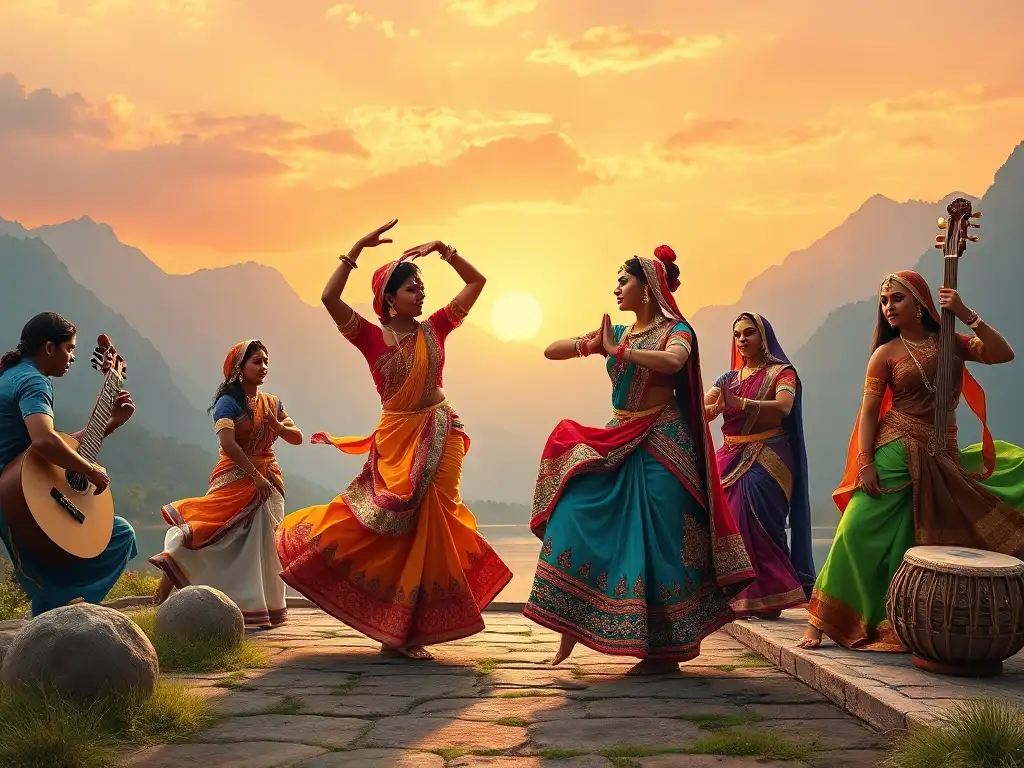
The interplay between geography and the evolution of Indian dance styles and music genres has undeniably shaped the cultural tapestry of ancient India. The diverse landscapes—from the towering Himalayas to the expansive plains of the Ganges, and the coastal regions of the Deccan—provided unique influences that fostered distinctive artistic expressions. Each geographic region contributed its own rhythms, instruments, and movements, leading to a rich variety of traditions that are still celebrated today.
The legacy of these geographic influences can be observed in how different dance forms, such as Bharatanatyam from Tamil Nadu and Kathak from Uttar Pradesh, reflect the cultural nuances of their respective environments. Similarly, musical genres like Hindustani and Carnatic classical music emerged, each deeply rooted in the local geography and cultural interactions. This geographical diversity not only enriched the art forms but also ensured their adaptability and evolution over time, making them integral to the identity of various communities within India.
Reflecting on the Diversity of Ancient Indian Art Forms
The diversity of ancient Indian art forms is a testament to the myriad influences of geography, climate, and local customs. Each region developed its own dance styles and musical traditions that mirrored the environment and the socio-cultural dynamics of the time. For instance, the vibrant and expressive dance forms from Rajasthan, characterized by their colorful costumes and lively movements, can be attributed to the arid landscape and the rich folk traditions of the area.
In contrast, the classical dance forms of South India, such as Kathakali and Mohiniyattam, are often influenced by the lush greenery and religious narratives prominent in the region. The use of specific instruments also highlights this diversity; for example, the use of the dholak in folk dances of North India versus the mridangam in South Indian classical music. This regional variation not only enriches the artistic expressions but also serves as a reflection of the local heritage, beliefs, and lifestyle.
The Importance of Geographic Context in Understanding Cultural Heritage
Understanding the geographic context is crucial for comprehending the evolution and significance of ancient Indian dance and music. Geography does not merely serve as a backdrop; it actively shapes the artistic forms that arise within its bounds. The natural resources available, such as specific types of wood for instruments or the materials used in costumes, are influenced by the landscape, impacting the development of various art forms.
Furthermore, the geographic proximity of different communities facilitated cultural exchanges, leading to the amalgamation of styles and techniques. Trade routes, pilgrimage paths, and invasions introduced new ideas and influences, promoting an ongoing dialogue between diverse cultures. This dynamic interaction helped foster a rich cultural heritage, making the study of geography essential for anyone seeking to understand the historical underpinnings of Indian dance and music.
The exploration of geography's influence on Indian dance and music underscores the complexity and richness of ancient Indian art forms. By appreciating this connection, we can gain deeper insights into the cultural heritage that continues to resonate in contemporary practices today.
- Introduction to Geography's Influence on Indian Dance and Music
- Regional Variations in Ancient Indian Dance Styles
- The Geographic Influence on Music Genres in Ancient India
- The Interconnection Between Geography, Dance, and Music
- Conclusion: The Lasting Impact of Geography on Indian Dance and Music
- Reflecting on the Diversity of Ancient Indian Art Forms
- The Importance of Geographic Context in Understanding Cultural Heritage
- What is the significance of geography in ancient Indian dance styles?
- How did the Indus Valley civilization influence dance?
- What are some major dance styles that emerged due to geographical factors?
- How did the Gupta Empire contribute to dance and music?
- What role did music genres play in ancient Indian dance?
Frequently Asked Questions
What is the significance of geography in ancient Indian dance styles?
Geography played a crucial role in shaping the regional variations of dance styles, reflecting the cultural diversity and local traditions across different regions of India.
How did the Indus Valley civilization influence dance?
The Indus Valley civilization laid the foundation for early dance forms, with artifacts like figurines suggesting the importance of dance in their cultural and religious practices.
What are some major dance styles that emerged due to geographical factors?
Dance styles such as Kathak, Bharatanatyam, and Odissi developed in different regions, influenced by local mythology, climate, and social customs unique to each area.
How did the Gupta Empire contribute to dance and music?
The Gupta Empire is often referred to as a golden age for Indian arts, where dance and music flourished, integrating geographical influences from various parts of India and promoting a synthesis of styles.
What role did music genres play in ancient Indian dance?
Music genres provided the rhythmic foundation for dance, with regional variations in instruments and melodies reflecting the geographical diversity and cultural heritage of ancient India.
Final Reflection: The Enduring Influence of Geography on Indian Dance and Music
The intricate relationship between geography and the evolution of ancient Indian dance styles and music genres remains profoundly relevant today. As we explore the diverse cultural tapestry of India, it becomes evident that the landscapes, climates, and regional characteristics have not only shaped artistic expressions but also continue to influence contemporary performances. The geographical diversity of India serves as a canvas upon which the vibrant colors of its dance and music are painted, reminding us that the roots of our cultural heritage are deeply intertwined with the land itself.
The impact of geography on Indian dance and music is a testament to the resilience and adaptability of these art forms. From the classical Bharatanatyam of Tamil Nadu to the folk dances of Punjab, each style reflects the unique cultural and environmental influences of its region. This ongoing dialogue between geography and art underscores the importance of preserving these traditions for future generations. As noted by the renowned dancer and choreographer, Dance is the hidden language of the soul.
This sentiment resonates deeply, as it highlights how geography not only informs the movements and rhythms but also connects us to our roots and identity.
As we conclude this exploration, I invite you to reflect on the geographical influences that shape your own cultural experiences. Consider how the environment around you informs your understanding of art and expression. Whether through dance, music, or other forms of creativity, let us honor the rich heritage that geography has gifted us and strive to keep these traditions alive. Embrace the beauty of diversity in art, and allow it to inspire your own journey of self-expression and cultural appreciation.
Unveil the Rhythms of Our Heritage!
Thank you for diving into the captivating world of ancient Indian dance and music! Your interest enriches your understanding of how geography shaped these beautiful art forms. Now, let’s maintain that momentum by exploring and sharing this vibrant heritage.
Here are some inspiring actions you can take next:
- Dive deeper: Research a specific dance style or music genre that fascinates you, and uncover its roots and significance.
- Share your findings: Engage in discussions with friends or on social media to ignite conversations about the cultural richness of ancient India.
- Join a local class: Seek out a dance or music workshop in your community to experience these art forms firsthand!
What aspect of ancient Indian dance or music resonates with you the most, and why? Share your thoughts, and let's explore this rich tapestry together!