
The Fascinating History Behind Eid Celebrations in Ancient India

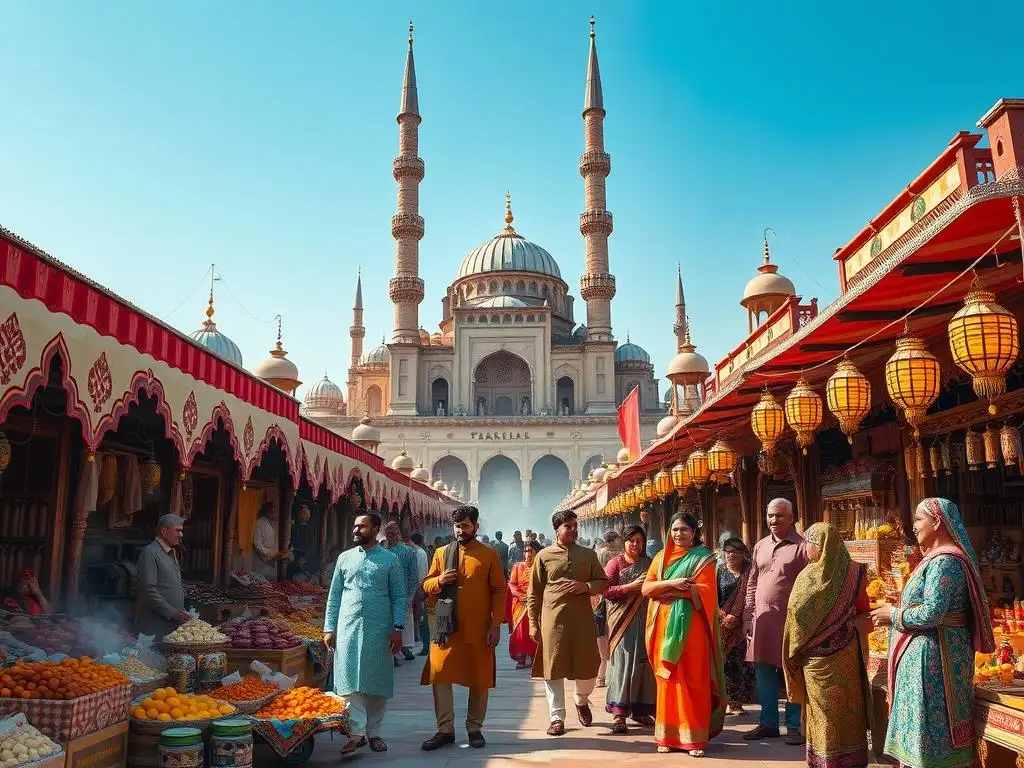
Welcome to Ancient India History! Dive deep into the vibrant tapestry of ancient Indian civilizations, where each thread tells a story of rich culture, remarkable contributions, and timeless traditions. In this article, we unravel the fascinating history behind Eid celebrations in ancient India, exploring how this festival evolved and intertwined with the social fabric of its time.
Prepare to journey through a celebration that transcends mere festivity, revealing insights into the lives, beliefs, and customs of those who came before us. Join us as we unlock the secrets of the past and discover the significance of Eid in the ancient Indian context!
Introduction to Eid Celebrations in Ancient India
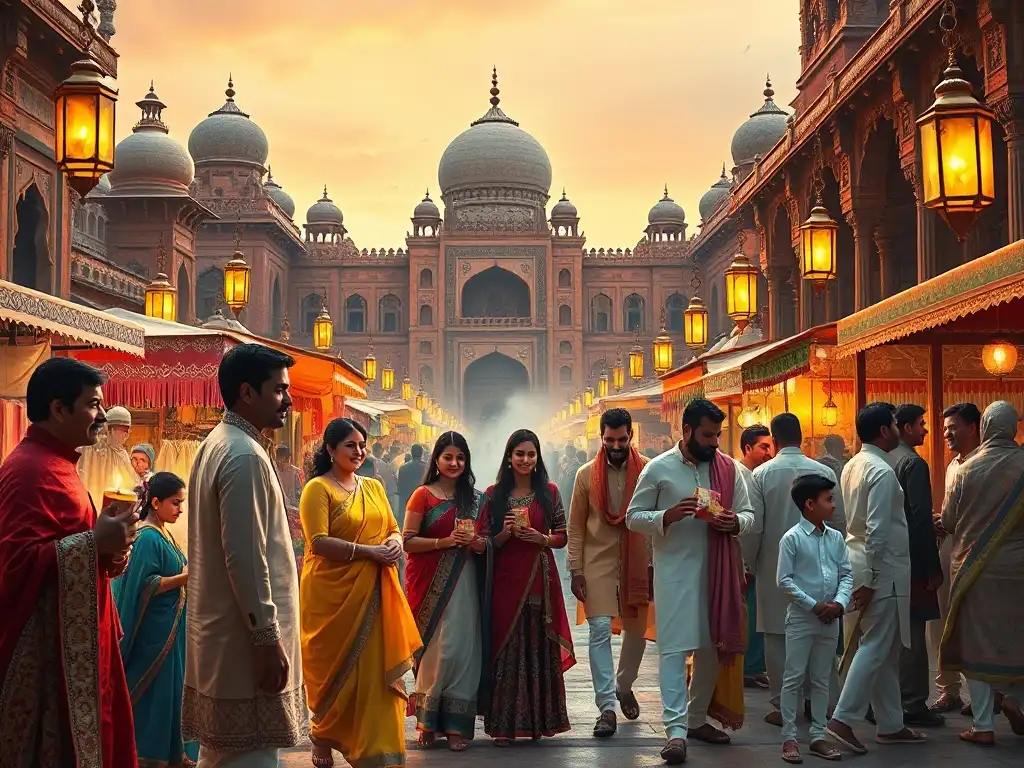
Eid celebrations in ancient India represent a unique tapestry woven from the threads of diverse cultural and religious practices. As one of the most significant festivals observed by Muslims worldwide, Eid has its roots in Islamic traditions that flourished during a time of rich cultural exchange in the Indian subcontinent.
This article aims to explore the fascinating history of Eid celebrations in ancient India, delving into its origins, significance, and the profound impact of Islamic culture on Indian society. By understanding the historical context and the evolution of these celebrations, we can appreciate how Eid has become an integral part of the cultural landscape of India, transcending religious boundaries and fostering a spirit of unity among diverse communities.
Overview of Eid and Its Significance
Eid, which translates to "festival" in Arabic, is celebrated in two primary forms: Eid al-Fitr and Eid al-Adha.
- Eid al-Fitr marks the end of Ramadan, a month of fasting and reflection. It is a time for communal prayers, feasting, and giving to those in need.
- Eid al-Adha, also known as the "Festival of Sacrifice," commemorates the willingness of Ibrahim (Abraham) to sacrifice his son as an act of obedience to God.
Both festivals emphasize themes of charity, community, and spiritual reflection, drawing together families and friends in joyous celebration.
Historical Context of Eid in Ancient Indian Society
The introduction of Islam to India in the 7th century paved the way for the establishment of Eid celebrations across the region. With the arrival of traders, scholars, and Sufi saints, Islamic traditions began to infiltrate the vast cultural landscape of India.
- Cultural Synthesis: The interaction between Islamic and indigenous cultures led to a unique blend of practices, evident in the way Eid was celebrated in different regions of India.
- Festivals as Social Cohesion: Eid celebrations served not only as religious observances but also as opportunities for social cohesion and community bonding, particularly in diverse urban centers like Delhi and Agra.
The Origins of Eid Celebrations
The Influence of Islamic Culture on Ancient India
The cultural exchange between Islamic and Indian traditions was profound, influencing various aspects of life, including architecture, art, and culinary practices.
- Architecture: Structures like mosques and tombs from the medieval period reflect the Islamic architectural style, which integrated local elements.
- Culinary Traditions: Many traditional dishes associated with Eid, such as biryani and sheer khurma, showcase this cultural melding.
Key Historical Events Leading to the Adoption of Eid
Several key historical events facilitated the adoption and adaptation of Eid celebrations in ancient India:
- The Delhi Sultanate (1206-1526): Under the rule of various Muslim dynasties, Eid celebrations became more prominent and were often endorsed by the rulers to foster goodwill among their subjects.
- The Mughal Empire (1526-1857): The Mughals played a crucial role in popularizing Eid, with emperors like Akbar promoting religious tolerance and celebrating the festival publicly, which encouraged its acceptance among non-Muslims as well.
Through these historical narratives, we can better understand how Eid celebrations have evolved and become a cherished tradition in ancient India, transcending religious boundaries and fostering unity among its people.
Cultural Practices Surrounding Eid in Ancient India
Eid celebrations in ancient India were deeply rooted in religious and cultural practices that reflected the rich tapestry of life in various regions. The advent of Islam in the Indian subcontinent, particularly from the 7th century onward, introduced new customs and rituals that became interwoven with existing traditions. Eid, marking the end of Ramadan and the festival of sacrifice during Bakrid, served as both a spiritual observance and a social gathering, emphasizing community ties and shared joy.
The significance of Eid in ancient Indian society can be seen through various cultural practices that emerged. These included communal prayers, charity, and hospitality, highlighting the importance of social responsibility and compassion. The festival was not only a religious observance but also an opportunity for families and communities to come together, reinforcing bonds and celebrating shared values.
Traditional Rituals and Customs of Eid Celebrations
Traditional rituals during Eid celebrations in ancient India began with the sighting of the moon, signaling the end of Ramadan. Families would prepare for the occasion by adorning their homes and dressing in their finest attire. The morning of Eid was marked by a special prayer known as the "Eid Salah," which would take place in congregational settings, often in open fields or mosques.
One of the distinctive customs included the giving of "Zakat," a form of almsgiving that required Muslims to donate a portion of their wealth to the needy. This practice not only emphasized charity but also ensured that everyone could participate in the festivities, promoting a sense of equality. The rituals often concluded with family gatherings, where traditional dishes were served, symbolizing gratitude and the sharing of blessings.
Community Gatherings and Feasting during Eid
Feasting played a central role in Eid celebrations, as it was a time for families and communities to come together and share meals. In ancient India, the festival was characterized by a variety of culinary delights, with each region contributing its own specialties. Common dishes included biryani, kebabs, and sweet treats like sheer khurma and baklava, reflecting the diverse cultural influences in Indian cuisine.
Community gatherings during Eid fostered a sense of unity and brotherhood among participants. People would visit each other's homes, exchanging gifts and greetings, and in many cases, communal meals would be organized. This spirit of togetherness and generosity was particularly emphasized in larger cities, where public celebrations often featured feasts that included both the rich and the poor.
The Role of Music and Dance in Eid Festivities
Music and dance were integral to the Eid celebrations in ancient India, enriching the festive atmosphere. Traditional forms of music, including qawwalis and folk songs, were performed during gatherings, often reflecting themes of joy and devotion. Instruments like the harmonium and tabla were commonly used, creating a lively ambiance that encouraged participation from all attendees.
Dances, often performed in groups, added to the celebratory spirit. These performances varied by region, showcasing local traditions and styles. In some areas, folk dances were performed to narrate stories of historical significance or to celebrate the arrival of Eid, emphasizing the cultural diversity present within the celebrations.
Regional Variations of Eid Celebrations in Ancient India
Eid celebrations in ancient India were not monolithic; they varied significantly across different regions, each infusing local customs and traditions into the festivities. This regional diversity enriched the overall experience of Eid, creating a tapestry of practices that showcased the unique cultural identities of various communities.
Eid Celebrations in the Northern Regions
In the northern regions of India, particularly in places like Delhi and Uttar Pradesh, Eid was celebrated with grandeur. The festivities often included large congregational prayers at mosques, followed by elaborate feasts. The streets would come alive with festive decorations, and vendors would sell sweets and traditional foods.
A notable custom in these areas was the preparation of "Eid ka Meetha," a special sweet dish made with vermicelli, milk, and sugar, which was distributed among friends and family. Additionally, the celebration of Eid in northern India was often accompanied by cultural events, including poetry recitals and performances, reflecting the rich literary heritage of the region.
Unique Practices in Southern India
In southern India, Eid celebrations incorporated local flavors and customs, resulting in unique practices. In states like Kerala and Tamil Nadu, the festival was marked by communal prayers followed by traditional feasts featuring dishes like "Biryani" and "Kozhi Varuthathu" (spicy fried chicken).
Moreover, the concept of "Iftar" during Ramadan often included sharing food with neighbors, emphasizing the communal aspect of the observance. In these regions, traditional dress was an important part of the celebration, with many individuals donning vibrant ethnic attire.
East vs. West: Diverse Eid Traditions
The eastern and western regions of India showcased distinct traditions during Eid. In the eastern states like Bengal, Eid was celebrated with a focus on culinary traditions, featuring dishes such as "Pulao" and "Mutton Curry." The festivities often included colorful processions and cultural programs that highlighted the region's artistic heritage.
Conversely, in western India, particularly in Gujarat and Maharashtra, Eid celebrations were characterized by a mix of traditional and modern elements. Here, the festival included public celebrations with music, dance, and community meals, creating a lively atmosphere that attracted people from various backgrounds.
The diversity in Eid celebrations across India illustrates the adaptability and richness of cultural practices, reflecting a blend of Islamic traditions with local customs that continue to thrive even today.
The Impact of Eid Celebrations on Ancient Indian Society
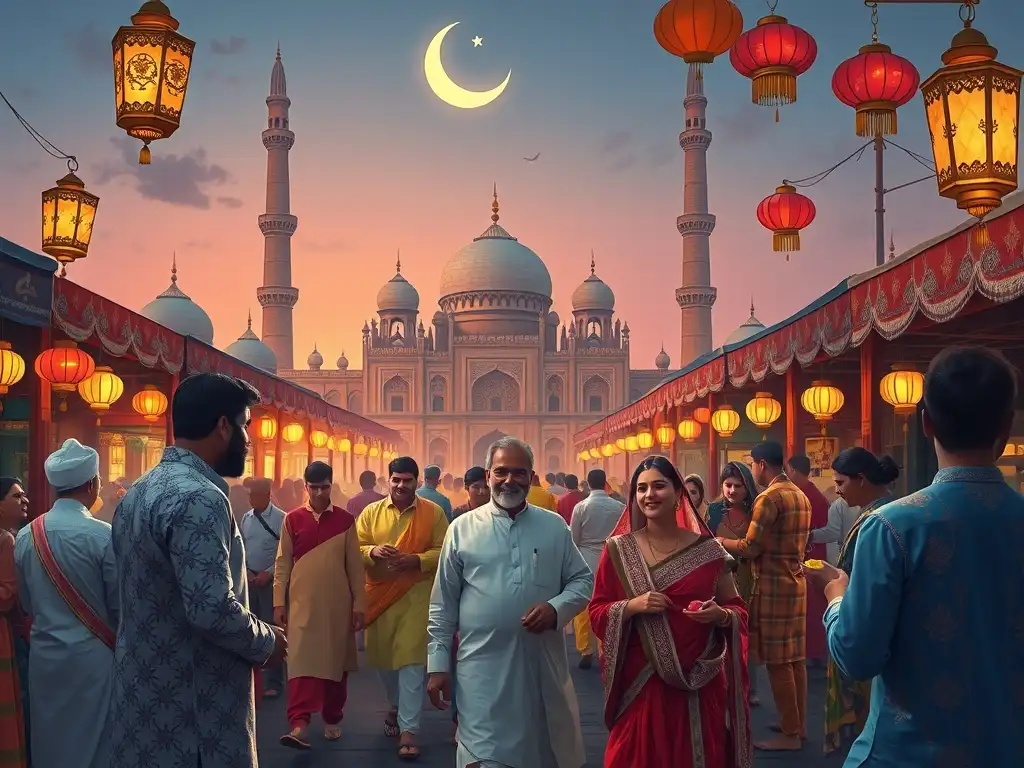
Eid celebrations in ancient India had a profound impact on society, shaping social dynamics, artistic expressions, and economic activities. The festival, rooted in Islamic traditions, became a vital part of the cultural tapestry of the region, influencing various aspects of daily life. As communities gathered to celebrate, the bonds of kinship and camaraderie were strengthened, fostering an environment of inclusivity and shared joy. The observance of Eid not only marked religious devotion but also served as a platform for cultural exchange between diverse groups.
The festivities provided opportunities for communal gatherings, where families and friends united to partake in prayers, feasts, and charitable acts. This collective joy played a crucial role in enhancing social cohesion, allowing individuals from different backgrounds to come together in harmony. The shared experiences during Eid celebrations contributed to a sense of belonging and identity among the communities, bridging gaps between ethnic and cultural divides.
Social Cohesion and Community Building through Eid
Eid celebrations served as a catalyst for social cohesion and community building in ancient India. Families and neighborhoods would come together to observe the festival, reinforcing social ties and fostering a spirit of unity. The communal prayers at mosques became gathering points for individuals of all ages, creating a sense of belonging and shared purpose.
Acts of charity, known as Zakat, were integral to Eid celebrations. The distribution of food and wealth to the less fortunate not only highlighted the importance of compassion but also encouraged solidarity within the community. This philanthropy helped strengthen relationships and ensured that the joy of Eid was shared among all, regardless of socio-economic status.
Additionally, traditional festivities such as communal meals and local fairs played a significant role in enhancing social interactions. These gatherings allowed for cross-cultural exchanges, as people from various backgrounds participated in the celebrations, sharing their unique customs and traditions.
The Influence of Eid on Art and Literature in Ancient India
The influence of Eid celebrations on art and literature in ancient India is evident in various cultural expressions. Artistic representations of Eid, from intricate calligraphy to vibrant paintings, reflected the significance of the festival. Artists often depicted scenes of communal prayers, festive meals, and the spirit of togetherness that characterized the celebrations.
In literature, poets and writers celebrated the themes of love, unity, and devotion associated with Eid. The festival inspired a wealth of poetry, stories, and folk tales that conveyed the emotional depth and cultural richness of the occasion. The blending of Islamic and indigenous narratives enriched the literary landscape, showcasing the diverse influences that shaped ancient Indian culture.
Moreover, architectural developments, such as mosques and community centers built for Eid celebrations, stand as testaments to the festival's impact on the artistic landscape. These structures not only served functional purposes but also became symbols of cultural identity and heritage.
Economic Aspects of Eid Celebrations: Trade and Festivities
The economic aspects of Eid celebrations in ancient India were significant, as the festival stimulated trade and commerce. Merchants and traders would prepare for the occasion by offering special goods, from clothing to sweets, creating a bustling marketplace atmosphere. The demand for festive items led to increased economic activity, providing livelihoods for many artisans and shopkeepers.
Local fairs and bazaars became focal points for celebrations, where people would gather to shop, socialize, and enjoy festive entertainment. This influx of economic activity benefited various sectors, including agriculture, textiles, and food production. The exchange of goods and services during Eid not only bolstered local economies but also encouraged cultural exchanges between different communities.
Additionally, the tradition of gifting during Eid further stimulated economic interactions. Families would often purchase gifts for loved ones, contributing to the circulation of wealth within the community. This economic vibrancy during Eid celebrations underscored the festival's importance not only as a religious observance but also as a driver of economic prosperity.
Myths and Realities of Eid Celebrations in Ancient India
Eid celebrations in ancient India have often been surrounded by myths and misconceptions that can obscure their true nature and significance. Understanding these myths is crucial to appreciating the real cultural and social impacts of the festival.
Common Misconceptions about Eid in Ancient Times
One common misconception is that Eid celebrations were exclusively confined to Muslim communities and did not involve other religious groups. In reality, Eid fostered a spirit of inclusivity, with individuals from various backgrounds participating in the celebrations. The festival was often an occasion for interfaith interactions, where people of different faiths came together to share in the festivities.
Another myth is that Eid was solely a time of religious observance without cultural significance. However, the festival encompassed a rich tapestry of cultural practices, including music, dance, and culinary traditions that transcended religious boundaries. The blending of diverse customs during Eid highlighted its role as a significant cultural event in ancient India.
The Reality of Eid Celebrations and Their Cultural Significance
The reality of Eid celebrations in ancient India reveals a multifaceted festival that went beyond mere religious observance. It was a time for communal harmony, economic activity, and cultural exchange. The celebrations embodied values of generosity, compassion, and togetherness, contributing to the social fabric of the time.
Eid's significance extended to artistic and literary expressions, reflecting the deep cultural roots of the festival. From inspiring poetry to intricate artworks, the influences of Eid were felt across various domains of life. This cultural richness underscores the importance of Eid celebrations as a vital part of ancient Indian history, illustrating how they facilitated connections among diverse communities and enriched the overall cultural landscape.
Conclusion: The Legacy of Eid Celebrations in Ancient India
The legacy of Eid celebrations in ancient India is a testament to the rich tapestry of cultural and religious interactions that have shaped the subcontinent. These celebrations, which began as a way to commemorate significant Islamic events, blossomed into a vibrant expression of communal harmony and cultural synthesis. The rituals, culinary delights, and festive gatherings that characterized Eid in ancient times laid the groundwork for the practices that continue to be observed today.
Through centuries of evolution, Eid has transcended its religious origins to become a unifying cultural event, celebrated by diverse communities across India. The blending of local customs with Islamic traditions has enriched the festival, making it a unique expression of India's pluralistic society. The historical significance of Eid celebrations provides a deeper understanding of how ancient Indian civilizations embraced and integrated various cultural influences, creating a legacy that endures to this day.
Reflection on the Enduring Influence of Eid Traditions
The enduring influence of Eid traditions in contemporary society is a reflection of the historical significance these celebrations held in ancient India. From the communal prayers to the sharing of festive meals, many practices have remained unchanged, serving as a bridge connecting generations. The communal aspect of Eid, where people come together to celebrate and support one another, showcases the societal values of unity and compassion that were deeply embedded in ancient practices.
Moreover, the artistic expressions associated with Eid, such as the intricately designed mehndi patterns and the vibrant clothing worn during celebrations, reflect a cultural legacy that continues to inspire modern festivities. The influence of ancient Eid celebrations is visible in various cultural expressions, including music, dance, and cuisine, which have evolved yet retain their core significance, reminding us of the rich history from which they originated.
The Relevance of Ancient Eid Practices in Contemporary Celebrations
Ancient Eid practices remain relevant in contemporary celebrations, highlighting the continuity of cultural and religious traditions in India. Many of the rituals established centuries ago, such as the act of giving and sharing, are still at the heart of Eid celebrations today. The tradition of Zakat, or charitable giving, resonates strongly within communities, reinforcing the values of generosity and social responsibility that were emphasized in ancient texts.
In addition, the culinary delights associated with Eid, such as biryani and sweet dishes like seviyan, reflect the historical fusion of flavors and cooking techniques that have evolved over time. These dishes not only bring families together but also serve as a reminder of the rich cultural heritage that shapes modern Indian cuisine. The way Eid is celebrated across different regions of India showcases the adaptability of ancient practices, ensuring that they remain relevant in today’s multicultural landscape.
References
Suggested Readings on Eid and Ancient Indian Culture
-
Eid Celebrations in India: A Historical Perspective
This book provides an in-depth analysis of the evolution of Eid celebrations in India, exploring their origins and cultural significance.
-
Cultural Interactions in Ancient India
A comprehensive study of the various cultural exchanges that occurred in ancient India, shedding light on how these interactions influenced religious celebrations.
-
The Festivals of India: A Cultural Anthology
This anthology covers a wide range of festivals, including Eid, detailing their historical roots and contemporary practices.
Academic Sources on Festivals in Ancient India
-
Religious Festivals in Ancient India: A Historical Overview
A scholarly article examining the key festivals in ancient India, with a focus on their religious and cultural implications.
-
Islamic Influence on Indian Culture: A Historical Analysis
This research paper discusses the impact of Islamic traditions on Indian culture, including the celebration of Eid and its integration into local customs.
-
Festivals and Social Cohesion in Ancient Indian Society
An academic exploration of how festivals, including Eid, contributed to social cohesion and community building in ancient India.
- Introduction to Eid Celebrations in Ancient India
- The Origins of Eid Celebrations
- Cultural Practices Surrounding Eid in Ancient India
- Regional Variations of Eid Celebrations in Ancient India
- The Impact of Eid Celebrations on Ancient Indian Society
- Myths and Realities of Eid Celebrations in Ancient India
- Conclusion: The Legacy of Eid Celebrations in Ancient India
- References
- What were the origins of Eid celebrations in ancient India?
- How did ancient Indian cultures integrate Eid festivities?
- What role did the Mughal Empire play in Eid celebrations?
- Were there any specific rituals associated with Eid in ancient India?
- How do modern Eid celebrations in India reflect ancient practices?
Frequently Asked Questions
What were the origins of Eid celebrations in ancient India?
Eid celebrations in ancient India have roots in Islamic traditions, introduced after the arrival of Muslim traders and conquerors, influencing local customs and practices.
How did ancient Indian cultures integrate Eid festivities?
Ancient Indian cultures incorporated Eid festivities through local traditions, blending them with existing Hindu and regional customs, creating a unique celebration style.
What role did the Mughal Empire play in Eid celebrations?
The Mughal Empire significantly impacted Eid celebrations, promoting grand festivities, architectural developments, and cultural exchanges that enriched the celebration's significance.
Were there any specific rituals associated with Eid in ancient India?
Yes, rituals such as communal prayers, feasting, and charity were integral to Eid celebrations, emphasizing community bonding and spiritual reflection in ancient Indian society.
How do modern Eid celebrations in India reflect ancient practices?
Modern Eid celebrations often reflect ancient practices through traditional foods, communal gatherings, and rituals that honor both heritage and contemporary influences, maintaining a rich cultural legacy.
Final Reflection: Embracing the Legacy of Eid Celebrations in Ancient India
The rich tapestry of Eid celebrations in ancient India serves as a poignant reminder of the enduring power of cultural traditions. As we navigate a world increasingly defined by globalization and rapid change, the significance of these historical festivities resonates more than ever. The way Eid was celebrated in ancient India not only reflects the diverse cultural heritage of the region but also highlights the universal themes of community, gratitude, and renewal that continue to inspire us today.
The influence of Eid celebrations in ancient India extends far beyond mere historical interest; it shapes our contemporary social landscape and fosters a sense of belonging among communities. The traditions and customs that emerged during this period have laid the groundwork for how Eid is observed today, bridging generations and cultures. As Khalil Gibran beautifully stated, "> Your children are not your children.
They are the sons and daughters of Life's longing for itself." This sentiment echoes the idea that our cultural practices, such as Eid, are not just relics of the past but living traditions that connect us to our shared humanity.
As we reflect on the fascinating history behind Eid celebrations in ancient India, I invite you to consider how these lessons can be woven into your own life. Take a moment to appreciate the cultural richness around you and engage with the traditions that shape your community. Whether through participating in local festivities or learning about the diverse histories that inform our celebrations, let us honor the legacy of Eid by fostering understanding, compassion, and unity in our increasingly interconnected world.
Unveil the Rich Traditions of Eid!
Thank you for diving into the intriguing history of Eid celebrations in ancient India! You've uncovered a vibrant tapestry of customs and the significance they hold. Now, it’s time to take this knowledge a step further and truly embrace the spirit of Eid.
Here are some actionable steps you can take:
- Explore your roots: Research and share your family's traditions related to Eid. Discover how your heritage may influence your celebrations.
- Join a community: Connect with local cultural groups to participate in or volunteer for Eid events. Building relationships can enhance your understanding of these cherished practices.
- Share the knowledge: Write a post or host a discussion on social media about the historical significance of Eid. Inspire others to appreciate this beautiful tradition!
Which aspect of Eid celebrations resonates with you the most? How do you plan to incorporate those traditions into your life?