
The Cultural Bridges: How Ancient Indian Influence Fostered Unity in Southeast Asia

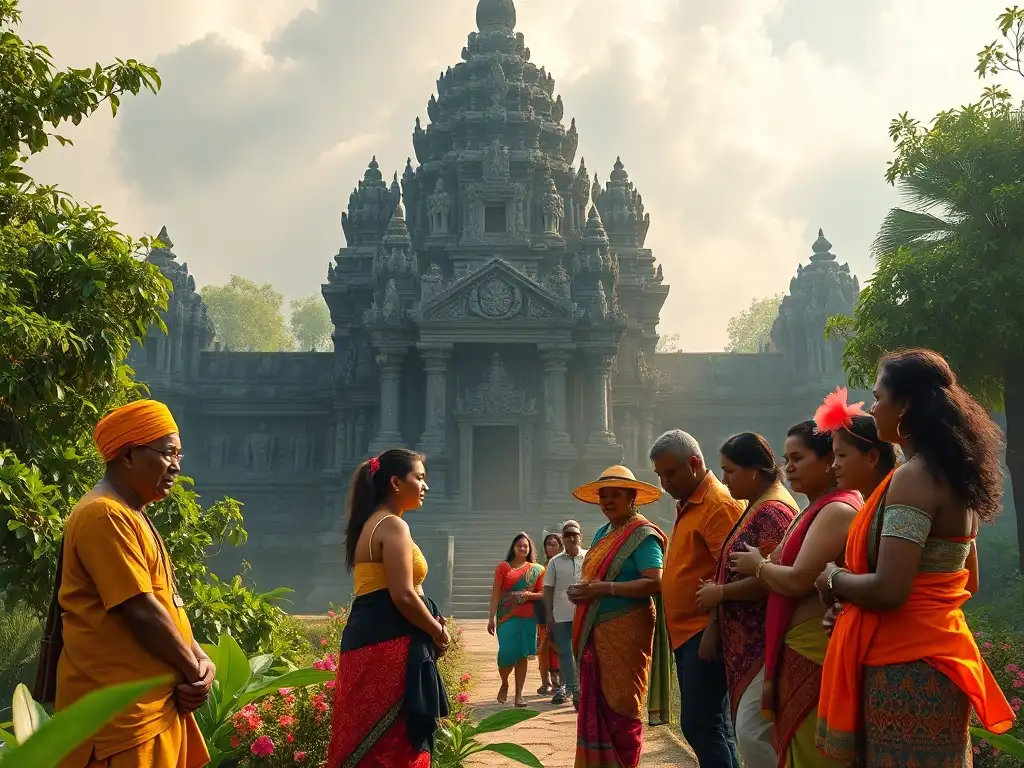
Welcome to Ancient India History, where we embark on an enlightening journey through the rich tapestry of ancient Indian civilizations. Discover how the profound influence of ancient India permeated Southeast Asia, shaping cultures and fostering unity across diverse regions. In our featured article, "The Cultural Bridges: How Ancient Indian Influence Fostered Unity in Southeast Asia," we unravel the intricate connections that transcended borders and time. Prepare to be captivated as we explore these cultural exchanges and the remarkable legacy they left behind. Dive in and uncover the stories that have shaped the world around us!
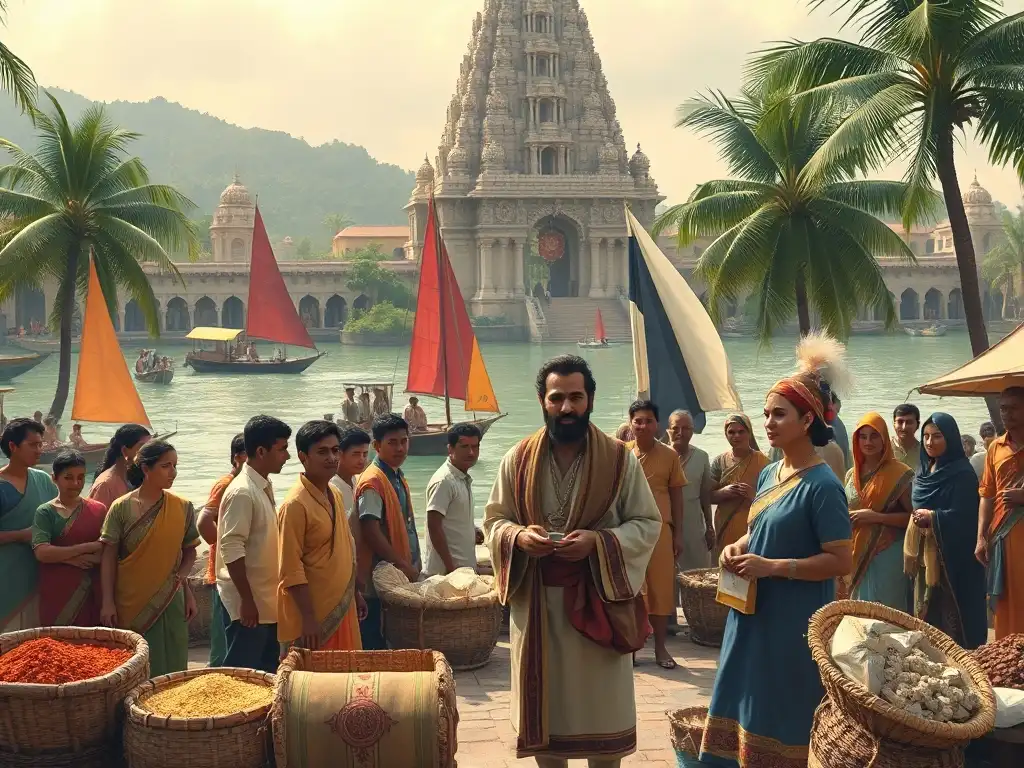
Introduction to Ancient Indian Influence in Southeast Asia
The profound impact of ancient Indian civilization extends far beyond the subcontinent, shaping the cultures, economies, and societies of Southeast Asia. This article delves into the intricate web of cultural exchanges that characterized this era, highlighting how ancient Indian influence fostered unity among diverse communities across the region.
From the establishment of trade routes to the spread of religious beliefs, the interactions between ancient India and Southeast Asia laid the groundwork for a rich tapestry of shared heritage and mutual enrichment. Understanding the historical context and significance of these exchanges sheds light on how ancient Indian influence in Southeast Asia continues to resonate in modern times.
Overview of Cultural Exchanges
Cultural exchanges between ancient India and Southeast Asia were multifaceted and dynamic. They encompassed various aspects, including:
- Trade and Commerce: Indian merchants traversed maritime routes, exchanging goods such as spices, textiles, and precious stones, which facilitated economic interdependence.
- Religious Influence: The spread of Hinduism and Buddhism from India to Southeast Asia significantly shaped local belief systems, art, and architecture.
- Language and Literature: Sanskrit and Pali influenced regional languages, enriching the literary traditions of Southeast Asian cultures.
- Artistic Expressions: Indian motifs and styles were incorporated into local art forms, leading to a unique blend of cultural expressions.
These exchanges not only enriched Southeast Asian societies but also fostered a sense of unity through shared cultural elements.
Significance of Ancient Indian Influence
The significance of ancient Indian influence in Southeast Asia can be observed through various lenses:
- Cultural Unity: The shared religious and artistic traditions helped forge a sense of collective identity among diverse ethnic groups.
- Political Alliances: Indian kings and rulers established diplomatic ties, further embedding Indian culture in the political frameworks of Southeast Asian states.
- Economic Development: The influx of Indian goods and ideas contributed to the economic prosperity of Southeast Asian kingdoms, facilitating growth and innovation.
The legacy of this influence is evident in the rich cultural landscape of Southeast Asia, where Indian traditions continue to coexist with local practices.
Historical Context of Ancient India
To understand the extent of ancient Indian influence in Southeast Asia, it is essential to explore the historical context of ancient India itself.
The Rise of Indian Civilizations
The emergence of prominent Indian civilizations, such as the Indus Valley Civilization, paved the way for cultural advancements that would later permeate Southeast Asia. Key milestones include:
- Urbanization and Trade: The establishment of urban centers facilitated trade with neighboring regions, laying the groundwork for future exchanges.
- Philosophical and Religious Developments: The synthesis of various philosophical schools and the emergence of major religions such as Hinduism and Buddhism had profound implications for cultural dissemination.
These developments created a vibrant cultural environment that would influence many societies across Southeast Asia.
Key Historical Periods Contributing to Influence
Several key historical periods marked significant contributions to the cultural exchanges between ancient India and Southeast Asia:
- Maurya and Gupta Empires: The expansion of these empires during the 3rd century BCE to the 6th century CE fostered political and cultural ties with Southeast Asian kingdoms.
- Trade Flourishing during the Early Medieval Period: The maritime trade routes established during this time facilitated the movement of goods, ideas, and people, further enhancing cultural interconnections.
Through these historical phases, ancient Indian influence permeated the region, laying the foundations for a rich cultural legacy that continues to shape Southeast Asia today.
Mechanisms of Influence
The ancient Indian influence in Southeast Asia was facilitated through several mechanisms that fostered connections and exchanges between the regions. These interactions transformed the cultural landscape of Southeast Asia, enabling the flourishing of civilizations that absorbed and adapted Indian traditions. Key mechanisms include trade routes, migration patterns, and diplomatic relations, each contributing to a rich tapestry of cultural exchange.
Trade Routes and Economic Interactions
Trade routes served as vital arteries connecting India to Southeast Asia, facilitating not only the exchange of goods but also cultural ideas and practices. The maritime routes, particularly those through the Indian Ocean, became bustling highways of commerce.
- Goods Traded: Spices, textiles, precious metals, and agricultural products were commonly exchanged.
- Economic Impact: These interactions not only enriched local economies but also led to the establishment of thriving port cities, such as Srivijaya and Funan, which became melting pots of diverse cultures.
- Cultural Transmission: The movement of merchants and traders allowed for the introduction of Indian customs, languages, and social practices, which were integrated into local cultures.
The economic interactions created a framework for ongoing communication and cultural exchange, setting the stage for deeper influences in various sectors of society.
Migration and Settlement Patterns
Migration played a critical role in the diffusion of Indian culture throughout Southeast Asia. Waves of Indian settlers, including traders, scholars, and religious figures, migrated to the region, establishing communities that preserved and propagated Indian traditions.
- Settlements Established: Indian merchants settled in coastal towns, while scholars and monks established educational institutions and temples.
- Cultural Integration: These communities often intermarried with local populations, leading to a blend of cultural practices and the spread of the Sanskrit language.
- Influence on Society: The presence of Indian settlers contributed to the development of social structures that reflected Indian models, including caste systems and administrative practices.
Through migration, Indian influence became woven into the fabric of Southeast Asian societies, fostering a sense of unity among diverse communities.
Diplomatic Relations and Cultural Diplomacy
Diplomatic relations between Indian kingdoms and Southeast Asian states further solidified the cultural ties between the regions. Envoys and emissaries were often sent to establish alliances, leading to mutual respect and cultural sharing.
- State Visits and Exchanges: Royal families exchanged gifts and envoys, promoting goodwill and understanding between cultures.
- Cultural Diplomacy: The establishment of Buddhist and Hindu kingdoms in Southeast Asia often involved the sending of monks and scholars from India, who played a crucial role in disseminating religious and philosophical ideas.
- Historical Texts: Diplomatic records and historical texts from this era highlight the importance of these relationships in fostering cultural unity and exchange.
These diplomatic efforts not only facilitated trade but also allowed for the sharing of knowledge and cultural practices, reinforcing the interconnectedness of ancient Indian and Southeast Asian civilizations.
Key Areas of Influence in Southeast Asia
The impact of ancient Indian influence in Southeast Asia is evident in several key areas, including language and literature, religion and philosophy, and art and architecture. Each of these domains reflects the profound legacy of Indian culture on Southeast Asian civilizations.
Language and Literature
The influence of ancient India is particularly notable in the linguistic landscape of Southeast Asia. Sanskrit and Pali, ancient Indian languages, played a significant role in shaping local languages and literary traditions.
- Sanskrit Influence: Many Southeast Asian languages, such as Thai and Malay, contain numerous loanwords derived from Sanskrit, particularly in fields related to religion, governance, and culture.
- Literary Works: Indian epics like the Ramayana and Mahabharata were adapted into local narratives, with regional variations reflecting local customs and values.
- Script Development: The introduction of the Brahmi script influenced the development of writing systems in Southeast Asia, contributing to the preservation of local literature and historical records.
This linguistic exchange not only enriched local dialects but also fostered a shared literary heritage that continues to resonate in the region today.
Religion and Philosophy
The spread of Hinduism and Buddhism from India had a transformative effect on the religious landscape of Southeast Asia. These belief systems provided frameworks for governance, ethics, and community life.
- Hindu and Buddhist Kingdoms: Major kingdoms, such as Srivijaya and Khmer, embraced these religions, which facilitated the construction of grand temples, such as Angkor Wat and Borobudur.
- Philosophical Exchange: The philosophical ideas rooted in Indian religions influenced local spiritual practices and societal values, promoting concepts of dharma (duty) and karma (action).
- Cultural Festivals: Many traditional festivals in Southeast Asia have their origins in Indian religious practices, highlighting the enduring impact of Indian spirituality on local customs.
The religious and philosophical exchange created a rich tapestry of beliefs that united diverse cultures across the region.
Art and Architecture
Ancient Indian influence is prominently reflected in the art and architecture of Southeast Asia, characterized by intricate designs, symbolism, and monumental structures.
- Architectural Styles: The construction of Hindu and Buddhist temples showcased Indian architectural principles, including the use of stupa forms and intricate carvings depicting mythological narratives.
- Artistic Techniques: Artistic practices such as sculpture and painting incorporated Indian themes and motifs, leading to the emergence of unique styles that blended Indian and local aesthetics.
- Cultural Heritage: Many surviving structures, such as the temples of Angkor and the Borobudur stupas, stand as testaments to the profound influence of Indian culture on Southeast Asian artistry.
This rich artistic heritage not only reflects the connections between India and Southeast Asia but also serves as a foundation for the continued appreciation of cultural diversity in the region.
Case Studies of Ancient Indian Influence
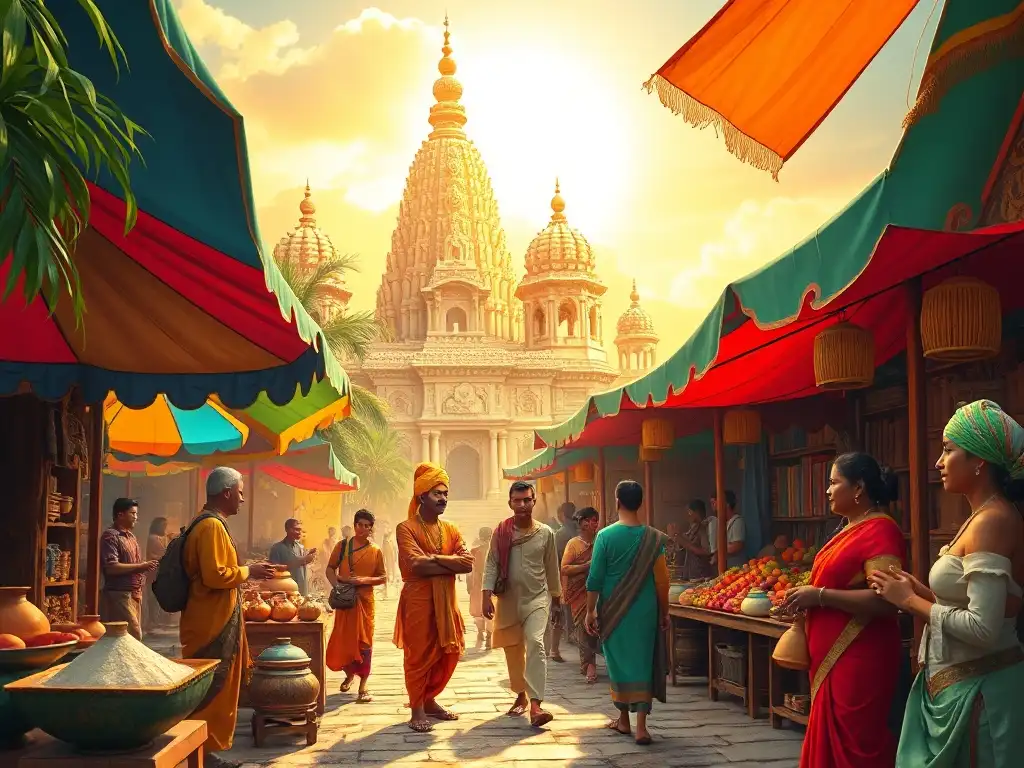
Ancient Indian influence in Southeast Asia is well-documented through various case studies that illustrate the depth and breadth of this cultural exchange. These influences can be seen in the realms of religion, architecture, language, and political systems. A closer examination of specific empires and trade networks reveals the rich tapestry of connections that existed between these regions, highlighting how Indian culture shaped Southeast Asian societies.
The Khmer Empire: A Testament to Indian Influence
The Khmer Empire, which flourished from the 9th to the 15th centuries, stands as a prominent example of ancient Indian influence in Southeast Asia. The empire's rulers adopted Hinduism and later Buddhism as state religions, which played a pivotal role in unifying the diverse populations of the region. The construction of monumental temples, such as Angkor Wat, showcases Indian architectural styles and religious iconography, integrating local beliefs with Hindu cosmology.
The Khmer language also absorbed Sanskrit vocabulary, reflecting the cultural exchange that occurred through trade and diplomacy. Inscriptions found in temples and monuments reveal the profound respect Khmer kings had for Indian deities and texts, further solidifying the cultural ties between the two regions. This blend of Indian and local traditions not only provided a spiritual framework but also facilitated the establishment of a centralized governmental structure that fostered unity among the Khmer populace.
Srivijaya: A Cultural Melting Pot
Srivijaya, a maritime kingdom that thrived from the 7th to the 13th centuries, emerged as a cultural melting pot heavily influenced by Indian civilization. Situated in what is now Indonesia, Srivijaya became a critical center for trade and the spread of Buddhism. The kingdom's strategic location along major trade routes attracted Indian merchants and scholars, leading to the exchange of goods and ideas.
The influence of Indian culture in Srivijaya is evident in its adoption of Sanskrit as the language of administration and religious texts. The construction of stupas and monasteries, inspired by Indian architectural principles, illustrates the kingdom's role in promoting Buddhism throughout Southeast Asia. Furthermore, the historical texts of Chinese travelers, such as I-Tsing, highlight the significance of Srivijaya as a hub for Buddhist learning, showcasing the deep-rooted connections between Indian philosophies and the region's spiritual practices.
The Role of Indian Traders and Scholars
Indian traders and scholars played a crucial role in disseminating Indian culture and knowledge across Southeast Asia. From the early centuries of the Common Era, Indian merchants traveled to the region, bringing with them not only goods but also ideas, religious practices, and cultural norms. The establishment of trade routes facilitated the exchange of commodities such as spices, textiles, and precious metals, while simultaneously fostering intercultural dialogue.
Scholars and priests traveled alongside traders, establishing educational institutions and temples that served as centers of learning. These interactions led to the translation of Indian texts into local languages, allowing for the assimilation of Indian philosophical and religious concepts into Southeast Asian cultures. The legacy of these Indian traders and scholars is evident in the enduring influence of Indian religions, literature, and art forms that continue to shape Southeast Asian identities today.
Modern Legacy of Ancient Indian Influence in Southeast Asia
The legacy of ancient Indian influence in Southeast Asia is not only historical but continues to manifest in modern times. Contemporary societies in the region exhibit a rich blend of cultural practices that trace their roots back to ancient Indian traditions, illustrating the enduring connections fostered through centuries of exchange.
Continuing Cultural Practices and Festivals
Many cultural practices and festivals celebrated in Southeast Asia today have their origins in ancient Indian traditions. For example, the celebration of Diwali, the Festival of Lights, is observed in various forms across countries like Indonesia and Malaysia, highlighting the enduring significance of Hindu festivals in the region. Similarly, the celebration of certain Buddhist festivals, such as Vesak, reflects the influence of Indian religious practices on local customs.
Traditional dance forms in Southeast Asia, such as the Balinese and Thai dances, often incorporate themes from Indian epics like the Ramayana and Mahabharata. These performances serve not only as entertainment but also as a means of preserving historical narratives and cultural values that have been passed down through generations.
The Influence on Contemporary Southeast Asian Societies
The influence of ancient Indian culture is evident in contemporary Southeast Asian societies, where it manifests in language, art, religion, and social practices. The incorporation of Sanskrit and Pali in local languages showcases the linguistic legacy of Indian influence. Additionally, the architectural styles inspired by ancient Indian temples can still be seen in modern constructions, underscoring the aesthetic impact on the region.
Moreover, the continued importance of Hinduism and Buddhism in Southeast Asia highlights the lasting spiritual influence of ancient Indian civilizations. Countries such as Thailand, Cambodia, and Indonesia still celebrate their rich cultural heritage rooted in these religions, fostering a sense of identity and unity among their people. This modern legacy serves as a testament to the profound and lasting impact of ancient Indian influence in shaping the cultural landscape of Southeast Asia.
Conclusion: The Lasting Impact of Ancient Indian Influence
The ancient Indian influence in Southeast Asia has left an indelible mark on the region's cultural, religious, and societal frameworks. From the spread of Hinduism and Buddhism to the adoption of Indian art, literature, and political systems, the intermingling of these cultures has fostered a unique blend that continues to resonate today. This rich tapestry of shared heritage not only illustrates the depth of interactions between ancient India and Southeast Asia but also highlights the mechanisms through which ideas and beliefs were exchanged, transforming societies across the region.
The legacies of ancient Indian influence can be observed in various aspects, such as language, architecture, and rituals. Temples dedicated to Hindu and Buddhist deities, intricate carvings, and inscriptions in Sanskrit are testament to the vibrant cultural exchanges that took place. These influences contributed to a sense of unity among diverse ethnic groups in Southeast Asia, forging identities that, while distinct, are deeply interconnected. As contemporary Southeast Asia continues to evolve, the historical ties to ancient Indian civilization remain a vital part of its cultural identity.
Reflection on Unity and Cultural Diversity
Unity in cultural diversity is a hallmark of Southeast Asia, where ancient Indian influence played a crucial role in shaping inter-ethnic relationships. The introduction of Hindu and Buddhist ideologies provided a common framework for various communities, promoting shared values and practices. This religious syncretism facilitated a harmonious coexistence among different ethnic groups, fostering a sense of belonging and cooperation.
Moreover, the diverse manifestations of Indian culture, such as dance forms, festivals, and culinary traditions, have been embraced and adapted by local populations. For instance, the Balinese adaptation of Hindu rituals showcases how ancient Indian practices were localized to fit the unique social fabric of the region. Such adaptations not only reflect the resilience and creativity of Southeast Asian cultures but also underscore the ongoing dialogue between ancient influences and local traditions.
Future Perspectives on Cultural Exchanges
As globalization continues to shape cultural narratives, the historical context of ancient Indian influence in Southeast Asia provides valuable insights into contemporary cultural exchanges. The ongoing interactions between nations in the region, fueled by trade, migration, and tourism, create opportunities for renewed engagement with the rich legacies of the past.
Future cultural exchanges may focus on preserving and celebrating this shared heritage, encouraging collaborative projects that highlight the interconnectedness of Southeast Asian cultures. Educational initiatives, cultural festivals, and artistic collaborations can further deepen appreciation for the historical bonds established by ancient Indian influence. By fostering dialogue and understanding, future generations can build upon the foundations laid by their ancestors, ensuring that the spirit of unity amidst diversity continues to thrive.
Call to Explore Further
The exploration of ancient Indian influence in Southeast Asia is a vast and fascinating topic that invites further inquiry. Understanding the complexities of these cultural exchanges not only enriches our knowledge of history but also enhances our appreciation of the shared human experience. For those intrigued by this subject, a wealth of resources is available to deepen your understanding and appreciation of the profound legacies left by ancient Indian civilizations.
Suggested Readings and Resources on Ancient Indian History
- "The History of Ancient India" by Romila Thapar: This comprehensive text delves into the political and cultural evolution of ancient India, providing context for its influence abroad.
- "India and Southeast Asia: A History of Cultural Relations" by K. R. Qanungo: This book explores the historical interactions and exchanges between India and Southeast Asia, highlighting key cultural influences.
- "Indian Influence on Southeast Asia" by C. Sivaramamurti: A detailed examination of the various dimensions of Indian impact on Southeast Asian cultures, religions, and art forms.
Related Articles on Cultural Exchanges in Southeast Asia
- "The Role of Trade in Shaping Southeast Asian Civilizations": An exploration of how trade routes facilitated cultural exchanges and influenced societal structures in Southeast Asia.
- "Buddhism's Journey from India to Southeast Asia": A detailed account of how Buddhism spread from India and reshaped cultural landscapes across Southeast Asia.
- "The Architectural Legacy of Indian Influence in Southeast Asia": An investigation into the architectural styles and structures that illustrate the deep-rooted connections between India and Southeast Asian cultures.
- Introduction to Ancient Indian Influence in Southeast Asia
- Historical Context of Ancient India
- Mechanisms of Influence
- Key Areas of Influence in Southeast Asia
- Case Studies of Ancient Indian Influence
- Modern Legacy of Ancient Indian Influence in Southeast Asia
- Conclusion: The Lasting Impact of Ancient Indian Influence
- Call to Explore Further
- What were the main contributions of ancient Indian civilizations to Southeast Asia?
- How did trade routes facilitate ancient Indian influence in Southeast Asia?
- What role did Hinduism and Buddhism play in the cultural exchange?
- Can you name some ancient Southeast Asian kingdoms influenced by India?
- How did ancient Indian architecture impact Southeast Asia?
Frequently Asked Questions
What were the main contributions of ancient Indian civilizations to Southeast Asia?
Ancient Indian civilizations contributed religion, architecture, and trade practices, which helped shape the cultural landscape of Southeast Asia.
How did trade routes facilitate ancient Indian influence in Southeast Asia?
Trade routes served as channels for the exchange of goods, ideas, and cultural practices, allowing Indian culture to spread and interact with local traditions in Southeast Asia.
What role did Hinduism and Buddhism play in the cultural exchange?
Hinduism and Buddhism were pivotal in establishing cultural ties, as these religions spread from India to Southeast Asia, influencing local beliefs, art, and governance.
Can you name some ancient Southeast Asian kingdoms influenced by India?
Notable kingdoms such as Srivijaya and Majapahit were heavily influenced by Indian culture, adopting Indian political models, language, and religious practices.
How did ancient Indian architecture impact Southeast Asia?
Ancient Indian architecture, especially temples and stupas, inspired the design of many Southeast Asian structures, showcasing a blend of Indian and local architectural styles.
Final Reflection: The Lasting Legacy of Ancient Indian Influence in Southeast Asia
The profound connections established through ancient Indian influence in Southeast Asia remain remarkably relevant today, as they underscore the importance of cultural exchange in fostering unity and understanding among diverse societies. In an era marked by globalization and cultural intermingling, the historical ties between these regions serve as a powerful reminder of how shared heritage can transcend borders and promote harmony. The lessons learned from this ancient relationship are not just relics of the past; they are essential in navigating the complexities of our modern world.
The impact of ancient Indian influence continues to resonate within the cultural and social fabric of Southeast Asia, shaping identities and fostering a sense of belonging among its peoples. The rich tapestry of languages, religions, and artistic expressions that emerged from this interaction illustrates the enduring power of cultural bridges. As noted by historian Romila Thapar, History is not just about the past; it is about the connections that shape our present and future.
This perspective invites us to appreciate the intricate web of influences that have forged our collective identity, emphasizing the importance of understanding our shared history.
As we reflect on the significance of ancient Indian influence in Southeast Asia, let us embrace the lessons of unity and collaboration that it imparts. I encourage you to explore your own cultural connections and consider how they can foster understanding in your community. By recognizing the value of our shared heritage, we can build bridges that not only honor the past but also pave the way for a more inclusive and harmonious future. The journey of cultural exchange is ongoing, and each of us has a role to play in nurturing this legacy.
Embrace the Legacy: Build Cultural Connections Today!
Thank you for taking the time to explore the fascinating influences of ancient India on Southeast Asia. Your interest in this rich history not only deepens your own knowledge but also celebrates the unique ties that unite diverse cultures. Now, let’s transform this newfound understanding into impactful actions!
- Dive deeper into the legacy of ancient Indian scholars and their contributions by reading further on our website. Discover detailed articles and resources that vividly bring this incredible history to life.
- Share your insights! Take a moment to spark a conversation with friends or on social media about how cultural exchanges shape our modern world. Use the hashtag #CulturalBridges to join the discussion.
- Join our community! Subscribe to our newsletter for regular updates, curated content, and exclusive insights into ancient Indian history and its global impact.
Are you ready to explore how these historical connections can inspire a more unified future among nations?