
How Ancient Indian Festivals Fostered Community and Unity

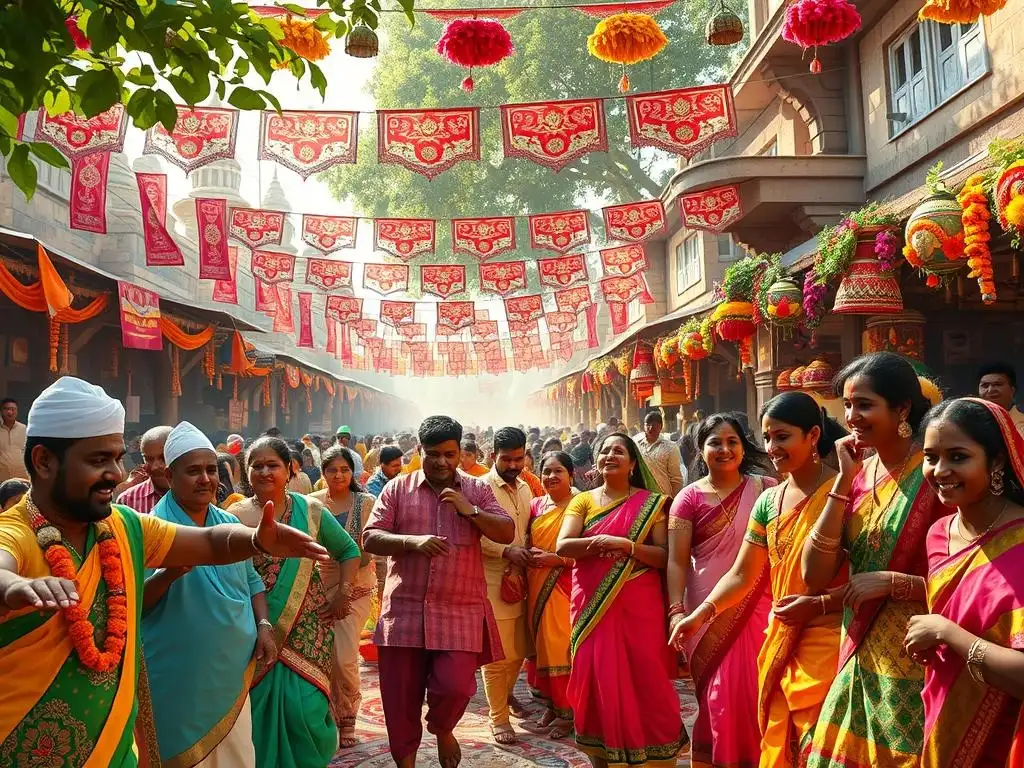
Welcome to Ancient India History, where we embark on a fascinating journey through time to uncover the vibrant tapestry of ancient Indian civilizations. In our featured article, "How Ancient Indian Festivals Fostered Community and Unity," we delve into the heart of these celebrations, exploring how they were not just moments of joy, but powerful catalysts for community bonding and cultural cohesion. Are you curious about the festivals that shaped the social fabric of ancient India? Join us as we unravel the stories behind these traditions, revealing their enduring impact on society. Let's explore together!
- Introduction to Ancient Indian Festivals
- Historical Context of Festivals in Ancient India
- Types of Ancient Indian Festivals Promoting Community Unity
- Rituals and Practices that Fostered Unity
- Symbolism of Unity in Ancient Indian Festivals
- Case Studies of Specific Festivals
- The Legacy of Ancient Indian Festivals in Modern Times
- Conclusion: The Enduring Impact of Ancient Indian Festivals on Community Unity
-
Frequently Asked Questions
- What are some key ancient Indian festivals that promoted community unity?
- How did ancient Indian festivals contribute to cultural identity?
- In what ways did festivals encourage social interaction among different communities?
- Can ancient Indian festivals still influence contemporary society?
- What role did rituals play in ancient Indian festivals?
- Final Reflection: Celebrating Community and Unity Through Ancient Indian Festivals
- Embrace the Spirit of Unity: Celebrate Ancient Festivals Today!
Introduction to Ancient Indian Festivals
Ancient Indian festivals are a vibrant tapestry woven into the cultural fabric of the subcontinent, reflecting the beliefs, traditions, and values of diverse civilizations that flourished over millennia. From the intricate rituals of the Indus Valley Civilization to the exuberant celebrations during the Gupta Empire, these festivals serve not only as occasions for merriment but also as vital expressions of community and unity.
As we delve into the myriad ancient Indian festivals, we will explore how these celebrations played a crucial role in strengthening social bonds, fostering a sense of belonging, and promoting cultural continuity among various groups. Understanding these aspects offers a deeper appreciation of how ancient Indian festivals contributed to the collective identity and harmony within communities.
Overview of Ancient Indian Festivals
Ancient Indian festivals encompassed a wide range of observances, each with its unique significance and characteristics. These festivals were often tied to agricultural cycles, religious beliefs, and seasonal changes. Here are some notable examples:
- Makar Sankranti:
- Celebrated to mark the winter solstice, this festival signifies the transition of the sun into the zodiac sign of Capricorn.
- Farmers express gratitude for the harvest and participate in communal feasting and flying kites.
- Holi:
- Known as the festival of colors, Holi celebrates the arrival of spring and the victory of good over evil.
- Participants engage in playful color throwing, symbolizing joy, unity, and the renewal of relationships.
- Diwali:
- The festival of lights, Diwali represents the triumph of light over darkness and knowledge over ignorance.
- Families come together to illuminate their homes with lamps, share sweets, and perform rituals that strengthen familial ties.
- Navaratri:
- A nine-night festival dedicated to the goddess Durga, Navaratri includes community dances, prayers, and cultural performances.
- It emphasizes the importance of devotion and collective celebration among participants.
These festivals, while diverse in their expressions, share common themes of community participation and cultural heritage.
Significance of Community and Unity in Festivals
The role of festivals in fostering community and unity among ancient Indians cannot be overstated. Here are some key aspects of this significance:
- Cultural Cohesion:
- Festivals served as a platform for different communities to celebrate their shared heritage and traditions.
- They provided an opportunity for individuals from various backgrounds to come together, promoting cultural exchange and understanding.
- Strengthening Social Bonds:
- Through communal activities such as feasting, dancing, and rituals, ancient festivals nurtured relationships among community members.
- These interactions fostered a sense of belonging and solidarity, essential for the fabric of society.
- Rituals and Shared Experiences:
- Ritualistic practices during festivals created shared experiences that reinforced communal identity.
- Engaging in these rituals often involved collective efforts, promoting teamwork and collaboration.
- Economic Interactions:
- Festivals often involved local markets and fairs, where communities would trade goods and services.
- This economic interaction not only supported local economies but also strengthened communal ties through mutual dependence.
Ancient Indian festivals were instrumental in cultivating a sense of community and unity, transcending individual identities and fostering collective pride. As we explore further, we will uncover the specific ways in which these celebrations shaped social dynamics and contributed to the enduring legacy of ancient Indian civilization.
Historical Context of Festivals in Ancient India
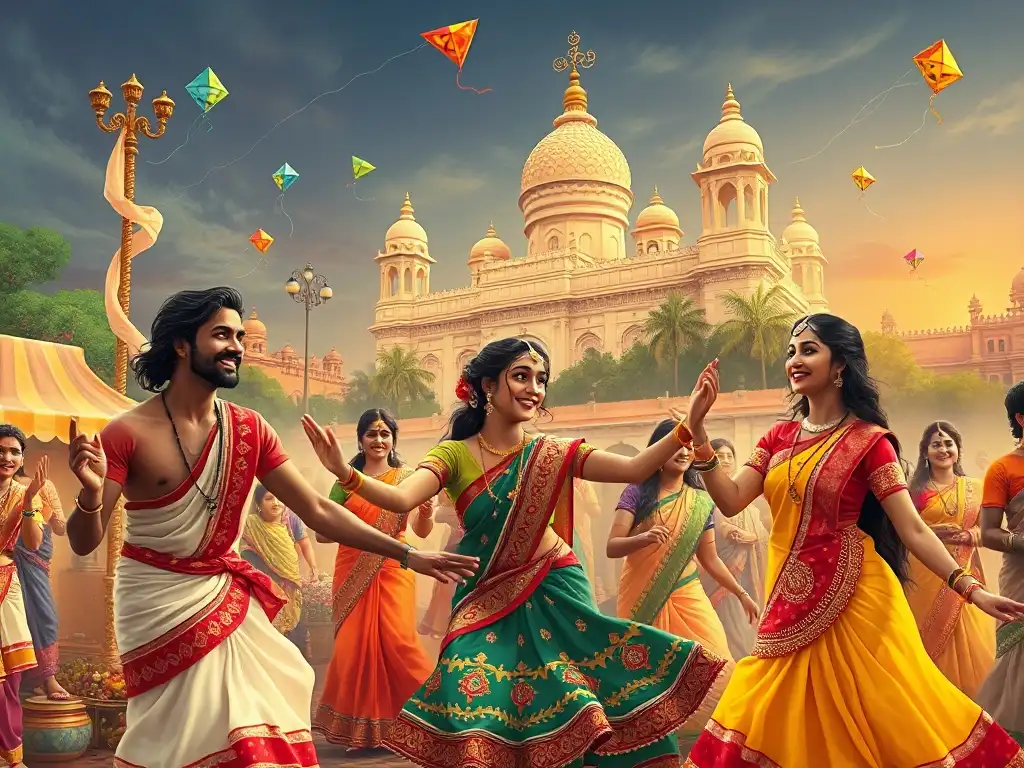
Festivals in ancient India were not merely celebrations; they were a profound expression of community and unity that transcended social, economic, and religious boundaries. The roots of these festivals can be traced back to the early civilizations of India, where they served as a means to connect people and foster a sense of belonging. Understanding the historical context of these festivals provides insight into how they played a crucial role in shaping the cultural fabric of ancient Indian society.
Festivals in the Indus Valley Civilization
The Indus Valley Civilization (circa 3300–1300 BCE) was one of the world's earliest urban cultures, characterized by sophisticated city planning, advanced drainage systems, and a thriving economy. Although much about their religious practices remains speculative due to the lack of written records, archaeological findings suggest that festivals were integral to their social life.
- Agricultural Celebrations: Given the agrarian nature of the Indus Valley communities, festivals likely revolved around agricultural cycles. The arrival of the monsoon and the harvest season would have been celebrated through communal gatherings, feasting, and rituals aimed at ensuring a bountiful harvest.
- Religious Rituals: Evidence from seals and figurines indicates the worship of various deities, possibly representing fertility and nature. Rituals conducted during festivals may have included offerings and communal prayers, fostering unity among the inhabitants.
- Trade and Cultural Exchange: The Indus Valley was a hub of trade with neighboring civilizations, which facilitated cultural exchanges. Festivals could have served as occasions for traders and travelers to gather, share stories, and celebrate their shared heritage, further strengthening communal bonds.
Festivals during the Vedic Period
The Vedic Period (circa 1500–500 BCE) marked a significant evolution in religious and cultural practices in ancient India. The composition of the Vedas, the oldest sacred texts of Hinduism, during this time indicates an increased emphasis on rituals and ceremonies.
- Seasonal Festivals: The Vedic people celebrated various seasonal festivals, closely tied to agricultural cycles. Ratha Saptami, marking the change of seasons, involved communal gatherings and rituals to honor the sun god, symbolizing the rejuvenation of life.
- Sacrificial Rituals: Yajnas (sacrificial rituals) became a central aspect of Vedic culture. These grand ceremonies often involved entire communities and were believed to promote prosperity and unity. Participants would come together to offer prayers, chant mantras, and share the resulting blessings, strengthening their communal ties.
- Social Cohesion: Festivals during this period were inclusive, transcending caste and class distinctions. The shared experience of rituals and celebrations fostered a sense of belonging and unity, reinforcing societal bonds among diverse groups.
The Gupta Empire and Its Celebrations
The Gupta Empire (circa 320–550 CE) is often referred to as the "Golden Age" of India, marked by significant advancements in arts, science, and philosophy. Festivals during this period reflected the empire's prosperity and cultural richness.
- Cultural Festivals: The Gupta period saw the flourishing of various art forms, including dance, music, and drama, often showcased during festivals. Celebrations like Makar Sankranti and Holi became elaborate affairs, emphasizing the enjoyment of life and the importance of community involvement.
- Religious Integration: With the rise of different religious philosophies, including Hinduism, Buddhism, and Jainism, festivals became platforms for integrating diverse beliefs. Events such as Buddha Purnima celebrated the life of Buddha, drawing followers from various backgrounds together in communal observance.
- Public Engagement: The Gupta rulers promoted festivals as public events, often sponsoring grand celebrations that included processions, feasts, and cultural performances. These gatherings not only entertained but also served as a means to reinforce loyalty and unity among subjects, creating a shared identity within the empire.
Ancient Indian festivals were vital in fostering community and unity across different periods of history. From the agricultural celebrations of the Indus Valley to the elaborate cultural events of the Gupta Empire, these festivals played a crucial role in bringing people together, celebrating their shared heritage, and reinforcing social bonds.
Types of Ancient Indian Festivals Promoting Community Unity
Harvest Festivals and Agricultural Celebrations
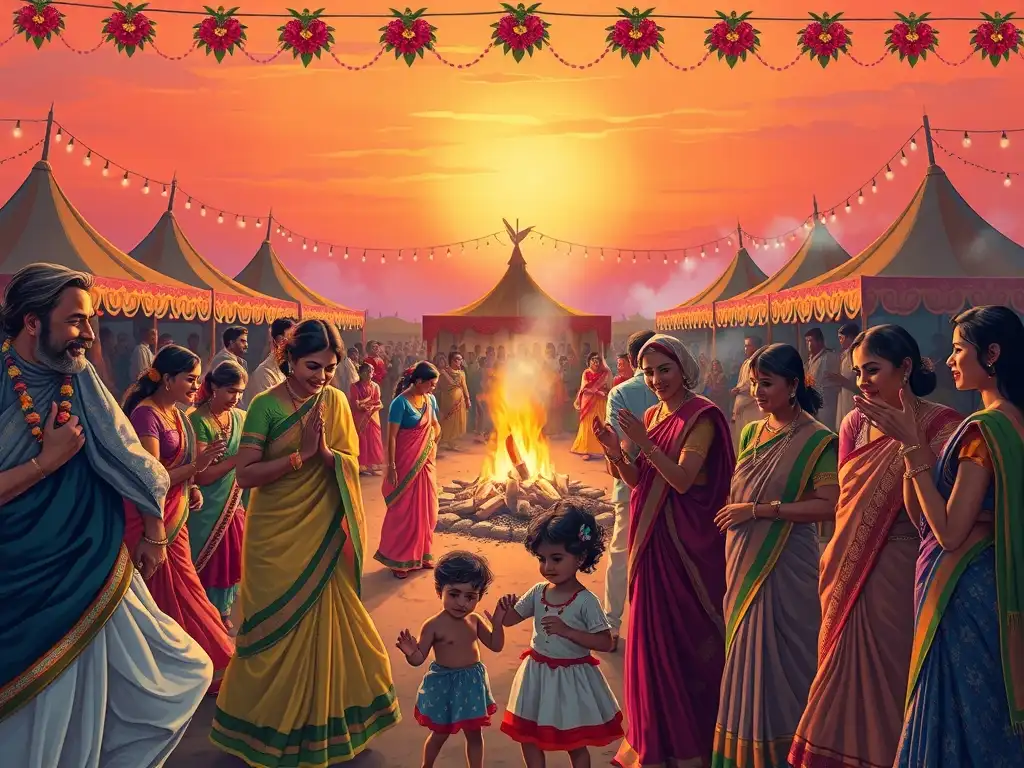
Harvest festivals in ancient India played a crucial role in fostering community unity, as they were closely tied to the agricultural cycle that sustained local populations. These celebrations not only marked the end of the harvest season but also served as opportunities for communal gatherings, reinforcing social bonds among villagers.
For instance, Pongal in Tamil Nadu is a significant harvest festival dedicated to the Sun God, marking the end of the harvest season for rice. During this time, families come together to prepare traditional dishes, share meals, and participate in various cultural activities such as folk dances and music. This collective celebration strengthens ties among community members as they partake in rituals and festivities, reflecting shared agricultural heritage.
Similarly, Makar Sankranti, celebrated across different regions of India, signifies the arrival of longer days and the end of winter. Communities engage in kite flying, bonfires, and communal feasts, promoting a sense of unity and shared purpose. The act of coming together to celebrate the bounty of the land reinforces the connection between individuals and their community, highlighting the importance of agriculture in societal cohesion.
Religious Festivals and Their Role in Community Bonding
Religious festivals in ancient India were instrumental in promoting unity among diverse communities. These festivals served as platforms for various religious groups to come together, transcending individual differences and fostering a sense of shared identity.
Take Diwali, the festival of lights. Celebrated by Hindus, Jains, Sikhs, and some Buddhists, Diwali is a time for community gatherings, sharing sweets, and lighting lamps. The festival symbolizes the victory of light over darkness and good over evil, a message that resonates across different faiths. During Diwali, neighborhoods often come alive with communal celebrations, as families decorate their homes, exchange gifts, and illuminate the streets with diyas (oil lamps). This collective spirit serves to strengthen the bonds among community members, regardless of their individual religious beliefs.
Another prominent religious festival is Eid, celebrated by Muslims across India. It marks the end of Ramadan, a month of fasting and reflection. The communal prayers held in mosques not only allow individuals to express their devotion but also create a sense of belonging and solidarity among participants. The act of sharing food and giving alms during Eid reinforces the values of compassion and generosity, essential for community unity.
Seasonal festivals in ancient India were vital in aligning communities with the natural rhythms of the environment, fostering social cohesion through shared experiences. These festivals often coincided with changes in the seasons, celebrating the bounty of nature and the interconnectedness of community life.
Holi, the festival of colors, is one such seasonal celebration that epitomizes joy and unity. It marks the arrival of spring and the end of winter, bringing people together in exuberant festivities. During Holi, individuals from all walks of life come together to play with colors, share sweets, and engage in merry-making. This communal atmosphere breaks down social barriers, encouraging participation across different castes and classes, reinforcing a sense of unity among diverse groups.
Similarly, Navratri, a nine-night festival dedicated to the worship of the goddess Durga, involves dance, music, and collective prayers. Communities gather for Garba and Dandiya Raas, traditional dance forms that promote interaction and bonding. The festival serves as a reminder of the shared cultural heritage and the collective strength of communities coming together to honor their traditions.
Ancient Indian festivals, whether harvest, religious, or seasonal, played a significant role in promoting community unity. Through collective celebrations, rituals, and shared experiences, these festivals fostered a sense of belonging and strengthened the social fabric of ancient Indian civilizations.
Rituals and Practices that Fostered Unity
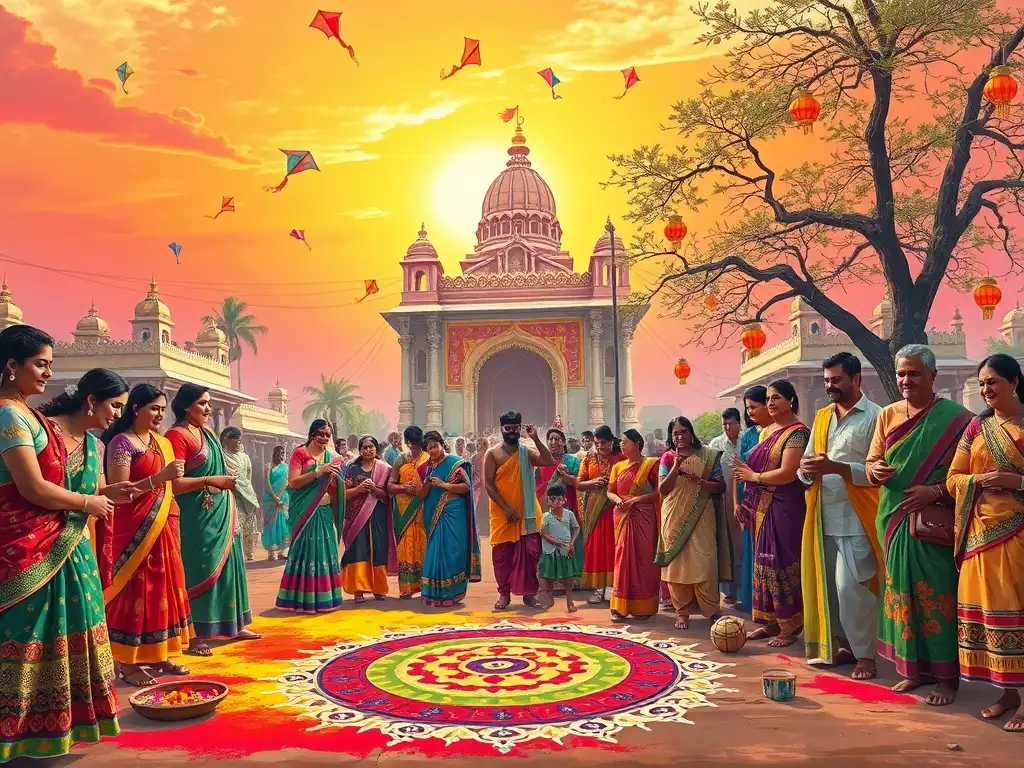
Ancient Indian festivals were not merely occasions for celebration; they served as vital rituals that fostered a sense of community and unity among diverse groups. These rituals often transcended individual differences, promoting a shared identity and collective purpose.
At the heart of ancient Indian festivals lay various shared rituals that encouraged collective participation. These rituals involved the entire community, strengthening bonds and reinforcing social cohesion. For instance, during the Pongal festival in Tamil Nadu, families engage in the communal preparation of rice, symbolizing prosperity and gratitude to nature. Such activities foster a sense of togetherness, as people come together to celebrate the harvest.
Moreover, festivals like Diwali and Holi emphasized the importance of community involvement. During Diwali, the ritual of lighting oil lamps (diyas) involved neighborhoods collectively illuminating their homes, creating a vibrant tapestry of lights. Similarly, Holi's celebration of colors invited everyone to participate, breaking down social barriers and encouraging playful interaction among all age groups.
- Key Elements of Shared Rituals:
- Collective Preparation: Gathering for the preparation of food and decorations.
- Community Offerings: Bringing together resources for communal worship.
- Inclusive Celebrations: Inviting participation from all social strata.
Music, Dance, and Their Unifying Power
Music and dance have historically played a significant role in ancient Indian festivals, acting as powerful mediums for expression and unity. From classical dances to folk songs, these art forms were integral to the celebrations, enhancing communal harmony.
For example, the Garba dance during Navratri brings together people of all ages, encouraging them to participate in a rhythmic expression of devotion. The circular formation of dancers symbolizes unity and togetherness, as participants move in sync with the music. Additionally, traditional instruments, such as the dhol and flute, create an atmosphere of joy, inviting everyone to join in the celebration.
- Impact of Music and Dance on Unity:
- Cultural Expression: Showcasing local traditions and fostering pride.
- Social Interaction: Encouraging participants to mingle and collaborate, breaking down social divides.
- Emotional Connection: Creating shared experiences that enhance community bonds.
Collective Offerings and Gratitude
A significant aspect of ancient Indian festivals is the practice of collective offerings and expressions of gratitude. These acts not only signify appreciation for nature and deities but also cultivate a sense of shared responsibility and unity.
During the Makar Sankranti festival, for instance, communities come together to make offerings of sweets and rice to the sun god. This ritual reinforces a collective acknowledgment of the agricultural cycle and the bounty of nature, fostering gratitude among community members. Such communal offerings strengthen ties as individuals contribute resources, share food, and celebrate together.
- Benefits of Collective Offerings:
- Resource Sharing: Encouraging communal support and cooperation.
- Strengthened Bonds: Fostering relationships among participants through shared acts of devotion.
- Cultural Continuity: Preserving traditional practices that enhance collective identity.
Ancient Indian festivals were deeply rooted in rituals and practices that promoted community and unity. By engaging in shared rituals, participating in music and dance, and making collective offerings, individuals fostered strong connections that transcended differences, creating a harmonious society.
Symbolism of Unity in Ancient Indian Festivals
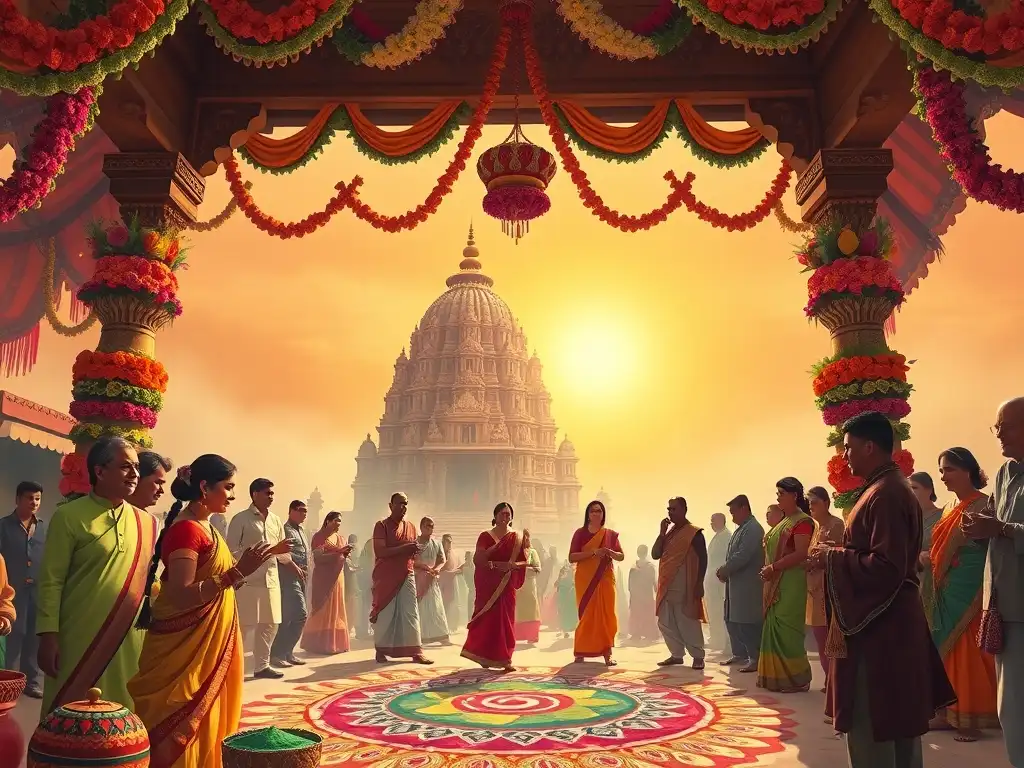
Ancient Indian festivals are not merely celebrations; they are rich tapestries woven with threads of cultural, spiritual, and communal significance. At the heart of these festivities lies the profound symbolism of unity, which transcends individual differences and fosters a collective identity. This unity is manifested through various elements, including colors, decorations, myths, and legends, all serving to strengthen communal bonds and reinforce shared values.
Colors and Decorations Representing Togetherness
Colors play a vital role in ancient Indian festivals, each hue carrying its own significance and contributing to the overall theme of unity. For instance, during Holi, the festival of colors, participants throw vibrant powders at each other, symbolizing the breaking down of social barriers and the celebration of togetherness. The use of bright colors not only beautifies the surroundings but also encourages a sense of joy and belonging among participants.
- Key Colors and Their Meanings:
- Red: Symbolizes love, passion, and the vibrancy of life.
- Yellow: Represents knowledge and learning, often associated with spring and harvest.
- Green: Denotes growth, harmony, and freshness.
- Blue: Reflects the divine and the infinite, often linked to Lord Krishna.
In addition to colors, decorations during festivals further enhance the communal atmosphere. Homes and public spaces are adorned with intricate rangoli designs, made from colored powders, flowers, or rice. These designs serve as a welcoming gesture, inviting neighbors and passersby to partake in the celebrations. The collective effort in creating these decorations fosters teamwork and strengthens community ties, as families and friends come together to contribute their creativity and labor.
Myths and Legends Highlighting Community Values
The narratives surrounding ancient Indian festivals often emphasize themes of unity, sacrifice, and collective well-being. These myths and legends serve as moral frameworks that guide community values and behaviors. For example, the story of Lord Rama and his return to Ayodhya after defeating the demon king Ravana is celebrated during Deepavali (Diwali). This festival symbolizes the victory of light over darkness and good over evil, promoting the idea that the community must come together to support righteousness and justice.
- Examples of Myths Promoting Unity:
- Durga Puja: Celebrates the victory of Goddess Durga over the buffalo demon Mahishasura, symbolizing the triumph of good over evil. This festival unites communities in worship and celebration, with elaborate processions and communal feasts.
- Makar Sankranti: Marks the transition of the sun into the zodiac sign of Capricorn. This harvest festival encourages communities to come together for kite flying, potlucks, and other communal activities, reinforcing social bonds.
These stories are often retold during festivals, bringing communities together in shared experiences. The act of narrating these legends fosters a sense of belonging and identity, reminding participants of their shared history and collective aspirations.
The symbolism of unity in ancient Indian festivals is expressed through a vibrant palette of colors, engaging decorations, and powerful myths. These elements work harmoniously to create a communal spirit that not only honors traditions but also fosters a deep sense of connection among individuals, reinforcing the importance of community and unity in the rich tapestry of ancient Indian culture.
Case Studies of Specific Festivals
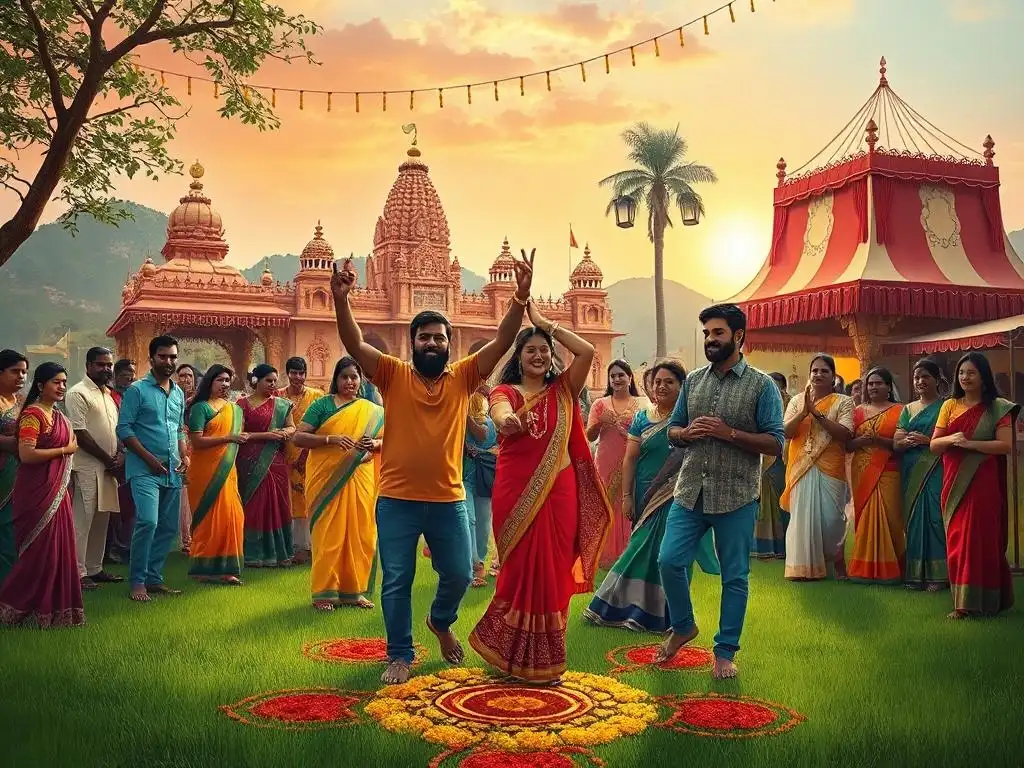
Makar Sankranti: Celebrating Harvest and Community
Makar Sankranti is one of the most significant ancient Indian festivals, marking the transition of the sun into the zodiac sign of Capricorn. This festival, celebrated in mid-January, aligns with the harvest season and symbolizes the end of winter. The communal aspect of Makar Sankranti is evident through various rituals and activities that foster unity among communities.
- Harvest Celebrations: Farmers come together to celebrate the bounty of their crops. This festival encourages communal feasting, where families share dishes made from freshly harvested produce, such as sesame seeds and jaggery. The act of sharing food nurtures bonds and reinforces social ties within the community.
- Kite Flying: A key feature of Makar Sankranti celebrations is kite flying. This activity brings neighbors together, as they compete in friendly contests to cut each other's kites. The skies filled with colorful kites symbolize joy and camaraderie, fostering a spirit of togetherness among participants.
- Rituals and Traditions: Many communities perform rituals such as bonfire ceremonies, where people gather around to celebrate the warmth of the sun and the onset of longer days. These gatherings provide a platform for sharing stories and traditions, further enhancing community cohesion.
Diwali: The Festival of Lights and Its Unifying Elements
Diwali, known as the Festival of Lights, is one of the most widely celebrated festivals in ancient India, symbolizing the victory of light over darkness and good over evil. This festival fosters community and unity through various customs and shared experiences.
- Community Decorations: During Diwali, homes and public spaces are adorned with oil lamps (diyas), colorful rangoli designs, and vibrant decorations. This collective effort in beautifying neighborhoods fosters a sense of belonging and pride among community members.
- Shared Feasts and Sweets: Families prepare an array of sweets and savory dishes, which are then exchanged among neighbors and friends. This tradition not only strengthens relationships but also creates an environment of sharing and goodwill.
- Rituals and Festivals: Community gatherings for prayers (puja) and cultural performances during Diwali serve to unite people from diverse backgrounds. These events often include music, dance, and drama that reflect shared cultural heritage, further enhancing the spirit of unity.
Holi: The Festival of Colors and Its Role in Community Bonding
Holi, the Festival of Colors, is another vibrant celebration that epitomizes the spirit of togetherness and community in ancient India. Celebrated in March, Holi marks the arrival of spring and is known for its exuberant festivities.
- Color Play: The most iconic aspect of Holi is the throwing of colored powders (gulal) and water. This playful exchange breaks down social barriers, allowing individuals from different backgrounds to come together in joy and laughter. The vibrant colors symbolize the diversity and unity of the community.
- Social Gatherings: Holi encourages communal gatherings, where people come together to celebrate with music, dance, and traditional foods. These events create opportunities for social interaction, fostering relationships and strengthening community bonds.
- Forgiveness and Renewal: Holi also emphasizes themes of forgiveness and renewal. It is common for individuals to mend broken relationships and resolve grievances during this festival, promoting harmony and unity within the community.
Ancient Indian festivals like Makar Sankranti, Diwali, and Holi play a crucial role in fostering community and unity. Through shared rituals, communal celebrations, and the spirit of togetherness, these festivals not only celebrate cultural heritage but also reinforce social bonds that have persisted through generations.
The Legacy of Ancient Indian Festivals in Modern Times
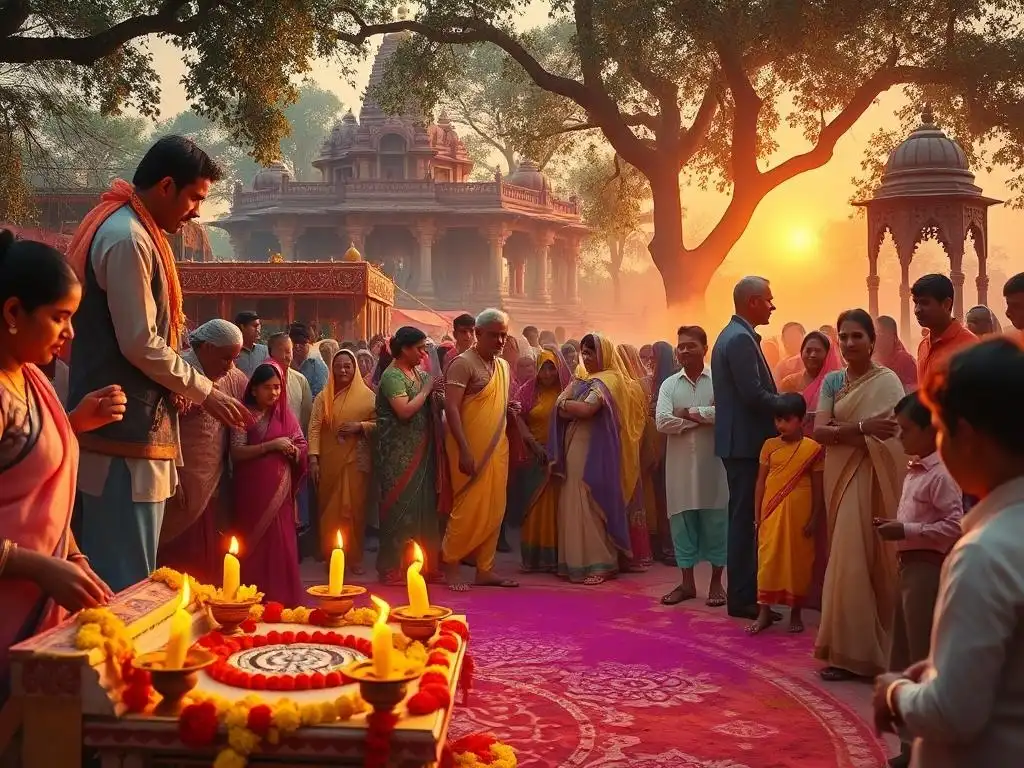
Ancient Indian festivals have left an indelible mark on contemporary society, shaping not just celebratory practices but also community values and social cohesion. These festivals, which often originated from religious, agricultural, or seasonal cycles, have evolved yet continue to reflect the ethos of unity and communal harmony.
Many modern Indian festivals, such as Diwali, Holi, and Makar Sankranti, can trace their roots back to ancient traditions. The vibrant rituals and communal gatherings that characterize these celebrations serve as a reminder of their historical significance. Scholars have noted that the essence of these festivals fosters a sense of belonging, encouraging people to come together, regardless of their backgrounds or beliefs.
Continuation of Community Practices in Contemporary Celebrations
The spirit of community during ancient Indian festivals is vividly reflected in contemporary celebrations. Today, festivals are not merely personal or familial events but collective experiences that involve entire neighborhoods and communities.
- Community Gatherings: Many festivals feature communal activities, such as processions, fairs, and feasting. For example, during Holi, communities engage in the playful throwing of colors, creating a vibrant atmosphere that breaks down social barriers. Similarly, Eid is celebrated with collective prayers and communal meals, emphasizing unity and shared joy.
- Collaborative Preparations: The preparations for festivals often involve collective efforts, such as decorating public spaces or organizing events. This collaboration fosters relationships among community members, reinforcing a sense of belonging. For instance, during Diwali, neighborhood societies often come together to illuminate homes and streets, symbolizing the triumph of light over darkness.
- Cultural Exchanges: Festivals serve as platforms for cultural exchange, where diverse groups come together to share traditions. This is particularly evident in cities with mixed populations, where the celebration of one community's festival may be embraced by others, promoting unity and understanding.
Lessons from Ancient Festivals for Modern Society
The practices and principles derived from ancient Indian festivals provide valuable lessons for modern society.
- Emphasis on Inclusivity: Ancient festivals often celebrated diversity within communities. For instance, during Pongal, people from various backgrounds come together to express gratitude for the harvest, showcasing the importance of inclusivity. Modern celebrations can benefit from this approach by actively involving various cultural groups.
- Strengthening Social Bonds: The communal aspect of ancient festivals emphasizes the importance of social ties. In today’s increasingly individualistic world, revitalizing these communal gatherings can strengthen relationships and foster empathy among individuals.
- Environmental Awareness: Many ancient festivals were tied to natural cycles and agricultural practices, promoting a deep respect for the environment. This is reflected in festivals like Makar Sankranti, which celebrates the harvest and the sun's transition. Modern society can draw inspiration from this connection to nature, leading to more environmentally conscious celebrations.
- Rituals of Gratitude: Ancient festivals often included rituals of giving thanks, which can be a powerful tool for building community resilience in contemporary times. By incorporating gratitude into modern celebrations, communities can cultivate a positive atmosphere that encourages mutual support.
By honoring the legacy of ancient Indian festivals, modern society can create a framework for community and unity that transcends individual differences, fostering a spirit of togetherness that is essential in today's world.
Conclusion: The Enduring Impact of Ancient Indian Festivals on Community Unity
Ancient Indian festivals played a crucial role in fostering community and unity among diverse populations across the subcontinent. These celebrations were not just occasions for merriment; they served as vital cultural touchstones that reinforced social bonds, traditions, and collective identities. The interplay of rituals, communal participation, and shared values created an environment where individuals from different backgrounds could come together, ultimately strengthening the fabric of society.
The festivals often revolved around agricultural cycles, religious observances, and seasonal changes, reflecting the deep connection between the people and their environment. For instance, the harvest festival of Pongal in Tamil Nadu or Makar Sankranti celebrated across various regions signifies gratitude towards nature and the communal effort in agriculture. Such practices instilled a sense of belonging and unity among participants, transcending individual differences.
Moreover, ancient texts and inscriptions reveal that festivals provided opportunities for economic exchange and collaboration, further enhancing community ties. Markets would spring up during festivals, where artisans, farmers, and traders came together, promoting not only economic unity but also cultural exchange. This interconnectedness laid the groundwork for the rich tapestry of India's social landscape.
Reflection on Cultural Significance
The cultural significance of ancient Indian festivals cannot be overstated. They acted as mediums for the transmission of values, stories, and traditions from one generation to the next. Through folk songs, dances, and rituals, communities preserved their heritage and instilled pride in their identities.
Festivals like Diwali, Holi, and Eid, with their rich mythological backgrounds and diverse regional interpretations, illustrate how ancient celebrations were imbued with layers of meaning. For example, Diwali symbolizes the victory of light over darkness and knowledge over ignorance, while Holi celebrates the arrival of spring and the triumph of love. These narratives not only reinforce the spiritual and moral teachings inherent in the festivals but also promote a collective sense of purpose among participants.
Furthermore, the communal nature of these festivals encouraged inclusivity. People from various strata of society—rich and poor, urban and rural—would participate in the celebrations, promoting a sense of equality and fraternity. The shared experiences of joy, feasting, and rituals helped dissolve barriers and fostered a spirit of cooperation and unity.
Call to Preserve and Celebrate Ancient Traditions
As we navigate the complexities of modern society, it becomes increasingly essential to preserve and celebrate the rich tapestry of ancient Indian festivals. Recognizing their importance in promoting community and unity can guide contemporary efforts to strengthen social bonds amidst diversity.
To achieve this, communities can engage in the following initiatives:
- Revival of Traditional Practices: Encouraging local participation in traditional rituals and celebrations can reignite interest in ancient customs and foster unity among diverse groups.
- Educational Programs: Schools and cultural organizations can implement programs that educate younger generations about the significance of these festivals, ensuring that the stories and values they embody are passed down.
- Community Events: Organizing community gatherings during major festivals can create a platform for people to share their experiences, traditions, and cuisines, further enriching the communal fabric.
- Digital Archives: Documenting and sharing stories, photographs, and videos of ancient festivals online can reach a broader audience, encouraging interest and participation across different demographics.
Ancient Indian festivals hold timeless significance as agents of community and unity. By preserving and celebrating these traditions, we can honor our past while building a cohesive and inclusive future.
Frequently Asked Questions
What are some key ancient Indian festivals that promoted community unity?
Many festivals such as Diwali, Holi, and Pongal played significant roles in fostering community unity by bringing people together to celebrate shared traditions and values.
How did ancient Indian festivals contribute to cultural identity?
Ancient festivals served as a foundation for cultural identity, allowing communities to express their values, beliefs, and heritage through rituals and celebrations that were unique to their region.
Festivals encouraged social interaction by inviting people from various backgrounds and castes to participate in shared celebrations, thus promoting harmony and cohesion among diverse groups.
Can ancient Indian festivals still influence contemporary society?
Yes, many ancient Indian festivals continue to influence modern society by promoting community bonding, cultural continuity, and social responsibility through celebrations that emphasize unity and togetherness.
What role did rituals play in ancient Indian festivals?
Rituals in ancient Indian festivals were crucial for reinforcing social norms and values, creating a sense of belonging, and fostering collective identity that strengthened community ties.
Final Reflection: Celebrating Community and Unity Through Ancient Indian Festivals
The essence of ancient Indian festivals lies in their profound ability to foster community and unity, a theme that resonates deeply in today's fragmented world. As we navigate through modern challenges, the lessons embedded in these age-old traditions remind us of the importance of coming together, celebrating our shared humanity, and reinforcing the bonds that connect us. In a time when division often overshadows collaboration, the spirit of these festivals serves as a beacon of hope, urging us to embrace inclusivity and harmony.
The influence of ancient Indian festivals on our cultural and social landscape is undeniable and continues to shape our collective identity. These celebrations not only commemorate historical events but also reinforce values of togetherness, compassion, and respect for diversity. As we participate in these vibrant gatherings, we are reminded of the words of Mahatma Gandhi: Unity, to be real, must stand the severest strain without breaking.
This quote encapsulates the enduring power of community, urging us to reflect on how we can cultivate unity in our own lives, inspired by the traditions of our ancestors.
As we conclude this exploration of ancient Indian festivals, I invite you to reflect on how these celebrations can inspire your own journey toward community and unity. Consider how you can incorporate the spirit of these festivals into your daily life, fostering connections with those around you and embracing the richness of diversity. Let us carry forward the legacy of these traditions, not just as a remembrance of the past, but as a guiding principle for a future where unity prevails over division.
Embrace the Spirit of Unity: Celebrate Ancient Festivals Today!
Thank you for exploring the vibrant world of ancient Indian festivals and their remarkable role in fostering community and unity. We hope you gained valuable insights that inspire both celebration and connection in your life. Now, it’s time to take that learning and translate it into meaningful action!
Here are a few steps you can take to honor these cherished traditions:
- Participate in a local festival or cultural event, immersing yourself in the history and practices that bring people together.
- Share your knowledge by organizing a gathering with friends or family to discuss the significance of these festivals and their relevance in today's world.
- Explore community resources such as workshops or online groups dedicated to preserving old traditions, where you can learn and exchange ideas with others.
How would you like to incorporate the lessons from ancient festivals into your own contemporary celebrations?