
Ancient Indian Theater: An Exploration of Iconic Plays and Scripts

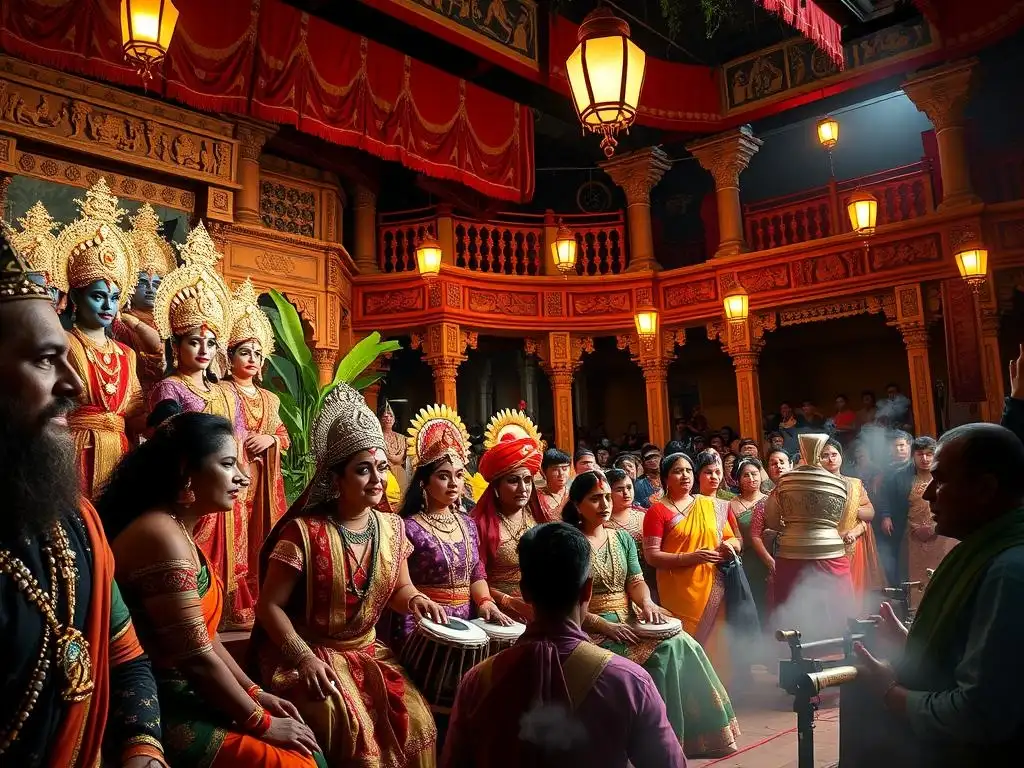
Welcome to Ancient India History, where we invite you to embark on a captivating journey through the rich tapestry of ancient Indian civilizations. In this exploration, we delve into the fascinating world of ancient Indian theater history, uncovering the iconic plays and scripts that have shaped the cultural landscape of India. From the intricate narratives of the Indus Valley to the artistic brilliance of the Gupta Empire, every story reveals a piece of our heritage waiting to be discovered.
Prepare to be intrigued as we unravel the threads of performance art that have transcended time and continue to inspire today. Let the curtain rise on this enchanting saga—read on to uncover the timeless tales that await!
-
Ancient Indian Theater History: An Exploration of Iconic Plays and Scripts
- Introduction to Ancient Indian Theater History
- The Roots of Ancient Indian Theater
- Key Characteristics of Ancient Indian Theater
- Iconic Plays of Ancient Indian Theater
- Prominent Playwrights of Ancient Indian Theater
- Theatrical Forms and Traditions in Ancient India
- The Legacy of Ancient Indian Theater
- Conclusion: The Lasting Impact of Ancient Indian Theater History
-
Frequently Asked Questions
- What is the significance of ancient Indian theater history?
- Which iconic plays are considered foundational in ancient Indian theater?
- How did religion influence theater in ancient India?
- What are the major theatrical forms that emerged in ancient India?
- How did the Gupta Empire contribute to the evolution of theater?
- Final Reflection: Embracing the Legacy of Ancient Indian Theater
- Unveil the Magic of Ancient Indian Theater!
Ancient Indian Theater History: An Exploration of Iconic Plays and Scripts
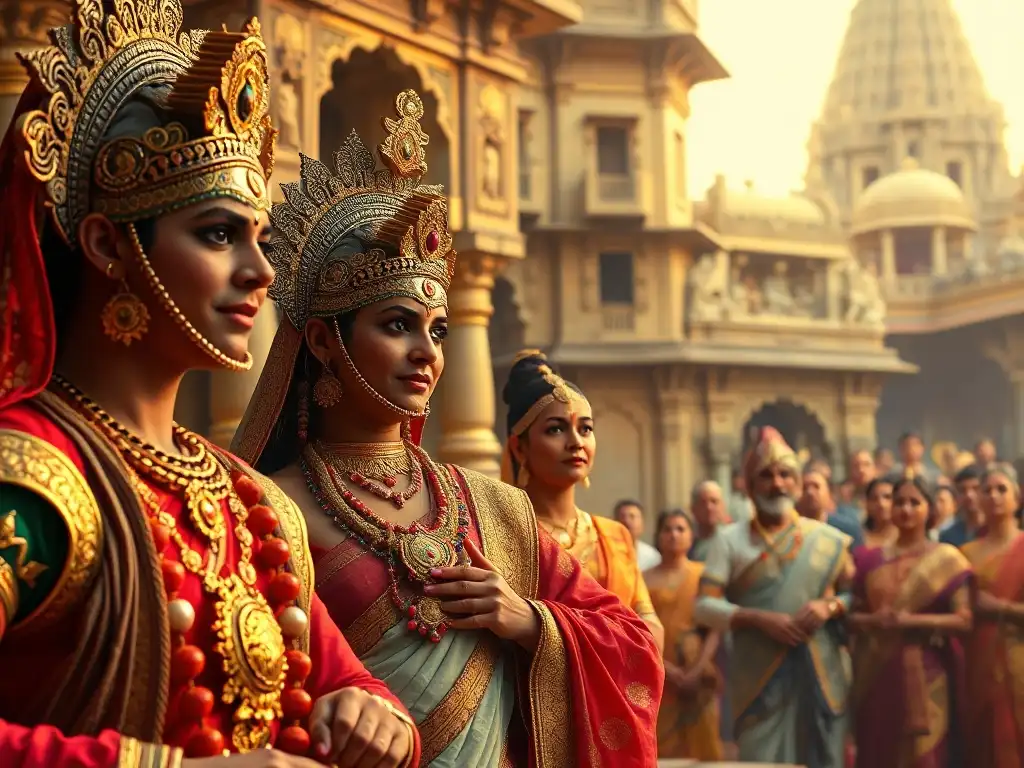
Introduction to Ancient Indian Theater History
The history of ancient Indian theater is a vibrant tapestry woven with cultural, religious, and artistic threads that have significantly shaped not only the performing arts of India but also its broader cultural landscape. From the elaborate performances of the Indus Valley civilization to the sophisticated dramas of the Gupta Empire, ancient Indian theater reflects the societal values, beliefs, and artistic expressions of its time.
This exploration delves into the iconic plays and scripts that have emerged from this rich heritage, highlighting their enduring legacy and impact on contemporary performance arts. Understanding ancient Indian theater history offers valuable insights into the evolution of storytelling, character development, and theatrical techniques that continue to inspire modern theater around the world.
The Roots of Ancient Indian Theater
Historical Context of Theater in Ancient Indian Civilization
Ancient Indian theater finds its origins in the societal and cultural milieu of early Indian civilization, with evidence suggesting that theatrical performances were integral to various rituals and festivals. The Vedic texts, dating back to around 1500 BCE, provide references to performance arts, indicating that music, dance, and drama were celebrated forms of expression during this period.
As time progressed, the emergence of the Natyashastra, attributed to the sage Bharata Muni around the 2nd century BCE, marked a pivotal moment in the codification of dramatic arts in India. This treatise not only outlined the principles of theater but also served as a comprehensive guide on acting techniques, stagecraft, and the emotional aspects of performance, known as rasa. The Natyashastra laid the foundational framework for various theatrical forms that flourished in ancient India, influencing generations of artists and playwrights.
Influence of Religion and Philosophy on Ancient Indian Theater
The interplay between religion, philosophy, and theater in ancient India is profound and multifaceted. Many theatrical performances were closely linked to religious rituals and storytelling traditions that conveyed moral and ethical lessons derived from Hindu epics such as the Mahabharata and the Ramayana. These narratives not only served as source material for plays but also infused theatrical performances with spiritual significance.
Philosophical schools of thought, including Advaita Vedanta and Samkhya, further enriched the thematic depth of ancient Indian theater. The exploration of concepts such as moksha (liberation) and dharma (duty) within plays offered audiences a reflective space to contemplate their existence and societal roles. As a result, ancient Indian theater became a vehicle for both entertainment and philosophical discourse, reflecting the rich intellectual tradition of the time.
As we delve deeper into the iconic plays and scripts of ancient Indian theater, we will uncover the remarkable stories, characters, and performances that continue to resonate with audiences today.
Key Characteristics of Ancient Indian Theater
Ancient Indian theater is a rich tapestry woven from various cultural and artistic threads, reflecting the complexities of society, spirituality, and human emotions. It is characterized by several distinctive features:
- Integration of Multiple Art Forms: Ancient Indian theater seamlessly blends various art forms, including dance, music, and visual arts. This holistic approach creates a multi-sensory experience that captivates the audience.
- Use of Sanskrit and Regional Languages: The scripts of ancient Indian plays were primarily written in Sanskrit, but regional languages also played a significant role. This linguistic diversity allowed for a broader audience reach and included local dialects, enriching the theatrical experience.
- Structured Performance Techniques: The performances followed established methodologies, including specific gestures (mudras), facial expressions (abhinaya), and stage movements (natyadharmi). These techniques were codified in texts like "Natya Shastra," which outlined the rules and principles of performance.
- Emphasis on Rasa: Central to ancient Indian theater is the concept of "rasa," or aesthetic experience. Each play aimed to evoke specific emotions, such as love (shringara), heroism (vira), or pathos (karuna), engaging the audience on a profound emotional level.
- Mythological and Historical Themes: Many plays drew inspiration from mythology, epics like the Mahabharata and Ramayana, and historical narratives. This allowed the theater to explore timeless themes of morality, duty, and the human condition.
Themes and Motifs in Ancient Indian Plays
The themes and motifs in ancient Indian plays are diverse and multifaceted, reflecting the cultural, social, and spiritual fabric of the time. Some prominent themes include:
- Love and Relationships: Romantic entanglements and the complexities of love are prevalent, often depicted through tragic and comedic lenses. Plays like "Shakuntala" explore the nuances of love, separation, and longing.
- Dharma and Morality: Questions of duty and righteousness (dharma) are central to many narratives, reflecting the moral dilemmas faced by characters. The exploration of ethical choices is a recurring motif, particularly in epic adaptations.
- Social Critique: Many plays serve as social commentaries, addressing issues such as class disparity, gender roles, and societal norms. "Mrichchhakatika," for example, provides a critical look at the socio-economic conditions of its time.
- Mythology and Spirituality: The integration of divine narratives and mythological figures allows for a deep exploration of spirituality, fate, and cosmic order. These themes resonate with the audience's cultural beliefs and values.
The Role of Music and Dance in Ancient Indian Theater
Music and dance are integral components of ancient Indian theater, enhancing both the emotional depth and aesthetic appeal of performances. Their roles can be summarized as follows:
- Enhancement of Narrative: Music underscores key moments in the narrative, accentuating emotional transitions, and heightening dramatic tension. Instrumental accompaniments and vocal recitations help convey the mood of the scene.
- Expression of Emotion: Dance serves as a powerful medium for expressing emotions and themes. Dancers use intricate movements and gestures to narrate stories, embodying characters and their experiences.
- Cultural Significance: Both music and dance are rooted in ancient traditions and rituals. They reflect the cultural heritage of the time, connecting performances to religious and social practices.
- Interactive Experience: The audience is often invited to engage with the performance through clapping, singing, or dancing, fostering a communal atmosphere that enriches the theatrical experience.
Use of Language and Poetry in Scripts
The use of language and poetry in ancient Indian theater is a testament to the literary richness of the period. Key aspects include:
- Sanskrit as the Lingua Franca: Most classical plays were composed in Sanskrit, showcasing its literary elegance. The language's poetic structure allowed for intricate wordplay and nuanced meanings.
- Poetic Devices: Ancient playwrights employed various poetic devices, such as alliteration, metaphors, and similes, to enhance the lyrical quality of dialogues. This elevated the text, making it both beautiful and impactful.
- Verse and Prose Interplay: Many scripts feature a mix of verse and prose, allowing for dynamic shifts in tone and rhythm. This interplay keeps the audience engaged and emphasizes key dialogues.
- Symbolism and Allegory: Language in ancient Indian plays often carries symbolic meanings, allowing for deeper interpretations. Allegorical elements enable playwrights to comment on social issues and philosophical ideas subtly.
Iconic Plays of Ancient Indian Theater
Ancient Indian theater boasts a wealth of iconic plays that have left a lasting legacy. Each of these works showcases the artistry and cultural depth of the time.
"Shakuntala" by Kalidasa: A Classic Tale of Love
"Shakuntala," penned by the illustrious playwright Kalidasa, is one of the most celebrated works in ancient Indian theater. The play tells the poignant story of Shakuntala, a beautiful maiden, and her love affair with King Dushyanta. Key elements include:
- Plot Overview: The narrative unfolds as Shakuntala, raised in a hermitage, encounters King Dushyanta during a royal hunt. Their love blossoms, but a curse causes Dushyanta to forget her, leading to a poignant journey of love and recognition.
- Themes: Central themes include love, destiny, and the power of memory, illustrating the emotional depth of human relationships. The interplay of duty and affection adds complexity to the characters' motivations.
- Cultural Impact: "Shakuntala" has inspired countless adaptations across various art forms, including dance, music, and literature, solidifying its status as a cornerstone of Indian culture.
"Mrichchhakatika" by Shudraka: A Study of Social Themes
"Mrichchhakatika," attributed to Shudraka, is a remarkable play that delves into social themes through the lens of romance and adventure. Notable aspects include:
- Plot Overview: The story follows the love affair between Charudatta, a nobleman, and the courtesan Vasantika. Set against a backdrop of political intrigue and societal challenges, their relationship navigates the complexities of class and morality.
- Themes: The play addresses social issues such as class struggle, justice, and the human desire for love amidst societal constraints. It offers a critical perspective on the socio-economic dynamics of ancient India.
- Character Development: Shudraka’s nuanced characters reflect the diversity of human experience, portraying both virtue and vice, and inviting the audience to engage with their dilemmas.
"Vikramorvasiyam" by Kalidasa: Myth and Drama Intertwined
"Vikramorvasiyam," another masterpiece by Kalidasa, weaves mythology with drama, creating a rich narrative tapestry. Key features include:
- Plot Overview: The play centers around the love story of King Vikrama and the celestial nymph Urvashi. Their romance is marked by divine interventions and challenges that test the boundaries of love and duty.
- Themes: This work explores themes of love, sacrifice, and the interplay between the mortal and divine realms. The narrative reflects the philosophical inquiries of existence and the nature of desire.
- Artistic Elements: Kalidasa's poetic prowess shines through in his use of language, vivid imagery, and lyrical dialogues, making "Vikramorvasiyam" a quintessential example of the richness of ancient Indian theater.
Through these iconic plays, ancient Indian theater continues to resonate, offering contemporary audiences a glimpse into the timeless human experiences that define our shared cultural heritage.
Prominent Playwrights of Ancient Indian Theater
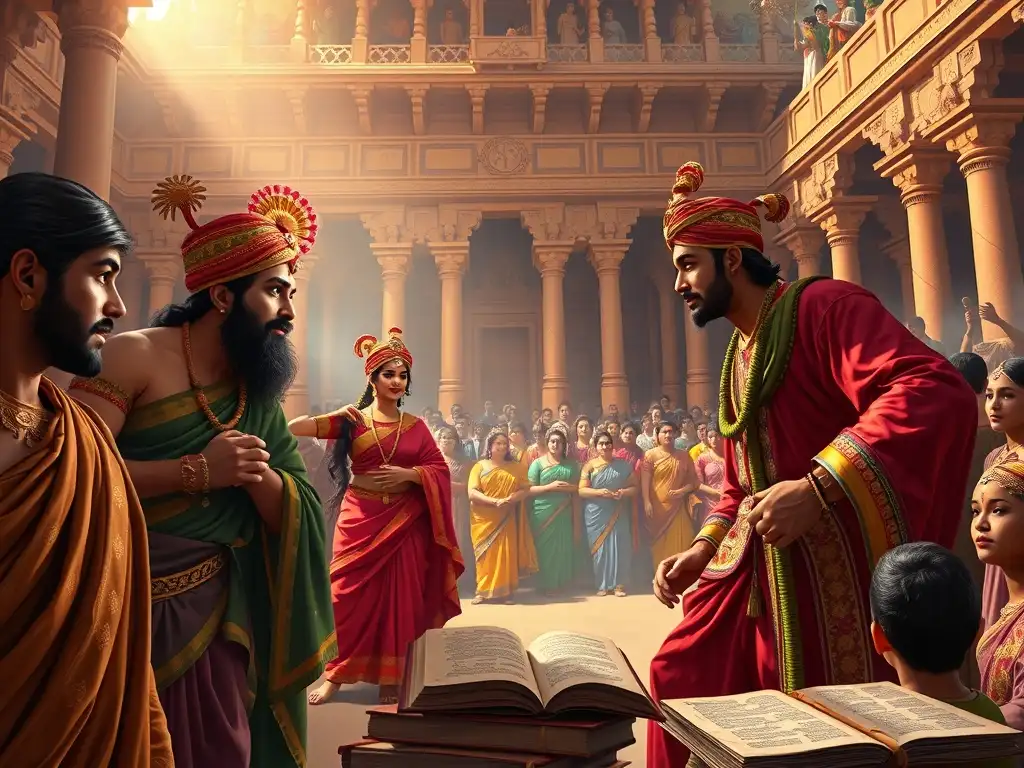
Ancient Indian theater is significantly shaped by a handful of influential playwrights whose works have stood the test of time. Their contributions are not only pivotal in the evolution of theatrical forms but also reflect the cultural, philosophical, and spiritual ethos of their times. The most notable among these playwrights include Kalidasa, Bhasa, and Ashvaghosha, each bringing their unique styles and themes to the stage.
Kalidasa: The Master of Classical Sanskrit Drama
Kalidasa is often heralded as one of the greatest playwrights in the history of Sanskrit literature, known for his poetic language and profound emotional depth. His most famous works include Shakuntala and Vikramorvasiyam, both of which showcase his exceptional ability to weave intricate narratives that explore themes of love, nature, and the divine.
Kalidasa's plays are characterized by their lyrical beauty, rich character development, and philosophical undertones. He adeptly utilizes the elements of nature to reflect the emotional states of his characters, making the audience feel the connection between the human experience and the natural world. His influence extends beyond theater, impacting poetry and literature throughout Indian history.
Bhasa: Pioneering Early Indian Theater
Bhasa, a lesser-known yet crucial figure in ancient Indian theater, is often credited with laying the groundwork for future playwrights. His works, estimated to date back to the 3rd century BCE, are characterized by their straightforward narrative style, which contrasts with the more elaborate compositions of later playwrights.
Among his notable plays are Svapnavasavadatta and Pratima, which explore themes of love, duty, and deception. Bhasa's ability to create engaging plots and well-defined characters has made his works enduring favorites in the realm of Indian theater. His emphasis on dialogue and character interactions paved the way for the development of dramatic storytelling in Indian literature.
Ashvaghosha: The Blend of Philosophy and Performance
Ashvaghosha, a prominent figure in the 1st century CE, is best known for his play Sakuntala, which is a dramatized version of the original story by Kalidasa. However, his contributions extend beyond adaptations. Ashvaghosha is credited with integrating Buddhist philosophy into his works, making them not only entertaining but also thought-provoking.
His play Buddhacharita is a notable example that narrates the life of Siddhartha Gautama, who became the Buddha. Through his writings, Ashvaghosha sought to explore the profound existential themes of suffering, enlightenment, and the nature of reality, thereby elevating theater as a medium for philosophical discourse. His works have influenced both theater and Buddhist literature, demonstrating the interconnectedness of art and spirituality in ancient India.
Theatrical Forms and Traditions in Ancient India
The theatrical landscape of ancient India was diverse and rich, encompassing various forms and traditions that evolved over centuries. These theatrical expressions not only served entertainment purposes but also functioned as vehicles for social commentary, religious instruction, and cultural preservation.
Natya Shastra: The Ancient Treatise on Performing Arts
The Natya Shastra, attributed to the sage Bharata Muni, is a foundational text that outlines the principles of drama, dance, and music in ancient Indian theater. Composed around 200 BCE to 200 CE, this comprehensive treatise covers various aspects of performance, including stage design, character development, and the emotional expressions (rasa) that actors must convey.
The Natya Shastra categorizes various types of plays and theatrical forms, emphasizing the importance of aesthetics and the audience's experience. It serves as a critical reference point for understanding the evolution of Indian performing arts and continues to influence contemporary theater practices.
Classical Dance Forms Influenced by Theater
Ancient Indian theater has significantly influenced various classical dance forms, which often integrate theatrical elements into their performances. Dance forms such as Bharatanatyam, Kathak, and Odissi draw upon the narratives and themes found in ancient plays, creating a harmonious blend of movement and storytelling.
These dance styles utilize dramatic expressions, intricate footwork, and emotive gestures (mudras) to convey stories and emotions. The interconnection between dance and theater demonstrates the holistic approach to performing arts in ancient India, where different forms of expression were intertwined to create a rich cultural tapestry.
Regional Variations of Theater Across Ancient India
Theater in ancient India was not monolithic; it exhibited a plethora of regional variations that reflected local cultures, languages, and traditions. Each region developed its distinctive styles and forms, influenced by historical, social, and religious contexts.
For instance, the folk theater of Maharashtra, known as Tamasha, incorporates music and dance, often portraying social themes and moral lessons. In contrast, Nautanki from North India focuses on melodrama and is known for its elaborate performances and colorful costumes. Similarly, Yakshagana from Karnataka combines dance, music, and dialogue, drawing from Hindu epics and mythological stories.
These regional variations illustrate the adaptability and richness of ancient Indian theater, showcasing how local influences shaped the performing arts while maintaining a connection to the broader cultural heritage of the subcontinent.
The Legacy of Ancient Indian Theater
The legacy of ancient Indian theater is a profound testament to the rich narrative traditions and performance arts that flourished across the subcontinent. Rooted in religious and cultural contexts, ancient Indian theater was not merely a form of entertainment but a medium of spiritual expression and societal reflection. The earliest forms of theater can be traced back to the Vedic period, with the Natya Shastra, attributed to Bharata Muni, serving as a foundational text that codified the principles of drama, music, and dance.
From the classical Sanskrit dramas of playwrights like Kalidasa and Bhasa to the folk theater traditions that emerged in various regions, ancient Indian theater encompasses a diverse range of styles and themes. These narratives often drew from mythological and historical sources, addressing moral dilemmas and human emotions that continue to resonate in contemporary storytelling. The integration of dance, music, and elaborate costumes enriched the theatrical experience, making it a holistic form of art that engaged audiences on multiple sensory levels.
In essence, the legacy of ancient Indian theater not only shaped the cultural landscape of its time but also laid the groundwork for future artistic expressions, influencing various performance arts across Asia and beyond.
Influence on Contemporary Indian Theater and Performance Arts
The influence of ancient Indian theater on contemporary performance arts is both profound and multifaceted. Modern Indian theater draws heavily from the techniques, themes, and narratives established in ancient times. For instance, the use of storytelling through dance and music persists in many contemporary productions, reflecting the traditional forms that celebrated these elements as integral to the theatrical experience.
Prominent playwrights and directors, such as Vijay Tendulkar and Habib Tanvir, have often incorporated motifs from ancient texts and folk traditions into their works, creating a dialogue between the past and present. Additionally, the revival of traditional forms like Kathakali, Yakshagana, and Natyashastra-inspired performances showcases a commitment to preserving and reinterpreting ancient practices for modern audiences.
Moreover, contemporary Indian theater festivals often celebrate these ancient roots, providing a platform for new interpretations that honor traditional narratives while addressing contemporary issues. This synthesis of the old and new not only revitalizes ancient art forms but also ensures their continued relevance in today’s cultural discourse.
Preservation of Ancient Scripts and Their Importance Today
The preservation of ancient scripts is crucial for understanding the evolution of theater in India and its socio-cultural implications. Many ancient texts, such as the Natya Shastra and the plays of Kalidasa, have been meticulously copied and studied over centuries, ensuring that the wisdom and artistry of ancient playwrights endure.
Today, these scripts serve as invaluable resources for scholars, actors, and playwrights alike. They offer insights into the thematic concerns, stylistic choices, and performance practices of their time, allowing for a deeper appreciation of the rich tapestry of ancient Indian theater. The ongoing efforts to digitize and translate these texts have further expanded access to this cultural heritage, enabling a broader audience to engage with and learn from these ancient works.
In addition, the importance of these scripts extends beyond academic study; they inspire contemporary artists to explore the narratives and techniques of the past. By connecting with ancient texts, modern practitioners can create innovative works that resonate with current societal challenges while honoring the traditions that precede them.
Conclusion: The Lasting Impact of Ancient Indian Theater History
The lasting impact of ancient Indian theater history is evident in its enduring themes, narrative styles, and performance techniques that continue to inspire and influence contemporary art forms. The ability of ancient scripts and performances to transcend time and culture speaks to the universality of the human experience captured within these narratives.
As we reflect on the journey of ancient Indian theater, it is clear that its contributions to the arts extend well beyond the stage. They have shaped cultural identities, provided a means for social commentary, and fostered a sense of community through shared storytelling experiences.
Reflections on the Cultural Heritage of Ancient Indian Theater
Reflecting on the cultural heritage of ancient Indian theater reveals a rich tapestry of artistic expression that has evolved over millennia. It serves not only as a historical record but also as a living tradition that continues to inform and inspire current generations. The themes of love, morality, and the human condition explored in ancient plays remain relevant, allowing audiences to connect with these timeless narratives on a personal level.
Moreover, the communal aspect of theater, where audiences engage with the performance in a shared space, echoes the societal values of ancient times. This tradition of collective experience is essential for fostering cultural continuity and appreciation, as it reinforces a sense of belonging and identity among communities.
Future Perspectives on the Study of Ancient Indian Theater
Looking towards the future, the study of ancient Indian theater holds significant potential for further exploration and scholarship. As interdisciplinary approaches become increasingly prevalent, integrating fields such as anthropology, sociology, and digital humanities can enrich our understanding of ancient performance traditions and their relevance in today’s world.
Additionally, the emerging interest in global theater practices presents an opportunity for ancient Indian theater to be viewed through a comparative lens, highlighting its unique contributions to the global arts landscape. By encouraging dialogue between ancient traditions and contemporary practices, scholars and artists can create innovative frameworks that honor the past while addressing contemporary issues.
The future of ancient Indian theater study is bright, with endless possibilities for discovery and reinterpretation that promise to keep this vital cultural heritage alive for generations to come.
Frequently Asked Questions
What is the significance of ancient Indian theater history?
Ancient Indian theater history is significant as it showcases the cultural richness and artistic expression of ancient civilizations, reflecting their values, beliefs, and social dynamics.
Which iconic plays are considered foundational in ancient Indian theater?
Some foundational plays include Shakuntala by Kalidasa and Mrichhakatika by Shudraka, which highlight the themes of love, morality, and social issues prevalent during their time.
How did religion influence theater in ancient India?
Religion played a crucial role in shaping theater, as many performances were rooted in mythology and often used to educate and entertain audiences about spiritual and moral lessons.
What are the major theatrical forms that emerged in ancient India?
Major theatrical forms include Natya Shastra, which is a treatise on drama, and various styles such as Kathakali and Koodiyattam, each characterized by its own unique performance techniques and aesthetic principles.
How did the Gupta Empire contribute to the evolution of theater?
The Gupta Empire contributed significantly by promoting artistic endeavors and establishing a patronage system that allowed for the flourishing of theater arts, leading to the creation of timeless scripts and performances.
Final Reflection: Embracing the Legacy of Ancient Indian Theater
The rich tapestry of ancient Indian theater history continues to resonate in today's cultural landscape, reminding us of the profound narratives and artistic expressions that have shaped our collective identity. As we explore the iconic plays and scripts that emerged from this vibrant tradition, we uncover not only the artistic brilliance of the past but also its enduring relevance in contemporary society. The stories told on stage centuries ago still echo in our modern lives, urging us to reflect on the universal themes of love, conflict, and morality that transcend time.
The influence of ancient Indian theater is palpable in various aspects of our culture, from literature to film, and even in our everyday conversations. As we engage with these timeless narratives, we find ourselves connected to a lineage of storytellers who have used the stage as a platform for social commentary and emotional exploration. The theater is the greatest of all art forms, for it is the most immediate way in which a human being can share with another the sense of what it is to be a human being.
This quote encapsulates the essence of theater as a mirror reflecting our shared experiences, reminding us that the stories we tell are as vital today as they were in ancient times.
As we conclude this exploration of ancient Indian theater, I invite you to reflect on the lessons embedded within these timeless narratives. Consider how the themes and characters resonate with your own life experiences and how you can incorporate the spirit of storytelling into your daily interactions. Let the legacy of ancient Indian theater inspire you to embrace your own voice, share your stories, and connect with others through the powerful medium of performance, whether on stage or in the theater of life.
Unveil the Magic of Ancient Indian Theater!
Thank you for diving into the fascinating world of Ancient Indian Theater with us! You’ve uncovered the unique scripts and iconic plays that shaped a vibrant cultural legacy. Now, let's take that knowledge further and experience the richness of this art form.
Here’s how you can engage with and share this captivating tradition:
- Explore a local performance: Seek out plays inspired by ancient texts in your area or consider virtual performances that bring these timeless stories to life.
- Join a workshop: Participate in theater workshops focusing on the techniques and styles of ancient Indian drama – a great way to connect with the craft and its community.
- Share your thoughts: Discuss the themes and lessons of these plays with friends or on social media; inspire others to appreciate this unique heritage!
What aspect of Ancient Indian Theater intrigued you the most, and how do you plan to explore its rich history further? **We invite you to share your insights below! **