
Exploring the Intricate World of Puppetry in Ancient Indian Performance

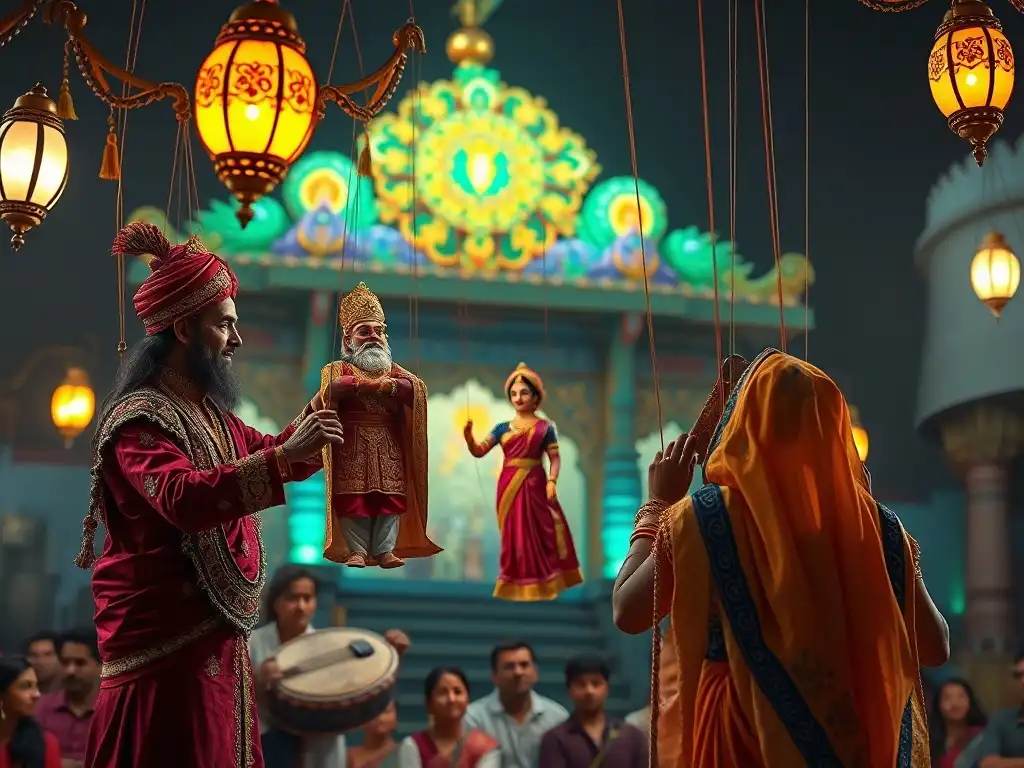
Welcome to Ancient India History, where we embark on a captivating journey through the vibrant tapestry of ancient Indian civilizations. In this exploration, we delve into the intricate world of puppetry, a mesmerizing art form that has enchanted audiences for centuries. Discover how ancient Indian puppetry traditions not only entertained but also conveyed profound cultural narratives and artistic expressions. Join us as we uncover the stories behind the strings and the rich heritage that continues to inspire today. Prepare to be intrigued and inspired—there's so much more waiting for you to explore!
- Introduction to Ancient Indian Puppetry Traditions
- Historical Background of Ancient Indian Puppetry
- Types of Puppetry in Ancient India
- Major Regions Known for Puppetry in Ancient India
- Themes and Stories Depicted in Ancient Indian Puppetry
- Techniques and Materials Used in Ancient Indian Puppetry
- The Role of Puppetry in Ancient Indian Society
- Modern Interpretations of Ancient Indian Puppetry Traditions
- Conclusion: The Legacy of Ancient Indian Puppetry Traditions
- Frequently Asked Questions
- Final Reflection: The Timeless Art of Ancient Indian Puppetry Traditions
- Unveil the Magic of Puppetry Today!
Introduction to Ancient Indian Puppetry Traditions
Ancient Indian puppetry traditions represent a fascinating intersection of art, culture, and storytelling that has thrived for centuries across the subcontinent. This art form, with its intricate techniques and diverse styles, not only entertains but also conveys moral lessons, cultural heritage, and social commentary.
From the sophisticated marionettes of Rajasthan to the shadow puppets of Kerala, each style of puppetry reflects the unique regional influences and historical contexts that shaped them. As we delve into the intricate world of puppetry in ancient India, we will uncover the significance of this art form and its enduring legacy in the realm of performance arts.
The Significance of Puppetry in Ancient Indian Culture
Puppetry has played a crucial role in ancient Indian culture, serving as a medium for storytelling that transcends generations. It is not merely a form of entertainment; it is a vessel for imparting knowledge, values, and traditions. Key aspects of its significance include:
- Cultural Transmission: Puppetry has been instrumental in passing down folklore, myths, and religious narratives. Through engaging performances, puppeteers educate audiences about moral values and historical events.
- Community Engagement: Puppet shows often take place during festivals and community gatherings, fostering a sense of togetherness and shared cultural identity among participants.
- Artistic Expression: The craftsmanship involved in creating puppets reflects the artistic skills of various communities, showcasing regional materials and techniques. Each puppet is a work of art, intricately designed and painted, making the performance visually captivating.
- Social Commentary: Many puppetry narratives address social issues, using humor and satire to provoke thought and discussion among audiences. This aspect of puppetry has made it a powerful tool for social change, encouraging dialogue on topics such as injustice and inequality.
Overview of Puppetry as a Performance Art Form
Puppetry in ancient India encompasses a variety of styles and techniques, each with its own unique characteristics and historical significance. Some of the most prominent forms include:
- Marionette Puppetry: This style involves puppets controlled by strings or wires, often seen in Rajasthan’s famous Kathputli shows. The intricately crafted puppets are manipulated by skilled puppeteers who bring characters to life through movement and dialogue.
- Shadow Puppetry: Originating from the southern regions of India, shadow puppetry employs flat, cut-out figures projected onto a screen. This form, exemplified by the Tholu Bommalata of Andhra Pradesh, utilizes light and shadow to create enchanting visual narratives.
- Hand Puppetry: Common in various regions, hand puppetry involves puppets that are operated by the puppeteer's hand inside the puppet. This form allows for lively interactions and is often used to tell humorous or educational stories.
- Rod Puppetry: In this style, puppets are manipulated with rods, offering greater control over the movements. It is often employed in performances that require complex choreography and elaborate storytelling.
Each of these styles showcases the rich tapestry of ancient Indian puppetry traditions, reflecting the diverse cultures and histories that have contributed to this vibrant art form. As we continue to explore the fascinating world of puppetry, we will uncover the stories behind these traditions and their impact on contemporary performance arts.
Historical Background of Ancient Indian Puppetry
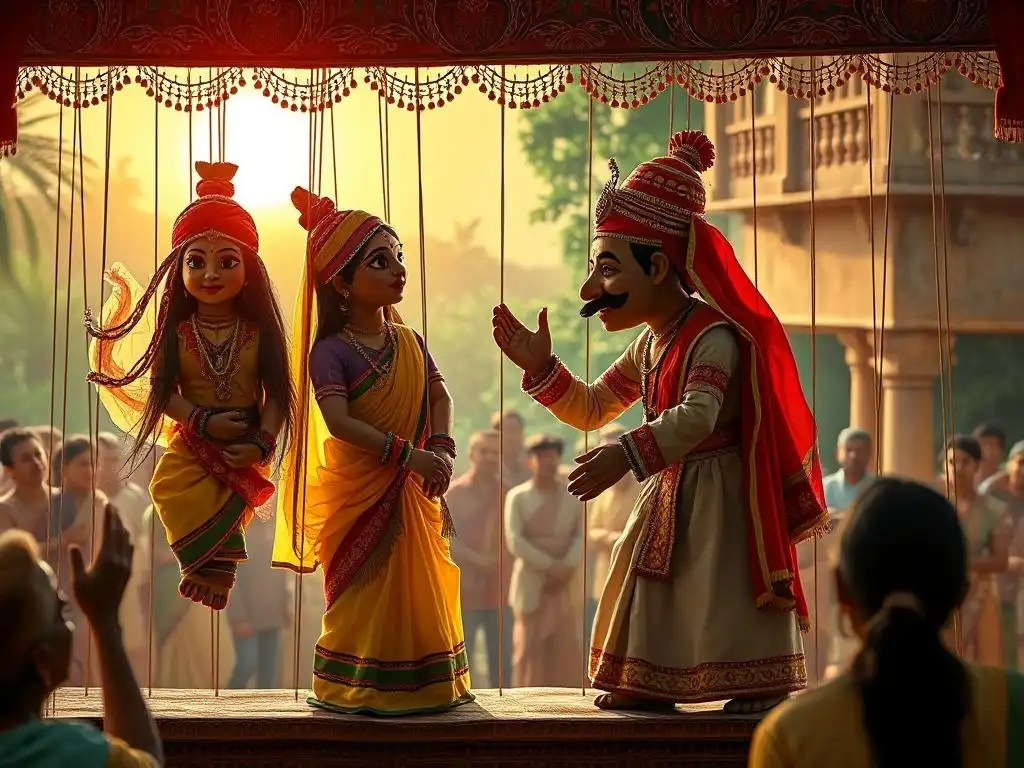
Origins of Puppetry in Ancient India
The origins of puppetry in ancient India can be traced back to the Indus Valley Civilization, where archaeological evidence suggests the possible use of dolls and figurines in rituals and storytelling. These early forms of puppetry likely served both entertainment and educational purposes, conveying moral and spiritual lessons to the community.
Puppetry's roots are deeply intertwined with oral traditions and folk narratives. Ancient texts, such as the Natyashastra attributed to Bharata Muni, mention various forms of performance, including puppet shows, which were an essential part of the broader theatrical landscape. The Natyashastra outlines principles of drama, dance, and music, highlighting the importance of storytelling techniques that are foundational to puppetry.
Evolution of Puppetry Techniques and Styles
Over the centuries, ancient Indian puppetry underwent significant evolution in terms of techniques and styles. Initially, puppets were made from simple materials such as wood, cloth, and clay, which were easily accessible to artisans. As craftsmanship improved, puppets became more intricate, showcasing detailed craftsmanship and artistic expression.
The different regions of India saw the development of unique puppetry styles, influenced by local traditions, materials, and cultural narratives. Some notable styles include:
- Marionettes: These are string-operated puppets that allow for complex movements and expressions, often used in performances that narrate folk tales and mythological stories.
- Shadow Puppetry: Originating in South India, this form utilizes flat, cut-out figures against a backlit screen, creating vivid visual storytelling that emphasizes light and shadow effects.
- Hand Puppets: Common in various folk traditions, hand puppets are operated by inserting the puppeteer's hand inside the puppet, allowing for intimate and direct interactions with the audience.
As techniques advanced, the incorporation of music, dance, and dialogue became integral to puppet performances, enhancing the storytelling aspect and engaging audiences more effectively.
Influence of Religious and Mythological Narratives on Puppetry
Religious and mythological narratives have profoundly influenced ancient Indian puppetry traditions. Many puppet performances are rooted in the epics of Ramayana and Mahabharata, depicting the lives of deities and heroic figures. These narratives not only entertain but also serve to impart moral lessons and cultural values intrinsic to Indian society.
Puppetry often acts as a medium for conveying spiritual teachings and social commentary. For instance, characters like Rama and Sita are frequently represented, allowing performers to explore themes of duty, righteousness, and devotion. The use of puppets to portray divine figures creates a connection between the audience and the spiritual realm, enriching the cultural and religious fabric of society.
Additionally, local folklore and legends are incorporated into puppet shows, reflecting the diverse cultural tapestry of India. This adaptability ensures that puppetry remains relevant, resonating with contemporary audiences while preserving age-old traditions.
The intricate world of ancient Indian puppetry traditions offers a fascinating glimpse into the cultural and artistic heritage of the region. From its origins in ancient rituals to its evolution as a sophisticated art form, puppetry continues to be a vibrant expression of storytelling that reflects the rich diversity of Indian civilization.
Types of Puppetry in Ancient India
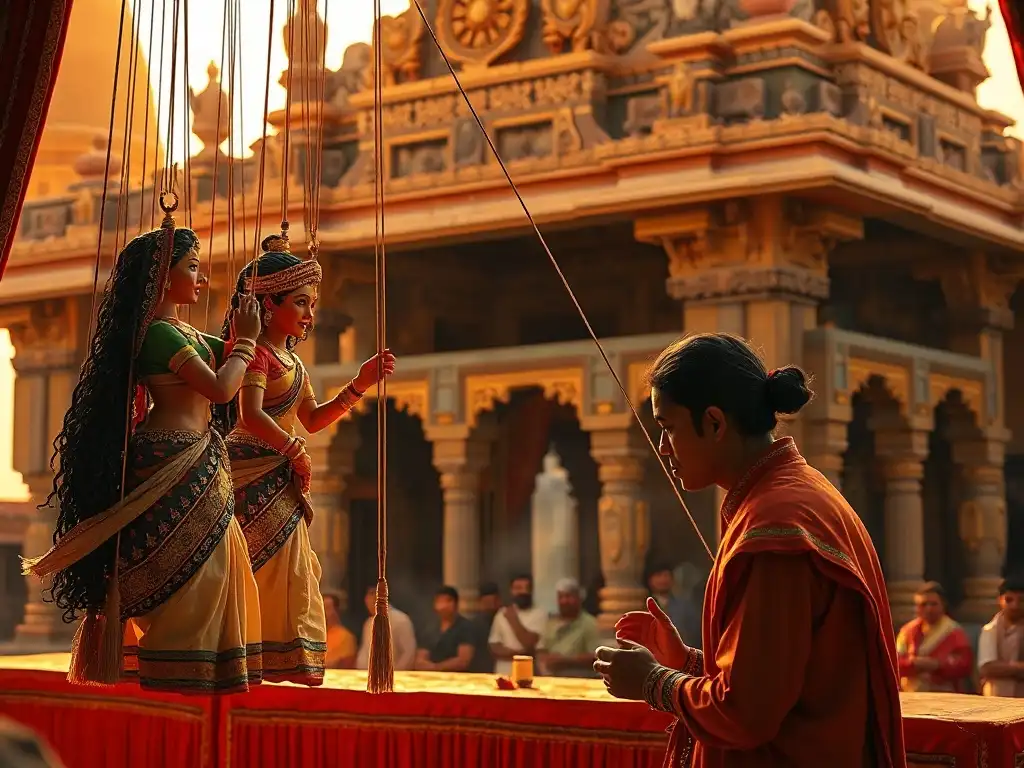
Shadow Puppetry: The Art of Light and Shadow
Shadow puppetry, known as Chhaya Natak in Hindi, is one of the most ancient forms of puppetry in India, with roots tracing back to the Indus Valley civilization. This art form employs flat, articulated figures made from materials such as leather, paper, or cloth, which are illuminated from behind to cast shadows on a screen. Traditionally, shadow puppetry is performed during religious festivals and cultural events, often narrating stories from epics like the Ramayana and Mahabharata.
The puppets are intricately cut and painted, showcasing the cultural aesthetics of the region. Notable styles of shadow puppetry include:
- Tholu Bommalata from Andhra Pradesh
- Togalu Gombeyaata from Karnataka
- Rama Katha in Odisha
Each of these styles has distinct characteristics, such as the size of the puppets, the techniques used for manipulation, and the narratives explored. The performance is often accompanied by traditional music, enhancing the emotional depth and engagement of the audience.
In contemporary times, shadow puppetry has evolved, incorporating modern themes while retaining its traditional roots. This adaptability highlights the resilience and relevance of ancient Indian puppetry traditions in today’s cultural landscape.
String Puppetry: Mastering the Strings of Expression
String puppetry, or Gombeyatta, is another prominent form of puppetry in ancient India, characterized by its use of strings to control the puppets’ movements. This technique requires a high degree of skill, as puppeteers manipulate multiple strings to create lifelike animations and expressions.
Key characteristics of string puppetry include:
- Puppet Construction: Typically made from wood, cloth, and sometimes clay, these puppets are often adorned with elaborate costumes that reflect the culture they represent.
- Performance Style: The puppeteer stands behind a screen or stage, pulling strings to animate the puppet, which can express a range of emotions and actions, from dance to dialogue.
- Cultural Themes: Many performances are rooted in local folklore, mythology, and historical narratives, often serving as a medium for cultural education and preservation.
Regions like Rajasthan and West Bengal are renowned for their string puppetry traditions, with each area showcasing unique styles and stories. For instance, Kathputli from Rajasthan is famous for its colorful puppets and vibrant narratives, while Putul Nautch from West Bengal is recognized for its intricate storytelling techniques.
The resurgence of interest in string puppetry has also led to workshops and cultural festivals aimed at preserving this art form, ensuring that the legacy of ancient Indian puppetry traditions continues to thrive.
Hand Puppets: Intimate Storytelling Techniques
Hand puppetry, known as Putul Nach in various regions, offers an intimate and engaging form of storytelling. This style involves puppets that are worn on the puppeteer's hands, allowing for direct interaction with the audience. The simplicity of the medium, combined with the expressiveness of the puppets, creates a captivating experience.
Notable features of hand puppetry include:
- Puppet Design: Hand puppets are often characterized by exaggerated features and vibrant costumes, making them visually appealing to audiences of all ages.
- Narrative Techniques: Performances typically convey moral lessons or cultural anecdotes, using humor and drama to engage viewers. The close proximity of the puppets fosters a personal connection, drawing the audience into the story.
- Cultural Significance: Hand puppetry is often performed at local festivals, schools, and community events, serving as a tool for social commentary and cultural reflection.
Regions such as Gujarat and Kerala have rich traditions of hand puppetry, each with distinct styles and performance practices. In Gujarat, the Vaghri puppets are notable, while Kerala is known for Kuthiyottam, which integrates elements of dance and music.
The evolution of hand puppetry in ancient Indian puppetry traditions demonstrates its adaptability and enduring appeal, reflecting the dynamic interplay between culture and performance.
Other Regional Variations of Puppetry Traditions
Ancient Indian puppetry traditions are not monolithic; they showcase a rich tapestry of regional variations that reflect the diverse cultures and artistic expressions across the subcontinent. Each region has developed its unique style, techniques, and themes, influenced by local folklore, mythology, and social practices. Below are some notable regional variations of puppetry traditions in ancient India:
1. Kathputli - Rajasthan
Kathputli, or "wooden puppet," is one of the most recognized forms of puppetry in India, originating from the desert state of Rajasthan. These puppets are typically made from wood, dressed in vibrant traditional attire, and manipulated by strings. The performances often depict tales from the Ramayana and Mahabharata, as well as local folklore. The puppeteers, known as "Kathputliwalas," often sing and narrate stories, making the performances lively and engaging.
2. Tirupati - Andhra Pradesh
In Andhra Pradesh, the Tirupati puppetry style is distinguished by its use of shadow puppets made from leather. These puppets are often intricately carved and painted, allowing for detailed storytelling through backlighting. The performances typically revolve around religious themes and are performed during festivals, showcasing a blend of visual artistry and spiritual narratives.
3. Pavakathakali - Kerala
Pavakathakali is a traditional form of puppetry from Kerala that combines elements of dance and theater. The puppets, crafted from wood, represent various characters from classic Indian epics and folklore. This regional style is unique because it incorporates the principles of Kathakali, a classical dance form, where the puppeteers perform with exaggerated facial expressions and movements to convey emotions and narrative depth.
4. Bhaona - Assam
In Assam, the Bhaona puppetry tradition is an integral part of the Sattriya dance form, often performed in monasteries. These puppets are usually made from bamboo and cloth, and the performances are deeply rooted in the spiritual and cultural fabric of Assamese society. The narratives often revolve around religious themes, particularly those associated with the Vaishnavism movement, making it a vital part of the region's cultural heritage.
5. Nautanki - Northern India
While primarily known as a form of folk theater, Nautanki also incorporates puppetry elements, especially in the regions of Uttar Pradesh and Bihar. This style is characterized by its vibrant storytelling, often featuring exaggerated characters and dramatic plots. The puppets used in Nautanki are typically larger, and performances may include live music, dance, and audience interaction, creating a festive atmosphere.
6. Koodiattam - Kerala
Though primarily a form of traditional theater, Koodiattam in Kerala also features puppetry aspects through its use of "Chiratta" (puppets). This ancient art form is one of the oldest theatrical traditions in India, with roots in Sanskrit drama. Koodiattam performances often narrate stories from the Mahabharata and Ramayana, showcasing the puppets in a theatrical setting that includes elaborate costumes and makeup.
Conclusion
These regional variations of ancient Indian puppetry traditions not only highlight the creativity and craftsmanship of local artisans but also serve as a medium to preserve and convey cultural narratives. Each style is a reflection of the community's values, beliefs, and artistic sensibilities, making puppetry an essential component of India's rich cultural heritage. As we explore these diverse forms, we gain insight into the intricate world of storytelling that has captivated audiences for centuries.
Major Regions Known for Puppetry in Ancient India
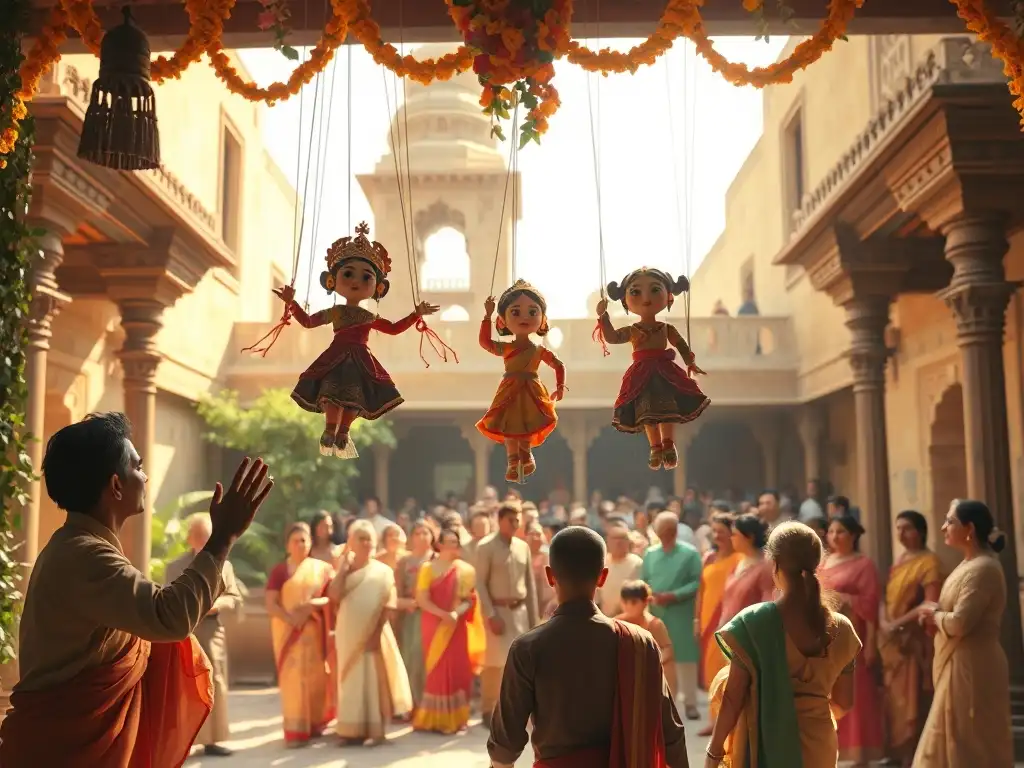
Puppetry has been an integral part of ancient Indian culture, serving not only as an entertainment medium but also as a means of storytelling and preserving folklore. Various regions in India have developed distinct styles of puppetry, each reflecting the local traditions, languages, and beliefs. Below are some of the major regions renowned for their puppetry traditions.
Rajasthan: The Land of Colorful Puppetry
Rajasthan is celebrated as the heartland of puppetry in India, particularly for its vibrant and colorful string puppets known as Kathputli. These puppets are typically made from wood and adorned with bright fabrics, intricate embroidery, and decorative elements that reflect the local culture.
- Historical Significance: The origins of Kathputli date back to the 12th century, where they were used to entertain royal courts and at village fairs.
- Performance Style: The puppeteers, known as Kathputliwalas, perform in groups, narrating tales from Indian mythology, folklore, and social issues through their puppets. The performances are often accompanied by traditional Rajasthani music and dance.
- Cultural Impact: Puppetry in Rajasthan has played a pivotal role in preserving local stories and folk traditions, making it a vital aspect of Rajasthan's cultural heritage.
Odisha: The Traditional Shadow Puppetry
Odisha is known for its unique form of puppetry called Ravanachhaya, which translates to "the shadow of Ravana." This traditional shadow puppetry has its roots in the ancient rituals and is primarily performed during the festival of Dussehra.
- Materials Used: The puppets are crafted from leather and are painted in vibrant colors, depicting characters from the Hindu epics, especially the Ramayana.
- Performance Techniques: The puppets are manipulated behind a white cloth screen, with the light illuminating them from behind, creating dramatic visuals that captivate the audience. The performances often include live narration and music, enriching the storytelling experience.
- Cultural Relevance: Ravanachhaya serves not only as entertainment but also as a means of imparting moral lessons and values, making it an essential educational tool within the community.
Karnataka: The Rich Heritage of String Puppetry
Karnataka boasts a rich tradition of puppetry, particularly known for its string puppets, referred to as Gombeyatta. This form of puppetry is characterized by its intricate designs and the use of multiple strings to control the puppets.
- Artistic Features: The puppets are made from wood and are meticulously painted, often reflecting local deities, heroes, and mythical figures. The craftsmanship involved in creating these puppets is a testament to Karnataka's artistic legacy.
- Performance Context: Gombeyatta performances often take place during temple festivals and community celebrations, blending elements of dance, music, and drama. The stories told often revolve around the lives of local saints and folklore, connecting the audience to their cultural roots.
- Preservation Efforts: In recent years, there have been concerted efforts to revive and promote Gombeyatta, with workshops and performances being organized to educate younger generations about this traditional art form.
The ancient Indian puppetry traditions are rich and diverse, with each region contributing unique styles and narratives that reflect its cultural identity. From the colorful strings of Rajasthan to the shadow play of Odisha and the intricate puppets of Karnataka, these art forms continue to thrive and evolve, preserving the rich tapestry of India's historical and cultural heritage.
Bengal: The Role of Puppetry in Folk Traditions
Bengal has long been recognized as a vibrant hub for puppetry, rich in cultural heritage and artistic expression. The region's folk traditions are deeply intertwined with its history, and puppetry serves as a crucial medium through which narratives, folklore, and social messages are conveyed.
Historical Context
Puppetry in Bengal traces its roots back to ancient times, with influences from various dynasties and cultures that have passed through the region. The art form has evolved, absorbing elements from indigenous practices and neighboring cultures. Historical texts and carvings from temples suggest that puppetry was not just entertainment but also a tool for education and moral instruction.
Types of Puppetry
Bengal is home to several distinct styles of puppetry, each reflecting the unique cultural tapestry of the region:
- String Puppetry (Putul Nautch): This form utilizes intricately crafted puppets made from cloth and wood, which are controlled by strings. Performances often depict traditional tales, folk stories, and social commentary.
- Shadow Puppetry (Chhaya Natak): In this style, light is cast on flat puppets made of leather or cloth, creating captivating shadows on a screen. This technique is particularly popular during festive occasions and has roots in the storytelling traditions of the region.
- Glove Puppetry (Gombhira): This type involves puppets that are worn on the hand, allowing for more expressive movements. The narratives often include themes of love, valor, and local folklore.
Cultural Significance
Puppetry in Bengal is not merely an art form; it plays an essential role in the community's social fabric. Performances are often held during festivals, weddings, and community gatherings, serving as a means to bring people together. The themes explored in puppetry can reflect social issues, moral lessons, and cultural values, making it a medium for both entertainment and education.
Moreover, puppetry acts as a vehicle for preserving the rich folklore of Bengal. Through the art form, stories of legendary figures, historical events, and mythical tales are passed down through generations, ensuring that cultural heritage is maintained and celebrated.
Contemporary Relevance
In recent years, there has been a resurgence of interest in Bengal's puppetry traditions, with artists and performers reviving techniques and themes to engage modern audiences. Workshops and festivals dedicated to puppetry have become popular, showcasing the art form's adaptability and relevance in contemporary society.
This revival not only honors the traditions of the past but also encourages new narratives that resonate with current social and cultural dynamics. As a result, Bengal's puppetry continues to thrive, exemplifying the region's enduring connection to its rich artistic heritage.
Bengal's puppetry traditions are a testament to the region's diverse cultural landscape. They highlight the intricate relationship between art, storytelling, and community, ensuring that this ancient form of performance remains a vital part of Bengal's cultural identity.
Themes and Stories Depicted in Ancient Indian Puppetry
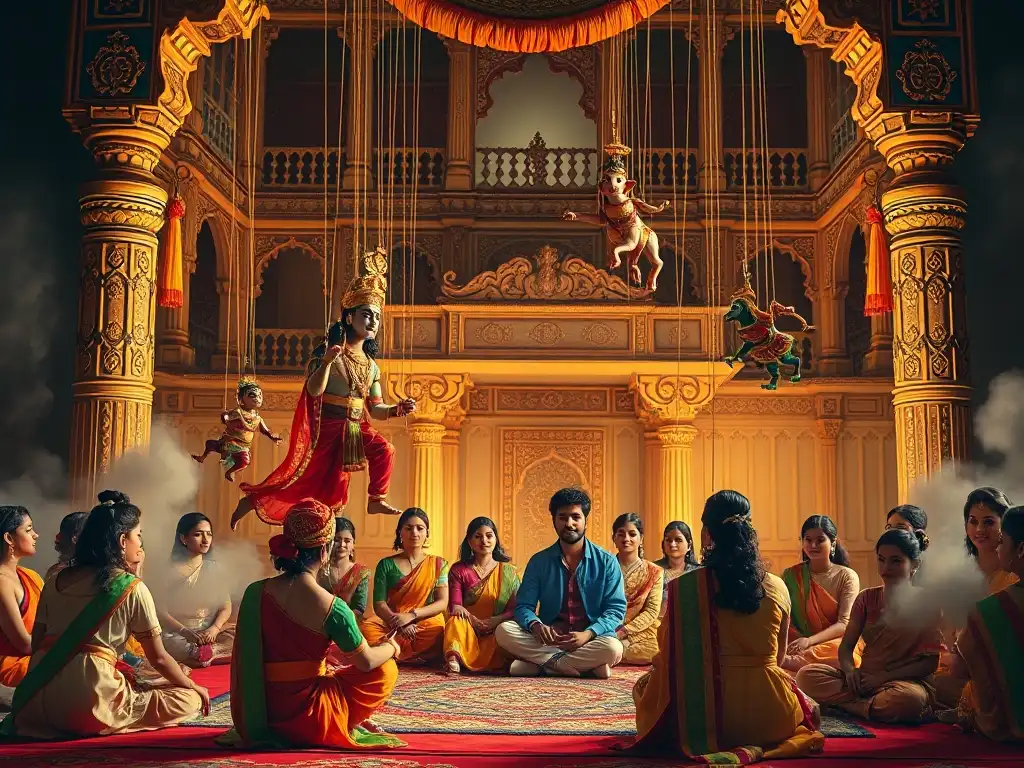
Mythological Tales and Epics in Puppetry
Ancient Indian puppetry traditions are deeply intertwined with the rich tapestry of Indian mythology and epic narratives. Puppeteers often draw inspiration from revered texts such as the Mahabharata and the Ramayana, weaving complex tales that resonate with audiences of all ages.
- Ramayana: Puppetry performances frequently depict the heroic journey of Lord Rama, his battle against the demon king Ravana, and the themes of dharma (righteousness). The puppets, often crafted with vibrant colors and intricate designs, bring to life characters like Hanuman, Sita, and Lakshmana, captivating viewers with their stories.
- Mahabharata: This epic provides a wealth of characters and moral dilemmas that puppeteers explore through dialogue and dramatic action. The conflicts between the Pandavas and Kauravas, along with the philosophical teachings presented in the Bhagavad Gita, offer a profound backdrop for performances, allowing for rich character development and moral discourse.
Puppetry serves not only as entertainment but also as a medium for storytelling that preserves and propagates these ancient tales, making them accessible to new generations.
Ancient Indian puppetry traditions have also served as a platform for addressing contemporary social issues and imparting moral lessons. Through the medium of puppetry, performers tackle themes such as:
- Caste and Class: Puppet shows often reflect societal hierarchies and the struggles of marginalized communities. By portraying the lives of various social strata, puppeteers highlight inequality and advocate for social justice. This form of storytelling prompts audiences to reflect on their beliefs and the societal structures around them.
- Gender Roles: Many performances challenge traditional gender roles, showcasing the strength and resilience of female characters. By bringing female protagonists to the forefront, puppetry can spark discussions about women's rights and empowerment, presenting narratives that resonate with modern audiences.
- Environmental Conservation: Recent adaptations of ancient puppetry also address pressing environmental issues. Stories focused on the importance of nature and the consequences of neglecting our environment serve as a call to action, urging audiences to engage in conservation efforts.
Through these thematic explorations, puppetry becomes a tool for societal reflection, encouraging audiences to contemplate moral values and the implications of their choices.
Celebration of Festivals and Cultural Events via Puppetry
Puppetry in ancient India is not only a form of storytelling but also an integral part of cultural celebrations and festivals. Various regional puppetry styles are often showcased during significant events, bringing communities together in joyous expression.
- Diwali: During the festival of lights, puppet shows often depict the return of Lord Rama to Ayodhya. Performances incorporate themes of victory over evil and the importance of family reunions, enhancing the festive atmosphere.
- Holi: The festival of colors inspires lively puppet performances that celebrate love, fertility, and the arrival of spring. The stories told during Holi often involve playful interactions between characters, reflecting the spirit of joy and togetherness associated with the festival.
- Regional Festivals: Different states in India have their own unique puppetry styles that reflect local traditions and stories. For instance, Kathputli from Rajasthan showcases vibrant marionettes that perform tales specific to Rajasthani culture, while Tholu Bommalata from Andhra Pradesh features shadow puppets that narrate folklore and myths.
Through these celebrations, ancient Indian puppetry traditions not only entertain but also play a pivotal role in preserving cultural heritage, reinforcing community bonds, and passing down traditions from one generation to the next.
Techniques and Materials Used in Ancient Indian Puppetry
Craftsmanship: The Art of Puppet Making
The craftsmanship involved in creating puppets for ancient Indian puppetry traditions is a meticulous process that combines artistry with cultural significance. Puppets were traditionally made from a variety of materials, each chosen for its unique properties and visual appeal. Here are some of the primary materials used:
- Wood: Many puppets were carved from wood, allowing for detailed designs and durability. The choice of wood often depended on the regional availability and cultural significance; for example, teak and mango wood were commonly used in southern India.
- Cloth: Fabric was extensively used, especially in shadow puppetry. Puppets were painted or dyed with vibrant colors, often depicting characters from folklore and mythology. This not only added aesthetic value but also facilitated the storytelling aspect of performances.
- Leather: In styles such as Tholu Bommalata, puppets were crafted from animal hide. The leather was treated and painted, providing flexibility and a distinct texture that enhanced visual storytelling.
- Paper: Although less common, paper puppets were also created, particularly in rural performances where resources were limited. They were lightweight and easy to manipulate, allowing for spontaneous performances.
The craftsmanship of puppet making is not just about the physical creation; it is deeply rooted in the cultural narratives and traditions of the region. Artisans often learn these skills through generations, preserving ancient techniques and infusing personal creativity into each puppet.
Techniques of Manipulation and Performance
Manipulation techniques in ancient Indian puppetry are as varied as the puppetry styles themselves. Each tradition has developed unique methods and performance styles, influenced by regional customs and stories.
- String Puppetry (Marionettes): In this style, puppets are controlled by strings attached to a central control stick. This allows for fluid movements, enabling performers to execute intricate dances and emotional expressions. The skillful manipulation of strings requires extensive training and precision.
- Shadow Puppetry: In shadow puppetry, puppets made of leather or cloth are placed against a backlit screen. Performers manipulate these puppets to create intricate shadows, telling stories through silhouettes. This technique emphasizes light and shadow, creating a mystical atmosphere.
- Hand Puppetry: This involves puppets that are controlled directly by the hands of the performer. Hand puppets, or glove puppets, allow for direct interaction with the audience, making the performance more engaging and dynamic.
- Face Puppetry: In some traditions, puppeteers wear the puppets as masks. This technique combines elements of theater and puppetry, where the puppeteer becomes part of the performance, enhancing the narrative with their expressions and physicality.
Each technique is accompanied by a specific set of training and practice, emphasizing the performer's ability to convey emotions and narratives through the puppets.
Use of Music and Dance in Puppetry
Music and dance are integral to ancient Indian puppetry traditions, enriching the performances and enhancing the storytelling experience. The interplay of these art forms creates a sensory feast for audiences, making the narratives more engaging and memorable.
- Musical Accompaniment: Music is often performed live during puppet shows, utilizing traditional instruments such as the dholak, tabla, and sitar. The rhythm and melody complement the actions of the puppets, guiding the audience's emotional response. Specific musical styles are associated with various puppet forms, adding layers of cultural context to the performance.
- Dance Movements: In many puppetry traditions, puppets are designed to mimic dance movements, reflecting regional dance styles like Kathak or Bharatanatyam. The synchronization of puppet movements with music creates a harmonious performance that captivates audiences.
- Narrative Songs: Performers often incorporate narrative songs that provide context to the story being told. These songs not only entertain but also educate the audience about the cultural and mythological significance of the characters and events depicted.
The use of music and dance in ancient Indian puppetry traditions transforms performances into vibrant celebrations of culture, history, and artistry. The combination of these elements plays a crucial role in conveying the rich narratives embedded in the puppetry art form.
The Role of Puppetry in Ancient Indian Society
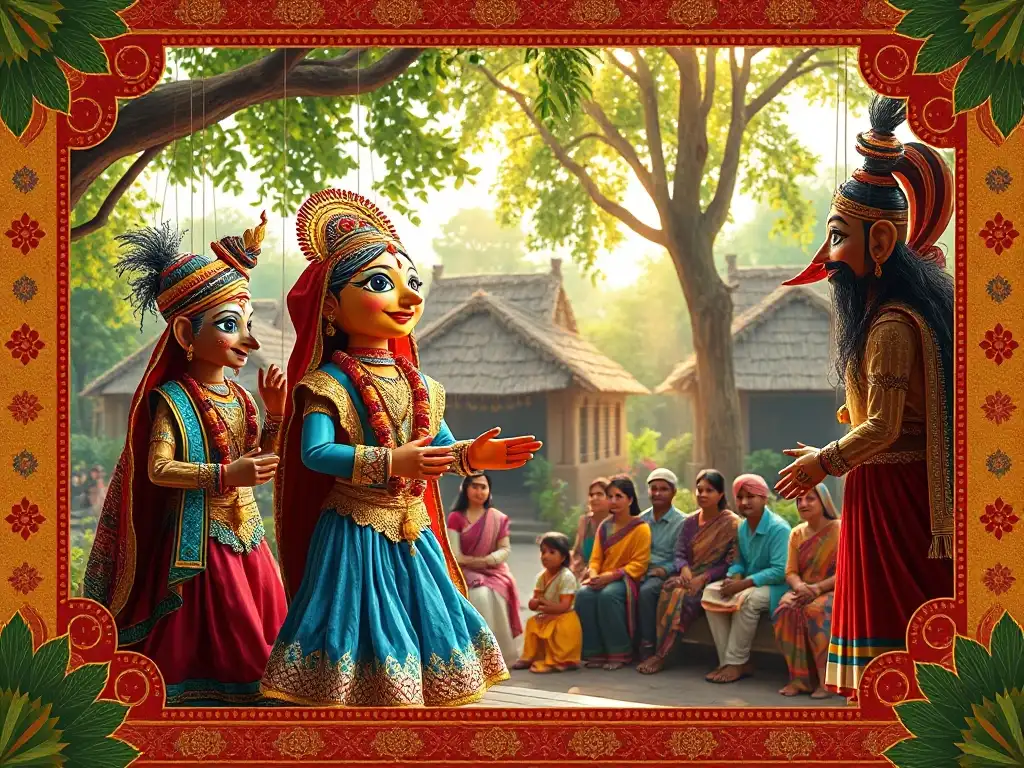
Puppetry as a Medium of Education and Awareness
Puppetry in ancient India was not merely a form of entertainment; it served as a powerful medium for education and social awareness. The intricate art of puppetry allowed storytellers to convey moral lessons, cultural values, and historical narratives in a visually engaging manner.
- Storytelling Techniques: Puppeteers used various techniques, such as shadow puppetry and string puppetry, to narrate tales from epics like the Mahabharata and Ramayana. These stories often included moral dilemmas and heroic deeds, which instilled values such as bravery, righteousness, and compassion in the audience.
- Cultural Events: Puppetry was frequently incorporated into festivals and religious ceremonies. During these events, puppeteers would perform traditional narratives that highlighted the significance of the occasion, fostering a deeper understanding of cultural practices among community members.
- Educational Tool: Schools and temples utilized puppetry as an educational tool to teach children about their heritage and religious teachings. This interactive form of learning proved to be effective in capturing the attention of young minds, making complex concepts more relatable and easier to comprehend.
By engaging audiences through a blend of humor, drama, and artistry, ancient Indian puppetry became an essential vehicle for disseminating knowledge and promoting cultural continuity.
The Influence of Puppetry on Other Art Forms
The rich tradition of ancient Indian puppetry has significantly influenced various other art forms, creating a dynamic interplay that enriched the cultural landscape of the time.
- Dance and Music: Puppetry performances often included traditional music and dance, with puppeteers synchronizing their movements with rhythmic beats. This integration helped to elevate the overall experience, as the audience was treated to a multisensory spectacle.
- Visual Arts: The visual aesthetics of puppetry, including the vibrant colors and intricate designs of puppets, inspired other forms of visual arts such as painting and sculpture. The motifs and themes depicted in puppetry were often reflected in the works of painters and sculptors, showcasing a shared cultural narrative.
- Drama and Theater: Ancient Indian theater drew heavily from puppetry techniques, particularly in terms of staging and character portrayal. The use of exaggerated facial expressions and gestures in puppetry influenced actors in live performances, contributing to the development of a unique theatrical style that emphasized emotional expression and storytelling.
Through these interactions, puppetry not only stood as an art form in its own right but also served as a catalyst for the evolution of other artistic expressions in ancient India.
Preservation of Cultural Heritage through Puppetry
Puppetry has played a crucial role in preserving the cultural heritage of ancient India, acting as a bridge between the past and present.
- Documentation of Folklore: Puppeteers have been instrumental in documenting regional folklore, myths, and legends that might otherwise have been lost over time. By performing these stories, they ensure that the rich tapestry of Indian culture remains alive and accessible to future generations.
- Community Identity: Puppetry traditions often reflect the unique identities of various communities, showcasing local dialects, customs, and narratives. This aspect of puppetry fosters a sense of pride and belonging among community members, reinforcing their cultural identity.
- Adaptation and Evolution: While rooted in tradition, ancient Indian puppetry has also shown remarkable adaptability over time. Contemporary puppeteers continue to draw inspiration from historical practices while incorporating modern themes and techniques, thus ensuring the relevance of puppetry in today’s cultural discourse.
Ancient Indian puppetry traditions serve not only as a form of entertainment but as a vital component in the preservation and celebration of cultural heritage, making it a significant aspect of the rich tapestry of Indian history.
Modern Interpretations of Ancient Indian Puppetry Traditions
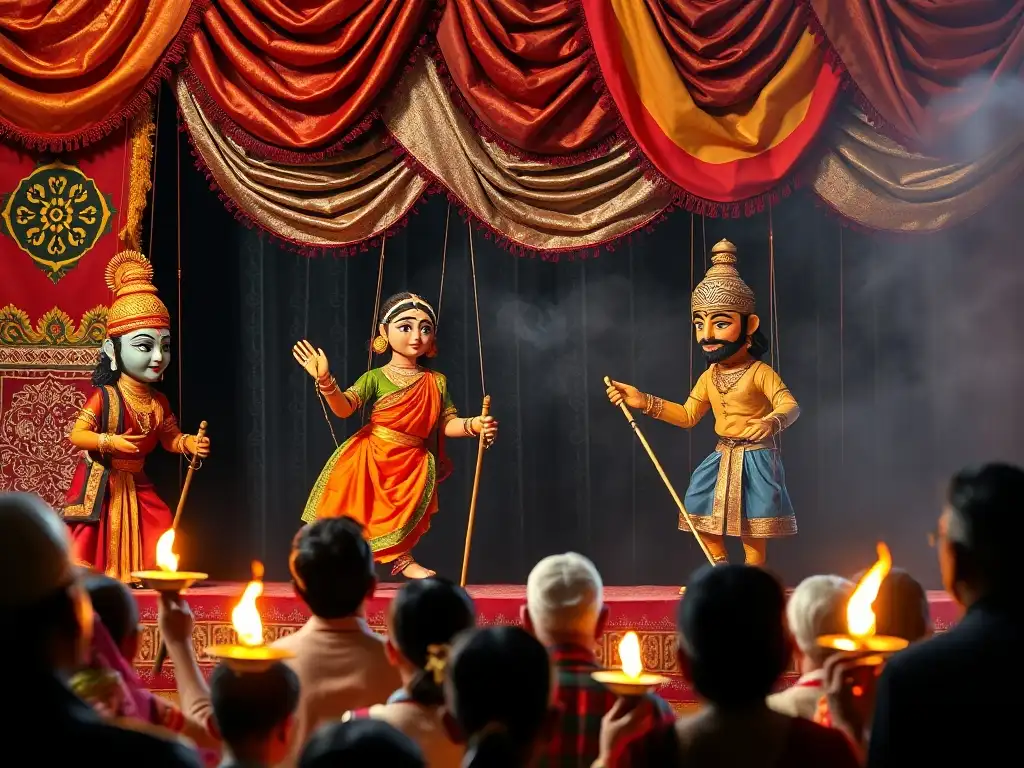
Revival of Puppetry in Contemporary India
The revival of ancient Indian puppetry traditions in contemporary India has been a significant cultural movement, breathing new life into an art form that has been practiced for centuries. This resurgence can be attributed to various factors, including increased interest in preserving cultural heritage, educational initiatives, and the efforts of dedicated artists and organizations.
- Cultural Festivals: Numerous cultural festivals across India, such as the Puppet Festival in Kolkata and the Rajasthan International Folk Festival, have showcased traditional puppetry. These events not only attract tourists but also educate the younger generation about the richness of their cultural heritage.
- Educational Programs: Institutions like the National School of Drama and various NGOs are actively promoting puppetry through workshops and training programs. By engaging students in the art of puppetry, these programs foster a deeper appreciation for this unique form of storytelling.
- Community Engagement: Many local communities have started to embrace puppetry as a means of preserving their folklore and traditions. Through community-driven performances, ancient narratives are shared, allowing for a connection between generations.
Fusion of Traditional and Modern Puppetry Techniques
The fusion of traditional and modern puppetry techniques has enriched the landscape of ancient Indian puppetry traditions. Artists are no longer confined to the classical forms; instead, they are innovating by incorporating contemporary themes, styles, and technologies.
- Innovative Storytelling: Contemporary puppeteers are experimenting with narratives that address modern social issues, such as environmental concerns, gender equality, and cultural identity. This approach not only keeps the art form relevant but also engages audiences on critical issues.
- Diverse Materials: While traditional puppetry often relies on materials like wood and cloth, modern interpretations are embracing a variety of materials, including plastic, metal, and even digital media. This shift allows for greater creativity in the design and execution of performances.
- Multimedia Integration: The integration of multimedia elements, such as video projections and soundscapes, enhances the overall experience of puppetry performances. This blending of art forms creates a dynamic environment that captivates audiences and expands the storytelling possibilities.
The Impact of Technology on Puppetry Performances
Technology has played a transformative role in shaping modern interpretations of ancient Indian puppetry traditions. The incorporation of various technological advancements has not only altered how performances are created and presented but also how audiences engage with them.
- Virtual Reality and Augmented Reality: Some contemporary puppetry companies are exploring virtual reality (VR) and augmented reality (AR) to create immersive experiences. This technology allows audiences to interact with the puppetry in ways that were previously unimaginable, making the performances more engaging and accessible.
- Social Media and Online Platforms: The rise of social media has provided puppeteers with new avenues for showcasing their work. Platforms like Instagram and YouTube enable artists to reach a global audience, allowing ancient Indian puppetry traditions to gain visibility and appreciation beyond regional boundaries.
- Digital Storytelling: The advent of digital storytelling techniques has offered puppeteers new ways to narrate traditional tales. By utilizing animation and digital effects, contemporary artists are able to reinterpret classic stories, blending the old with the new while maintaining the essence of ancient Indian narratives.
The modern interpretations of ancient Indian puppetry traditions reflect a vibrant and evolving art form that honors its historical roots while embracing contemporary influences. Through revival efforts, the fusion of techniques, and the impact of technology, puppetry in India continues to thrive, captivating audiences both young and old.
Conclusion: The Legacy of Ancient Indian Puppetry Traditions
Ancient Indian puppetry traditions hold a significant place in the cultural heritage of India, reflecting a unique blend of art, storytelling, and social commentary. These traditions not only entertained but also educated audiences, often incorporating moral lessons and cultural values through intricate narratives. The legacy of puppetry in ancient India is marked by its diversity, encompassing various styles and forms that evolved across different regions, each with its distinct characteristics and themes.
The craftsmanship involved in creating puppets, coupled with the skillful manipulation techniques utilized by puppeteers, showcases the intricate artistry inherent in this performance art. Traditional puppetry often employs local materials, such as wood, cloth, and leather, which are transformed into expressive figures that bring stories to life. These art forms, including Kathputli, Marionette, and Shadow Puppetry, not only exhibit the creativity of ancient artisans but also serve as a window into the socio-political and cultural landscapes of their times.
The Importance of Preserving Puppetry as an Art Form
The preservation of ancient Indian puppetry traditions is crucial for several reasons:
- Cultural Heritage:
- Puppetry embodies the rich cultural tapestry of India, highlighting regional stories, folklore, and traditions that might otherwise fade into obscurity. By preserving these art forms, future generations can maintain a connection to their cultural roots.
- Educational Value:
- Puppetry serves as an effective educational tool, offering insights into history, ethics, and social issues. Workshops and performances can engage audiences of all ages, fostering a deeper understanding of ancient narratives and their relevance today.
- Artistic Innovation:
- As contemporary artists reinterpret traditional puppetry, the preservation of these forms can inspire innovation. Modern adaptations can blend traditional techniques with contemporary themes, ensuring that the art form remains vibrant and relevant.
- Community Engagement:
- Puppetry often involves community participation, whether as performers, creators, or audience members. This engagement strengthens community bonds and fosters a sense of belonging, making puppetry an essential part of social fabric.
Future Prospects and the Role of Puppetry in Cultural Identity
The future of ancient Indian puppetry traditions looks promising, with several prospects on the horizon:
- Revitalization Initiatives:
- Organizations and cultural institutions are increasingly focusing on the revitalization of traditional puppetry. These initiatives often include training programs for aspiring puppeteers, ensuring that the skills and knowledge associated with this art form are passed down.
- Digital Integration:
- The advent of digital technology opens new avenues for puppetry. Online performances and virtual workshops can reach wider audiences, promoting ancient Indian puppetry traditions on a global scale. This integration can also facilitate collaborations with artists from other disciplines, fostering innovation.
- Cultural Festivals and Events:
- Increased recognition of puppetry at cultural festivals can enhance its visibility. These platforms not only showcase traditional performances but also encourage dialogue about the significance of puppetry in contemporary society.
- Puppetry as a Tool for Cultural Identity:
- In a rapidly globalizing world, ancient Indian puppetry traditions can serve as a powerful symbol of cultural identity. By celebrating and promoting these art forms, communities can assert their uniqueness and heritage amidst homogenizing influences.
The legacy of ancient Indian puppetry traditions is not only a testament to the artistic ingenuity of past civilizations but also a vital component of contemporary cultural identity. Through preservation efforts, innovative adaptations, and community engagement, puppetry can continue to thrive, offering insights and connections that resonate across generations.
Frequently Asked Questions
What are ancient Indian puppetry traditions?
Ancient Indian puppetry traditions are artistic forms of storytelling using puppets, which often reflect cultural themes and historical narratives from various regions of India.
How did puppetry evolve in ancient India?
Puppetry in ancient India evolved through cultural exchanges and influences from regional folklore, with styles such as String puppetry, Shadow puppetry, and Rod puppetry becoming prominent.
What materials were used to create puppets in ancient India?
Puppets in ancient India were crafted from a variety of materials, including wood, cloth, and leather, allowing for a wide range of expressions and artistic styles.
What role did puppetry play in ancient Indian society?
Puppetry served as an important medium for entertainment, education, and social commentary, often conveying moral lessons and historical tales to audiences of all ages.
Are there any surviving forms of ancient Indian puppetry today?
Yes, several forms of ancient Indian puppetry, such as Kathputli and Tolu Bommalatta, still exist today, preserving the rich cultural heritage and continuing to be celebrated in performing arts.
Final Reflection: The Timeless Art of Ancient Indian Puppetry Traditions
The intricate world of ancient Indian puppetry traditions continues to resonate in today's cultural landscape, reminding us of the power of storytelling and artistic expression. As we explore the rich tapestry of these traditions, we uncover not only the artistry involved but also the deep-rooted connections to our shared human experience. The vibrant narratives and characters brought to life through puppetry serve as a testament to the enduring nature of this art form, which transcends time and space.
The influence of ancient Indian puppetry traditions can be seen in contemporary performances, where the essence of these age-old practices inspires new generations of artists and audiences alike. The stories told through puppetry are not merely relics of the past; they are living narratives that continue to shape our understanding of culture and identity. As the renowned puppeteer Ratan Thiyam once said, Puppetry is not just a form of entertainment; it is a reflection of our society, our values, and our dreams.
This observation highlights how these traditions remain relevant, offering insights into the human condition and fostering a sense of community and belonging.
As we conclude our exploration of ancient Indian puppetry traditions, I invite you to reflect on the lessons embedded within these narratives and consider how you can incorporate the spirit of storytelling into your own life. Embrace the art of puppetry, whether through creating your own stories, engaging with local performances, or simply sharing tales with loved ones. By doing so, you not only honor the legacy of this magnificent tradition but also contribute to the ongoing dialogue of culture and creativity in our ever-evolving world.
Unveil the Magic of Puppetry Today!
Thank you for diving into the fascinating world of ancient Indian puppetry with us! We hope you gained valuable insights into this vibrant art form that has shaped storytelling for centuries. Now, it’s time to bring this ancient tradition into your own life!
Here’s how you can get involved and explore further:
- Create Your Own Puppet Show: Gather materials to craft your own puppets and weave a unique story to perform for family and friends. Let your creativity shine!
- Visit a Local Performance: Explore local theaters or cultural festivals that feature puppetry to experience the art form live. Support the artisans and keep the tradition alive!
- Share Your Knowledge: Spread the word about the rich history of puppetry by discussing what you learned with your community or sharing this article on social media. Together, we can inspire others!
What story would you tell through puppetry if you had the opportunity?