
Visual Arts of the Maurya Dynasty: A Glimpse into Royal Patronage

Welcome to Ancient India History, where we embark on a captivating journey through the rich tapestry of ancient Indian civilizations. Today, we shine a spotlight on the Visual Arts of the Maurya Dynasty, an era defined by remarkable royal patronage and artistic innovation. As we delve into this fascinating topic, prepare to uncover the intricate connections between art, culture, and power that shaped a vibrant legacy. What secrets do these ancient masterpieces hold? Join us as we explore the artistry that flourished under the Mauryan rule, igniting your curiosity and inspiring a deeper appreciation for India’s historical richness.
Introduction to the Visual Arts of the Maurya Dynasty
The Visual Arts of the Maurya Dynasty represent a significant chapter in the cultural history of ancient India, highlighting the intricate relationship between royal patronage and artistic expression. Flourishing from approximately 322 BCE to 185 BCE, this era is characterized by a vibrant fusion of artistic styles and techniques, reflecting the socio-political dynamics of the time.
The Mauryan rulers, particularly Emperor Ashoka, were not only formidable political leaders but also avid patrons of the arts, commissioning a plethora of sculptures, carvings, and architectural marvels that left a lasting legacy on Indian culture. This article delves into the visual arts of the Maurya Dynasty, exploring how these artistic endeavors were intertwined with the broader historical narrative and cultural influences of the period.
Overview of the Maurya Dynasty
The Maurya Dynasty emerged as one of the most powerful empires in ancient India, known for its vast territorial expanse and innovative governance. Founded by Chandragupta Maurya, the dynasty reached its zenith under Ashoka the Great, who expanded its boundaries and transformed its administrative structure.
The Mauryan Empire is often noted for its progressive policies, including the promotion of trade, agriculture, and the dissemination of Buddhist philosophy. This era witnessed the establishment of numerous artistic and architectural achievements, including stupas, rock edicts, and pillars, which not only served religious purposes but also acted as symbols of imperial authority and cultural identity.
Importance of Visual Arts in Ancient India
Visual arts in ancient India held immense significance, serving not only as a means of aesthetic expression but also as a medium for conveying philosophical and religious ideas. They played a crucial role in:
- Cultural Identity: Artistic creations were pivotal in expressing the distinct cultural identity of various regions and communities within ancient India.
- Religious Expression: Many artworks were intrinsically linked to religious practices, with sculptures and paintings often depicting deities, mythological narratives, and spiritual teachings, particularly those associated with Buddhism during the Maurya period.
- Political Propaganda: The patronage of art by rulers like Ashoka illustrated their power and benevolence, often promoting messages of peace and dharma through visual mediums.
Historical Context of the Maurya Dynasty's Art
Understanding the visual arts of the Maurya Dynasty necessitates a closer look at the historical context that shaped its artistic landscape. This includes the rise of the dynasty itself as well as the various influences that contributed to its unique artistic expression.
The Rise of the Maurya Dynasty
The Maurya Dynasty's ascendance marked a transformative period in Indian history. Following the decline of local kingdoms and the fragmentation of power, Chandragupta Maurya united a vast territories through strategic alliances and military conquests. His establishment of a centralized administration laid the groundwork for a flourishing cultural milieu, wherein arts and architecture could thrive. The empire's expansion facilitated interactions with diverse cultures, enriching the artistic vocabulary of the period.
Influences on Mauryan Art and Culture
Mauryan art was not developed in isolation; it was significantly influenced by previous artistic traditions and external cultures. Key influences include:
- Indus Valley Civilization: The artistic techniques and motifs from the Indus Valley period continued to resonate in Mauryan art, particularly in the use of geometric patterns and terracotta sculptures.
- Persian and Hellenistic Cultures: Following Alexander the Great's invasion, the interaction with Persian and Hellenistic cultures introduced new artistic styles, materials, and iconography, which were assimilated into Mauryan art forms.
- Buddhism: The rise of Buddhism during this period profoundly impacted the visual arts, inspiring the creation of stupas, carvings, and sculptures that depicted the life and teachings of the Buddha.
In sum, the visual arts of the Maurya Dynasty stand as a testament to the rich cultural tapestry of ancient India, intricately woven with themes of royalty, religion, and regional influences, embodying the spirit of an era that continues to resonate through time.
Key Characteristics of Mauryan Visual Arts
The visual arts of the Maurya Dynasty, which flourished from approximately 322 to 185 BCE, are characterized by a profound sense of realism, intricate detailing, and an emphasis on religious themes. The royal patronage during this period significantly influenced the artistic expressions, as the Mauryan emperors, particularly Ashoka, sought to promote Buddhism and its values through visual representation. The artworks from this era reflect a blend of local traditions and influences from neighboring cultures, resulting in a unique style that emphasizes both grandeur and spirituality.
One of the defining features of Mauryan visual arts is the use of intricate motifs and symbols that convey deeper meanings. These elements were not merely decorative; they served to communicate philosophical and religious ideas. The art often depicted scenes from everyday life, nature, and religious narratives, making the artworks accessible to a broader audience while still retaining their royal significance.
Distinctive Features of Mauryan Sculpture
Mauryan sculpture is renowned for its monumental scale and lifelike quality. The most notable examples include the iconic pillars and stupas, which are adorned with meticulously carved reliefs. The pillars, such as the Ashoka Pillars, are characterized by their polished surfaces and the use of animal and human figures, often symbolizing strength and protection.
The sculptures often feature a sense of movement and dynamism, with figures depicted in various postures that convey emotion and action. The representation of animals, especially lions and elephants, is significant, as they symbolize power and nobility in Mauryan culture. Additionally, the attention to anatomical accuracy and detailed facial expressions marks a shift towards realism that set the foundation for later Indian sculpture.
Techniques and Materials Used in Mauryan Art
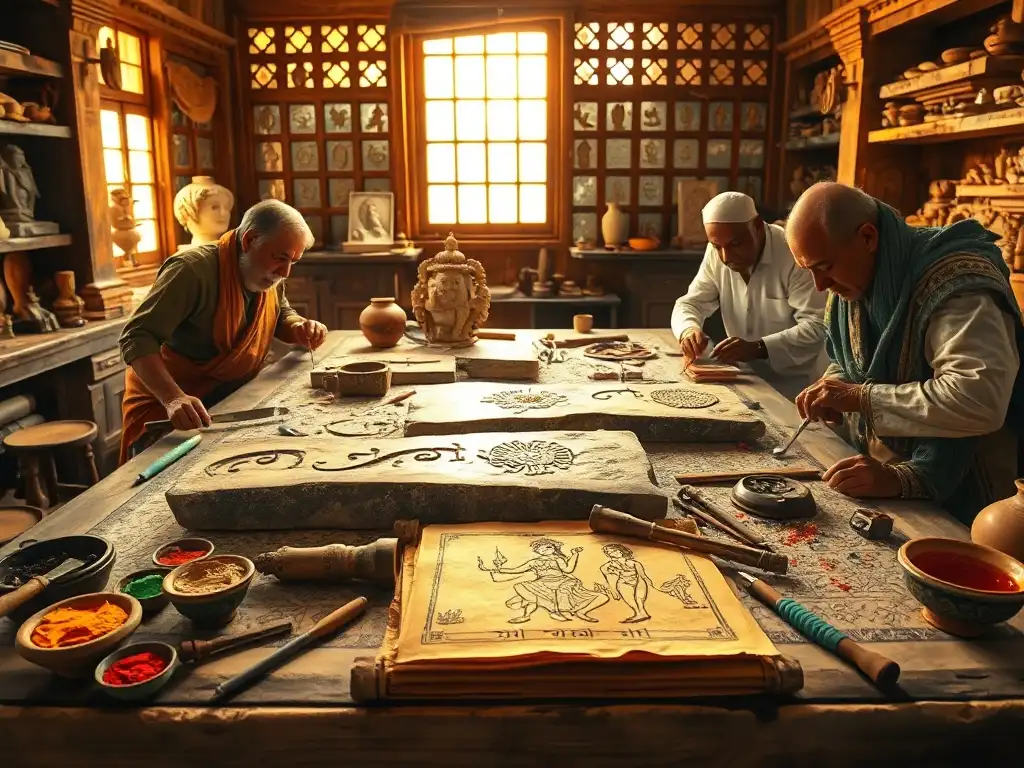
The Mauryan artists employed a variety of techniques and materials that contributed to the durability and visual impact of their works. The primary materials used included sandstone, which was readily available and allowed for fine detailing, as well as wood and metal for smaller sculptures.
The art of stone carving reached new heights during this period, with artists using chiseling techniques to achieve intricate designs. Polishing was also a crucial technique, as seen in the smooth finishes of the pillars and sculptures, which highlighted their grandeur. Additionally, the use of colored pigments in painting and decorative arts showcased the artists' advanced knowledge of materials and their ability to create vibrant and lasting colors.
Major Forms of Visual Arts During the Maurya Period
The Maurya period saw the emergence of various forms of visual arts, with sculpture and painting playing a pivotal role in the cultural landscape. While sculpture dominated the artistic scene, other forms, such as decorative arts, also flourished, reflecting the society's values and beliefs.
Sculpture: The Pinnacle of Mauryan Art
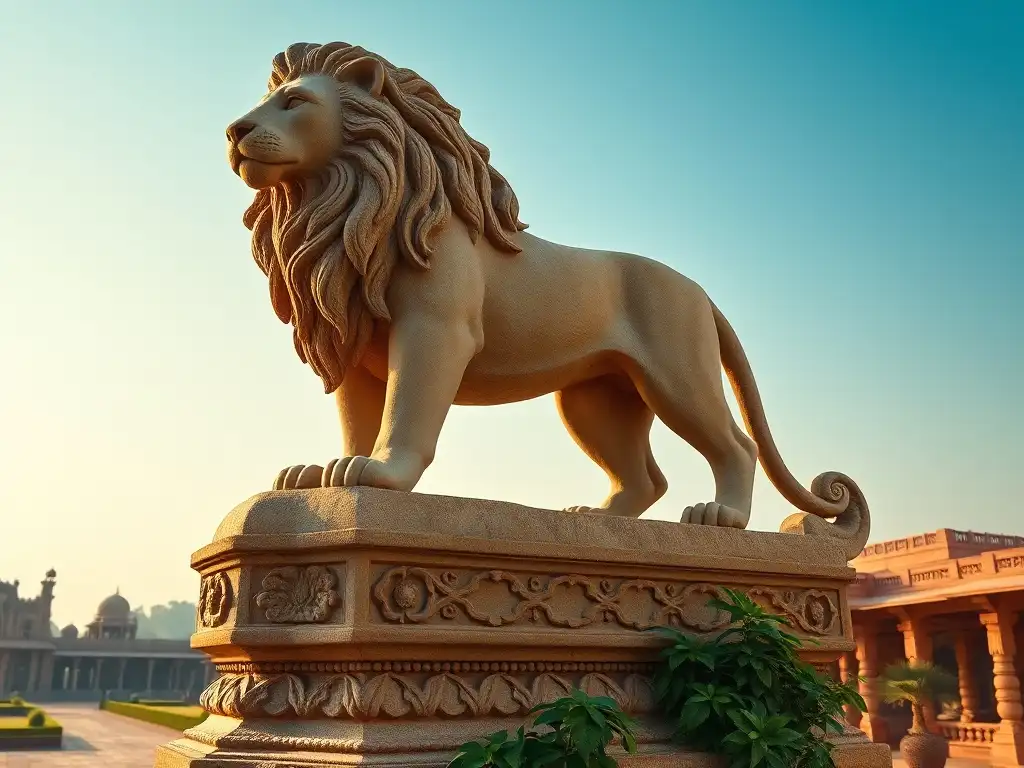
Sculpture during the Maurya Dynasty is often regarded as the pinnacle of ancient Indian art. The period is marked by the creation of monumental sculptures that served both religious and secular purposes. The most famous example is the Lion Capital of Ashoka, which symbolizes the Mauryan Empire and is now India's national emblem.
Temples and stupas, such as the Great Stupa at Sanchi, were adorned with elaborate carvings depicting Jataka tales and Buddhist motifs, indicating the strong influence of Buddhism on the arts. These sculptures not only served as decorative elements but also played a crucial role in narrating religious stories and ideals, making them integral to the spiritual life of the community.
Painting and Decorative Arts in the Maurya Dynasty
While less is known about Mauryan painting due to the perishable nature of the materials used, evidence suggests that wall paintings and decorative art were significant aspects of the visual culture. Archaeological findings indicate the use of natural pigments for murals, which often depicted religious themes and motifs drawn from daily life.
The decorative arts also included the crafting of intricate jewelry and textiles, which were essential components of the royal and religious spheres. The craftsmanship displayed in these items reflects the high level of skill and artistry present during the Maurya period, highlighting the importance of aesthetics in both personal adornment and public display.
The visual arts of the Maurya Dynasty reveal a rich tapestry of cultural expressions shaped by royal patronage, religious influences, and artistic innovations, laying the groundwork for subsequent developments in Indian art.
Royal Patronage and Its Impact on Visual Arts
The visual arts of the Maurya Dynasty were heavily influenced by royal patronage, which played a crucial role in shaping the artistic landscape of ancient India. The Mauryan emperors, particularly from the time of Chandragupta Maurya to Ashoka the Great, recognized the importance of art as a means of expressing political power, cultural identity, and religious devotion. This patronage allowed artists to thrive, resulting in an era characterized by remarkable advancements in sculpture, architecture, and painting.
Royal patronage not only facilitated the creation of grand monuments and intricate sculptures but also encouraged the fusion of various regional artistic styles. The emperors commissioned works that reflected their values and beliefs, leading to innovations in technique and form. As a result, the visual arts during this period became a powerful vehicle for political propaganda, social commentary, and spiritual expression. The proliferation of artistic works such as the famous Ashoka Pillars and the intricate carvings at Sanchi exemplify how royal support fostered a vibrant artistic milieu that resonated throughout the empire.
Role of Emperor Ashoka in Promoting Arts
Emperor Ashoka, who ruled from approximately 268 to 232 BCE, is often credited with significantly elevating the status of the visual arts during the Maurya Dynasty. His commitment to the principles of Buddhism, following his conversion after the Kalinga War, led him to promote art that embodied the teachings of peace, compassion, and moral conduct. Ashoka’s reign marked a transformative period in which art was used as a tool for religious propagation and social reform.
Ashoka commissioned numerous stupas, monolithic pillars, and rock edicts that not only served as religious symbols but also as public declarations of his governance and ethical ideals. The Ashoka Pillars, adorned with intricate carvings and inscriptions, conveyed messages of non-violence and dharma (righteousness) to his subjects and beyond. This emphasis on art as a means of communication and connection with the populace showcased Ashoka's understanding of the transformative power of visual representation in reinforcing Buddhist teachings and imperial authority.
Influence of Royal Patronage on Artistic Styles
The royal patronage of the Maurya Dynasty catalyzed a unique blend of artistic styles that drew from various regional traditions. The influence of Persian, Greek, and indigenous Indian styles can be observed in the sculptures and architecture of this period. The Mauryan artists skillfully integrated these diverse elements, resulting in a distinctive aesthetic that set the foundation for subsequent Indian art.
For instance, the polished, high-relief sculptures found in the remnants of Mauryan architecture demonstrate a sophisticated understanding of human anatomy and expression. This attention to detail and realism was likely inspired by interactions with Hellenistic art following Alexander the Great's incursions into India. Additionally, the use of symbolic motifs, such as the lotus and the wheel, reflects indigenous traditions that were harmoniously woven into the broader tapestry of Mauryan art. Thus, royal patronage not only supported the flourishing of visual arts but also encouraged a dynamic cross-cultural exchange, enriching the artistic legacy of the Maurya Dynasty.
Iconography in Mauryan Visual Arts
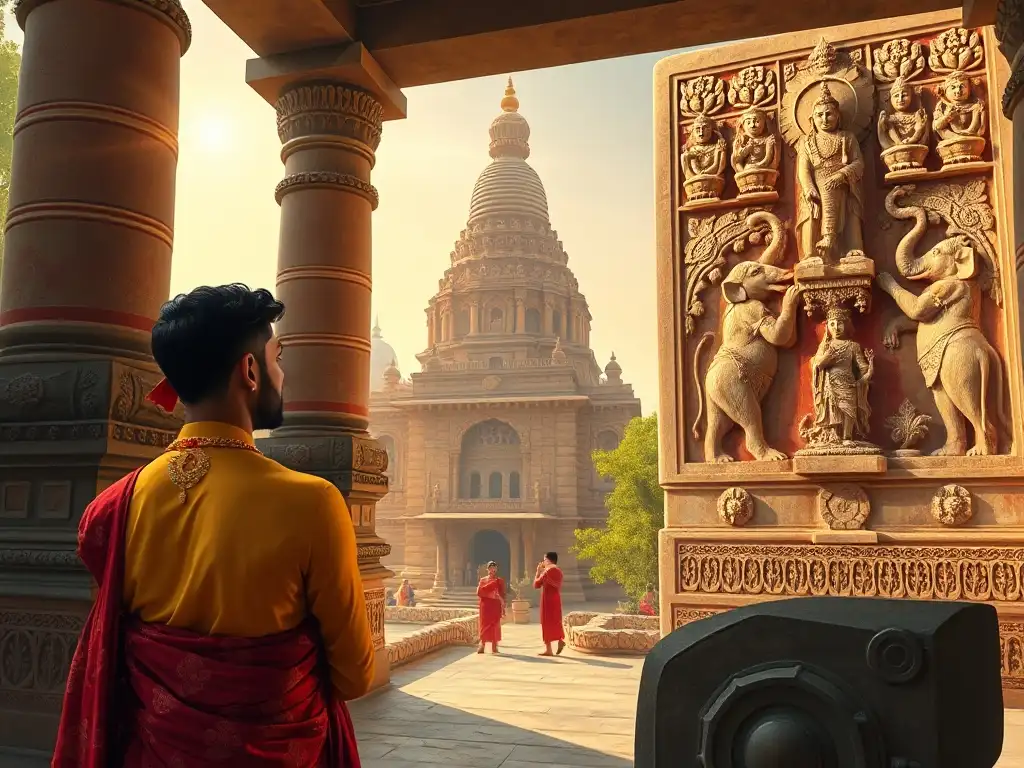
The iconography found in Mauryan visual arts serves as a testament to the cultural and religious narratives of the time. This period is marked by a rich symbolism that reflects the philosophical and spiritual ideals of both Buddhism and Jainism, alongside elements of Hinduism. The careful selection of motifs and symbols in art was not merely decorative; it conveyed profound meanings and philosophies central to the Mauryan worldview.
Symbolism in Mauryan Sculpture and Art
The symbolism in Mauryan sculpture and art is multifaceted, often representing concepts such as enlightenment, moral righteousness, and the cyclical nature of life. For example, the lotus flower symbolizes purity and spiritual awakening, frequently appearing in Buddhist art as a representation of the potential for enlightenment amidst worldly distractions. Similarly, the depiction of the dharma wheel (Ashoka Chakra) underscores the significance of the Buddha's teachings and the path to moral living.
Moreover, animals played a significant role in the iconography of this era. The lion, as seen in the Lion Capital of Ashoka, symbolizes strength and sovereignty, while the elephant is associated with wisdom and power. These symbols were carefully chosen to reflect the virtues upheld by the Mauryan rulers and their desire to project an image of benevolent authority.
The Representation of Deities and Historical Figures
In addition to abstract symbols, Mauryan visual arts prominently featured representations of deities and historical figures, encapsulating the spiritual and political dimensions of the time. The artistic renditions of the Buddha, for instance, evolved during this period, transitioning from aniconic representations to more anthropomorphic forms. This shift allowed for deeper emotional connections with the viewer and facilitated the spread of Buddhist teachings across the empire.
Historical figures, particularly the emperors themselves, were often depicted in a manner that emphasized their divine right to rule. The sculptures and reliefs showcased the rulers in grand poses, adorned with intricate jewelry and royal attire, symbolizing their elevated status within society. This portrayal served both religious and political purposes, reinforcing their authority and the legitimacy of their reign.
The visual arts of the Maurya Dynasty encapsulate a rich tapestry of royal patronage, iconography, and cultural expression. Through the support of emperors like Ashoka and the intricate symbolism embedded in their artworks, this era laid the foundational stones for the evolution of Indian art.
Legacy of the Visual Arts of the Maurya Dynasty
The visual arts of the Maurya Dynasty, which flourished from approximately 322 to 185 BCE, represent a significant chapter in the history of Indian art. This period saw the emergence of sophisticated artistic techniques and monumental sculptures that reflected both the grandeur of the empire and its philosophical ideologies. The legacy of Mauryan art is characterized by its intricate craftsmanship and the seamless integration of religious themes with royal motifs, which set a precedent for future artistic endeavors in India.
The Mauryan visual arts contributed to the establishment of a distinct Indian aesthetic that combined local traditions with influences from the broader ancient world. Notably, the use of sandstone and the introduction of polished stone sculptures marked a shift towards more durable materials, allowing for greater detail and expressiveness. Iconic works, such as the Lion Capital of Ashoka and the ornate stupas, not only served religious purposes but also conveyed the power and authority of the Mauryan rulers.
Influence on Subsequent Indian Art Forms
The impact of the Mauryan visual arts on later Indian art forms cannot be overstated. The techniques and styles developed during this period laid the groundwork for the subsequent evolution of Indian sculpture and architecture. For instance, the use of relief carving and the emphasis on naturalism seen in Mauryan art can be traced in the later art of the Shunga and Kushan dynasties.
Themes prevalent in Mauryan art, such as the representation of the Buddha and various deities, continued to flourish, leading to the emergence of distinct iconography in Buddhist art. The stylistic elements, including the portrayal of serene expressions and dynamic poses, became defining characteristics of Indian sculpture across various regions and periods. This continuity illustrates how the visual arts of the Maurya Dynasty served as a catalyst for artistic expression in India.
Preservation and Rediscovery of Mauryan Art
The preservation of Mauryan art has been a critical endeavor, particularly given its historical significance. Archaeological excavations at sites like Sarnath and Bodh Gaya have unearthed numerous artifacts that highlight the sophistication of Mauryan craftsmanship. These findings have not only enhanced understanding of the era's artistic achievements but have also provided insights into the socio-political landscape of the time.
In the modern era, the rediscovery of Mauryan art has sparked renewed interest among historians and art enthusiasts. Museums and academic institutions have begun to curate exhibitions focusing on this period, showcasing the intricate sculptures and architectural wonders. The study of Mauryan art continues to evolve, with ongoing research aiming to uncover more about the techniques used and the cultural contexts in which these works were created.
Conclusion: The Enduring Significance of Mauryan Visual Arts
The visual arts of the Maurya Dynasty hold an enduring significance that transcends their historical context. They not only reflect the artistic prowess of the time but also embody the philosophical and cultural narratives that shaped ancient India. The contributions of Mauryan art have had a lasting impact on the trajectory of Indian art, influencing styles and themes for centuries to come.
Reflection on the Artistic Contributions of the Maurya Dynasty
Reflecting on the artistic contributions of the Maurya Dynasty reveals a rich tapestry of creativity that was intricately woven into the fabric of Indian civilization. The monumental stupas, intricately carved pillars, and the famous Ashoka edicts serve as powerful symbols of the Mauryan ethos. They highlight the dynasty's commitment to art as a means of communication and expression, showcasing the ideals of governance, spirituality, and cultural identity.
Furthermore, the artistic innovations of the Maurya period prompted a dialogue between the artistic communities, fostering a sense of unity and shared cultural heritage that would resonate throughout India's history. This legacy is evident in the continued reverence for Mauryan art and its motifs in contemporary Indian culture.
Final Thoughts on Royal Patronage and Cultural Heritage
Royal patronage played a pivotal role in the flourishing of visual arts during the Maurya Dynasty. The support provided by emperors like Ashoka not only facilitated the creation of monumental artworks but also emphasized the importance of art in public life. By commissioning significant projects, these rulers ensured that art became a medium for expressing their values and ideologies, ultimately influencing the cultural landscape of ancient India.
The visual arts of the Maurya Dynasty serve as a testament to the rich cultural heritage of India. Their legacy continues to inspire and inform contemporary artistic practices, reminding us of the profound connections between art, power, and societal values. The enduring significance of Mauryan visual arts lies not only in their aesthetic beauty but also in their capacity to convey messages that resonate across time and space.
- Introduction to the Visual Arts of the Maurya Dynasty
- Historical Context of the Maurya Dynasty's Art
- Key Characteristics of Mauryan Visual Arts
- Distinctive Features of Mauryan Sculpture
- Techniques and Materials Used in Mauryan Art
- Major Forms of Visual Arts During the Maurya Period
- Royal Patronage and Its Impact on Visual Arts
- Iconography in Mauryan Visual Arts
- Legacy of the Visual Arts of the Maurya Dynasty
- Conclusion: The Enduring Significance of Mauryan Visual Arts
- What characterized the visual arts of the Maurya Dynasty?
- How did royal patronage influence the visual arts in ancient India?
- What are some notable examples of Maurya Dynasty art?
- How did the visual arts evolve during the Maurya period?
- What impact did the Maurya Dynasty have on later Indian art forms?
Frequently Asked Questions
What characterized the visual arts of the Maurya Dynasty?
The visual arts of the Maurya Dynasty were marked by intricate sculptures, detailed relief carvings, and impressive architectural achievements, reflecting the royal patronage of art during this period.
How did royal patronage influence the visual arts in ancient India?
Royal patronage provided essential support and resources, enabling artists to create magnificent works that showcased the cultural richness and religious themes of the time.
What are some notable examples of Maurya Dynasty art?
Prominent examples include the Ashoka Pillars, the Lion Capital of Ashoka, and various Buddhist stupas, which highlight the dynasty's artistic excellence and commitment to spiritual expression.
How did the visual arts evolve during the Maurya period?
During the Maurya period, the visual arts evolved to include more realistic forms, innovative stylistic techniques, and an emphasis on symbolism and narrative, influenced by Buddhist themes.
What impact did the Maurya Dynasty have on later Indian art forms?
The Maurya Dynasty laid the groundwork for subsequent art movements, particularly in terms of sculptural techniques and religious iconography, influencing the Gupta Empire and beyond.
Final Reflection: The Enduring Legacy of the Visual Arts of the Maurya Dynasty
The visual arts of the Maurya Dynasty serve as a profound testament to the intricate relationship between culture and royal patronage. Today, as we navigate a world increasingly driven by technology and globalization, the significance of these artistic expressions becomes even more pronounced. They remind us that art is not merely a reflection of aesthetic values but a powerful medium through which history, identity, and societal values are communicated. The legacy of the Maurya Dynasty's visual arts continues to resonate, inviting us to explore the depths of cultural heritage and its relevance in our contemporary lives.
The visual arts of the Maurya Dynasty have not only shaped the artistic landscape of ancient India but have also influenced modern interpretations of cultural identity and heritage. The intricate sculptures, detailed carvings, and monumental architecture stand as a bridge connecting past and present, illustrating how art can encapsulate the spirit of an era. Art is the most beautiful of all lies.
This quote encapsulates the idea that while the visual arts may reflect a constructed reality, they also reveal deeper truths about the societies that create them. The ongoing appreciation and study of these works underscore their importance in understanding the complexities of human experience and expression.
As we reflect on the visual arts of the Maurya Dynasty, I invite you to consider how these historical narratives can inspire your own creative journey. Embrace the lessons of the past as you explore your artistic endeavors, recognizing that every brushstroke, every sculpture, and every piece of art has the potential to tell a story.
Let the rich legacy of the Maurya Dynasty encourage you to delve deeper into your own cultural roots and express your unique perspective through art. In doing so, you not only honor the past but also contribute to the ongoing dialogue of creativity and identity in our ever-evolving world.
Unveil the Artistic Legacy of the Maurya Dynasty!
Thank you for joining us on this artistic journey through the visual arts of the Maurya Dynasty! We hope you found inspiration in the rich heritage and royal patronage that shaped this remarkable period in Indian history. Now, let’s take that inspiration and turn it into action!
- Dive deeper into Indian art: Visit your local library or explore online resources to discover more about Mauryan sculptures, paintings, and the philosophies that influenced them.
- Share your newfound knowledge: Discuss a piece of Mauryan art that resonates with you, either with friends or on social media. Together, we can spread the beauty of ancient cultures!
- Join a community: Look for or create a local group focused on discussing and appreciating ancient art—your involvement can help keep this legacy alive!
Which piece of Mauryan art resonates with you the most, and how does it shape your understanding of culture today? Let’s discuss!