
The Spiritual Dimension of Performance Arts in Ancient Indian Culture

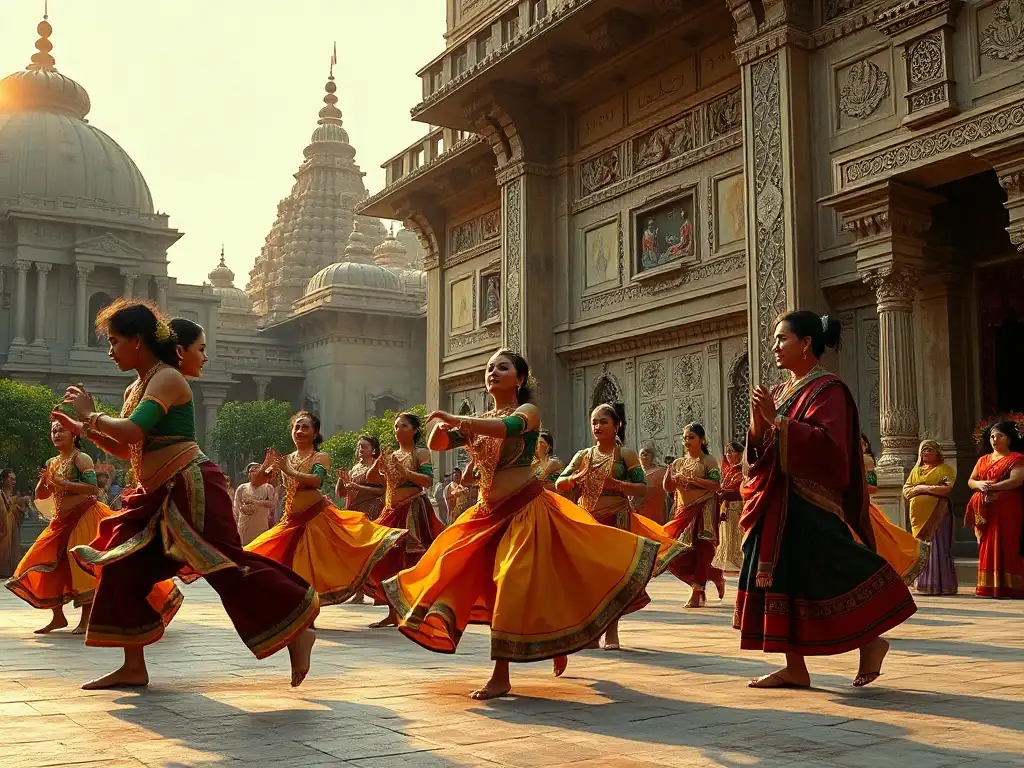
Welcome to Ancient India History, where we embark on a journey through the rich and diverse tapestry of ancient Indian civilizations. With a special focus on the spiritual performance arts of ancient India, our latest article delves into how these art forms not only entertained but also served as profound expressions of cultural and spiritual beliefs. What secrets do these ancient performances hold about the ethos of their time?
Join us as we explore the captivating world of artistic expression that shaped the spiritual landscape of a civilization. Ready to uncover the mystique of ancient performance arts? Let’s dive in!
Introduction to Spiritual Performance Arts in Ancient India
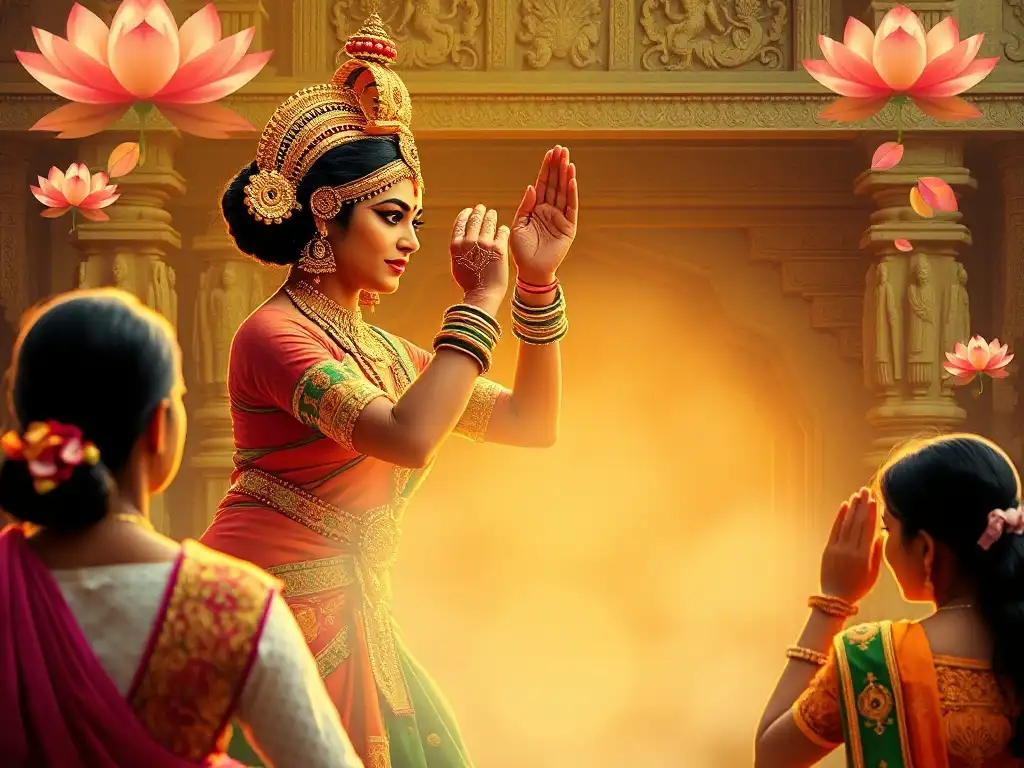
The exploration of spiritual performance arts in ancient India reveals a profound intertwining of artistic expression and spirituality that has shaped India’s cultural landscape for millennia. From the ritualistic dances of the Indus Valley civilization to the grand theatrical narratives of the Gupta Empire, performance arts have served as vital conduits for both communal and individual expression of spirituality. In this article, we will delve into the intricate layers of these art forms, examining their historical evolution and the significant influence of spirituality on their development.
Overview of Performance Arts in Ancient Indian Culture
Ancient Indian culture was rich with diverse performance arts, encompassing various forms such as:
- Dance: Including classical styles such as Bharatanatyam, Kathak, and Odissi, which were often performed in temples as offerings to deities.
- Theater: With roots in ancient texts like the Natyashastra, which outlined the principles of drama and aesthetics.
- Music: Integral to rituals and celebrations, with both vocal and instrumental traditions that conveyed deep spiritual themes.
These art forms were not merely entertainment; they were deeply embedded in the fabric of society, serving religious, social, and educational purposes.
Importance of Spirituality in Indian Artistic Expressions
The essence of spirituality in Indian performance arts can be understood through various dimensions:
- Ritual Significance: Many performances were conducted as rituals, invoking divine presence and seeking blessings.
- Narrative Depth: Stories depicted in these performances often revolved around spiritual themes, such as the epics of the Mahabharata and Ramayana, allowing audiences to explore moral and philosophical questions.
- Community Cohesion: Artistic expressions served as communal gatherings, fostering a sense of unity and shared beliefs among participants and audiences alike.
Historical Context of Performance Arts in Ancient India
Understanding the historical backdrop is essential to appreciate the evolution of spiritual performance arts in ancient India.
Evolution of Spiritual Performance Arts
The journey of performance arts in ancient India can be traced through several key phases:
- Indus Valley Civilization (circa 3300–1300 BCE): Evidence of dance and music in archaeological finds suggests early forms of performance arts.
- Vedic Period (circa 1500–500 BCE): The emergence of rituals and hymns, integrating music and chant into spiritual practices.
- Classical Period (circa 500 BCE–1200 CE): Flourishing of theater and dance forms, with codified styles and texts guiding performances.
Key Historical Periods Influencing Performance Arts
Several historical periods significantly influenced the spiritual dimension of performance arts:
| Period | Key Contributions |
|---|---|
| Maurya Empire | Patronage of arts, including dance and theater in court life. |
| Gupta Empire | Golden Age of cultural development, flourishing classical dance and drama. |
| Medieval Period | Regional styles emerged, blending local traditions with classical forms. |
The interplay of these historical contexts with spiritual beliefs laid the groundwork for the rich tapestry of performance arts that continues to inspire and resonate in contemporary Indian culture.
Major Forms of Spiritual Performance Arts
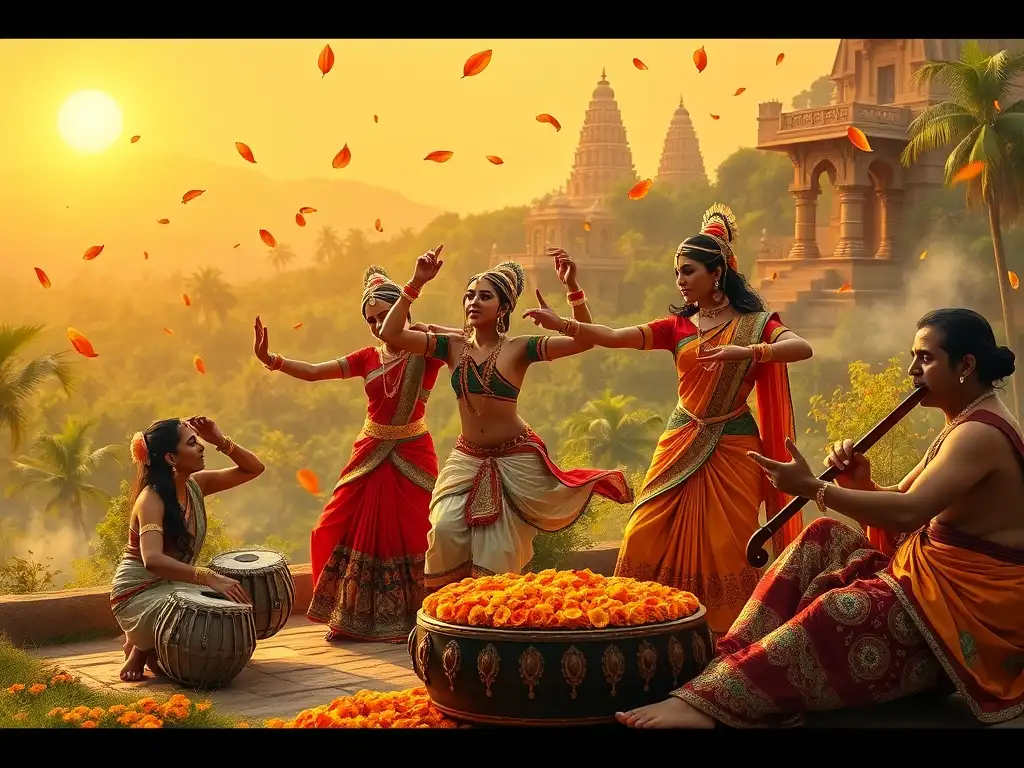
Ancient India is renowned for its rich tapestry of spiritual performance arts, which served as a means to express devotion, narrate sacred stories, and connect with the divine. These art forms are not merely entertainment; they embody deeper spiritual meanings and rituals that reflect the ethos of Indian culture. The major forms of spiritual performance arts include classical dance, traditional theater, and music, each with its unique approach to spirituality and divine connection.
Classical Dance Forms and Their Spiritual Significance
Classical dance forms such as Bharatanatyam, Kathak, Odissi, and Manipuri are steeped in spirituality and are often performed as an offering to deities. Each dance form incorporates intricate footwork, expressive gestures (mudras), and facial expressions (abhinaya) to convey religious narratives and principles. For instance, Bharatanatyam originated as a temple dance, expressing devotion to Hindu gods and goddesses.
These dances are often accompanied by devotional music and chants that enhance the spiritual experience. The performers undergo rigorous training not only in technique but also in understanding the spiritual texts and philosophies that underpin their art. Through these movements and expressions, dancers aim to transcend the physical realm, inviting divine presence and fostering a deep connection with the spiritual world.
Traditional Theater and Spiritual Themes
Traditional theater in ancient India, exemplified by forms like Nataka and Yakshagana, embodies spiritual themes that resonate with moral and ethical lessons derived from epics such as the Mahabharata and Ramayana. These performances often depict the eternal struggle between good and evil, heroism, and the quest for truth, making them deeply reflective of spiritual inquiries.
Theatrical performances were often staged during religious festivals and ceremonies, reinforcing their role as a medium for spiritual reflection and communal worship. The incorporation of music, dance, and elaborate costumes added layers of meaning, transforming the theater into a sacred space where audiences could engage with divine narratives and reflect on their spiritual journeys.
The Role of Spirituality in Performance Arts
Spirituality is a fundamental aspect of performance arts in ancient India, influencing both the content and the execution of artistic expressions. Artists viewed their craft as a sacred duty, where the act of performing itself became a form of worship. This intrinsic connection between art and spirituality not only enriched the performances but also transformed the audience's perception of art as a channel for spiritual awakening.
Spiritual Practices Influencing Performance Arts
Various spiritual practices, such as yoga, meditation, and rituals, significantly influenced the development of performance arts in ancient India. These practices emphasized the importance of inner peace and focus, which were essential for artists to convey the spiritual essence of their performances. For example, the physical discipline of yoga is reflected in the movements of classical dancers, who strive for harmony between body and spirit.
Moreover, the rituals performed before a performance, such as invoking blessings from deities or performing aarti (a devotional light ceremony), further solidified the connection between spirituality and performance. These practices not only prepared the artists mentally and spiritually but also created a sacred atmosphere for the audience, enhancing their overall experience.
The Concept of 'Rasa' in Ancient Indian Performance
Central to the understanding of performance arts in ancient India is the concept of 'Rasa,' which refers to the aesthetic experience or emotional flavor that a performance evokes in the audience. The theory of Rasa posits that art should elicit specific emotions (bhavas) and transport viewers into a spiritual realm, allowing them to experience the divine through artistic expression.
The eight primary Rasas—Sringara (love), Hasya (laughter), Karuna (compassion), Raudra (anger), Veera (heroism), Bhayanaka (fear), Bibhatsa (disgust), and Adbhuta (wonder)—serve as a framework for artists to explore and convey complex spiritual themes. By skillfully invoking these emotions, performers aim to create a shared spiritual experience that resonates with the audience on a deeper level.
The Audience's Role in the Spiritual Experience of Arts
The audience holds a crucial role in the spiritual experience of performance arts in ancient India. Their engagement and emotional responses can enhance or diminish the overall effectiveness of the performance. In many cases, the audience is seen not merely as spectators but as active participants in the spiritual journey, contributing to the collective energy of the performance.
In traditional settings, the audience's involvement can include chanting, clapping, or even interacting with the performers, creating a dynamic relationship that fosters a shared sense of spirituality. This interactive nature of performances underscores the belief that art transcends individual experience, uniting performers and viewers in a communal exploration of the divine. Through their participation, audiences are invited to reflect upon their own spiritual paths, making each performance a unique journey of discovery and connection.
Influence of Religion and Mythology
The spiritual performance arts in ancient India were deeply intertwined with the religious and mythological beliefs of the time. These art forms not only served as entertainment but also as vehicles for conveying spiritual teachings and moral lessons. The narratives from sacred texts, epics, and local folklore were often dramatized, allowing audiences to engage with complex philosophical concepts and religious rituals. Performance arts, such as theater and dance, became a means of expressing devotion and reverence, transforming spiritual narratives into captivating experiences that resonated with the audience on multiple levels.
The integration of music, dance, and storytelling in these performances created a holistic experience that appealed to both the senses and the spirit. Moreover, the use of symbolic gestures and motifs in these performances reflected the rich tapestry of Indian mythology, reinforcing cultural values and communal identity. As a result, spiritual performance arts became a vital aspect of religious festivals and ceremonies, further embedding them in the cultural fabric of ancient Indian society.
Hinduism's Impact on Spiritual Performance Arts
Hinduism played a pivotal role in shaping the spiritual performance arts of ancient India. The Vedas, Upanishads, and later texts like the Mahabharata and Ramayana provided a wealth of narratives that inspired countless performances. The concept of Natya Shastra, attributed to the sage Bharata Muni, is a seminal text on the theory and practice of drama, dance, and music, establishing guidelines for performance that emphasized the spiritual and emotional dimensions of art.
In Hindu performances, deities were often personified, allowing devotees to experience divine presence through dance and drama. The classical dance forms, such as Bharatanatyam and Kathak, incorporated intricate movements and expressions that conveyed stories from Hindu mythology, emphasizing the importance of bhakti (devotion) in performances. Ritualistic elements were also central to these performances, as they were often conducted in temples or sacred spaces, reinforcing the connection between art and spirituality.
Buddhist Contributions to Performance Traditions
Buddhism introduced a unique perspective to the spiritual performance arts in ancient India. The teachings of the Buddha emphasized compassion, mindfulness, and the impermanence of life, themes that found their way into performance traditions. Buddhist narratives were commonly depicted through jataka tales, which illustrated the previous lives of the Buddha and conveyed moral lessons.
The dance and theatrical traditions in Buddhist monastic communities served both educational and devotional purposes, allowing monks to share the Buddha's teachings with lay audiences. These performances often included symbolic gestures and meditative movements, reflecting the spiritual practices of Buddhism. Additionally, the integration of music and chant in these performances helped to create an immersive spiritual experience, reinforcing the core values of Buddhist philosophy.
Jain Narratives in Theater and Dance
Jainism also contributed significantly to the spiritual performance arts in ancient India, emphasizing themes of non-violence, asceticism, and the pursuit of truth. Jain narratives often revolved around the lives of Tirthankaras, revered spiritual teachers, and their teachings, which were dramatized in various performance forms.
Jain performances were characterized by their emphasis on ethical living and spiritual purity. The use of dance and theater as a means of storytelling allowed for the exploration of complex ideas related to karma and dharma. Through elaborate storytelling, performers conveyed the importance of following the Jain path and the principles of ahimsa (non-violence) and aparigraha (non-attachment). These performances not only served as entertainment but also as a medium for spiritual instruction, reflecting the values of Jain philosophy.
Contemporary Reflections of Ancient Spiritual Performance Arts
The legacy of ancient spiritual performance arts continues to resonate in contemporary India, where these traditions are often revived and reinterpreted. The influence of spiritual performance arts can be observed in various modern forms, including theater, dance, and music, which draw upon ancient styles and themes.
Revival of Ancient Traditions in Modern Times
In recent years, there has been a significant revival of interest in traditional performance arts, leading to a resurgence of ancient practices. Various cultural organizations and artists are dedicated to preserving and promoting these art forms, often incorporating contemporary themes while maintaining their spiritual essence. Festivals celebrating classical dance and theater have become increasingly popular, showcasing the rich heritage of spiritual performance arts.
Educational institutions have also begun to include traditional performance arts in their curricula, ensuring that younger generations engage with these ancient practices. Workshops and training programs are allowing aspiring artists to learn from seasoned practitioners, creating a bridge between the past and the present.
The Impact of Spiritual Performance Arts on Today's Culture
The spiritual performance arts of ancient India continue to influence contemporary culture, shaping societal values and artistic expression. Modern interpretations of classical dance and theater often explore themes of spirituality, identity, and social issues, reflecting the complexities of today’s world while drawing upon ancient wisdom.
Moreover, the integration of spirituality into performance arts has fostered a sense of community and shared identity. Performances often bring together diverse audiences, creating spaces for dialogue and reflection on cultural heritage. The spiritual dimension of these arts encourages individuals to connect with their roots, promoting a deeper understanding of Indian history and philosophy.
Challenges and Opportunities for Spiritual Arts Today
Despite the resurgence of interest in spiritual performance arts, several challenges persist. The commercialization of performance arts can sometimes dilute the spiritual essence, as artists navigate the demands of modern audiences and the entertainment industry. Additionally, the preservation of traditional practices in the face of globalization poses a significant challenge for artists and cultural organizations.
However, these challenges also present opportunities for innovation and growth. Artists are increasingly finding ways to blend traditional forms with contemporary styles, creating hybrid performances that resonate with modern audiences. Furthermore, the growing global interest in spirituality and mindfulness provides a fertile ground for the exploration of ancient spiritual performance arts, enabling them to reach wider audiences beyond India.
The spiritual performance arts of ancient India continue to thrive, adapting to contemporary contexts while preserving their rich cultural heritage. As these art forms evolve, they remain a vital expression of India's diverse spiritual landscape, offering insights into the profound connections between art, culture, and spirituality.
Conclusion
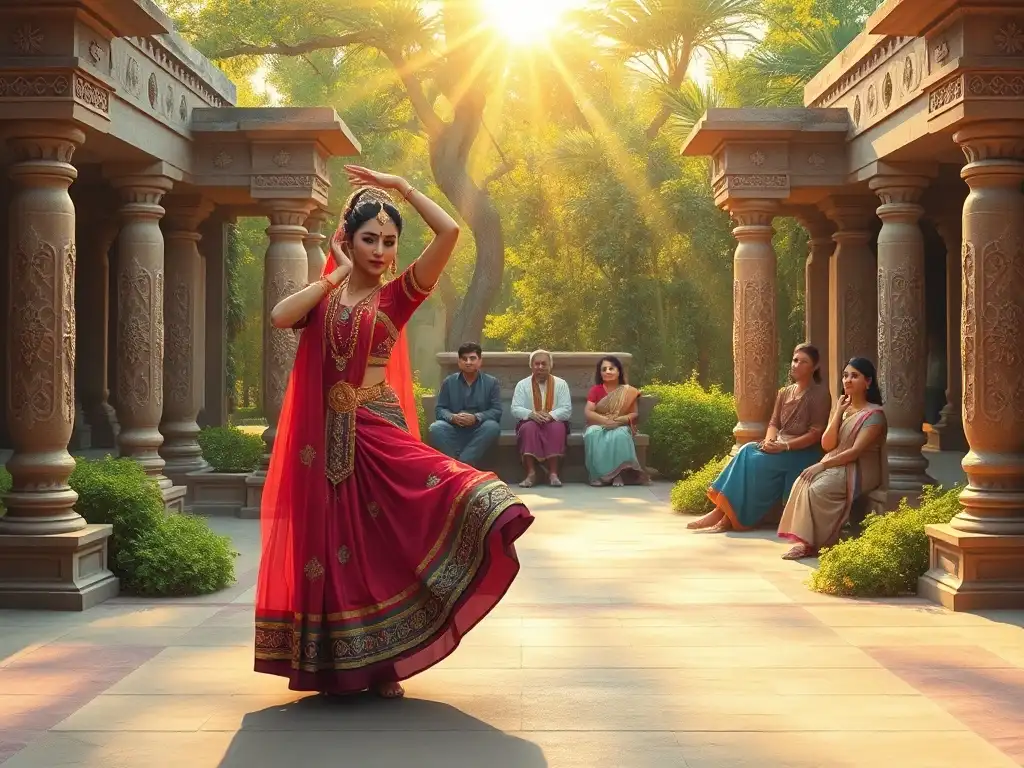
The spiritual performance arts in ancient India played a pivotal role in shaping the cultural and religious landscape of the region. By intertwining artistic expression with spiritual practices, these art forms fostered a deep connection between performers and their audiences, transcending mere entertainment. They served not only as a medium for storytelling and ritualistic expression but also as a vehicle for spiritual enlightenment and communal bonding. This intricate relationship between spirituality and performance continues to resonate within contemporary Indian culture, underscoring the enduring significance of these ancient traditions.
The Enduring Legacy of Spiritual Performance Arts in Ancient India
The legacy of spiritual performance arts in ancient India is profound, influencing various contemporary art forms, including dance, theater, and music. Features such as intricate narratives, symbolic gestures, and rhythmic patterns have been preserved and adapted over centuries. Notable performance traditions like Bharatanatyam, Kathak, and Odissi reflect the spiritual ethos embedded in ancient practices, often drawing on mythological themes and religious motifs.
Moreover, the teachings of ancient texts like the Natya Shastra, attributed to the sage Bharata Muni, continue to inform the principles of performance arts today. The emphasis on expression (abhinaya), rhythm (tala), and melodic structure (raga) remains a cornerstone of Indian classical dance and music, demonstrating how spiritual dimensions are woven intricately into the fabric of these art forms.
The Future of Spiritual Dimensions in Indian Performance Arts
As contemporary society evolves, the future of spiritual dimensions in Indian performance arts appears promising yet challenging. While traditional forms are celebrated and preserved, there is a growing trend toward fusion, where ancient practices intersect with modern influences. This blending may dilute the spiritual essence that embodies ancient performance arts, yet it also offers opportunities for innovation and outreach to new audiences.
The resurgence of interest in spirituality among younger generations provides fertile ground for reviving and reinterpreting these art forms. Workshops, festivals, and academic programs focusing on spiritual performance arts can help cultivate a deeper understanding and appreciation of their historical significance. Furthermore, digital platforms present new avenues for sharing these traditions globally, ensuring that the spiritual legacies of ancient Indian performance arts continue to thrive.
References and Further Reading
To delve deeper into the spiritual dimensions of performance arts in ancient India, the following resources offer valuable insights:
Recommended Books and Articles on Spiritual Performance Arts
- "The Natya Shastra" by Bharata Muni - This foundational text outlines the principles of drama, dance, and music in ancient India.
- "The Performing Arts in India: A Historical and Cultural Perspective" by R. S. Sharma: - A comprehensive overview of various performance arts and their spiritual significance.
- "Sacred Dance in India" by R. R. Sharma - Explores the interplay of spirituality and dance in Indian culture.
- "Indian Classical Dance: Tradition in Transition" by Shovana Narayan: - Discusses the evolution of classical dance forms while maintaining their spiritual roots.
Notable Scholars and Their Contributions to the Study of Ancient Indian Arts
- Ananda K. Coomaraswamy: A pioneer in the study of Indian arts, Coomaraswamy emphasized the spiritual and philosophical dimensions of Indian performance arts.
- Kapila Vatsyayan: A renowned scholar, she has made significant contributions to understanding the historical context and evolution of Indian classical dance and theater.
- Rudolf von Laban: Although not Indian, Laban's theories on movement and dance have influenced the interpretation of Indian dance forms in a global context.
- Leela Venkataraman: A respected critic and scholar, her writings on contemporary Indian classical dance highlight the enduring spiritual essence in modern performances.
These resources and scholars provide a rich foundation for those interested in exploring the intricate relationship between spirituality and performance arts in ancient India, ensuring that this vital aspect of cultural heritage continues to inspire future generations.
- Introduction to Spiritual Performance Arts in Ancient India
- Overview of Performance Arts in Ancient Indian Culture
- Importance of Spirituality in Indian Artistic Expressions
- Historical Context of Performance Arts in Ancient India
- Major Forms of Spiritual Performance Arts
- The Role of Spirituality in Performance Arts
- Influence of Religion and Mythology
- Contemporary Reflections of Ancient Spiritual Performance Arts
- Conclusion
- The Enduring Legacy of Spiritual Performance Arts in Ancient India
- The Future of Spiritual Dimensions in Indian Performance Arts
- References and Further Reading
- What are the spiritual performance arts in ancient India?
- How did religion influence performance arts in ancient India?
- What are some examples of performance arts from the Indus Valley civilization?
- How did the Gupta Empire contribute to performance arts?
- Why is understanding the spiritual aspect of performance arts important?
Frequently Asked Questions
What are the spiritual performance arts in ancient India?
The spiritual performance arts in ancient India encompassed various forms of art, including dance, music, and drama, that were often linked to religious rituals and ceremonies.
How did religion influence performance arts in ancient India?
In ancient India, religion played a pivotal role in shaping performance arts, as many forms were used to convey spiritual narratives and worship deities through artistic expression.
What are some examples of performance arts from the Indus Valley civilization?
While the Indus Valley civilization is less documented, artifacts suggest the presence of ceremonial dance and musical instruments, indicating early forms of performance arts with spiritual significance.
How did the Gupta Empire contribute to performance arts?
The Gupta Empire is often considered a golden age for the arts, promoting classical dance and theater, which integrated mythological themes and enhanced the spiritual dimension of performance arts.
Why is understanding the spiritual aspect of performance arts important?
Understanding the spiritual aspect of performance arts provides insight into how ancient cultures expressed their beliefs, values, and identity, enriching our appreciation of their historical contributions.
Final Reflection: The Enduring Legacy of Spiritual Performance Arts in Ancient India
The exploration of spiritual performance arts in ancient India reveals a profound connection between creativity and spirituality that resonates powerfully in today's world. As we navigate a fast-paced, often fragmented society, the wisdom embedded in these ancient practices reminds us of the importance of integrating spirituality into our artistic expressions. The intricate dance forms, music, and theatrical performances of ancient India were not merely entertainment; they were sacred rituals that fostered a deep sense of community and connection to the divine.
The influence of these spiritual performance arts continues to shape our cultural and social landscape, inviting us to reflect on our own artistic endeavors. In a world where art is frequently commodified, the spiritual essence of performance arts encourages us to seek deeper meaning and connection. As the renowned Indian dancer and choreographer, Astad Deboo, once said, Dance is the hidden language of the soul.
This sentiment underscores the idea that art, when infused with spirituality, transcends mere aesthetics and becomes a powerful medium for expressing our innermost selves and connecting with others on a profound level.
As we conclude this exploration, I invite you to reflect on how the lessons from ancient Indian spiritual performance arts can inspire your own life and creative journey. Consider how you might incorporate elements of mindfulness, intention, and connection into your artistic expressions, whether through dance, music, or any other form of creativity. Embrace the opportunity to not only create art but to also cultivate a deeper understanding of yourself and your place in the world. Let the legacy of these ancient practices guide you toward a more meaningful and spiritually enriched artistic expression.
Unveil the Spiritual Legacy of Performance Arts!
Thank you for diving into the rich tapestry of performance arts in ancient Indian culture with us! You've uncovered the profound connection between spirituality and the arts, and now it’s time to take the next step in your exploration of this fascinating realm.
Here’s how you can deepen your understanding and appreciation:
- Join a local workshop that focuses on traditional Indian dance or music to experience the spiritual essence firsthand.
- Share your insights on social media or in community forums to initiate a conversation about the significance of spirituality in art.
- Expand your knowledge by reading both ancient texts and contemporary interpretations that explore the role of art in spiritual practices.
What unique ways do you believe art can connect us to deeper spiritual truths? We invite you to share your thoughts with us!