
The Legacy of Ancient Indian Dance and Music: Lessons for Future Generations

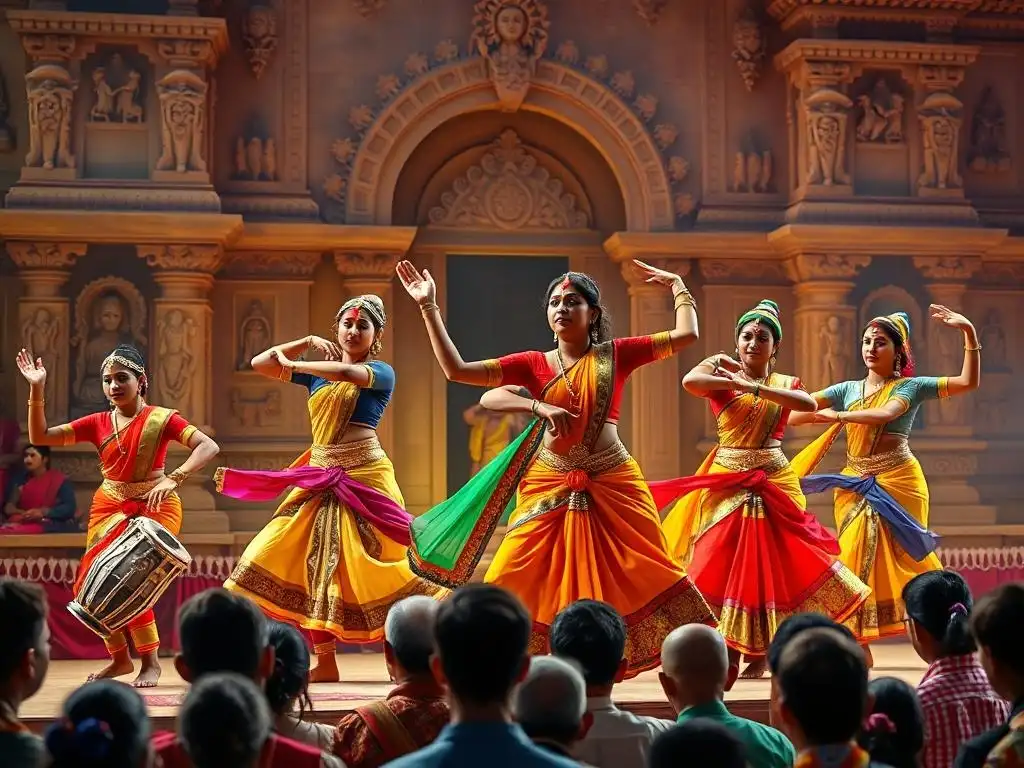
Welcome to Ancient India History, where we delve deep into the rich tapestry of ancient civilizations that shaped the very foundations of culture and art. In this exploration, we invite you to uncover the mesmerizing world of ancient Indian dance and music, a vibrant legacy that continues to resonate through the ages.
Our featured article, "The Legacy of Ancient Indian Dance and Music: Lessons for Future Generations," promises to spark your curiosity as it reveals the profound connections between these art forms and the cultural identity of India. Join us on this captivating journey, and discover how the rhythms and movements of the past can inspire the creative expressions of tomorrow!
Introduction to Ancient Indian Dance and Music
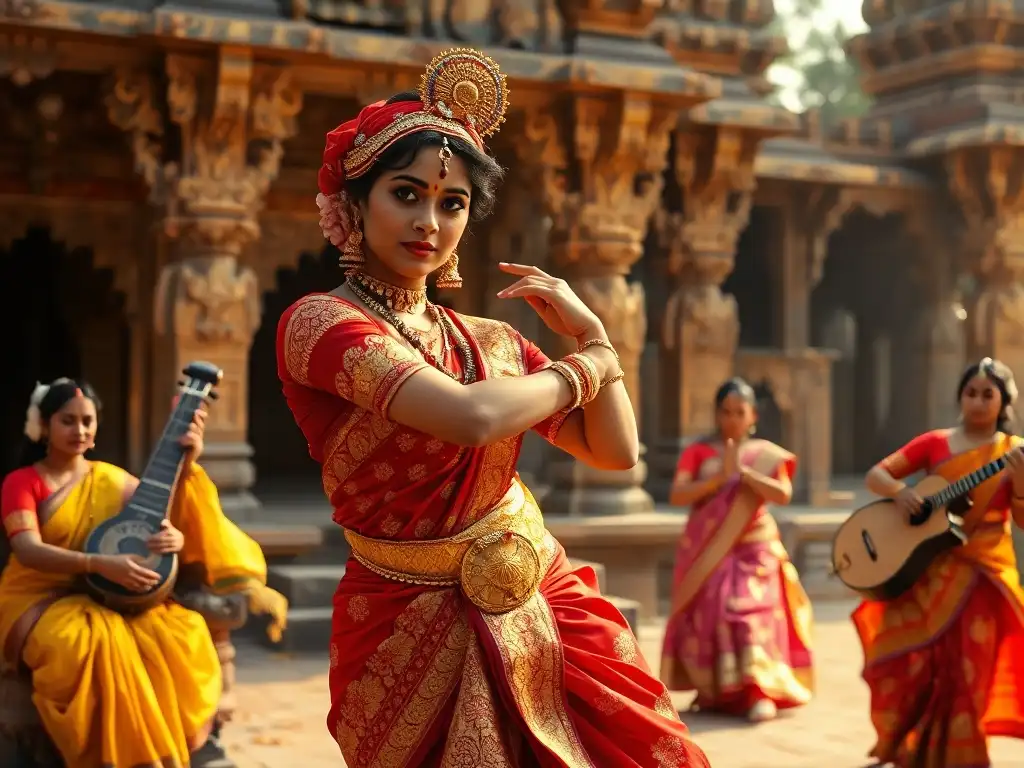
Ancient Indian dance and music are not merely artistic expressions; they are profound reflections of the rich tapestry of culture, spirituality, and history that shaped the Indian subcontinent. From the rhythmic movements of classical dance to the melodic structures of traditional music, these art forms encapsulate the values, beliefs, and stories of ancient civilizations.
As we delve into the legacy of ancient Indian dance and music, we find lessons that resonate through time, offering insights into the societal norms, religious practices, and artistic innovations of the past. This exploration not only honors the creative genius of ancient artists but also serves as a guide for future generations to appreciate and perpetuate these invaluable traditions.
Overview of Ancient Indian Art Forms
The realm of ancient Indian art is vast and varied, encompassing numerous styles and techniques that have evolved over millennia. Dance and music occupy a central place in this artistic heritage, often intertwined with rituals, celebrations, and storytelling. The Natyashastra, an ancient text attributed to Bharata Muni, serves as a foundational treatise on the performing arts, detailing the principles of dance, drama, and music. It highlights the significance of expression (abhinaya), rhythm (tala), and melody (raga), which remain essential components of Indian classical arts today.
- Key Art Forms:
- Dance: Bharatanatyam, Kathak, Odissi, Manipuri, and others.
- Music: Hindustani and Carnatic systems, folk traditions, and devotional music.
Importance of Dance and Music in Ancient Indian Culture
Dance and music in ancient India were not only forms of entertainment but also vital means of communication and expression. They played a crucial role in temple rituals, court performances, and community gatherings. Each performance was imbued with spiritual significance, often aimed at invoking deities or narrating mythological tales.
- Cultural Significance:
- Spiritual Connection: Art as a medium to connect with the divine.
- Social Cohesion: Dance and music fostering community identity and unity.
- Transmission of Knowledge: Oral traditions preserving history and values.
Historical Context of Ancient Indian Dance and Music
Understanding the historical context of ancient Indian dance and music is essential for appreciating their evolution and significance. From the Indus Valley Civilization to the Gupta Empire, these art forms have adapted to the socio-political changes and cultural exchanges that shaped the Indian landscape.
Evolution of Dance Forms in Ancient India
The evolution of dance in ancient India can be traced through various periods and regions, each contributing unique styles and techniques. Early forms of dance were often ritualistic, serving religious purposes, while later developments saw the emergence of distinct classical styles influenced by regional cultures.
- Notable Periods:
- Indus Valley Civilization: Evidence of dance in seals and artifacts.
- Vedic Period: Dance associated with religious rituals and hymns.
- Gupta Period: Flourishing of classical dance forms, patronized by royalty.
Musical Traditions and Instruments of Ancient India
Music in ancient India was characterized by its complexity and diversity. It evolved alongside dance, with a rich variety of instruments and vocal techniques playing integral roles in performances.
- Key Instruments:
- Veena: A plucked string instrument symbolizing classical music.
- Mridangam: A percussion instrument crucial for rhythm.
- Bansuri: The bamboo flute, representing folk and devotional music.
Influences from Various Indian Civilizations
The contributions of various Indian civilizations significantly shaped the landscape of ancient dance and music. Each civilization brought its own cultural nuances, enriching the overall artistic heritage.
- Cultural Influences:
- Mauryan Empire: Promoted the integration of dance and theater in court performances.
- Chola Dynasty: Known for temple dances and the patronage of classical music.
- Mughal Influence: Introduced Persian elements that enriched Indian music and dance.
This exploration of ancient Indian dance and music reveals a legacy that is both profound and multifaceted, offering timeless lessons for future generations to cherish and uphold.
Major Styles of Ancient Indian Dance
Ancient Indian dance is a vibrant and integral part of the country’s rich cultural tapestry, characterized by its diverse styles, each with its own unique history, philosophy, and technique. These dance forms are not merely performances but are a synthesis of art, spirituality, and storytelling, often reflecting the socio-cultural milieu of their time. Below, we explore some of the major styles that have shaped the legacy of ancient Indian dance.
Bharatanatyam: The Classical Dance of Tamil Nadu
Bharatanatyam, one of the oldest classical dance forms in India, originated in the temples of Tamil Nadu. It is characterized by its intricate footwork, expressive hand gestures (mudras), and facial expressions (abhinaya). Traditionally performed by Devadasis as a form of temple worship, Bharatanatyam embodies spirituality and devotion.
The dance incorporates storytelling through expressive narratives, often drawn from Hindu mythology and classical literature. The rigorous training, which includes both physical endurance and artistic expression, highlights the dancer's ability to convey emotions and tales through movement. Bharatanatyam's emphasis on rhythm and precision has made it a revered art form, inspiring generations of dancers and audiences alike.
Kathak: The Storytelling Dance of North India
Kathak, with its roots in the northern regions of India, has evolved from ancient storytelling traditions to a classical dance form known for its grace and intricate footwork. Traditionally performed by traveling bards, or "kathakars," this dance form narrates stories, often from the epics like the Ramayana and Mahabharata, as well as romantic tales of Krishna.
The performance style of Kathak is distinguished by its spins, expressive gestures, and playful interactions with the audience. It incorporates both Hindustani classical music and rhythms, making it versatile and dynamic. The influence of Mughal culture is also evident in Kathak, enhancing its visual appeal and storytelling techniques. The dance form has garnered international acclaim, showcasing the beauty of ancient Indian culture.
Odissi: The Dance of Orissa
Originating from the temples of Orissa, Odissi is one of the oldest classical dance forms of India, known for its fluid movements and sculptural poses. Traditionally performed by female dancers, Odissi is steeped in spirituality and often depicts themes from Hindu mythology, particularly the divine plays of Lord Krishna.
The dance is characterized by its graceful movements, intricate footwork, and precise body postures (mudras). Odissi performances often incorporate storytelling through expressive facial expressions and hand gestures, making it a visually captivating experience. The dance form emphasizes the importance of rhythm and beat, with the dancers often accompanied by live music that enhances its devotional aspect.
Manipuri: Dance from the Northeast
Manipuri is a classical dance form that hails from the northeastern state of Manipur. It is distinctive for its graceful and fluid movements, often performed in a circular formation. The dance is deeply rooted in the rituals and traditions of the Manipuri people and is primarily associated with the worship of Lord Krishna.
Manipuri dance is characterized by its gentle, flowing movements and intricate footwork, often depicting themes of love and devotion. The use of colorful costumes and traditional music adds to the visual splendor of the performance. This dance form's emphasis on spirituality and community involvement reflects the rich cultural heritage of the region.
Other Regional Dance Forms and Their Significance
In addition to the major classical styles, India boasts numerous regional dance forms, each contributing to the nation's diverse cultural landscape. From the energetic Bhangra of Punjab to the vibrant Garba of Gujarat, these folk dances celebrate local traditions and reflect the social fabric of their communities.
Each regional dance form serves as a medium of expression, conveying stories, emotions, and cultural values. They play a significant role in festivals, rituals, and social gatherings, fostering a sense of identity and community among participants. The preservation and promotion of these regional styles are essential for maintaining the rich legacy of ancient Indian dance.
The Role of Music in Ancient Indian Society
Music has been an essential aspect of ancient Indian society, woven into the fabric of daily life and spiritual practices. It served not only as entertainment but also as a medium for communication, devotion, and cultural expression. The interplay between music and dance in ancient India created a harmonious blend that enriched both art forms and left a lasting impact on future generations.
Sacred Music and Spiritual Practices
Sacred music in ancient India was deeply intertwined with religious rituals and spiritual practices. It was believed that music could elevate the soul and connect individuals with the divine. Hymns, chants, and devotional songs (bhajans) were integral to temple worship, often performed by priests and devotees.
The Vedic texts, which date back to around 1500 BCE, highlight the significance of music in rituals and ceremonies. The Samaveda, one of the four Vedas, specifically focuses on musical compositions and chanting. The philosophy behind sacred music emphasizes its ability to transcend the material world, creating a spiritual atmosphere conducive to meditation and worship.
Folk Music Traditions and Their Cultural Impact
Folk music traditions have thrived across various regions of India, reflecting the diversity of its culture and communities. These musical forms often narrate the stories, struggles, and celebrations of everyday life. They serve as a means of cultural transmission, preserving the history and traditions of specific communities.
Folk music plays a crucial role in festivals, weddings, and social gatherings, fostering a sense of unity and identity among participants. The various regional styles, such as the Lavani of Maharashtra or the Baul music of Bengal, highlight the local dialects and customs, enriching the cultural landscape of ancient India. The significance of folk music in contemporary society emphasizes its role in maintaining cultural heritage.
Instruments of Ancient India: From Vina to Tabla
The evolution of musical instruments in ancient India is a fascinating aspect of its cultural heritage. Instruments such as the Vina, Tabla, and Mridangam have played pivotal roles in both classical and folk music traditions.
- Vina: An ancient string instrument, the Vina is often associated with the divine and is prominently featured in classical music. Its intricate construction and melodious sounds make it a favorite among musicians.
- Tabla: Originating from North India, the Tabla is a percussion instrument that adds rhythm and depth to musical performances. Its versatility allows it to be used in various musical genres, from classical to contemporary.
- Mridangam: This double-headed drum is essential in South Indian classical music, providing the rhythmic foundation for dance and vocal performances.
These instruments not only enhance musical compositions but also reflect the artistic ingenuity of ancient Indian civilization. Their continued use in modern music underscores the timeless legacy of ancient Indian music and its ongoing influence on contemporary art forms.
Lessons from Ancient Indian Dance and Music for Future Generations
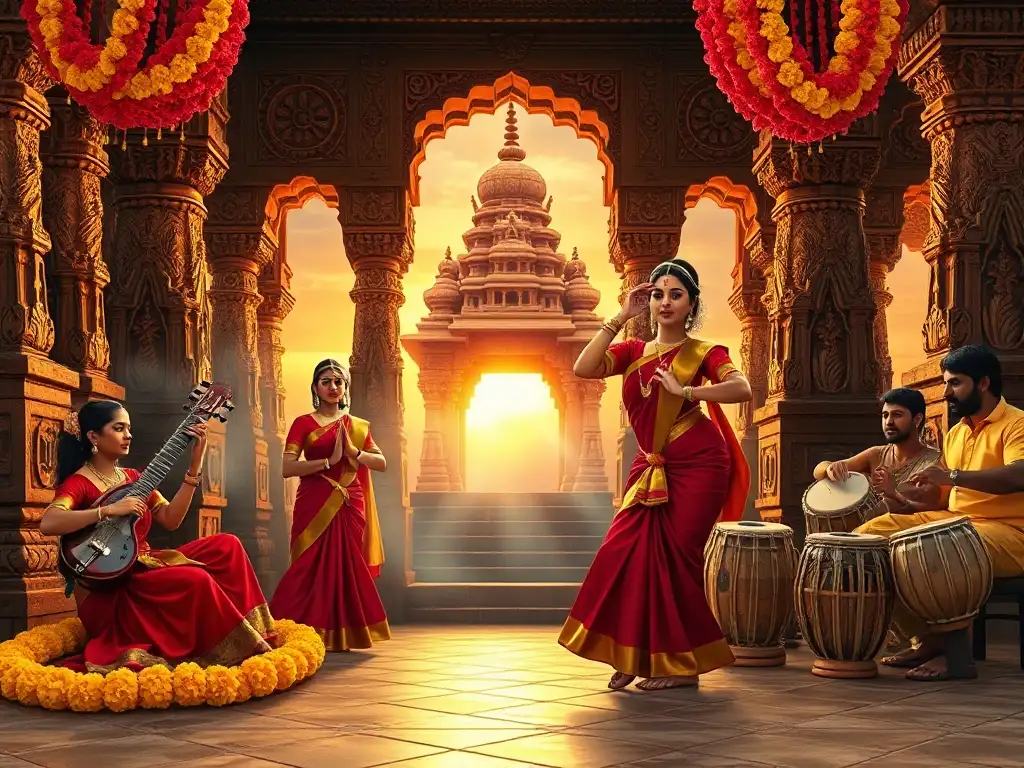
Ancient Indian dance and music offer profound lessons that transcend time, providing insights into the cultural and artistic expressions of a civilization that has deeply influenced global culture. These art forms are not merely historical artifacts; they embody philosophies, social values, and communal experiences that can guide future generations in understanding the importance of creativity, discipline, and cultural identity. By engaging with these ancient practices, individuals can cultivate a greater appreciation for their heritage, fostering a sense of belonging and continuity in an ever-evolving world.
Preserving Cultural Heritage through Dance and Music
The preservation of cultural heritage through dance and music is vital for maintaining the identity of ancient communities. Traditional forms such as Bharatanatyam, Kathak, and Hindustani classical music encapsulate stories, rituals, and beliefs that are intrinsic to Indian culture. These art forms serve as vehicles for transmitting historical narratives and moral values across generations.
By participating in and promoting these practices, communities can safeguard their cultural legacies. Dance and music schools, workshops, and festivals play a crucial role in this preservation. They not only provide a platform for learning but also encourage collaboration among artists, thereby ensuring that ancient styles are adapted and innovated upon while maintaining their core essence. In this way, future generations can experience the richness of their heritage while actively contributing to its evolution.
The Relevance of Ancient Practices in Modern Times
In a rapidly changing world, the relevance of ancient Indian dance and music remains significant. These art forms offer methods of expression that resonate with contemporary issues, such as identity, social justice, and emotional well-being. For instance, the themes depicted in classical dance narratives often reflect human experiences and societal challenges, making them relatable even today.
Moreover, the principles underlying ancient music—such as rhythm, improvisation, and harmony—find applications in modern genres, fostering creativity and innovation. By integrating ancient practices into contemporary performances, artists can create a dialogue between the past and the present, enriching the cultural landscape. This blend not only revitalizes interest in traditional forms but also emphasizes their adaptability and enduring significance.
Educational Benefits of Learning Ancient Indian Dance and Music
Engaging with ancient Indian dance and music provides numerous educational benefits that extend beyond artistic skills. Learning these art forms enhances cognitive abilities, including memory, concentration, and critical thinking. The discipline required in mastering intricate dance movements or musical compositions fosters perseverance and dedication.
Additionally, studies have shown that participation in the arts can improve emotional intelligence and empathy. Through the exploration of themes in dance and music, learners can gain insights into different cultures and perspectives, promoting inclusivity and understanding. Thus, incorporating ancient Indian dance and music into educational curriculums can cultivate well-rounded individuals who appreciate diversity and creativity.
Conclusion: The Enduring Legacy of Ancient Indian Dance and Music
The legacy of ancient Indian dance and music is a testament to the creativity and resilience of past civilizations. These art forms embody a wealth of knowledge and cultural richness that remains relevant today. As we reflect on the lessons they impart, it is essential to recognize their role in shaping future generations' identities and artistic expressions.
Reflection on the Cultural Significance
The cultural significance of ancient Indian dance and music extends far beyond mere entertainment. They represent a complex interplay of spirituality, philosophy, and social commentary. The narratives expressed through dance and the intricate melodies of music serve as reflections of the human experience, emphasizing themes of love, devotion, and the quest for knowledge. By engaging with these art forms, individuals can connect with their cultural roots and gain a deeper understanding of the values that have shaped their society.
Call to Action for Future Generations to Embrace and Explore
To ensure the continuation of this rich legacy, future generations must be encouraged to embrace and explore the world of ancient Indian dance and music. This can be achieved through community initiatives, educational programs, and the active participation of artists and scholars dedicated to promoting these art forms. By fostering an environment where creativity thrives, we can inspire young people to pursue their artistic passions and contribute to the ongoing narrative of their cultural heritage.
The legacy of ancient Indian dance and music is not just a relic of the past; it is a living, breathing part of our cultural identity that holds valuable lessons for the future. Let us commit to preserving, practicing, and celebrating this heritage, ensuring that it continues to inspire and enrich generations to come.
References and Further Reading on Ancient Indian Dance and Music
Understanding the rich heritage of ancient Indian dance and music requires a deep dive into its historical context, techniques, and cultural significance. Below are some recommended resources that provide valuable insights into this vibrant art form. These references encompass a variety of formats, including books, articles, and online materials.
Suggested Books and Articles
-
"The Dance of India" by A. M. R. Ranganathan
This comprehensive book explores the various dance forms of India, tracing their origins and evolution. It provides an in-depth analysis of the classical styles, including Bharatanatyam, Kathak, and Odissi, alongside their cultural significance.
-
"Indian Classical Dance: Tradition in Transition" by Ananda Shankar Jayant
This book delves into the transformation of classical dance in contemporary contexts while preserving traditional values. It highlights the challenges and innovations faced by dancers in the modern era.
-
"Music in India: The Classical Traditions" by N. Rajan
This work offers a thorough examination of both Hindustani and Carnatic music, detailing their historical development, theoretical frameworks, and performance practices, making it an essential read for understanding the music aspect of ancient Indian traditions.
-
"The Aesthetic Experience: A Study of Indian Art" by S. Kalidasa
This article discusses the philosophical underpinnings of Indian art forms, including dance and music, emphasizing their role in spiritual and cultural expression.
-
"Raga: A Musical Way of Life" by R. S. Sharma
This insightful book presents the concept of Raga in Indian classical music, illustrating its emotional depth and cultural significance through practical examples and historical narratives.
Online Resources for Learning Dance and Music
-
YouTube Channels:
Many channels are dedicated to ancient Indian dance and music, offering tutorials, performances, and discussions. Some popular ones include:
- Sharmila Dance Academy - features Bharatanatyam lessons and performances.
- Swaranjali Music - offers insights into Hindustani music and Raga performances.
-
Online Courses:
Platforms like Udemy and Coursera provide various courses on Indian classical dance and music, enabling learners to explore these art forms at their own pace. Look for courses taught by renowned experts in the field.
-
Websites and Blogs:
- Natyashastra Online - An informative site that provides resources, articles, and discussions about ancient Indian dance practices as outlined in Bharatanatyam.
- Indian Classical Music and Dance - A blog that features articles, interviews, and performances, connecting enthusiasts with the latest trends and traditional practices.
-
Social Media Groups:
Joining Facebook or Instagram groups dedicated to ancient Indian dance and music can provide a community for sharing knowledge, experiences, and resources. Look for groups that focus on specific dance forms or musical traditions.
By engaging with these references and resources, enthusiasts and scholars alike can gain a comprehensive understanding of the profound legacy of ancient Indian dance and music, ensuring that these art forms continue to inspire future generations.
- Introduction to Ancient Indian Dance and Music
- Historical Context of Ancient Indian Dance and Music
- Major Styles of Ancient Indian Dance
- The Role of Music in Ancient Indian Society
- Lessons from Ancient Indian Dance and Music for Future Generations
- Conclusion: The Enduring Legacy of Ancient Indian Dance and Music
- References and Further Reading on Ancient Indian Dance and Music
- What are the main influences on ancient Indian dance and music?
- How did the Indus Valley Civilization contribute to dance and music?
- What role did the Gupta Empire play in the development of dance and music?
- Why is understanding ancient Indian dance and music important for future generations?
- How can one learn about the legacy of ancient Indian dance and music today?
Frequently Asked Questions
What are the main influences on ancient Indian dance and music?
Ancient Indian dance and music were influenced by religious traditions, cultural exchanges, and regional diversity, which shaped their evolution over centuries.
How did the Indus Valley Civilization contribute to dance and music?
The Indus Valley Civilization showcased early forms of artistic expression, including figurines that suggest the presence of dance and the use of musical instruments, indicating a rich cultural life.
What role did the Gupta Empire play in the development of dance and music?
The Gupta Empire is often referred to as the Golden Age of India, where classical forms of dance and music flourished, leading to the establishment of dance styles like Bharatanatyam and the art of music performance.
Why is understanding ancient Indian dance and music important for future generations?
Understanding ancient Indian dance and music helps preserve the cultural heritage and provides insights into the values, traditions, and artistic expressions of past civilizations, enriching contemporary culture.
How can one learn about the legacy of ancient Indian dance and music today?
One can explore the legacy through workshops, performances, and educational programs that focus on historical techniques, styles, and the significance of ancient practices in modern contexts.
Final Reflection: Embracing the Timeless Legacy of Ancient Indian Dance and Music
The rich tapestry of ancient Indian dance and music continues to resonate in today's world, reminding us that art transcends time and culture. As we navigate a rapidly changing society, the lessons embedded in these art forms offer profound insights into our shared humanity and the importance of preserving our cultural heritage. The rhythms and movements of ancient traditions not only entertain but also educate, fostering a deeper understanding of our roots and the values that shape our identities.
The influence of ancient Indian dance and music is evident in contemporary art forms, inspiring countless artists and performers to draw from this wellspring of creativity. The intricate storytelling, emotional depth, and spiritual connection found in these traditions serve as a reminder of the power of art to unite and uplift communities. As the renowned dancer and choreographer, Uday Shankar, once said, Dance is the hidden language of the soul.
This sentiment captures the essence of how these ancient practices continue to speak to us, bridging gaps across generations and cultures.
As we reflect on the legacy of ancient Indian dance and music, I invite you to consider how these art forms can enrich your own life. Take a moment to explore and engage with these traditions, whether through learning a dance, listening to classical compositions, or attending a performance.
By embracing the lessons of the past, we can cultivate a deeper appreciation for our cultural heritage and inspire future generations to carry forward the vibrant legacy of ancient Indian dance and music. Let us honor this timeless art by integrating its wisdom into our lives, ensuring that its beauty and significance endure for years to come.
Embrace the Rhythm: Keep Ancient Traditions Alive!
Thank you for taking the time to explore the rich legacy of ancient Indian dance and music. Your interest in these vibrant art forms is a vital step towards preserving and celebrating our cultural heritage. Now, it’s time to take this inspiration and translate it into action!
Here are a few meaningful steps you can take:
- Join a local dance or music class to immerse yourself in the traditions firsthand. Choose a form that resonates with you, whether it’s Bharatanatyam, Kathak, or another captivating style!
- Share your newfound knowledge! Engage in discussions about the significance of these art forms with friends or on social media to spark conversations and raise awareness.
- Attend performances or workshops in your community to support artists while deepening your appreciation for their craft.
What will you do today to honor and uphold the incredible legacy of our ancient culture?