
The Significance of Ragas: Understanding the Melodic Framework of Ancient Indian Music

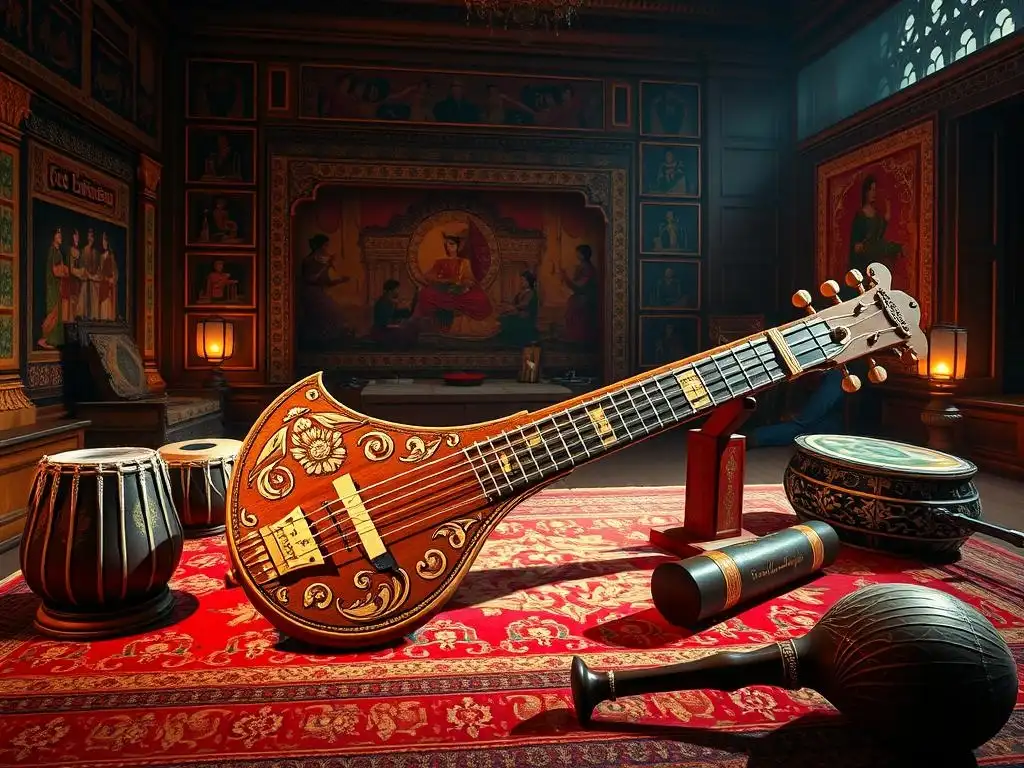
Welcome to Ancient India History, where we invite you to embark on an enlightening journey through the rich tapestry of ancient Indian civilizations. In this article, we delve into the enchanting world of ancient Indian music ragas, revealing their profound significance and the melodic frameworks that have shaped India’s artistic expression for centuries. Discover how these intricate musical structures not only reflect the cultural essence of the time but also resonate with the rhythms of life itself. Get ready to explore the harmonious blend of history and art that awaits you!
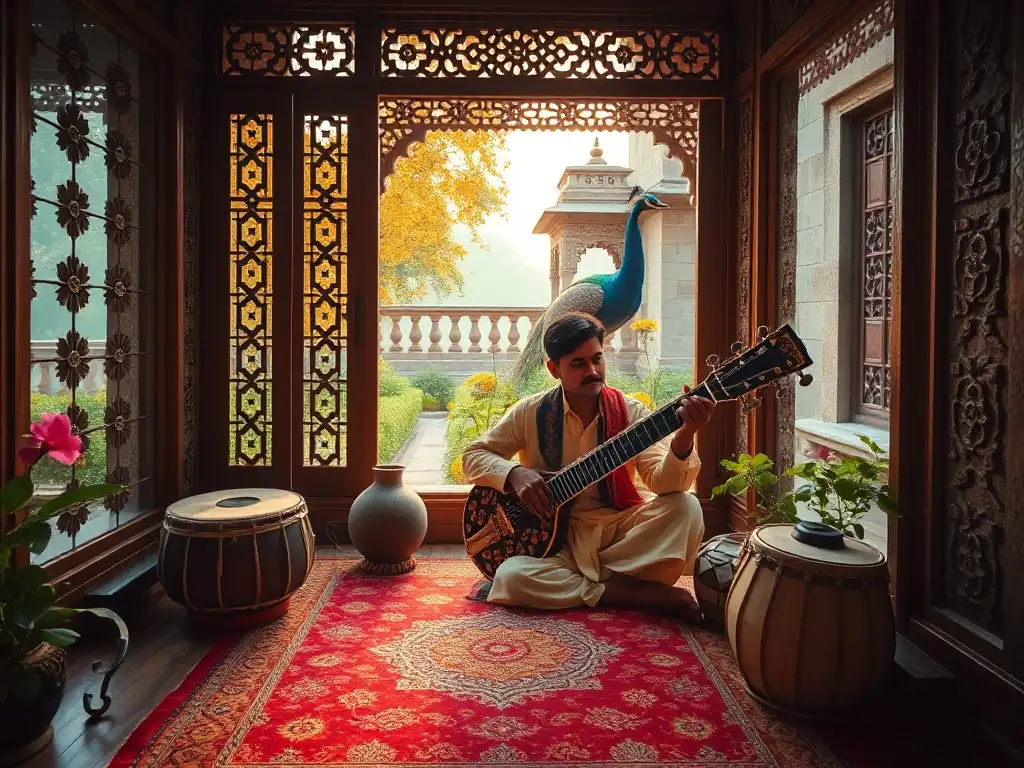
Ancient Indian music, with its intricate structures and profound emotional depth, is an essential aspect of the rich cultural tapestry of the subcontinent. Among its most defining features are ragas, which serve as the melodic framework for composition and improvisation. This article delves into the significance of ragas, exploring their definitions, historical contexts, and their roles in ancient Indian music. By understanding these elements, we gain insight into how ragas shaped not only musical practice but also cultural expression and emotional communication throughout ancient India.
Introduction to Ancient Indian Music Ragas
Definition of Ragas in Indian Classical Music
Ragas are more than just musical scales; they embody specific emotional states and are integral to the performance of Indian classical music. A raga consists of a set of notes that form the basis for improvisation and composition. Each raga is characterized by:
- Arohana (ascending scale) and Avarohana (descending scale)
- Vadi (the most important note)
- Samavadi (the second most important note)
- Pakad (the catchphrase or characteristic phrase of the raga)
The interplay of these elements allows musicians to evoke various moods, or bhavas, making ragas a powerful tool for artistic expression.
Historical Context of Ragas in Ancient India
The concept of ragas has roots that trace back thousands of years, with references found in ancient texts such as the Natya Shastra and the Sama Veda. These texts highlight the significance of music in rituals and daily life, underscoring how ragas were used to connect with the divine as well as to narrate stories.
Ragas evolved through different historical periods, influenced by cultural exchanges and regional practices. They were not merely artistic expressions but also integral to social and religious ceremonies, illustrating their importance in ancient Indian society.
The Role of Ragas in Ancient Indian Music
Importance of Ragas in Cultural Expression
In ancient India, ragas played a pivotal role in cultural expression. They were intertwined with various art forms, including dance, theater, and poetry. Each raga was associated with specific times of the day and seasons, enhancing its emotional resonance. For instance:
- Morning ragas often conveyed freshness and energy.
- Evening ragas evoked feelings of tranquility and introspection.
This connection between ragas and the natural world created a rich tapestry of cultural practices, where music transcended mere entertainment and became a profound means of communication and ritual.
Ragas as a Tool for Emotional Communication
Ragas serve as a powerful medium for emotional communication, allowing musicians to convey complex feelings through sound. Different ragas are believed to resonate with specific emotions, enabling listeners to experience a range of sentiments. For example:
- Raga Yaman is often associated with devotion and love.
- Raga Bhairav evokes a sense of awe and reverence.
This emotional depth makes ragas not just musical constructs, but vital expressions of the human experience, bridging the gap between the artist and the audience.
The significance of ragas in ancient Indian music lies in their ability to encapsulate emotions, enhance cultural expression, and connect deeply with the audience, making them a vital component of India's artistic heritage.
Components of Ragas in Ancient Indian Music
Ragas are intricate melodic frameworks that form the backbone of ancient Indian music, embodying both a rich theoretical structure and an emotional depth. The components of ragas consist primarily of swara (notes), aakar (melody), and vadi (dominant note), each serving a distinct function in the overall composition.
- Swara: These are the individual musical notes, akin to Western musical scales. In the Indian classical music system, there are seven primary swaras - Sa, Re, Ga, Ma, Pa, Dha, and Ni - each representing different pitches. The specific arrangement and selection of these swaras define the unique identity of each raga.
- Aakar: This component refers to the melodic contour or the way notes are connected to create a phrase. Aakar emphasizes the fluidity and expressiveness of ragas, allowing musicians to convey emotions effectively.
- Vadi and Samvadi: The vadi is the most important note in a raga, while the samvadi serves as a complementary note that enhances the melodic structure. Together, these notes create a foundation for improvisation and further exploration within the raga.
- Pakad: This is a characteristic phrase or motif that encapsulates the essence of the raga, making it recognizable. The pakad is crucial for both performers and listeners, as it anchors the improvisation within the raga's framework.
Melodic Structure of Ragas
The melodic structure of ragas is defined by their specific combinations of swaras and the rules governing their ascent (aroha) and descent (avaroha). Each raga possesses a unique scale that dictates which notes are permissible and how they should be approached.
- Arohana and Avarohana: Arohana refers to the ascending order of notes, while avarohana refers to the descending order. For instance, in Raga Yaman, the arohana is Sa, Re, Ga, Ma (tivra), Pa, Dha, Ni, Sa, and the avarohana is Sa, Ni, Dha, Pa, Ma (tivra), Ga, Re, Sa. This structured ascent and descent are pivotal in establishing the raga's mood.
- Raga Rules and Guidelines: Each raga comes with specific rules regarding which notes can be played and how they should be executed. For example, some ragas may utilize microtones (shrutis) that allow for subtle variations in pitch, enhancing emotional expression.
- Improvisation: The melodic structure also provides a framework for improvisation, where musicians explore and expand upon the raga while adhering to its rules. This improvisatory nature is a hallmark of ancient Indian music, allowing for personal expression within a traditional context.
The Use of Rhythm (Tala) in Association with Ragas
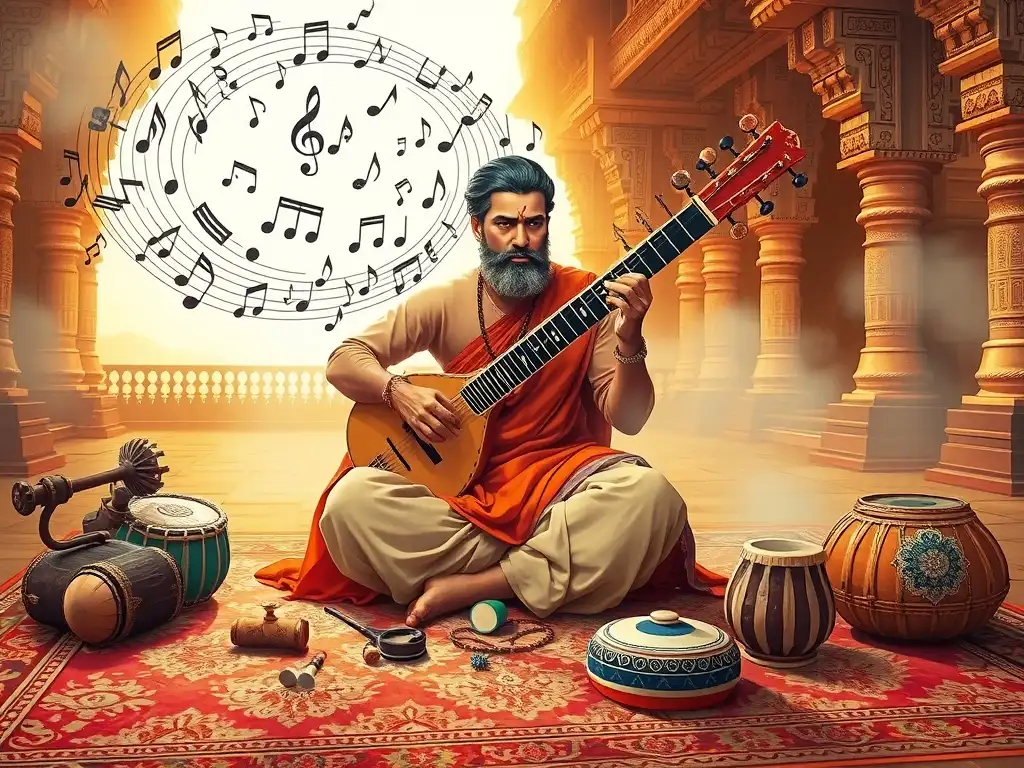
In ancient Indian music, the interplay between ragas and tala (rhythm) is crucial for creating a cohesive musical experience. Tala provides the temporal framework that supports the melodic exploration of ragas.
- Tala Systems: Various tala systems exist, each characterized by different beats and cycles. Common talas include Teentaal (16 beats) and Ektaal (12 beats). The choice of tala can significantly influence the mood and style of a performance.
- Synchrony with Ragas: The synchronization of ragas with tala creates a rhythmic foundation that enhances the melodic expression. Musicians often use specific talas that complement the emotional quality of the raga being performed, allowing for a more profound connection with the audience.
- Improvisation and Rhythm: Just as with melodies, improvisation occurs within the framework of tala. Musicians skillfully navigate through rhythmic patterns, creating intricate variations and embellishments that add depth to the performance.
Theoretical Framework of Ragas
The theoretical framework of ragas encompasses a well-defined set of principles and concepts that govern their structure and performance. This framework is deeply rooted in ancient texts and treatises, which have laid the groundwork for understanding ragas in Indian classical music.
Classification of Ragas: Types and Categories
Ragas can be classified into various types and categories based on different criteria, including mood, time of day, and season.
- Moods (Rasa): Each raga is associated with specific emotions, known as rasa. For instance, Raga Bhimpalasi evokes feelings of longing, while Raga Darbari Kanada conveys a sense of seriousness and depth.
- Temporal Classification: Some ragas are designed to be performed at specific times of the day or night, reflecting their inherent mood. For example, Raga Yaman is traditionally performed in the evening, while Raga Bhairav is suited for the morning.
- Seasonal Ragas: Certain ragas are also linked to particular seasons, enhancing their emotional impact. Raga Malhar, for instance, is often associated with the monsoon, invoking the essence of rain.
The Concept of Raga and Its Mood (Rasa)
The concept of raga in ancient Indian music is intricately tied to the notion of rasa, which refers to the emotional essence conveyed through the music. Each raga is designed to evoke specific feelings, creating a profound connection between the performer and the audience.
- Emotional Expression: The use of specific swaras, phrases, and rhythmic patterns within a raga is strategically employed to elicit emotional responses. Musicians study these emotional qualities to master the art of expression.
- Cultural Significance: The rasa associated with a raga reflects broader cultural values and human experiences, making it a vital aspect of ancient Indian music. The ability to convey emotions through ragas underscores their significance in both performance and everyday life.
- Impact on the Listener: The impact of ragas on listeners can be instantaneous and powerful, often transcending mere auditory experience to touch the soul. This profound emotional connection is what makes ragas a cornerstone of ancient Indian music and culture.
Evolution of Ragas in Ancient Indian Music
The concept of ragas is fundamental to ancient Indian music, serving as a melodic framework that not only guides the composition of music but also evokes emotions and sets moods. The evolution of ragas can be traced back to the Vedic period, where the foundational elements of music were laid out in texts such as the Samaveda. These early forms of music were ritualistic and primarily focused on the chants and melodies sung during religious ceremonies.
As time progressed, ragas underwent significant transformations influenced by various factors, including philosophical ideas, cultural exchanges, and the geographical diversity of India. By the time of the Gupta Empire, ragas had matured into complex structures, characterized by specific patterns of notes (swaras) and their respective relationships. This period is often considered a golden age for the arts in India, where music began to flourish alongside dance and drama, leading to a richer understanding of melodic frameworks.
Historical Development of Ragas Over Time
The development of ragas can be divided into several key phases:
- Vedic Period (1500 - 500 BCE): The roots of ragas can be found in the Samaveda, where melodies were used for chanting hymns. This era laid the groundwork for melodic structures but did not formalize ragas as they are known today.
- Classical Period (500 BCE - 1200 CE): With the emergence of texts like the Natyashastra by Bharata Muni, the theoretical framework for ragas began to take shape. This text detailed the characteristics, emotional expressions (rasa), and the performance practices associated with music and dance.
- Medieval Period (1200 - 1700 CE): The arrival of Persian influences during the Delhi Sultanate and Mughal Empire introduced new scales and genres, enriching the existing raga system. This era saw the fusion of Hindustani and Carnatic music traditions, leading to the creation of many new ragas.
- Modern Period (1700 CE - Present): The late medieval period and colonial influence led to the formalization of ragas in musical compositions and performances. Efforts to document ragas in notations, such as the notational systems introduced by musicians like Ahir Bhairav and Tansen, made them more accessible to future generations.
Influence of Regional Variations on Ragas
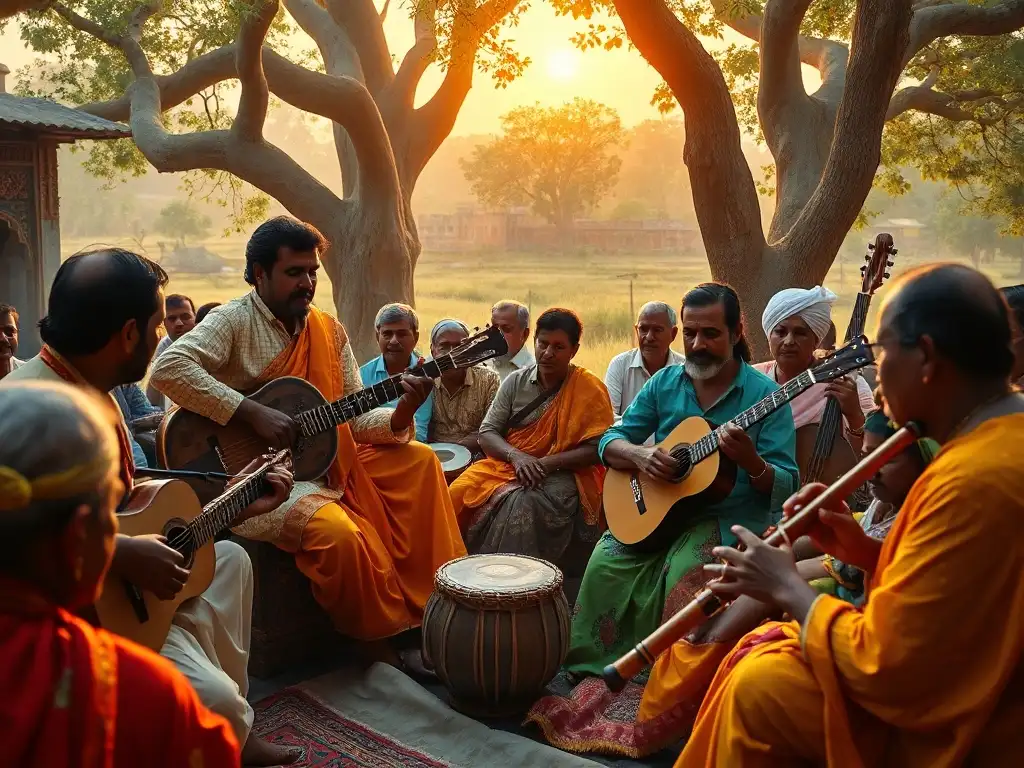
Ancient Indian music is characterized by its regional diversity, which significantly influenced the development of ragas. Different geographical areas cultivated distinct musical styles, leading to variations in the interpretation and performance of ragas.
- North India: In the Hindustani tradition, ragas are influenced by the prevailing folk music, local dialects, and cultures. For instance, ragas like Yaman and Bhimpalasi reflect the melodic preferences of the northern regions, often incorporating elements of improvisation and expressive ornamentation.
- South India: In the Carnatic tradition, ragas like Kalyani and Bhairavi exhibit a structured approach, with emphasis on complex rhythms and intricate compositions. The regional devotion to classical forms has preserved many ancient ragas while also allowing for local adaptations.
- Cultural Exchange: The movement of people and ideas across India facilitated the blending of musical traditions, leading to hybrid forms of ragas that encapsulate diverse influences. This can be seen in the emergence of fusion ragas that borrow elements from both Hindustani and Carnatic music.
Prominent Ragas in Ancient Indian Music
Throughout ancient Indian music, several ragas have emerged as significant due to their emotional depth and complexity. Each raga possesses distinct characteristics, making them unique and essential to the musical landscape.
Analysis of Key Ragas and Their Characteristics
- Raga Yaman:
- Time of Performance: Evening
- Notes: Utilizes all seven notes (swaras) with a specific emphasis on the sharp fourth (ma#).
- Emotion: Evokes feelings of devotion and longing. It is often used in romantic compositions.
- Raga Bhimpalasi:
- Time of Performance: Late afternoon
- Notes: This raga features a mix of both flat and sharp notes, creating a unique sound palette.
- Emotion: Conveys a sense of melancholic yearning, often associated with the beauty of nature.
- Raga Kedar:
- Time of Performance: Night
- Notes: Characterized by the use of the minor third (re) and the flat seventh (ni), giving it a distinct flavor.
- Emotion: Reflects deep devotion and introspection, often performed in spiritual contexts.
- Raga Shree:
- Time of Performance: Late night
- Notes: Features a combination of both major and minor intervals, creating a rich harmonic structure.
- Emotion: Expresses a sense of tranquility and peace, making it suitable for meditation.
These prominent ragas illustrate the intricate relationship between melody, emotion, and cultural expression in ancient Indian music, showcasing the importance of ragas in shaping the musical heritage of the subcontinent.
The Impact of Ragas on Other Art Forms
The concept of ragas in ancient Indian music extends beyond mere melody; it serves as a foundational influence on various art forms, weaving a rich tapestry of cultural expression. Ragas, characterized by their emotional resonance and specific timeframes for performance, have significantly shaped the realms of dance, poetry, and literature, creating a profound interconnection between these artistic disciplines.
Ragas in Dance Forms of Ancient India
The integration of ragas into dance forms such as Bharatanatyam, Kathak, and Odissi highlights the expressive potential of music in conveying emotion and storytelling. Each raga is tailored to evoke specific sentiments, and dancers often synchronize their movements with the melodic nuances of the ragas.
- Bharatanatyam: This classical dance form employs ragas to enhance the emotional depth of the narrative. For instance, the raga "Shankarabharanam" is often used to depict joy and celebration, allowing dancers to express these themes through intricate footwork and facial expressions.
- Kathak: In Kathak, the improvisational nature of the dance allows performers to interpret ragas in real-time, creating a dynamic dialogue between music and movement. The use of specific ragas can dictate the mood and tempo of the performance, facilitating a deeper connection with the audience.
The synergy between ragas and dance forms not only enriches the performance but also preserves the cultural heritage of ancient India, allowing for a vibrant exchange of artistic ideas.
Influence of Ragas on Poetry and Literature
Ragas have also left an indelible mark on ancient Indian poetry and literature. Poets utilized the emotional qualities of ragas to enhance their lyrical compositions. The thematic depth of ragas inspired diverse poetic forms, from classical verses to folk songs, allowing for a rich exploration of human emotions.
- Sanskrit Literature: In classical Sanskrit poetry, ragas were often referenced to convey specific moods, reinforcing the emotional tone of the verses. For example, the raga "Malhar" is associated with the monsoon season, inspiring poets to evoke feelings of longing and rejuvenation.
- Folk Traditions: Folk songs across various regions of India often incorporate ragas to narrate stories and convey cultural values. This oral tradition highlights the accessibility of ragas, making them an integral part of everyday life and communal gatherings.
The interplay between ragas and literature not only showcases the versatility of musical expressions but also underscores the importance of music as a vehicle for storytelling and cultural continuity.
Conclusion: The Enduring Legacy of Ragas in Ancient Indian Music
Ragas represent a cornerstone of ancient Indian music, illustrating the profound impact of melody on various forms of artistic expression. Their ability to convey emotions and narratives has transcended time, ensuring that the legacy of ragas continues to resonate within the cultural fabric of India.
Contemporary Relevance of Ancient Indian Music Ragas
In today's world, the relevance of ancient Indian music ragas persists, influencing contemporary musicians and artists. Modern interpretations of ragas can be found in various genres, from fusion music to film scores, showcasing their adaptability and timeless appeal.
- Fusion Music: Artists are increasingly blending traditional ragas with Western music styles, creating innovative sounds that resonate with diverse audiences. This genre fusion not only honors the roots of ragas but also introduces them to new listeners, ensuring their ongoing relevance.
- Film Industry: The Indian film industry frequently incorporates ragas into soundtracks, enhancing emotional depth and narrative impact. Composers utilize the unique qualities of ragas to evoke specific feelings, making them a staple in Bollywood and regional cinema.
Future of Ragas in Modern Interpretations and Performances
As the world evolves, the future of ragas in modern interpretations looks promising. The ongoing exploration of ragas by new generations of musicians and performers indicates a vibrant future for this ancient art form.
- Education and Workshops: More educational institutions are incorporating ragas into their curriculum, fostering appreciation and understanding among young musicians. Workshops and masterclasses led by renowned artists ensure that traditional knowledge is passed down, keeping the essence of ragas alive.
- Digital Platforms: With the rise of digital platforms, the accessibility of ragas has increased, enabling artists to share their interpretations globally. Online performances, tutorials, and collaborations across borders are fostering a renewed interest in ancient Indian music ragas, bridging cultural gaps.
The enduring legacy of ragas continues to inspire and influence various art forms, ensuring that the melodic framework of ancient Indian music remains a vital part of cultural expression today and in the future.
- Introduction to Ancient Indian Music Ragas
- The Role of Ragas in Ancient Indian Music
- Components of Ragas in Ancient Indian Music
- Melodic Structure of Ragas
- The Use of Rhythm (Tala) in Association with Ragas
- Theoretical Framework of Ragas
- Evolution of Ragas in Ancient Indian Music
- Historical Development of Ragas Over Time
- Influence of Regional Variations on Ragas
- Prominent Ragas in Ancient Indian Music
- The Impact of Ragas on Other Art Forms
- Conclusion: The Enduring Legacy of Ragas in Ancient Indian Music
Frequently Asked Questions
What are ragas in the context of ancient Indian music?
Ragas are melodic frameworks used in ancient Indian music that serve as the basis for improvisation and composition, embodying specific emotions and moods.
How did ragas influence ancient Indian culture?
Ragas played a crucial role in ancient Indian culture by influencing spiritual practices, rituals, and social gatherings, often used to convey philosophical concepts and emotional expressions.
What is the relationship between ragas and the time of day?
In ancient Indian music, each raga is associated with a specific time of day or season, believed to enhance its emotional impact and resonate with the listener at the right moment.
How are ragas classified in ancient Indian music?
Ragas are typically classified into two main categories: Hindustani (North Indian) and Carnatic (South Indian), each with its own set of rules, scales, and ornamentation techniques.
What role did ragas play in the Gupta Empire?
During the Gupta Empire, the significance of ragas grew as they became integral to the patronage of arts, leading to advancements in music theory and performance, reflecting the empire's cultural richness.
Final Reflection: The Enduring Legacy of Ancient Indian Music Ragas
The exploration of ancient Indian music ragas reveals their profound significance in both historical and contemporary contexts. As we navigate a world increasingly dominated by fast-paced digital sounds, the timeless melodies of ragas remind us of the deep emotional and spiritual connections that music can foster. These intricate frameworks not only serve as a foundation for musical expression but also as a bridge to our cultural heritage, inviting us to engage with the past in meaningful ways.
The influence of ragas extends far beyond mere musical notes; they shape our cultural identity and social interactions. The intricate patterns and emotional depth embedded in each raga resonate with listeners, creating a shared experience that transcends generations. As noted by renowned musician Ravi Shankar, Ragas are not just a form of music; they are a way of life, a reflection of our emotions and experiences.
This sentiment underscores the importance of preserving and promoting the rich tradition of ancient Indian music, as it continues to inspire artists and audiences alike.
As we reflect on the significance of ragas in our lives, let us embrace the opportunity to explore and appreciate this ancient art form. Take a moment to listen to a raga, allowing its melodies to wash over you and evoke your own emotions. In doing so, you not only honor the legacy of ancient Indian music but also enrich your own life with the beauty and wisdom that these timeless compositions offer. Let the ragas guide you on a journey of self-discovery and connection, reminding us all of the universal language of music that binds us together.
Unveil the Magic of Ragas!
Thank you for diving into the world of Ragas and exploring the rich melodic framework of ancient Indian music! By learning about these musical structures, you're gaining insight into a profound cultural heritage that resonates through centuries. Now, it’s time to take that knowledge further and immerse yourself even deeper into this enchanting realm.
Here are some engaging steps you can take next:
- Listen to Ragas: Discover the soothing and complex beauty of Ragas by listening to live performances or recordings. Consider starting with iconic artists like **Ravi Shankar** or **Zakir Hussain** to fully appreciate their artistry.
- Explore Raga Classes: Seek out a workshop or an online course to enhance your understanding and skills. Working with an experienced teacher can significantly deepen your appreciation of this musical tradition.
- Share Your Passion: Engage with fellow music enthusiasts on social media platforms or forums. Initiate discussions about your favorite Ragas and gain insights from others’ experiences.
What Raga resonates most with you, and how do you plan to incorporate its beauty into your life? Let’s share our thoughts!