
How Social Status Influenced Family Dynamics in Ancient India

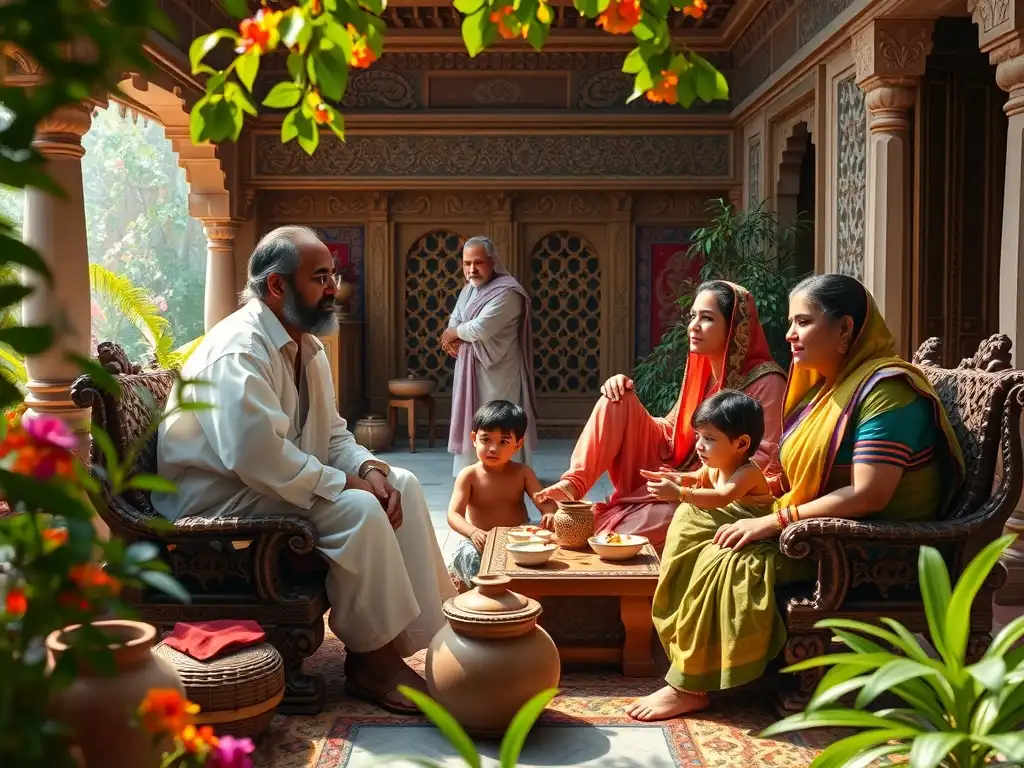
Welcome to Ancient India History, where we embark on an enlightening journey through the rich tapestry of ancient Indian civilizations. In our featured article, “How Social Status Influenced Family Dynamics in Ancient India,” we delve into the intricate relationships that shaped society from the Indus Valley to the Gupta Empire. Have you ever wondered how social hierarchies affected familial roles and interactions in these ancient cultures? Join us as we unveil the fascinating connections between social status and family dynamics, and prepare to be captivated by the vibrant stories that lie ahead. Your exploration of the past starts here!
- Introduction to Social Status and Family Dynamics in Ancient India
- Understanding Social Status in Ancient India
- Family Dynamics Influenced by Social Status
- Case Studies of Family Dynamics in Ancient India
- The Influence of Religion and Philosophy on Family Dynamics
- Conclusion: The Legacy of Social Status on Family Dynamics
- References and Further Reading
-
Frequently Asked Questions
- What role did social status play in family dynamics in ancient India?
- How did caste system affect family relationships in ancient India?
- Were there differences in family dynamics based on regional variations?
- How did economic status impact family roles and responsibilities?
- What were the implications of social mobility on family dynamics?
- Final Reflection: The Enduring Legacy of Social Status on Family Dynamics
- Uncover Your Family's Legacy Today!
Understanding the intricate relationship between social status and family dynamics is crucial to comprehending the daily life and societal structure of ancient India. The nuances of caste systems, social hierarchies, and familial roles played a significant part in shaping the interactions and relationships within families.
From the well-established framework of the Indus Valley Civilization to the diverse practices observed during the Gupta Empire, social status influenced everything from marriage arrangements to inheritance practices, ultimately defining the lived experiences of individuals in ancient Indian society. This article will explore how these social constructs influenced family dynamics and the broader implications for understanding ancient Indian civilization as a whole.
Overview of Ancient Indian Society
Ancient Indian society was characterized by a complex tapestry of cultures, languages, and traditions that evolved over millennia. Central to this society was the caste system, which stratified individuals into hierarchical groups based on occupation, social status, and religious beliefs. The four primary varnas—Brahmins (priests and scholars), Kshatriyas (warriors and rulers), Vaishyas (merchants and landowners), and Shudras (laborers and service providers)—formed the backbone of social organization.
- Caste Hierarchy: The rigid structure of the caste system dictated not only social interactions but also familial relationships and responsibilities, leading to a society where lineage and status were paramount.
- Family Structures: Families in ancient India were often extended, with multiple generations living together. This setup reinforced social norms and responsibilities, where elders held significant authority within the family unit.
Social status in ancient India was not merely a reflection of wealth or power; it was deeply intertwined with religious and cultural beliefs, influencing various aspects of life, including marriage, education, and occupation. The importance of social status can be observed through several key dimensions:
- Marriage Practices: Marriages were often arranged to maintain or elevate social standing, with families seeking alliances that would enhance their caste or status.
- Inheritance and Property Rights: Laws governing inheritance were often dictated by social status, with higher castes typically enjoying more favorable rights compared to those of lower status.
- Role of Women: Women's social status significantly impacted their roles within the family. Higher caste women often had more restrictions and fewer rights compared to their lower caste counterparts, affecting their autonomy and familial influence.
Purpose of the Article
The purpose of this article is to delve deeper into the ways social status shaped family dynamics in ancient India. By examining historical texts, archaeological findings, and cultural practices, this exploration will illuminate the profound impact of social hierarchies on family structures, relationships, and daily life. Through this analysis, readers will gain a comprehensive understanding of how these dynamics contributed to the broader narrative of ancient Indian civilization, highlighting the interconnectedness of social status and family life in shaping the course of history.
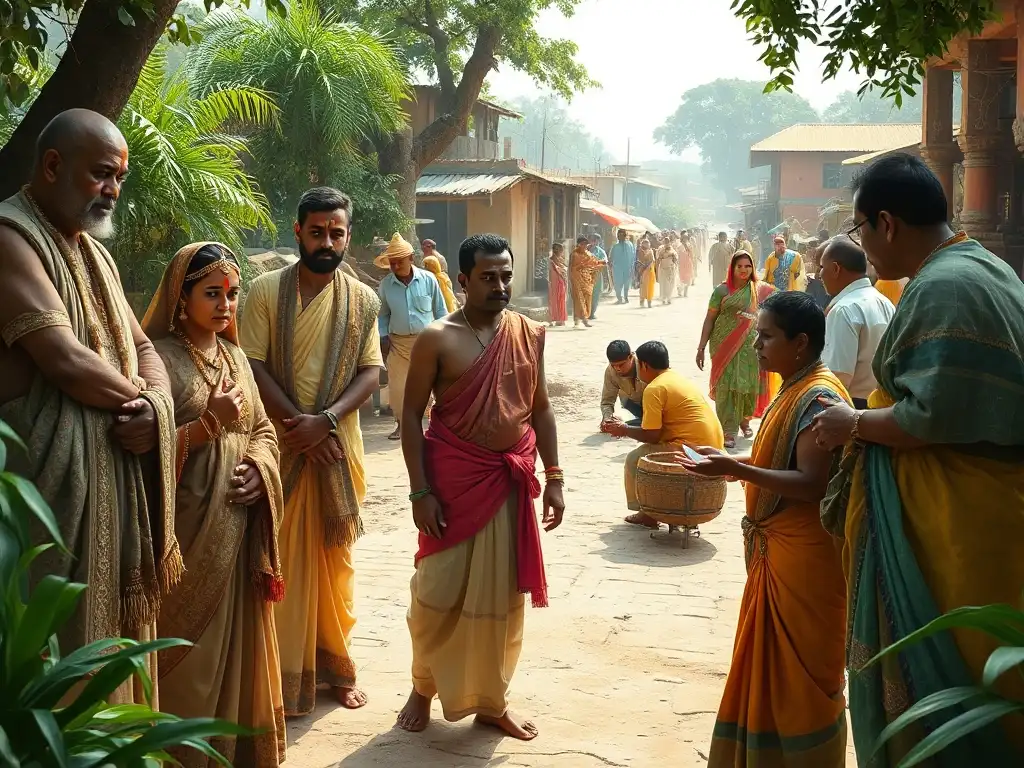
Social status in ancient India was a multifaceted concept deeply intertwined with various elements such as occupation, wealth, education, and lineage. It was not merely a reflection of one's economic standing but was significantly influenced by cultural and religious factors. The caste system, known as Varna, played a pivotal role in defining an individual's social status, dictating their rights, duties, and social interactions.
In ancient Indian society, individuals were categorized into four primary Varnas:
- Brahmins (priests and scholars)
- Kshatriyas (warriors and rulers)
- Vaishyas (traders and agriculturists)
- Shudras (laborers and service providers)
The social status associated with these Varnas shaped not only personal identity but also family dynamics, influencing marriage alliances, inheritance rights, and the roles within the household. For instance, families belonging to higher Varnas enjoyed privileges such as access to education and political power, while those in lower Varnas often faced social restrictions.
Varna System and Its Impact on Family Structure
The Varna system significantly impacted family structure and dynamics in ancient India. Each Varna had its own prescribed duties and responsibilities, which were often passed down through generations, fostering a sense of continuity and tradition within families.
- Brahmin Families: Typically, Brahmin families placed a strong emphasis on education and spiritual practices. Children were trained in religious texts and rituals from a young age. Marriages within this Varna were often arranged to maintain or enhance social status. The eldest son usually inherited family rituals and responsibilities, reinforcing the family's Brahmanical identity.
- Kshatriya Families: In Kshatriya households, the emphasis was placed on valor and governance. Sons were groomed for leadership roles, and family dynamics revolved around military training and political alliances. Marriages were strategic, aiming to forge alliances with other powerful families, thus consolidating social status.
- Vaishya Families: Business acumen characterized Vaishya families. Family dynamics often revolved around trade and agriculture, with members working collaboratively to enhance family wealth. Social status was reflected in the prosperity of the family business, influencing marriage choices and community standing.
- Shudra Families: In contrast, Shudra families had limited social mobility and were often confined to manual labor. Their family dynamics were shaped by economic necessity, and marriages were frequently arranged within the same social group to maintain status and labor roles.
The Varna system thus created a structured social framework that dictated interpersonal relationships within families, influencing everything from daily interactions to significant life events such as marriages and inheritance.
Social hierarchies in ancient India permeated daily life, affecting not only family dynamics but also community interactions and individual behaviors. The established social order dictated where individuals could live, whom they could associate with, and the roles they were expected to fulfill.
- Caste-Based Interactions: Daily interactions were heavily influenced by caste affiliations. For instance, members of higher Varnas often interacted primarily within their social class, limiting cross-caste relationships. This segregation reinforced existing hierarchies and maintained social order.
- Marriage Practices: Marriages were a crucial aspect of maintaining social status. Families sought alliances that would enhance their social standing, often resulting in endogamy, where individuals married within their caste. This practice not only preserved social structures but also solidified family ties and power dynamics.
- Religious and Cultural Practices: Religious rituals and cultural practices were often stratified along social lines. Higher-status families had the means to participate in elaborate ceremonies, while lower-status families faced restrictions in participation. This disparity created a visible hierarchy within communities, influencing how families perceived and interacted with one another.
- Economic Roles: Economic roles were also dictated by social status. Higher-status individuals often engaged in trade, politics, or religious duties, while lower-status individuals provided labor and services. This division of labor reinforced social hierarchies, shaping family dynamics around economic necessity and social expectations.
The influence of social status on family dynamics in ancient India was profound. The Varna system and social hierarchies created a structured society where family roles, relationships, and interactions were dictated by one's position within this complex social framework. Understanding these dynamics offers vital insights into the daily lives and societal structures of ancient Indian civilizations.
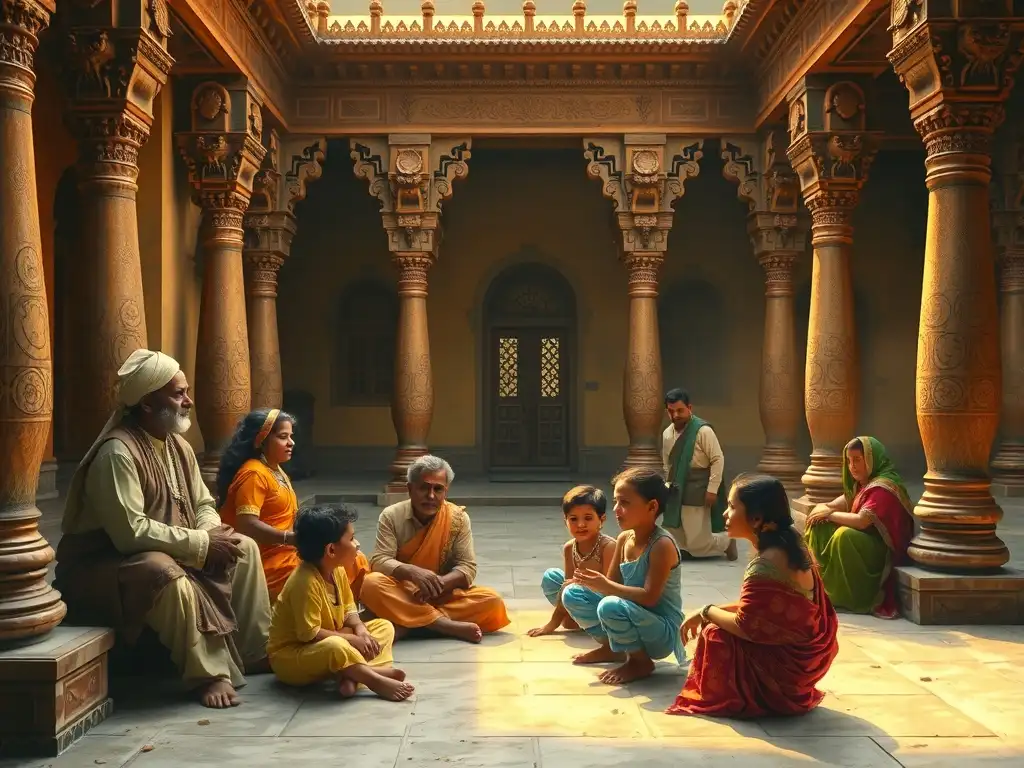
In ancient India, family dynamics were significantly influenced by social status, particularly concerning marital practices. The stratification of society into distinct caste systems dictated the norms and expectations surrounding marriage. Each caste had its own set of practices and rituals that were essential in maintaining social order and preserving family honor.
Arranged Marriages Across Different Social Tiers
Arranged marriages were the norm in ancient India, often serving as a strategic alliance between families rather than a union based on love. Families would select partners for their children based on social standing, economic stability, and familial connections. The upper castes, such as the Brahmins and Kshatriyas, placed high importance on preserving their lineage and reputation, often opting for matches within their own caste or closely related ones.
- Brahmins: In Brahmin families, marriages were often arranged to strengthen ties with other influential families, ensuring that their children would uphold the family's status.
- Kshatriyas: Similarly, Kshatriya marriages often focused on alliances that could enhance military and political power.
- Vaishyas and Shudras: For the merchant and laborer classes, arranged marriages were also common, but the emphasis was more on economic compatibility and social mobility rather than preserving caste purity.
This practice not only reinforced social hierarchies but also dictated the roles and responsibilities assigned to individuals within the family structure.
Impact of Dowry on Family Dynamics
Dowry, the transfer of parental property or wealth to the groom and his family, played a crucial role in shaping family dynamics in ancient India. The institution of dowry was predominantly practiced among the upper and middle classes, where families were expected to provide substantial dowries to secure advantageous marriages for their daughters.
- The size of the dowry often reflected the social status of the bride's family, impacting familial relationships and expectations.
- Families that could not meet dowry demands faced social stigma and pressure, leading to tensions within families.
The dowry system further entrenched social divisions, as families with lower social standing struggled to navigate the expectations placed upon them, often resulting in economic hardships and strained relationships.
Parenting styles in ancient India were also heavily influenced by social status, with distinct differences observable between the upper and lower castes. The approach to child-rearing was intertwined with the socio-economic realities of each caste, shaping the values and skills imparted to children.
Education and Upbringing in Higher Castes
In higher castes, particularly among Brahmins and Kshatriyas, education was highly valued and often formalized. Boys would typically receive instruction in sacred texts, philosophy, and martial skills, preparing them for leadership roles within society.
- Brahmin Boys: The emphasis was on scholarly pursuits, with a focus on religious studies and rituals, often leading to roles as priests or scholars.
- Kshatriya Boys: They were trained in warfare and governance, ensuring that they could fulfill their duty as protectors and rulers.
Girls in these families, however, often faced restrictions on their education, primarily focusing on domestic skills to prepare them for future roles as wives and mothers.
Responsibilities and Roles in Lower Castes
In contrast, parenting in lower castes often revolved around survival and economic contribution. Education was less prioritized, with children expected to contribute to family labor from a young age.
- Shudra Families: Children learned practical skills that were essential for their family's livelihood, often working in agriculture or manual labor.
- The roles within these families were strictly defined, with expectations for both boys and girls to support the family unit economically.
This divergence in parenting styles not only reflected the immediate needs of the families but also perpetuated the cycle of social status, as children from lower castes had limited opportunities to elevate their standing in society.
The intricate relationship between social status and family dynamics in ancient India reveals how deeply entrenched societal norms influenced various aspects of daily life, particularly in the realms of marriage and parenting. Understanding these dynamics provides valuable insights into the complexities of ancient Indian society and its lasting impact on contemporary familial structures.
Case Studies of Family Dynamics in Ancient India
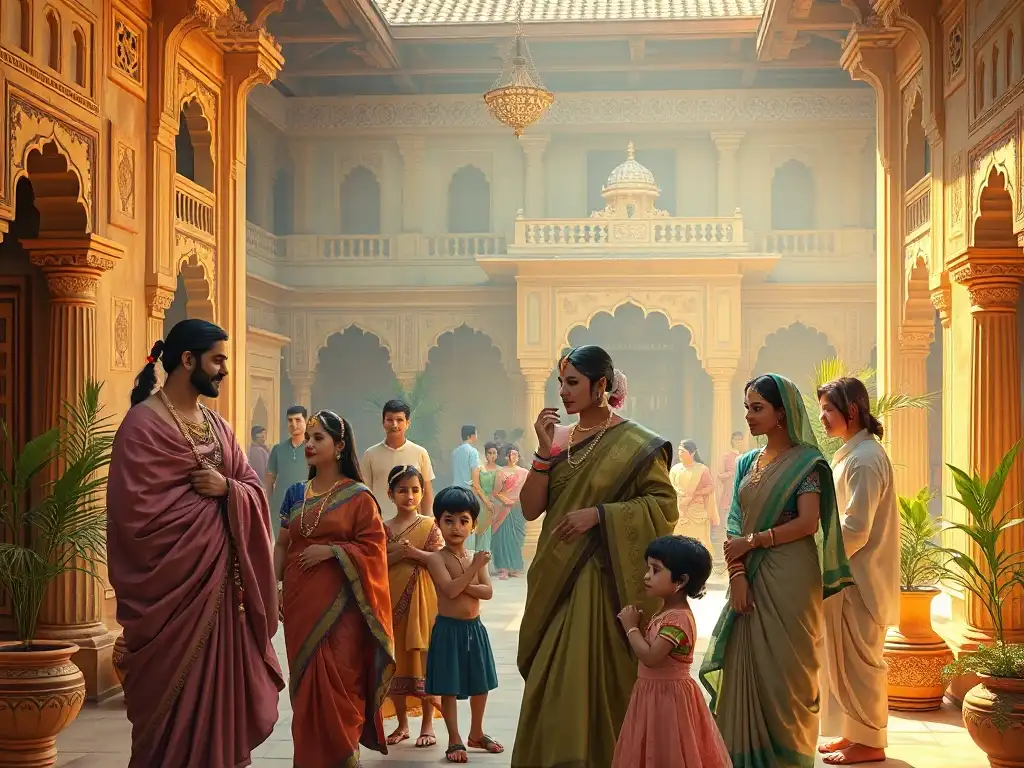
Brahmin families, as the priestly class of ancient India, held a prominent social standing, deeply intertwined with religious and educational responsibilities. Their position in society was not merely a matter of birth; it was also defined by their extensive knowledge of the Vedas and rituals. This intellectual prestige allowed Brahmins to assume influential roles in both religious and social spheres, shaping the family dynamics within their communities.
Key Characteristics of Brahmin Family Dynamics:
- Patrilineal Structure: Brahmin families typically followed a patrilineal lineage, emphasizing the importance of male heirs. This was crucial for maintaining family rituals and ensuring the continuation of their religious duties.
- Education and Knowledge Transfer: Education was highly valued, and Brahmin families prioritized the education of their sons. Sons would often study under the guidance of a guru, which reinforced their family's social status and ensured the preservation of sacred texts.
- Marriage Alliances: Marriages were strategically arranged to strengthen social ties and enhance the family's prestige. Typically, Brahmins sought alliances with other high-status families, ensuring that the social standing was maintained.
The reverence for Brahmin families can be observed in ancient texts, which often highlight their role as custodians of knowledge and culture. Family dynamics were heavily influenced by their status, leading to a structured hierarchy in the household where the eldest male often held authority.
Kshatriya Families and Warrior Culture
Kshatriya families, known as the warrior class, played a vital role in the sociopolitical landscape of ancient India. Their identity was rooted in bravery, martial skills, and governance, which greatly influenced their family structures and dynamics.
Distinct Aspects of Kshatriya Family Dynamics:
- Leadership and Authority: Kshatriya families often featured a patriarchal system where the eldest male, as the head of the family, wielded significant power. He was responsible for making crucial decisions regarding warfare, governance, and family affairs.
- Emphasis on Valor: The warrior culture instilled a sense of honor and valor in Kshatriya families. Sons were trained from a young age in martial skills, and their achievements in battle were a source of pride for the family.
- Polygamous Marriages: It was not uncommon for Kshatriya leaders to have multiple wives, primarily to forge alliances with other powerful families. This practice further complicated family dynamics, as each wife and her offspring vied for status and recognition within the household.
Kshatriya families often faced the dual challenge of maintaining their warrior ethos while ensuring the stability of their family unit. The interplay between social status and family dynamics in these households highlighted the expectations placed on each member to uphold their lineage's honor.
Vaishya Families and Economic Contributions
Vaishya families, as the merchant and agricultural class, were integral to the economy of ancient India. Their contributions to trade and agriculture shaped not only their own social standing but also the dynamics within their families.
Features of Vaishya Family Dynamics:
- Economic Focus: Unlike the Brahmins and Kshatriyas, Vaishya families emphasized economic prosperity. Family members were often involved in trade, agriculture, and craftsmanship, with the entire family typically working together to ensure financial stability.
- Joint Family System: Many Vaishya families operated under a joint family system, where extended families lived together. This structure facilitated resource sharing and collective decision-making, enhancing their economic power.
- Role of Women: Women in Vaishya families played crucial roles, often managing household finances and contributing to businesses. Their involvement in economic activities allowed them to gain respect within their families, challenging traditional gender roles.
The economic contributions of Vaishya families were significant, as their success in trade and agriculture helped sustain the overall economy of ancient India. Their family dynamics reflected a blend of economic cooperation and social status, emphasizing the importance of wealth and commerce in shaping familial relationships.
In ancient India, the social hierarchy was heavily structured around the varna system, which classified individuals into four main categories: Brahmins (priests and scholars), Kshatriyas (warriors and rulers), Vaishyas (traders and agriculturists), and Shudras (laborers and service providers). Shudras held the lowest position in this hierarchy, which significantly influenced their family dynamics and societal roles.
Social Status and Family Structure
Shudra families typically operated within a framework of collective responsibility and communal living. Their social status dictated that they were primarily engaged in manual labor and service-oriented occupations, such as farming, craftsmanship, and domestic work. This economic necessity fostered a strong sense of interdependence within Shudra families, often leading to extended family structures where multiple generations lived together.
The family unit was not just a basic social structure but also a vital economic entity. For example, in many Shudra households, all members contributed to the family's livelihood. This collective effort was crucial in ensuring their survival and social mobility, albeit limited by their low status.
Gender Roles and Responsibilities
Within Shudra families, gender roles were clearly defined, deeply influenced by their social standing. Men were typically tasked with labor-intensive jobs outside the home, while women took on domestic responsibilities, including childcare, cooking, and managing household affairs. Women's labor, while often undervalued, was essential for the family’s sustenance. Furthermore, women in Shudra families were expected to marry early and bear children, perpetuating the family lineage.
However, it is important to note that the rigidity of these roles could vary by region and community. Some Shudra women could also engage in economic activities, such as weaving or pottery, providing a supplementary income to the family.
Cultural Practices and Social Mobility
Despite their lower social status, Shudra families maintained rich cultural practices that were integral to their identity. Festivals, rituals, and local customs were vital for fostering community bonds and strengthening family ties. These practices often included unique forms of worship and celebration that distinguished their cultural heritage from higher varnas.
The prospect of social mobility for Shudras was limited but not entirely absent. Some Shudra families could improve their status through education, skilled labor, or by gaining favor from higher castes. This potential for upward mobility, however, was fraught with challenges and often depended on the prevailing socio-political climate.
Conclusion
Shudra families in ancient India exemplified a complex interplay between their social status and family dynamics. Their position within the societal hierarchy shaped their roles, responsibilities, and cultural practices, all of which were crucial for their survival and community cohesion. Understanding the nuances of Shudra family dynamics offers valuable insights into the broader social fabric of ancient Indian civilization, highlighting the diversity and complexity of family structures influenced by social status.
The Influence of Religion and Philosophy on Family Dynamics
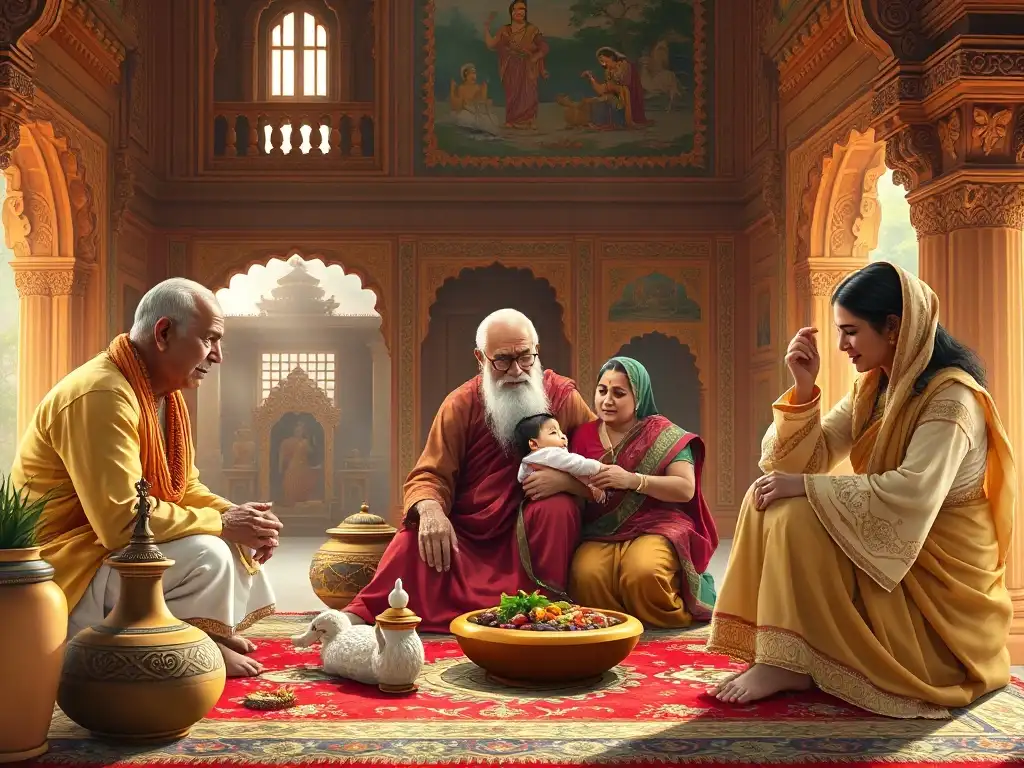
Hindu Scriptures and Family Roles
In ancient India, Hindu scriptures such as the Vedas, Upanishads, and Dharmashastras played a pivotal role in shaping family dynamics. These texts established the framework for societal norms and responsibilities, emphasizing the significance of dharma (duty) within the family structure. The Manusmriti, for instance, provided detailed guidelines on the roles of different family members, delineating the responsibilities of husbands, wives, and children.
- Patriarchal Structure: The family unit was predominantly patriarchal, with the male figure often regarded as the authority. Responsibilities like providing for the family and making major decisions fell primarily on the husband and father. Conversely, women were expected to manage the household and raise children, which was considered their primary duty.
- Roles of Women: Despite their subordinate position, women held significant influence over family life. The scriptures emphasized the importance of a wife's role in maintaining homeliness and ritual purity, which were deemed essential for the family's prosperity.
- Joint Family System: The scriptures also promoted the joint family system, where extended families lived together. This structure provided social security and reinforced familial ties, allowing for shared responsibilities and resources.
Influence of Buddhism and Jainism on Family Structures
The emergence of Buddhism and Jainism introduced alternative perspectives on family dynamics, particularly concerning the roles of individuals within the family and their relationships with society at large.
- Buddhism and Family Values: Buddhism emphasized compassion and non-attachment, which influenced family relationships. While traditional family roles persisted, Buddhist teachings encouraged individuals to cultivate kindness and understanding within the family. The focus on personal enlightenment often led to a shift in values, where familial duties were balanced with spiritual pursuits.
- Jainism's Impact on Family Dynamics: Jain philosophy further emphasized non-violence and truthfulness, which permeated family interactions. Jains practiced strict adherence to ethical living, affecting family dynamics through their emphasis on ahimsa (non-violence). This resulted in families practicing vegetarianism and fostering peaceful relationships, reflecting their broader spiritual beliefs.
- Women in Buddhism and Jainism: Both religions allowed for greater autonomy for women compared to traditional Hindu practices. Women could participate in religious life, and in some cases, they were allowed to become nuns, which provided them a different avenue for personal development outside the confines of marriage and family.
Changing Perspectives Through Time
Over the centuries, the perception of family dynamics in ancient India evolved significantly. Several factors contributed to these changes, including socio-economic developments, foreign influences, and shifts in religious thought.
- Influence of Trade and Urbanization: As trade flourished and urban centers developed, the nuclear family model began to gain traction. Economic independence altered traditional roles, allowing individuals some degree of autonomy in choosing partners and establishing their own households.
- Colonial Impact: The British colonial period introduced new social structures and legal frameworks that challenged traditional family dynamics. Reforms in marriage laws, such as the Hindu Marriage Act of 1955, began to reshape family roles, promoting greater equality and individual rights within the family.
- Modernization and Globalization: In contemporary times, globalization has further transformed family dynamics. Exposure to diverse cultures and ideas has led to shifting perceptions regarding marriage, gender roles, and family structures, fostering a more egalitarian approach to family life in modern Indian society.
The influence of social status on family dynamics in ancient India was deeply intertwined with the prevailing religious and philosophical beliefs. As these beliefs evolved over time, so too did the structure and roles within families, reflecting the complex interplay between tradition and change.
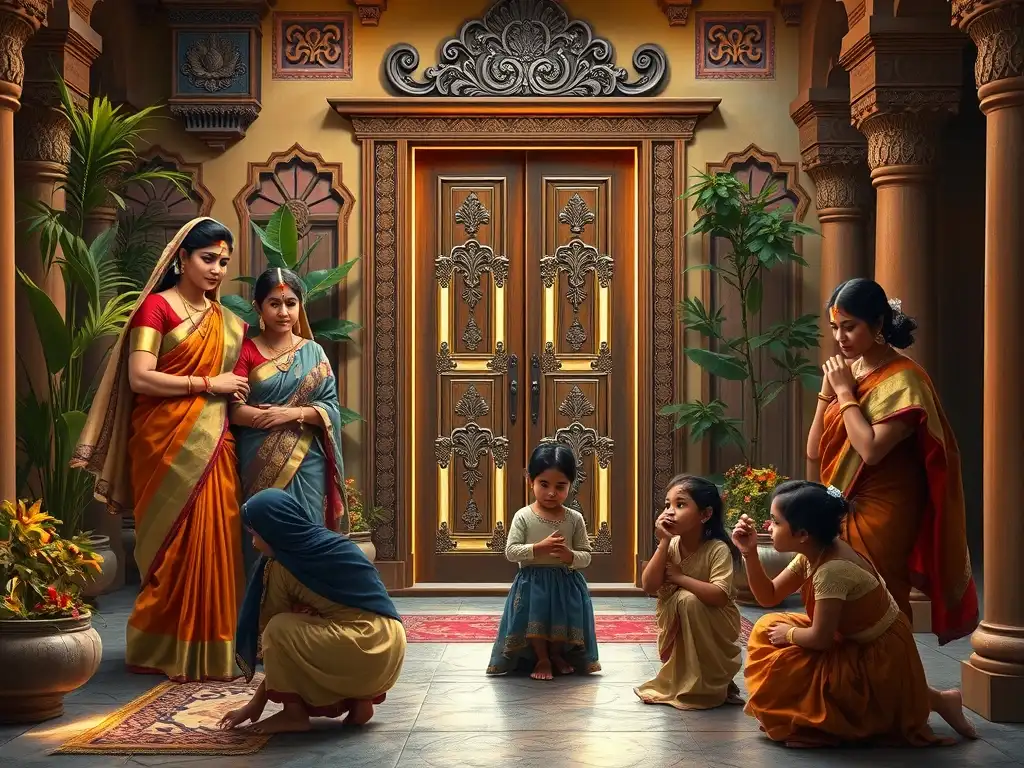
In ancient India, social status played a pivotal role in shaping family dynamics, influencing relationships, responsibilities, and even the structure of households. The caste system, which stratified society into various groups, dictated interactions within families and between different social strata. This stratification was not merely a societal construct but a deeply ingrained aspect of daily life that affected choices in marriage, inheritance, and even child-rearing practices. Understanding these nuances allows us to appreciate how social status intricately wove itself into the fabric of family life in ancient India.
Summary of Key Points
- Caste System's Influence: The rigid caste hierarchy determined family roles and expectations. For example, higher castes had different educational opportunities and marital prospects compared to lower castes.
- Marriage Practices: Arranged marriages were common, often aimed at preserving or enhancing family status. Families sought alliances that would elevate their position or maintain their standing within the community.
- Inheritance and Property Rights: Social status influenced inheritance laws, where property often remained within the family line of the same caste, thus reinforcing social stratification across generations.
- Child Rearing and Gender Roles: Families in higher social strata often had the means to provide better education for their children, while gender roles were strictly defined, with sons typically receiving more education than daughters.
Reflection on the Evolution of Family Dynamics in Ancient India
The evolution of family dynamics in ancient India reflects broader societal changes, from the early Indus Valley civilization’s more egalitarian structures to the more hierarchical systems of later periods. Over time, as empires rose and fell, the influence of religion and local customs further shaped family practices. For instance, during the Gupta Empire, there was a notable emphasis on the ideal of the family unit, where values of loyalty and duty were paramount. This evolution indicates that while social status remained a significant factor, it was also subject to change as the socio-political landscape shifted.
The impact of these dynamics is evident in the literature and texts of the time, such as the Manusmriti, which codified many of these social norms and expectations. The reflections of family life in these ancient texts provide valuable insights into how social status influenced not only individual family structures but also the collective identity of communities.
The legacy of social status on family dynamics in ancient India is profound and enduring. Although modern India has seen significant changes, remnants of these historical practices still resonate today. The implications of caste, status, and family roles continue to influence societal interactions and perceptions.
As we explore the rich tapestry of ancient Indian history, it is crucial to recognize that family dynamics, deeply intertwined with social status, not only defined individual lives but also shaped the collective heritage of Indian civilization. Understanding this legacy enhances our appreciation of contemporary social structures and the historical context that continues to influence them.
The intricate relationship between social status and family dynamics in ancient India offers a compelling narrative of how societal norms evolve yet leave lasting impressions on future generations. The study of these dynamics not only enriches our understanding of ancient societies but also invites reflection on contemporary issues surrounding social stratification and familial relationships.
References and Further Reading
Understanding the interplay between social status and family dynamics in ancient India requires a deep dive into various scholarly works that explore these themes. Here are some recommended texts that provide valuable insights:
-
"The Structure of Indian Society" by A.M. Shah
This book examines the intricate layers of social stratification in India, discussing how family ties and social status have historically influenced one another.
-
"Caste and Family in Contemporary India" by Patricia Uberoi
Uberoi's work sheds light on the enduring impact of caste systems on family structures, providing a modern context that can help readers understand historical dynamics.
-
"Family and Marriage in India: A Sociological Perspective" by M.N. Srinivas
A seminal work that discusses the evolution of family systems in India, including the role social status played in shaping familial relationships.
-
"The History of Early India: From the Origins to AD 1300" by Romila Thapar
Thapar offers a comprehensive overview of ancient Indian history, touching upon the social hierarchies that influenced family dynamics during different periods.
-
"Women and Society in Ancient India" by Harshita Sinha
This text explores the roles of women within families, focusing on how social status dictated their position and influence in familial structures.
Notable Historical Texts and Sources
In addition to contemporary scholarship, various historical texts provide crucial insights into the family dynamics shaped by social status in ancient India:
-
The Manusmriti (Laws of Manu)
A key ancient legal text that outlines social norms and family roles, providing insight into how social status informed family relationships and responsibilities.
-
The Arthashastra by Kautilya
While primarily a treatise on statecraft, Kautilya's work also reflects on the importance of family alliances and social standing in political and economic contexts.
-
The Mahabharata
This epic not only narrates a rich story but also serves as a source for understanding the complexities of family ties, lineage, and social hierarchy.
-
The Ramayana
Through its characters and their relationships, the Ramayana illustrates the ideals of family life and the impact of social status on familial roles.
-
The Vedas
As ancient scriptures, the Vedas provide insights into early family structures, rituals, and the societal norms that shaped family dynamics based on social status.
By exploring these texts and literature, readers can gain a comprehensive understanding of how social status influenced family dynamics in ancient India, revealing a tapestry of relationships that were deeply intertwined with the societal hierarchies of the time.
Frequently Asked Questions
Social status significantly influenced family structure and relationships. Higher status often meant greater patriarchal control and more resources, impacting daily life and social interactions.
How did caste system affect family relationships in ancient India?
The caste system dictated social hierarchy, which in turn shaped family dynamics. Families adhered to strict caste norms, influencing marriage, inheritance, and social interactions.
Were there differences in family dynamics based on regional variations?
Yes, regional variations in ancient India led to different family structures and customs. For example, in some areas, matrilineal practices were more common, affecting inheritance and family roles.
How did economic status impact family roles and responsibilities?
Economic status determined the division of labor within families. Wealthier families could afford to delegate tasks, while poorer families often required all members to contribute significantly to household management.
Social mobility could alter family dynamics by changing status and power relationships. Families experiencing upward mobility often faced challenges in adapting to new social expectations and roles.
The intricate relationship between social status and family dynamics in ancient India remains profoundly relevant today. As we navigate a world still shaped by hierarchical structures, understanding how these dynamics were formed and influenced can provide crucial insights into contemporary family interactions and societal roles. The legacy of social stratification is not merely a relic of the past; it continues to resonate in our modern lives, shaping our perceptions and relationships.
The exploration of social status in ancient India reveals a tapestry of cultural norms that have left an indelible mark on family structures. The rigid caste system and the associated expectations dictated not only individual roles but also the collective identity of families. This historical context is essential for understanding ongoing social dynamics. As Mahatma Gandhi once said, "> A nation's greatness is measured by how it treats its weakest members." This observation underscores the importance of recognizing and addressing the lingering effects of social stratification on family dynamics today.
As you reflect on the insights gained from this exploration, consider how the lessons of the past can inform your present and future. Challenge the status quo in your own life and community by fostering inclusivity and understanding across social divides. Embrace the opportunity to create a family dynamic that values equality and respect, transcending the limitations imposed by social status. In doing so, you contribute to a more equitable society, honoring the complexities of our shared history while paving the way for a brighter future.
Uncover Your Family's Legacy Today!
Thank you for diving into the fascinating exploration of how social status shaped family dynamics in ancient India! Your interest in this rich history not only enhances your understanding but also connects you to the legacy of countless families throughout the ages. Now, let’s take this journey a step further and examine how these dynamics resonate in your own life and community.
- Reflect on your own family history: Engage in conversations with your relatives to uncover stories about your family's social background and its influence on your current family dynamics.
- Join our community: Share your insights on the impact of social status in family life by connecting with fellow history enthusiasts in our forums.
- Create a timeline: Construct a visual timeline of your family’s history, highlighting significant events and social statuses that have shaped your lineage – you may uncover surprising connections!
How do you believe the insights from ancient family structures can inform your view on social interactions today? Share your thoughts below!