
Women in the Workforce: Exploring Female Labor Roles in Ancient India

Welcome to Ancient India History, where we embark on a fascinating journey through the rich tapestry of ancient Indian civilizations. In this exploration, we’ll delve into the often-overlooked female labor roles in ancient India, uncovering the vital contributions women made to society, culture, and the economy. From the bustling markets of the Indus Valley to the scholarly pursuits of the Gupta Empire, the stories of these remarkable women are waiting to be discovered.
What roles did they play and how did they shape the world around them? Join us as we unravel the complexities of daily life and society in ancient India, igniting your curiosity and inviting you to delve deeper into this captivating topic.
Introduction to Female Labor Roles in Ancient India
The history of women in the workforce is a vital aspect of understanding the broader socio-economic framework of ancient Indian civilizations. From the early days of the Indus Valley Civilization to the flourishing Gupta Empire, women played significant roles that contributed to the fabric of society. They were not merely passive figures but active participants in various labor sectors, engaging in agriculture, crafts, trade, and even governance. This exploration of female labor roles in ancient India sheds light on their contributions and challenges, providing a nuanced perspective on gender dynamics in historical contexts.
Overview of Women’s Contribution in Ancient Societies
In ancient India, women's contributions extended beyond the household and family. According to historical texts and archaeological findings, women were involved in several domains:
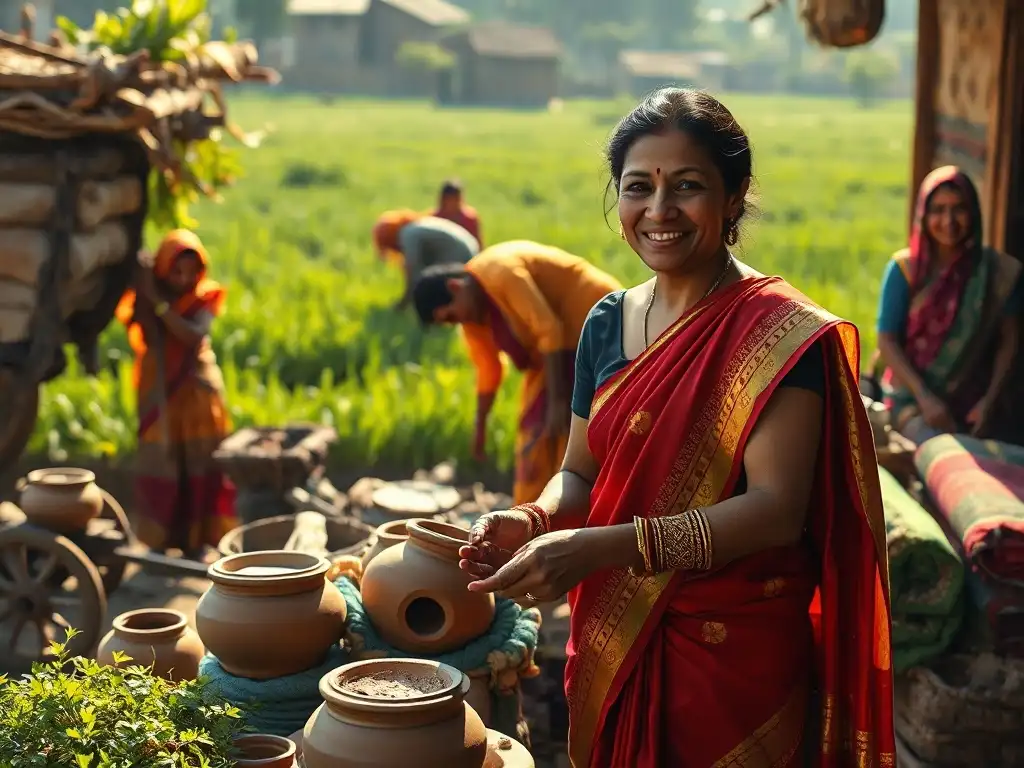
- Agriculture: Women often participated in farming alongside men, managing fields, and contributing to food production.
- Craftsmanship: Skilled in various crafts, women produced textiles, pottery, and jewelry, which were essential for both domestic use and trade.
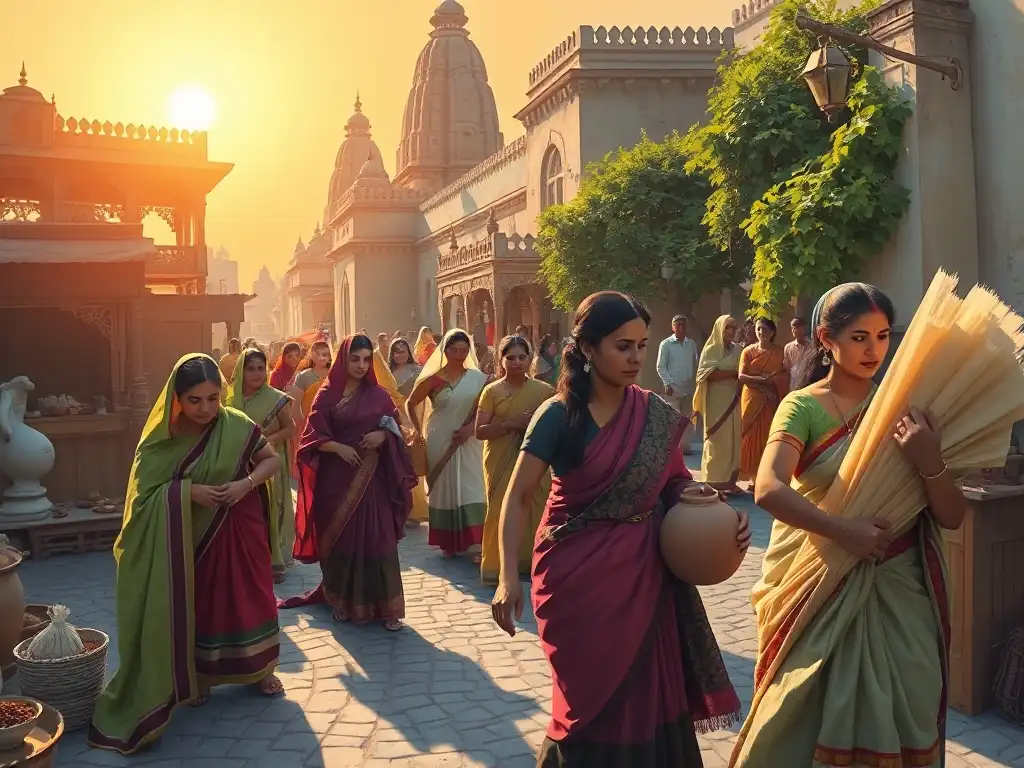
- Trade and Commerce: Women engaged in local markets, selling goods and managing family businesses, thus playing a crucial role in the economy.
- Religious and Cultural Activities: Many women were involved in religious practices, preserving traditions and contributing to the cultural richness of their communities.
Importance of Studying Female Labor Roles
Studying female labor roles in ancient India is essential for several reasons:
- Historical Recognition: It acknowledges the contributions of women historically often overlooked or marginalized in traditional narratives.
- Understanding Gender Dynamics: It provides insights into the evolving roles of women and the impact of societal changes on their labor participation.
- Cultural Significance: Exploring these roles helps us appreciate the cultural and social values that defined women's identities and their agency in ancient societies.
Historical Context of Female Labor in Ancient India
To fully understand the landscape of female labor roles, it is important to consider the historical context that shaped women's positions within society. The interplay of social structure, cultural norms, and economic needs influenced how women engaged in various occupations.
Social Structure and Gender Roles in Ancient India
The social structure of ancient India was complex, often defined by caste and class systems that dictated roles and responsibilities. Within this framework, gender roles also played a significant part:
- Patriarchal Society: Most ancient Indian societies were predominantly patriarchal, where male authority often dictated the socio-economic dynamics. However, women held significant power in certain contexts, especially within their households.
- Caste Considerations: Women's roles varied greatly across different castes, with higher caste women typically having restricted mobility and labor involvement, while lower caste women often worked in the fields and markets.
- Legal Rights: Ancient texts, such as the Manusmriti, outlined various rights and duties for women, reflecting their roles in both family and society.
Key Periods: Vedic, Mauryan, and Gupta Eras
The evolution of female labor roles can be traced through key historical periods:
- Vedic Period: Women during this time enjoyed a relatively higher status, participating in religious rituals and education. Texts suggest that they could own property and engage in some forms of labor.
- Mauryan Era: The Mauryan Empire saw women involved in various trades and crafts. Notable figures, such as the courtesans, played significant roles in politics and culture.
- Gupta Empire: This period marked a decline in women's status, but they still contributed to the economy through crafts and agriculture. The rise of the household as a central unit often limited women's public roles, yet they remained integral to the family economy.
Understanding female labor roles in ancient India provides a rich tapestry of how women navigated their worlds, contributing to their societies while facing the challenges posed by gender norms and socio-economic structures. By delving into these historical contexts, we gain a deeper appreciation of the complexities surrounding women's labor and their enduring legacy in ancient Indian history.
Types of Female Labor Roles in Ancient India
The labor roles of women in ancient India were diverse and multifaceted, reflecting the complex social structures and cultural norms of the time. Women contributed significantly to various sectors, from agriculture to trade, and their involvement often extended beyond mere domestic responsibilities. Understanding these roles provides insight into the broader societal framework of ancient Indian civilization and the recognition of women's contributions in shaping it.
Agricultural Work and Women’s Involvement
Agriculture was the backbone of ancient Indian economy, and women played a crucial role in this sector. They were involved in various agricultural activities, including sowing, harvesting, and processing crops. In many communities, women were responsible for managing the fields, particularly in rural areas where their labor was essential for food production.
- Tasks and Responsibilities: Women often participated in planting seeds, weeding, and gathering harvests. Their knowledge of local flora was invaluable for crop selection and pest management.
- Community Roles: Women organized communal labor, where they would work together during peak seasons, fostering a sense of community and cooperation.
- Cultural Significance: Agricultural practices were often intertwined with cultural rituals and festivals, where women's roles were celebrated, highlighting their importance in sustaining both the economy and traditions.
Domestic Roles: Household Management and Crafting
In addition to agricultural work, women in ancient India were tasked with various domestic roles that were vital for the functioning of households. These roles encompassed management of resources, crafting, and ensuring the well-being of family members.
- Household Management: Women managed daily activities, such as cooking, cleaning, and caring for children and the elderly. Their organizational skills ensured that households ran efficiently.
- Craftsmanship: Many women engaged in textile production, pottery, and other crafts. Their skills in weaving and embroidery not only contributed to family income but also enriched cultural heritage.
- Economic Impact: The goods produced by women often found their way into local markets, demonstrating their contribution to the economy through domestic industries.
Participation in Trade and Commerce
Women were not just passive participants in the economy; they actively engaged in trade and commerce, reflecting their significant role in ancient Indian market systems. They operated as traders, merchants, and shopkeepers in various capacities.
- Market Participation: Many women sold goods in local markets, ranging from agricultural products to handcrafted items. This involvement allowed them to gain financial independence and influence.
- Role in Guilds: Some women were part of guilds, which were associations of craftsmen and traders. They played essential roles in supporting the economic framework of their communities.
- Influence on Economy: Their participation in trade not only contributed to the household income but also facilitated the exchange of cultural and social ideas across regions.
Women in Religious and Spiritual Occupations
Religious and spiritual roles provided women with unique opportunities to engage in society. Many women held positions as priestesses, performers in religious ceremonies, or as spiritual leaders, allowing them to wield influence in both spiritual and community matters.
- Priestly Roles: Women often served as priestesses in temples, conducting rituals and overseeing spiritual practices. This role gave them significant authority within their communities.
- Cultural Preservation: Through storytelling, music, and dance associated with religious traditions, women contributed to the preservation of cultural narratives and spiritual beliefs.
- Community Leadership: Women’s involvement in religious activities often translated into community leadership, as they guided practices and rituals that reinforced social norms.
Influential Women in Ancient Indian Labor
The contributions of women in ancient India were often embodied in prominent figures whose legacies continue to inspire. Their roles in various labor sectors highlight the potential and capabilities of women in shaping society.
Prominent Figures and Their Contributions
Several women in ancient India stood out due to their significant contributions across various fields. These figures not only excelled in their labor roles but also played pivotal roles in influencing societal norms and values.
- Vasavadatta: A celebrated figure known for her expertise in textiles, she contributed to the thriving textile trade in her region, exemplifying women's capabilities in business.
- Gargi Vachaknavi: A philosopher and scholar, Gargi participated in debates and discussions, showcasing the intellectual contributions of women in ancient India.
- Maitreyi: Another prominent philosopher, Maitreyi's contributions to philosophical discourses reveal the active participation of women in intellectual labor.
Case Studies of Exceptional Female Labor Roles
Examining specific case studies of women in ancient India can provide deeper insights into their labor roles and the impact they had on society. These examples illustrate the diverse ways in which women contributed to the workforce.
- The Role of Female Artisans: In various regions, women artisans created intricate jewelry, pottery, and textiles, becoming essential contributors to local economies and cultural identity.
- Women in the Mauryan Empire: Historical records indicate that women were involved in trade and administrative roles during the Mauryan Empire, highlighting their significance in governance and economy.
- Spiritual Leaders in Local Communities: Women who acted as spiritual leaders played crucial roles in maintaining social cohesion and cultural continuity, often leading rituals and community gatherings.
Through these examples, the labor roles of women in ancient India can be seen as integral to both the economy and the social fabric, showcasing their resilience and influence in shaping the historical narrative of the region.
Challenges Faced by Women in the Workforce
Women in ancient India navigated a complex landscape of challenges that significantly impacted their participation in the workforce. These challenges were deeply rooted in societal norms, economic conditions, and shifting political dynamics. Understanding these obstacles is key to appreciating the historical context of female labor roles in ancient India.
Societal Norms and Restrictions
Throughout ancient Indian history, societal norms played a critical role in shaping the roles and opportunities available to women. Predominantly patriarchal in nature, Indian society enforced strict gender roles that often relegated women to domestic duties. The Vedic texts, for instance, reflect an ideology that emphasized women's roles as mothers and wives, prioritizing family over individual aspirations.
This focus on domesticity was reinforced by various cultural practices, such as child marriage and the dowry system, which further limited women's autonomy. Women were often discouraged from pursuing education or careers outside the home, leading to a lack of representation in various skilled trades and professions. Additionally, legal restrictions, such as those outlined in Manusmriti, codified women's status as subordinate to men, thus perpetuating inequalities in labor roles.
Economic Limitations and Opportunities
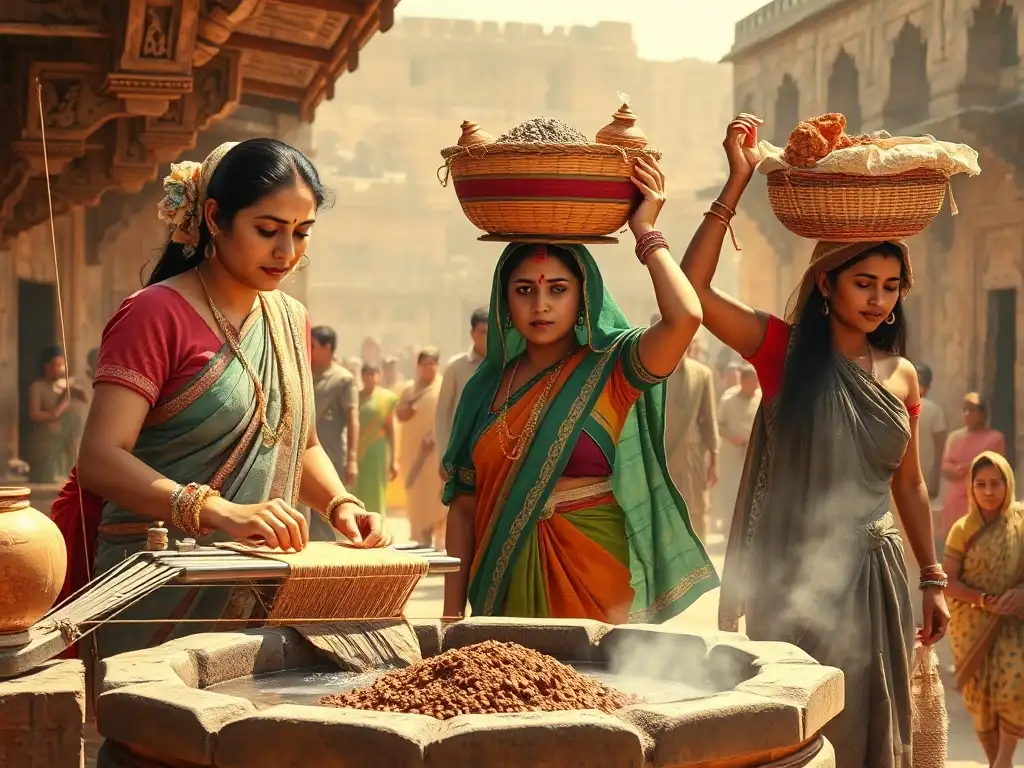
Economic constraints were another significant barrier to women's participation in the workforce. While women contributed to agricultural labor and family businesses, their potential for economic independence was often stifled by limited access to resources and education. Many women worked in informal sectors, such as weaving or pottery, but these jobs often provided minimal economic stability.
Despite these challenges, there were opportunities for women, particularly in urban centers where craft production flourished. Some women became skilled artisans or engaged in trade, especially in markets dominated by female entrepreneurs. However, these opportunities were not uniformly accessible; social class and caste played crucial roles in determining the extent of a woman's economic participation.
Changes in Female Labor Roles Over Time
The evolution of female labor roles in ancient India reflects broader socio-economic and political transformations. As historical contexts shifted, so too did the expectations and realities of women's work, leading to variations in their labor roles from one era to another.
Evolution of Gender Roles from the Vedic Age to Gupta Empire
From the Vedic Age to the Gupta Empire, the status of women experienced fluctuations influenced by changing cultural and religious ideologies. During the Vedic period, women were afforded certain rights, including the ability to study sacred texts and participate in rituals. However, as society progressed into the later Vedic and subsequent periods, restrictive norms began to solidify, limiting women's public roles and opportunities.
By the time of the Gupta Empire, there was a noticeable shift in the perception of women's roles, albeit accompanied by varying degrees of restriction. While some women began to reclaim public visibility through involvement in arts and literature, the overarching societal expectations still emphasized domesticity. This duality showcases the complexities in women's labor roles, marked by both progress and enduring challenges.
Impact of Economic and Political Changes on Women’s Labor
The economic and political landscape of ancient India significantly influenced women's labor roles. The rise and fall of empires, trade routes, and shifts in agricultural practices led to changes in labor demands. During periods of economic prosperity, such as the Mauryan and Gupta empires, women often found new avenues for work in emerging markets and occupations.
Political changes, including invasions and the establishment of new dynasties, also impacted women’s labor. For instance, the expansion of trade networks facilitated the involvement of women in commerce, while political instability could have the opposite effect, causing a retreat into traditional roles. Moreover, as different rulers implemented policies that affected land ownership and labor rights, women’s economic opportunities fluctuated, reflecting the interplay between gender, economy, and governance throughout ancient Indian history.
Conclusion: The Legacy of Female Labor Roles in Ancient India
The examination of female labor roles in ancient India reveals a complex tapestry of contributions that women made to society, economics, and culture. Women engaged in various professions, ranging from agriculture to textiles, and participated in trade, which highlights their significance in sustaining the economic fabric of ancient civilizations. The legacy of these roles is not only seen in historical texts but also in the way certain practices and crafts have been passed down through generations.
The acknowledgment of women's contributions in ancient India serves as a reminder of their resilience and adaptability in various circumstances. Moreover, it challenges modern perceptions of gender roles, illustrating that women were integral to the economy and social structures of their time. The historical context invites us to appreciate the multifaceted roles women played, which were often overlooked or marginalized in traditional narratives.
Reflection on the Importance of Women in Ancient Societies
Women in ancient Indian societies held positions of considerable influence, despite the patriarchal structures that often governed their lives. Their involvement in labor was not merely a supplement to male-dominated professions but rather a foundational element that supported community stability and growth. For instance, female artisans contributed to the beauty and functionality of everyday items, while women in agriculture ensured food security for families and communities.
This historical perspective underscores the importance of recognizing women as active agents in societal development rather than passive participants. Their skills and contributions were vital, whether in household economies or larger community frameworks. By reflecting on these roles, we can better understand the dynamics of ancient societies and the critical part women played in shaping them.
Lessons Learned for Modern Contexts
The study of female labor roles in ancient India offers valuable lessons for contemporary society. Firstly, it emphasizes the need to recognize and celebrate the contributions of women in all spheres of life, including those that may have historically gone unacknowledged. Modern workplaces can learn from the resilience and versatility of women in the past, fostering environments that support diverse roles and responsibilities.
Additionally, understanding the historical context of women’s labor can inform current debates on gender equality and labor rights. It encourages a reevaluation of traditional gender roles and promotes policies that empower women in the workforce today. By drawing parallels between ancient and modern experiences, we can advocate for a more equitable society that honors the contributions of all individuals, irrespective of gender.
Further Reading on Female Labor Roles in Ancient India
Recommended Books and Articles
- "Women in Ancient India" by Romila Thapar: This book provides an in-depth analysis of women's roles across different periods in ancient India, highlighting their economic, social, and cultural contributions.
- "The Status of Women in Ancient India" by R.S. Sharma: An exploration of the legal and societal frameworks surrounding women's lives, focusing on their participation in various labor sectors.
- Articles in the Journal of Asian Studies: Various articles discuss labor roles, including a focus on female artisans and traders in ancient Indian contexts.
Online Resources for Exploring Ancient Indian History
- Digital South Asia Library: A comprehensive resource for accessing historical documents and research on ancient India, including insights into female labor roles.
- Ancient India: A Historical Overview: An online platform that offers articles, timelines, and resources related to various aspects of ancient Indian history, including women's contributions.
- Women in Ancient India (Online Course): A course that delves into the lives of women throughout ancient Indian history, exploring their roles in labor, society, and culture.
These resources provide a deeper understanding of the complexities surrounding female labor roles in ancient India and their lasting impact on society.
- Introduction to Female Labor Roles in Ancient India
- Historical Context of Female Labor in Ancient India
- Types of Female Labor Roles in Ancient India
- Influential Women in Ancient Indian Labor
- Challenges Faced by Women in the Workforce
- Changes in Female Labor Roles Over Time
- Conclusion: The Legacy of Female Labor Roles in Ancient India
- Further Reading on Female Labor Roles in Ancient India
- What were the prominent female labor roles in ancient India?
- How did the social status of women affect their labor opportunities?
- Were there any notable female leaders in ancient Indian history?
- How did religion impact women's labor roles in ancient India?
- What contributions did women make to education and literature in ancient India?
Frequently Asked Questions
What were the prominent female labor roles in ancient India?
In ancient India, women engaged in various labor roles including agriculture, weaving, and pottery. They also played significant roles in family businesses and contributed to cottage industries.
The social status of women greatly influenced their labor opportunities, with those from higher castes often limited to domestic roles, while lower-caste women had more access to manual labor and economic activities.
Were there any notable female leaders in ancient Indian history?
Yes, ancient India saw notable female leaders like Razia Sultana and Rani Durgavati, who not only governed but also contributed to the political and military landscape of their times.
How did religion impact women's labor roles in ancient India?
Religion significantly influenced women's labor by defining their roles within the household and society, often prioritizing duties related to family and home over public or economic participation.
What contributions did women make to education and literature in ancient India?
Women in ancient India contributed to education and literature, with some notable figures like Gargi and Maitreyi engaging in philosophical discussions and writing, showcasing their intellectual capabilities.
Final Reflection: The Enduring Legacy of Female Labor Roles in Ancient India
The exploration of female labor roles in ancient India reveals a profound connection to contemporary discussions about gender equality and women's empowerment. As we navigate the complexities of modern work environments, understanding the historical contributions of women in various labor roles provides essential context for the ongoing struggle for equality. The resilience and adaptability of women throughout history serve as a powerful reminder that their contributions have always been integral to societal progress.
The influence of ancient female labor roles extends far beyond historical curiosity; it shapes our cultural and social landscape today. Women in ancient India were not merely passive participants but active contributors to economic and social structures.
Their roles in agriculture, trade, and craftsmanship laid the groundwork for future generations. As we reflect on this legacy, we are reminded of the words of the renowned historian, “History is not just about the past; it is a lens through which we understand our present.” > This insight encourages us to recognize the importance of women's roles in shaping our societies and to advocate for their recognition in all spheres of life.
As we look to the future, let us take a moment to reflect on the lessons learned from the past and consider how we can apply them in our lives today. I invite you to explore your own understanding of gender roles and the contributions of women in your community.
By acknowledging and celebrating the diverse roles women have played throughout history, we can foster a more inclusive and equitable future. Together, let us commit to honoring this legacy by empowering women in the workforce and ensuring that their voices and contributions are recognized and valued in every aspect of society.
Empower Your Understanding: Dive Deeper into Women’s Roles in Ancient India!
Thank you for joining us on this enlightening journey through the fascinating landscape of female labor roles in ancient India. We hope you’ve gained valuable insights into the strength and resilience of women throughout history. Now, it’s time to take what you’ve learned and apply it in ways that celebrate and amplify these narratives!
Here are some exciting steps you can take next:
- Explore Further: Dive into additional resources on women in ancient cultures by visiting your local library or online archives. Discover stories that deserve to be heard!
- Share Your Knowledge: Discuss what you've learned with friends or on social media! Spread awareness about the remarkable contributions of women in ancient India.
- Engage with the Community: Join forums or online groups focused on historical discussions. Connect with others who are as passionate about these stories as you are!
What new insights about female labor roles in ancient India will you uncover this week, and how will you share that knowledge with others?