
The Relationship Between Script and Political Power in Ancient India

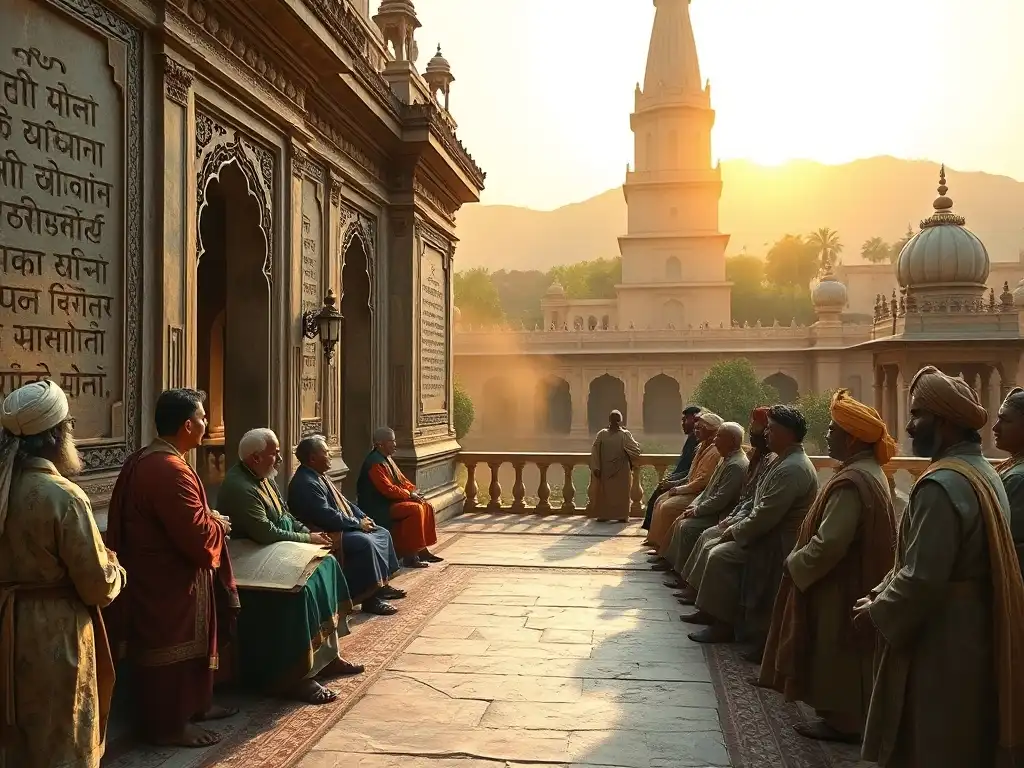
Welcome to Ancient India History, where the echoes of time invite you to delve into the rich tapestry of India's past. In our featured article, "The Relationship Between Script and Political Power in Ancient India," we unravel the intriguing connection between ancient Indian scripts and the evolution of political authority. How did the art of writing influence governance and societal structure? Join us on this captivating journey as we explore the significance of inscriptions and epigraphy in shaping the corridors of power across ancient civilizations. Your quest for knowledge begins now—let's uncover the secrets of a bygone era together!
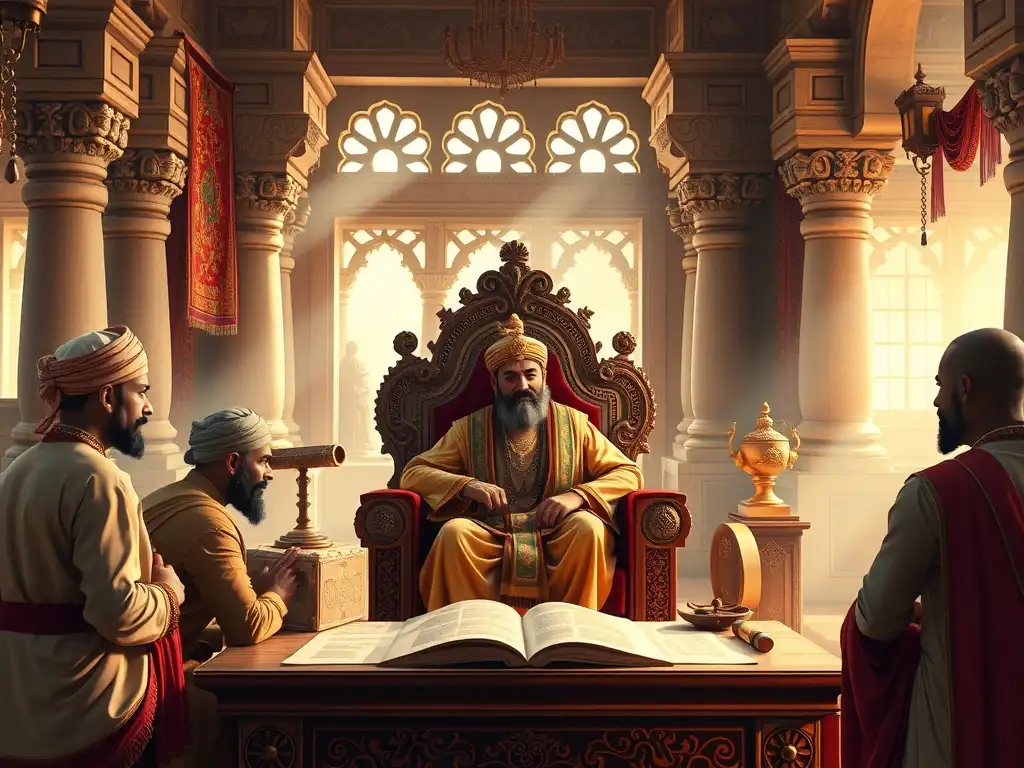
Introduction to Ancient Indian Scripts and Their Political Significance
The intricate tapestry of ancient Indian history is woven with the threads of its diverse scripts, which played a pivotal role in shaping the political landscape of the time. The relationship between ancient Indian script and politics is not merely a matter of communication; it reflects the power dynamics, cultural exchanges, and administrative structures that characterized various epochs of Indian civilization.
From the hieroglyphics of the Indus Valley to the refined letters of the Gupta Empire, scripts served as both a tool for governance and a symbol of authority. Understanding this relationship offers profound insights into how language and power coalesced to influence the socio-political fabric of ancient India.
The Evolution of Script in Ancient India
Overview of Ancient Indian Script
Ancient Indian scripts emerged as vital instruments of communication and documentation, evolving significantly over millennia. The earliest known script, the Indus script, remains undeciphered, yet it hints at a complex society that valued record-keeping. Following this, the emergence of Brahmi and Kharosthi scripts marked a significant leap, providing a more accessible means of literacy that transcended regional boundaries. These scripts not only facilitated trade and administration but also played a crucial role in the dissemination of religious and philosophical ideas, further intertwining script with the political sphere.
Importance of Script in Political Context
In the political context, scripts acted as a means of legitimizing authority and governance. Rulers utilized inscriptions to proclaim their achievements, laws, and decrees, effectively communicating their power to the populace. For instance, the edicts of Ashoka, inscribed in both Brahmi and Kharosthi, exemplified how script was employed to convey royal messages and moral directives across vast territories.
This practice not only reinforced the ruler's authority but also fostered a sense of unity among diverse communities under a single political entity. The ability to read and write in these scripts became synonymous with status, education, and influence, further embedding the relationship between script and political power.
The Evolution of Script in Ancient India
Early Scripts: Indus Valley Civilization
The Indus Valley Civilization (c. 3300–1300 BCE) presents one of the earliest examples of urban planning and advanced societal organization. The script used during this period, often referred to as the Indus script, comprises a series of symbols and glyphs found on seals and pottery. Although it remains undeciphered, the sheer prevalence of these inscriptions suggests their significance in administrative functions, trade, and perhaps even religious practices. The connection between script and the sociopolitical structure of the Indus Valley is a subject of ongoing research, hinting at a complex governance system that valued documentation.
Brahmi and Kharosthi: The Scripts of Power
As ancient India transitioned into the historical period, Brahmi and Kharosthi emerged as the dominant scripts, particularly during the Maurya and post-Maurya periods. Brahmi, in particular, is considered the ancestor of many modern Indian scripts and was widely used for inscriptions and manuscripts. Kharosthi, on the other hand, was primarily used in the northwest regions and played a crucial role in the dissemination of Buddhist texts.
The adoption of these scripts by rulers and administrators underscored their importance in political communication. Inscriptions carved on pillars, rocks, and monuments served not only as declarations of power but also as tools for cultural propagation, reflecting the intertwined nature of script and governance.
Influence of Scripts on Governance and Administration
The utilization of scripts in governance and administration cannot be overstated. Inscriptions were vital for maintaining records, issuing edicts, and enforcing laws. The ability to communicate effectively through written language enabled rulers to exert control over their domains, ensuring that their directives reached all corners of their empires.
Furthermore, script played a crucial role in the promotion of religious ideologies, as seen in the spread of Buddhism and Jainism, where texts were inscribed to enhance the legitimacy of these faiths and their followers. This multifaceted influence of scripts on governance illustrates their critical role in shaping political power dynamics throughout ancient India.
Political Power and the Use of Script
The interplay between script and political power in ancient India highlights the significant role that written language played in the governance and administration of various empires. Scripts served not only as a means of communication but also as a symbol of authority and legitimacy. The ability to read and write in a particular script often indicated one's social status and political influence.
This relationship is evident in the ways rulers utilized scripts to convey messages, enforce laws, and establish their dominance over vast territories. The evolution of scripts, such as Brahmi and Kharosthi, coincided with the rise and fall of different political entities, reflecting the changing dynamics of power and administration in ancient India.
Script as a Tool for Authority
Scripts in ancient India were more than mere systems of writing; they were vital tools for asserting authority and legitimizing power. Rulers often employed specific scripts to convey their edicts, reinforcing their sovereignty and control over their subjects. For instance, the use of Brahmi script by the Mauryan Empire signified not only administrative efficiency but also a cultural unification across diverse regions. This script, being accessible, allowed rulers to communicate effectively with the populace, thereby reinforcing their authority. Additionally, the choice of script could signify a ruler’s alignment with certain cultural or religious ideologies, further solidifying their political standing.
Inscriptions as Instruments of Political Communication
Inscriptions emerged as powerful instruments of political communication in ancient India, providing a permanent record of royal proclamations and administrative directives. These inscriptions, often etched on pillars, rocks, and buildings, served to disseminate information about laws, taxes, and public welfare initiatives. The famous edicts of Ashoka, for example, were strategically placed throughout his empire to reach a wide audience, underscoring the role of inscriptions in shaping public policy and opinion. By making political messages visible and enduring, rulers were able to assert their governance and foster loyalty among their subjects.
Role of Scripts in Royal Decrees and Edicts
Royal decrees and edicts in ancient India were pivotal in establishing and maintaining political power. The use of specific scripts in these documents conveyed not only the authority of the ruler but also the legitimacy of their commands. Scripts like Brahmi and Kharosthi facilitated the recording of laws and administrative decisions, allowing for uniformity and clarity in governance.
Moreover, these scripts often contained religious or moral undertones, aligning the ruler’s authority with divine right, thereby enhancing their legitimacy. The meticulous crafting of these decrees reflects a sophisticated understanding of the relationship between language and power, as rulers sought to enforce their will through the written word.
Case Studies of Script and Political Power

The study of specific case studies reveals the nuanced relationship between script and political power in ancient India. These examples illustrate how different empires and rulers strategically utilized scripts to consolidate their authority and communicate effectively with their subjects.
The Edicts of Ashoka: A Model of Political Messaging
The Edicts of Ashoka stand as a quintessential example of how script was employed as a political tool in ancient India. Ashoka, the third Mauryan emperor, utilized the Brahmi and Kharosthi scripts to communicate his messages of dharma and ethical governance across his vast empire. These edicts, inscribed on pillars and rocks, served as a means of promoting social welfare, non-violence, and moral conduct among his subjects.
By placing these inscriptions in prominent locations, Ashoka ensured that his political philosophy reached a broad audience, thereby reinforcing his image as a benevolent ruler. This strategic use of script not only facilitated governance but also enhanced the legitimacy of his rule.
Inscriptions of the Gupta Empire: Consolidation of Power Through Script
During the Gupta Empire, inscriptions played a crucial role in consolidating political power and asserting authority over their territories. The Gupta rulers, known for their patronage of arts and culture, used inscriptions to document their achievements, territorial conquests, and administrative reforms. Scripts such as Gupta Brahmi were prominently featured in these inscriptions, showcasing the empire’s cultural and political sophistication. By publicly displaying their accomplishments, the Gupta rulers not only reinforced their legitimacy but also fostered a sense of unity and pride among their subjects, thereby strengthening their political power.
Regional Variations: Scripts and Local Governance
The diversity of scripts in ancient India also reflects the regional variations in governance and administration. Different regions adopted distinct scripts, such as Tamil, Telugu, and Devanagari, which were often influenced by local languages and cultures. This regionalism in script usage allowed local rulers to communicate effectively with their subjects, catering to the unique cultural contexts of their governance.
For instance, inscriptions in Tamil script during the Chola dynasty not only facilitated administrative functions but also reinforced local identity and pride. This adaptability of script in various political contexts illustrates its integral role in the governance structures of ancient Indian civilizations.
The Societal Impact of Script on Politics
In ancient India, the development and use of script played a pivotal role in shaping political dynamics and governance. Scripts not only served as tools for communication but also influenced the structure of power and authority. The relationship between script and politics can be analyzed through various lenses, including literacy, the role of scribes, and the mechanisms of social control that scripts facilitated.
Literacy and Political Participation
Literacy in ancient Indian scripts such as Brahmi and Kharosthi was a significant factor in political participation. As literacy rates increased, so did the ability of individuals to engage with political discourse and governance processes.
- Access to Information: Written texts allowed for the dissemination of laws, edicts, and administrative instructions, making the political system more transparent. For instance, the edicts of Emperor Ashoka, inscribed in various languages and scripts, were intended to reach a broader audience, thereby fostering a sense of inclusion in governance.
- Empowerment of Local Elites: Literacy empowered local elites who could read and write. This group often played essential roles in local governance and administration, thus reinforcing their power while simultaneously creating a bridge between the central authority and the populace.
- Political Mobilization: Written communication facilitated the mobilization of support for political causes, allowing leaders to rally followers through proclamations or decrees. This was especially true during periods of political upheaval, where written manifestos could sway public opinion.
The Role of Scribes in Ancient Indian Political Systems
Scribes were the backbone of administrative functions in ancient Indian political systems. Their expertise in script and writing allowed them to occupy influential positions within the bureaucratic hierarchy.
- Record-Keeping: Scribes maintained records of transactions, treaties, and land grants. This meticulous documentation ensured accountability and continuity in governance, as seen in the records from the Maurya and Gupta empires.
- Advisory Roles: Many scribes served as advisors to rulers, providing them with crucial insights derived from written texts. Their ability to interpret legal documents and historical texts shaped policy-making and governance strategies.
- Cultural Transmission: Scribes played a vital role in the transmission of cultural and political knowledge. By documenting historical events, societal norms, and administrative practices, they preserved the legacy of ancient civilizations and informed future generations.
Script as a Means of Social Control
Scripts also functioned as instruments of social control, enabling governing authorities to exert power over the populace.
- Standardization of Laws: The codification of laws in written form allowed for uniform enforcement across regions. This helped to maintain order and deter dissent, as individuals were made aware of legal repercussions through accessible written texts.
- Censorship and Propaganda: Rulers utilized scripts to promote their ideologies and suppress dissent. By controlling the narrative through written proclamations, authorities could manipulate public perception and maintain their grip on power.
- Caste and Hierarchical Structures: Scripts often played a role in reinforcing social hierarchies, as certain texts were restricted to specific groups. This practice not only legitimized existing power structures but also perpetuated societal divisions, influencing political dynamics.
Conclusion: The Legacy of Ancient Indian Script in Politics
The interplay between ancient Indian scripts and political power has left a profound legacy that continues to influence contemporary society. Understanding this relationship is crucial to appreciating the complexities of governance and social organization in ancient India.
Summary of Key Insights
- Literacy as a Catalyst: The rise of literacy transformed political participation, empowering local elites and enabling broader engagement in governance.
- Scribes as Key Actors: Scribes were indispensable to administrative systems, acting as record-keepers, advisors, and cultural transmitters.
- Scripts as Tools of Control: Written texts served as instruments of social control, standardizing laws and reinforcing hierarchies within society.
The Enduring Influence of Ancient Scripts on Modern Political Systems
The influence of ancient Indian scripts extends beyond historical analysis; it resonates in modern political systems as well. The principles of documentation, record-keeping, and the role of literacy in governance continue to shape contemporary bureaucratic practices. Moreover, the historical significance of scripts in fostering civic engagement and accountability can inspire current political frameworks, highlighting the enduring relevance of ancient Indian script and politics in today's world.
References and Further Reading on Ancient Indian Scripts and Political Structures
Understanding the intricate relationship between ancient Indian scripts and political power requires delving into various scholarly resources. These references and further reading materials offer insights into how writing systems influenced governance, administration, and societal structures in ancient India. The study of inscriptions and epigraphy reveals the complexities of political dynamics, cultural exchanges, and the evolution of power through written language.
Recommended Books and Articles
-
"The Indus Script: Texts, Concordances, and a New Interpretation" by Asko Parpola
This comprehensive work explores the Indus Valley script and its implications for understanding early political systems in the region. Parpola’s interpretation connects script usage to administrative practices.
-
"Reading the Past: Ancient Writing from Cuneiform to the Alphabet" by Ian Shaw
Although this book covers writing systems globally, it includes significant sections on ancient Indian scripts. It provides context on how writing influenced governance and cultural identity.
-
"The Archaeology of Ancient Indian Cities" by Michael D. Willis
This text examines the urban centers of ancient India, highlighting how inscriptions and scripts played a role in the political and social organization of these cities.
-
"Scripts and Literacy in Ancient India" by Richard Salomon
Salomon’s work focuses on the development of various scripts in ancient India and their relationship with political power, offering critical analysis and historical context.
-
"Inscriptions and Their Importance in Indian History" by R. C. Sharma
This article emphasizes the significance of inscriptions in reconstructing historical narratives, including the impact of script on governance and authority.
Online Resources for Exploring Ancient Indian Inscriptions
-
Digital South Asia Library
A valuable resource for accessing digitized texts and images of ancient Indian inscriptions, facilitating research and exploration of their historical context.
-
Inscriptions of India Project
This initiative aims to document and publish inscriptions from various regions of India, providing a searchable database for scholars and enthusiasts interested in ancient scripts and their political implications.
-
The Epigraphical Society of India
Their website offers access to publications, newsletters, and research articles focused on Indian epigraphy, shedding light on the relationship between inscriptions and political authority.
-
Indus Valley Civilization Research and Documentation
This online platform provides information and resources related to the Indus Valley Civilization, including discussions on their script and its potential connections to political structures.
-
Ancient India: A Historical Perspective
An educational website that offers articles and resources on various aspects of ancient Indian history, including the role of scripts in governance and administration.
These resources provide a foundation for further exploration of the complex interplay between ancient Indian scripts and political power, enriching our understanding of this fascinating aspect of history.
- Introduction to Ancient Indian Scripts and Their Political Significance
- The Evolution of Script in Ancient India
- The Evolution of Script in Ancient India
- Political Power and the Use of Script
- Case Studies of Script and Political Power
- The Societal Impact of Script on Politics
- Conclusion: The Legacy of Ancient Indian Script in Politics
- References and Further Reading on Ancient Indian Scripts and Political Structures
- What is the significance of ancient Indian scripts in political contexts?
- How did politics influence the development of scripts in ancient India?
- Were there any specific political events that impacted ancient Indian scripts?
- How did ancient Indian scripts contribute to the unity of diverse regions?
- What role did religion play in the evolution of scripts and politics in ancient India?
Frequently Asked Questions
What is the significance of ancient Indian scripts in political contexts?
Ancient Indian scripts, such as Brahmi and Kharosthi, played a crucial role in maintaining administrative records and disseminating political ideologies.
How did politics influence the development of scripts in ancient India?
Political powers often adopted and adapted scripts to assert their authority, communicate with subjects, and legitimize their rule through inscriptions and decrees.
Were there any specific political events that impacted ancient Indian scripts?
Yes, significant events like the Mauryan Empire's establishment saw a standardized use of Brahmi script for state communication, influencing literacy and governance.
How did ancient Indian scripts contribute to the unity of diverse regions?
Scripts served as a common medium for communication, fostering a sense of political identity and facilitating administrative coherence across various cultures in ancient India.
What role did religion play in the evolution of scripts and politics in ancient India?
Religion often intertwined with politics, as rulers used scripts to promote religious texts and ideologies, thus solidifying their political legitimacy and influence within society.
Final Reflection: The Enduring Legacy of Ancient Indian Script and Politics
The intricate relationship between ancient Indian script and politics remains profoundly relevant today, as we continue to explore how language shapes governance and societal structures. The historical significance of scripts like Brahmi and Kharosthi not only reflects the political ideologies of their time but also serves as a reminder of the power that written language holds in shaping narratives and influencing public perception. In a world where communication is more crucial than ever, understanding this relationship invites us to consider how our own scripts—both literal and metaphorical—impact the political landscapes we navigate.
As we reflect on the influence of ancient Indian scripts, it becomes clear that they have left an indelible mark on the cultural and social fabric of the region. The evolution of these scripts illustrates how language can serve as a tool for both unification and division. The inscriptions and texts from this era reveal the complexities of power dynamics and the role of literacy in governance. Language is the road map of a culture. It tells you where its people come from and where they are going.
This quote encapsulates the ongoing importance of understanding our linguistic heritage as we engage with contemporary political discourse.
In closing, I invite you to reflect on the lessons drawn from the interplay of ancient Indian script and politics. Consider how the power of language continues to shape our realities today. As you navigate your own interactions within the political sphere, think about the scripts you wield—whether in conversation, writing, or digital communication.
Embrace the opportunity to use your voice thoughtfully, recognizing that every word has the potential to influence, inspire, and transform. Let us honor the legacy of our ancestors by wielding our scripts with intention and purpose in the pursuit of a more just and equitable society.
Unveil the Power of Script: Take Action Today!
Thank you for exploring the intricate relationship between script and political power in ancient India! We hope you found valuable insights that illuminate how writing shaped governance and societal structure. Now, it’s time to take what you've learned and put it into action:
- Explore further: Delve into the evolution of scripts in ancient civilizations—understanding their impact can deepen your appreciation for how culture influences politics.
- Share your thoughts: Engage in discussions with friends or on social media—your perspective could spark insightful conversations!
- Join the community: Subscribe to our blog for updates and connect with fellow history enthusiasts—let’s deepen our exploration together!
What new perspective on the influence of script will you bring to your next discussion about political power?