
The Indus Valley: Where Art Meets Architecture

Welcome to Ancient India History, where we embark on a fascinating journey through time to uncover the rich tapestry of India's past. In this exploration, we invite you to delve into the world of Indus Valley art and architecture, a remarkable testament to the ingenuity and creativity of one of the earliest civilizations. From intricate sculptures to sophisticated urban planning, the Indus Valley is a treasure trove of cultural heritage awaiting your discovery.
Join us as we unpack the secrets of this ancient civilization and reveal how its artistic expressions and architectural marvels continue to inspire awe today. Prepare to be captivated and enlightened as you read on!
- Introduction to Indus Valley Art and Architecture
- Characteristics of Indus Valley Art and Architecture
- Key Elements of Indus Valley Art
- Architectural Marvels of the Indus Valley
- Cultural Significance of Indus Valley Art and Architecture
- Preservation and Study of Indus Valley Art and Architecture
- Conclusion: The Legacy of Indus Valley Art and Architecture
-
Frequently Asked Questions
- What is the significance of Indus Valley art and architecture?
- What are some notable features of Indus Valley architecture?
- How did art manifest in the Indus Valley civilization?
- What materials were commonly used in Indus Valley art?
- How does the art and architecture of the Indus Valley compare to other ancient civilizations?
- Final Reflection: The Timeless Harmony of Indus Valley Art and Architecture
- Unveil the Splendor of the Indus Valley!
Introduction to Indus Valley Art and Architecture
The Indus Valley Civilization, often hailed as one of the cradles of human culture, flourished around 2500 BCE in what is now modern-day Pakistan and northwest India. This remarkable civilization is renowned for its sophisticated art and architecture, which not only showcase the aesthetic sensibilities of its people but also reflect their advanced understanding of urban planning, craftsmanship, and social organization.
In this article, we will delve into the intricate relationship between art and architecture in the Indus Valley, exploring how these elements served as both functional and symbolic aspects of daily life. By examining the artistic expressions and architectural innovations of this ancient society, we will uncover the legacy it has left behind, which continues to influence contemporary perceptions of early Indian civilization.
Overview of the Indus Valley Civilization
The Indus Valley Civilization, also known as the Harappan Civilization, emerged around 3300 BCE and reached its zenith around 2500 BCE. It was characterized by urban centers such as Harappa and Mohenjo-Daro, which showcased advanced civic planning, comprehensive drainage systems, and standardized fired brick construction. The civilization extended over a vast area, encompassing parts of present-day Pakistan, India, and Afghanistan.
Key features of the Indus Valley Civilization include:
- Urban Planning: Cities were laid out in grid patterns, with streets intersecting at right angles, indicating a high degree of planning and organization.
- Public Infrastructure: The sophisticated drainage systems highlight the importance placed on hygiene and sanitation.
- Trade Networks: Extensive trade links with regions as far as Mesopotamia facilitated the exchange of goods, ideas, and artistic influences.
The art of the Indus Valley Civilization is as diverse as its people, encompassing pottery, seals, and figurines that convey both functional and decorative purposes. The architecture of the time reveals insights into the daily lives, religious beliefs, and social structures of its inhabitants.
Importance of Art and Architecture in Ancient India
Art and architecture in ancient India served as vital expressions of cultural identity and societal values. In the context of the Indus Valley Civilization, art and architecture played several crucial roles:
- Cultural Expression: Artistic creations such as seals and pottery provided insight into the spiritual beliefs, daily activities, and social hierarchy of the civilization.
- Symbol of Power and Wealth: Monumental architecture, such as public baths and granaries, served as indicators of the civilization's wealth and organizational prowess, reflecting the power dynamics of the time.
- Functional Utility: The practical applications of art and architecture, from urban planning to pottery design, highlight the ingenuity and adaptability of the Indus Valley people in response to their environment.
- Historical Legacy: The remnants of Indus Valley art and architecture continue to inform our understanding of ancient Indian history, influencing subsequent civilizations and contributing to a rich tapestry of cultural heritage.
The art and architecture of the Indus Valley Civilization are not only remarkable achievements of human creativity but also essential keys to unlocking the complex narrative of ancient Indian history. Exploring these elements allows us to appreciate the depth and diversity of a civilization that laid the foundation for future cultures in the Indian subcontinent.
Characteristics of Indus Valley Art and Architecture
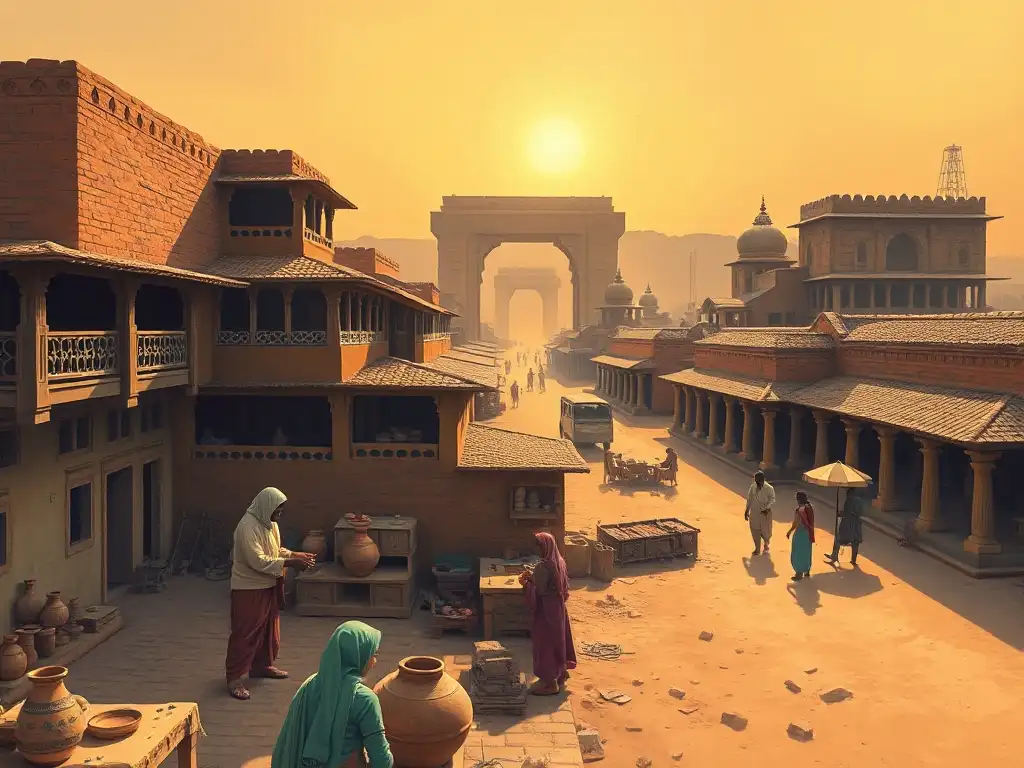
The Indus Valley Civilization is renowned for its remarkable contributions to art and architecture, showcasing a sophisticated understanding of aesthetics, functionality, and urban planning. The characteristics of Indus Valley art and architecture are distinguished by their unique features, innovative approaches, and the ability to convey cultural values through various forms.
Unique Features of Indus Valley Art
Indus Valley art is characterized by its intricacy and symbolism. Artifacts unearthed from sites such as Harappa and Mohenjo-Daro reveal a variety of artistic expressions, including pottery, seals, figurines, and jewelry.
- Pottery: The pottery of the Indus Valley is notable for its polished surface and intricate designs. These include geometric patterns and representations of animals, which were often painted in red and black. The use of the potter’s wheel indicates advanced technological skills.
- Seals: Seals, often made from steatite, feature animal motifs, deities, and inscriptions in the undeciphered Indus script. These seals served both administrative and ceremonial purposes, indicating a complex society with trade networks and religious practices.
- Figurines: Small terracotta figurines, particularly those depicting women, showcase detailed craftsmanship. These figurines often have exaggerated features, suggesting a cultural emphasis on fertility and femininity.
- Jewelry: The people of the Indus Valley created elaborate jewelry using semi-precious stones, beads, and metals. This jewelry not only served as adornment but also as status symbols within their society.
Overall, the art of the Indus Valley Civilization reflects a deep connection to nature, spirituality, and social structure, providing insights into the daily lives and beliefs of its people.
Architectural Innovations of the Indus Valley Civilization
The architectural achievements of the Indus Valley Civilization are equally impressive, marked by a systematic approach to urban planning and construction.
- Grid Layout: Cities were meticulously planned with a grid layout, featuring streets that intersected at right angles. This organization facilitated efficient transportation and resource distribution.
- Drainage Systems: The civilization is famed for its advanced drainage systems, which included covered drains and soak pits. This innovation not only improved sanitation but also demonstrated a high level of engineering skills.
- Public Buildings: Structures such as the Great Bath in Mohenjo-Daro highlight the importance of public spaces in Indus Valley society. This large, well-constructed pool suggests a focus on ritualistic practices and community gatherings.
- Materials Used: The use of standardized baked bricks for construction ensured durability and uniformity in buildings. The walls of houses were often made thick to provide insulation against heat.
These architectural innovations reflect the Indus Valley Civilization's understanding of urban infrastructure and its commitment to the health and well-being of its inhabitants.
Comparison with Contemporary Civilizations' Art and Architecture
When juxtaposed with contemporary civilizations, the art and architecture of the Indus Valley stand out for their unique qualities and advancements.
- Mesopotamia: Unlike the monumental architecture of Mesopotamian ziggurats, which were built for religious purposes, the Indus Valley's public structures focused more on communal life and hygiene. The Great Bath serves as a testament to this difference, emphasizing ritualistic aspects rather than solely religious.
- Egypt: While Egyptian art often depicted pharaohs and deities in grandiose styles, Indus art was more focused on everyday life and nature. The figurines and seals of the Indus Valley convey a sense of realism and intimacy that is less prevalent in the rigid and stylized representations of Egyptian art.
- China: The early Chinese civilization emphasized the importance of ancestor worship in their art and architecture. In contrast, Indus Valley art reflects a more egalitarian society, with no clear evidence of a ruling elite dominating artistic expression.
The Indus Valley art and architecture exhibit a rich tapestry of cultural significance and innovation, setting it apart from its contemporary civilizations. The legacy of the Indus Valley continues to inspire and intrigue scholars and enthusiasts of ancient history, highlighting the sophistication of one of the world's earliest urban cultures.
Key Elements of Indus Valley Art
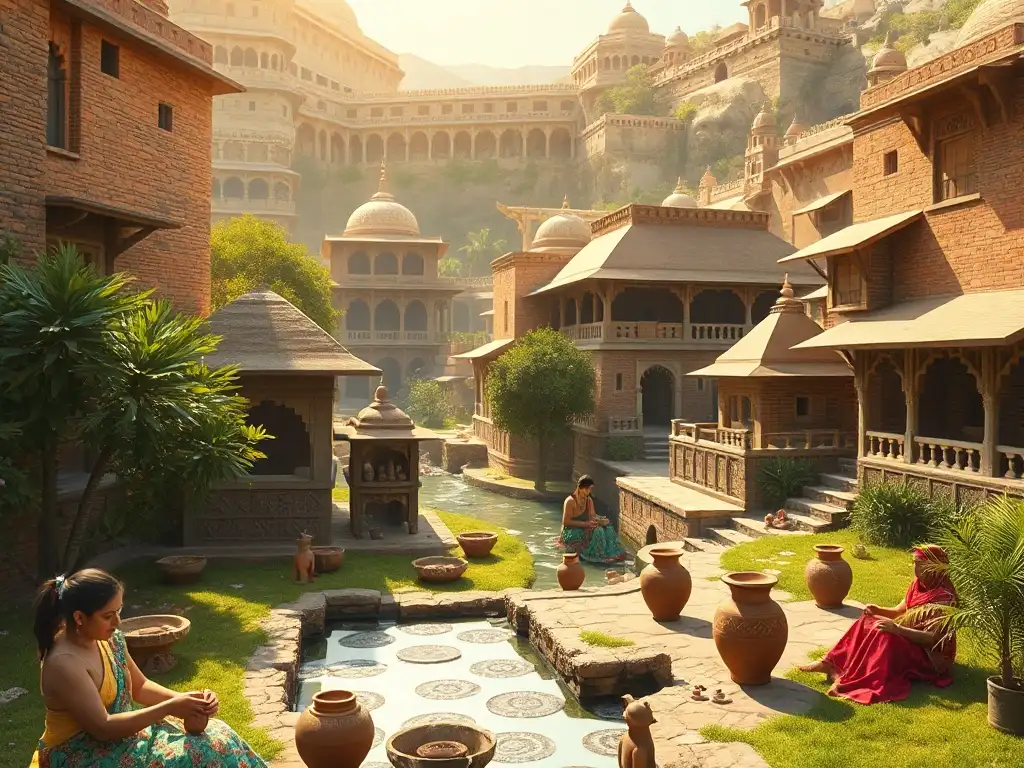
The Indus Valley Civilization (IVC), flourishing from approximately 3300 to 1300 BCE, is renowned for its sophisticated urban planning, but equally notable is its art and architecture. The artistic endeavors of this ancient civilization provide profound insights into their culture, beliefs, and societal structures. Here, we explore the fundamental elements of Indus Valley art, focusing on sculptures, pottery, and seals, each revealing unique aspects of life in this remarkable civilization.
Sculptures and Figurines: A Reflection of Society
Sculptures and figurines are pivotal in understanding the Indus Valley art and architecture. Crafted primarily from terracotta, stone, and metal, these artifacts exhibit exceptional craftsmanship.
- Terracotta Figurines: The most abundant artifacts are terracotta figurines, often depicting animals, humans, and deities. Notably, the dancing girl statue from Mohenjo-Daro exemplifies the artistic finesse of the era. This 10.5 cm tall bronze figure portrays a young girl in a dynamic pose, showcasing the skill of the artisans in producing realistic human forms.
- Male and Female Statues: The civilization produced numerous statues that reflect their societal structure and gender roles. The Priest-King statue, another significant find, emphasizes the importance of leadership and possibly religious authority within the society. The intricate details of the hair and attire suggest a highly developed sense of aesthetics.
- Symbolism and Rituals: Many sculptures are believed to have held religious or ceremonial significance. The presence of various animal figures, such as bulls, indicates their importance in rituals or as symbols of strength. These artistic expressions reflect the values and beliefs of the people, providing clues about their social hierarchy and cultural practices.
Pottery and Terracotta: Artistic Expressions
Pottery is another essential component of Indus Valley art, showcasing not only functional utility but also artistic expression.
- Decorative Techniques: Indus Valley pottery is characterized by its polychrome designs and intricate patterns. The use of geometric motifs, animals, and human figures in painted pottery highlights the artistic talents of the potters. For instance, the red and black pottery often features elaborate designs that suggest a sophisticated aesthetic sensibility.
- Terracotta Objects: Beyond pottery, the Indus Valley artisans crafted a variety of terracotta objects, including toys, ritual vessels, and household items. These items, often adorned with intricate designs, served both practical purposes and artistic expression. The presence of toys, such as miniature carts, indicates a playful side to their culture, reflecting the importance of childhood.
- Cultural Significance: The pottery not only served functional purposes but also represented social status and cultural identity. Certain forms and styles were reserved for specific classes or rituals, illustrating the interplay between art and societal norms.
Seals and Inscriptions: Communication Through Art
Seals and inscriptions represent a distinctive facet of Indus Valley art, serving as a means of communication and trade.
- Seals: The most iconic artifacts from the Indus Valley are the seals, typically made of steatite and engraved with intricate designs. These seals often featured animals, such as unicorns and elephants, alongside symbols and scripts that remain undeciphered. The craftsmanship of these seals reflects the high level of artistry and the importance of trade in the civilization.
- Script and Symbolism: The inscriptions on the seals suggest a system of writing, potentially used for administrative or commercial purposes. The presence of symbols and motifs on the seals may indicate ownership or signify cultural narratives, although the exact meanings remain a subject of scholarly debate.
- Trade and Cultural Exchange: The seals played a crucial role in trade, serving as identifiers for merchants and facilitating transactions with neighboring civilizations. Their widespread distribution across regions indicates robust trade networks and cultural exchange, pointing to the civilization's influence beyond its geographical boundaries.
The art and architecture of the Indus Valley Civilization provide a rich tapestry of their cultural identity, societal structure, and artistic achievements. From expressive sculptures to intricate pottery and communicative seals, these elements collectively illustrate a civilization that valued creativity and craftsmanship, leaving a lasting legacy that continues to intrigue scholars and enthusiasts alike.
Architectural Marvels of the Indus Valley
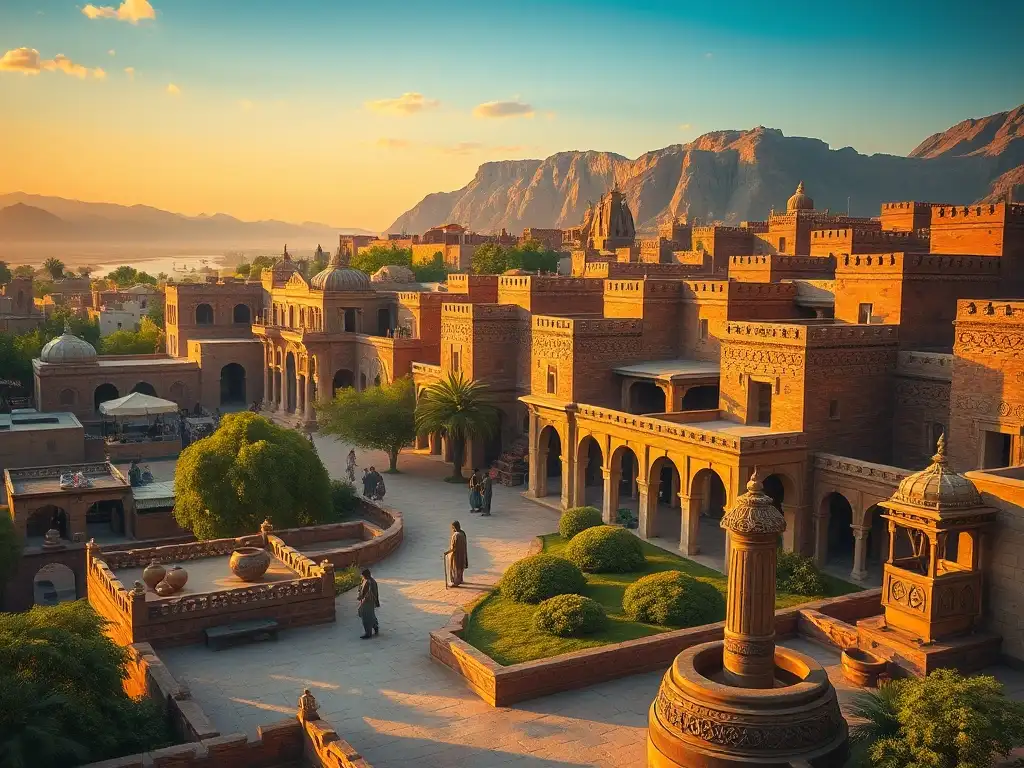
The Indus Valley Civilization (IVC), one of the world's earliest urban cultures, is renowned for its remarkable art and architecture. This civilization, which thrived from approximately 3300 to 1300 BCE in what is now modern-day Pakistan and northwest India, showcases sophisticated urban planning, impressive structures, and a unique aesthetic sensibility. The architectural marvels of the Indus Valley reflect not only the technological advancements of the era but also the cultural and societal values of its people.
Urban Planning and City Layout
The cities of the Indus Valley, such as Harappa and Mohenjo-Daro, are exemplary models of urban planning that exhibit a high degree of organization and foresight. The layout of these cities was characterized by:
- Grid System: Streets were arranged in a precise grid pattern, with major thoroughfares intersecting at right angles. This provided a systematic approach to urban organization that facilitated movement and trade.
- Zoning: The cities featured distinct zones for residential, commercial, and industrial activities. This zoning likely helped to manage resources effectively and maintain order within the urban environment.
- Drainage Systems: One of the most impressive features of Indus Valley cities was their advanced drainage systems. Houses were connected to a centralized drainage system, which included covered drains along the streets, demonstrating an understanding of sanitation and public health.
- Public Spaces: Central public areas, such as granaries and assembly halls, were strategically placed to serve as communal gathering spots, fostering a sense of community and cooperation among residents.
The careful urban planning of the Indus Valley Civilization not only optimized living conditions but also reflected the civilization's priorities in terms of hygiene, trade, and social interaction.
Notable Structures: The Great Bath and Citadel
Among the most iconic structures of the Indus Valley Civilization are the Great Bath and the Citadel, both of which underscore the sophistication of their architectural practices.
- The Great Bath: Located in Mohenjo-Daro, the Great Bath is a monumental structure believed to have served a ritualistic or religious purpose. Measuring approximately 12 meters long, 7 meters wide, and 2.4 meters deep, this large, rectangular pool was constructed with finely laid bricks and featured a sophisticated waterproofing system. The presence of this structure suggests the importance of water in Indus Valley rituals and possibly communal activities.
- The Citadel: Overlooking the city of Mohenjo-Daro, the Citadel was a raised platform that housed important administrative and religious structures. Its elevated position provided a strategic advantage, serving as a defensive stronghold. The Citadel included large granaries and possibly a ceremonial center, indicating the centralization of power and resource management within the civilization.
These notable structures are not only architectural feats but also serve as evidence of the social and political dynamics that existed within the Indus Valley Civilization.
Use of Materials: Brickwork and Construction Techniques
The Indus Valley Civilization is particularly renowned for its advanced construction techniques and the materials utilized in building their cities.
- Burnt Brick: The most distinctive feature of Indus Valley architecture is the use of uniformly sized burnt bricks. These bricks, typically measuring 7.5 cm x 15 cm x 30 cm, were produced through a meticulous process of shaping, drying, and firing, resulting in durable building materials that have withstood the test of time.
- Mud and Mortar: Alongside burnt bricks, the use of mud and mortar was common for constructing walls and other structures. This combination provided additional insulation and stability.
- Structural Techniques: The architects of the Indus Valley employed techniques such as corbel arching in their constructions. This allowed for wider openings and larger interior spaces, enhancing the functionality of buildings.
- Water Management: The sophisticated systems for water management, including wells and drainage, were ingeniously integrated into the urban fabric. These systems not only catered to the daily needs of the inhabitants but also showcased the engineering prowess of the civilization.
The innovative use of materials and construction techniques highlights the advanced technological capabilities of the Indus Valley Civilization and its emphasis on creating sustainable urban environments.
Through the examination of urban planning, notable structures, and material use, it becomes evident that the Indus Valley Civilization's art and architecture were not merely functional but also deeply intertwined with their cultural identity, reflecting a civilization that was both advanced and harmonious with its environment.
Cultural Significance of Indus Valley Art and Architecture
The Indus Valley Civilization, flourishing between 3300 BCE and 1300 BCE, is renowned for its sophisticated art and architecture, which reflect a unique societal structure and cultural ethos. The artifacts and structures discovered at sites such as Harappa and Mohenjo-Daro reveal a civilization that prioritized aesthetics, functionality, and spiritual beliefs, making Indus Valley art and architecture pivotal to understanding their way of life.
Art as a Reflection of Indus Valley Society
Indus Valley art, ranging from intricate pottery to detailed seals, offers a window into the daily lives, beliefs, and social hierarchies of its people. The motifs found in their pottery often depict animals, geometric patterns, and human figures, suggesting a society that valued both the natural world and abstract concepts.
- Pottery: The painted pottery of the Indus Valley is particularly notable. It often features red and black designs, with depictions of animals such as elephants, tigers, and birds, which could symbolize various aspects of their environment and culture.
- Seals and Inscriptions: The seals, made from steatite, are adorned with intricate carvings, often featuring animals and script that remains undeciphered. These seals likely served as a form of identification and trade, indicating social and economic structures.
- Sculpture: Terracotta figurines, including the famous "Dancing Girl," reflect the skills of artisans and their societal values, possibly indicating the role of women in religious or cultural practices.
The art of the Indus Valley also showcases a high degree of craftsmanship, suggesting a society with specialized artisans and trade networks that facilitated the exchange of ideas and materials.
Architectural Influence on Later Indian Civilizations
The architectural advancements of the Indus Valley Civilization laid the groundwork for future Indian architectural styles. Their urban planning, characterized by grid layouts, advanced drainage systems, and public baths, illustrates an understanding of infrastructure that would influence later civilizations.
- Urban Planning: The cities of the Indus Valley were meticulously planned, with streets laid out in a grid pattern and houses constructed with standardized bricks. This approach to urban design influenced subsequent Indian urban settlements.
- Drainage Systems: The sophisticated drainage systems found in Indus cities highlight their engineering prowess. These features ensured sanitation and public health, principles that continued to be important in later Indian architecture.
- Public Structures: The Great Bath of Mohenjo-Daro is an example of communal architecture that could have religious or social significance, setting a precedent for public buildings in later Indian cultures.
The legacy of Indus Valley architecture can be seen in subsequent periods, particularly in the Mauryan and Gupta empires, where elements of urban planning and public works continued to evolve.
The Role of Religion and Spirituality in Art and Architecture
Religion and spirituality played a crucial role in shaping the artistic and architectural expressions of the Indus Valley Civilization. While much about their religious practices remains a mystery, the art and structures they left behind suggest a society deeply connected to spiritual beliefs.
- Symbolism in Art: Many artifacts feature symbols that may have held religious significance, such as the bull, which could represent fertility or strength. The recurrence of certain motifs might indicate a pantheon of deities or spiritual beliefs intrinsic to their culture.
- Sacred Spaces: Architectural features like the Great Bath are believed to have been used for ritualistic purposes, indicating that communal worship and purification rites were integral to Indus Valley life.
- Influence on Later Religions: The spiritual practices seen in the Indus Valley might have set foundational beliefs that influenced later religions in India, including Hinduism and Buddhism.
The art and architecture of the Indus Valley Civilization not only reflect its societal values and complexities but also serve as a bridge to understanding the evolution of Indian culture and spirituality. The intricate designs, sophisticated urban planning, and the underlying spiritual ethos signify a civilization that was not only advanced in its time but also profoundly influential in shaping the future of Indian civilizations.
Preservation and Study of Indus Valley Art and Architecture
The preservation and study of Indus Valley art and architecture are critical for understanding one of the world's earliest urban civilizations. The Indus Valley Civilization (IVC), flourishing around 2500 BCE, is renowned for its remarkable urban planning, sophisticated drainage systems, and intricate art forms. This section explores how ongoing archaeological discoveries have shaped our knowledge of IVC, the challenges faced in preserving its heritage, and the future directions for research in this fascinating field.
Archaeological Discoveries and Their Impact
Archaeological discoveries play a pivotal role in enriching our understanding of Indus Valley art and architecture. Key sites such as Mohenjo-Daro and Harappa have unveiled a wealth of artifacts, structures, and urban layouts that reflect the civilization's advanced capabilities.
- Urban Planning: The grid-like layout of cities demonstrates exceptional urban planning and civil engineering. Streets were constructed with precision, often featuring drainage systems that highlight the civilization’s commitment to sanitation.
- Artistic Expression: Numerous terracotta figurines, seals, and pottery have been found, showcasing the artistic skills of the Indus people. These artifacts often depict animals, deities, and everyday life, providing insights into their culture and beliefs.
- Materials and Techniques: The use of materials such as clay, bronze, and semi-precious stones indicates a sophisticated understanding of resources. The skillful craftsmanship in bead-making, pottery, and metallurgy reflects a high level of artistic and technical expertise.
Recent excavations continue to uncover new findings, such as the monumental structures that suggest the existence of public buildings or possibly religious sites. These discoveries not only enhance our knowledge of the Indus Valley art and architecture but also challenge previous assumptions, leading to a re-evaluation of the civilization's social and political structures.
Challenges in Preserving Indus Valley Heritage
Despite the advances in archaeological research, the preservation of Indus Valley heritage faces significant challenges.
- Environmental Factors: Natural erosion, flooding, and climate change pose threats to archaeological sites. For instance, the shifting of the Indus River has led to the submergence of certain areas, jeopardizing the integrity of the ruins.
- Urban Development: Rapid urbanization in regions surrounding ancient sites often leads to encroachment and destruction. Construction projects and agricultural expansion can inadvertently damage or obliterate archaeological evidence.
- Limited Funding and Resources: Many archaeological projects struggle with insufficient funding, hindering comprehensive research and preservation efforts. The lack of trained professionals in certain areas exacerbates the situation, leading to inadequate conservation strategies.
Efforts to mitigate these challenges include community involvement, where local populations are educated about the importance of preserving their heritage. Additionally, international collaborations can provide the necessary expertise and resources for effective preservation.
Future Directions for Research in Indus Valley Art and Architecture
The future of research in Indus Valley art and architecture is promising, with several key directions shaping the field.
- Interdisciplinary Approaches: Combining archaeology with fields such as anthropology, environmental science, and technology can yield deeper insights. For instance, utilizing remote sensing and GIS (Geographic Information Systems) technology allows researchers to map sites more effectively and analyze urban layouts.
- Focus on Lesser-Known Sites: While Mohenjo-Daro and Harappa receive significant attention, exploring lesser-known sites can uncover new information about regional variations in art and architecture. Understanding the diversity within the IVC can provide a more holistic view of its cultural landscape.
- Public Engagement and Education: Increasing public awareness and involvement in preservation efforts is vital. Educational programs can foster appreciation for the Indus Valley's cultural heritage, encouraging community stewardship.
The preservation and study of Indus Valley art and architecture are essential for safeguarding the legacy of this ancient civilization. With ongoing research and increased awareness, the Indus Valley's rich artistic and architectural heritage can continue to inspire future generations.
Conclusion: The Legacy of Indus Valley Art and Architecture
The Indus Valley Civilization (IVC) stands as a monumental chapter in the annals of ancient Indian history, particularly through its distinctive art and architecture. The legacy left by this civilization extends far beyond its geographical boundaries, influencing subsequent cultures and societies across the Indian subcontinent. The advanced urban planning, intricate craftsmanship, and unique artistic expressions of the Indus Valley are not merely relics of the past; they continue to resonate in contemporary Indian art and architecture.
Lasting Influence on Modern Indian Art and Architecture
The impact of Indus Valley art and architecture on modern Indian aesthetics can be observed in several key areas:
- Urban Planning and Design:
- The meticulous layout of cities like Harappa and Mohenjo-Daro, characterized by grid patterns and advanced drainage systems, serves as a blueprint for modern urban planning.
- Concepts such as zoning and public spaces can trace their roots back to the IVC’s sophisticated urban strategies.
- Sculptural Techniques:
- The artistry of the IVC, particularly in terracotta and stone sculptures, has inspired contemporary artisans. The detailed craftsmanship in figurines and seals reflects a high level of skill that informs today's artistic practices.
- The motifs and themes prevalent in Indus Valley sculptures, such as animals and human figures, continue to be celebrated in modern Indian sculpture.
- Architectural Innovations:
- The use of baked bricks and the concept of multi-storied buildings in the IVC influence modern architectural designs in India.
- The emphasis on symmetry and proportion in IVC structures can be seen in contemporary buildings, which often aim to reflect harmony and balance.
- Artistic Motifs:
- Recurrent themes such as nature, fertility, and daily life in Indus Valley art find echoes in modern Indian art forms, from traditional paintings to contemporary installations.
- The use of motifs like the lotus and peacock, which have roots in Indus Valley iconography, remain prevalent in various artistic expressions across India.
The Importance of Understanding Indus Valley Contributions to Civilization
Understanding the contributions of the Indus Valley Civilization is crucial for several reasons:
- Cultural Continuity:
- The IVC serves as a foundation of Indian cultural identity, showcasing the continuity of artistic and architectural practices over millennia. Recognizing this lineage helps in appreciating the evolution of Indian art forms.
- Historical Context:
- The study of Indus Valley art and architecture provides insights into the socio-economic and political conditions of the time. It reveals the values and beliefs of a civilization that thrived with advanced trade networks and urban centers.
- Global Significance:
- The achievements of the IVC in art and architecture are not just significant for India but hold global importance. They contribute to the understanding of human civilization's diverse achievements, showcasing a sophisticated society that existed contemporaneously with other ancient cultures.
- Inspiration for Future Generations:
- Engaging with the artistic and architectural legacy of the Indus Valley can inspire modern artists and architects, encouraging innovation rooted in tradition. This connection fosters a deeper appreciation for the richness of India's historical tapestry.
The Indus Valley art and architecture represents a remarkable synthesis of creativity, functionality, and cultural expression. Its enduring influence on modern practices emphasizes the importance of preserving and understanding this ancient heritage, ensuring that the legacy of the Indus Valley continues to inspire future generations.
Frequently Asked Questions
What is the significance of Indus Valley art and architecture?
Indus Valley art and architecture is significant because it showcases the advanced urban planning, unique craftsmanship, and cultural expression of one of the world's earliest civilizations.
What are some notable features of Indus Valley architecture?
Notable features include well-planned cities, the use of baked bricks, intricate drainage systems, and the presence of granaries and public baths, reflecting a high level of engineering.
How did art manifest in the Indus Valley civilization?
Art in the Indus Valley civilization manifested through sculptures, pottery, and seal carving, which often depicted animals, deities, and daily life, highlighting the cultural values of the society.
What materials were commonly used in Indus Valley art?
Common materials included terracotta, stone, and metal, which were utilized to create figurines, pottery, and tools that illustrate the artistic skills of the civilization.
How does the art and architecture of the Indus Valley compare to other ancient civilizations?
The art and architecture of the Indus Valley is distinct for its uniformity and sophistication, often contrasting with the more ornate styles of contemporary civilizations like Egypt or Mesopotamia.
Final Reflection: The Timeless Harmony of Indus Valley Art and Architecture
The Indus Valley civilization stands as a testament to the profound connection between art and architecture, showcasing how these two elements can intertwine to create spaces that are not only functional but also deeply expressive. Today, as we navigate a world increasingly dominated by technology and rapid urbanization, the principles of balance, harmony, and aesthetic value found in Indus Valley art and architecture offer us a blueprint for sustainable living and cultural appreciation. The elegance of their designs and the intricacy of their craftsmanship remind us that beauty and utility can coexist in our modern environments.
Cultural heritage is not merely a relic of the past; it is a living narrative that shapes our identities and influences our communities. The artistic expressions and architectural innovations of the Indus Valley civilization continue to inspire contemporary artists and architects, encouraging a dialogue between history and modernity. As we reflect on this legacy, we are reminded of the words of architect Louis Kahn: A great building must begin with the unmeasurable, must go through measurable means when it is being designed and in the end must be unmeasurable.
This sentiment resonates deeply with the ethos of the Indus Valley, where every brick and sculpture tells a story that transcends time.
As you consider the lessons of the Indus Valley's art and architecture, I invite you to reflect on how you can incorporate these timeless principles into your own life. Seek beauty in the everyday, prioritize harmony in your surroundings, and let creativity guide your choices.
By embracing the spirit of the Indus Valley, we can cultivate spaces that not only serve our needs but also inspire and uplift us, fostering a deeper connection to our environment and to each other. Let us carry forward the legacy of this remarkable civilization, ensuring that art and architecture continue to enrich our lives for generations to come.
Unveil the Splendor of the Indus Valley!
Thank you for diving into the fascinating world of the Indus Valley with us! You've not only explored the captivating intersections of art and architecture but also uncovered the rich legacy of a civilization that continues to inspire. Now, let’s take that inspiration further and bring the essence of the Indus Valley to life in your own journey.
Here are some powerful steps you can take next:
- Immerse Yourself: Visit local museums or online exhibitions that highlight the beauty of ancient art and architecture. Explore artifacts and structures that showcase the exquisite craftsmanship of the Indus Valley.
- Share Your Discoveries: Engage with friends or use social media to share what you learned today. Start a conversation about the aspects of the Indus Valley that excite you the most!
- Create Your Art: Inspired by the intricate designs of the Indus Valley? Try your hand at creating your own artwork or project that reflects the unique styles you’ve discovered.
What aspect of Indus Valley art or architecture inspires you the most, and how do you plan to explore it further? We invite you to share your thoughts below!