
The Art of Crop Rotation: Sustainable Practices in Ancient Indian Agriculture

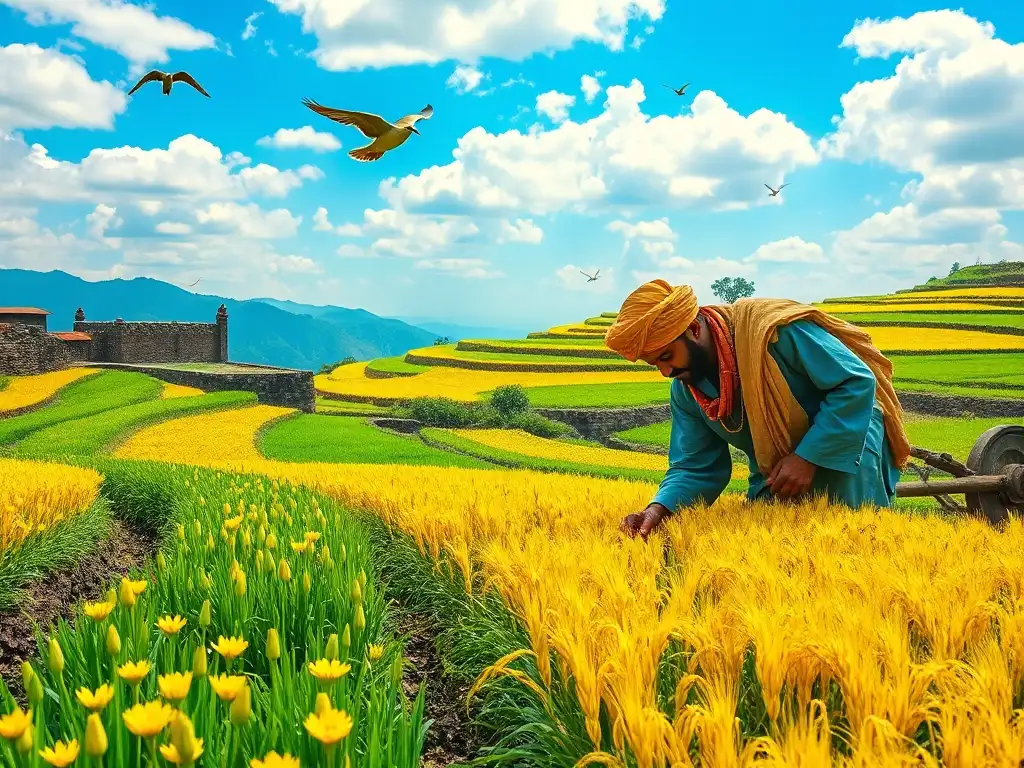
Welcome to Ancient India History, where we embark on a journey through time to uncover the rich tapestry of India's ancient civilizations. In this exploration, we delve into the fascinating world of Ancient Indian agriculture techniques—a cornerstone of sustainable living that shaped societies and economies long before modern practices emerged. Are you ready to discover how the art of crop rotation revolutionized farming in ancient times and laid the groundwork for the agricultural marvels we witness today? Join us as we unravel the secrets of the past and learn how these age-old practices continue to influence our lives.
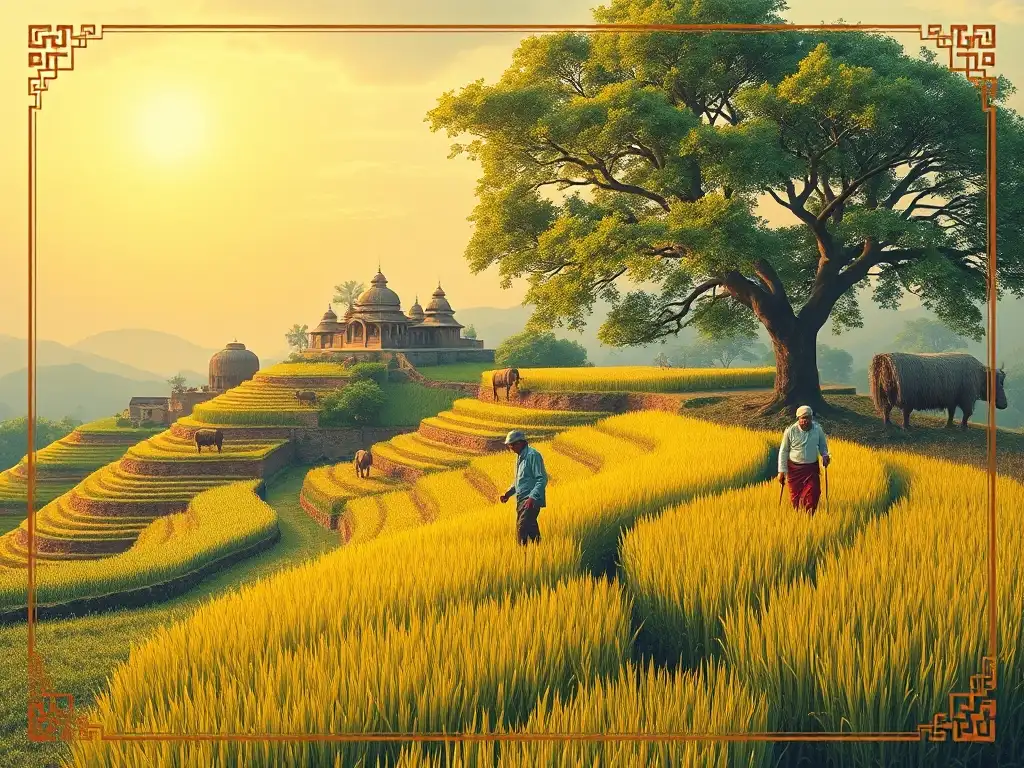
Introduction to Ancient Indian Agriculture Techniques
Ancient Indian agriculture techniques played a pivotal role in shaping the civilizations that flourished on the subcontinent. The intricate methods employed by farmers not only catered to the immediate needs of sustenance but also contributed significantly to the economy and culture of the time. Among these techniques, crop rotation stands out as a particularly innovative practice that enhanced soil fertility, maximized land use, and ensured sustainable farming. By delving into the historical context and methodologies of ancient Indian agriculture, we can uncover the intricate relationship between agricultural practices and the prosperity of ancient Indian societies.
Overview of Agricultural Practices in Ancient India
Agriculture in ancient India was characterized by a rich tapestry of techniques and practices that adapted to the diverse climatic and geographical conditions across the region. Farmers cultivated a variety of crops, including wheat, barley, rice, and pulses, using tools made from wood and metal. Key practices included:
- Irrigation Systems: Ingenious methods were developed to harness water from rivers and rainfall, ensuring that crops received adequate moisture.
- Soil Management: Techniques such as plowing and the addition of organic fertilizers improved soil health and productivity.
- Intercropping: Farmers often planted multiple crops together to optimize space and reduce pest infestations.
These agricultural practices laid the groundwork for thriving communities and trade networks, highlighting the importance of agriculture as the backbone of ancient Indian society.
Importance of Sustainable Agriculture in Ancient Civilizations
Sustainable agriculture was critical for the survival and growth of ancient civilizations. By employing techniques that preserved the environment and maintained soil fertility, ancient Indian farmers ensured that their communities could thrive over generations. The emphasis on balance and sustainability can be seen in their agricultural practices:
- Preservation of Biodiversity: Crop rotation and intercropping helped maintain a diverse ecosystem, preventing the depletion of specific crops and supporting various species.
- Soil Health: By alternating crops, farmers could manage soil nutrients effectively, reducing the need for chemical fertilizers and promoting natural growth.
- Resilience to Climate Variability: Sustainable practices allowed ancient farmers to adapt to changing weather patterns, ensuring food security even in times of drought or flood.
These practices not only sustained the agricultural output but also reflected the cultural values of stewardship and respect for nature prevalent in ancient Indian societies.
The Concept of Crop Rotation in Ancient Indian Agriculture
Definition of Crop Rotation
Crop rotation is defined as the practice of growing different types of crops in the same area across a sequence of seasons. This technique is designed to improve soil health, optimize nutrient use, and reduce pest and disease cycles. By rotating crops, farmers can ensure that the soil remains productive and that the ecosystem remains balanced.
Historical Roots of Crop Rotation in India
The roots of crop rotation in ancient India can be traced back to various agricultural texts and practices. Historical evidence suggests that ancient Indian agronomists recognized the benefits of alternating crops as early as the Vedic period. Some key points include:
- Literary References: Ancient texts, such as the Arthashastra by Kautilya, provide insights into agricultural practices, emphasizing the importance of crop diversity and rotation.
- Archaeological Findings: Excavations in sites like Harappa and Mohenjo-Daro reveal evidence of sophisticated agricultural systems, including crop rotation as a means of enhancing productivity.
- Cultural Traditions: Many indigenous communities practiced crop rotation as part of their agricultural heritage, passing down knowledge through generations.
This foundational understanding of crop rotation not only demonstrates the ingenuity of ancient Indian farmers but also their commitment to sustainable agricultural practices that have influenced modern farming techniques.
Benefits of Crop Rotation in Ancient Indian Farming
Crop rotation was a cornerstone of agricultural practices in ancient India, providing numerous benefits that contributed to the sustainability and productivity of farming systems. By systematically alternating crops in a given field, ancient Indian farmers were able to optimize soil health, reduce pest populations, and maximize the use of land resources. This practice not only ensured higher yields but also supported the long-term viability of agricultural lands in diverse climatic and ecological conditions across the subcontinent.
Enhancing Soil Fertility and Nutrient Management
One of the primary benefits of crop rotation in ancient Indian agriculture was the enhancement of soil fertility. Different crops have varying nutrient requirements and root structures, which means that rotating them allows the soil to recover and maintain its nutrient balance. For instance, legumes, such as chickpeas and lentils, played a vital role as they fixed nitrogen in the soil, enriching it for subsequent crops. This not only improved soil structure but also reduced the need for external fertilizers, making agriculture more sustainable.
Moreover, ancient texts and farming manuals, like the Arthashastra, detail methods of soil management that emphasized the importance of crop rotation in replenishing nutrients. Farmers were encouraged to plant certain crops in succession to enhance the organic matter content and improve the overall fertility of the soil, ultimately leading to healthier crops and better harvests.
Pest and Disease Control in Ancient Crop Systems
Crop rotation served as an effective strategy for pest and disease management in ancient Indian agriculture. By changing the types of crops grown in a specific area from season to season, farmers disrupted the life cycles of pests and pathogens that thrived on specific plants. This natural form of pest control minimized the prevalence of diseases such as blight and rust, which could devastate monoculture fields.
Ancient farmers recognized the significance of rotating susceptible crops with resistant ones. For example, following a season of growing susceptible grains, they might plant legumes or other crops that did not share the same pest vulnerabilities. This method not only curbed infestations but also reduced the dependency on chemical interventions, fostering a more balanced ecosystem.
Maximizing Land Use Efficiency
The practice of crop rotation in ancient India also contributed to maximizing land use efficiency. By diversifying the types of crops grown, farmers increased the overall productivity of their fields. Different crops have varying growth rates and harvest timings, allowing for multiple harvests throughout the year. This staggered planting and harvesting ensured that land was continuously utilized rather than lying fallow.
Additionally, ancient farmers often adapted their crop rotation strategies according to local climatic conditions and soil types, enabling them to take full advantage of seasonal variations. This adaptability not only optimized production but also ensured food security for communities, supporting larger populations and facilitating trade.
Key Crop Rotation Practices in Ancient India
The crop rotation practices of ancient India were rich and varied, influenced by regional climates, cultural preferences, and ecological conditions. These practices ensured that agriculture remained sustainable and productive over centuries, reflecting the ingenuity of ancient Indian farmers.
Traditional Crop Combinations Used by Ancient Farmers
Ancient Indian farmers employed specific crop combinations that were well-suited to their local environments. Common practices included pairing cereals like rice and wheat with legumes such as peas and lentils. This strategy not only enhanced soil fertility but also provided a diverse diet for communities.
In some regions, farmers practiced intercropping, where two or more crops were planted in proximity to maximize space and resource use. For instance, a popular combination was the pairing of millet with pulses, which complemented each other's growth needs and provided a richer source of nutrition.
Seasonal Crop Rotation Patterns
Seasonal variations played a crucial role in the crop rotation practices of ancient India. Farmers typically employed a two-crop or three-crop rotation system that aligned with the monsoon seasons. For example, rice might be cultivated during the wet season, followed by pulses in the drier months. This timing ensured that crops received the necessary moisture while optimizing the use of available resources throughout the year.
Furthermore, ancient agricultural texts often recommended specific timing for planting and harvesting according to lunar phases and weather patterns, demonstrating a deep understanding of seasonal cycles and their effects on crop growth.
Regional Variations in Crop Rotation Techniques
The diversity of India's geography led to significant regional variations in crop rotation techniques. In the fertile plains of the Ganges, farmers might focus on rice and wheat rotations, while in the arid regions of Rajasthan, drought-resistant crops like millet and barley were prioritized.
Additionally, regions with distinct cultural practices and local varieties of crops developed unique rotation systems. For example, the use of specific legumes in southern India helped enhance soil fertility in rice paddies, while northern regions relied on specific grains that thrived in cooler climates. These regional adaptations not only reflected the environmental conditions but also the cultural heritage of farming communities across ancient India.
Case Studies of Crop Rotation in Ancient Indian Agriculture
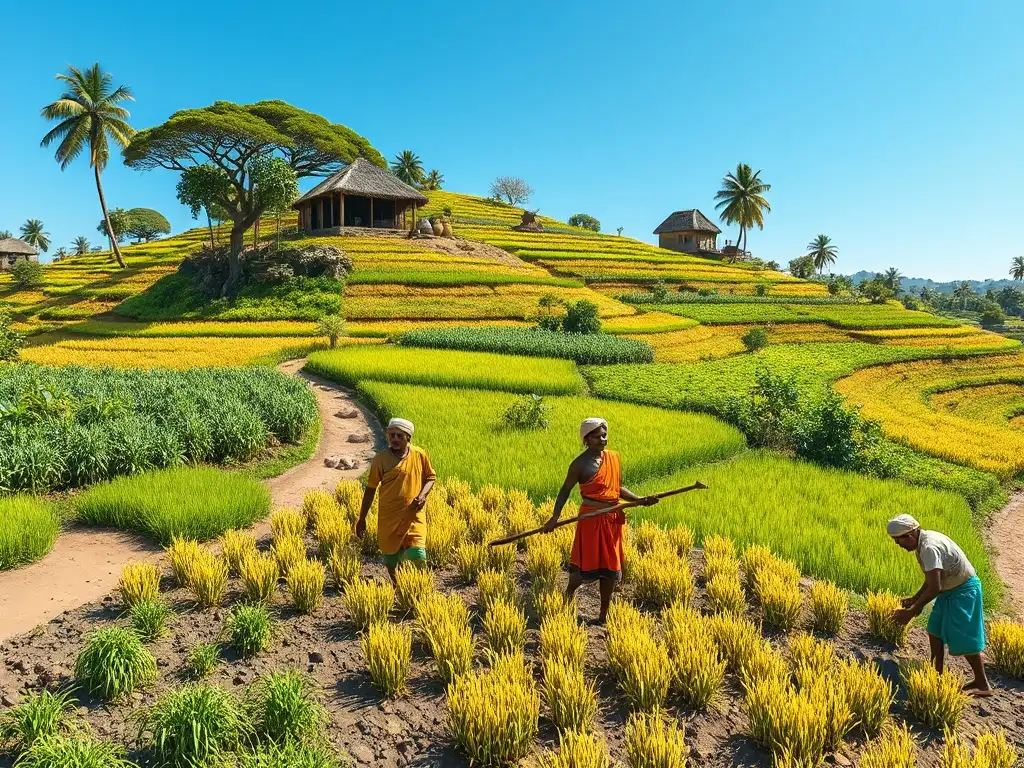
The practice of crop rotation in ancient Indian agriculture is exemplified through various civilizations, showcasing an understanding of sustainable farming long before modern agricultural science recognized its importance. These case studies reveal not only the techniques employed but also the cultural significance attributed to agriculture in ancient India.
Crop Rotation in the Indus Valley Civilization
The Indus Valley Civilization (c. 3300–1300 BCE) is one of the earliest urban cultures known for its advanced agricultural practices. Archaeological evidence suggests that farmers in this civilization employed a systematic approach to crop rotation. They cultivated a variety of crops such as wheat, barley, peas, and lentils, often rotating them to maintain soil fertility and reduce pest infestations.
Farmers would alternate between legumes and cereals, a technique that enriched the soil with nitrogen, a crucial nutrient for plant growth. This practice not only improved yields but also allowed for a more diverse diet for the population. Additionally, the use of irrigation from the Indus River facilitated multiple cropping seasons, further enhancing agricultural productivity.
Agricultural Innovations during the Maurya and Gupta Empires
During the Maurya (c. 322–185 BCE) and Gupta (c. 320–550 CE) Empires, ancient Indian agriculture witnessed significant innovations, including advancements in crop rotation techniques. Texts such as the Arthashastra by Kautilya provide insights into the agricultural practices of the time, indicating that crop rotation was a well-established method to optimize land use.
Farmers were encouraged to cultivate different crops in sequential seasons, which helped combat soil depletion and contributed to sustainable agricultural practices. The introduction of new crops from trade routes, such as cotton and sugarcane, also prompted farmers to adapt their crop rotation strategies accordingly. This flexibility not only supported the economy but also ensured food security for the growing populations of these empires.
The Influence of Climate and Geography on Crop Rotation
Ancient Indian agricultural practices were profoundly influenced by the country's diverse climate and geography. The variability in weather patterns and soil types necessitated adaptable crop rotation strategies to maximize productivity across different regions.
Adapting Crop Rotation to India's Diverse Climates
India's climate ranges from arid deserts to tropical monsoons, which directly impacts crop choices and rotation schedules. In arid regions, farmers often relied on drought-resistant crops such as millet and sorghum, rotating them with legumes during the rainy season to enhance soil moisture and fertility.
Conversely, in the fertile alluvial plains of the Ganges, rice became a staple crop, rotated with pulses and oilseeds. This adaptability to local climatic conditions ensured that ancient Indian farmers could sustain their agricultural output and meet the dietary needs of their communities throughout the year.
Geographic Factors Influencing Crop Choices
Geography played a crucial role in shaping the agricultural practices of ancient India. The varied topography—from the Himalayan foothills to the Deccan Plateau—dictated the types of crops that could be grown effectively. For instance, in the hilly regions, terraces were constructed, allowing for the cultivation of rice and other crops on steep slopes.
In flood-prone areas, farmers developed flood-resistant varieties and adapted their crop rotation to include short-duration crops that could be harvested before the onset of monsoon flooding. Such geographic considerations not only optimized land use but also reflected the ingenuity of ancient Indian farmers in overcoming environmental challenges through effective crop rotation strategies.
The Legacy of Crop Rotation Practices in Modern Agriculture
The principles of crop rotation, which have been practiced for thousands of years, continue to influence modern agricultural practices around the globe. Ancient Indian civilizations, particularly those in the Indus Valley and later in the Gupta Empire, utilized sophisticated crop rotation techniques that are now recognized as essential for sustainable farming. By alternating the types of crops grown in a particular area, ancient farmers could enhance soil fertility, reduce pest populations, and improve yields.
This legacy has been transmitted through generations, forming a foundation for contemporary agricultural systems. Today, farmers are increasingly adopting crop rotation methods to counteract soil depletion and mitigate the impact of climate change. The practice is celebrated not just for its economic advantages but also for its role in conserving biodiversity and improving ecosystem resilience. Thus, the enduring legacy of ancient crop rotation practices remains crucial to addressing the agricultural demands of the modern world.
Continuation of Ancient Techniques in Contemporary Farming
Modern agricultural practices often draw upon ancient techniques, especially in regions where traditional farming methods persist. In many parts of India, farmers continue to apply crop rotation strategies that were developed centuries ago. For instance, the rotation of legumes with cereals is a common practice that enhances nitrogen fixation in the soil, benefiting subsequent crops. This age-old wisdom is now being validated by scientific research, which illustrates the benefits of crop diversity in promoting soil health and productivity.
Farmers today are also introducing advanced technology, such as precision agriculture, to monitor soil conditions and optimize rotation schedules. However, the core principles of ancient crop rotation are still relevant, proving that these time-tested methods can coexist with modern innovations. This synergy between ancient wisdom and contemporary techniques fosters sustainable agricultural practices that can confront the challenges posed by population growth and climate change.
Lessons from Ancient Indian Agriculture for Sustainable Practices Today
Ancient Indian agriculture offers several valuable lessons for sustainable practices in today's farming landscape. First, the emphasis on biodiversity is paramount. By cultivating a variety of crops, ancient farmers not only ensured food security but also preserved the ecological balance. Such practices are essential today, as monoculture is linked to soil degradation and increased vulnerability to pests and diseases.
Another lesson is the importance of local adaptations. Ancient Indian farmers were adept at tailoring their agricultural practices to their specific regional conditions, such as climate, soil type, and water availability. This localized approach is critical in contemporary agriculture, where understanding the unique needs of each farming environment can lead to more effective and sustainable outcomes.
Lastly, the integration of livestock into farming systems, as practiced in ancient India, highlights the circular economy approach to agriculture. Utilizing animal waste as fertilizer complements crop production, enhancing soil fertility while reducing dependence on chemical fertilizers. This holistic view of agriculture is increasingly relevant in efforts to create sustainable food systems.
Conclusion: The Enduring Importance of Ancient Indian Agriculture Techniques
The techniques and philosophies underlying ancient Indian agriculture, particularly crop rotation, remain relevant and vital in contemporary discussions about sustainable farming. These practices not only contributed to the prosperity of ancient civilizations but also provide a roadmap for addressing modern agricultural challenges.
Summary of Key Insights on Crop Rotation
The key insights into crop rotation from ancient Indian agriculture include:
- Soil Health: Crop rotation enhances soil fertility and structure.
- Pest Management: Diverse cropping systems reduce pest populations and disease prevalence.
- Resource Efficiency: Efficient use of water and nutrients is achieved through strategic planning of crop sequences.
- Biodiversity Preservation: Maintaining a variety of crops promotes ecological balance and resilience.
These elements illustrate the multifaceted benefits of crop rotation, underscoring its significance in sustainable agriculture.
The Relevance of Ancient Practices in Today's Agricultural Challenges
The relevance of ancient agricultural practices, particularly those related to crop rotation, is more pronounced than ever in the face of contemporary challenges such as climate change, soil degradation, and food security. By revisiting and adapting these time-honored techniques, modern agriculture can enhance its sustainability and resilience. Ancient Indian agriculture serves as a powerful reminder of the wisdom embedded in traditional practices, highlighting the need for a harmonious relationship between innovation and heritage in the quest for sustainable food systems.
- Introduction to Ancient Indian Agriculture Techniques
- The Concept of Crop Rotation in Ancient Indian Agriculture
- Benefits of Crop Rotation in Ancient Indian Farming
- Key Crop Rotation Practices in Ancient India
- Case Studies of Crop Rotation in Ancient Indian Agriculture
- The Influence of Climate and Geography on Crop Rotation
- The Legacy of Crop Rotation Practices in Modern Agriculture
- Conclusion: The Enduring Importance of Ancient Indian Agriculture Techniques
- What is crop rotation in ancient Indian agriculture?
- How did ancient Indian civilizations implement crop rotation?
- What were the benefits of crop rotation in ancient India?
- Were there any other agricultural techniques used in ancient India?
- How does the study of ancient Indian agriculture techniques benefit modern practices?
Frequently Asked Questions
What is crop rotation in ancient Indian agriculture?
Crop rotation is a sustainable farming practice where different crops are planted in the same area in sequential seasons. This technique helps maintain soil fertility and control pests.
How did ancient Indian civilizations implement crop rotation?
Ancient Indian civilizations, particularly during the Indus Valley period, practiced crop rotation by alternating between crops like wheat, barley, and pulses. This method enhanced yield and soil health.
What were the benefits of crop rotation in ancient India?
The benefits included improved soil fertility, reduced pest infestations, and increased crop diversity. These practices contributed to the overall sustainability of ancient agricultural systems.
Were there any other agricultural techniques used in ancient India?
Yes, ancient Indian agriculture also included techniques like intercropping, terracing, and using natural fertilizers. These methods complemented crop rotation and promoted ecological balance.
How does the study of ancient Indian agriculture techniques benefit modern practices?
Studying these techniques can provide insights into sustainable agriculture, emphasizing biodiversity and soil health. Modern farmers can learn from these ancient practices to improve productivity and environmental stewardship.
Final Reflection: Embracing Ancient Wisdom for a Sustainable Future
The art of crop rotation in ancient Indian agriculture techniques is not just a relic of the past; it is a beacon of sustainable practices that resonate profoundly in today's world. As we grapple with the challenges of modern agriculture—soil degradation, climate change, and food security—the wisdom embedded in these ancient practices offers invaluable insights. The lessons learned from our ancestors remind us that sustainability is not merely a trend, but a necessity for our survival and the health of our planet.
Crop rotation has profoundly influenced agricultural practices, shaping not only the landscape but also the cultural fabric of societies. The interconnectedness of crops and the land reflects a deep understanding of ecological balance that continues to inspire contemporary farming methods. As Mahatma Gandhi once said, "> The earth provides enough to satisfy every man's needs, but not every man's greed." This quote encapsulates the essence of sustainable agriculture, urging us to respect and nurture our resources rather than exploit them.
As we reflect on the teachings of ancient Indian agriculture, I invite you to consider how these timeless practices can be integrated into your own life. What steps can you take to promote sustainability in your community? Whether it's supporting local farmers, practicing mindful consumption, or advocating for environmentally friendly policies, every action counts. Let us honor the legacy of our ancestors by embracing their wisdom and committing ourselves to a more sustainable future for generations to come.
Unleash Sustainable Farming Today!
Thank you for diving into the fascinating world of crop rotation and its profound impact on ancient Indian agriculture! By exploring these sustainable practices, you've taken the first step toward embracing eco-friendly farming methods that have stood the test of time. Now it's time to apply what you've learned to make a difference in your own agricultural journey.
Here are a few powerful actions you can take right now:
- Implement a crop rotation plan in your garden or farm to enhance soil fertility naturally and reduce pest issues.
- Share this article with fellow farmers or gardening enthusiasts to inspire others to adopt sustainable practices.
- Join a local community gardening group or forum to exchange ideas and experiences about crop rotation and sustainability.
As you consider the legacy of ancient agricultural practices, think about how you can adapt these timeless techniques to your modern farming practices for a healthier planet.