
Uncovering Ancient Indian Fermentation Techniques: The Art of Preserving Flavor

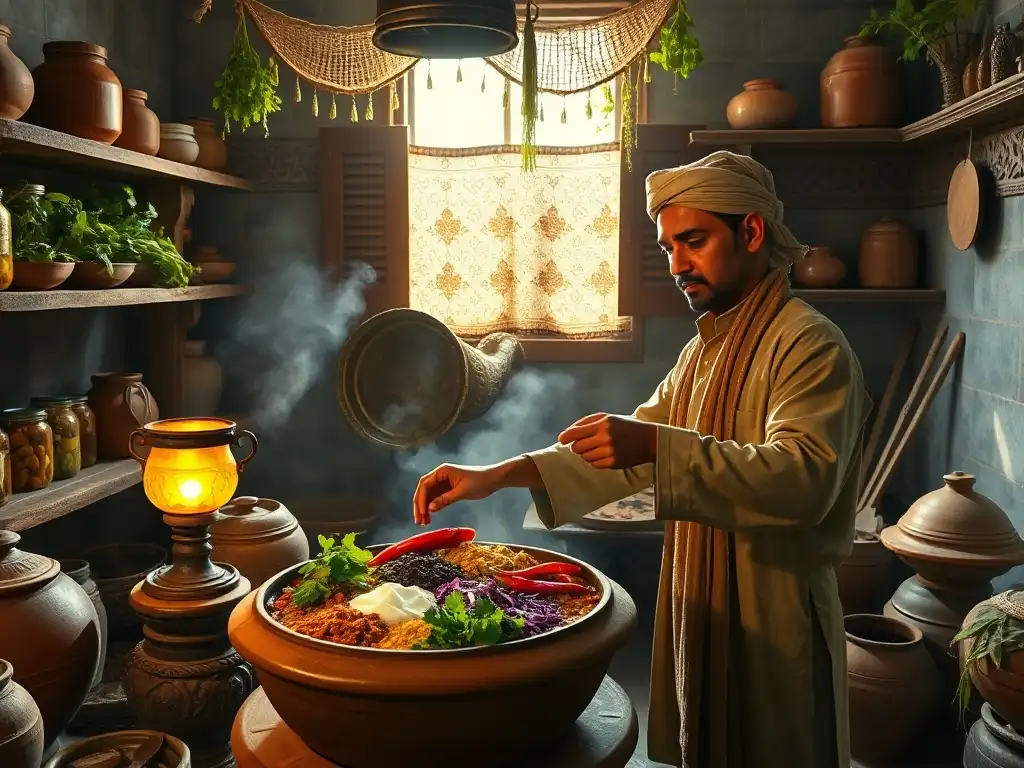
Welcome to Ancient India History, where we invite you to embark on an exhilarating journey through the rich tapestry of ancient Indian civilizations! Dive into our latest article, "Uncovering Ancient Indian Fermentation Techniques: The Art of Preserving Flavor," and discover how these age-old methods not only enhanced culinary experiences but also played a vital role in the cultural evolution of the region.
As we unveil the secrets behind these fascinating fermentation techniques, prepare to be amazed by the intricate flavors and historical significance that have shaped Indian cuisine over the centuries. The past is alive, and every bite tells a story—join us in exploring the depths of this captivating history!
- Introduction to Ancient Indian Fermentation Techniques
- Historical Context of Fermentation in Ancient Indian Food Traditions
- Key Ancient Indian Fermentation Techniques
- The Science Behind Ancient Indian Fermentation Techniques
- Modern Adaptations of Ancient Fermentation Techniques
- The Rise of Fermented Foods in Health Trends
- Conclusion: The Cultural Significance of Fermentation in Ancient Indian Cuisine
- Call to Action: Explore Your Culinary Journey with Ancient Indian Fermentation Techniques
- Frequently Asked Questions
- Final Reflection: The Timeless Art of Ancient Indian Fermentation Techniques
- Embrace the Secrets of Flavor Preservation!
Introduction to Ancient Indian Fermentation Techniques
Fermentation is an age-old technique that has played a pivotal role in the culinary landscape of ancient India. This method not only served as a means of preserving food but also enhanced flavors, improved nutritional value, and contributed to the overall diversity of Indian cuisine.
From the intricate practices of the Indus Valley Civilization to the sophisticated techniques used during the Gupta Empire, ancient Indian fermentation techniques reflect a deep understanding of food science and art. In this article, we will explore the significance of fermentation in ancient Indian culture and examine various methods that were employed across different civilizations, highlighting their contributions to the rich tapestry of Indian culinary traditions.
Understanding the Importance of Fermentation in Ancient India
Fermentation in ancient India was more than just a preservation method; it was an integral part of daily life and culture. The importance of fermentation can be understood through several key aspects:
- Preservation: With limited access to refrigeration, fermentation allowed for the safe storage of food. Techniques such as pickling and curdling extended the shelf life of various ingredients, ensuring a steady food supply throughout the year.
- Nutritional Benefits: Fermented foods often have enhanced nutritional profiles. The fermentation process can increase the bioavailability of nutrients, making them easier for the body to absorb. For instance, fermented dairy products like yogurt are rich in probiotics, which are beneficial for gut health.
- Flavor Enhancement: Fermentation introduces unique flavors and textures to food. The development of tangy, sour, and umami notes during fermentation has contributed to the complexity of traditional Indian dishes, making them more appealing to the palate.
- Cultural Significance: Many fermented foods are intertwined with religious and cultural practices. For example, certain fermented items are prepared during festivals and rituals, showcasing the cultural heritage tied to these techniques.
Fermentation was a multifaceted practice in ancient India, playing a crucial role in food preservation, nutrition, flavor enhancement, and cultural identity.
Overview of Fermentation Practices Across Indian Civilizations
Ancient Indian civilizations exhibited remarkable diversity in their fermentation practices, which varied by region and available resources. Below is an overview of notable fermentation techniques across different periods:
- Indus Valley Civilization (c. 3300–1300 BCE):
- Evidence suggests the use of fermentation in producing beverages, possibly from grains and fruits. Archaeological findings indicate the presence of storage jars that may have been used for fermenting liquids.
- Vedic Period (c. 1500–500 BCE):
- The Vedic texts highlight the significance of fermented foods such as sura (a type of alcoholic beverage), which was often made from grains. The ritualistic aspect of fermentation was emphasized, linking it to spiritual practices.
- Maurya and Gupta Empires (c. 322 BCE–550 CE):
- During these periods, the fermentation of milk into yogurt and other dairy products became prominent. The technique of making dahi (yogurt) was refined, leading to its widespread use in various dishes, both as a staple and a condiment.
- Regional Variations:
- Different regions developed unique fermentation practices based on local ingredients:
- In the South, idli and dosa (fermented rice and lentil batters) became staples.
- In the North, achar (pickles) made from a variety of vegetables and fruits showcased the art of preservation through fermentation.
- Different regions developed unique fermentation practices based on local ingredients:
The exploration of these ancient fermentation techniques reveals a fascinating layer of Indian culinary history, showcasing the ingenuity and resourcefulness of past civilizations in their approach to food preservation and flavor enhancement.
Historical Context of Fermentation in Ancient Indian Food Traditions
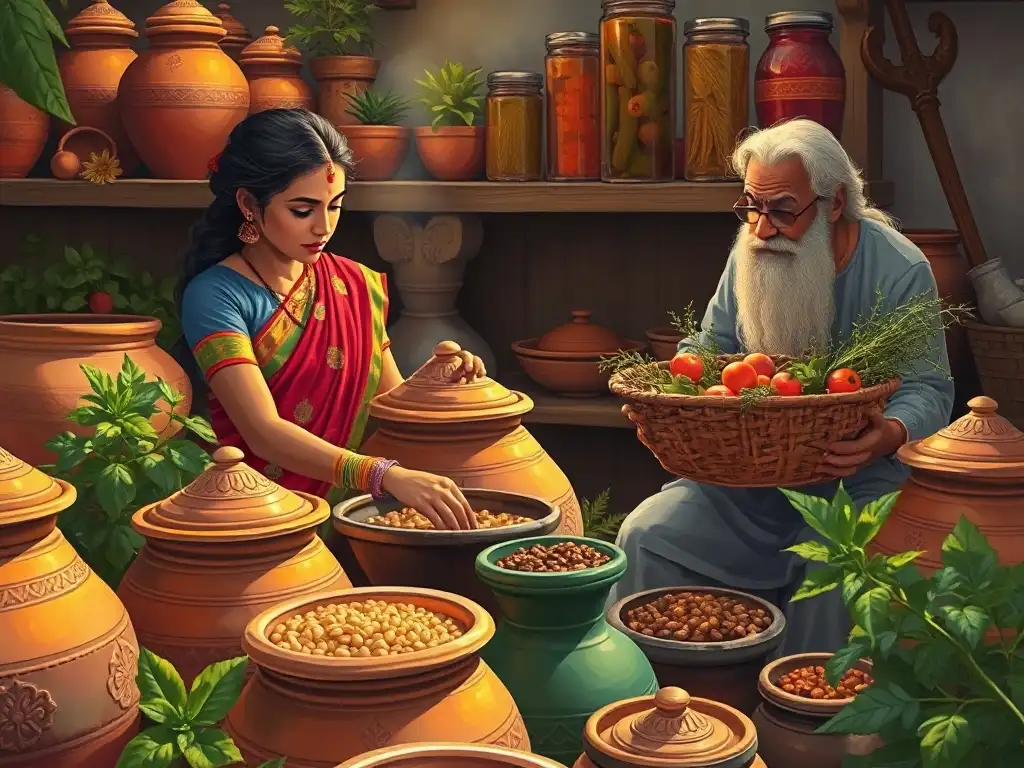
Fermentation has played a crucial role in the culinary practices of ancient Indian civilizations, serving as a method for food preservation, flavor enhancement, and nutritional improvement. The art of fermentation dates back to early settlements, where natural processes were harnessed to extend the shelf life of perishable items and create distinctive flavors. Ancient Indian fermentation techniques not only reflect the ingenuity of these civilizations but also their understanding of microbiology long before the science was formally established.
In ancient India, the process of fermentation was deeply intertwined with daily life and rituals. It was not solely a method for food preservation, but also a significant aspect of cultural practices and religious ceremonies. Fermented foods, such as yogurt, pickles, and alcoholic beverages, featured prominently in diets, providing essential nutrients and flavors that enriched the culinary landscape. The knowledge of fermentation techniques was passed down through generations, evolving and adapting with the changing times, yet remaining rooted in tradition.
Fermentation Techniques in the Indus Valley Civilization
The Indus Valley Civilization, which thrived from approximately 3300 to 1300 BCE, is one of the earliest known urban cultures in the Indian subcontinent. Archaeological findings suggest that the people of this civilization utilized various fermentation techniques for food preparation.
- Dairy Fermentation: Evidence indicates that dairy products were fermented to create yogurt and other dairy-based items. This process not only enhanced the nutritional value of milk but also contributed to its preservation. The use of clay pots found at archaeological sites, often containing residues of lactic acid bacteria, supports this claim.
- Grain Fermentation: The fermentation of grains, particularly barley and wheat, was likely practiced to produce alcoholic beverages, akin to the modern-day beer. Residues found in ancient pottery suggest that these grains were soaked and allowed to ferment, resulting in a nutritious drink that was an integral part of social gatherings.
- Vegetable Fermentation: The Indus Valley inhabitants are believed to have fermented various vegetables, creating pickles that provided both flavor and preservation. This method allowed them to store surplus produce, ensuring nutrition throughout the year.
The fermentation techniques developed during this era laid the foundation for future culinary practices across the Indian subcontinent, influencing regional cuisines and contributing to the rich tapestry of flavors that define Indian food today.
The Role of Fermentation in the Vedic Period and Beyond
Following the Indus Valley Civilization, the Vedic period (approximately 1500 to 500 BCE) witnessed a significant evolution in fermentation techniques. The sacred texts from this time, known as the Vedas, contain references to various fermented foods, highlighting their importance in both diet and spirituality.
- Soma: One of the most notable fermented beverages mentioned in the Vedic texts is Soma, a ritual drink believed to confer immortality. The exact ingredients and fermentation methods remain a subject of debate, but it symbolizes the spiritual significance of fermented products in ancient Indian culture.
- Yogurt and Buttermilk: The Vedic people further refined the art of dairy fermentation, producing yogurt and buttermilk. These fermented dairy products became staples in the Indian diet, praised for their health benefits and versatility in various dishes.
- Preserving Techniques: As agricultural practices advanced, the preservation of grains and pulses through fermentation became more widespread. Techniques such as making idli and dosa from fermented rice and lentil mixtures exemplify the importance of fermentation in enhancing both flavor and digestibility.
- Culinary Rituals: Fermented foods maintained their significance in various cultural rituals and festivals, often seen as offerings to deities. This spiritual connection to fermentation continues to influence modern practices in Indian cuisine.
The evolution of ancient Indian fermentation techniques reflects a rich heritage that intertwines culinary, cultural, and spiritual narratives. These practices not only highlight the ingenuity of ancient civilizations but also contribute to the diverse flavors and traditions that define Indian cuisine today. The legacy of fermentation in ancient India remains a fascinating subject of exploration for culinary enthusiasts and historians alike.
Key Ancient Indian Fermentation Techniques
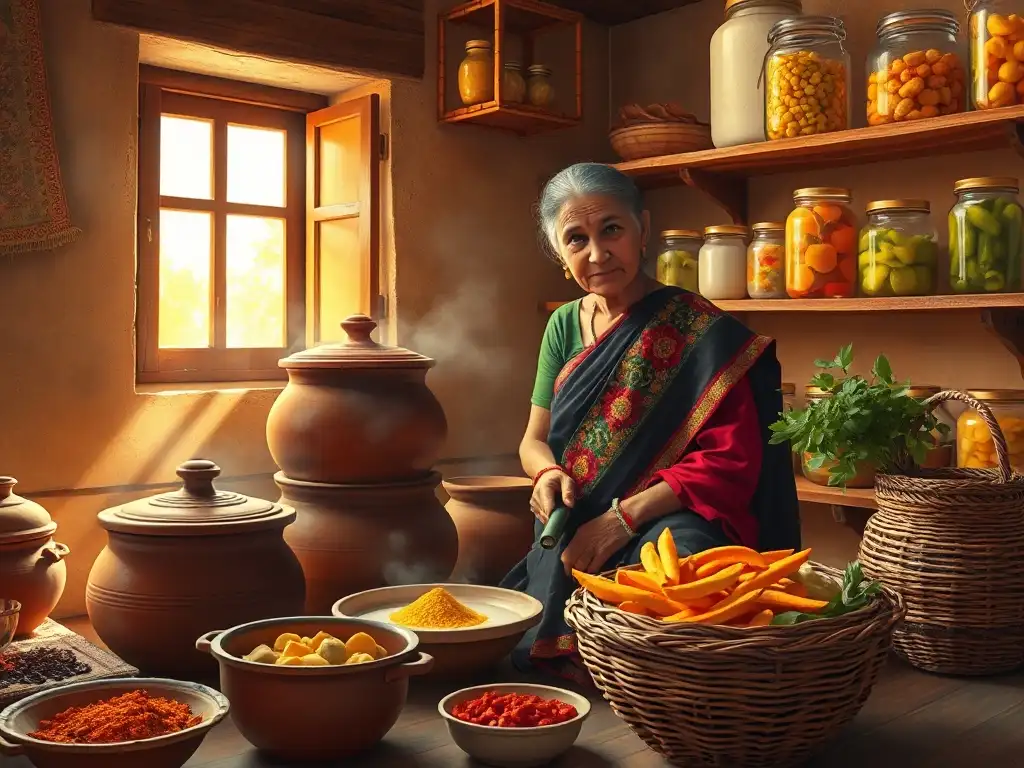
Ancient Indian fermentation techniques hold a significant place in the culinary heritage of the subcontinent, reflecting a deep understanding of the science of preservation and flavor enhancement. These methods not only ensured food safety but also contributed to the nutritional profile of various dishes, allowing civilizations to thrive on a diverse diet. Let's delve into some of the most notable fermentation techniques that have shaped ancient Indian cuisine.
Dahi (Yogurt) – The Probiotic Treasure
Dahi, or yogurt, is one of the most celebrated examples of ancient Indian fermentation techniques. This fermented dairy product is made by culturing milk with specific bacteria, primarily Lactobacillus bulgaricus and Streptococcus thermophilus. The process transforms the milk into a creamy, tangy delicacy that plays a vital role in Indian diets.
Health Benefits of Dahi in Ancient Indian Diets
The consumption of dahi dates back thousands of years and is well-documented in ancient texts. The health benefits of dahi include:
- Probiotics: Dahi is rich in beneficial bacteria that aid digestion and promote gut health.
- Nutrient Absorption: The fermentation process enhances the bioavailability of nutrients, making calcium, vitamins, and minerals easier to absorb.
- Cooling Effect: In the hot Indian climate, dahi serves as a cooling agent, helping to balance body temperature.
- Boosted Immunity: Regular consumption of dahi has been linked to improved immune responses, aiding the body in fighting infections.
The tradition of incorporating dahi in daily meals, whether as a side dish, drink, or ingredient in recipes, underscores its importance in ancient Indian diets.
Modern Uses of Dahi and Recommended Products
Today, dahi continues to be a staple in Indian households and is versatile in its applications. Some modern uses include:
- Raita: A yogurt-based side dish mixed with vegetables or fruits.
- Smoothies: Blending dahi with fruits for a nutritious drink.
- Marinades: Using dahi in marinades for meats to tenderize and enhance flavors.
For those seeking high-quality dahi products, brands like Nestle Dahi and Amul Dahi are popular choices, offering both traditional and flavored options.
Idli and Dosa – The Art of Fermented Rice and Lentils
Idli and dosa are iconic dishes from South Indian cuisine that showcase the ancient fermentation techniques of soaking, grinding, and fermenting rice and lentils. The fermentation process not only enhances flavor but also increases the digestibility of these foods.
The Traditional Process of Making Idli and Dosa
The traditional method for preparing idli and dosa involves several steps:
- Soaking: Rice and urad dal (black gram) are soaked in water for several hours.
- Grinding: The soaked ingredients are ground into a smooth batter, often with the addition of water.
- Fermentation: The batter is left to ferment overnight, allowing natural microorganisms to develop.
- Cooking: For idli, the fermented batter is steamed in molds; for dosa, it is spread thin on a hot griddle.
The fermentation process typically lasts up to 12 hours, depending on the ambient temperature, resulting in a fluffy idli or crispy dosa.
Tools and Ingredients for Perfecting Idli and Dosa
To achieve the perfect idli and dosa, certain tools and ingredients are indispensable:
- Ingredients:
- Rice: Short-grain rice varieties like idli rice or parboiled rice.
- Urad Dal: Essential for the batter's texture and fermentation.
- Fenugreek Seeds: Often added to improve fermentation and flavor.
- Tools:
- Wet Grinder: A traditional stone grinder ensures a smooth batter.
- Idli Steamer: A multi-tiered steamer used for steaming idli.
- Cast Iron Tawa: A flat griddle ideal for making dosa.
Utilizing these traditional ingredients and tools not only honors ancient Indian fermentation techniques but also enhances the authenticity and flavor of idli and dosa, making them timeless staples in Indian cuisine.
Aachar (Pickles) – Preserving Flavors through Fermentation
Aachar, or pickles, holds a prominent place in ancient Indian food traditions, not merely as a side dish but as a rich source of flavor and nutrition. The practice of fermenting fruits and vegetables into aachar has been a cornerstone of Indian culinary heritage, allowing communities to preserve seasonal produce for year-round consumption. This technique not only enhances the shelf life of food but also enriches flavors, making each dish a unique gastronomic experience.
Fermentation in the context of aachar involves the use of salt, spices, and sometimes oil, creating an environment conducive to beneficial bacteria. This natural process results in a complex interplay of flavors, as the sugars in fruits and vegetables are converted into acids and other compounds. The result is a deliciously tart, savory, and spicy condiment that complements various meals, from rice to bread and meats.
Traditionally, aachar is associated with regional variations, reflecting local tastes, climate, and agricultural practices. Each type of aachar carries its own story, often passed down through generations, showcasing the cultural significance of fermentation in ancient Indian society. By incorporating aachar into daily meals, ancient Indians not only enhanced flavor but also embraced the health benefits associated with fermented foods, including improved digestion and increased nutrient availability.
Types of Aachar and Their Unique Fermentation Processes
The diversity of aachar is vast, with each region in India presenting its unique types and fermentation methods. Here are some notable examples:
- Mango Aachar: Made from unripe mangoes, this popular aachar is typically prepared with a mixture of mustard seeds, fenugreek, turmeric, and red chili powder. The fermentation process involves marinating the mango pieces in salt and spices, allowing them to soften and absorb flavors over several days.
- Lemon Aachar: This variant utilizes lemons cut into wedges and mixed with salt, turmeric, and spices. The fermentation can take a few weeks, during which the lemons release their juices, creating a tangy and aromatic pickle.
- Garlic Aachar: Garlic cloves are combined with mustard oil, salt, and a blend of spices. This aachar is known for its pungent flavor and is often used to enhance the taste of various dishes.
- Mixed Vegetable Aachar: A combination of seasonal vegetables like carrots, cauliflower, and radish, this aachar showcases the ability to preserve multiple flavors in one jar. Each vegetable contributes its unique taste, and the fermentation process varies depending on the ingredients used.
The fermentation processes for these aachars may differ slightly in terms of duration and specific ingredients, but they all rely on the same fundamental principles of creating an environment that promotes beneficial bacteria while inhibiting spoilage.
Essential Ingredients and Equipment for Making Aachar
Creating aachar requires a few essential ingredients and specific equipment to ensure successful fermentation. Here are the primary components:
Essential Ingredients:
- Fruits and Vegetables: Choose fresh, seasonal produce. Common options include mangoes, lemons, carrots, and green chilies.
- Salt: Acts as a preservative and aids in the fermentation process. Non-iodized salt is preferred.
- Spices: Mustard seeds, fenugreek seeds, turmeric, red chili powder, and asafoetida are commonly used to enhance flavor and contribute to the fermentation process.
- Oil: Mustard oil or sesame oil is often added, providing richness and further preserving the aachar.
- Sugar: Sometimes used to balance flavors, particularly in sweeter aachars.
Essential Equipment:
- Glass Jars: Clean, dry glass jars are ideal for fermentation as they prevent contamination and allow for easy monitoring of the aachar.
- Wooden Spoon: For mixing the ingredients, a wooden spoon helps prevent any metallic reactions.
- Cloth or Cheesecloth: Covering the jars with cloth allows air circulation while keeping out dust and pests, crucial for the fermentation process.
- Weights: In some cases, weights may be used to keep the ingredients submerged in their juices, ensuring even fermentation.
By understanding the ingredients and equipment necessary for making aachar, one can appreciate the intricate art of preserving flavors through ancient Indian fermentation techniques. This practice not only offers a taste of history but also connects us to the rich culinary tapestry of India.
The Science Behind Ancient Indian Fermentation Techniques
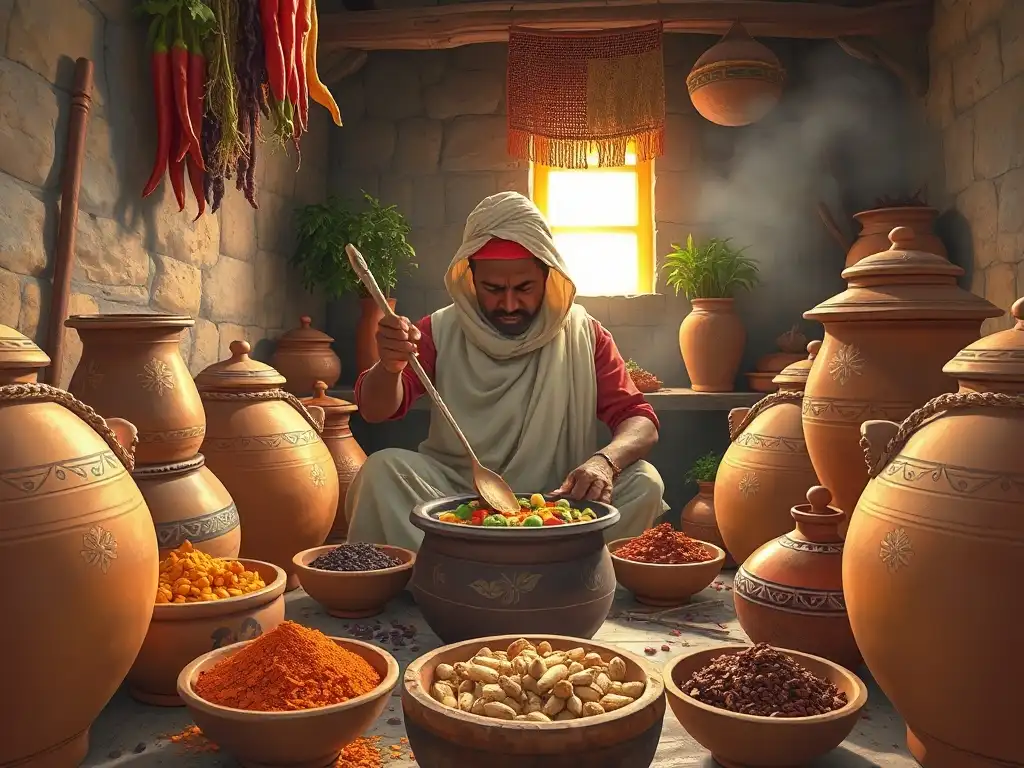
Ancient Indian fermentation techniques are not merely culinary practices; they are a fascinating blend of art and science that has been honed over millennia. Fermentation relies on the metabolic processes of microorganisms, primarily bacteria and yeasts, to transform raw ingredients into flavorful and preservable foods. Understanding the intricacies of these processes sheds light on the sophistication of ancient Indian food traditions.
Microbial Activity in Fermentation: The Role of Bacteria and Yeasts
Fermentation is driven by various microorganisms, each contributing uniquely to the flavor, texture, and preservation of food. In ancient India, a variety of bacterial and yeast species were harnessed for fermentation.
- Lactic Acid Bacteria (LAB):
- These bacteria are crucial in the fermentation of dairy products like yogurt (
dahi) and fermented drinks like buttermilk (chaas). LAB convert lactose into lactic acid, which not only thickens the milk but also imparts a tangy flavor. This process enhances the nutritional profile by increasing the bioavailability of certain vitamins and minerals.
- These bacteria are crucial in the fermentation of dairy products like yogurt (
- Yeasts:
- Yeasts, particularly Saccharomyces cerevisiae, play a vital role in the fermentation of grains and fruits. They are responsible for producing alcohol and carbon dioxide in beverages such as
sura, an ancient alcoholic drink made from fermented grains or fruits. This not only preserves the beverage but also creates a complex flavor profile.
- Yeasts, particularly Saccharomyces cerevisiae, play a vital role in the fermentation of grains and fruits. They are responsible for producing alcohol and carbon dioxide in beverages such as
- Acetic Acid Bacteria:
- These bacteria are instrumental in the production of fermented condiments like vinegar and pickles. They convert alcohol into acetic acid, enhancing the tanginess and extending the shelf life of products.
The interplay between these microorganisms creates a dynamic environment where flavors develop, and food is preserved. This natural method of fermentation also fosters a unique ecosystem of beneficial microorganisms, which can be seen in traditional Indian foods.
How Fermentation Enhances Flavor and Shelf Life
The benefits of fermentation extend far beyond mere preservation; it is a transformative process that enriches flavors and extends the shelf life of foods significantly.
- Flavor Development:
- Fermentation introduces a depth of flavor that is often described as complex and umami-rich. The breakdown of carbohydrates, proteins, and fats during fermentation leads to the formation of various flavor compounds. For instance, the fermentation of
idlianddosabatters results in unique sour notes due to lactic acid production, which enhances the overall taste.
- Fermentation introduces a depth of flavor that is often described as complex and umami-rich. The breakdown of carbohydrates, proteins, and fats during fermentation leads to the formation of various flavor compounds. For instance, the fermentation of
- Nutritional Enhancement:
- Fermented foods often boast higher levels of bioavailable nutrients. The fermentation process can break down anti-nutrients found in grains and legumes, making minerals more accessible. For example, fermented
urad dalused inidlipreparation offers improved digestibility and nutritional benefits.
- Fermented foods often boast higher levels of bioavailable nutrients. The fermentation process can break down anti-nutrients found in grains and legumes, making minerals more accessible. For example, fermented
- Preservation:
- One of the primary reasons for the adoption of fermentation techniques in ancient India was food preservation. Fermented foods can be stored for longer periods without refrigeration, thanks to the production of acids and alcohol that inhibit harmful bacterial growth. Traditional pickles (
achar), made from various vegetables and fruits, are an excellent example of this practice, often lasting for months or even years.
- One of the primary reasons for the adoption of fermentation techniques in ancient India was food preservation. Fermented foods can be stored for longer periods without refrigeration, thanks to the production of acids and alcohol that inhibit harmful bacterial growth. Traditional pickles (
- Health Benefits:
- The probiotics developed during fermentation can contribute to gut health, aiding digestion and enhancing immune function. Ancient Indian texts often reference the health benefits of consuming fermented foods, highlighting their importance in the diet.
Ancient Indian fermentation techniques are a testament to the ingenuity of early civilizations in utilizing natural processes to enrich their culinary traditions. The science behind microbial activity reveals how these practices not only preserve food but also enhance its flavor, texture, and nutritional value, solidifying their place as a cornerstone of Indian culinary heritage.
Modern Adaptations of Ancient Fermentation Techniques
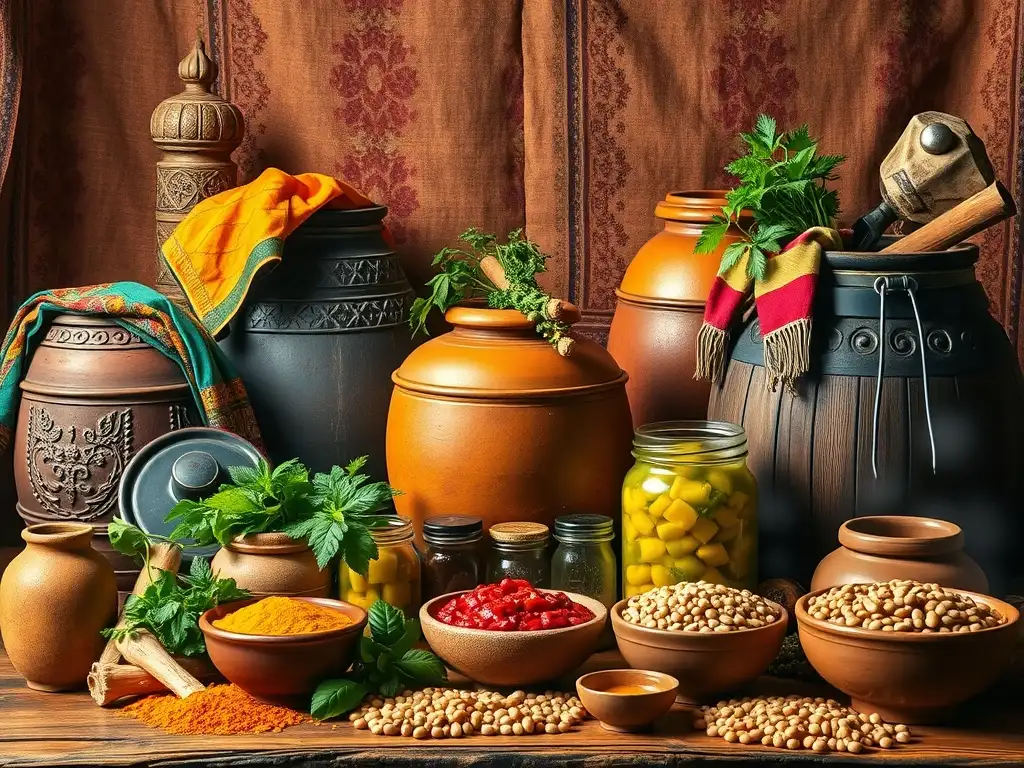
Reviving Ancient Techniques in Contemporary Indian Cuisine
In recent years, there has been a significant revival of ancient Indian fermentation techniques within contemporary Indian cuisine. Chefs and home cooks alike are increasingly recognizing the value of traditional methods that not only enhance flavors but also contribute to health and nutrition. Ancient Indian fermentation, often rooted in cultural practices, serves as a bridge connecting the past with modern culinary innovation.
One notable example is the resurgence of idli and dosa production, which utilize a natural fermentation process involving rice and lentils. This technique not only produces a characteristic tangy flavor but also enhances the digestibility of these staples. Many chefs are now experimenting with variations, incorporating regional grains and pulses to create unique takes on these classic dishes.
Moreover, the fermentation of vegetables, such as achar (pickles), is gaining popularity. Traditional methods of making pickles, which often involve sun drying and using spices, are being adapted to create modern, health-conscious versions. Chefs are now using less oil and experimenting with different vegetables, expanding the traditional palate to include seasonal and locally sourced produce.
Another area of interest is the fermentation of dairy products. Techniques such as dahi (yogurt) and paneer (fresh cheese) are being celebrated not just for their flavor but also for their probiotic properties. Contemporary chefs are blending these traditional dairy products with global cuisines, creating dishes that respect the heritage while appealing to modern tastes.
Examples of Restaurants and Chefs Utilizing Traditional Fermentation
Several restaurants and chefs across India have embraced the art of ancient Indian fermentation, creatively incorporating it into their menus. Here are a few notable examples:
- Gaggan Anand: This renowned chef has revolutionized Indian cuisine with his avant-garde approach. He frequently employs traditional fermentation techniques, especially in his fermented chutneys and innovative takes on dosa.
- Molecular Gastronomy at Indian Accent: Chef Manish Mehrotra at Indian Accent creatively integrates fermented ingredients into his dishes, offering a modern twist on classics, such as using fermented rice in his signature pork belly dish.
- Ode to the Old at SodaBottleOpenerWala: This restaurant pays homage to Parsi cuisine, incorporating methods like preserving vegetables in oil and spices, reminiscent of ancient pickling techniques.
- Fermentation Lab by Noma: This globally recognized restaurant has explored Indian fermentation techniques as part of their research, emphasizing the role of local ingredients and traditional methods in creating unique flavors.
These examples not only highlight the versatility of ancient Indian fermentation techniques but also demonstrate their relevance in today's culinary landscape, bridging tradition with innovation.
The Rise of Fermented Foods in Health Trends
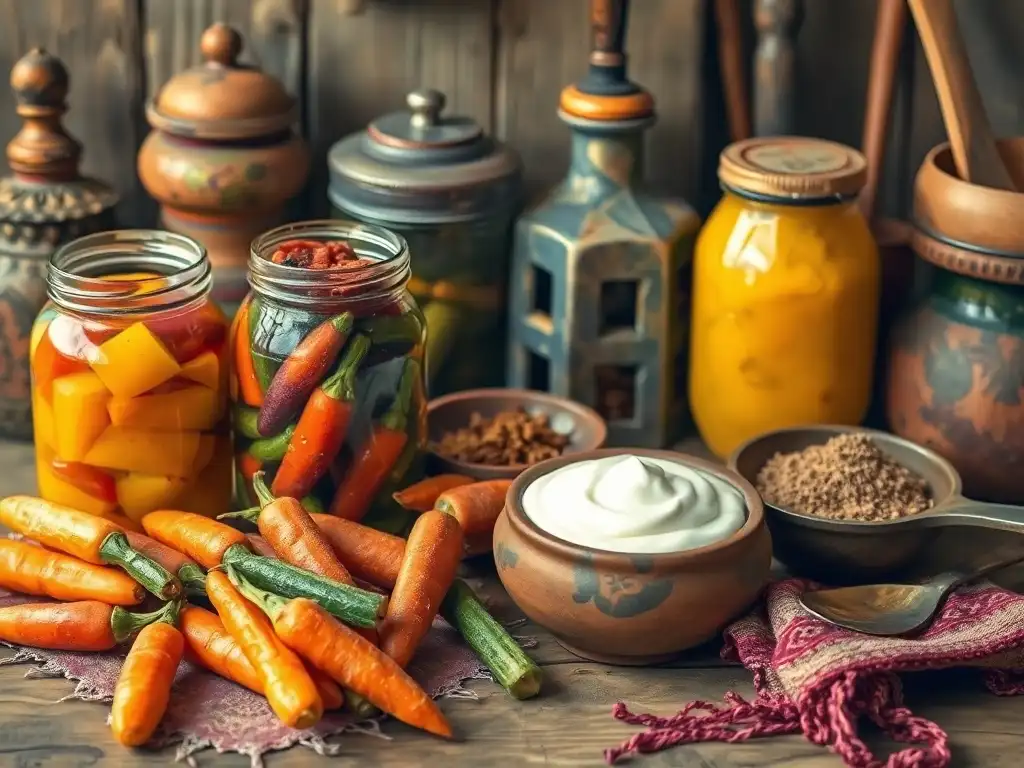
The growing awareness of health and wellness has led to a notable rise in the consumption of fermented foods, many of which are inspired by ancient Indian fermentation techniques. As consumers strive for healthier diets, the benefits of probiotics and the nutritional value of fermented products are becoming increasingly recognized.
Fermented foods are known for their ability to enhance gut health, improve digestion, and boost the immune system. This has prompted a surge in interest in products that are both flavorful and beneficial. Ancient Indian fermentation techniques have laid the groundwork for many of these modern health trends.
Popular Fermented Products Inspired by Ancient Indian Techniques
Here are some popular fermented products that have roots in ancient Indian techniques:
- Dahi (Yogurt): A staple in Indian households, dahi is made by fermenting milk. Its probiotics are celebrated for aiding digestion and providing essential nutrients.
- Idli and Dosa Batter: These fermented batters are not only delicious but also promote gut health. Their appeal has led to a resurgence of idli and dosa in health-conscious diets.
- Achar (Pickles): Traditional Indian pickles, made with various vegetables and spices, are naturally fermented. They provide a tangy flavor and are often sought after for their probiotic benefits.
- Kanji: This traditional fermented drink made from black carrots and spices is gaining traction as a health drink, rich in probiotics and antioxidants.
- Fermented Lentils: Products like dhokla, a steamed lentil cake, showcase the versatility of fermentation in enhancing flavors and increasing nutritional profiles.
The integration of these ancient techniques into modern diets not only preserves the flavors of Indian cuisine but also promotes a healthier lifestyle, making fermented foods a central focus in culinary discussions today.
Conclusion: The Cultural Significance of Fermentation in Ancient Indian Cuisine

Fermentation in ancient Indian cuisine is more than just a method of food preservation; it is a profound cultural practice that reflects the ingenuity and adaptability of ancient civilizations. This technique has been pivotal in shaping dietary habits, enhancing flavors, and providing nutritional benefits. The significance of fermentation extends beyond the kitchen, influencing social interactions, rituals, and even trade.
Preserving Culinary Heritage through Fermentation
The diverse array of ancient Indian fermentation techniques showcases the region's rich culinary heritage. Traditional methods such as the fermentation of grains, legumes, and vegetables have been integral in creating iconic dishes that remain popular today.
- Dhokla: A savory steamed cake made from fermented rice and chickpea flour, dhokla is a staple from Gujarat, demonstrating how fermentation enhances flavor and nutritional value.
- Idli: Originating from South India, this fermented rice and lentil cake is not only fluffy and light but also rich in probiotics, which promote gut health.
- Pickles (Achar): Fermented pickles made from various fruits and vegetables reflect regional diversity and are often seasoned with a variety of spices, making them a culinary treasure.
These examples illustrate how fermentation serves as a bridge connecting generations, preserving ancient recipes and practices that define regional identities within India. This culinary heritage is celebrated through festivals and communal meals, reinforcing social bonds and cultural pride.
Encouraging Sustainable Practices with Ancient Techniques
The resurgence of interest in ancient Indian fermentation techniques aligns with contemporary movements towards sustainability and health. By revisiting these time-honored methods, modern society can benefit from practices that promote not only personal well-being but also environmental sustainability.
- Minimal Food Waste: Fermentation allows for the utilization of surplus produce, reducing food waste and encouraging resourcefulness. For instance, leftover vegetables can be fermented to create delicious pickles, ensuring that nothing goes to waste.
- Nutritional Enhancement: Fermented foods are often richer in nutrients and beneficial bacteria, contributing to a healthier diet. For example, the fermentation process can increase the bioavailability of vitamins and minerals, making them easier for the body to absorb.
- Community Engagement: Embracing ancient fermentation methods can foster community engagements, such as workshops and local markets, where people gather to share knowledge and products. This not only strengthens community ties but also revives traditional skills that may have been forgotten.
Ancient Indian fermentation techniques are vital to understanding the intricate tapestry of Indian cuisine. They encapsulate a history of culinary innovation, sustainability, and cultural expression, making them invaluable in preserving both flavor and heritage. By recognizing and celebrating these methods, we not only honor our past but also pave the way for a sustainable future in food practices.
Call to Action: Explore Your Culinary Journey with Ancient Indian Fermentation Techniques
Ancient Indian fermentation techniques offer a fascinating glimpse into the culinary practices that have shaped Indian cuisine over millennia. By exploring these methods, you can unlock the secrets of flavor preservation and enhance your cooking repertoire. Whether you are a home cook or a culinary enthusiast, delving into these traditional techniques can elevate your dishes and provide a deeper appreciation for Indian food culture.
Recommended Resources and Products for Home Fermentation
To embark on your journey of mastering ancient Indian fermentation techniques, consider the following resources and products:
- Books on Fermentation:
- The Art of Fermentation by Sandor Ellix Katz: A comprehensive guide that covers the science and techniques of fermentation.
- Wild Fermentation by Sandor Ellix Katz: Focuses on various fermented foods, with some insights into traditional Indian methods.
- Online Courses:
- Fermentation Workshops: Many culinary schools and online platforms offer workshops specifically on fermentation, including lessons on Indian pickles and yogurt.
- Webinars: Look for expert-led webinars that explore the history and techniques of fermentation in Indian cuisine.
- Fermentation Kits:
- DIY Fermentation Kit: These kits often come with jars, airlocks, and starter cultures, ideal for beginners looking to experiment with fermentation at home.
- Spice Blends for Fermentation: Various blends can enhance the flavor of your fermented foods, such as mustard seeds, asafoetida, and fenugreek.
- Community Resources:
- Local Fermentation Clubs: Joining a community group can provide support and knowledge-sharing opportunities among fermentation enthusiasts.
- Farmers’ Markets: Look for local vendors specializing in fermented products, which can serve as inspiration for your own creations.
- Social Media Groups:
- Join Facebook groups or Instagram communities dedicated to fermentation to gain insights, share experiences, and discover new recipes.
By utilizing these resources, you can deepen your understanding of ancient Indian fermentation techniques and bring a taste of this rich tradition into your kitchen. Start your culinary adventure today and discover the joy of creating your own fermented delicacies!
Frequently Asked Questions
What are ancient Indian fermentation techniques?
Ancient Indian fermentation techniques involve traditional methods used to preserve food and enhance flavors through microbial processes. These techniques have been essential for cultural cuisine and food sustainability.
How did fermentation contribute to ancient Indian culture?
Fermentation played a crucial role in enhancing food preservation and nutritional value. It facilitated the creation of fermented products that became staples in the Indian diet, influencing culinary practices.
What are some examples of fermented foods in ancient India?
Examples include dahi (yogurt), idli, and kanji (fermented drink). These foods are not only rich in flavor but also provide health benefits through probiotics and enhanced digestion.
Were fermentation techniques unique to certain regions of ancient India?
Yes, different regions had their unique fermentation practices based on local ingredients and climates. For instance, South Indian cuisine is known for its rice-based ferments, while North Indian traditions focus on dairy fermentation.
How are ancient fermentation techniques relevant today?
Today, ancient fermentation techniques are experiencing a resurgence as people seek natural food preservation methods. These techniques contribute to healthier diets and a return to traditional cooking practices.
Final Reflection: The Timeless Art of Ancient Indian Fermentation Techniques
The exploration of ancient Indian fermentation techniques reveals a profound connection between culture, sustainability, and flavor preservation that resonates deeply in today's culinary landscape. As we navigate a world increasingly focused on health and sustainability, these age-old practices remind us of the wisdom embedded in traditional methods. The resurgence of interest in fermentation not only highlights the importance of flavor but also emphasizes our responsibility to honor and preserve these cultural legacies.
The impact of ancient Indian fermentation techniques extends beyond the kitchen; it shapes our understanding of community, heritage, and the environment. These methods have fostered a sense of belonging and continuity, allowing generations to connect through shared culinary experiences. As we embrace these techniques, we are reminded of the words of culinary historian Michael Pollan: Food is a story that connects us to our past and to each other.
This connection is vital as we strive to create a more sustainable future, where the lessons of the past inform our present choices.
As you reflect on the insights shared in this article, consider how you can incorporate the principles of ancient Indian fermentation into your own life. Embrace the art of preserving flavor not just as a culinary technique, but as a way to connect with your heritage and contribute to a sustainable future. Let the wisdom of these ancient practices inspire you to experiment in your kitchen, share your creations with others, and cultivate a deeper appreciation for the flavors and stories that shape our world.
Embrace the Secrets of Flavor Preservation!
Thank you for diving into the fascinating world of ancient Indian fermentation techniques! By exploring these time-honored methods, you've unlocked a treasure trove of knowledge that can enhance your culinary skills and deepen your appreciation for authentic flavors. Now, it’s time to take the next step and bring these traditions into your own kitchen!
Here’s how you can get started:
- Start your fermentation journey today! Try making your own homemade yogurt or pickles using traditional recipes you’ve discovered.
- Join a local fermentation workshop or take an online class to connect with fellow enthusiasts and expand your understanding of these techniques.
- Share your experiences on social media or through a personal blog—invite friends to join in your fermentation adventures!
What flavor combinations or traditional techniques are you most excited to experiment with in your own cooking?