
The Art of Healing: Traditional Indian Medicine Through Artistic Expression

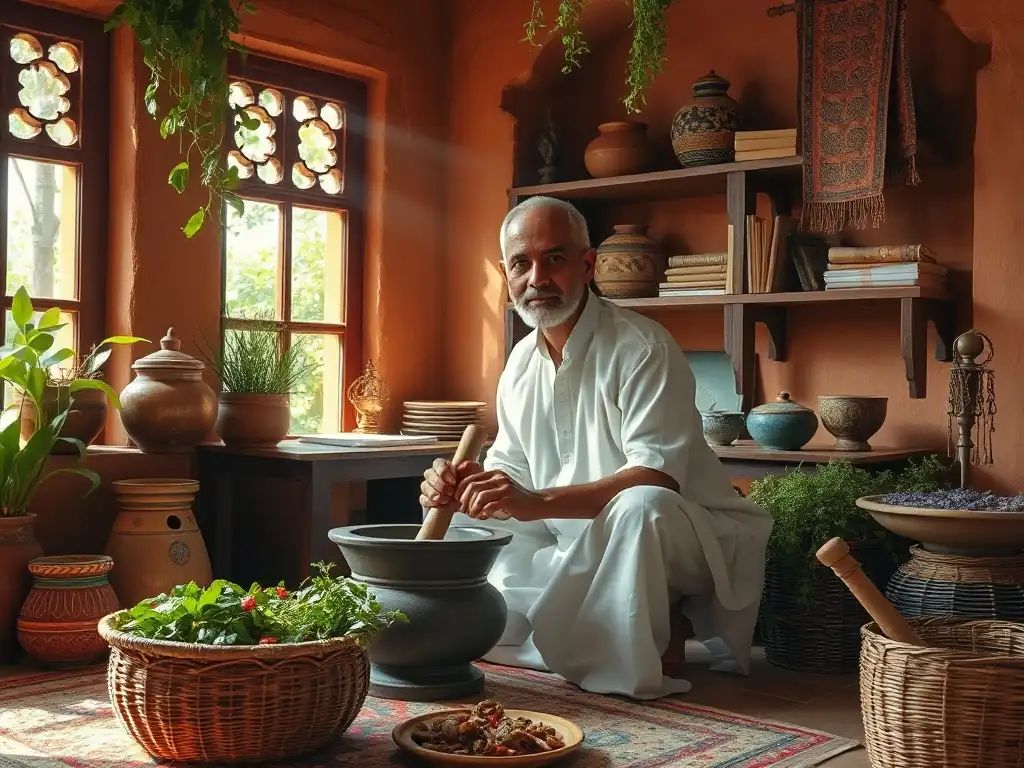
Welcome to Ancient India History, where we embark on a fascinating journey through time, unraveling the rich tapestry of ancient Indian civilizations. In our featured article, "The Art of Healing: Traditional Indian Medicine Through Artistic Expression," we delve into the intriguing world of traditional Indian medicine practices—a vibrant blend of art, science, and philosophy that has shaped health and wellness for centuries.
Prepare to be captivated as we explore how these practices not only healed the body but also inspired creativity and artistic expression, leaving an indelible mark on India's cultural heritage. Join us as we uncover the secrets of this ancient wisdom and its enduring legacy.
Introduction to Traditional Indian Medicine Practices
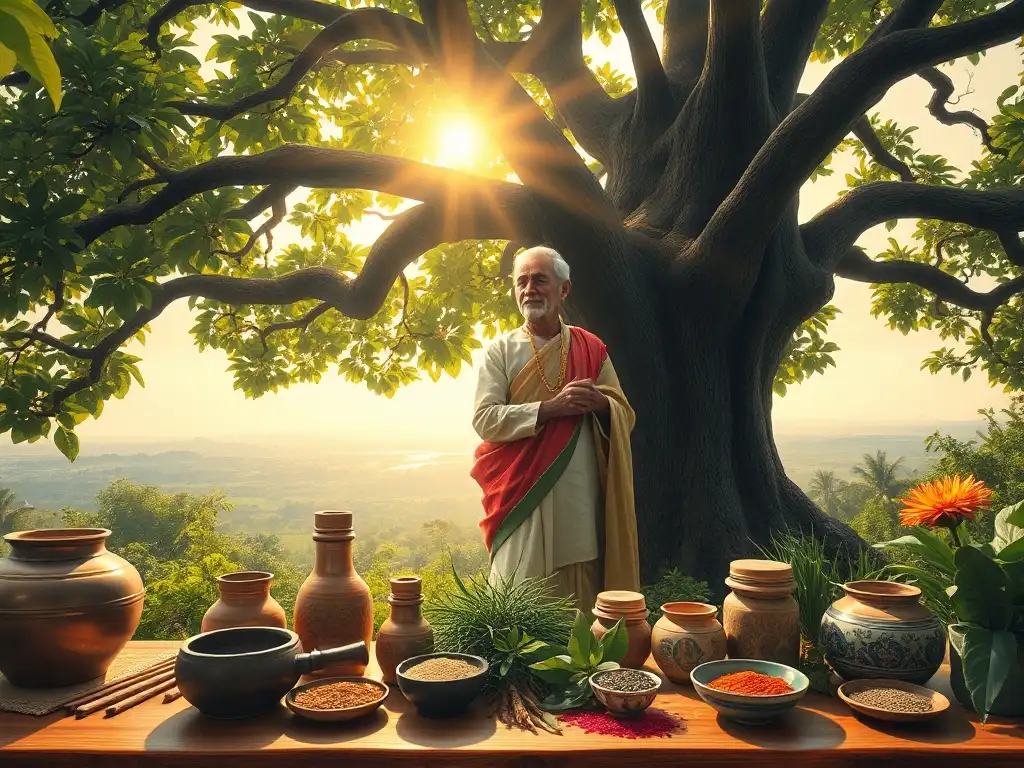
Traditional Indian medicine practices are an intricate tapestry of knowledge and techniques that have evolved over millennia, deeply rooted in the cultural, spiritual, and philosophical landscapes of ancient India. This holistic system of healing encompasses various disciplines, including Ayurveda, Siddha, and Unani, each contributing to the comprehensive understanding of health and wellness in a context that harmonizes body, mind, and spirit. The rich legacy of these practices is not merely confined to physical treatments but extends to a broader interpretation of health that includes emotional and spiritual well-being.
Artistic expression plays a pivotal role in these traditional practices, as it serves as a medium to convey complex health concepts, rituals, and the aesthetic understanding of the human body and nature. From intricate paintings depicting herbal remedies to sculptures that symbolize healing deities, art in its various forms has been intimately woven into the fabric of traditional Indian medicine. This exploration of the interplay between art and healing not only highlights the unique methodologies of ancient practitioners but also fosters a deeper appreciation for the cultural heritage that continues to inform modern practices.
Overview of Traditional Indian Medicine
Traditional Indian medicine is characterized by its multifaceted approach to health and healing. Here are some key aspects:
- Ayurveda: The most widely known system, focusing on the balance of bodily energies (Vata, Pitta, and Kapha) and emphasizing prevention and holistic treatment.
- Siddha: Originating in South India, Siddha emphasizes the transformation of the mind and body through alchemical processes and herbal remedies.
- Unani: Influenced by Greco-Arabic traditions, Unani medicine is based on the concept of bodily humors and emphasizes the importance of diet and lifestyle in maintaining health.
These systems utilize a combination of herbal medicine, dietary practices, yoga, meditation, and manual therapies to address both acute and chronic health issues, making them relevant even in contemporary health discussions.
Importance of Artistic Expression in Healing
Artistic expression in traditional Indian medicine serves several essential functions:
- Symbolic Representation: Art often symbolizes healing processes and can depict various aspects of health, such as balance and harmony.
- Cultural Transmission: Through storytelling and visual arts, knowledge about medicinal plants, procedures, and philosophies is passed down through generations.
- Ritualistic Practices: Art forms are integral to rituals that enhance healing, such as the creation of mandalas or the performance of traditional dances that invoke healing energies.
The incorporation of artistic elements into healing practices not only enriches the experience but also fosters a deeper connection to the cultural roots of medicine, encouraging a holistic approach to health.
Historical Context of Traditional Indian Medicine
Understanding the historical context of traditional Indian medicine provides insight into its development and enduring relevance.
Origins of Traditional Indian Medicine Practices
Traditional Indian medicine practices date back to the Indus Valley Civilization (approximately 2500–1500 BCE), where evidence of advanced healthcare practices, including surgery and herbal medicine, has been found. The ancient texts, such as the Vedas and the subsequent Ayurvedic writings, laid the foundation for these medical systems, detailing various treatments and the philosophical underpinnings of health.
Influence of Ancient Indian Civilizations on Healing Arts
The contributions of ancient Indian civilizations—such as the Maurya and Gupta Empires—greatly influenced the healing arts. Scholars and physicians from these periods made significant advancements in medical knowledge, integrating philosophy, spirituality, and empirical observation. This legacy not only shaped traditional Indian medicine but also influenced neighboring cultures, establishing a rich exchange of ideas that would resonate throughout history.
By exploring the art of healing through artistic expression, we can gain valuable insights into the profound connections between culture, health, and creativity in the tapestry of traditional Indian medicine practices.
Core Principles of Traditional Indian Medicine
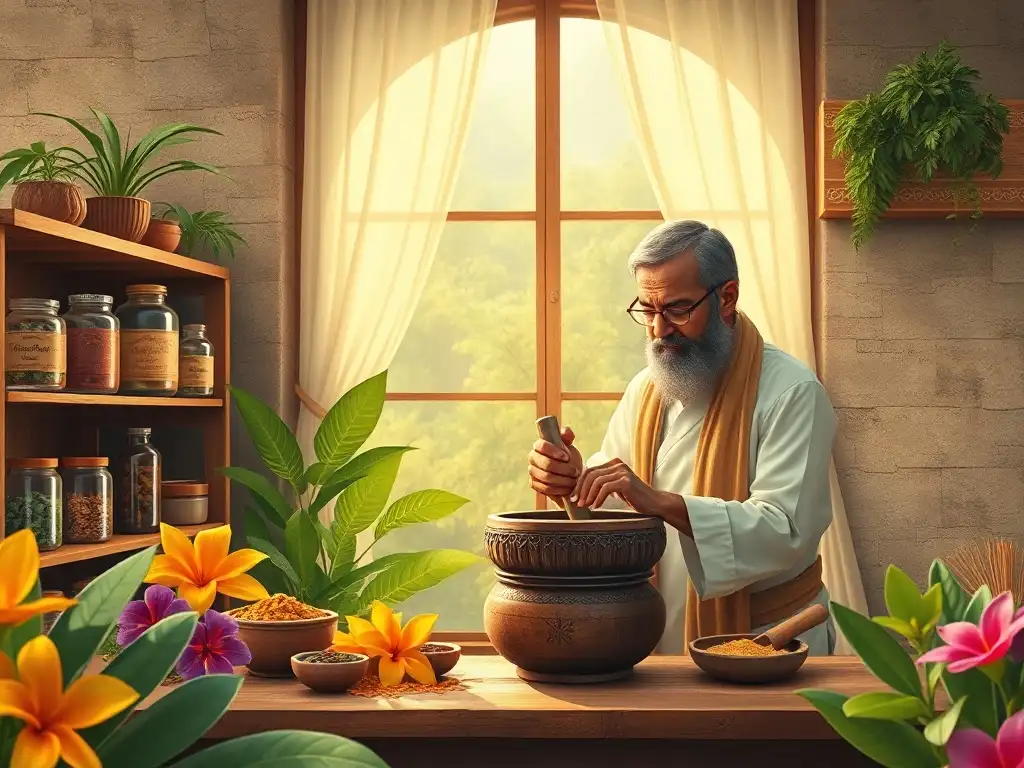
Traditional Indian medicine practices, deeply rooted in ancient philosophies, encompass a holistic and integrative approach to health. This system is primarily guided by principles derived from Ayurveda, which emphasizes balance in bodily systems and harmony between body, mind, and spirit. The core tenets include:
- Balance of Doshas: Ayurveda identifies three primary energies, or doshas—Vata, Pitta, and Kapha—that govern physiological and psychological functions. Maintaining their balance is essential for optimal health.
- Individualized Treatment: Recognizing that each person is unique, traditional Indian medicine tailors treatment plans to individual constitutions, lifestyles, and environmental factors.
- Natural Healing: A strong emphasis is placed on natural remedies, utilizing herbs, dietary adjustments, and mindfulness practices to promote healing and prevent illness.
- Preventive Care: Traditional Indian medicine prioritizes prevention through lifestyle modifications, seasonal detoxifications, and regular health assessments.
These foundational principles guide practitioners in their quest to restore balance and promote well-being, reflecting a comprehensive understanding of health that integrates the physical, emotional, and spiritual dimensions.
The Holistic Approach to Health
The holistic approach in traditional Indian medicine transcends mere symptom management. It seeks to understand the individual in their entirety, integrating physical health with emotional and spiritual well-being. This perspective is evident in several practices:
- Mindfulness and Meditation: Practices such as yoga and meditation are integral, fostering mental clarity and emotional stability. These practices not only enhance physical health but also nurture the spirit.
- Dietary Considerations: Nutrition plays a crucial role, with an emphasis on foods that are appropriate for an individual's dosha. This personalized dietary approach is aimed at promoting overall health and preventing disease.
- Lifestyle Practices: Daily routines, known as dinacharya, are encouraged to maintain balance and harmony within the body, including adequate sleep, physical activity, and stress management techniques.
By focusing on the interconnectedness of various health aspects, traditional Indian medicine promotes a lifestyle that supports long-term wellness rather than just the treatment of ailments.
Mind-Body Connection in Healing
The mind-body connection is a fundamental concept in traditional Indian medicine, emphasizing the interplay between thoughts, emotions, and physical health. This connection is reflected in several key areas:
- Emotional Well-being: Emotions are viewed not merely as mental states but as significant influences on physical health. Practices like yoga and breath control (pranayama) are utilized to harmonize emotional states and physical health.
- Stress Reduction: Techniques aimed at reducing stress, such as meditation and mindfulness, are essential in mitigating the adverse effects of stress on the body, promoting healing and resilience.
- Spiritual Practices: Engaging in spiritual practices, such as chanting or rituals, creates a sense of connection and purpose, which is considered vital for emotional and physical healing.
This profound understanding of the mind-body connection allows traditional Indian medicine to address not only the physical symptoms but also the emotional and spiritual factors contributing to health.
Artistic Expressions in Traditional Indian Medicine
Artistic expression plays a significant role in traditional Indian medicine, serving as a means of communication, healing, and cultural transmission. The arts are interwoven with healing practices, offering both therapeutic benefits and a rich cultural heritage.
Visual Arts and Traditional Healing
Visual arts in traditional Indian medicine encompass various forms, including painting, sculpture, and textile arts, which often carry symbolic meanings related to health and healing. Notable aspects include:
- Mandalas and Yantras: These geometric designs are used as meditation tools and visual representations of the cosmos, aiding in mental focus and spiritual healing.
- Ayurvedic Illustrations: Traditional texts often feature intricate illustrations that depict medicinal plants and treatments, serving both educational and therapeutic purposes.
- Healing Arts: The creation of art itself is considered a meditative practice that can promote emotional healing and mental clarity, reinforcing the connection between creativity and well-being.
Through these artistic expressions, traditional Indian medicine leverages the power of visual representation to enhance healing processes, making the invisible aspects of health more tangible and comprehensible.
Performing Arts as Healing Mediums
Performing arts, including dance, music, and drama, are integral to traditional Indian medicine, providing dynamic avenues for healing and expression. Their therapeutic roles are manifested in several ways:
- Music Therapy: Traditional Indian music, such as Ragas, is believed to influence mood and emotions, making it a powerful tool for emotional and psychological healing.
- Dance as Expression: Classical dances, like Bharatanatyam and Kathak, often narrate stories of healing and spirituality, serving as a medium for catharsis and emotional release.
- Ritual Performances: Traditional rituals that incorporate performance elements foster community bonding and spiritual healing, creating a supportive environment for individuals seeking wellness.
These performing arts not only enrich the cultural tapestry of traditional Indian medicine but also serve as vital therapeutic modalities, bridging the gap between art and healing in profound ways.
Case Studies of Artistic Healing Practices
Artistic healing practices in traditional Indian medicine showcase a fascinating confluence of art and healing, where various forms of creative expression are employed to enhance wellness and facilitate recovery. Numerous case studies illustrate the effectiveness of these practices across different regions and periods in India.
For example, the use of Madhubani painting in Bihar is not merely an aesthetic pursuit; it has been integrated into traditional healing rituals. Local healers use these vibrant artworks to create a calming environment, which is believed to aid in the recovery of patients suffering from mental health issues. The colors and patterns are thought to resonate with specific energies that promote healing.
Another notable case is the Warli art form, traditionally practiced by the Warli tribe in Maharashtra. This art form often depicts daily life and rituals, including medicinal practices. The tribal healers use Warli paintings in their healing ceremonies, believing that the visual representations of nature help in connecting the patient with the healing energies of the environment.
Artistic Healing in Ayurveda
Ayurveda, one of the oldest systems of medicine in India, emphasizes a holistic approach to health, integrating mind, body, and spirit. Artistic expression plays a significant role in Ayurvedic healing practices.
Yantras, or mystical diagrams, are used in Ayurvedic practices to invoke spiritual energy and focus the mind during meditation and healing sessions. These intricate geometric designs are often painted or drawn as part of the healing process, guiding practitioners and patients alike in their journey toward balance and wellness.
Moreover, Ayurvedic texts are often adorned with beautiful illustrations that depict medicinal plants, herbs, and their uses. These artistic representations not only enhance the aesthetic appeal of the texts but also serve as educational tools, helping practitioners and patients to identify and utilize various natural remedies effectively.
Role of Folk Art in Community Healing
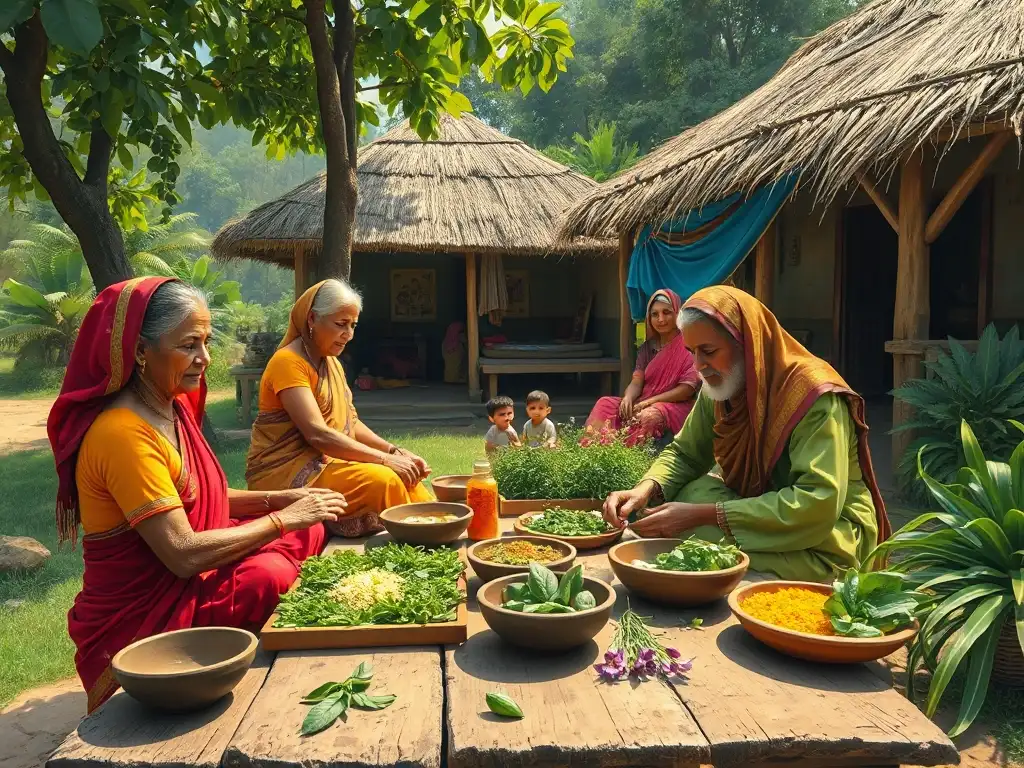
Folk art in India serves as a powerful medium for community healing, often reflecting the collective experiences and wisdom of local cultures. Various forms of folk art, such as Pattachitra from Odisha or Kalamkari from Andhra Pradesh, are utilized in healing rituals and community festivals.
These art forms often narrate stories of gods, nature, and human emotions, which resonate deeply with the community's shared beliefs and values. By engaging with these artistic expressions, individuals can find solace and connection, which are essential components of the healing process.
For instance, during community gatherings, the performance of traditional folk dances accompanied by vibrant folk art creates a therapeutic atmosphere. This togetherness fosters emotional healing, allowing individuals to express their struggles and triumphs through collective artistic expression.
Rituals and Their Artistic Representations
Rituals in traditional Indian medicine often incorporate artistic elements, enhancing their effectiveness and spiritual significance. The Rudraja Puja, a healing ritual practiced in various Indian communities, involves intricate decorations and the use of traditional art forms to invoke divine blessings for health and well-being.
Artistic representations such as rangoli (decorative patterns made on the floor) are integral to these rituals. The colors and designs are not merely decorative; they are believed to attract positive energies and ward off negative influences. This fusion of art and spirituality creates a sacred space that facilitates healing on multiple levels.
Additionally, musical performances, which are often part of healing rituals, incorporate traditional instruments and songs that have been passed down through generations. These performances create an atmosphere of calm and focus, allowing participants to connect deeply with the healing process.
Conclusion: The Legacy of Traditional Indian Medicine and Art
The legacy of traditional Indian medicine and art is a testament to the rich cultural tapestry of India, where healing practices are interwoven with artistic expression. This synergy not only enhances the efficacy of medicinal practices but also fosters a deeper connection between individuals and their communities.
The Continuing Influence of Traditional Practices
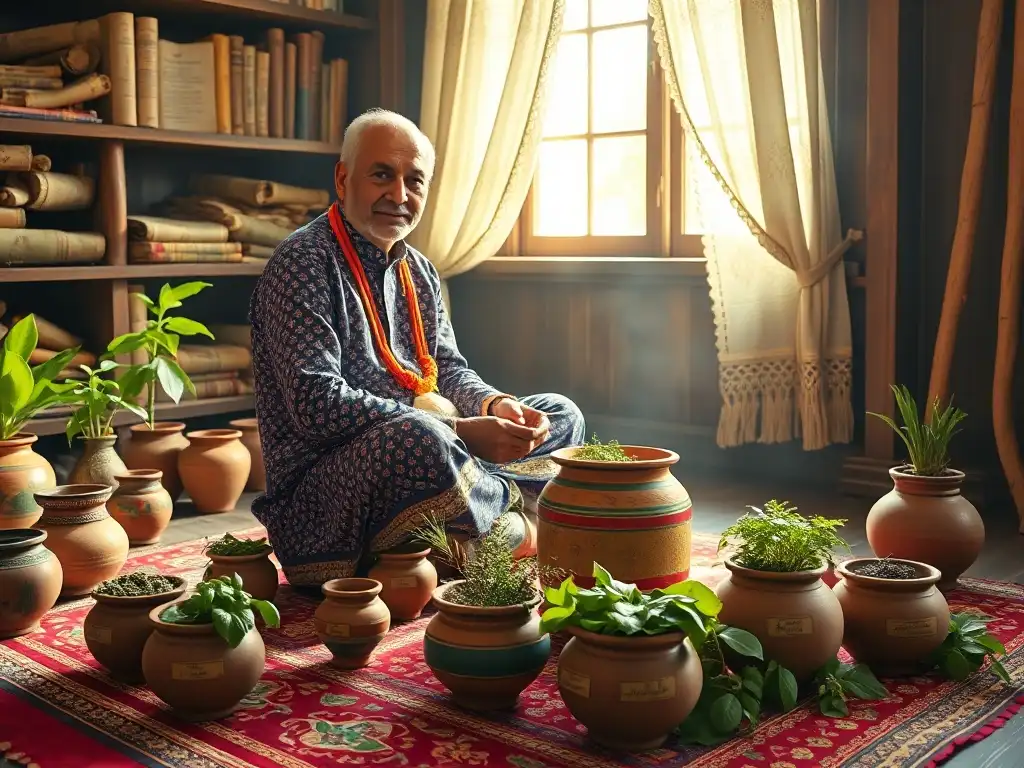
The influence of traditional Indian medicine practices continues to resonate in contemporary society. Many modern wellness centers and holistic healing practices incorporate elements of traditional medicinal arts, acknowledging their historical significance and therapeutic benefits.
The resurgence of interest in natural remedies and holistic health has led to a renewed appreciation for the artistic expressions that accompany these traditional practices. Workshops, exhibitions, and cultural festivals now celebrate these art forms, ensuring that they remain vibrant and relevant in today's world.
Future of Traditional Indian Medicine Through Artistic Expression
Looking to the future, the integration of traditional Indian medicine and artistic expression offers promising avenues for healing and wellness. As more individuals seek alternatives to conventional medicine, there is an opportunity to explore and revitalize these age-old practices through innovative artistic expressions.
Collaborations between artists, healers, and researchers can lead to new interpretations of traditional practices, making them accessible and appealing to younger generations. Virtual platforms and social media also provide unique opportunities to showcase these art forms, spreading awareness and appreciation for the healing power of artistic expression in traditional Indian medicine.
The art of healing through traditional Indian medicine is not just a relic of the past; it is a living, evolving practice that continues to inspire and heal, embodying the spirit of India's rich cultural heritage.
References and Further Reading on Traditional Indian Medicine Practices
Exploring the rich tapestry of traditional Indian medicine practices reveals a wealth of knowledge and artistic expression deeply embedded in India's cultural heritage. Here are some valuable resources that can enhance your understanding of this fascinating subject.
Recommended Books and Articles
-
"The Science of Ayurveda" by Dr. David Frawley
This comprehensive book delves into the principles of Ayurveda, explaining its foundational theories, practices, and the role of art in healing. Frawley's insights bridge the gap between ancient wisdom and modern applications, making it a must-read for anyone interested in traditional Indian medicine.
-
"Ayurvedic Healing: A Comprehensive Guide" by Dr. Atreya Smith
This guide provides an in-depth look at Ayurvedic practices, including dietary recommendations, herbal remedies, and the significance of lifestyle in healing. It emphasizes the artistic aspects of Ayurveda, such as the intricate preparation of herbal formulations.
-
"Healing Arts: The History of Medicine in India" by Dr. R. R. Sharma
This book chronicles the evolution of medical practices in India, highlighting the intersection of art and medicine. The author discusses how artistic expressions have been integral to the practice of healing throughout history.
-
"The Unani Medicine: An Overview" by Dr. H. S. Shams
This article provides a thorough overview of Unani medicine, exploring its historical roots and unique practices. It highlights the artistic elements involved in diagnosis and treatment, showcasing how creativity plays a role in healing processes.
-
"Siddha Medicine: An Ancient Indian Healing System" by Dr. K. R. S. Raghavan
This resource discusses the Siddha system, focusing on its holistic approach to health and wellness. Raghavan illustrates the artistic rituals and practices that are intrinsic to Siddha medicine, revealing the beauty of traditional healing methods.
Online Resources and Documentaries
-
National Center for Complementary and Integrative Health (NCCIH)
This online resource offers valuable information on various traditional Indian medicine practices, including Ayurveda and Yoga. It provides research findings, articles, and guidelines for understanding these ancient systems in a contemporary context.
-
The Ayurvedic Institute
The Ayurvedic Institute's website features a wealth of resources, including articles, webinars, and online courses. It emphasizes the integration of traditional knowledge with modern science, showcasing the artistic and practical aspects of Ayurveda.
-
Documentary: "The Healing Arts of India"
This documentary explores various traditional healing practices across India, featuring interviews with practitioners and scholars. It highlights the artistic expressions inherent in these practices, from intricate rituals to the preparation of herbal medicines.
-
YouTube Channel: "Ayurveda with Dr. Pankaj Naram"
Dr. Naram's channel offers a series of videos that delve into Ayurvedic principles, herbal remedies, and healing techniques. His engaging presentations often include demonstrations of the artistic processes involved in traditional medicine practices.
-
"Ayurveda: The Art of Being" - Documentary Film
This film provides an insightful look into Ayurveda's philosophy and healing practices, showcasing how art and nature intertwine within this ancient system. It features captivating visuals that illustrate the connection between traditional Indian medicine and artistic expression.
By engaging with these recommended resources, readers can deepen their understanding of traditional Indian medicine practices and appreciate the artistic dimensions that enrich this ancient healing tradition.
- Introduction to Traditional Indian Medicine Practices
- Overview of Traditional Indian Medicine
- Importance of Artistic Expression in Healing
- Historical Context of Traditional Indian Medicine
- Core Principles of Traditional Indian Medicine
- Artistic Expressions in Traditional Indian Medicine
- Case Studies of Artistic Healing Practices
- Artistic Healing in Ayurveda
- Role of Folk Art in Community Healing
- Rituals and Their Artistic Representations
- Conclusion: The Legacy of Traditional Indian Medicine and Art
- The Continuing Influence of Traditional Practices
- Future of Traditional Indian Medicine Through Artistic Expression
- References and Further Reading on Traditional Indian Medicine Practices
Frequently Asked Questions
What are traditional Indian medicine practices?
Traditional Indian medicine practices, often referred to as Ayurveda, encompass a holistic approach to health, focusing on balancing the body, mind, and spirit. These practices have been integral to Indian culture for thousands of years.
How does art relate to traditional Indian medicine?
Art plays a significant role in traditional Indian medicine by expressing therapeutic concepts and promoting healing. Artistic expressions, such as mandalas and murals, are used to create a calming environment that enhances healing.
What are some common therapies used in traditional Indian medicine?
Common therapies include herbal remedies, yoga, meditation, and panchakarma (detoxification processes). These therapies aim to restore balance and promote overall well-being.
How has traditional Indian medicine influenced modern practices?
Traditional Indian medicine has significantly influenced modern health practices by introducing concepts like holistic health, prevention, and the use of natural remedies. Many contemporary wellness trends draw inspiration from these ancient practices.
Is traditional Indian medicine recognized globally?
Yes, traditional Indian medicine, particularly Ayurveda, is gaining recognition worldwide. Its principles are being integrated into complementary and alternative medicine practices, promoting a more holistic approach to health.
Final Reflection: Embracing Healing Through Art and Tradition
The intersection of art and traditional Indian medicine practices offers a profound insight into holistic healing that resonates deeply in today's fast-paced world. As we navigate the complexities of modern life, the wisdom embedded in these ancient practices reminds us of the importance of balance, mindfulness, and the interconnectedness of body, mind, and spirit. The art of healing is not merely a relic of the past; it is a vibrant, living tradition that continues to inform our understanding of wellness in contemporary society.
Cultural expressions through art have long been intertwined with healing practices, creating a tapestry of experiences that enrich our lives. The influence of traditional Indian medicine is evident in various forms of artistic expression, from intricate mandalas to the soothing rhythms of classical music, each serving as a conduit for healing and self-discovery. Art is the most beautiful of all lies.
This quote encapsulates the essence of how art can transform our perception of health and healing, allowing us to explore our inner landscapes and find solace in creativity.
As you reflect on the themes presented in this article, I invite you to consider how you can incorporate the principles of traditional Indian medicine practices into your own life. Embrace the healing power of art, whether through creating, appreciating, or simply engaging with it in your daily routine.
Let the wisdom of these traditions inspire you to cultivate a deeper connection with yourself and the world around you, fostering a sense of well-being that transcends the ordinary. Your journey towards healing can begin today, guided by the rich heritage of art and medicine that has stood the test of time.
Embrace Healing Through Art Today!
Thank you for diving into the vibrant world where traditional Indian medicine meets artistic expression! We hope you discovered the profound ways these practices can foster healing and creativity in your life. Now, let’s bring that inspiration into action!
Here are some simple yet powerful steps you can take:
- Start your healing journey: Explore local workshops or online courses that teach traditional Indian healing arts such as Ayurveda or yoga. Engaging your mind and body in these unique practices can lead to transformative experiences!
- Unleash your creativity: Create a piece of art inspired by your favorite healing philosophy—be it through painting, composing music, or writing poetry. Let your imagination flow and reflect your personal journey!
- Share the wisdom: Discuss what you’ve learned with friends or participate in community groups online. Exchanging experiences and connecting with like-minded individuals can enrich your understanding and foster a supportive network.
Now, we’d love to hear from you! What aspects of traditional Indian medicine resonate the most with you, and how do you plan to incorporate them into your daily life?