
Family Life in the Mauryan Empire: Insights from Historical Texts


Welcome to Ancient India History, where we embark on a fascinating journey through the rich tapestry of India’s past! Delve into the vibrant world of ancient civilizations, where the complexities of daily life shaped the foundations of culture and society. In our featured article, “Family Life in the Mauryan Empire: Insights from Historical Texts,” we uncover the intricate dynamics of familial bonds during one of India’s most influential empires. What can these historical glimpses tell us about love, duty, and social structure in ancient times? Join us as we explore this captivating topic and more!
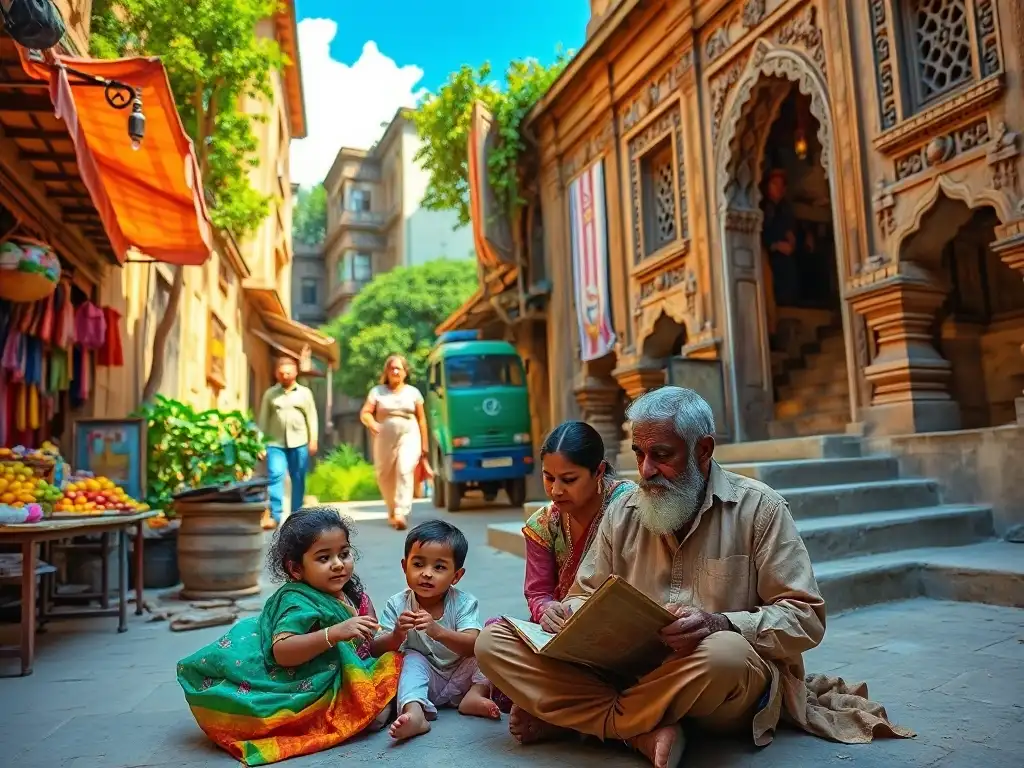
Introduction to Family Life in the Mauryan Empire
The Mauryan Empire, which flourished from 322 to 185 BCE, stands as one of the most significant periods in ancient Indian history, marked by remarkable advancements in governance, economy, and culture. Central to this complex society was the institution of family, which served as the foundational unit of social organization.
Understanding family life in the Mauryan Empire not only sheds light on the everyday lives of its people but also reveals the intricate social fabric that influenced various aspects of their existence. This article delves into the historical texts that provide insights into family structures, roles, and dynamics within this ancient civilization, highlighting the importance of familial bonds in shaping individual identities and societal norms.
Overview of the Mauryan Empire's Historical Context
The Mauryan Empire emerged in a period of significant political transformation in ancient India. Founded by Chandragupta Maurya, the empire expanded under his grandson, Ashoka, to encompass vast territories across the Indian subcontinent. The political stability and economic prosperity during this era fostered a rich cultural environment, where literature, art, and philosophy thrived. Historical records, such as the Edicts of Ashoka and accounts from travelers like Megasthenes, serve as crucial sources for understanding the socio-political dynamics of the time.
Despite its advancements, the Mauryan Empire was marked by a complex hierarchy of social classes, which significantly influenced family structures and practices. The Brahmins, Kshatriyas, Vaishyas, and Shudras each played distinct roles in society, shaping the expectations and responsibilities of family members across different strata.
Importance of Family in Ancient Indian Society
In ancient Indian society, family was regarded as the cornerstone of social life, providing emotional support, economic stability, and a sense of belonging. The family unit was not merely a private entity but a vital component of the broader social structure. Families were responsible for preserving traditions, passing down cultural values, and ensuring continuity through generations. This emphasis on familial ties is reflected in various texts from the Mauryan period, which often highlight the significance of dharma (duty) and the interconnectedness of family roles.
Structure of Family Units in the Mauryan Empire
Nuclear vs. Extended Family Systems
Family structures in the Mauryan Empire predominantly consisted of both nuclear and extended family systems. The nuclear family, comprising parents and their children, provided a more intimate setting for child-rearing and personal relationships. In contrast, extended families, which included grandparents, aunts, uncles, and other relatives, offered a broader support network, facilitating shared resources and collective responsibilities.
This duality allowed families to adapt to changing circumstances, whether in times of prosperity or hardship. The prevalence of extended families also underscored the importance of lineage and ancestry, as heritage played a critical role in social status and identity.
Roles of Family Members: Men, Women, and Children
In the Mauryan Empire, the roles of family members were distinctly defined, with men typically serving as the primary breadwinners and decision-makers. Women, while often confined to domestic spheres, held essential responsibilities in managing households, raising children, and maintaining cultural practices. Notably, historical texts indicate that some women in the Mauryan period engaged in economic activities, contributing to family income and fostering a sense of agency.
Children were viewed as the future of the family and society, receiving education and training to prepare them for their roles as adults. The emphasis on moral and ethical upbringing was crucial, as families instilled values that aligned with the broader societal norms.
Influence of Social Classes on Family Life
The structure and dynamics of family life in the Mauryan Empire were significantly influenced by social class. The upper echelons of society, including the Brahmins and Kshatriyas, often enjoyed greater resources and opportunities, leading to more elaborate family rituals and practices. In contrast, families from lower social classes, such as the Shudras, faced economic constraints that shaped their familial roles and responsibilities.
This interplay between social class and family life illustrates the complexities of Mauryan society, where economic conditions, cultural expectations, and social hierarchies intertwined to create diverse experiences of family life across different segments of the population. Understanding these nuances is essential for a comprehensive view of family dynamics in the Mauryan Empire.
Marriage Practices in the Mauryan Empire
Marriage in the Mauryan Empire was a significant social institution, deeply intertwined with cultural, economic, and religious norms. The practices surrounding marriage were reflective of the values held by ancient Indian society, emphasizing familial alliances and social status. Historical texts, such as the Arthashastra by Kautilya, provide valuable insights into these practices, revealing the complexity and importance of marriage within the Mauryan context.
Types of Marriages: Arranged and Love Marriages
In the Mauryan Empire, arranged marriages were the norm, primarily orchestrated by parents or guardians. This practice aimed to strengthen family ties, enhance social standing, and ensure economic stability. Families often considered factors such as caste, wealth, and social status when arranging marriages.
While arranged marriages were prevalent, instances of love marriages did occur, albeit less frequently. Love marriages often faced societal disapproval and were typically more common among lower strata of society, where familial control may have been less stringent. The acceptance of love marriages was gradually increasing, but traditional values largely dictated that marriages should serve the family's interests rather than individual desires.
Significance of Dowry and Bride Price
The practice of dowry was an integral aspect of marriage in the Mauryan Empire. Families of brides were expected to provide gifts, property, or money to the groom's family, a practice that symbolized the bride’s family’s status and affluence. Dowries often included items such as jewelry, household goods, and land, which ensured the bride’s financial security and reinforced the groom's family’s economic power.
Conversely, the concept of bride price also existed, particularly in specific communities. This involved the groom's family providing compensation to the bride's family. The choice of dowry or bride price depended on various factors, including regional customs and family traditions. Both practices highlighted the economic dimensions of marriage and the significance placed on familial wealth and social standing.
Rituals and Customs Surrounding Marriage Ceremonies
Marriage ceremonies in the Mauryan Empire were elaborate and filled with various rituals that emphasized the sanctity of the union. Key rituals included:
- Saptapadi (Seven Steps): The couple would take seven steps together, each representing a vow, symbolizing their commitment to each other and their future together.
- Kanyadaan: The act of giving away the bride, typically performed by her father, signifying the transfer of responsibility from one family to another.
- Homa: A sacred fire was lit during the ceremony, around which the couple would take vows, invoking blessings from deities for a prosperous married life.
These rituals were infused with religious significance and were seen as essential for ensuring the couple's well-being and the prosperity of their future family. The ceremonies often lasted several days and were grand affairs, showcasing the families' wealth and social status.
Daily Family Life in the Mauryan Empire

Family life in the Mauryan Empire was characterized by a structured social hierarchy and defined roles within the household. The family unit was fundamental to society, serving as both a social and economic entity. Daily routines were shaped by cultural practices, economic activities, and social responsibilities.
Domestic Responsibilities of Family Members
In Mauryan households, the division of labor was clearly defined. Men were primarily responsible for external affairs, including farming, trade, and governance, while women managed domestic responsibilities. Women's roles included:
- Household Management: Women oversaw daily chores, including cooking, cleaning, and caring for children.
- Textile Production: Many women engaged in weaving and textile production, contributing to the family's economic well-being.
- Education: Women were responsible for imparting cultural values and skills to their children, particularly daughters, who would eventually manage their households.
Men and women worked collaboratively to maintain the family's social standing and economic stability, with each member contributing to the overall functioning of the household.
Education and Upbringing of Children
Child-rearing practices in the Mauryan Empire were influenced by the prevailing cultural and educational norms. Boys typically received formal education, often attending Gurukuls where they learned subjects like literature, mathematics, and martial arts. In contrast, girls were educated at home, focusing on domestic skills and virtues deemed necessary for managing a household.
Parents placed a strong emphasis on moral education, instilling values such as respect, obedience, and duty. The upbringing of children was seen as a direct reflection of the family's honor and social standing, making the education and discipline of offspring a priority.
Family Meals and Culinary Traditions
Meals played a crucial role in daily family life, serving as a time for bonding and cultural expression. The culinary traditions of the Mauryan Empire were diverse, influenced by regional ingredients and customs. Family meals typically included:
- Grains and Pulses: Staple foods comprised rice, wheat, and lentils, often cooked in various ways, reflecting the local cuisine.
- Vegetables and Spices: A wide variety of vegetables and spices were used, showcasing the rich agricultural practices of the time.
- Sweets and Offerings: Sweets made from jaggery and milk were common, and special dishes were prepared for festivals and religious ceremonies.
Family meals were not just about sustenance; they were a time for social interaction, storytelling, and passing down traditions, reinforcing familial ties and cultural identity within the broader context of Mauryan society.
Gender Roles and Status within Family Life
Family life in the Mauryan Empire was significantly influenced by established gender roles and social hierarchies. The division of responsibilities between men and women was clearly defined, reflecting the broader cultural norms of the time. Men predominantly held positions of authority within the family, often serving as the primary breadwinners and decision-makers. Women's roles, while primarily centered around the household, were also vital in maintaining family structures and cultural continuity.
The status of individuals within the family was not only determined by gender but also by caste and social standing. High-caste families had different expectations and responsibilities than those belonging to lower castes, which added another layer of complexity to family dynamics. This hierarchical structure often dictated the daily lives and interactions of family members, with patriarchal norms being the most prevalent.
Women's Roles in Family and Society
In the Mauryan Empire, women were primarily associated with domestic responsibilities, including managing the household, raising children, and performing religious rituals. However, their roles were not entirely confined to the home. Some women engaged in economic activities, such as weaving and pottery, contributing to the family’s income.
Women of higher status often received education, which enabled them to participate in philosophical discussions and religious ceremonies. Historical texts indicate that women could inherit property and engage in transactions, although their rights were limited compared to their male counterparts. Additionally, women played crucial roles in maintaining family lineage and cultural practices, emphasizing their importance in the social fabric of the Mauryan Empire.
Men's Responsibilities and Authority in the Household
Men in the Mauryan Empire were typically seen as the heads of their households, responsible for providing for their families and ensuring their welfare. This included making decisions regarding finances, education, and marriage arrangements for their children. Men's authority was reinforced by cultural norms that viewed them as protectors and providers.
Moreover, men often held public positions, which allowed them to influence societal norms and contribute to governance. Their roles extended beyond the household, as they were expected to embody the values of duty and honor, reflecting the ideals of the time. The expectations placed on men to fulfill these roles not only shaped family life but also impacted broader societal structures.
The Balance of Power: Patriarchy and Matriarchy
The family structure in the Mauryan Empire was predominantly patriarchal, with men holding significant power and authority. However, there were instances where matriarchal elements emerged, particularly in certain communities or among wealthy families. In some cases, women could wield considerable influence, especially as mothers or matriarchs, and their opinions could heavily sway family decisions.
The balance of power within families often depended on individual circumstances, including wealth, education, and social standing. While patriarchy was the overarching system, the dynamics of power could vary, leading to nuanced family roles that allowed women to exert influence in specific contexts. This duality highlighted the complexities of family life in the Mauryan Empire, where both patriarchal and matriarchal influences coexisted.
Religious and Cultural Influences on Family Life
Religious beliefs and cultural practices were integral to family life in the Mauryan Empire. The predominant religions of the time, namely Hinduism and Buddhism, shaped family structures, values, and daily routines. These religious frameworks provided guidelines on marriage, parenting, and familial responsibilities.
The intersection of religion and family life fostered a sense of community, with rituals and observances reinforcing familial bonds and social cohesion. Festivals, religious ceremonies, and daily practices were often centered around family gatherings, emphasizing the importance of collective participation in cultural traditions.
Impact of Hinduism and Buddhism on Family Practices
Hinduism and Buddhism significantly influenced family practices within the Mauryan Empire. Hindu customs emphasized the sanctity of marriage and family ties, often prescribing specific roles and duties for each family member. Texts such as the Manusmriti outlined the expectations of women and men, reinforcing traditional gender roles and responsibilities.
On the other hand, Buddhism introduced concepts of compassion and equality, which sometimes challenged established norms. Buddhist texts encouraged familial love and mutual respect, impacting parenting styles and interpersonal relationships within families. The diverse religious landscape led to a blend of practices that shaped family life, with families often incorporating both Hindu and Buddhist traditions.
Festivals and Family Gatherings: Cultural Significance
Festivals played a crucial role in family life during the Mauryan Empire, serving as opportunities for families to come together, celebrate, and reinforce cultural values. Major festivals, such as Diwali and Makar Sankranti, were occasions for family gatherings that fostered unity and shared traditions.
These events often included rituals, feasting, and communal activities that brought families closer together, highlighting the importance of collective participation in cultural practices. The cultural significance of such gatherings extended beyond mere celebration; they served as a means to transmit values, stories, and traditions from one generation to the next.
Analyzing Textual Evidence from Ancient Scriptures
Textual evidence from ancient scriptures provides valuable insights into family life in the Mauryan Empire. Works such as the Arthashastra and various religious texts contain references to family structures, gender roles, and societal norms. These texts illustrate the expectations placed on family members and the cultural values that underpinned daily life.
By analyzing these sources, historians can piece together a more comprehensive understanding of how family life functioned, the dynamics between family members, and the broader societal implications of these relationships. The insights garnered from these historical texts reveal the complexities of family life in the Mauryan Empire, offering a glimpse into the rich tapestry of ancient Indian civilization.
Challenges Faced by Families in the Mauryan Empire
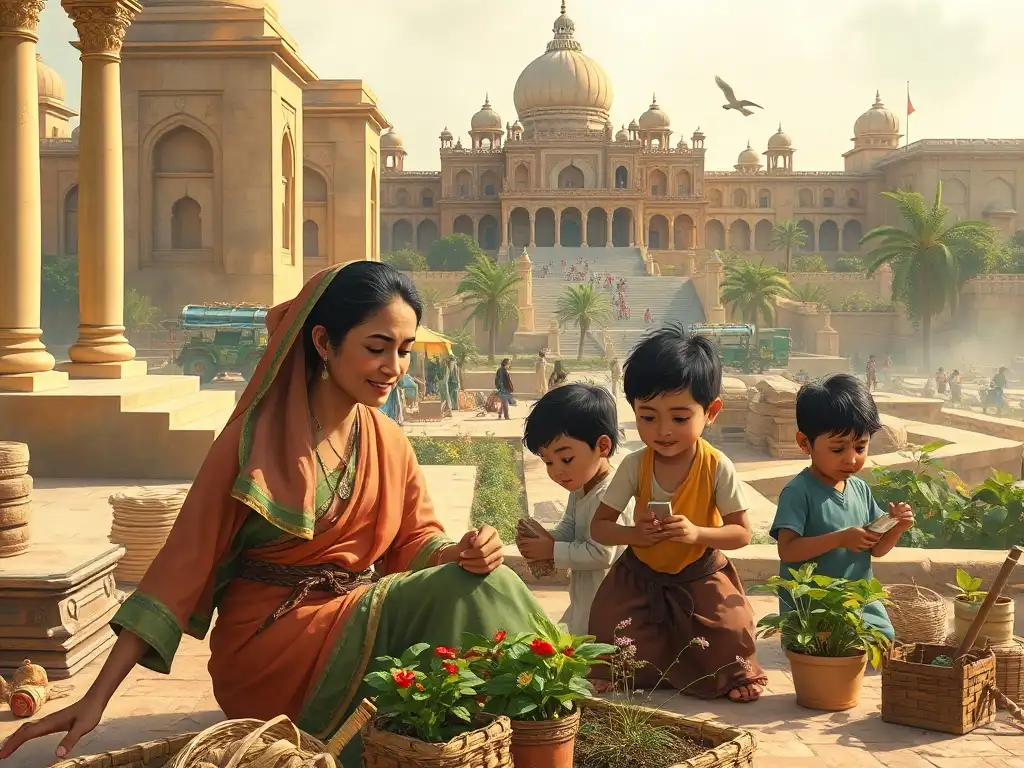
Family life in the Mauryan Empire was characterized by a complex interplay of socio-economic conditions, political dynamics, and cultural practices. Families faced numerous challenges that shaped their daily existence and influenced their social structures. Historical texts and archaeological evidence provide insight into these difficulties, revealing how families navigated their circumstances amid the empire's vast expanse and diversity.
Socio-economic Factors Affecting Family Life
The socio-economic fabric of the Mauryan Empire significantly impacted family life. Agriculture formed the backbone of the economy, and families were often engaged in farming, which was subject to the vagaries of weather and changing market demands. Families relied on subsistence farming, and any failure in crop yield could lead to severe hardships. This dependence on agriculture created a cycle of vulnerability, where economic instability directly affected family dynamics, leading to stress and conflict.
Additionally, trade and commerce flourished under the Mauryan administration, leading to the rise of merchant families. The wealth generated from trade allowed certain families to thrive, creating a class divide. While wealthy families enjoyed a degree of social mobility and cultural patronage, poorer families struggled for basic necessities, which often strained familial relationships. Thus, the socio-economic disparities within the empire contributed to the challenges families faced in maintaining cohesion and stability.
Impact of Warfare and Political Changes
The Mauryan Empire, known for its military conquests and territorial expansion, brought with it the specter of warfare that deeply affected family life. Frequent conflicts not only led to loss and trauma but also disrupted family structures. Men, often the primary breadwinners, were conscripted into military service, leaving women and children to fend for themselves. This shift in gender roles highlighted the resilience of women, who took on additional responsibilities, managing households and economic activities during their husbands' absence.
Political changes, such as the rise and fall of rulers, further complicated family dynamics. The imperial administration's focus on centralization often led to local unrest, and families living in affected regions faced displacement and insecurity. Such upheavals could result in the fragmentation of families, as members were separated or forced to migrate in search of safety. This instability had lasting psychological effects, altering the traditional roles and responsibilities within family units.
Health and Well-being: Family Dynamics in Times of Crisis
Health crises, often exacerbated by famine, disease, and war, played a crucial role in shaping family dynamics in the Mauryan Empire. The lack of advanced medical knowledge and healthcare systems meant that families had to rely on traditional remedies and communal support during times of illness. Epidemics could decimate entire communities, leading to the tragic loss of family members and a breakdown of familial structures.
During these crises, the family's role as a support network became paramount. Extended families often pooled resources and knowledge to care for the sick and vulnerable. This communal approach fostered stronger ties among relatives and neighbors, who relied on each other to survive. However, the emotional toll of such crises could also lead to stress and conflict, particularly in families facing the death of a loved one or the burden of caregiving.
Conclusion: Legacy of Family Life in the Mauryan Empire
The challenges faced by families in the Mauryan Empire contributed to a rich legacy that would influence later Indian civilizations. The resilience demonstrated by families during times of strife laid the groundwork for social structures and cultural practices that persisted long after the empire's decline.
Lasting Influences on Subsequent Indian Civilizations
The family dynamics observed in the Mauryan Empire provided a foundation for subsequent Indian civilizations. The importance of extended family networks, communal support, and the adaptation of gender roles in response to socio-economic challenges became integral aspects of Indian society. These influences can be traced through historical texts and cultural practices, illustrating how the Mauryan legacy shaped family life in later periods.
Reflections on Family Dynamics in Ancient Indian History
The study of family life in the Mauryan Empire offers critical insights into the broader historical narrative of ancient India. By examining the socio-economic conditions, political changes, and health crises faced by families, we gain a deeper understanding of how familial relationships evolved in response to external pressures. This exploration not only highlights the resilience of families but also emphasizes the continuity of cultural practices that have persisted through generations, enriching the tapestry of Indian history.
References
Understanding family life in the Mauryan Empire requires delving into various historical texts, inscriptions, and archaeological findings. These sources provide invaluable insights into the social structures, marriage practices, and daily lives of families during this pivotal period in ancient Indian history.
Key Historical Texts on Family Life in the Mauryan Empire
-
Arthashastra by Kautilya (Chanakya)
This ancient treatise on statecraft and military strategy also includes significant information about social norms, including family structures, marriage, and the roles of women. Kautilya’s observations reflect the societal expectations and practices during the Mauryan period.
-
Indica by Megasthenes
Written by the Greek ambassador to the Mauryan court, this text provides a detailed account of the social customs and lifestyles of the Mauryan people. Megasthenes’ observations on family life, including the roles of men and women and the structure of households, are particularly valuable for understanding the dynamics of Mauryan families.
-
Buddhist texts (Pali Canon)
The Buddhist scriptures, particularly the Vinaya Pitaka, offer insights into the family life of followers of Buddhism during the Mauryan Empire. These texts discuss marriage, familial obligations, and the ethical conduct expected within families.
-
Jain texts
Jain literature also provides perspectives on family and societal norms during the Mauryan period. The teachings of Mahavira and subsequent Jain scholars emphasize the importance of non-violence and truth, which influenced family relationships and practices.
-
Inscriptions and Edicts of Ashoka
The edicts of Emperor Ashoka, inscribed on rocks and pillars, not only reflect his governance and moral philosophy but also touch upon family life and social responsibilities, advocating for compassion and respect within familial structures.
Suggested Further Reading on Ancient Indian Family Practices
-
“Daily Life in Ancient India” by Jaya Menon
This book provides an extensive overview of various aspects of daily life in ancient India, including family structures, marriage customs, and social hierarchies.
-
“The Mauryan Empire” by Romila Thapar
Thapar’s work offers a comprehensive analysis of the Mauryan Empire, touching upon social life, including family dynamics, religious practices, and the role of women in society.
-
“Women in Ancient India” by R. S. Sharma
This text explores the status and roles of women in ancient Indian society, with a focus on marriage and family life, providing context to their influence during the Mauryan period.
-
“Marriage and Family in India” by Neelam Saxena
This book examines the evolution of marriage and family practices in India, offering historical perspectives that include the Mauryan Empire and its lasting impacts on contemporary practices.
-
“The History of Ancient India: From 7300 BC to 425 AD” by Upinder Singh
Singh's comprehensive history traces the evolution of Indian society, including family life and marriage practices, providing a broader context to understand the Mauryan Empire within the continuum of Indian history.
- Introduction to Family Life in the Mauryan Empire
- Structure of Family Units in the Mauryan Empire
- Marriage Practices in the Mauryan Empire
- Daily Family Life in the Mauryan Empire
- Gender Roles and Status within Family Life
- Religious and Cultural Influences on Family Life
- Challenges Faced by Families in the Mauryan Empire
- Conclusion: Legacy of Family Life in the Mauryan Empire
- References
- What were the main features of family life in the Mauryan Empire?
- How did the social structure influence family life during this period?
- What role did women play in the Mauryan family?
- How did marriage customs manifest in Mauryan society?
- What historical texts provide insights into family life in the Mauryan Empire?
Frequently Asked Questions
What were the main features of family life in the Mauryan Empire?
Family life in the Mauryan Empire was predominantly patriarchal, with the male as the head of the household. Families were often nuclear, but extended families also played a crucial role in social dynamics.
The social structure of the Mauryan Empire was based on the varna system, which defined roles and responsibilities. This hierarchy affected family roles, with Brahmins and Kshatriyas enjoying higher status and privileges.
What role did women play in the Mauryan family?
Women in the Mauryan Empire had varying roles depending on their social status. While some women managed households and participated in trade, others were involved in religious and cultural practices.
How did marriage customs manifest in Mauryan society?
Marriage customs in the Mauryan Empire often involved arranged marriages, emphasizing family alliances. Dowries were common, and monogamy was preferred, although polygamy was practiced among the wealthy.
What historical texts provide insights into family life in the Mauryan Empire?
Key historical texts like the Arthashastra and Buddhist scriptures offer valuable insights into daily life, including family structure, duties, and the role of women in the Mauryan Empire.
Final Reflection: The Enduring Legacy of Family Life in the Mauryan Empire
Family life in the Mauryan Empire remains a crucial lens through which we can understand the foundations of societal structures that continue to influence us today. The intricate dynamics of family relationships, roles, and responsibilities during this historical period reveal not only the values of the time but also the universal themes of love, duty, and community that resonate through the ages. As we navigate our modern lives, the lessons from the Mauryan Empire remind us of the importance of nurturing familial bonds and the impact they have on our broader social fabric.
The exploration of family life in the Mauryan Empire has profound implications for our cultural and social landscape, highlighting the timeless nature of family as a cornerstone of society. The values and practices observed in historical texts serve as a mirror reflecting our contemporary challenges and triumphs within family dynamics. As historian Romila Thapar eloquently stated, The family is the first school for the child, and the lessons learned there shape the individual and, by extension, society.
This observation underscores the significance of family life, not just as a relic of the past, but as a living, evolving entity that continues to shape our identities and communities.
As we conclude our journey through the family life of the Mauryan Empire, I invite you to reflect on your own familial relationships and the lessons they impart. Consider how the values of love, respect, and responsibility can be woven into the fabric of your daily life. By embracing the insights gleaned from history, we can foster stronger connections within our families and communities, ensuring that the legacy of family life, as rich and varied as it is, continues to thrive in the future.
Unveil the Richness of Family Life: Take Action Today!
Thank you for exploring the captivating world of family life during the Mauryan Empire! Your interest not only illuminates a vibrant historical narrative but also enhances our understanding of how ancient cultures have shaped contemporary familial structures. With this newfound knowledge, it’s time to take proactive steps to delve deeper into this fascinating subject.
- Dive deeper into the Mauryan Era! Explore additional historical texts and resources to broaden your understanding.
- Join the conversation! Share your thoughts and insights on family dynamics in ancient times in our community forum.
- Spread the knowledge! Share this article with friends and family who are passionate about history and ignite discussions about how the past influences our present.
What aspect of family life in the Mauryan Empire intrigues you the most, and how do you believe it resonates with families today?