
Understanding the Labor Market: How Jobs Were Created and Assigned in Ancient India


Welcome to Ancient India History, where we embark on a remarkable journey through the vibrant tapestry of ancient Indian civilizations. Here, we delve deep into the labor market in ancient India, uncovering how jobs were created and assigned, and revealing the intricate societal structures that defined daily life. Have you ever wondered how the skills of artisans and traders shaped the economy of the Indus Valley or how the Gupta Empire influenced employment practices? Prepare to satisfy your curiosity as we unravel the fascinating dynamics of work and society in a time long past. Let’s explore together!
-
Understanding the Labor Market in Ancient India
- Introduction to the Labor Market in Ancient India
- Historical Context of the Labor Market
- Key Components of the Labor Market in Ancient India
- Types of Jobs Available in Ancient India
- Social Stratification and Labor Assignment
- Mechanisms of Job Creation in Ancient India
- Assignment of Jobs in Ancient Indian Society
- Case Studies of Labor Markets in Specific Ancient Indian Kingdoms
- Conclusion: The Legacy of the Labor Market in Ancient India
- References for Further Reading on Ancient Indian Labor Markets
- Frequently Asked Questions
- Final Reflection: The Enduring Legacy of the Labor Market in Ancient India
- Unveil the Secrets of Ancient Indian Labor Markets!
Understanding the Labor Market in Ancient India
Introduction to the Labor Market in Ancient India
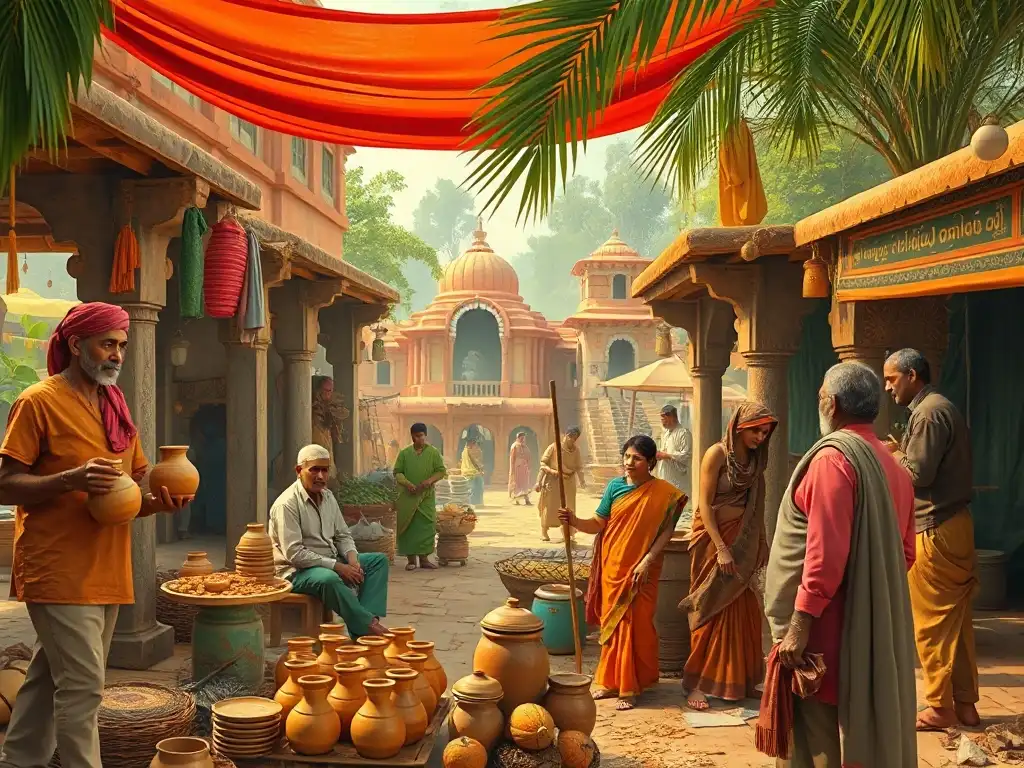
The labor market in ancient India presents a fascinating glimpse into the socio-economic structures that shaped one of the world's oldest civilizations. From the well-organized urban centers of the Indus Valley Civilization to the sophisticated economic systems of the Gupta Empire, the way jobs were created, assigned, and valued offers key insights into the daily lives of ancient Indians. Understanding these labor systems not only enhances our knowledge of their society but also sheds light on the cultural and technological advancements that emerged from these practices.
Exploring the labor market in ancient India involves delving into the various occupations that flourished, the methods of job allocation, and the societal roles that these professions played. This article aims to unravel these complexities, providing a comprehensive overview of labor dynamics throughout ancient Indian history.
Defining the Labor Market in Ancient India
The labor market in ancient India can be defined as the system through which employment opportunities were created and filled, influenced by various factors including skills, social status, and economic needs. Unlike modern labor markets characterized by formal employment contracts and wage systems, ancient Indian labor dynamics were often intertwined with caste systems, guilds, and familial ties.
- Caste System: The rigid caste hierarchy dictated the types of jobs individuals could hold, with professions generally passed down through generations.
- Guilds: Artisans and traders often organized into guilds, which regulated their crafts, set standards, and provided mutual support.
- Agricultural Foundations: A significant portion of the population was engaged in agriculture, which was the backbone of the economy and dictated many labor patterns.
These elements collectively framed the labor market in ancient India, reflecting the intricacies of societal structure and economic practices.
Importance of Studying Ancient Indian Labor Systems
Studying the labor systems of ancient India is crucial for multiple reasons:
- Cultural Understanding: It helps us comprehend the cultural significance of various professions and how they influenced social norms and values.
- Economic Insights: Analyzing labor markets reveals the economic foundations of ancient societies, including trade practices and resource management.
- Historical Context: Understanding labor systems provides a backdrop for studying the evolution of policies and governance in ancient India.
By examining these aspects, we can appreciate the complexity and richness of ancient Indian civilization and its enduring impact on contemporary society.
Historical Context of the Labor Market
Overview of Ancient Indian Civilizations
Ancient India was home to several prominent civilizations, each contributing uniquely to the labor market. The Indus Valley Civilization (circa 3300–1300 BCE) was one of the earliest urban centers, showcasing advanced urban planning and skilled craftsmanship. Following this, the Vedic Period (circa 1500–500 BCE) emphasized agrarian societies, with an increase in pastoral and agricultural labor.
The Mauryan Empire (322–185 BCE) marked a significant evolution in trade and commerce, leading to a diversification of occupations. Finally, the Gupta Empire (circa 320–550 CE) is often referred to as the Golden Age of India, characterized by advancements in science, arts, and a flourishing economy that further shaped labor dynamics.
Evolution of Occupations in Ancient India
The evolution of occupations in ancient India reflects broader socio-economic changes over millennia:
- Indus Valley Civilization: Known for urban planning and skilled craftspeople, including bead makers, potters, and metalworkers.
- Vedic Period: Focused on agriculture, with farmers, herders, and merchants emerging as key occupations, alongside the priestly class.
- Mauryan Empire: A surge in trade led to the rise of merchants and traders, while administration roles expanded significantly.
- Gupta Empire: This period saw the emergence of various specialized professions, including scholars, artists, and physicians, highlighting a more complex labor market.
The understanding of these occupations and their transitions over time sets the stage for a deeper exploration of individual labor roles and their societal implications in ancient India.
Key Components of the Labor Market in Ancient India
The labor market in ancient India was characterized by a complex interplay of various components that influenced job creation and assignment. One of the primary components was the presence of a caste system, which played a significant role in determining occupational roles within society. Each caste was traditionally associated with specific professions, and this division of labor ensured that skills were passed down through generations. Additionally, the agrarian economy formed the backbone of the labor market, where the majority of the population engaged in agriculture, contributing to food production and trade.
Other key components included guilds and trade associations, known as shrenis, which organized craftsmen and merchants into regulated groups. These guilds not only facilitated trade and commerce but also ensured quality control and fair pricing among their members. Furthermore, the influence of local economies and regional trade routes also shaped the availability of jobs, with bustling urban centers emerging as hubs of commerce and craftsmanship.
Types of Jobs Available in Ancient India
The types of jobs available in ancient India were diverse, reflecting the multifaceted nature of its society. Predominantly, the agrarian sector employed the majority of individuals, with roles such as farmers, laborers, and herders being essential for sustenance. Agricultural jobs were complemented by ancillary occupations like weavers, potters, and blacksmiths, who provided necessary goods for daily life.
In urban areas, specialized professions became prominent. Artisans and craftsmen created intricate goods ranging from textiles to jewelry, while merchants engaged in trade both locally and across long distances, often participating in the thriving trade networks established during this period. Additionally, services such as teaching, medical practice, and administrative roles emerged, reflecting a society that valued education and governance.

Social stratification was a defining feature of the labor market in ancient India, largely dictated by the caste system. Each caste, or varna, had specific duties and responsibilities, which were often hereditary. This stratification ensured that certain jobs were reserved for specific groups, thus maintaining social order and stability. The four primary castes included the Brahmins (priests and scholars), Kshatriyas (warriors and rulers), Vaishyas (traders and agriculturalists), and Shudras (laborers and service providers).
Labor assignment was not merely a matter of choice but was deeply intertwined with social status and religious beliefs. For instance, the Brahmins were tasked with spiritual and intellectual duties, while Shudras performed menial jobs. This rigid structure meant that mobility between castes was rare, leading to a system where individuals were often confined to the occupations designated by their birth, shaping the economic landscape of ancient India.
Mechanisms of Job Creation in Ancient India
Job creation in ancient India was influenced by a variety of mechanisms, including economic activities, social customs, and political structures. The primary driver of employment opportunities was the agrarian economy, where agricultural productivity dictated the need for labor. As the population grew, so did the demand for food, leading to the expansion of farming activities and the emergence of related occupations.
Moreover, the flourishing trade networks, especially during the Mauryan and Gupta empires, catalyzed job creation in urban centers. The establishment of markets and fairs provided platforms for artisans and merchants to showcase their goods, thereby creating employment opportunities. Infrastructure development, such as roads and ports, further facilitated commerce, leading to increased demand for labor in various sectors.
Economic Factors Influencing Job Creation
Economic factors played a crucial role in shaping the labor market in ancient India. The agrarian surplus generated by successful harvests allowed for the diversification of occupations. As agricultural productivity increased, it enabled some members of society to pursue specialized trades, leading to the growth of urban centers and a thriving market economy.
Additionally, fluctuations in trade, influenced by regional and international relations, directly impacted job availability. For instance, during times of economic prosperity, such as the peak of the Gupta Empire, there was a notable increase in job opportunities in crafts and trade. Conversely, during periods of economic decline or famine, labor opportunities often diminished, leading to increased competition among workers.
Political and Administrative Influence on Labor Distribution
Political and administrative structures significantly influenced labor distribution in ancient India. Rulers often implemented policies that regulated trade and labor, thereby shaping the labor market. The establishment of a centralized administration, particularly during the Mauryan Empire, allowed for systematic taxation and resource allocation, which facilitated the growth of various industries.
Furthermore, state-sponsored projects, such as irrigation systems and road construction, created temporary job opportunities while also enhancing agricultural productivity. The patronage of the arts and crafts by royal courts led to the flourishing of specialized professions, elevating the status of artisans and craftsmen in society. Thus, the interplay between political authority and labor dynamics was a critical factor in the evolution of the labor market in ancient India.
Assignment of Jobs in Ancient Indian Society
In ancient India, the assignment of jobs was deeply intertwined with the social structure, particularly the caste system, which categorized individuals into specific groups based on their occupations. This stratification meant that job assignments were often hereditary, where skills and trades were passed down through generations. The roles within society were distinctly defined, and individuals were expected to adhere to their assigned duties, which contributed to the stability and functioning of the community.
The caste system played a pivotal role in determining one’s profession. Brahmins, for instance, were predominantly priests and scholars, while Kshatriyas were warriors and rulers. Vaishyas engaged in trade and agriculture, whereas Shudras performed labor-intensive work. This division not only facilitated the organization of labor but also ensured that various societal needs were met, from spiritual guidance to economic production.
Moreover, job assignments were often formalized through guilds or associations known as Shrenis. These guilds regulated the professions by establishing codes of conduct, ensuring quality of work, and providing training to apprentices. This system promoted a sense of identity and community among workers and was crucial for the economic prosperity of ancient cities.
Methods of Job Assignment
The methods of job assignment in ancient India were diverse and multifaceted. Typically, job roles were assigned based on the following criteria:
- Caste-Based Allocation: As mentioned, jobs were largely determined by one’s caste. Individuals were expected to perform duties aligned with their caste, which was seen as a divine order. This practice reinforced social stability but limited mobility between different job roles.
- Family Heritage: Many professions were handed down from parents to children. For example, artisans, merchants, and farmers would often inherit business practices and skills from their families, ensuring continuity and expertise over generations.
- Apprenticeship Systems: Young individuals would often be apprenticed to experienced craftsmen or traders. This hands-on learning approach allowed them to acquire specific skills necessary for their designated professions. Guilds played a significant role in facilitating such training and ensuring standards.
- Market Demands: In some cases, job assignments could also be influenced by the demand for particular skills in the market. Economic changes or demands from royal courts could lead to shifts in occupations, allowing for some flexibility within the rigid caste structure.
- Royal Patronage: Jobs could also be assigned through royal decrees or patronage. Kings and local rulers would often employ skilled laborers for construction projects, military campaigns, or administrative tasks, thus providing opportunities for certain individuals to rise in status.
Challenges in Job Assignment
Despite the structured nature of job assignments, several challenges persisted in ancient India's labor market:
- Rigidity of the Caste System: The caste system, while providing a clear framework, often restricted individuals from pursuing professions outside their assigned caste. This rigidity limited personal aspirations and stifled economic mobility.
- Skill Gaps: As society evolved, the demand for new skills sometimes outpaced the supply. Individuals trained in traditional crafts might find it difficult to adapt to changing market needs, leading to unemployment or underemployment.
- Economic Disparities: The economic benefits of certain professions were not uniformly distributed. Those in higher castes often reaped greater rewards, leading to significant disparities in wealth and opportunity.
- Social Stigmas: Some professions, particularly those associated with manual labor, faced social stigmas. This perception discouraged individuals from pursuing certain trades, further entrenching social inequalities.
- Political Instability: Historical events, such as invasions or changes in political power, could disrupt established labor systems. Workers might lose their jobs or be forced to migrate, leading to instability in local economies.
Case Studies of Labor Markets in Specific Ancient Indian Kingdoms
Labor Market in the Maurya Empire
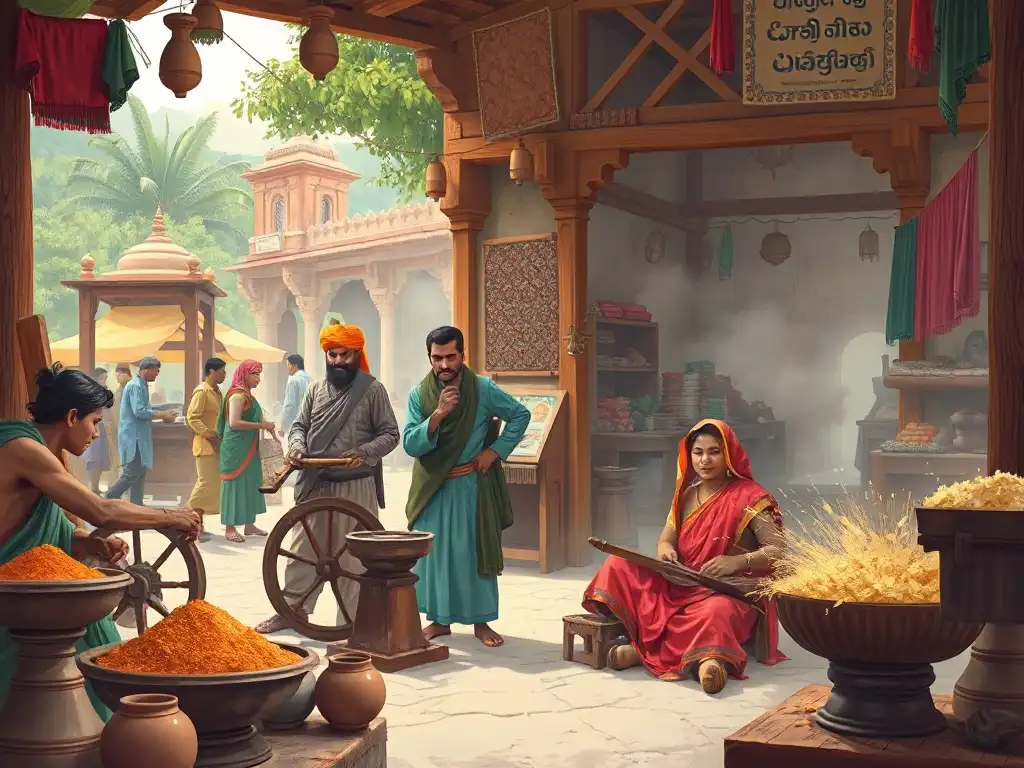
The Maurya Empire (c. 322–185 BCE) marked a significant evolution in the labor market of ancient India. Under the reign of Chandragupta Maurya and his grandson Ashoka, the empire witnessed robust economic growth and a more organized labor system. The state played a crucial role in job assignment and economic regulation, often employing vast numbers of workers for agricultural, military, and construction projects.
One of the notable aspects of the Maurya labor market was the state-sponsored programs for infrastructure development, including roads, irrigation systems, and public buildings. The government not only provided jobs but also ensured fair wages and working conditions. Farmers were encouraged to cultivate land through state-sponsored initiatives, which bolstered agricultural production and provided a stable food supply.
The Mauryan administration also recognized the importance of skilled labor. Artisans and craftsmen were supported through guilds, which regulated trade practices and ensured quality. This period saw a flourishing of arts and crafts, reflecting a thriving labor market that catered to both local and international demands.
Labor Practices in the Gupta Empire
The Gupta Empire (c. 320–550 CE) is often regarded as a golden age of ancient India, characterized by advancements in arts, science, and economic prosperity. The labor market during this period was marked by significant developments in job assignment practices and labor relations.
In contrast to the Mauryan era, the Gupta period witnessed increased commercialization and urbanization. Towns and cities expanded, leading to a diverse labor force. The economy thrived on trade, both domestic and international, which created a demand for various skilled laborers, including weavers, metalworkers, and potters.
Guilds continued to play a crucial role in the Gupta labor market. These associations not only regulated trades but also provided social security to their members. They often organized festivals and events that celebrated their crafts, fostering a sense of community and pride among workers.
Moreover, the Gupta Empire saw an emphasis on education and literacy, resulting in a more skilled workforce. This period encouraged the development of new techniques in agriculture and crafts, enhancing productivity and contributing to the overall economic growth of the empire.
The labor market in ancient India evolved significantly from the Maurya to Gupta periods, adapting to societal changes, economic demands, and political structures. The interplay of caste, guilds, and state intervention shaped job assignments and labor practices, leaving a lasting legacy on the region's economic history.
Conclusion: The Legacy of the Labor Market in Ancient India
The labor market in ancient India laid a foundational framework for the socio-economic structures that would evolve through the centuries. The intricate systems of employment, skill specialization, and occupational hierarchy not only facilitated commerce and agricultural productivity but also influenced social dynamics and cultural practices. The guilds and trade associations that emerged played a significant role in shaping community life, establishing norms, and fostering cooperative relationships among workers.
As we explore the legacy of this labor market, it becomes evident that the methods of labor organization and resource allocation in ancient India resonate in contemporary practices. The rich tapestry of vocational roles, from artisans to agriculturalists, reflects a society that valued diverse skills and contributions.
Lasting Influences on Modern Indian Labor Systems
The labor market in ancient India has had a profound impact on modern Indian labor systems. The caste system, which classified individuals based on their occupation, has its roots in the ancient period. While contemporary India is moving towards greater egalitarianism, remnants of this classification still affect societal norms and employment practices today.
Moreover, the concepts of guilds and cooperatives can be seen in modern trade unions and professional associations, which advocate for workers' rights and welfare. The regulation of labor practices, including wages and working conditions, echoes the ancient practices of artisans and laborers who sought fair compensation for their work.
This historical continuity highlights how ancient practices and beliefs continue to influence contemporary labor relations, shaping the economic landscape of modern India.
Reflections on the Cultural Significance of Labor in Ancient India
Labor in ancient India was not merely a means of survival; it was deeply intertwined with cultural identity and social structure. The work of individuals was often seen as a reflection of their dharma, or duty, which emphasized the ethical dimensions of labor. This perspective fostered a sense of pride and purpose among workers, as their contributions were viewed as essential to the community's well-being.
Artisans, farmers, and merchants were celebrated for their skills and roles in society, leading to a cultural appreciation for craftsmanship and trade. Festivals and rituals often highlighted labor-related themes, showcasing the importance of work in sustaining not just the economy but also the spiritual and cultural fabric of society.
This cultural significance of labor has persisted through the ages, promoting a collective understanding of the value of work and contributing to the rich heritage of ancient India.
References for Further Reading on Ancient Indian Labor Markets
Suggested Books and Articles
- "The Economic History of Early India" by R.S. Sharma: This book provides an extensive overview of the various economic systems in ancient India and the evolution of labor markets.
- "Crafts and Craftsmen in Ancient India" by P. K. Mishra: A detailed examination of the roles of artisans and the importance of craftsmanship in ancient society.
- "The Caste System in India: A Historical Perspective": by M.N. Srinivas: This article explores the historical roots and implications of the caste system, particularly in relation to occupations.
Online Resources and Databases
- Digital South Asia Library: Offers a wealth of resources, including texts and images related to ancient Indian labor systems.
- Indira Gandhi National Open University (IGNOU) Research Archives: Contains numerous dissertations and papers on topics related to ancient Indian economy and labor markets.
- The Archaeological Survey of India (ASI) Website: Provides access to archaeological findings and research pertaining to ancient Indian trade and occupations.
These resources will provide deeper insights into the labor market in ancient India and facilitate a better understanding of its enduring legacy.
Frequently Asked Questions
What was the labor market like in ancient India?
The labor market in ancient India was diverse, with jobs created in various sectors such as agriculture, craftsmanship, and trade, reflecting the region's rich economic activities.
How were jobs assigned in ancient Indian civilizations?
Jobs were often assigned based on caste and family tradition, where individuals followed the professions of their ancestors, ensuring the continuity of skills and trades.
What roles did women play in the labor market of ancient India?
Women participated in various roles, primarily in agriculture and handicrafts, while some also engaged in trade and other economic activities, although their opportunities were often limited.
Did ancient India have any form of labor unions or associations?
Yes, ancient India had guilds and associations that represented various trades, helping to regulate working conditions and protect the interests of their members, similar to modern labor unions.
What impact did the Gupta Empire have on the labor market?
The Gupta Empire significantly influenced the labor market by promoting trade, urbanization, and the arts, leading to a more structured economy and increased job opportunities across various sectors.
Final Reflection: The Enduring Legacy of the Labor Market in Ancient India
Understanding the labor market in ancient India reveals not only the complexities of job creation and assignment but also its profound relevance to contemporary society. The intricate systems of caste and guilds that defined labor roles in ancient times echo in today's discussions about employment equity and social mobility. As we navigate the modern labor landscape, the lessons from ancient India serve as a poignant reminder of how historical frameworks continue to shape our understanding of work and societal structure.
The labor market in ancient India was not merely a system of economic transactions; it was a reflection of cultural values and social hierarchies that persist in various forms today. The way jobs were created and assigned influenced social dynamics, and these historical patterns still resonate in our current workforce. History is not a burden on the memory but an illumination of the soul.
This quote encapsulates the importance of examining our past to understand the present and future of labor markets, urging us to reflect on the implications of these ancient practices in our ongoing quest for a more equitable society.
As we conclude this exploration, I invite you to reflect on how the lessons from the labor market in ancient India can inspire your own understanding of work and community. Consider how the principles of fairness and opportunity can be integrated into your personal and professional life. By acknowledging the historical context of labor, we can strive to create a more inclusive future, ensuring that every individual's contributions are valued and recognized. Let us carry forward the wisdom of the past as we shape the labor markets of tomorrow.
Unveil the Secrets of Ancient Indian Labor Markets!
Thank you for exploring the intricacies of the labor market in ancient India with us! You've gained a valuable understanding of how jobs were created and assigned in this fascinating context. Now, it’s time to put that knowledge into action.
Here are some ways you can dive deeper and keep the conversation going:
- Visit local history museums or browse online archives to discover artifacts and documents that highlight labor practices from ancient India.
- Share your insights! Discuss what you learned with friends, family, or on social media to spark a conversation about the significance of labor in shaping societies.
- Consider drawing parallels between ancient labor roles and today's job markets; how can these historical lessons inform our current workforce dynamics?
What do you think is the most surprising aspect of ancient Indian labor markets that could teach us about the job landscape we see today?