
Beyond Aesthetics: Understanding the Investment Potential of Indian Artifacts

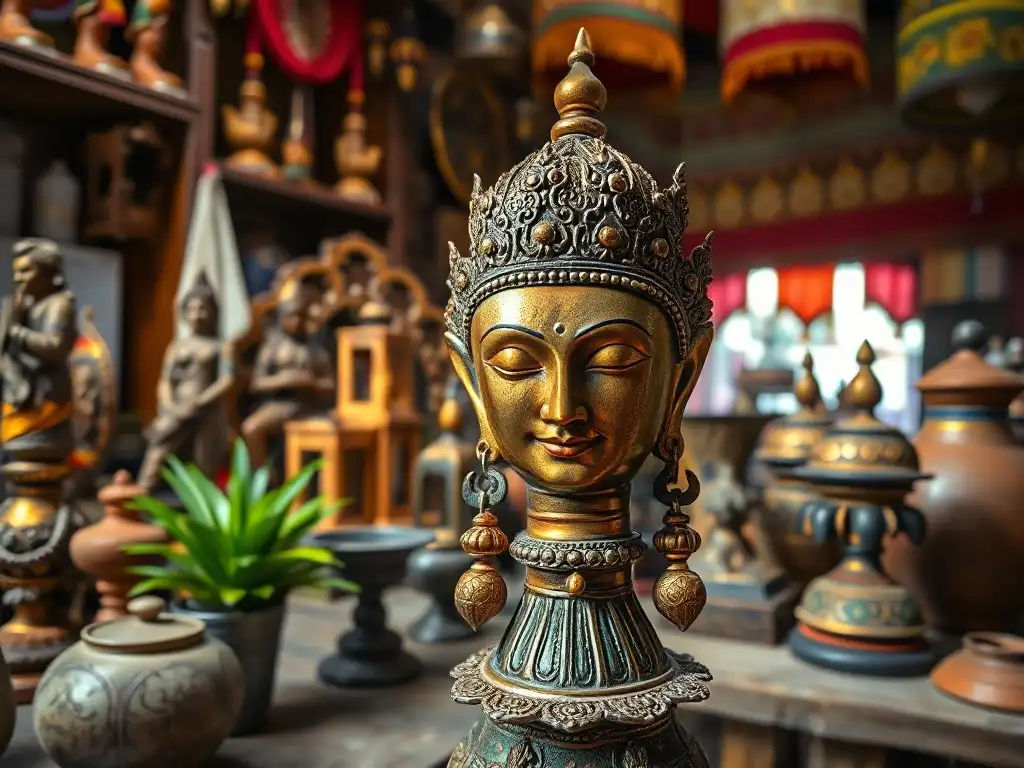
Welcome to Ancient India History, where we embark on a captivating journey through the rich tapestry of India's past. Here, we delve into the profound contributions of ancient civilizations, from the enigmatic Indus Valley to the illustrious Gupta Empire. In our featured article, “Beyond Aesthetics: Understanding the Investment Potential of Indian Artifacts,” we unravel the fascinating intersection of culture and commerce, revealing why these timeless treasures hold significant investment potential. Prepare to ignite your curiosity and discover how the beauty of Indian artifacts transcends mere aesthetics—join us as we explore their true value!
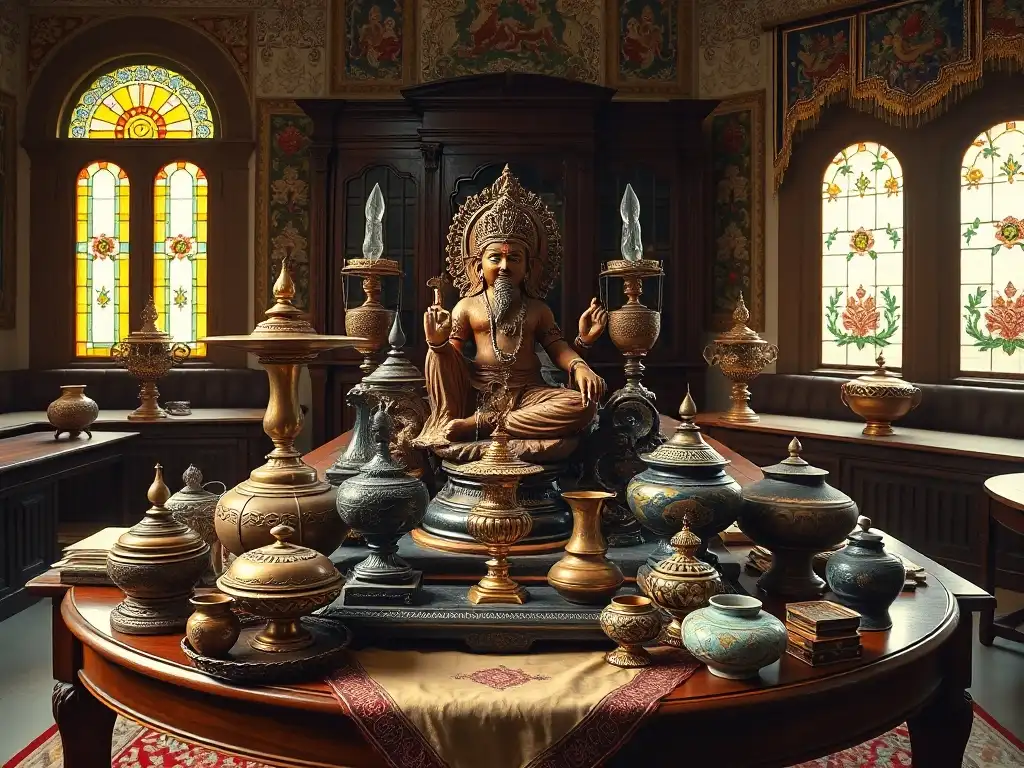
Understanding the investment potential of Indian artifacts requires a deep dive into the historical significance and cultural richness of these objects. From ancient sculptures carved during the Indus Valley Civilization to exquisite paintings from the Mughal era, Indian artifacts not only tell the story of a civilization but also represent a unique investment opportunity.
As the global market for art and antiques expands, collectors and investors are increasingly recognizing the financial value of these historical treasures. This article will explore the various dimensions of investing in Indian artifacts, examining their aesthetic appeal, historical context, and potential for appreciation in value over time.
Introduction to Indian Artifacts as Investment Opportunities
Indian artifacts hold a multifaceted allure, drawing both art enthusiasts and investors alike. The investment potential of Indian artifacts can be attributed to several key factors:
- Cultural Significance: Each artifact encapsulates a piece of India's rich heritage, reflecting the diverse practices, beliefs, and artistic expressions of its people. This cultural significance often translates into a higher emotional value, making them desirable among collectors.
- Historical Context: The provenance of an artifact can greatly affect its worth. Items with a well-documented history, such as those linked to significant historical events or figures, are particularly sought after in the market.
- Rarity and Authenticity: Scarcity plays a crucial role in the valuation of artifacts. Unique pieces or those that are part of limited collections often command premium prices. Authenticity, verified through expert appraisal, further enhances their marketability.
- Market Trends: As the global interest in Indian culture grows, so too does the market for Indian artifacts. Investors should stay informed about trends in the art market, as shifts in demand can influence values significantly.
Investing in Indian artifacts is not merely an aesthetic pursuit; it is an opportunity to engage with history, culture, and potential financial gain. With the right knowledge and resources, investors can navigate this intriguing market to uncover valuable assets that resonate with both personal and financial aspirations.
The Investment Potential of Indian Artifacts
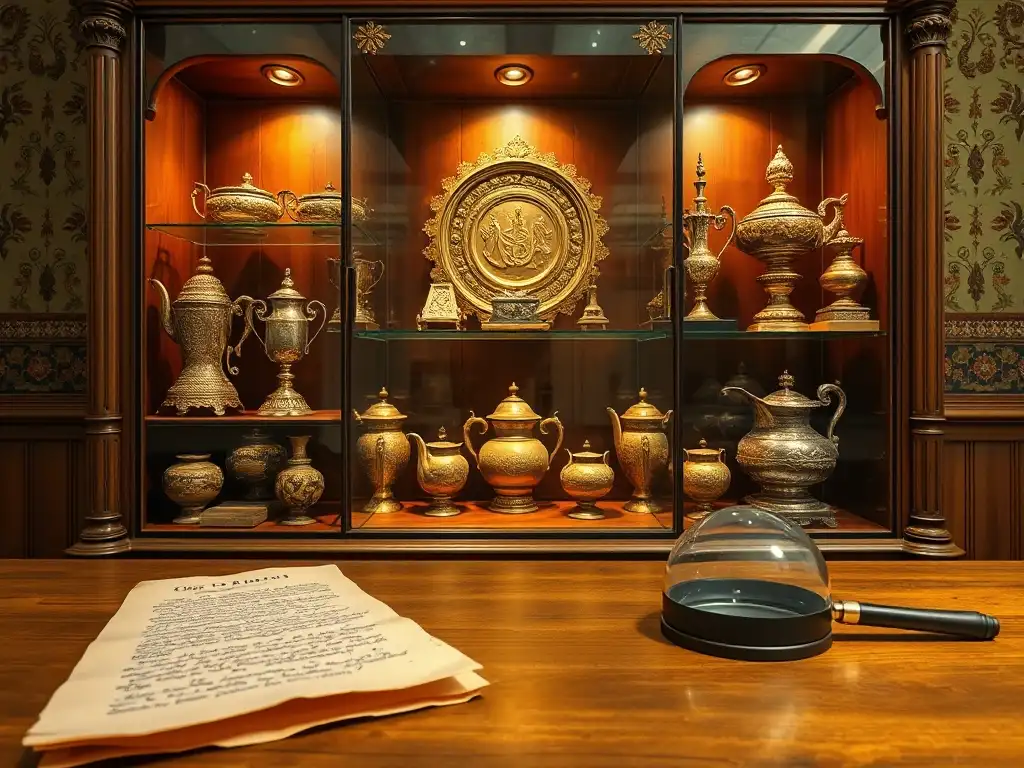
The investment potential of Indian artifacts is deeply intertwined with the rich history and cultural significance they embody. As collectors and investors increasingly recognize the rarity and unique attributes of these items, the market for Indian artifacts has shown substantial growth. This investment landscape not only appeals to art enthusiasts but also to those looking to diversify their portfolios with tangible assets that possess intrinsic value.
Market trends indicate a rising demand for authentic Indian artifacts, fueled by an appreciation for their historical relevance and artistic craftsmanship. Investors are beginning to see these items as more than just decorative pieces; they are regarded as valuable investments that can appreciate over time, especially as the global market for art and cultural heritage continues to expand.
Understanding the Value of Indian Artifacts in the Market
The value of Indian artifacts in the market is determined by several factors, including provenance, age, rarity, and cultural significance. Investors must consider the following elements when assessing the potential of Indian artifacts:
- Provenance: The history of ownership can greatly influence an artifact's value. Items with a well-documented lineage are often more desirable to collectors and investors.
- Condition: The overall condition of an artifact plays a crucial role. Well-preserved items tend to fetch higher prices compared to those that have suffered damage or degradation.
- Cultural Significance: Artifacts that hold profound cultural or religious importance can attract interest from both collectors and institutions, enhancing their market value.
- Artistic Craftsmanship: The skill involved in the creation of an artifact can also affect its worth. Unique styles and techniques, especially those that reflect specific regional traditions, are particularly sought after.
Key Types of Indian Artifacts with High Investment Potential
Indian artifacts encompass a wide array of items, each with its unique investment potential. Here are key categories that investors should consider:
Ancient Sculptures and Statues
Ancient sculptures and statues represent some of the most valuable investments within the realm of Indian artifacts. These pieces often reflect the artistic excellence of their time, showcasing intricate craftsmanship and profound cultural narratives.
- Materials Used: Sculptures made from stone, bronze, and terracotta are particularly prized. For example, the exquisite bronze sculptures from the Chola dynasty are highly sought after for their artistry and historical significance.
- Cultural Themes: Many sculptures depict deities or significant historical figures, which can enhance their allure to collectors.
Textiles and Handicrafts from Ancient India
The textile industry in ancient India was renowned for its diversity and quality. Handcrafted textiles are not only functional but also serve as cultural artifacts that embody the traditions of their regions.
- Types of Textiles: Items such as handwoven saris, intricate embroideries, and block-printed fabrics are particularly valued. For instance, Kanchipuram silk sarees are recognized for their craftsmanship and are often considered a worthy investment.
- Investment Appeal: Textiles can appreciate significantly over time, especially those with unique designs or historical significance, making them a smart addition to an investment portfolio.
Pottery and Terracotta Artifacts
Pottery and terracotta artifacts are among the oldest forms of artistic expression in ancient India. They provide insights into the daily lives and practices of past civilizations.
- Significance: Terracotta figurines and pottery from the Indus Valley Civilization, for example, are not only historically significant but also appealing to collectors for their aesthetic value.
- Market Trends: As interest in archaeological finds increases, these artifacts are gaining traction in the investment market, with many collectors seeking to acquire unique pieces from reputable sources.
The investment potential of Indian artifacts is vast and varied. By understanding the key types of artifacts and their market dynamics, investors can make informed decisions that not only enhance their portfolios but also connect them with the rich heritage of ancient India.
How to Evaluate the Investment Potential of Indian Artifacts
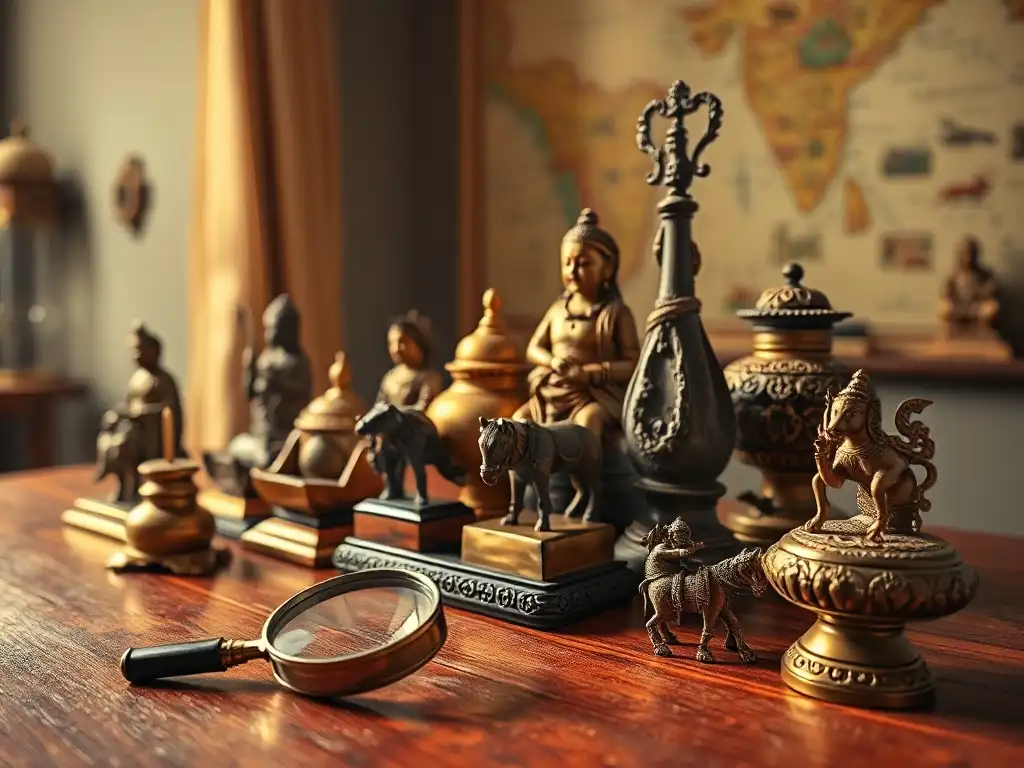
Authenticity and Provenance: Key Considerations
When it comes to assessing the investment potential of Indian artifacts, authenticity and provenance are critical elements that cannot be overlooked. Authenticity refers to whether an artifact is genuine or a reproduction. Investors must ensure that the pieces they are considering for investment are original and not modern replicas. This can often be verified through:
- Expert Appraisal: Consulting with recognized experts in Indian art and archaeology can provide an authoritative opinion on the artifact's authenticity.
- Documentation: Original purchase receipts, exhibition catalogs, or certificates of authenticity can help substantiate claims of an artifact's genuineness.
- Scientific Testing: Techniques such as carbon dating, thermoluminescence dating, or pigment analysis can be employed to verify the age and material composition of an artifact.
Provenance, on the other hand, refers to the artifact's historical ownership and journey to its current location. A well-documented provenance can significantly enhance the value of an artifact, as it provides context and relevance. Investors should look for:
- Ownership History: A clear chain of ownership can indicate the artifact's significance and historical relevance.
- Exhibition History: Artifacts displayed in prestigious museums or galleries tend to appreciate in value, as they are often associated with credibility and scholarship.
- Cultural Significance: Understanding the cultural context and historical importance of an artifact can also influence its desirability among collectors.
Market Trends and Appreciation Potential
Investing in Indian artifacts requires a keen understanding of market trends and the potential for appreciation. The global market for Indian artifacts has seen significant fluctuations, influenced by various factors including economic conditions, cultural interest, and globalization. Investors should consider the following aspects:
- Demand and Supply: The rarity of an artifact plays a crucial role in determining its investment potential. Limited supply coupled with high demand can lead to increased value over time. Notably, pieces from significant periods like the Indus Valley Civilization or the Gupta Empire tend to attract more interest due to their historical importance.
- Cultural Trends: The growing global interest in Indian culture and heritage has spurred demand for artifacts. Events such as exhibitions, auctions, and cultural festivals can boost visibility and market interest, leading to appreciation in value. Collectors are increasingly drawn to pieces that reflect India's rich artistic traditions, including textiles, sculptures, and pottery.
- Economic Indicators: The broader economic environment also impacts the investment potential of Indian artifacts. Economic growth in India and increased disposable income among collectors can lead to higher valuations of artifacts. Conversely, market downturns can suppress demand.
- Online Marketplaces: The rise of online auctions and platforms dedicated to art sales has opened new avenues for investment. Investors can now access a wider range of artifacts from around the world, making it crucial to understand the dynamics of these platforms, including buyer fees and seller reputations.
- Investment Diversification: As with any investment, diversification is key. Investors should consider a balanced portfolio that includes various types of artifacts across different historical periods to mitigate risks associated with market volatility.
By keeping abreast of these market trends and evaluating the authenticity and provenance of artifacts, investors can make informed decisions regarding the investment potential of Indian artifacts. This multifaceted approach not only enhances the likelihood of financial returns but also contributes to the preservation of India's rich cultural heritage.
Where to Buy Indian Artifacts for Investment
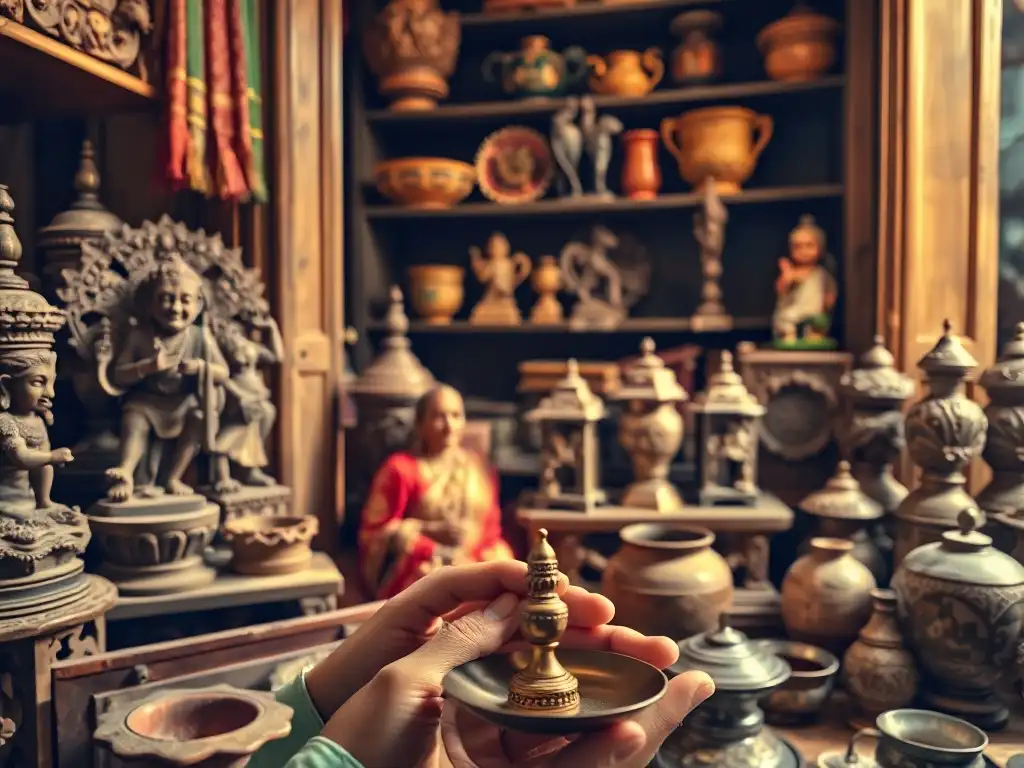
Investing in Indian artifacts can be a rewarding venture, both financially and culturally. However, the success of your investment largely depends on where you purchase these artifacts. Below are some key avenues that you can explore to secure genuine and valuable pieces.
Reputable Auction Houses and Galleries
Auction houses and galleries are among the most trusted places to buy Indian artifacts. They not only provide a platform for collectors to purchase unique items but also ensure that the artifacts are authenticated and valued appropriately. Here are some notable auction houses and galleries specializing in Indian art and artifacts:
- Sotheby’s: Renowned worldwide, Sotheby’s frequently holds auctions featuring Indian artifacts, including textiles, sculptures, and paintings. Each piece comes with a detailed provenance, enhancing its investment potential.
- Christie’s: Another global auction house, Christie’s offers a wide array of Indian art, often collaborating with experts to curate collections that appeal to investors. Their auctions can yield significant returns for high-quality artifacts.
- Drouot: Based in Paris, Drouot is known for its diverse collection of Indian art. They host regular auctions featuring items from various periods, making it a great resource for investors looking for something specific.
- Local Galleries: Many cities with a significant Indian diaspora have galleries that specialize in Indian art. These galleries often host exhibitions and auctions, providing opportunities to buy artifacts while supporting local artists.
Tip: When considering auction houses and galleries, always research their reputation and reviews from previous buyers. Authenticity and provenance are key when investing in artifacts.
Online Marketplaces for Indian Art Collectibles
In the digital age, online marketplaces have become a prominent avenue for purchasing Indian artifacts. These platforms offer a vast selection and often come with user ratings and reviews to help ensure authenticity. Here are some reputable online marketplaces to consider:
- eBay: While eBay can be a mixed bag, it features many sellers offering Indian artifacts. Look for sellers with high ratings and detailed descriptions. Pay attention to return policies and guarantees of authenticity.
- Artnet: This platform specializes in fine art and collectibles, including Indian artifacts. Artnet provides access to auction results, which can help you gauge the market value of specific items before making a purchase.
- 1stdibs: Known for high-end antiques and collectibles, 1stdibs is an excellent marketplace for unique Indian artifacts. Each listing is curated to ensure quality, and you can often communicate directly with sellers for additional information.
- Catawiki: This online auction platform focuses on collectibles, including Indian art and antiques. Catawiki features a team of experts who authenticate items before listing them, providing peace of mind for investors.
Note: When buying online, ensure you understand the shipping policies and potential customs fees involved in importing artifacts.
Whether you choose to invest through reputable auction houses and galleries or online marketplaces, it is crucial to conduct thorough research and verify the authenticity of the artifacts. With the right approach, the investment potential of Indian artifacts can be significant and rewarding.
Risks and Challenges in Investing in Indian Artifacts
Investing in Indian artifacts presents a unique opportunity for collectors and investors alike, but it is accompanied by several risks and challenges that must be carefully navigated. Understanding these risks is crucial to making informed investment decisions in the realm of Indian art and antiquities.
Common Pitfalls to Avoid
Investors often encounter various pitfalls when delving into the market for Indian artifacts. Here are some of the most common pitfalls to be aware of:
- Lack of Research:
- Failing to conduct thorough research on the artifact's history, provenance, and market value can lead to poor investment decisions. Always verify the authenticity and historical significance of the artifact.
- Ignoring Authenticity:
- Counterfeit artifacts can flood the market, making it critical for investors to work with reputable dealers and auction houses. Utilize professional appraisals and certificates of authenticity to mitigate this risk.
- Overpaying:
- Emotional purchases can lead to overvaluation. Always compare similar artifacts and understand the market trends before making a purchase.
- Neglecting Preservation:
- Artifacts require proper care and preservation methods. Neglecting this can lead to deterioration, diminishing their value over time. Ensure that you invest in appropriate storage and display conditions.
- Market Volatility:
- The market for Indian artifacts can be subject to fluctuations based on various factors, including geopolitical issues, economic downturns, and changes in consumer interest. Stay informed about market trends and economic conditions.
Legal Considerations in the Trade of Indian Artifacts
When investing in Indian artifacts, legal considerations play a pivotal role in ensuring compliance and ethical practices within the trade. Here are the primary legal aspects to keep in mind:
- Cultural Heritage Laws:
- India has stringent laws protecting its cultural heritage, including the Antiquities and Art Treasures Act, 1972. This act prohibits the export of certain artifacts and mandates that specific items be registered with the government. Familiarize yourself with these regulations to avoid legal penalties.
- Provenance Documentation:
- It is essential to obtain clear documentation of an artifact's provenance. This includes records of ownership, sales history, and any relevant export permits. Lack of proper documentation can lead to disputes regarding ownership and legality.
- Import and Export Regulations:
- Be aware of both Indian and international laws regarding the import and export of artifacts. Different countries have various regulations that could affect your investment, including tariffs and restrictions on cultural property.
- Ethical Considerations:
- Investors should also consider the ethical implications of acquiring artifacts. Engaging with reputable dealers who prioritize ethical sourcing can help avoid contributing to illegal trafficking or the exploitation of cultural heritage.
By understanding these risks and legal considerations, investors can navigate the complex landscape of Indian artifacts, maximizing their investment potential while respecting the rich cultural history they represent.
Conclusion: Making Informed Decisions in Indian Art Investment
Final Thoughts on the Investment Potential of Indian Artifacts
Investing in Indian artifacts offers a unique opportunity to blend financial gain with cultural appreciation. The investment potential of Indian artifacts is supported by several factors, including their historical significance, scarcity, and the growing global interest in Indian art and culture. As collectors and investors seek to diversify their portfolios, artifacts from ancient India—ranging from intricately designed sculptures to exquisite textiles—stand out as not only aesthetically pleasing but also as valuable assets.
The market for Indian artifacts has been experiencing a resurgence, with auction houses reporting increased demand and higher sale prices for quality pieces. This trend can be attributed to:
- Cultural Renaissance: There is a renewed interest in Indian heritage and history, driven by a younger generation eager to connect with their roots. This cultural renaissance fosters a market that values authenticity and provenance.
- Globalization: As the world becomes more interconnected, Indian artifacts are attracting attention from international buyers. The global market is expanding, making it an opportune time for investors to consider entering this field.
- Investment Diversification: Art and artifacts are increasingly being recognized as alternative investments. They can provide a hedge against inflation and market volatility, making them an appealing choice for those looking to diversify their investment portfolios.
To maximize the investment potential of Indian artifacts, it is crucial for investors to conduct thorough research, understand the historical context of the pieces they are interested in, and engage with reputable dealers or auction houses. Knowledge of current market trends and values will also aid in making informed purchasing decisions.
Call to Action: Begin Your Journey into the World of Indian Artifacts
Are you ready to explore the fascinating world of Indian artifacts and discover their investment potential? Start your journey today by:
- Researching: Dive deep into the history and significance of Indian art. Books, documentaries, and online resources can provide valuable insights.
- Networking: Join forums and communities of collectors and enthusiasts. Engaging with others can provide tips, resources, and potential leads on quality artifacts.
- Visiting Exhibitions: Attend art exhibitions and auctions focusing on Indian artifacts. Observing the pieces in person can enhance your appreciation and understanding of their value.
- Consulting Experts: Seek advice from art historians or appraisers who specialize in Indian artifacts. Their expertise can help you identify authentic pieces and guide you in your investment choices.
Embarking on this adventure not only promises financial rewards but also enriches your understanding of ancient Indian culture and heritage. Start today, and you may uncover treasures that offer both beauty and value for years to come!
Frequently Asked Questions
What are Indian artifacts?
Indian artifacts are historical objects created by ancient civilizations, reflecting their culture, technology, and art. They include items like pottery, sculptures, and textiles, each telling a unique story about India's rich heritage.
Why are Indian artifacts considered a good investment?
Investing in Indian artifacts is appealing due to their cultural significance and historical value. As interest in collectibles and antiques grows, these artifacts can appreciate in value over time, providing potential financial returns.
How can one verify the authenticity of Indian artifacts?
To verify authenticity, it’s crucial to consult with experts or appraisers specializing in Indian artifacts. Look for documentation, such as provenance records and certificates of authenticity, to ensure you're investing in genuine pieces.
What types of Indian artifacts are most sought after by collectors?
Collectors often seek artifacts from significant periods such as the Indus Valley Civilization and the Gupta Empire. Items like bronze sculptures, miniature paintings, and traditional textiles are particularly valued for their artistic and historical importance.
How can one start investing in Indian artifacts?
To begin investing, research reputable galleries, auctions, and antique shops that specialize in Indian artifacts. Networking with collectors and attending exhibitions can also provide insights and opportunities to acquire valuable pieces.
Final Reflection: Embracing the Investment Potential of Indian Artifacts
The investment potential of Indian artifacts is not merely a financial opportunity; it is a profound connection to culture, history, and identity. In today's globalized world, where art transcends borders, understanding the intrinsic value of these artifacts can reshape our perspectives on investment. As we navigate a landscape increasingly defined by cultural appreciation, the significance of Indian artifacts emerges not just as collectibles but as vital assets that can yield both financial returns and cultural enrichment.
Cultural artifacts serve as a bridge between the past and the present, influencing our social fabric and enriching our lives. The ongoing interest in Indian artifacts reflects a growing recognition of their unique narratives and craftsmanship, which resonate deeply with collectors and investors alike. As noted by art historian Dr. Ananya Sharma, Investing in art is not just about acquiring pieces; it's about preserving stories and honoring traditions.
This sentiment underscores the importance of viewing these artifacts through a lens that appreciates their historical significance while also recognizing their potential for financial growth.
As you reflect on the insights shared in this article, consider how you can engage with the world of Indian artifacts, whether through personal collection, investment, or simply fostering an appreciation for their cultural narratives. The journey of investing in Indian artifacts is an invitation to explore the richness of history while making informed decisions that can impact your future. Embrace this opportunity to connect with a vibrant heritage, and let your choices today pave the way for a more culturally enriched tomorrow.
Thank you for diving into the fascinating world of Indian artifacts with us! Your interest not only enriches your knowledge but also highlights the investment potential these remarkable pieces hold. Now, it’s time to take that newfound insight and put it into action!
Here are some powerful steps you can take:
- Start researching: Explore local galleries, online auctions, and estate sales to identify unique Indian artifacts that resonate with you.
- Join a community: Connect with fellow enthusiasts and collectors through forums and social media groups to share insights and discover hidden gems.
- Consider a workshop: Participate in exhibitions or workshops that focus on the restoration and appreciation of Indian artifacts to enhance your understanding and skills.
What unique Indian artifact has caught your eye, and how do you envision it enriching your life or collection? **Let's start a conversation in the comments! **