
Sari, Dhoti, and Beyond: The Traditional Garments of Ancient India

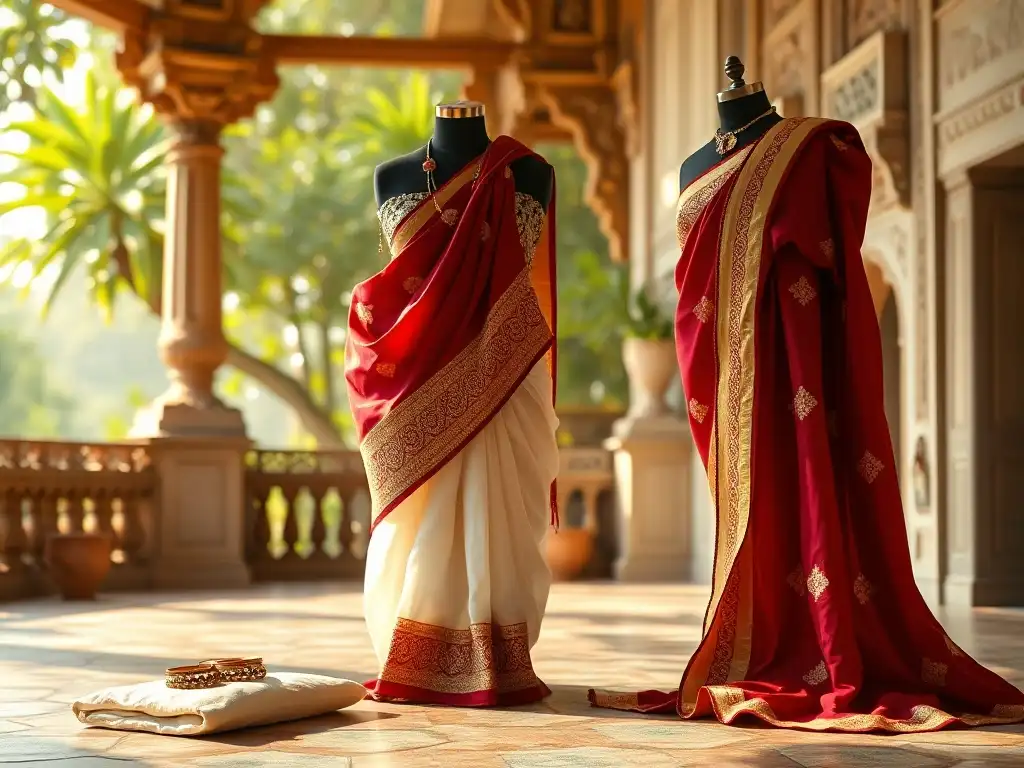
Welcome to Ancient India History, where we embark on a fascinating journey through the rich tapestry of ancient civilizations that shaped the Indian subcontinent. In our featured article, “Sari, Dhoti, and Beyond: The Traditional Garments of Ancient India,” we delve into the intricate world of traditional garments, exploring their significance, artistry, and the stories woven into their fabric. Prepare to uncover the cultural heritage that has influenced modern fashion while igniting your curiosity about the age-old traditions that continue to resonate today. Join us as we unravel the vibrant past and its enduring legacy!
- Introduction to Traditional Garments of Ancient India
- The Sari: A Timeless Traditional Garment of Ancient India
- The Dhoti: A Symbol of Tradition and Masculinity
- Other Traditional Garments of Ancient India
- The Role of Traditional Indian Textiles in Ancient Culture
- Influence of Trade and Cultural Exchange on Traditional Garments
- Preservation and Revival of Traditional Garments in Modern India
- Conclusion: The Enduring Legacy of Traditional Garments of Ancient India
- Recommended Resources for Further Exploration
- Frequently Asked Questions
- Final Reflection: Embracing the Legacy of Traditional Garments
- Celebrate and Embrace India's Rich Textile Heritage!
Introduction to Traditional Garments of Ancient India
The history of traditional garments in ancient India is a vibrant tapestry woven with cultural significance, regional diversity, and historical evolution. From the elegant drapes of the sari to the practical folds of the dhoti, clothing in ancient India was more than just a means of protection from the elements; it was a reflection of social status, religious identity, and cultural heritage.
The traditional garments of ancient India not only showcase the artistic skills of textile artisans but also illustrate the rich history of the subcontinent, encompassing various civilizations, including the Indus Valley, Vedic society, and the Gupta Empire. Understanding these garments allows us to appreciate the intricate connections between clothing and the cultural narratives that have shaped ancient Indian society.
Understanding the Significance of Clothing in Ancient Indian Culture
Clothing in ancient India served multiple purposes, transcending mere functionality to embody symbolism and identity. The significance of traditional garments can be observed in various aspects:
- Cultural Identity: Different regions of India had distinct styles, colors, and fabrics that represented local customs and traditions. For instance:
- The use of bright colors in the southern regions contrasted with the more muted tones of northern attire.
- Specific motifs and patterns often conveyed messages related to the wearer's caste or community.
- Religious Significance: Garments were often linked to spiritual beliefs and practices:
- Certain fabrics were considered sacred, and specific styles were reserved for rituals and ceremonies.
- The draping of a sari or the tying of a dhoti might be performed in particular ways to honor deities during festivals.
- Social Stratification: Clothing also indicated social standing:
- Nobility and royalty adorned themselves in luxurious silks and intricate embellishments, while the common folk wore simpler, more functional garments.
- The quality of fabric and the complexity of the garment design often reflected the wealth and status of the wearer.
In essence, the garments were not just a cover for the body; they were a canvas that depicted the nuances of ancient Indian life, capturing the essence of a civilization rich in heritage and tradition.
Overview of Textile Techniques and Materials Used
The production of traditional garments in ancient India involved a variety of textile techniques and materials that showcased the ingenuity and craftsmanship of artisans. Here’s a closer look at some key elements:
- Materials:
- Cotton: Widely cultivated and used, cotton was favored for its comfort and versatility.
- Silk: Renowned for its luxurious feel, silk was primarily produced in regions like Bengal and was often associated with royalty.
- Wool: In colder regions, wool garments provided warmth and were intricately woven into beautiful patterns.
- Textile Techniques:
- Weaving: Different weaving techniques, such as plain weave, twill, and jacquard, were employed to create varying textures and designs.
- Dyeing: Natural dyes from plants, minerals, and insects were used to achieve vibrant colors. Techniques like tie-dye (bandhani) and block printing were prevalent.
- Embellishment: Techniques such as zardozi (embroidery with gold threads) and mirror work added richness and intricacy to garments, enhancing their visual appeal.
The mastery of these techniques and the choice of materials not only contributed to the aesthetic quality of the garments but also represented the sustainable practices of ancient Indian textiles, which continue to influence modern fashion.
Understanding the traditional garments of ancient India provides insight into a world where clothing was imbued with meaning, artistry, and cultural pride, paving the way for a broader appreciation of India's historical narrative.
The Sari: A Timeless Traditional Garment of Ancient India
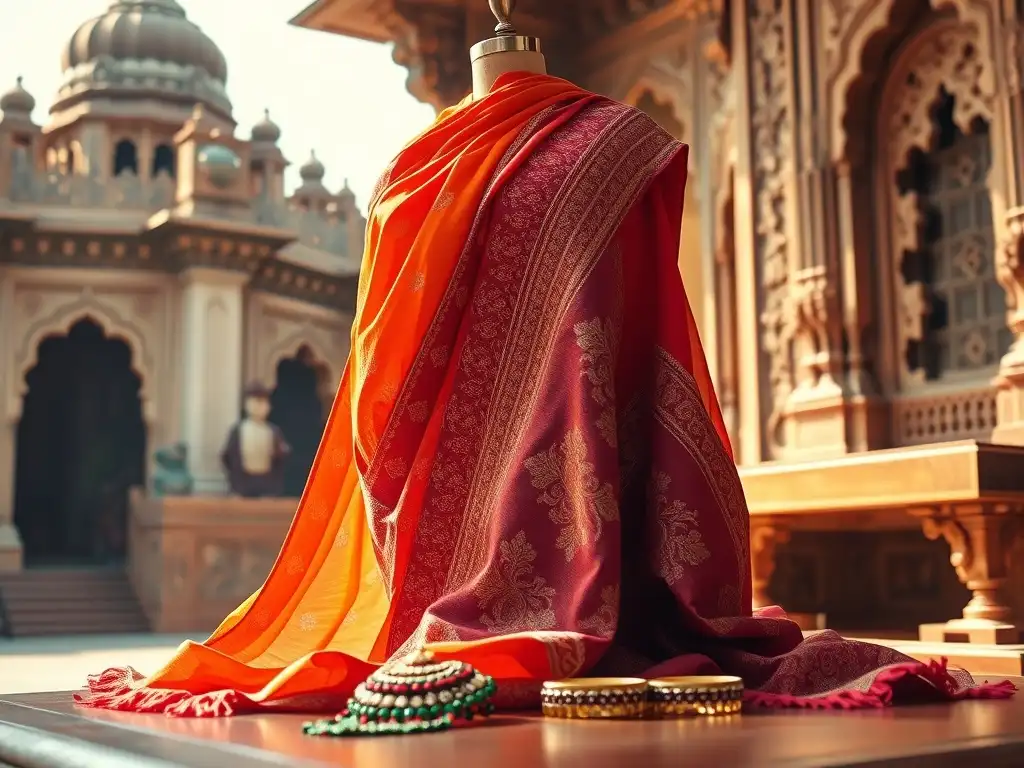
Historical Origins of the Sari in Ancient Indian Society
The sari, a quintessential symbol of Indian culture, boasts an illustrious history that traces back to the ancient civilizations of India. Its origins can be found in the Indus Valley Civilization (approximately 3300–1300 BCE), where evidence of draped garments has been discovered in archaeological sites such as Mohenjo-Daro and Harappa. These early garments were likely made from cotton, which was cultivated in the region, showcasing the sophisticated textile production of the time.
As we delve deeper into ancient texts, references to the sari appear in various scriptures, including the Rigveda and Mahabharata, where it is described as a garment worn by women for both practical and ceremonial purposes. The word "sari" itself is derived from the Sanskrit term "sati," meaning "strip of cloth." This reflects its evolution from a simple piece of fabric to a versatile garment that can be styled in numerous ways.
The sari has also been influenced by various dynasties and regions throughout India, adapting to local customs and materials. For instance, during the Maurya and Gupta empires, the sari became more structured and elaborately draped, often adorned with intricate embroidery and embellishments, signifying social status and regional identity.
Types of Saris: Regional Variations and Their Unique Features
The sari is not merely a singular garment but a tapestry of regional variations, each with its own unique characteristics and cultural significance. Here are some prominent types of saris that exemplify the diversity of traditional garments of ancient India:
- Banarasi Sari: Originating from Varanasi, these saris are renowned for their rich silk fabric and elaborate gold and silver brocade work. They often feature intricate floral and geometric patterns, making them a popular choice for weddings and festivals.
- Kanjeevaram Sari: Hailing from Tamil Nadu, Kanjeevaram saris are famous for their vibrant colors and heavy silk. These saris are typically woven with contrasting borders and feature traditional motifs like peacocks and temples.
- Chanderi Sari: From Madhya Pradesh, Chanderi saris are lightweight and airy, often embellished with intricate handwoven patterns. They are perfect for warm weather and celebrated for their elegance.
- Brocade Sari: Known for their rich textures and designs, brocade saris are woven with gold or silver threads, creating a luxurious appearance. They are often worn during festive occasions and ceremonies.
- Patola Sari: Originating from Gujarat, Patola saris are double-ikat woven, which means both the warp and weft threads are dyed before weaving. This results in stunning geometric patterns that are highly valued.
The regional variations of the sari not only reflect the local art and craftsmanship but also represent the cultural heritage and identity of different communities across India.
Craftsmanship Behind Traditional Saris: Weaving Techniques and Patterns
The artistry involved in creating traditional saris is a testament to India's rich textile heritage. The craftsmanship is deeply rooted in various weaving techniques that have been passed down through generations. Some of the most notable techniques include:
- Handloom Weaving: This traditional method involves weaving fabric on hand-operated looms. Each piece is crafted with precision, ensuring that the quality and design are maintained throughout the production process.
- Ikat Weaving: A resist-dyeing technique where the yarns are dyed before weaving, creating intricate patterns. This method is prevalent in regions like Gujarat and Odisha, particularly for Patola and Sambalpuri saris.
- Brocade Weaving: Involves weaving elaborate patterns using gold or silver threads. This technique is often employed in the production of Banarasi and brocade saris, enhancing their opulence.
- Zari Work: The art of weaving metallic threads into the fabric, creating stunning designs that shimmer. Zari work is a hallmark of many traditional saris, adding a touch of luxury.
The patterns found in traditional saris often hold significant cultural meanings. From motifs symbolizing fertility and prosperity to geometric designs that reflect local traditions, each sari tells a unique story. The meticulous attention to detail in weaving and design underscores the importance of the sari as not only a garment but also a cultural artifact that has survived the test of time.
By understanding the historical significance, regional diversity, and intricate craftsmanship behind the traditional garments of ancient India, we can appreciate the sari as a timeless symbol of cultural identity and heritage.
Modern Influences on the Sari: How Tradition Meets Contemporary Fashion
The sari, a quintessential symbol of Indian tradition, has undergone a remarkable transformation in contemporary fashion, merging its rich heritage with modern aesthetics. This evolution reflects the dynamic interplay between cultural preservation and innovation, making the sari a versatile garment that appeals to both traditionalists and modern fashion enthusiasts alike.
Fusion Styles: Blending the Old with the New
One of the most significant trends in modern sari fashion is the fusion of traditional elements with contemporary styles. Designers are experimenting with various draping techniques, materials, and embellishments, resulting in unique interpretations of the classic sari. For instance:
- Pre-draped Saris: These innovative designs eliminate the need for intricate draping, making the sari more accessible for women who may not be familiar with traditional wearing methods.
- Mix and Match: Contemporary fashion encourages the pairing of saris with modern blouses, crop tops, or even jackets, creating an eclectic look that resonates with younger generations.
This fusion not only preserves the sari's legacy but also caters to a broader audience, allowing for individual expression and style.
Sustainable Fashion: Eco-Friendly Fabrics and Practices
As global awareness of sustainability grows, many modern sari designers are turning to eco-friendly fabrics and practices. Traditional handloom techniques, organic dyes, and sustainable materials such as khadi and bamboo silk are gaining popularity. This shift not only reflects a commitment to environmental responsibility but also honors the age-old craftsmanship of Indian textiles.
- Handwoven Saris: These saris are not only sustainable but also carry the stories and skills of artisans, ensuring that traditional techniques are preserved for future generations.
- Recycled Materials: Some contemporary designers are incorporating recycled fabrics and upcycled textiles into their sari designs, promoting both sustainability and innovation.
Global Influence: The Sari on the International Stage
The sari has transcended geographical boundaries, finding its way into global fashion trends. International designers and fashion houses are increasingly incorporating sari-inspired silhouettes into their collections, showcasing the garment's versatility and timelessness. This global embrace of the sari has led to:
- Cultural Exchange: By featuring saris on international runways, designers promote a dialogue between cultures, celebrating diversity and mutual respect.
- Celebrity Endorsement: High-profile figures donning saris at events and award shows have brought renewed attention to this traditional garment, inspiring a global audience to explore and adopt the sari in their wardrobes.
Technology and the Sari: A Digital Revolution
The advent of technology has further influenced the sari’s evolution, with online platforms providing a space for innovative designs and styles to emerge. E-commerce has made traditional garments more accessible, allowing consumers to explore a wider range of options.
- Virtual Styling: Many brands now offer virtual consultations and styling tips, helping individuals navigate the myriad of ways to wear a sari in modern contexts.
- Social Media Impact: Platforms like Instagram and Pinterest have become vital in shaping fashion trends, with influencers showcasing their unique sari styles, encouraging others to experiment with this timeless garment.
The sari's journey through modern influences highlights its adaptability and enduring appeal. By blending traditional craftsmanship with contemporary trends, the sari continues to thrive as a beloved garment that honors its past while embracing the future.
The Dhoti: A Symbol of Tradition and Masculinity
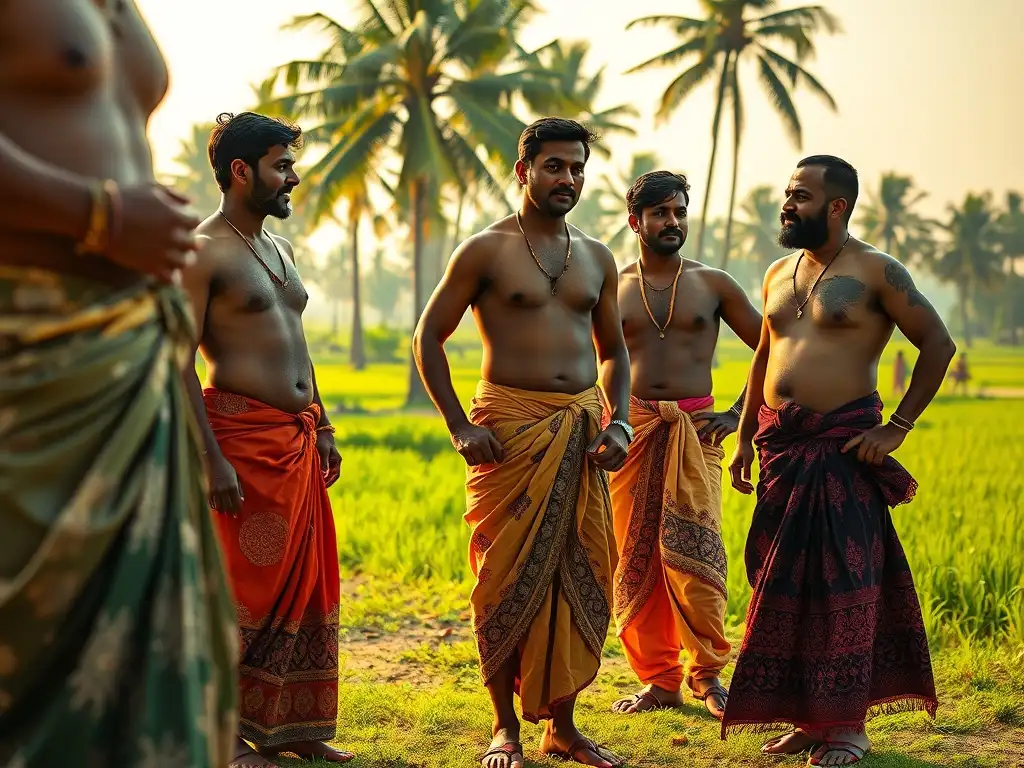
The dhoti is more than just a piece of clothing; it embodies the cultural and historical essence of Indian masculinity. Traditionally worn by men, it is a long piece of cloth, usually around 5 to 9 yards, wrapped around the waist and tied securely. The dhoti's versatility allows it to be worn for various occasions, from daily wear to ceremonial events, making it a significant garment in the traditional wardrobe of ancient India.
Evolution of the Dhoti in Ancient Indian History
The dhoti has a rich history that traces back to ancient India, with its roots deeply embedded in the Indus Valley Civilization, where evidence of similar garments has been found in archaeological sites. Over the centuries, the dhoti has seen various transformations in style, fabric, and draping techniques.
- Indus Valley Influence: Archaeological findings suggest that men in the Indus Valley civilization wore garments resembling the dhoti. These were often made from cotton, showcasing the early use of textiles in India.
- Vedic Period Developments: During the Vedic period (around 1500 to 500 BCE), the dhoti evolved into a more structured garment. It was often referred to as 'antarvāsaka' in ancient texts, highlighting its significance in daily life and rituals.
- Maurya and Gupta Empires: With the rise of powerful empires like the Maurya and Gupta, the dhoti became a symbol of status and respect. It was commonly worn by kings and scholars, representing wisdom and dignity.
- Regional Variations: By the medieval period, different regions began to adopt unique styles of the dhoti, reflecting local cultures and traditions. This led to a diversification of fabrics, patterns, and draping styles.
The evolution of the dhoti is a testament to the garment's adaptability and enduring significance in Indian culture.
The Dhoti in Different Cultures: Variations Across Regions
The dhoti is not only a symbol of Indian culture but also showcases a variety of styles influenced by regional practices. Here are some notable variations:
- Maharashtrian Dhoti (Nauvari): This style is unique to Maharashtra and is characterized by its nine-yard length and a specific draping technique that resembles a sari. It is often worn by women during festivals and celebrations.
- Bengali Dhoti (Panjabi): In Bengal, the dhoti is often paired with a kurta and is typically made from soft cotton or silk. It is commonly worn during religious ceremonies and family gatherings.
- South Indian Dhoti (Veshti): The veshti is a traditional garment in South India, often made from white or cream-colored cotton with colored borders. It is worn during temple visits and auspicious occasions.
- Punjabi Dhoti: In Punjab, the dhoti is often paired with a kurta and is made from vibrant fabrics, reflecting the lively culture of the region. It is commonly seen during festivals and weddings.
These regional variations highlight how the dhoti has been embraced and adapted by different cultures across India, making it a truly diverse traditional garment.
Styling the Dhoti: Traditional Ways to Wear and Accessorize
Wearing a dhoti involves specific draping techniques that can vary by region and occasion. Here are some traditional ways to style the dhoti, along with accessories that complement this classic garment:
- Basic Draping Technique:
- Start by holding the dhoti vertically and wrapping it around the waist.
- Tuck one end into the waistband and wrap the other end around, securing it with tucks.
- Ensure that the length is appropriate, allowing for ease of movement.
- Festive Draping:
- For festive occasions, additional embellishments such as decorative borders or embroidered fabrics can be used.
- Pair the dhoti with a vibrant kurta or a sherwani for a more formal look.
- Accessorizing the Dhoti:
- Dupatta or Shawl: A dupatta can be draped over the shoulder or around the neck for a traditional touch.
- Footwear: Traditional footwear like juttis or mojaris complements the dhoti well.
- Jewelry: Wearing ornate jewelry, such as necklaces or bracelets, adds an elegant flair to the outfit.
- Modern Twists:
- In contemporary fashion, the dhoti can be styled with western tops or jackets, giving it a modern twist while retaining its traditional roots.
By understanding these styling techniques and accessorizing options, one can appreciate the dhoti not just as a garment, but as a representation of cultural heritage and personal expression.
The Dhoti in Modern Times: Contemporary Styles and Adaptations
The dhoti, a traditional garment that has been worn by Indian men for centuries, has undergone significant transformations in modern times. While it remains a symbol of tradition and cultural identity, contemporary styles and adaptations have made it more accessible and fashionable for today's generation.
One of the most notable changes is the introduction of various fabrics and designs. Modern dhotis are no longer restricted to plain cotton; they are now available in a variety of materials, including silk, linen, and blends that offer comfort and breathability. Additionally, vibrant colors and intricate patterns have been incorporated, reflecting the diversity of Indian culture and offering a fresh take on this age-old garment.
Fusion Wear and Trendy Styles
The fusion of traditional and modern styles has led to the emergence of trendy dhoti outfits. Designers have created dhoti pants, which are a more casual adaptation of the traditional garment. These pants often feature elastic waistbands and are paired with contemporary tops, making them suitable for both formal and informal occasions. This fusion wear has gained popularity in urban areas, especially among the youth, as it combines comfort with style.
Moreover, dhotis are now being incorporated into western attire. For instance, pairing a dhoti with a blazer or tailored jacket creates a unique look that is both stylish and culturally rich. This blending of styles not only revitalizes the dhoti but also promotes cultural appreciation in a global context.
Celebrating Cultural Events and Festivals
In modern India, the dhoti continues to hold significance during cultural events and festivals. Men often don the dhoti during weddings, religious ceremonies, and traditional festivals like Diwali and Pongal. However, contemporary adaptations make it easier for men to wear the dhoti with confidence, as they can choose styles that suit their personal taste and comfort level.
Global Recognition and Influence
The dhoti has also gained recognition beyond Indian borders. International fashion shows and cultural exhibitions have showcased this traditional garment, highlighting its versatility and elegance. Global designers are increasingly incorporating dhoti-inspired elements into their collections, further elevating its status in the world of fashion.
The dhoti has evolved from a purely traditional garment to a contemporary fashion statement. Its adaptability and enduring charm allow it to remain relevant in modern times, making it a beloved choice among men who wish to celebrate their heritage while embracing current fashion trends.
Other Traditional Garments of Ancient India
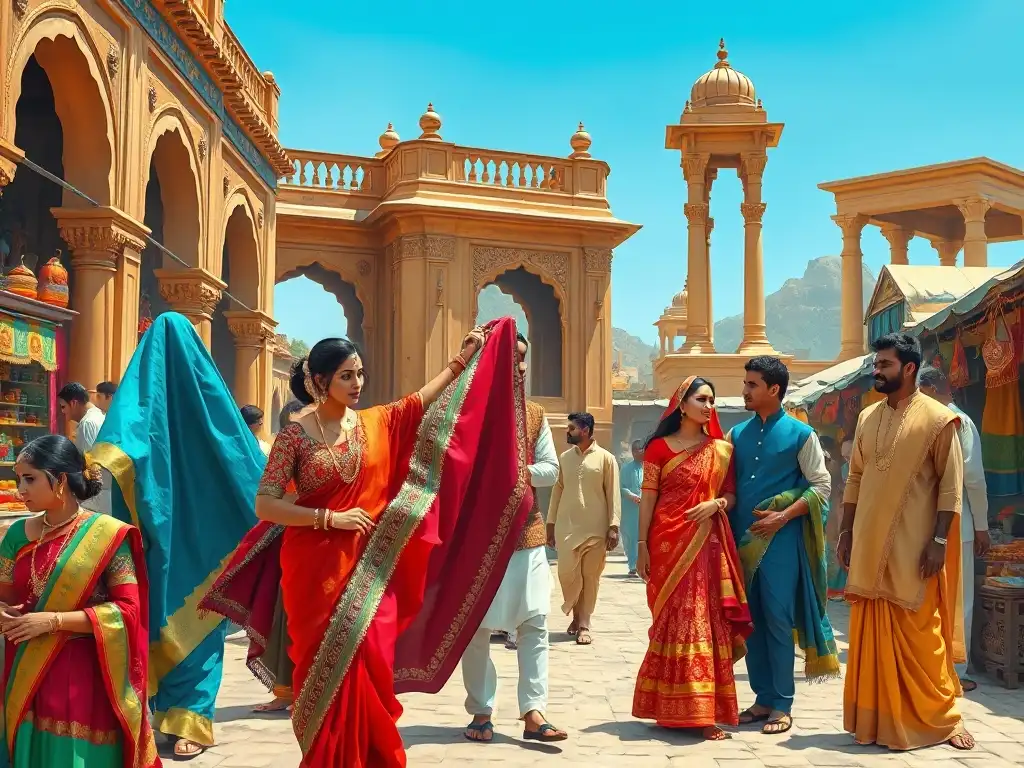
The Kurta: A Versatile Piece in Ancient Indian Wardrobes
The kurta has been a staple in traditional Indian attire for centuries, characterized by its loose-fitting design and knee-length hem. This versatile garment was worn by both men and women, transcending social classes and regional boundaries. Historically, the kurta was crafted from various materials, including cotton, silk, and wool, depending on the climate and occasion.
- Material Variations:
- Cotton Kurtas: Predominantly worn during warmer months, cotton kurtas were favored for their breathability and comfort.
- Silk Kurtas: Often reserved for special occasions, these were intricately designed, featuring embroidery and embellishments.
- Wool Kurtas: In regions with colder climates, wool kurtas provided warmth while maintaining traditional aesthetics.
The kurta's design has evolved over time, with contemporary adaptations incorporating modern styles while preserving the essence of traditional craftsmanship.
The Choli: The Essential Blouse that Complements Traditional Attire
The choli is an integral part of women's traditional garments, often worn under a sari or paired with other ethnic outfits. This fitted blouse has roots in ancient India, where it served as a practical garment that also accentuated the silhouette.
- Historical Context:
- Early depictions of cholis can be traced back to ancient sculptures and paintings, showcasing a variety of designs and styles.
- Traditionally, cholis were made from cotton or silk, adorned with intricate patterns and embroidery, reflecting regional craftsmanship.
- Cultural Significance:
- The choli symbolizes femininity and grace, often embellished with mirrors, beads, or thread work to enhance its aesthetic appeal.
- Different regions have their variations of the choli, such as the Rajasthani choli with its vibrant colors or the Gujarati choli, known for its intricate mirror work.
The choli continues to evolve, with contemporary designers experimenting with cuts, fabrics, and styles, ensuring its relevance in modern fashion while respecting its traditional roots.
The Sherwani: An Elegant Garment for Celebrations and Ceremonies
The sherwani stands out as a symbol of elegance and sophistication in traditional Indian men's attire. This long coat-like garment is typically worn over a kurta and paired with churidar or pajama, making it a popular choice for weddings and formal occasions.
- Design Features:
- Sherwanis are characterized by their intricate embroidery, often featuring motifs inspired by nature, geometric patterns, or cultural symbols.
- Made from luxurious fabrics such as silk, brocade, and velvet, sherwanis are designed to provide a regal appearance.
- Cultural Importance:
- Historically, the sherwani was worn by royalty and nobility, a testament to its status within traditional Indian fashion.
- Today, it remains a preferred choice for grooms and male guests at weddings, symbolizing tradition while allowing for personal expression through modern interpretations.
The sherwani's appeal lies in its ability to blend traditional craftsmanship with contemporary aesthetics, ensuring its continued prominence in the realm of traditional garments of ancient India.
The kurta, choli, and sherwani exemplify the rich tapestry of traditional garments from ancient India, each with its unique history and cultural significance. These garments not only reflect the artistry of Indian textiles but also serve as enduring symbols of the country's diverse heritage.
Lesser-Known Traditional Garments: Exploring Regional Attire
While the sari and dhoti are widely recognized symbols of Indian traditional wear, many lesser-known garments reflect the rich tapestry of India's diverse cultures and regions. Each attire carries its own history, significance, and unique craftsmanship, showcasing the traditional textile techniques specific to various communities.
1. Nauvari
The Nauvari, also known as the nine-yard sari, is a traditional garment predominantly worn in Maharashtra. This style of draping the sari is distinctive as it resembles a dhoti, allowing for ease of movement while maintaining feminine grace. The Nauvari is often adorned with intricate embroidery, and it is particularly popular during festivals and weddings. The garment is symbolic of strength and resilience, as its origins are linked to the women who played crucial roles in the Maratha Empire.
2. Chaniya Choli
Originating from Gujarat, the Chaniya Choli is a vibrant traditional outfit comprising a flared skirt (chaniya) and a fitted blouse (choli). It is typically decorated with mirrors, beads, and embroidery, reflecting the region's rich artistic heritage. This attire is especially prominent during the Navratri festival, where women participate in traditional dance forms like Garba and Dandiya, showcasing their colorful garments. The Chaniya Choli represents not only aesthetic beauty but also the cultural celebrations of Gujarat.
3. Pattu
The Pattu, or Pattu saree, is a traditional garment from the southern states, particularly Andhra Pradesh and Telangana. Made from fine wool or silk, it is known for its softness and warmth. The Pattu is often woven with intricate patterns and motifs, showcasing the skilled craftsmanship of local artisans. Traditionally, it was worn by women for special occasions and celebrations, embodying the elegance and grace associated with South Indian textile traditions.
4. Kanchipuram Saree
Hailing from the town of Kanchipuram in Tamil Nadu, the Kanchipuram saree is renowned for its durability and rich color palettes. Handwoven with pure silk, these sarees often feature elaborate gold zari work that tells tales from mythology and nature. The Kanchipuram saree is a staple for brides in South India, symbolizing wealth and status. Its intricate craftsmanship is a testament to the region's historical significance in the textile industry.
5. Lungi
The Lungi is a traditional garment primarily worn by men in the southern regions of India, particularly in Tamil Nadu, Kerala, and Karnataka. This loose-fitting piece of cloth is usually made from cotton and is tied around the waist. The Lungi is both comfortable and practical, making it suitable for the hot and humid climate of South India. It often features colorful patterns and is commonly worn during festivals and casual gatherings.
These lesser-known garments illustrate the vast diversity of traditional attire in ancient India, each contributing to the cultural richness of the subcontinent. By exploring these regional attires, one gains a deeper appreciation for the history, artistry, and traditions that have shaped the clothing practices in various Indian communities.
The Role of Traditional Indian Textiles in Ancient Culture
Traditional textiles in ancient India were not merely functional; they served as a profound expression of the culture, identity, and values of the time. The intricate designs, vibrant colors, and unique weaving techniques reflected the rich heritage and diverse customs of the various regions. Each piece of clothing told a story, often interwoven with symbolism and tradition.
Symbolism of Colors and Patterns in Ancient Indian Clothing
Colors and patterns in ancient Indian clothing held significant meanings, often associated with cultural beliefs, social status, and even the changing seasons.
- Colors:
- Red: Often symbolized purity and fertility, making it a common choice for weddings and religious ceremonies.
- Yellow: Associated with knowledge and learning, it was favored by scholars and sages.
- White: Represented peace and was typically worn during mourning rituals.
- Patterns:
- Geometric Designs: Common in the textiles of the Indus Valley Civilization, these patterns often represented the cosmos and natural elements.
- Floral Motifs: Symbolized beauty and were prevalent in royal garments, reflecting the owner's wealth and status.
The symbolism embedded in colors and patterns not only added aesthetic value but also communicated social messages and cultural narratives, making textiles a vital aspect of ancient Indian identity.
In ancient India, textiles played a crucial role in signaling social status and identity. The type of fabric, the intricacy of the design, and the method of production often indicated one's position within society.
- Royalty and Nobility:
- Used luxurious fabrics such as silk and brocade, adorned with gold and silver threads.
- Specific colors, like deep purples and reds, were often reserved for the elite, reinforcing their status.
- Commoners:
- Generally wore simpler garments made from cotton or wool, featuring less elaborate designs.
- Patterns were more functional, reflecting the daily life and labor of the wearer.
The relationship between textiles and social status was not static; it evolved over time, influenced by various factors, including trade, cultural exchanges, and the rise and fall of empires. As a result, traditional garments of ancient India became powerful symbols of identity, community, and belonging.
The Importance of Handloom and Traditional Weaving in Ancient Textiles
Handloom and traditional weaving techniques were foundational to the textile industry in ancient India. The skills passed down through generations not only contributed to the economy but also fostered a sense of community and cultural pride.
- Techniques:
- Weaving: Each region developed distinctive weaving techniques, such as the elaborate patterns of Banarasi silk or the intricate designs of Kanchipuram sarees.
- Dyeing: Natural dyes sourced from plants, minerals, and insects were used, ensuring that the colors were vibrant and environmentally sustainable.
- Cultural Significance:
- Handloom textiles were often created during community gatherings, reinforcing social bonds and shared cultural values.
- Festivals and occasions would see the emergence of unique textiles, celebrating the craftsmanship and artistry of the weavers.
The legacy of traditional weaving in ancient India continues to thrive, serving as a testament to the rich cultural heritage and the enduring importance of textiles in Indian society. Through these practices, the traditional garments of ancient India remain a significant link to the past, embodying the creativity and resilience of its people.
Influence of Trade and Cultural Exchange on Traditional Garments
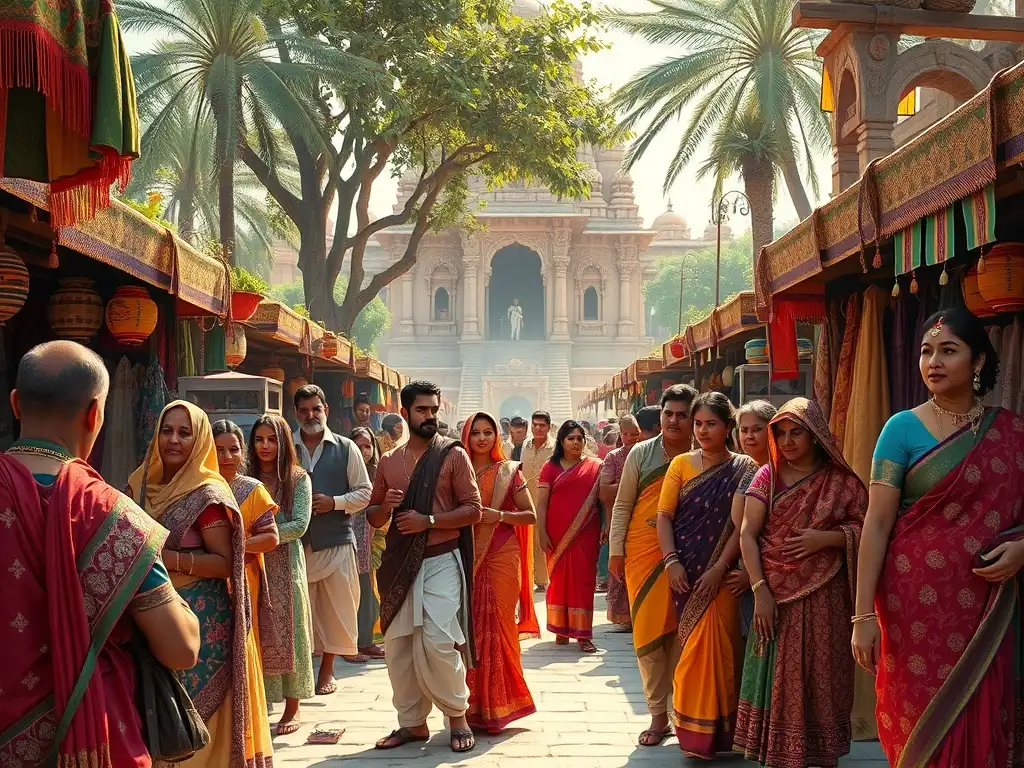
The traditional garments of ancient India were significantly influenced by trade and cultural exchanges with various civilizations. The interaction between different cultures not only facilitated the exchange of goods but also ideas, aesthetics, and techniques, leading to the evolution of India's rich textile heritage. This section explores how trade routes and foreign influences shaped the development of traditional Indian garments.
How Trade Routes Shaped the Development of Indian Textiles
India's geographical position, flanked by seas and mountains, made it a central hub for trade routes connecting the East and West. The Silk Road and maritime routes facilitated the transport of textiles, spices, and other commodities, which played a pivotal role in the evolution of traditional garments.
- Silk Route Influence:
- The Silk Route was essential in bringing luxury fabrics like silk from China to India. Indian weavers adopted silk weaving techniques, creating exquisite garments that blended local aesthetics with foreign craftsmanship.
- Textiles such as brocade and satin became prominent, influencing the styles of traditional garments like saris and turbans.
- Maritime Trade:
- The Indian Ocean trade routes connected ancient India with the Middle East, Africa, and Southeast Asia. This exchange introduced new fabrics and dyeing techniques.
- Cotton, already a staple in India, saw an increase in demand, leading to innovations in spinning and weaving processes.
- Cultural Exchange:
- Trade not only introduced new materials but also facilitated cultural interactions. As merchants and travelers shared their customs, traditional garments began to incorporate diverse styles and patterns.
- The vibrant colors and motifs seen in traditional Indian textiles today can be traced back to these exchanges, which allowed for the assimilation of various artistic influences.
The Impact of Foreign Cultures on Indian Garment Styles
The arrival of foreign cultures through trade and conquest had a profound impact on the traditional garments of ancient India. The fusion of styles led to the creation of distinctive garment types that continue to be celebrated today.
- Persian Influence:
- Following the establishment of the Mughal Empire, Persian styles significantly influenced Indian garments. The introduction of elaborate embroidery, such as zardozi, and the incorporation of flowing silhouettes became prominent in traditional attire.
- Garments like the anarkali and churidar were developed during this period, blending Persian aesthetics with Indian textiles.
- Central Asian Impact:
- The arrival of Central Asian nomadic tribes brought new fabrics and styles. The use of woolen garments became popular in certain regions, particularly in the colder parts of northern India.
- The pashmina shawl, recognized for its fine quality, emerged from this cultural interchange, showcasing intricate patterns and craftsmanship.
- Trade with European Powers:
- During the colonial period, interaction with European traders introduced new textile technologies and styles. The demand for Indian textiles in Europe led to the adaptation of designs for Western tastes.
- Traditional garments began to incorporate European elements, leading to hybrid forms that showcased the adaptability of Indian fashion.
The interplay of trade and cultural exchange has left an indelible mark on the traditional garments of ancient India. This rich tapestry of influences has created a unique heritage that continues to thrive in modern times, celebrating the diversity and creativity of Indian textile traditions.
Preservation and Revival of Traditional Garments in Modern India
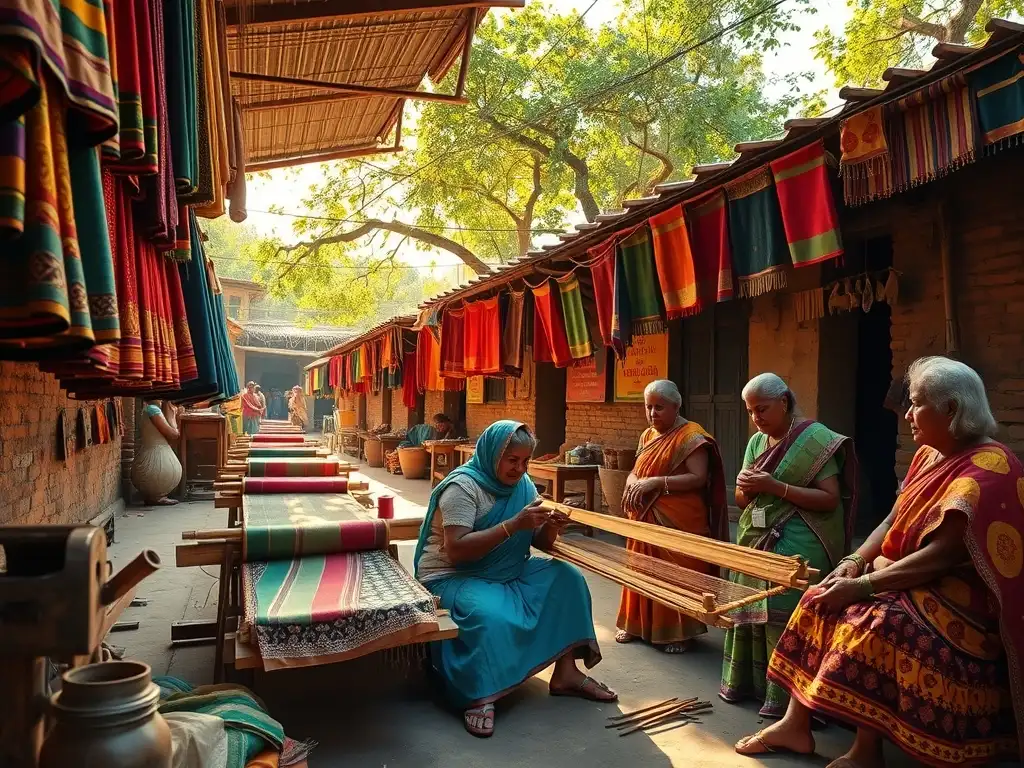
The preservation and revival of traditional garments in modern India play a crucial role in maintaining cultural heritage and promoting sustainable fashion. As globalization influences contemporary fashion trends, there's a growing awareness and appreciation for the intricate craftsmanship and historical significance of ancient Indian textiles.
The sari and dhoti, once everyday wear, have seen a resurgence in popularity as they are reinterpreted to fit modern aesthetics. Many Indian designers are now blending traditional styles with contemporary silhouettes, ensuring that these garments remain relevant while honoring their roots. This blend of old and new not only revitalizes ancient techniques but also introduces them to a broader audience.
Contemporary Designers Embracing Ancient Textiles and Styles
Numerous contemporary designers are committed to reviving traditional garments by infusing them with innovative designs. Notable among these are:
- Sabyasachi Mukherjee: Renowned for his lavish bridal wear, Sabyasachi often incorporates handwoven textiles, intricate embroideries, and traditional motifs that pay homage to India's diverse heritage. His work reflects a profound respect for the craftsmanship of ancient weavers.
- Anita Dongre: Dongre emphasizes sustainability and often collaborates with rural artisans to produce garments that celebrate traditional weaving techniques, such as Bandhani and Patola. Her collections often feature contemporary cuts that appeal to modern sensibilities.
- Ritu Kumar: As one of the pioneers of Indian fashion, Ritu Kumar has been instrumental in reviving ancient textile traditions. Her designs often highlight the rich heritage of block printing and handloom fabrics, showcasing the beauty of traditional craftsmanship in a contemporary context.
These designers not only create stunning pieces but also educate consumers about the significance of the techniques and materials used, fostering a deeper appreciation for the traditional garments of ancient India.
Sustainable Fashion: The Importance of Reviving Traditional Weaving Techniques
The revival of traditional weaving techniques is vital in promoting sustainable fashion. These methods, often labor-intensive and time-consuming, yield high-quality textiles that stand the test of time. By embracing these techniques, we can reduce the environmental impact associated with mass production and fast fashion.
Benefits of Reviving Traditional Weaving Techniques:
- Cultural Heritage: Reviving these techniques helps preserve centuries-old traditions and the skills of artisans who have inherited this knowledge.
- Economic Support: Supporting traditional artisans provides them with a livelihood and helps sustain rural economies, contributing to the overall well-being of communities.
- Environmental Impact: Traditional weaving often utilizes natural dyes and sustainable materials, which are less harmful to the environment compared to synthetic alternatives.
Conclusion
The movement towards the preservation and revival of traditional garments in modern India not only celebrates the rich tapestry of ancient Indian textiles but also aligns with the global shift towards sustainability in fashion. By embracing and reinterpreting traditional techniques, contemporary designers are ensuring that the legacy of garments like the sari and dhoti continues to thrive in today's world. As consumers increasingly seek authenticity and sustainability, the traditional garments of ancient India stand poised to reclaim their place at the forefront of fashion.
Conclusion: The Enduring Legacy of Traditional Garments of Ancient India
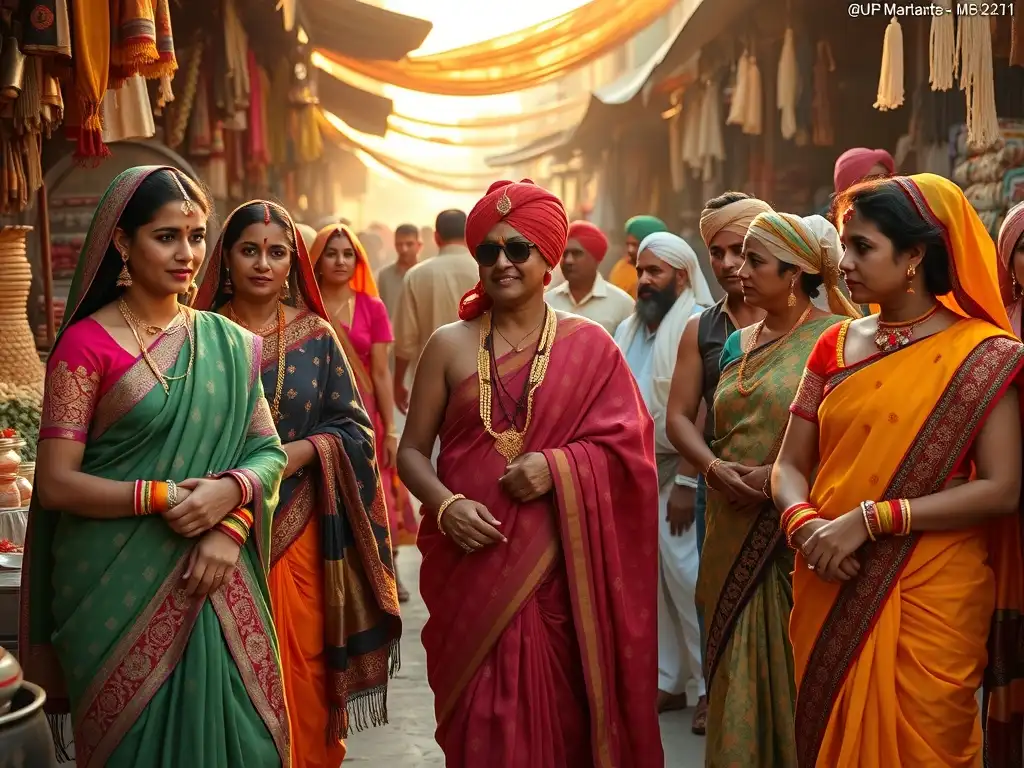
The traditional garments of ancient India, such as the sari and dhoti, not only served practical purposes but also embody a rich cultural heritage that continues to resonate in contemporary fashion. These garments are woven with stories of societal values, regional diversity, and historical evolution. As we conclude our exploration, it is essential to recognize how these textiles reflect the lives and beliefs of the people who wore them.
Reflection on the Cultural Significance of Traditional Indian Attire
The cultural significance of traditional Indian attire extends far beyond mere aesthetics. Each garment is steeped in symbolism and history, often associated with specific rituals, festivals, and social customs. For instance, the sari, which can be draped in various styles, signifies grace and femininity, while the dhoti represents traditional masculinity and simplicity.
- Symbolism: Different colors and patterns of these garments can denote various meanings, such as auspiciousness or mourning.
- Cultural Practices: Many traditional garments are integral to ceremonies, such as weddings and religious events, highlighting their importance in daily life.
Moreover, the regional variations of these garments showcase the diversity of ancient Indian civilization. From the vibrant lehengas of Rajasthan to the sophisticated silk saris of Varanasi, the textiles reflect the geographical and cultural fabric of India.
In every thread of traditional garments lies the history of a civilization, waiting to be unraveled.
This rich heritage not only highlights the craftsmanship of ancient weavers but also serves as a reminder of the importance of preserving these practices for future generations.
Encouragement to Explore and Support Traditional Indian Textiles
As we delve deeper into the legacy of traditional garments, it becomes crucial to support and promote the artisans who keep these age-old crafts alive. Here are some ways to encourage the exploration and appreciation of traditional Indian textiles:
- Visit Local Markets: Engage with artisans and learn about their techniques and stories.
- Support Ethical Fashion: Choose brands that prioritize sustainability and fair trade in their production processes.
- Educate Others: Share knowledge about the significance of these garments and their cultural heritage within your community.
By embracing traditional textiles, we not only honor the past but also contribute to a sustainable future for these crafts. As consumers, our choices can significantly impact the livelihoods of artisans and help preserve these remarkable traditions for generations to come.
The traditional garments of ancient India are more than just clothing; they are a testament to the enduring legacy of a culture rich in history and artistry. Exploring and supporting these textiles is a journey worth undertaking, one that connects us to a vibrant past while fostering a sustainable future.
Recommended Resources for Further Exploration
Books and Documentaries on Ancient Indian Fashion and Textiles
To gain a deeper understanding of the traditional garments of ancient India, several books and documentaries serve as excellent resources. These materials delve into the historical significance, cultural context, and craftsmanship involved in traditional Indian textiles.
Books:
- "The Fabric of India" by Rosemary Crill
- This book provides a comprehensive overview of India's textile heritage, exploring various fabrics, techniques, and regional styles. It highlights the evolution of Indian textiles from ancient times to the modern era.
- "Indian Textiles: 5000 Years of Art and Design" by John Gillow and Brigitte Khan Majlis
- A detailed exploration of India's rich textile history, this book covers everything from ancient weaving techniques to contemporary designs, showcasing the diverse materials used throughout the centuries.
- "Saris: Tradition and Beyond" by Kalyani Chawla
- This book focuses specifically on the sari, discussing its significance in different regions and cultures within India, as well as its evolution over time.
Documentaries:
- "The Story of India" (BBC Series)
- This documentary series, presented by historian Michael Wood, covers various aspects of Indian history, including its textile traditions, highlighting how they played a role in shaping cultural identities.
- "Threads of India"
- A visual exploration of the Indian textile industry, this documentary showcases traditional weaving techniques and the artisans behind them, providing insight into the craftsmanship that goes into making traditional garments.
Online Shops for Authentic Traditional Garments and Textiles
For those interested in purchasing authentic traditional garments of ancient India, several online shops offer a wide range of textiles. These platforms not only provide access to traditional attire but also support artisans and traditional craftsmanship.
- Craftsvilla
- A marketplace dedicated to Indian handicrafts, Craftsvilla offers a variety of traditional garments, including saris, dhotis, and kurtas. Each piece is often handmade by artisans, ensuring authenticity.
- Jaypore
- This online store curates a selection of contemporary and traditional Indian fashion. From handwoven textiles to modern designs inspired by ancient traditions, Jaypore showcases the beauty of Indian craftsmanship.
- Chidiya
- Specializing in handpicked traditional garments, Chidiya provides customers with unique pieces that reflect the rich textile heritage of various Indian regions. Their collection includes saris, stoles, and accessories.
Workshops and Classes on Traditional Weaving and Garment Making
Engaging in hands-on learning about traditional garment-making processes can enrich one's appreciation for the intricate craftsmanship involved. Several workshops and classes are available for those interested in exploring traditional weaving and garment-making techniques.
- Weaving Workshops at the National Institute of Fashion Technology (NIFT)
- NIFT conducts various workshops focusing on different aspects of textile design, including traditional weaving techniques. These workshops are suitable for beginners and professionals alike.
- Kalamkari Workshops
- Various cultural organizations offer Kalamkari workshops, where participants can learn about the ancient art of hand-painting fabric, often used in traditional garments. These classes typically cover both theory and practical applications.
- Local Artisan Collaborations
- Many local artisans and craft centers host workshops that allow participants to learn directly from skilled craftsmen. These sessions often focus on specific regional techniques, such as ikat or block printing, providing an authentic experience.
By exploring these resources, individuals can gain a richer understanding of the traditional garments of ancient India, their cultural significance, and the artistry behind them.
Frequently Asked Questions
What are the traditional garments of ancient India?
The traditional garments of ancient India primarily include the sari for women and the dhoti for men. These garments reflect the rich cultural heritage and diversity of the region.
How did the sari evolve over time?
The sari has undergone significant changes since its inception, adapting to different cultural influences and fashion trends throughout Indian history. It remains a symbol of elegance and tradition today.
What materials were used to make ancient Indian garments?
Ancient Indian garments were typically made from natural fibers such as cotton, silk, and wool. These materials were chosen for their durability and comfort, suitable for the diverse climates of India.
How did traditional garments vary across different regions of India?
Traditional garments varied by region, influenced by local customs, climate, and materials available. For example, while the sari is popular in the south, the lehenga is more common in the north.
What role did garments play in ancient Indian society?
Garments in ancient India were not just for protection but also indicated social status, caste, and regional identity. They often played a crucial role in rituals and ceremonies, showcasing the rich cultural fabric of the time.
Final Reflection: Embracing the Legacy of Traditional Garments
The rich tapestry of traditional garments of ancient India continues to weave its way into contemporary culture, reminding us of our roots and the stories they tell. As we explore the significance of the sari and dhoti, we uncover not just clothing but a profound connection to heritage, identity, and the artistry of craftsmanship that has shaped generations. In a world that often prioritizes fast fashion, the enduring elegance of these garments serves as a powerful reminder of the beauty found in tradition.
Cultural identity is intricately tied to the garments we wear, and the traditional attire of ancient India is no exception. The sari and dhoti are not merely pieces of fabric; they are symbols of resilience, grace, and the rich narratives of our ancestors. As we don these garments, we honor the craftsmanship and the stories embedded within them. Clothing is a form of self-expression, and traditional attire speaks volumes about who we are and where we come from.
This ongoing influence of traditional garments shapes our cultural landscape, fostering a sense of belonging and pride in our heritage.
As we reflect on the importance of traditional garments of ancient India, let us take a moment to appreciate the stories they carry and the heritage they represent. I invite you to explore your own cultural roots and consider how you can incorporate elements of tradition into your life. Whether it’s through wearing a sari or dhoti, or simply sharing the stories behind these garments, we can keep the legacy alive and inspire future generations to cherish their heritage. Embrace the beauty of tradition, and let it guide you in your journey of self-discovery and cultural appreciation.
Celebrate and Embrace India's Rich Textile Heritage!
Thank you for diving into the beautiful world of traditional garments in ancient India! We've explored the intricate stories woven into each fabric, and now it’s time to celebrate this heritage. Here’s how you can continue your journey and honor these timeless traditions:
- Explore local textile exhibitions or markets to discover authentic sari and dhoti collections while connecting with artisans who preserve these crafts.
- Share your newfound knowledge with friends and family by hosting a themed gathering where everyone wears traditional attire—let's keep the conversation flowing!
- Join online communities or social media groups dedicated to Indian textiles to exchange stories and tips on styling and caring for these exquisite garments.
What aspect of ancient Indian textiles inspires you the most, and how will you weave it into your daily life?