
Yoga and Mindfulness: Ancient Practices for Modern Mental Health

Welcome to Ancient India History, where we journey through the tapestry of time to uncover the rich and diverse heritage that shaped one of the world’s oldest civilizations. In this intriguing exploration, we delve into the benefits of ancient yoga practices, revealing how these age-old techniques can enhance modern mental health. As you navigate through our content, prepare to discover the timeless wisdom that has influenced countless generations. What secrets lie within the ancient teachings of yoga? Join us as we unravel the profound connections between the past and present, inspiring a deeper understanding of both.
Introduction to Ancient Yoga Practices and Their Benefits
Yoga and mindfulness, deeply rooted in the philosophical and cultural tapestry of ancient India, have emerged as significant practices that promote mental health and well-being in today's fast-paced world. These ancient techniques offer a holistic approach to mental wellness, emphasizing the interconnectedness of mind, body, and spirit. As modern society grapples with rising levels of stress, anxiety, and depression, the benefits of ancient yoga practices are increasingly recognized. By integrating these time-tested methods into our daily lives, individuals can cultivate resilience, enhance emotional regulation, and foster a deeper sense of self-awareness.
In this article, we will explore the multifaceted benefits of ancient yoga practices, examining how they can be effectively applied to modern mental health challenges. We will also delve into the historical context of these practices, shedding light on their origins and evolution over the centuries, as well as their relevance in contemporary society.
Understanding the Historical Context of Yoga and Mindfulness
The Roots of Yoga in Ancient Indian Civilization
Yoga is not just a physical practice; it is a profound spiritual and philosophical system that dates back thousands of years in ancient Indian civilization. The earliest references to yoga can be traced to the Vedas, particularly the Rigveda, which highlights the importance of meditation and self-discipline. Over time, yoga evolved through various texts, including the Upanishads and the Bhagavad Gita, which elaborated on its spiritual dimensions and ethical precepts.
The Yoga Sutras of Patanjali, composed around the 2nd century BCE, further codified the principles and practices of yoga, outlining the eight limbs (Ashtanga) that form the foundation of the yogic path. These limbs encompass ethical guidelines, physical postures, breath control, sensory withdrawal, concentration, meditation, and ultimate liberation, providing a comprehensive framework for personal development and self-realization.
Mindfulness: A Concept from Ancient Indian Philosophy
Mindfulness, or smṛti in Sanskrit, is a central concept in ancient Indian philosophy, particularly within Buddhism and Hinduism. It refers to the practice of maintaining a moment-by-moment awareness of our thoughts, feelings, bodily sensations, and the surrounding environment. This ancient approach encourages practitioners to observe their experiences without judgment, fostering a deeper connection to the present moment.
The teachings of mindfulness can be traced back to the Buddhist tradition, where practices such as meditation and contemplation were employed to cultivate awareness and insight. However, mindfulness also finds its roots in the Upanishads, where the emphasis on self-inquiry and contemplation laid the groundwork for understanding the nature of reality and the self.
As we navigate through this exploration of yoga and mindfulness, we will uncover how these ancient practices not only enhance mental health but also provide a pathway toward a more harmonious and balanced existence in the modern world.
The Benefits of Ancient Yoga Practices for Mental Health
The ancient yoga practices, which have roots in the spiritual traditions of India, offer numerous benefits that extend beyond physical fitness. In today's fast-paced world, these practices serve as valuable tools for enhancing mental health and overall well-being. By integrating yoga and mindfulness into daily routines, individuals can cultivate resilience, reduce stress, and improve emotional regulation.
The holistic nature of yoga emphasizes the connection between mind, body, and spirit, making it a comprehensive approach to mental wellness. Recent studies have shown that consistent practice can lead to significant reductions in anxiety, depression, and stress levels. Furthermore, the incorporation of ancient techniques into modern therapeutic practices has gained traction, highlighting their relevance in addressing contemporary mental health challenges.
Physical Health Benefits of Yoga
While the focus here is on mental health, it's essential to acknowledge the physical health benefits of yoga, as they are closely intertwined with emotional well-being. Regular practice of yoga enhances flexibility, strength, and balance, contributing to improved physical health. This physical improvement can lead to increased self-esteem and body image, which are crucial for mental health.
Moreover, yoga can help alleviate chronic pain conditions such as back pain, which often contribute to mental health issues like anxiety and depression. By reducing physical discomfort, yoga creates a more favorable environment for mental health to flourish. Additionally, the practice promotes relaxation and better sleep, both of which are vital for maintaining a healthy mind.
Mental Health Benefits of Mindfulness and Meditation
Mindfulness and meditation, integral components of ancient yoga practices, have been shown to provide significant mental health benefits. These techniques encourage individuals to focus on the present moment, helping to reduce the impact of negative thoughts and stressors. Research indicates that regular mindfulness practice can lead to increased emotional resilience, improved concentration, and enhanced self-awareness.
Meditation has been linked to lower levels of cortisol, the stress hormone, and can lead to a decrease in anxiety symptoms. Furthermore, mindfulness practices foster a greater sense of compassion and empathy, which can improve interpersonal relationships and social support systems—key factors in mental health. Overall, the practice of mindfulness and meditation cultivates a calm and balanced mind, equipping individuals to navigate life's challenges more effectively.
Key Ancient Yoga Practices for Modern Mental Wellness
Ancient yoga practices offer a wealth of techniques that are particularly beneficial for modern mental wellness. This section explores some of the most significant practices that individuals can incorporate into their lives to enhance their mental health.
Asanas (Postures) and Their Mental Health Benefits
Asanas, or physical postures, are perhaps the most recognized aspect of yoga. Each posture serves a unique purpose, not only enhancing physical strength and flexibility but also contributing to mental clarity and emotional stability. For example, poses such as Child's Pose and Corpse Pose promote relaxation and help alleviate stress, while Warrior Poses can boost confidence and reduce anxiety.
The practice of asanas also encourages mindfulness, as individuals must focus on their breath and body alignment. This heightened sense of awareness can lead to a greater understanding of one’s emotions and mental state. By regularly practicing various asanas, individuals may experience a reduction in symptoms of depression and anxiety, fostering a more positive outlook on life.
Pranayama (Breathing Techniques) for Stress Relief
Pranayama, or breath control, is a fundamental component of yoga that plays a crucial role in mental health. Various breathing techniques can help calm the mind, reduce stress, and enhance emotional regulation. For instance, Nadi Shodhana (alternate nostril breathing) is known for its ability to balance the nervous system and promote relaxation.
Engaging in pranayama exercises can lead to increased oxygen flow to the brain, fostering mental clarity and focus. Moreover, these breathing techniques can serve as a powerful tool for managing anxiety, as they encourage individuals to slow down and become more attuned to their bodily sensations. By incorporating pranayama into daily routines, individuals can cultivate a sense of calm and stability, significantly benefiting their mental health.
Integrating Ancient Practices into Modern Life
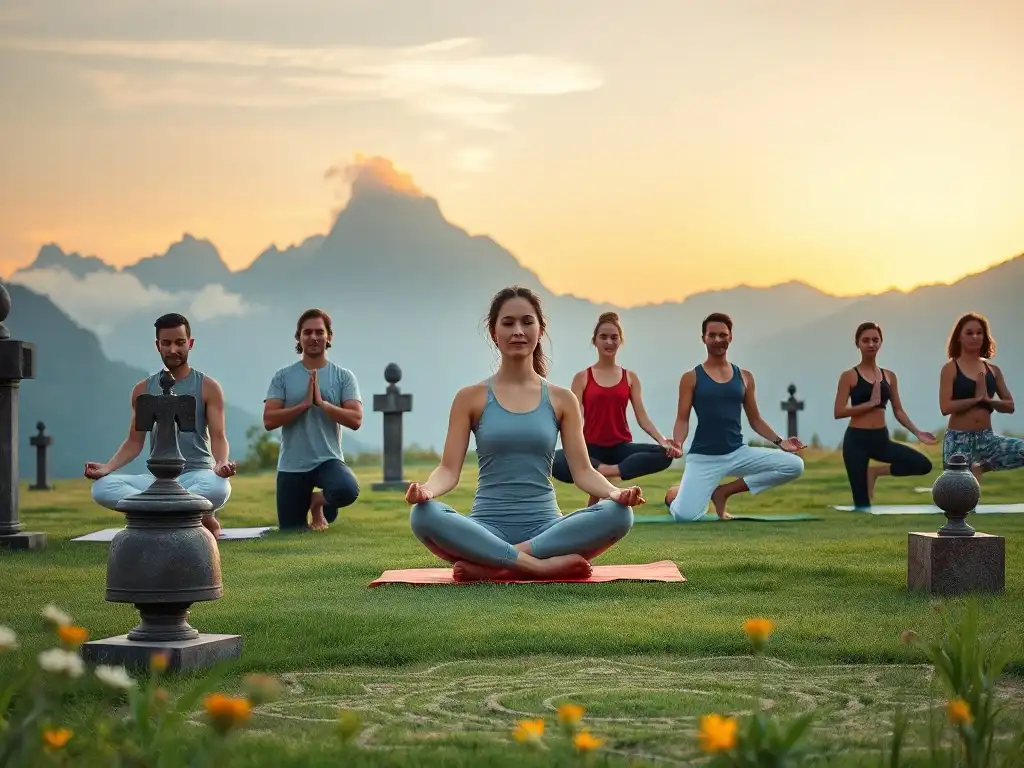
In today's fast-paced world, the principles of ancient yoga practices can serve as a beacon of tranquility and focus. Integrating these practices into modern life involves recognizing their relevance and adaptability to contemporary challenges. Ancient yoga is not merely a physical exercise; it encompasses a holistic approach that promotes mental clarity, emotional stability, and overall well-being.
To effectively blend these practices into daily routines, one can start by dedicating specific time slots for yoga and mindfulness exercises. This could be as simple as a morning stretch session or a few minutes of mindful breathing during a lunch break. Integrating short breaks throughout the day to practice mindfulness can significantly reduce stress and enhance productivity.
Moreover, technology can facilitate the integration of ancient practices. Numerous mobile applications provide guided yoga sessions and mindfulness exercises, making it easier to access these ancient techniques anytime, anywhere. This fusion of tradition and technology can help individuals cultivate a sustainable practice that fits seamlessly into their lifestyles.
Creating a Daily Yoga and Mindfulness Routine
Establishing a daily yoga and mindfulness routine is essential for reaping the benefits of these ancient practices. To create a consistent routine, consider the following steps:
- Set Clear Intentions: Begin by defining what you wish to achieve through yoga and mindfulness. Whether it's stress reduction, improved focus, or physical fitness, having a clear intention can guide your practice.
- Choose a Time and Place: Designate a specific time and a quiet space in your home for practice. This helps signal to your mind that it's time to engage in self-care.
- Start Small: If you're new to yoga or mindfulness, start with short sessions—perhaps 10 to 15 minutes a day. Gradually increase the duration as you become more comfortable.
- Incorporate Mindfulness Throughout the Day: Besides dedicated practice, infuse mindfulness into daily activities. This can include being fully present while eating, walking, or even during conversations.
- Reflect and Adjust: After a few weeks, reflect on your routine. Adjust it according to what feels right for you, ensuring it remains enjoyable and fulfilling.
By following these steps, individuals can cultivate a daily yoga and mindfulness routine that enhances mental health and emotional well-being.
Choosing the Right Yoga Equipment for Your Practice
Selecting the appropriate yoga equipment can significantly enhance your practice and comfort. Here are some essentials to consider:
- Yoga Mat: A high-quality mat provides cushioning and stability. Look for mats that offer good grip and durability.
- Blocks: Yoga blocks assist in achieving proper alignment and stability, especially for beginners or those with limited flexibility.
- Straps: These are useful for maintaining proper form and extending reach during poses, particularly for those who find it challenging to grasp their feet or maintain certain postures.
- Bolsters and Cushions: These provide support for restorative poses and can help enhance relaxation during mindfulness practices.
- Comfortable Clothing: Wear breathable, flexible clothing that allows for a full range of motion without restriction.
Choosing the right equipment not only fosters comfort but also encourages consistency in practice, making it more enjoyable and effective.
Common Misconceptions About Yoga and Mindfulness
Despite the growing popularity of yoga and mindfulness, several misconceptions persist that may prevent individuals from fully embracing these ancient practices. Addressing these misconceptions is crucial for fostering a deeper understanding of their true benefits and applications.
Debunking Myths Surrounding Ancient Yoga Practices
One of the most prevalent myths is that yoga is solely a physical practice. While asanas (postures) are a significant component, yoga also encompasses breath control (pranayama), meditation, and ethical principles (yamas and niyamas) that guide practitioners toward holistic wellness. This comprehensive approach highlights the importance of mental and spiritual development alongside physical fitness.
Another common misconception is that yoga is only for young, flexible individuals. In reality, yoga is accessible to people of all ages, body types, and fitness levels. Many styles of yoga cater to different needs, and modifications can be made to accommodate everyone.
Lastly, some believe that mindfulness is synonymous with meditation alone. While meditation is a powerful mindfulness technique, mindfulness can be practiced in various forms, such as mindful walking, eating, or even listening. These practices emphasize living in the present moment and can be integrated into everyday life.
Understanding Mindfulness Beyond Meditation
Mindfulness extends far beyond the confines of traditional meditation. At its core, mindfulness is about cultivating an awareness of the present moment without judgment. This can be achieved through various practices, including:
- Mindful Breathing: Focusing on your breath can center your thoughts and reduce anxiety. This practice can be done anywhere and at any time.
- Mindful Eating: Paying attention to the taste, texture, and aroma of food can transform meals into a more enjoyable experience while promoting healthier eating habits.
- Mindful Walking: Engaging in walking with awareness allows individuals to connect with their surroundings, grounding themselves in the present.
- Mindful Listening: This involves fully concentrating on what someone is saying without formulating a response in your mind. It enhances interpersonal relationships and communication skills.
Incorporating these forms of mindfulness into daily life can significantly contribute to mental well-being, illustrating that mindfulness is a versatile and practical approach to enhancing quality of life.
Conclusion: Embracing Ancient Practices for Modern Mental Health
In an age where mental health challenges are increasingly prevalent, the ancient practices of yoga and mindfulness offer a pathway to holistic well-being. These practices, rooted in centuries of tradition, promote not only physical health but also mental clarity and emotional stability. By incorporating techniques such as meditation, breath control, and mindful movement, individuals can cultivate a deeper awareness of their thoughts and feelings, leading to enhanced resilience and a more balanced life.
The benefits of ancient yoga practices extend beyond personal health; they foster a sense of community and interconnectedness, encouraging individuals to engage with others in a meaningful way. This shared journey towards mental wellness can create supportive networks, reducing feelings of isolation and promoting collective emotional health. As we embrace these time-honored practices, we not only honor the wisdom of our ancestors but also equip ourselves with tools that can profoundly impact our modern lives.
As research increasingly supports the mental health benefits of yoga and mindfulness, it is clear that these ancient practices hold immense potential for improving mental health outcomes today. By weaving these traditions into the fabric of our daily routines, we can create a more mindful and healthier society, paving the way for a brighter future.
Call to Action: Explore More About Ancient Yoga Practices
Are you ready to delve deeper into the world of ancient yoga practices and their benefits? Discover the transformative power of yoga and mindfulness by exploring our extensive resources. Here are a few ways to get started:
- Read Articles: Dive into insightful articles detailing various aspects of yoga history, techniques, and their applications in modern mental health.
- Join Workshops: Participate in workshops that offer guided sessions on yoga and mindfulness, designed to provide hands-on experience and deepen your understanding.
- Connect with Experts: Engage with practitioners and scholars of ancient Indian traditions to gain a richer perspective on the practices and their relevance today.
- Practice Mindfulness: Start your own mindfulness journey with daily practices, integrating ancient techniques into your life to enhance your mental well-being.
Embrace the wisdom of ancient yoga practices and unlock their potential for your mental health journey today! 🧘♂️✨
- Introduction to Ancient Yoga Practices and Their Benefits
- Understanding the Historical Context of Yoga and Mindfulness
- The Benefits of Ancient Yoga Practices for Mental Health
- Key Ancient Yoga Practices for Modern Mental Wellness
- Integrating Ancient Practices into Modern Life
- Common Misconceptions About Yoga and Mindfulness
- Conclusion: Embracing Ancient Practices for Modern Mental Health
- Call to Action: Explore More About Ancient Yoga Practices
Frequently Asked Questions
What are the ancient yoga practices mentioned in the article?
Ancient yoga practices include Asanas, Pranayama, and Meditation, which have been foundational for promoting mental clarity and emotional balance.
How do ancient yoga practices benefit mental health?
These practices enhance mindfulness, reduce stress, and improve overall well-being, making them effective tools for managing anxiety and depression.
Can beginners easily adopt these ancient practices?
Yes, beginners can start with simple Asanas and gradually incorporate meditative techniques to experience the benefits of ancient yoga.
Are there specific ancient texts that guide these practices?
Yes, texts like the Yoga Sutras of Patanjali and the Bhagavad Gita provide profound insights and guidelines on practicing yoga for mental health.
How can one integrate yoga into their daily life for better health?
By dedicating even 15-30 minutes daily to yoga and mindfulness practices, individuals can significantly improve their mental resilience and overall quality of life.
Final Reflection: Embracing Ancient Wisdom for Modern Wellness
The benefits of ancient yoga practices resonate profoundly in our contemporary world, where the chaos of daily life often overshadows our mental well-being. As we navigate the complexities of modern existence, the timeless teachings of yoga and mindfulness offer us a sanctuary—a reminder that peace and balance are not just achievable but essential. The resurgence of interest in these practices underscores their relevance today, illuminating paths to mental health that have stood the test of time.
The influence of yoga and mindfulness extends far beyond individual practice; it shapes our cultural and social landscapes, fostering a collective consciousness that values mental health and well-being. As we integrate these ancient practices into our lives, we cultivate resilience and compassion, both for ourselves and others. In the midst of movement and chaos, keep stillness inside of you.
— Deepak Chopra. This quote encapsulates the essence of what yoga and mindfulness teach us: the power of inner stillness amidst external turbulence.
As you reflect on the insights shared in this article, I invite you to take a moment to consider how you can incorporate the benefits of ancient yoga practices into your daily routine. Embrace the opportunity to cultivate mindfulness, not just as a practice but as a way of life. Whether through a few minutes of meditation, a gentle yoga session, or simply pausing to breathe deeply, let these ancient tools guide you toward a more balanced and fulfilling existence. Your journey to mental wellness is just a breath away—embrace it.
Embrace Mindfulness and Transform Your Mental Health Today!
Thank you for exploring the world of yoga and mindfulness with us! You’ve discovered powerful ancient practices that can profoundly enhance your modern life. Now, it’s time to take the next step toward improving your mental well-being.
Here’s how you can begin your journey today:
- Join a Local Yoga Class or Workshop: Connect with like-minded individuals and deepen your practice.
- Create a Daily Mindfulness Routine: Dedicate just 10 minutes a day for meditation or mindful breathing exercises.
- Share Your Journey: Inspire others by sharing your experiences on social media or within a community group—let’s spread the joy of mindfulness together!
What new practice will you incorporate into your life this week, and how do you envision it transforming your mental health?