
The Impact of Trade and Commerce on Educational Practices in Ancient India


Welcome to Ancient India History, where we embark on a fascinating journey through the rich tapestry of ancient Indian civilizations. This week, we delve into an intriguing exploration of trade and education in ancient India, uncovering how bustling trade routes and thriving commerce shaped the educational practices of the time. Prepare to be captivated by the interconnectedness of these two vital aspects of ancient life, and discover the remarkable contributions that continue to influence modern society.
Join us as we unlock the secrets of the past and reveal the profound impact that trade had on educational systems in ancient India. Are you ready to explore this captivating intersection? Let’s dive in!
Introduction to Trade and Education in Ancient India
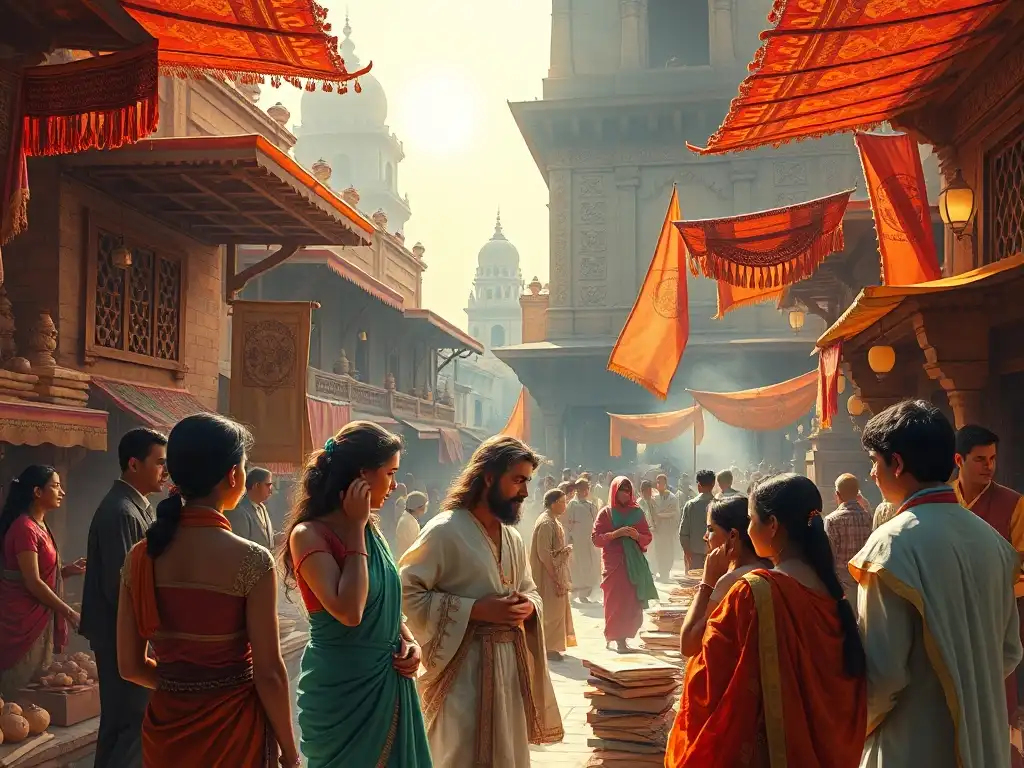
Trade and education in ancient India were intricately intertwined, forming a foundation that significantly influenced the growth of knowledge and cultural exchange. The flourishing trade networks established by ancient Indian civilizations not only facilitated the exchange of goods but also acted as conduits for the dissemination of ideas, philosophies, and educational practices.
As merchants traversed vast distances, they encountered diverse cultures, which enriched their own understanding and, in turn, shaped the educational paradigms of their societies. This dynamic interplay between trade and education is pivotal to understanding the holistic development of ancient Indian civilizations, from the urban centers of the Indus Valley to the intellectual hubs of the Gupta Empire.
Overview of Trade and Commerce
Trade in ancient India was characterized by its complexity and sophistication, involving both local and long-distance exchanges. Major trade hubs, such as Taxila and Pataliputra, emerged as centers of commerce where goods like textiles, spices, metals, and precious stones were exchanged. The emergence of various trade routes, including the Silk Road and maritime paths, facilitated not only the movement of goods but also the flow of knowledge and cultural practices.
Key aspects of trade included:
- Local Marketplaces: These served as vital points for daily exchanges of goods and services.
- Long-Distance Trade: Merchants traveled to distant lands, establishing connections with other civilizations.
- Barter and Currency: While barter was prevalent, the use of coins eventually emerged, simplifying transactions.
Trade networks also fostered relationships between different regions, allowing for a rich exchange of ideas and educational practices that would ultimately shape the intellectual landscape of ancient India.
Significance of Education in Ancient Civilizations
Education in ancient India was not merely a privilege but a vital necessity for societal development. It played a crucial role in imparting knowledge, skills, and values essential for the functioning of society. Institutions such as gurukuls and ashrams were central to the educational framework, where students received instruction in various disciplines, including philosophy, mathematics, astronomy, and medicine.
The significance of education was evident in several ways:
- Cultural Preservation: Education helped in preserving ancient texts and oral traditions, ensuring the continuity of cultural heritage.
- Skill Development: Specialized education prepared individuals for various professions, contributing to the economic and social fabric of society.
- Philosophical Inquiry: Education encouraged critical thinking and philosophical exploration, which were fundamental to the spiritual and intellectual growth of individuals.
The interplay between trade and education created a vibrant environment where knowledge could thrive, leading to innovations and advancements that resonated throughout the ancient world.
Historical Context of Trade in Ancient India
Ancient India was a cradle of trade and commerce, with a rich tapestry of interactions that transcended regional boundaries. The historical context of trade during this period is essential for understanding its impact on educational practices.
Major Trade Routes and Their Influence
The geography of ancient India facilitated the development of several major trade routes, which played a crucial role in connecting different regions. These routes included:
- The Silk Road: This famed trade route linked India with Central Asia and beyond, enabling the exchange of not just goods but also ideas and cultural practices.
- The Spice Route: Maritime routes connecting India to the Middle East and Europe were essential for the trade of spices, which were highly valued commodities.
- Overland Routes: Extensive overland networks connected various Indian states, promoting internal trade and commerce.
The influence of these trade routes extended beyond economics; they also served as channels for educational exchange, where scholars and traders shared knowledge and practices, contributing to the broader educational landscape.
Key Commodities and Exchange Practices
The trade of key commodities shaped the economic landscape of ancient India and had a significant impact on educational practices. Some of the essential commodities included:
- Textiles: India was renowned for its fine fabrics, which were sought after globally. The textile trade encouraged the development of specialized skills and craftsmanship.
- Spices: These were not only valuable for culinary purposes but also played a role in medicinal practices, which were taught in educational institutions.
- Metals and Gems: The trade of precious metals and stones fostered knowledge in metallurgy and craftsmanship.
Exchange practices, including barter and the eventual introduction of currency, facilitated commerce and education, allowing for the establishment of trade guilds that often became centers of learning in their own right.
The impact of trade and commerce on educational practices in ancient India is a rich tapestry woven from the threads of economic activity, cultural exchange, and the pursuit of knowledge. Understanding this dynamic relationship provides insight into the foundations of education within ancient Indian civilizations.
The Interconnection Between Trade and Educational Practices
The relationship between trade and education in ancient India is profound and multifaceted. Trade routes not only facilitated the exchange of goods but also served as conduits for the transmission of ideas, cultures, and knowledge. This interconnection can be observed in various aspects of educational practices, where the influx of wealth and diverse populations contributed to the evolution of learning. Merchants, who were often well-traveled and educated, played a crucial role in this synergy, ensuring that knowledge, particularly in subjects such as mathematics, astronomy, and philosophy, was disseminated throughout the regions connected by trade.
Furthermore, the prosperity generated by trade encouraged the establishment of educational institutions. Wealthy traders often patronized schools and universities, providing financial support that enabled scholars to pursue their studies and research. This patronage not only enriched the curriculum but also attracted students from across the subcontinent, creating a melting pot of ideas and cultural exchanges. The dynamic interplay between commerce and education laid the groundwork for a robust intellectual tradition that would flourish in various ancient Indian civilizations.
How Trade Facilitated the Spread of Knowledge
Trade facilitated the spread of knowledge in ancient India through several mechanisms. Firstly, merchants and traders traveled extensively along established trade routes, such as the Silk Road and maritime pathways, transporting not just goods but also ideas and innovations. This movement allowed for the cross-pollination of cultures and the introduction of new concepts into different regions.
For instance, the introduction of Indian numerals and the decimal system can be traced back to trade interactions with cultures in the Middle East and beyond. The demand for mathematical skills in trade transactions prompted educational institutions to emphasize these subjects, ensuring their incorporation into the educational curriculum.
Additionally, the interaction between traders and local scholars often led to collaborative learning experiences. Knowledge obtained from foreign lands was integrated into local educational practices, enriching the academic landscape. This cross-cultural exchange fostered a spirit of inquiry and exploration, encouraging scholars to seek knowledge beyond traditional boundaries.
The Role of Merchants in Education
Merchants held a significant role in shaping educational practices in ancient India. As key figures in the economy, they were not only engaged in trade but also took an active interest in the intellectual development of society. Many merchants recognized the value of education and invested in the establishment of schools and learning centers. Their contributions ensured that education was accessible to a broader segment of society, including those from various socio-economic backgrounds.
Moreover, merchants often acted as patrons of scholars and teachers, providing them with resources and support needed to pursue their work. This patronage extended to funding educational materials, scholarships for students, and even the construction of educational institutions. The influence of merchants in education can be seen in the curriculum, which included practical subjects such as commerce, navigation, and accounting, reflective of the skills necessary for trade.
Merchants also served as informal educators, sharing their experiences and knowledge with younger generations. Through apprenticeships, they imparted vital skills and practical knowledge that complemented formal education, creating a well-rounded learning experience for students.
Educational Centers and Their Links to Commerce
The establishment of educational centers in ancient India was closely linked to the prosperity brought about by trade. Cities that thrived on commerce, such as Taxila, Nalanda, and Vikramashila, became significant hubs of learning. These centers attracted scholars from various regions, fostering an environment rich in intellectual activity and cultural exchange.
The relationship between commerce and education can be illustrated by the way these educational institutions often hosted lectures and discussions that incorporated trade-related topics. The curriculum was influenced by the practical needs of society, reflecting the economic realities of the time.
Notable Educational Institutions in Ancient India
Several notable educational institutions emerged in ancient India that exemplified the link between trade and education.
- Taxila: One of the earliest centers of higher learning, Taxila was renowned for its diverse curriculum that included subjects such as medicine, mathematics, and philosophy. Its strategic location along trade routes facilitated the influx of students and scholars from various regions, making it a melting pot of knowledge and ideas.
- Nalanda University: Established in the 5th century CE, Nalanda became a prestigious center for Buddhist scholarship and education. It attracted students from as far as China and Tibet, owing to its reputation as a hub of learning. The university's curriculum included various fields of study, reflecting the diverse interests of its student body, many of whom were involved in trade.
- Vikramashila: Founded in the 8th century CE, Vikramashila was another prominent educational institution known for its comprehensive curriculum. It offered studies in various disciplines, including logic, grammar, and philosophy. The university played a crucial role in disseminating knowledge across trade networks, further illustrating the interplay between commerce and education.
The Influence of Trade on Curriculum Development
Trade significantly influenced the development of curricula in ancient Indian educational institutions. As commerce flourished, the demand for practical skills and knowledge became evident. Subjects such as mathematics, navigation, and economics were integrated into the curriculum to prepare students for careers in trade and commerce.
The influence of trade can also be seen in the increased emphasis on language and communication skills, which were vital for negotiation and trade interactions. Knowledge of multiple languages became essential for merchants who engaged with diverse cultures, prompting educational institutions to include language studies as part of their offerings.
Moreover, the exchange of ideas through trade necessitated the inclusion of cultural studies in the curriculum. Students were exposed to different philosophies and practices, promoting a holistic understanding of the world around them. This multidisciplinary approach to education ensured that graduates were not only equipped with practical skills but also possessed a broad intellectual foundation, enabling them to contribute effectively to society and the economy.
The interplay between trade and education in ancient India fostered a rich environment for learning and intellectual growth. This relationship significantly shaped the educational landscape, ensuring that knowledge was both practical and expansive, ultimately contributing to the development of a sophisticated civilization.
The Impact of Economic Prosperity on Education
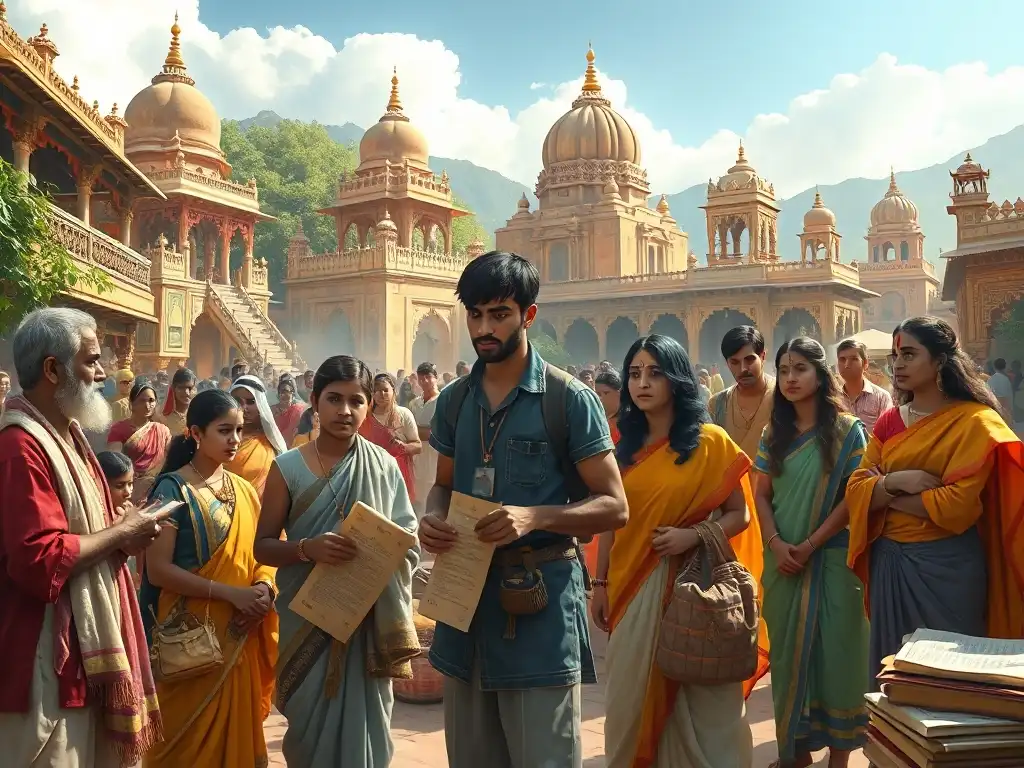
Economic prosperity played a pivotal role in shaping educational practices in ancient India. The flourishing trade networks, particularly during the period from the Indus Valley Civilization through to the Gupta Empire, allowed for not only the accumulation of wealth but also the establishment of centers of learning. As merchants and traders accumulated wealth from their commercial activities, they began to invest in educational institutions, leading to significant advancements in both the quality and accessibility of education.
The prosperous economy facilitated the movement of ideas and knowledge across regions. This cross-cultural exchange enriched the educational landscape, integrating diverse philosophies, languages, and scientific knowledge into local curricula. As a result, education became not just a means of imparting knowledge, but also a way to prepare individuals to participate effectively in the expanding markets and trade networks.
Wealth Accumulation and Its Effect on Learning
The accumulation of wealth through trade had a direct correlation with the development of educational institutions in ancient India. With increased economic resources, local communities could establish schools and universities, notably places like Takshashila and Nalanda. These institutions became hubs of learning, attracting students from various regions, including those from distant lands.
Moreover, wealth allowed for the hiring of qualified teachers who could impart knowledge in various subjects, including mathematics, astronomy, philosophy, and medicine. As financial resources grew, the focus shifted from merely religious instruction to a more diversified curriculum that included practical subjects relevant to trade and commerce. This shift not only enhanced the quality of education but also made it more relevant to the needs of society, particularly in an economy increasingly driven by trade.
Patronage from Wealthy Merchants and Traders
As trade flourished, wealthy merchants and traders emerged as significant patrons of education. Their financial support was crucial in establishing and maintaining educational institutions. Many of these patrons recognized the value of a well-educated workforce, which could enhance their business operations and contribute to their social standing.
These merchants often funded scholarships for deserving students, enabling them to receive an education that they might not otherwise afford. Additionally, they sponsored the construction of libraries and lecture halls, which facilitated the dissemination of knowledge. This patronage system not only benefited the educational sector but also created a symbiotic relationship between commerce and education, where the success of one was intrinsically linked to the other.
Trade and the Evolution of Educational Methods
The evolution of educational methods in ancient India was significantly influenced by the practices and demands of trade. As trade routes expanded and commerce became more complex, the need for practical education that prepared individuals for real-world challenges became apparent. This led to a transformation in teaching methodologies, focusing on experiential learning and practical applications.
Practical Skills vs. Theoretical Knowledge
The need for practical skills became increasingly important as trade expanded. While traditional education emphasized theoretical knowledge, the realities of commerce required a balance between theory and practice. For instance, students were taught not just the principles of mathematics, but also their application in accounting and trade.
Educational institutions began to adapt their curricula to include practical training, enabling students to develop skills that were essential for their future careers. This included learning about weights and measures, navigation, and negotiation techniques, all of which were critical for successful trade. The blend of practical skills with theoretical knowledge created a more holistic educational experience that prepared individuals for the complexities of the ancient economic landscape.
Incorporation of Trade Skills in Educational Curriculum
The incorporation of trade skills into the educational curriculum marked a significant shift in ancient Indian education. Subjects such as commerce, trade regulations, and market analysis found their way into the syllabi of various educational institutions. This not only made education more relevant but also aligned it with the economic activities of the time.
Trade guilds also played a role in this incorporation, as they often provided apprenticeships and training programs for young individuals. These programs focused on specific trades, ensuring that the next generation was equipped with the necessary skills to succeed in the marketplace. The emphasis on trade skills fostered a culture of entrepreneurship, further stimulating economic growth and enhancing the overall educational landscape in ancient India.
Cultural Exchanges Through Trade
Trade in ancient India was not just a medium for the exchange of goods but also a conduit for cultural interaction and educational development. As merchants traversed vast distances, they brought with them not only commodities but also ideas, philosophies, and educational practices from diverse regions. This cultural exchange enriched Indian society and significantly influenced its educational landscape. Major trade routes, such as the Silk Road and the maritime paths connecting India to Southeast Asia, facilitated interactions that led to a fusion of educational models and practices.
The bustling trade cities, such as Taxila and Nalanda, became melting pots of cultures where scholars from different backgrounds congregated. This environment fostered an atmosphere of learning and inquiry, allowing for a cross-pollination of ideas. Consequently, education in ancient India evolved to incorporate various dimensions of knowledge, including mathematics, astronomy, and philosophy, reflecting a synthesis of indigenous and foreign influences.
Influence of Foreign Cultures on Indian Education
The impact of foreign cultures on Indian education was profound. For instance, the arrival of Greek philosophers following Alexander the Great's conquests introduced new philosophical concepts and scientific methodologies. This led to a more systematic approach to education, where critical thinking and empirical observation began to find a place alongside traditional Indian pedagogical methods.
Similarly, the influence of Persian culture, particularly during the Mauryan Empire, contributed to the expansion of educational curricula to include administrative sciences, governance, and law. The integration of these foreign elements not only enriched the content of education but also diversified the methods of teaching and learning, promoting a more holistic educational experience.
Language and Literature Exchange Along Trade Routes
Trade routes were instrumental in the exchange of languages and literature, which played a crucial role in shaping educational practices. As traders and travelers interacted, they facilitated the spread of languages, including Sanskrit, Pali, and later, regional languages that emerged from this interaction. This linguistic exchange allowed for the translation of various texts, making knowledge more accessible to a broader audience.
Furthermore, literary works from other cultures were introduced, leading to the incorporation of diverse narratives, philosophies, and poetry into Indian education. The translation of texts, such as Buddhist scriptures from China or philosophical works from Greece, fostered a culture of intellectual curiosity and debate, enhancing the richness of the educational curriculum in ancient India.
Conclusion: The Legacy of Trade on Educational Systems in Ancient India
The legacy of trade on educational systems in ancient India is evident in the diverse and rich tapestry of knowledge that emerged during this period. Trade not only facilitated the exchange of goods but also acted as a catalyst for educational innovation and cultural integration. The interaction of various civilizations through trade routes resulted in an educational framework that was dynamic and responsive to changing societal needs.
Lasting Impacts on Modern Educational Practices
The influences of trade on education in ancient India can still be observed in modern educational practices. The emphasis on a diverse curriculum that incorporates multiple perspectives and disciplines can be traced back to the intercultural exchanges of ancient times. Modern educational institutions continue to celebrate this diversity, recognizing the value of integrating various cultural insights into their teaching methodologies.
Moreover, the spirit of inquiry and the pursuit of knowledge fostered in ancient India through trade has shaped contemporary educational philosophies. The collaborative and interdisciplinary approaches prevalent in today's education systems reflect the foundational principles established during ancient times.
Reflection on Trade and Education’s Role in Shaping Civilization
Trade and education in ancient India played a pivotal role in shaping civilization, acting as a bridge between cultures and ideas. They were instrumental in the development of a society that valued knowledge, inquiry, and innovation. The educational practices that emerged from these interactions laid the groundwork for subsequent generations, influencing not only India but also the broader world.
Reflecting on this legacy, it becomes clear that the interconnectedness of trade and education is a critical component of human civilization. The rich exchanges that took place in ancient India serve as a reminder of the importance of collaboration and cultural appreciation in fostering a thriving educational environment. As we continue to learn from history, it is essential to recognize and embrace the diverse influences that have shaped our educational systems today.
- Introduction to Trade and Education in Ancient India
- Historical Context of Trade in Ancient India
- The Interconnection Between Trade and Educational Practices
- Educational Centers and Their Links to Commerce
- The Impact of Economic Prosperity on Education
- Trade and the Evolution of Educational Methods
- Cultural Exchanges Through Trade
- Conclusion: The Legacy of Trade on Educational Systems in Ancient India
- What role did trade play in ancient India's educational practices?
- How did the Indus Valley Civilization contribute to trade and education?
- What were the major educational institutions in ancient India?
- How did the Gupta Empire influence trade and education?
- What was the significance of trade routes in shaping education?
Frequently Asked Questions
What role did trade play in ancient India's educational practices?
Trade significantly influenced educational practices in ancient India by facilitating the exchange of ideas, knowledge, and resources. The movement of traders often led to the establishment of learning centers in urban areas.
How did the Indus Valley Civilization contribute to trade and education?
The Indus Valley Civilization established advanced urban planning and trade networks, which encouraged economic prosperity and the development of educational institutions that promoted literacy and skills related to commerce.
What were the major educational institutions in ancient India?
Ancient India was home to notable institutions like Nalanda and Taxila, which were renowned for their curricula that included subjects like trade, philosophy, and science. These institutions attracted students from various regions.
How did the Gupta Empire influence trade and education?
The Gupta Empire marked a golden age where trade flourished due to peaceful governance and infrastructure, leading to advancements in educational practices and the spread of knowledge in various fields such as mathematics and astronomy.
What was the significance of trade routes in shaping education?
Trade routes not only facilitated the movement of goods but also acted as conduits for cultural exchange, allowing scholars and traders to share knowledge, thus enhancing educational practices across regions in ancient India.
Final Reflection: The Interwoven Legacy of Trade and Education in Ancient India
The relationship between trade and education in ancient India is not just a historical curiosity; it is a testament to the profound impact that commerce has on the development of knowledge and culture. As we navigate the complexities of our modern world, understanding how these two forces shaped societies in the past can offer invaluable insights into the dynamics of contemporary education and economic systems. The lessons from ancient India remind us that the exchange of ideas is as vital as the exchange of goods.
Clearly, the influence of trade on educational practices in ancient India has left an indelible mark on our cultural and social landscape. The flourishing trade routes facilitated the movement of scholars and ideas, creating a rich tapestry of knowledge that transcended geographical boundaries. This interconnectedness fostered a spirit of inquiry and innovation, which continues to resonate today. Education is the most powerful weapon which you can use to change the world.
– Nelson Mandela. This quote encapsulates the enduring significance of education as a catalyst for transformation, a theme that echoes through the ages.
As we reflect on the intricate ties between trade and education, let us consider how we can apply these lessons in our own lives. How can we foster a culture of knowledge exchange in our communities? By embracing the spirit of collaboration and curiosity that characterized ancient Indian society, we can cultivate environments where learning thrives and ideas flourish. I invite you to explore the ways in which you can contribute to this legacy, ensuring that the impact of trade and education continues to inspire future generations.
Unveil the Legacy: Take Action in Understanding Ancient Commerce!
Thank you for exploring the fascinating interplay between trade and educational practices in Ancient India! Your interest in this rich history highlights the significance of commerce in shaping knowledge and culture. Now, let’s transform that curiosity into action.
Here are some engaging ways you can deepen your understanding and immerse yourself in this incredible heritage:
- Dive deeper: Explore primary sources from Ancient India, such as texts from the Maurya or Gupta periods, to gain first-hand insights into educational frameworks and practices.
- Join the conversation: Share your thoughts and discoveries in online forums or social media groups dedicated to ancient history, allowing you to connect with fellow enthusiasts and expand your perspective.
- Attend a local event: Look for lectures or exhibitions that focus on ancient trade and education in your area, providing opportunities to enhance your knowledge through expert insights.
What aspect of Ancient Indian commerce intrigues you the most, and how do you believe it has influenced modern educational practices?