
The Future of Education: Lessons from Ancient Indian Practices and Principles

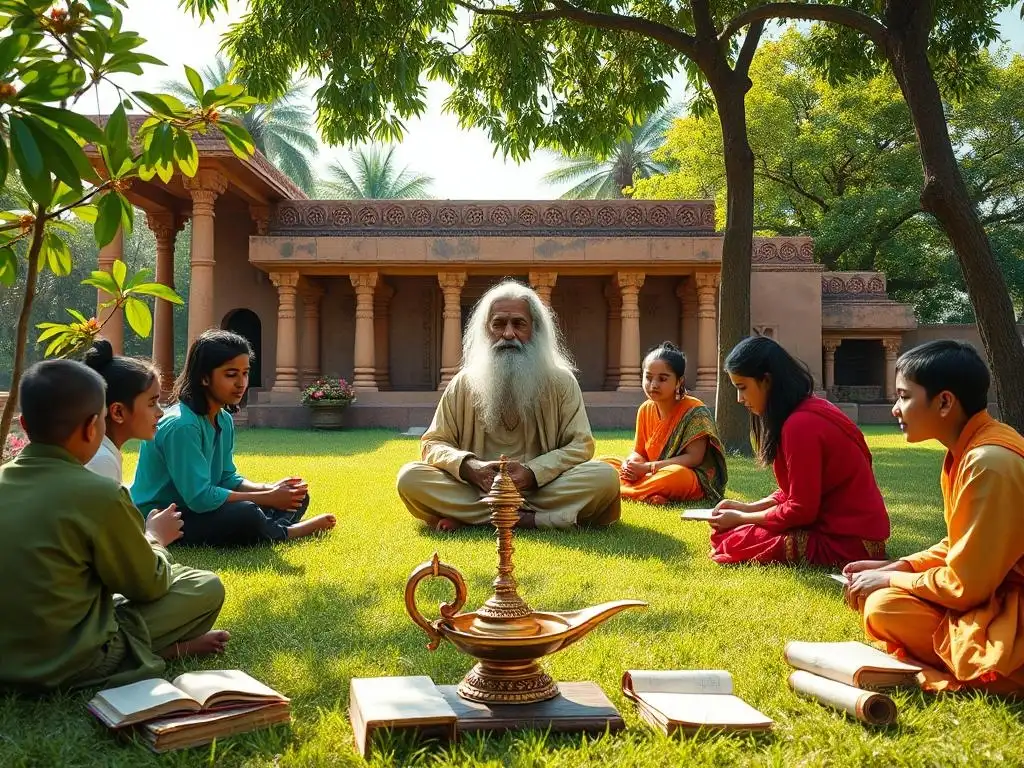
Welcome to Ancient India History, where we embark on a fascinating journey through time to uncover the rich tapestry of ancient Indian civilizations. In our featured article, "The Future of Education: Lessons from Ancient Indian Practices and Principles," we delve into the innovative education practices that shaped not only the minds of the past but also hold valuable insights for our future.
As you explore the profound teachings and methodologies of ancient Indian education, prepare to be inspired by how these timeless principles can guide modern learning. Join us as we unlock the secrets of a civilization that laid the groundwork for knowledge and wisdom, and discover how these ancient practices can still resonate in today’s world.
Introduction to Ancient Indian Education Practices
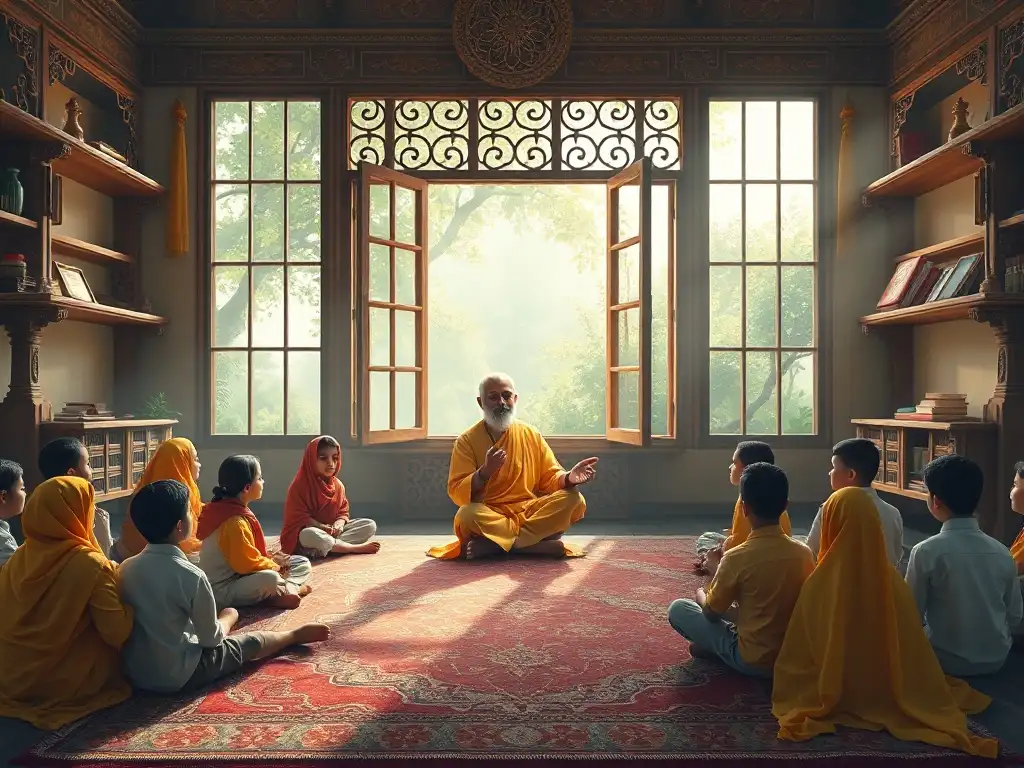
The exploration of ancient Indian education practices reveals a rich tapestry of learning that is not only historical but also relevant to contemporary educational methodologies. Ancient India was home to a variety of educational systems and philosophies that emphasized holistic development, critical thinking, and a deep reverence for the teacher-student relationship. This article delves into the core principles of ancient Indian education, drawing lessons that can inform and enhance modern educational frameworks. By understanding the intricacies of these age-old practices, educators and policymakers can glean insights that foster more effective and inclusive learning environments today.
Overview of Ancient Indian Educational Systems
Ancient Indian education was characterized by a variety of systems that evolved over centuries. The most notable among these were the Gurukul system, where students lived with their teachers (gurus) in a communal setting, and the Vedic education that focused on the study of scriptures. Key features of these systems included:
- Personalized Learning: Education was tailored to the needs and abilities of individual students.
- Experiential Learning: Emphasis on practical knowledge and skills through hands-on experiences.
- Cultural Integration: Education was intertwined with cultural and spiritual teachings, ensuring a well-rounded development of the individual.
These systems laid the foundation for a comprehensive educational approach that valued not just academic knowledge but also character development and societal contribution.
Importance of Ancient Indian Education in Modern Context
In today's fast-paced world, the principles of ancient Indian education offer valuable lessons for modern educational systems facing challenges such as standardized testing and a focus on rote learning. By revisiting these ancient practices, we can:
- Promote Lifelong Learning: Encourage curiosity and a love for learning, intrinsic to ancient practices.
- Foster Community Engagement: Revive the communal aspects of education that strengthen societal bonds.
- Enhance Critical Thinking: Adopt methods that promote analytical skills, fostering independent thought among students.
These insights from ancient India could serve as a blueprint for creating a more balanced, effective, and enriching educational experience in the contemporary setting.
Key Principles of Ancient Indian Education
Ancient Indian education was underpinned by several key principles that contributed to its effectiveness and longevity. Understanding these principles can illuminate pathways for modern educational reform.
Holistic Development in Ancient Indian Learning
One of the defining characteristics of ancient Indian education was its emphasis on holistic development. Education was not merely about acquiring knowledge; it encompassed physical, mental, emotional, and spiritual growth. This approach can be summarized by the following elements:
- Integration of Arts and Sciences: Students were exposed to a wide array of subjects, including philosophy, arts, mathematics, and medicine, fostering a well-rounded intellect.
- Physical Fitness: Emphasis on physical activities and sports, recognizing the importance of a healthy body for a healthy mind.
- Moral and Ethical Education: A strong focus on values and ethics, preparing students to be responsible and compassionate members of society.
Importance of Guru-Shishya Parampara (Teacher-Student Tradition)
The Guru-Shishya Parampara is a cornerstone of ancient Indian education, symbolizing the bond between teacher and student. This tradition highlights several key aspects:
- Mentorship: The guru serves not just as an instructor but as a mentor, guiding the student through life's challenges.
- Respect and Reverence: The relationship is built on mutual respect, fostering an environment conducive to learning.
- Personalized Guidance: The close relationship allows for tailored teaching methods that cater to the individual needs of the student.
This tradition underscores the importance of nurturing strong educational relationships, a principle that remains relevant in today's educational landscape.
Emphasis on Critical Thinking and Debate in Ancient Indian Education
Ancient Indian educational systems placed a strong emphasis on critical thinking and debate, encouraging students to engage deeply with the material. This was manifested in various ways:
- Dialogue and Discussion: Learning was often conducted through dialogues, where students were encouraged to question and debate ideas.
- Philosophical Inquiry: Students studied philosophical texts that challenged them to think critically about life, ethics, and existence.
- Problem-Solving: Emphasis on real-world problems and case studies, fostering analytical skills that are essential in modern education.
By incorporating these methods into contemporary educational practices, we can cultivate a generation of thinkers who are not only knowledgeable but also capable of applying their knowledge critically in real-world scenarios.
Educational Practices in Ancient India
The educational practices in ancient India were deeply rooted in its cultural and spiritual traditions, reflecting a holistic approach that emphasized not just academic learning but also moral and ethical development. Education was primarily conducted in informal settings, with the family and community playing a crucial role. The methods employed were diverse, including oral traditions, practical training, and experiential learning, which were tailored to the needs and aspirations of the students. Ancient Indian education focused on various disciplines, including philosophy, mathematics, astronomy, medicine, and arts, laying a strong foundation for future generations.
Gurukula System: The Foundation of Learning
The Gurukula system was a pivotal model of education in ancient India, where students (shishyas) lived with their guru (teacher) in an ashram or hermitage. This system fostered a close teacher-student relationship, encouraging personalized instruction. Students learned through direct interaction, discussions, and practical experiences rather than rote memorization.
Key features of the Gurukula system included:
- Residential Learning: Students resided with their guru, which facilitated a comprehensive learning environment.
- Holistic Curriculum: Subjects encompassed arts, sciences, philosophy, and ethics, reflecting the multifaceted nature of knowledge.
- Discipline and Values: Emphasis was placed on character development, discipline, and social values, instilling a sense of responsibility in students.
- Experiential Learning: Practical experiences and community involvement were integral, enabling students to apply their knowledge in real-world contexts.
This model not only produced knowledgeable individuals but also nurtured leaders equipped to guide society.
Vedic Education and Its Influence on Curriculum
Vedic education was characterized by the study of the Vedas, the oldest sacred texts of Hinduism, and laid the groundwork for many educational practices that followed. This form of education emphasized both the acquisition of knowledge and the understanding of its spiritual significance.
Important aspects of Vedic education included:
- Focus on Oral Tradition: The Vedas were primarily transmitted orally, highlighting the importance of listening and memorization in the learning process.
- Rituals and Disciplines: Education involved various rituals and disciplines that helped students internalize values and ethics.
- Specialization: Different branches of knowledge were established, leading to the development of specialized fields such as grammar, philosophy, and astrology.
- Intellectual Inquiry: Students were encouraged to question and engage in dialogues, fostering critical thinking and analytical skills.
The influence of Vedic education is evident in contemporary curricula, particularly in the emphasis on both theoretical knowledge and practical application.
Role of Temples and Monasteries in Education
Temples and monasteries played a crucial role in the educational landscape of ancient India. They served as centers of learning, where scholars, monks, and students gathered to study and share knowledge.
Key contributions of these institutions included:
- Knowledge Preservation: Temples acted as repositories of ancient texts, preserving vast amounts of knowledge across generations.
- Community Learning: They offered learning opportunities to the community, making education accessible to a broader audience.
- Philosophical Discourse: Monasteries facilitated philosophical discussions and debates, contributing to the intellectual climate of ancient India.
- Integration of Spirituality and Education: The teachings often integrated spiritual practices with academic learning, emphasizing holistic education.
These institutions not only contributed to the intellectual advancement of society but also fostered a sense of community and shared values.
Comparison of Ancient Indian Education with Modern Educational Systems
The study of ancient Indian education practices reveals both similarities and differences when compared to modern educational systems. Understanding these aspects can provide valuable insights for contemporary educators and policymakers.
Similarities between Ancient and Contemporary Educational Practices
Both ancient Indian education and modern educational systems share several fundamental principles:
- Emphasis on Holistic Development: Both systems prioritize the development of the whole person, including intellectual, emotional, and moral dimensions.
- Experiential Learning: There is a shared understanding of the importance of practical experiences in reinforcing theoretical knowledge.
- Mentorship: The role of mentors or guides is significant in both contexts, highlighting the importance of relationships in the learning process.
- Curriculum Diversity: A broad range of subjects is taught, reflecting the diverse needs and interests of students.
These similarities underscore the enduring nature of effective educational practices that transcend time and culture.
Differences in Educational Philosophies
Despite the similarities, there are notable differences in the underlying philosophies of ancient Indian education compared to modern systems:
- Purpose of Education: Ancient Indian education often aimed at spiritual and moral development, while modern education frequently focuses on career readiness and skill acquisition.
- Methods of Assessment: Traditional methods relied on oral examinations and practical demonstrations, whereas contemporary systems often emphasize written tests and standardized assessments.
- Role of Technology: Modern education heavily incorporates technology for learning, while ancient practices were centered around oral transmission and personal interaction.
- Access and Inclusivity: Ancient education was often limited to specific social classes, whereas modern education strives for inclusivity and equal access for all.
These differences highlight the evolution of educational philosophies in response to societal changes.
Relevance of Ancient Indian Education in Today’s Curriculum
The principles and practices of ancient Indian education remain relevant today, offering valuable lessons for contemporary educational systems:
- Integrating Values: There is a growing recognition of the need to incorporate ethical and moral education within curricula, a practice deeply rooted in ancient Indian traditions.
- Promoting Critical Thinking: The emphasis on inquiry and dialogue in ancient education can inform modern pedagogical approaches that prioritize critical thinking and problem-solving skills.
- Holistic Education: The focus on nurturing the whole person can inspire educators to develop curricula that address emotional and social learning alongside academic skills.
- Community Involvement: Engaging with the community as part of the learning process can enhance the educational experience, echoing the communal aspects of ancient education.
By drawing from the rich heritage of ancient Indian education practices, modern educators can create more meaningful and impactful learning environments for future generations.
Lessons to Learn from Ancient Indian Educational Practices
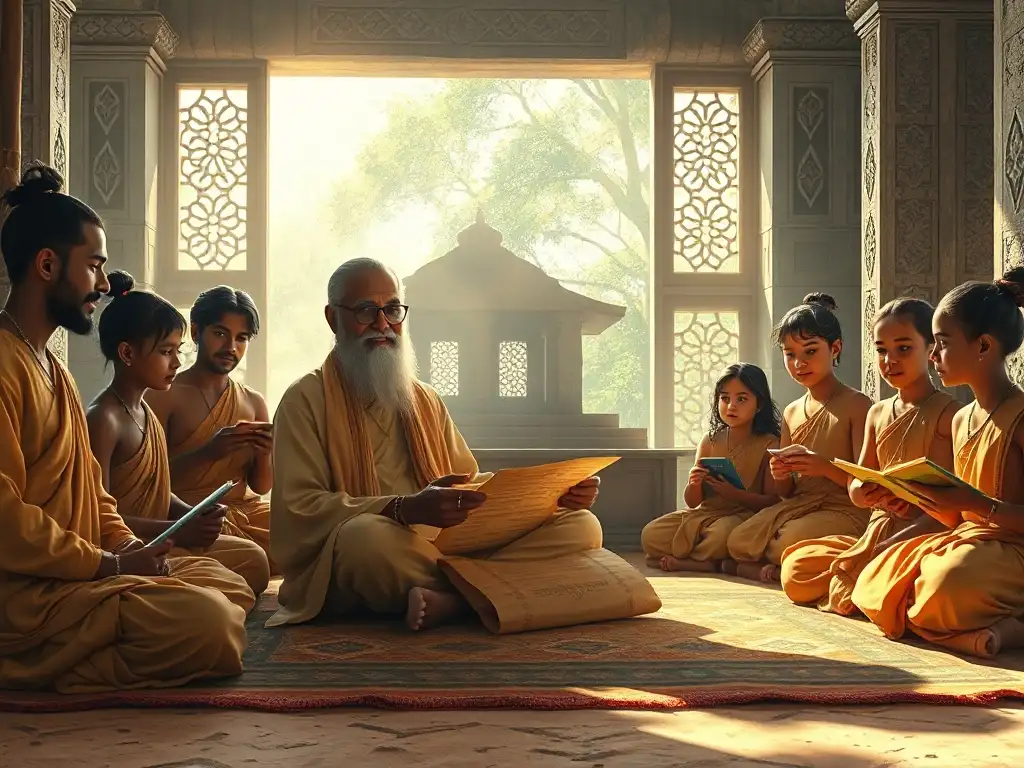
Ancient Indian education practices offer a treasure trove of lessons that can greatly benefit modern educational systems. The emphasis on holistic learning, ethical values, and community involvement are just a few aspects that can be integrated into contemporary curricula. The Gurukul system, for instance, fostered a deep connection between students and teachers, promoting personalized learning tailored to individual needs. This approach can inspire modern educators to create more engaging and supportive learning environments that prioritize student well-being and personal growth.
Moreover, ancient Indian educational practices emphasized experiential learning and practical knowledge, which are crucial for developing critical thinking and problem-solving skills. The integration of arts, sciences, and spirituality in ancient curricula showcases the importance of a well-rounded education, which is often lacking in today’s focus on standardized testing and rote memorization. By rediscovering these practices, modern education can cultivate a generation of learners who are not only knowledgeable but also wise and compassionate.
Integrating Holistic Learning Approaches in Modern Education
Holistic learning, a cornerstone of ancient Indian education, encourages the development of the mind, body, and spirit. This approach fosters creativity, emotional intelligence, and social skills, which are essential in today’s interconnected world. Modern educational institutions can adopt holistic practices by incorporating mindfulness, yoga, and arts into their curricula.
For example, the practice of meditation, rooted in ancient Indian traditions, has been shown to improve concentration and reduce stress among students. By integrating such practices, educators can create a more balanced and healthy learning environment. Additionally, project-based learning, which aligns with the experiential learning methods of ancient times, can enhance critical thinking and collaboration among students, preparing them for real-world challenges.
The Role of Ethical and Moral Education
Ethical and moral education was deeply embedded in ancient Indian learning systems, where the teachings of texts such as the Bhagavad Gita and Upanishads played a pivotal role. These teachings emphasized virtues like honesty, integrity, and compassion, helping to shape the character of students. In modern contexts, incorporating ethical education can guide students in making responsible choices and developing a sense of social responsibility.
By creating curricula that include discussions on ethics and morality, educators can help students navigate complex social issues. This not only prepares them for personal challenges but also encourages them to contribute positively to society. Integrating character education into the fabric of academic learning can lead to a more conscientious and engaged citizenry.
Fostering Community and Cultural Values through Education
Ancient Indian education was not just about individual learning; it also emphasized the importance of community and cultural values. The Gurukul system fostered strong relationships between students, teachers, and families, creating a sense of belonging and collective responsibility. Modern education can benefit from this communal approach by engaging families and local communities in the learning process.
Schools can organize cultural events, workshops, and service projects that involve parents and community members, reinforcing the values of collaboration and shared learning. By fostering a sense of community within educational settings, students can develop a deeper appreciation for their cultural heritage and learn the importance of contributing to society.
Challenges in Implementing Ancient Indian Education Principles Today
While the lessons from ancient Indian educational practices are invaluable, implementing them in contemporary settings presents several challenges. Resistance to change, the need for innovation, and socio-economic disparities are significant barriers that educators and policymakers must address.
Resistance to Change in Modern Educational Systems
Modern educational systems are often entrenched in traditional methods and standardized testing, which may hinder the adoption of ancient practices. Educators and administrators might be reluctant to shift away from familiar frameworks, fearing the unknown implications of such changes. Overcoming this resistance requires a concerted effort to demonstrate the benefits of holistic and ethical education through pilot programs and success stories.
To facilitate change, stakeholders can host workshops and training sessions for educators, showcasing ancient practices’ effectiveness in enhancing student engagement and learning outcomes. By gradually introducing these principles and providing support, schools can foster an environment that embraces innovation while respecting established norms.
Balancing Tradition and Innovation in Education
Finding the right balance between tradition and innovation is crucial for successfully integrating ancient Indian education principles into modern curricula. While it is essential to honor the wisdom of the past, educational systems must also adapt to the rapidly changing global landscape. Striking this balance involves critically assessing which ancient practices align with contemporary educational goals.
Educators can create hybrid models that blend traditional methods with innovative approaches, ensuring that students receive a comprehensive education. For instance, combining project-based learning with ethical discussions can cultivate critical thinking while instilling moral values. This synergy can lead to a more enriched learning experience that respects tradition while embracing the future.
Addressing Socio-economic Disparities in Access to Education
One of the most pressing challenges in implementing ancient Indian educational principles today is the socio-economic disparities that exist in access to quality education. Many communities, particularly in rural areas, lack the resources and infrastructure to support holistic learning approaches. Addressing these disparities is crucial for ensuring that all students benefit from the lessons of ancient education.
Policymakers can take steps to improve access to education by investing in infrastructure, providing teacher training, and creating inclusive curricula that cater to diverse communities. Moreover, leveraging technology to provide remote learning opportunities can help bridge the gap for marginalized populations. By ensuring equitable access to quality education, we can honor the spirit of ancient Indian practices that sought to uplift all members of society.
Conclusion
The exploration of ancient Indian education practices reveals a wealth of wisdom that remains relevant in our contemporary educational landscape. These practices, rooted in holistic development, inclusivity, and experiential learning, can provide valuable insights for modern educational reforms. By understanding the principles that guided ancient Indian scholars and institutions, we can foster a more enriching learning environment that not only prioritizes academic excellence but also emphasizes character development and social responsibility.
In synthesizing the lessons from the past, we can recognize the importance of nurturing creativity, critical thinking, and emotional intelligence in students. Ancient Indian education was not merely about rote learning; it focused on cultivating a deep understanding of the world and one’s place within it. As we look to the future, integrating such holistic approaches into our educational systems can help prepare individuals to navigate the complexities of modern society.
Reflecting on the Future of Education through the Lens of Ancient Indian Practices
Reflecting on the teachings and methodologies of ancient Indian education highlights several key aspects that could greatly benefit today's educational frameworks:
- Holistic Development: Ancient Indian education emphasized the development of the mind, body, and spirit. This holistic approach can encourage modern educators to create curricula that foster intellectual growth alongside emotional and social skills.
- Learner-Centric Approach: The guru-shishya (teacher-student) relationship in ancient India was based on mutual respect and personalized learning. Emphasizing mentorship and personalized attention in classrooms today can lead to better student engagement and understanding.
- Experiential Learning: Ancient educational practices often involved hands-on learning and real-world applications. By incorporating experiential learning opportunities, such as internships or project-based assessments, contemporary education can become more relevant and impactful.
- Cultural Context and Values: Education in ancient India was deeply intertwined with cultural and moral values. Integrating local culture and ethics into modern curricula can help instill a sense of identity and responsibility in students.
By considering these aspects, educators and policymakers can explore innovative ways to address current challenges in education, aligning with the timeless wisdom of ancient Indian practices.
Call to Action: Embracing Ancient Wisdom for Modern Educational Reforms
As we stand at the crossroads of technological advancement and educational reform, it is imperative to look back and draw inspiration from ancient Indian educational philosophies. Here are some actionable steps to embrace this ancient wisdom:
- Curriculum Redesign: Schools and educational institutions should consider integrating ancient Indian philosophies into their curricula. This could include teachings on ethics, philosophy, and the arts, promoting a more well-rounded education.
- Teacher Training Programs: Educators should be trained not just in content delivery but also in the art of mentorship and fostering a supportive learning environment, as exemplified by the guru-shishya tradition.
- Community Engagement: Encourage community involvement in education by hosting workshops, lectures, and discussions that highlight the importance of cultural heritage and values in shaping young minds.
- Policy Advocacy: Advocate for educational policies that prioritize holistic development and inclusivity, drawing from the principles found in ancient Indian education systems.
By actively engaging with the principles of ancient Indian education, we can pave the way for a future that values wisdom, creativity, and comprehensive development, ensuring that our educational systems are not only effective but also enriching and transformative.
- Introduction to Ancient Indian Education Practices
- Key Principles of Ancient Indian Education
- Educational Practices in Ancient India
- Comparison of Ancient Indian Education with Modern Educational Systems
- Lessons to Learn from Ancient Indian Educational Practices
- Challenges in Implementing Ancient Indian Education Principles Today
- Conclusion
Frequently Asked Questions
What were some key ancient Indian education practices?
Ancient Indian education practices included Gurukul systems, where students lived with their teachers, and focused on holistic learning encompassing philosophy, arts, and sciences.
How did the Gurukul system function?
The Gurukul system involved students residing in their teacher's home, receiving personalized education in a community setting, fostering strong relationships and practical knowledge.
What contributions did ancient Indian education make to modern systems?
Ancient Indian education emphasized critical thinking, practical skills, and moral values, which are increasingly relevant in today’s educational reforms aimed at developing well-rounded individuals.
How did ancient Indian philosophers influence education?
Philosophers like Chanakya and Buddha provided insights on ethics, leadership, and knowledge dissemination, laying foundational principles that still resonate in contemporary education.
What role did Vedic texts play in education?
Vedic texts served as primary educational resources, teaching language, mathematics, and rituals, and were instrumental in promoting a structured approach to learning in ancient India.
Final Reflection: Embracing Ancient Wisdom for Modern Education
The lessons drawn from ancient Indian education practices are not just relics of the past; they resonate profoundly in today’s rapidly evolving educational landscape. As we navigate the complexities of modern learning environments, the principles of holistic development, experiential learning, and community engagement that characterized ancient Indian education offer invaluable insights. In a world increasingly driven by technology and standardized testing, the call to return to these foundational values is both urgent and necessary.
The influence of ancient Indian education practices extends far beyond historical significance; they continue to shape our cultural and social frameworks today. The emphasis on nurturing the mind, body, and spirit creates a well-rounded individual capable of critical thinking and empathy. As we witness a growing recognition of the need for mental health awareness and emotional intelligence in education, we can draw inspiration from the ancient wisdom that prioritized these aspects. Education is not the filling of a pail, but the lighting of a fire.
– W.B. Yeats. This quote encapsulates the essence of what ancient Indian education aimed to achieve: igniting a passion for learning that transcends mere academic achievement.
As we reflect on the teachings of the past, let us challenge ourselves to integrate these timeless principles into our contemporary educational practices. Consider how you can foster a learning environment that values curiosity, creativity, and connection. Whether you are an educator, a parent, or a lifelong learner, the journey toward a more holistic approach to education begins with you. Embrace the wisdom of ancient Indian practices and envision a future where education nurtures not just the intellect, but the heart and spirit of every learner.
Embrace the Wisdom of the Ages!
Thank you for exploring the fascinating lessons from ancient Indian practices and principles that can shape the future of education. Your interest in the profound wisdom of the past empowers us to rethink and rejuvenate modern educational systems. Now, let’s take the insights you've gained and turn them into actionable steps!
- Dive deeper into ancient texts and philosophies; consider reading a book on Vedic education this month.
- Engage with others: Share your thoughts and insights from this article with friends or on social media to spark interest in ancient practices.
- Start a project: Organize or join a local community event that explores alternative education methods inspired by ancient wisdom.
What ancient principle will you apply today to inspire the next generation of learners?