
How Ancient Indian Universities Fostered Multilingual Education


Welcome to Ancient India History, where we embark on a fascinating journey through the vibrant tapestry of ancient Indian civilization. Here, you will uncover the profound impact of multilingual education that flourished in ancient Indian universities, shaping minds and bridging cultures. In our featured article, "How Ancient Indian Universities Fostered Multilingual Education," we delve into the innovative educational practices that not only enriched the intellect of scholars but also laid the groundwork for a diverse linguistic heritage.
Get ready to explore the remarkable contributions of these institutions and discover how they continue to influence modern education. Your adventure into the past begins now!
- Introduction to Ancient Indian Multilingual Education
- Historical Context of Ancient Indian Universities
- Curriculum and Language Instruction at Ancient Indian Universities
- The Impact of Multilingual Education on Society
- Comparison of Ancient Indian Multilingual Education with Other Educational Systems
- Conclusion: Legacy of Ancient Indian Multilingual Education
-
Frequently Asked Questions
- What role did ancient Indian universities play in multilingual education?
- How did the curriculum in ancient Indian universities support multilingual education?
- What were the benefits of multilingual education in ancient India?
- How did ancient Indian scholars contribute to linguistic diversity?
- What can modern educators learn from ancient Indian approaches to multilingual education?
- Final Reflection: Embracing the Legacy of Ancient Indian Multilingual Education
- Unlock the Secrets of Multilingual Education!
Introduction to Ancient Indian Multilingual Education
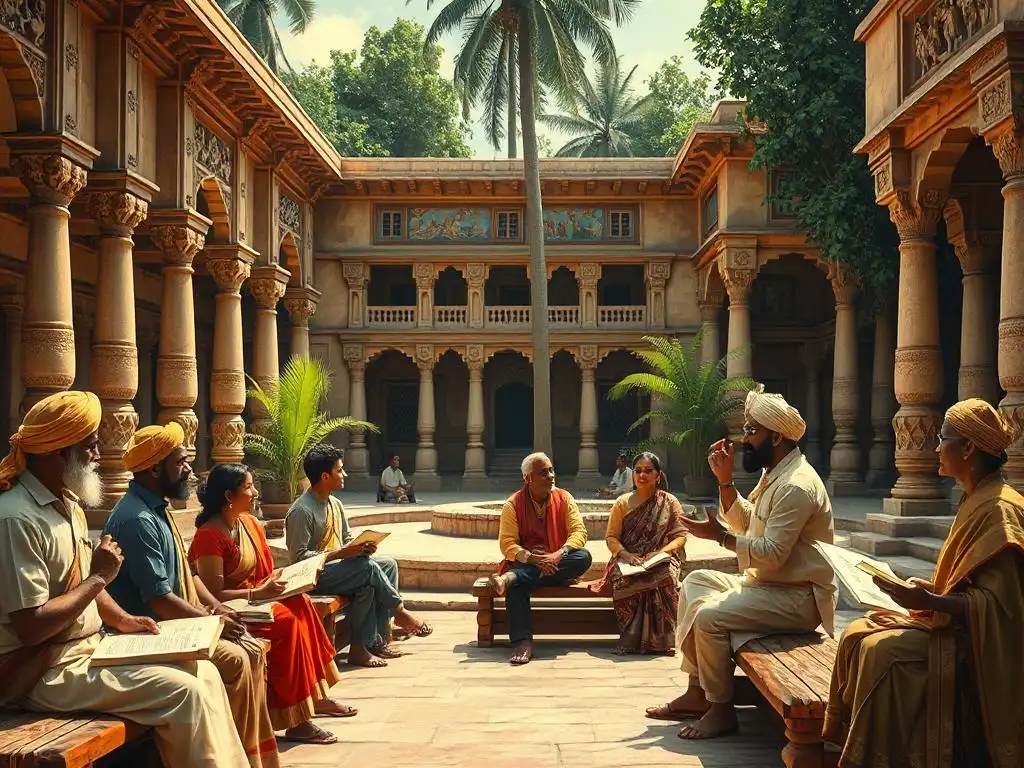
The concept of multilingual education in ancient India is a profound reflection of the region's rich cultural tapestry and intellectual heritage. This system not only fostered the growth of knowledge but also embraced diverse linguistic traditions, allowing scholars from various backgrounds to engage and exchange ideas. Ancient Indian universities, such as the renowned Nalanda and Takshashila, served as vibrant centers of learning where students were immersed in a multilingual environment. This article delves into the role of these institutions in promoting ancient Indian multilingual education, highlighting their significance and contributions to the broader educational landscape.
Overview of Ancient Indian Universities
Ancient Indian universities were remarkable institutions that attracted scholars from across the globe, significantly contributing to the field of education. These universities were established in pivotal locations, often near trade routes, which facilitated the influx of students and teachers from diverse linguistic and cultural backgrounds. Key features of these universities included:
- Curriculum Diversity: Ancient Indian universities offered a wide array of subjects, from philosophy and mathematics to astronomy and medicine. This diversity necessitated the use of multiple languages, including Sanskrit, Prakrit, Pali, and even foreign tongues like Greek and Persian.
- Cultural Exchange: The cosmopolitan nature of these universities encouraged a rich exchange of ideas and practices among students. This not only enhanced the educational experience but also fostered mutual respect and understanding among different cultural groups.
- Notable Institutions:
- Nalanda University: Established in the 5th century CE, Nalanda was one of the earliest residential universities in the world, attracting thousands of students and scholars. It became a hub for Buddhist studies but also offered courses in logic, grammar, and medicine in multiple languages.
- Takshashila (Taxila): This ancient university is often cited as one of the first centers of higher learning in the world, dating back to at least the 6th century BCE. It was known for its diverse curriculum and multilingual education, catering to students from various regions.
Significance of Multilingual Education in Ancient India
The significance of multilingual education in ancient India cannot be overstated. It played a crucial role in shaping the intellectual landscape of the time. Key aspects include:
- Cognitive Development: Studies suggest that bilingualism and multilingualism enhance cognitive abilities, promoting critical thinking and problem-solving skills. Ancient Indian education emphasized these benefits, encouraging students to become well-rounded individuals.
- Cultural Identity: Multilingual education helped preserve and promote various cultural identities within the Indian subcontinent. Students learned to appreciate their own heritage while also embracing the languages and cultures of others, fostering a sense of unity in diversity.
- Global Influence: The multilingual approach adopted by ancient Indian universities influenced educational systems beyond the subcontinent, impacting regions like Southeast Asia, where Indian culture and languages spread through trade and migration.
The legacy of ancient Indian multilingual education remains relevant today, offering insights into the importance of linguistic diversity and cultural exchange in fostering a comprehensive educational experience.
Historical Context of Ancient Indian Universities

The historical landscape of ancient India is marked by a profound commitment to education and knowledge dissemination, particularly evident in the establishment of universities that flourished during different periods. The emergence of these institutions was not only a response to the growing demand for education but also a reflection of the rich cultural and linguistic diversity prevalent in the subcontinent. Ancient Indian universities, such as Nalanda and Takshashila, became pivotal centers for learning, fostering an environment where multilingual education thrived.
The foundation of these universities can be traced back to the Vedic period, where oral traditions laid the groundwork for structured learning. Over time, as trade routes expanded and cultural exchanges intensified, the need for a more formalized educational system became apparent. This led to the establishment of universities that welcomed students from various regions, each bringing their own languages and dialects. Consequently, these institutions became melting pots of linguistic diversity, encouraging the study of multiple languages.
Origins of Multilingual Education in Ancient India
Multilingual education in ancient India has its roots in the early philosophical and religious texts that emphasized the importance of language and communication. The Vedas, written in Sanskrit, served as the primary texts for education, yet the existence of regional languages such as Pali, Prakrit, and Tamil indicated the multidimensional linguistic landscape of the time.
- Sanskrit as a Lingua Franca: Sanskrit emerged as the predominant language for scholarly discourse and religious texts, facilitating communication among diverse linguistic groups. Its role as a lingua franca allowed scholars from various regions to engage with each other, fostering an environment of mutual understanding and knowledge sharing.
- Incorporation of Regional Languages: Ancient Indian universities recognized the significance of regional languages and dialects in the learning process. Students were encouraged to study their mother tongues alongside Sanskrit, thus promoting a multilingual curriculum that catered to a broader audience.
- Cultural Exchange: As students from different regions converged at universities like Nalanda and Takshashila, the exchange of ideas and linguistic practices became commonplace. This cultural interaction not only enriched the educational experience but also laid the foundation for a more inclusive approach to learning.
Prominent Ancient Indian Universities (e.g., Nalanda, Takshashila)
Nalanda and Takshashila stand out as two of the most renowned ancient Indian universities, each playing a crucial role in the advancement of multilingual education.
- Nalanda University: Established in the 5th century CE, Nalanda became a beacon of knowledge, attracting scholars from across Asia. Its curriculum included subjects such as philosophy, mathematics, astronomy, and medicine, taught in multiple languages. The university's emphasis on debate and dialogue allowed students to express themselves in their native tongues while engaging with Sanskrit texts.
- Takshashila: Often considered one of the first universities in the world, Takshashila flourished between the 6th century BCE and the 5th century CE. It was famous for its diverse curriculum and the study of various languages, including Greek and Persian, alongside local dialects. This multilingual approach facilitated cross-cultural interactions and enriched the learning environment.
| University | Period of Operation | Notable Contributions |
|---|---|---|
| Nalanda | 5th century CE | Advanced studies in philosophy and sciences |
| Takshashila | 6th century BCE - 5th century CE | Pioneered studies in medicine and linguistics |
Influence of Regional Languages and Dialects
The role of regional languages and dialects in ancient Indian universities cannot be overstated. These languages not only served as mediums of instruction but also as vehicles for cultural expression and identity.
- Diversity of Dialects: The presence of numerous dialects across different regions of India contributed to a rich tapestry of linguistic diversity. Universities embraced this diversity, incorporating various dialects into their curricula, which enhanced students' ability to communicate and learn effectively.
- Cultural Relevance: By promoting regional languages, ancient universities ensured that education was culturally relevant and accessible to students from varied backgrounds. This approach not only fostered a sense of belonging among students but also reinforced the importance of preserving linguistic heritage.
- Legacy of Multilingual Education: The multilingual education system established by ancient Indian universities has left a lasting legacy. The emphasis on language learning in these institutions laid the groundwork for contemporary educational practices that advocate for multilingualism and cultural inclusivity.
Ancient Indian universities played a pivotal role in fostering multilingual education, allowing diverse linguistic traditions to coexist and thrive. The commitment to education, coupled with an appreciation for cultural diversity, made these institutions remarkable centers of learning that contributed significantly to the intellectual heritage of India.
Curriculum and Language Instruction at Ancient Indian Universities
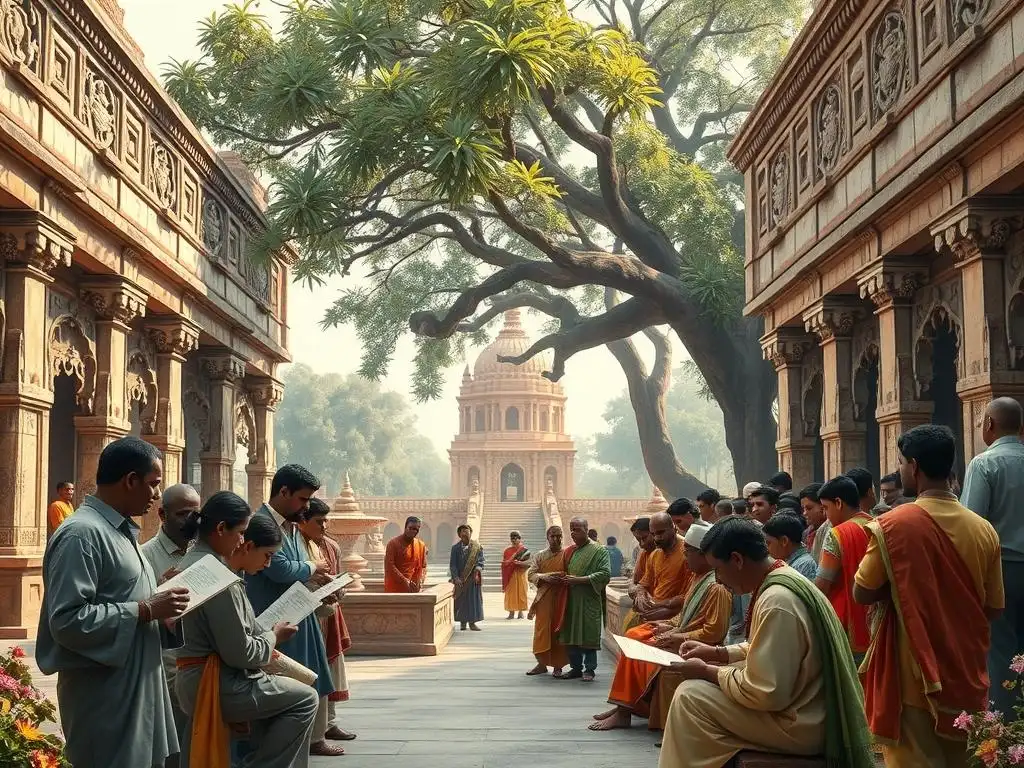
Ancient Indian universities, notably Nalanda and Takshashila, were remarkable centers of learning that fostered a rich environment for multilingual education. The curriculum was diverse and included an array of subjects, which were taught through multiple languages, primarily Sanskrit, but also regional languages like Prakrit and Pali. This multilingual approach not only facilitated a broader educational experience but also allowed students from various linguistic backgrounds to engage with the material effectively.
The curriculum encompassed various disciplines such as philosophy, medicine, grammar, astronomy, mathematics, and arts. Each subject was designed to promote critical thinking and encourage discussion among students. The universities emphasized both theoretical understanding and practical application, making education holistic and inclusive.
Subjects Taught in Multilingual Environments
The subjects offered at ancient Indian universities were extensive, reflecting the intellectual richness of the time. Some of the prominent subjects included:
- Philosophy: Discussions on ethics, logic, and metaphysics were prevalent. Texts like the Upanishads were studied in Sanskrit, while commentaries and interpretations may have been available in regional languages.
- Medicine (Ayurveda): Courses in healing practices utilized texts such as the Charaka Samhita, which were often translated or summarized in various languages to accommodate a diverse student body.
- Mathematics: The study of mathematics included topics like geometry and astronomy, with notable texts such as Aryabhatiya being central to the curriculum. These texts were accessible in both Sanskrit and local languages.
- Grammar and Linguistics: Instruction in grammar was foundational. The Ashtadhyayi by Panini, a seminal work on Sanskrit grammar, was taught alongside local language grammars, enhancing students' linguistic skills.
- Arts and Aesthetics: Subjects like music, dance, and drama were part of the curriculum, often taught using various regional languages, making them more relatable to students.
This diversity in subjects taught in multilingual environments not only promoted academic excellence but also prepared students to navigate a multicultural society.
Role of Sanskrit and Other Regional Languages
Sanskrit played a pivotal role in ancient Indian multilingual education, serving as the primary medium of instruction in many subjects. It was regarded as a scholarly language, and its use was essential for studying classical texts and scriptures. However, the presence of regional languages was equally significant in making education accessible.
- Sanskrit: As the linguistic foundation of many academic texts, Sanskrit facilitated the dissemination of knowledge across regions. It was essential for students pursuing higher studies, particularly in philosophy, science, and literature.
- Regional Languages: Languages such as Prakrit, Pali, and Tamil were utilized to connect with local students and ensure that teachings were comprehensible. This inclusivity allowed for a richer dialogue between students from different linguistic backgrounds and fostered a sense of community.
- Bilingual Education: Many students were encouraged to learn in both Sanskrit and their regional languages. This bilingual education not only enhanced communication but also deepened understanding of complex concepts across disciplines.
The deliberate integration of both Sanskrit and regional languages in the academic framework laid the groundwork for a multilingual education system that was both effective and progressive.
Methods of Language Instruction and Learning
The methods employed in ancient Indian universities for teaching languages were innovative and effective, focusing on both comprehension and practical usage. These methods included:
- Interactive Learning: Discussions and debates were central to the learning process. Students actively engaged with texts and each other, promoting a deeper understanding of language and content.
- Practical Application: Language instruction included practical exercises, such as writing poetry or composing essays in both Sanskrit and regional languages, which helped students solidify their language skills.
- Use of Textual Resources: Ancient universities had vast libraries that housed texts in multiple languages. Students had access to these resources, enabling them to study various subjects and languages concurrently.
- Mentorship and Guru-Shishya Tradition: The guru (teacher) played a vital role in language instruction, providing personalized guidance. This mentorship fostered a deep connection between students and teachers, enhancing the learning experience.
- Cultural Immersion: Students were often involved in cultural activities, such as performances and festivals, where they had to use their language skills in real-life contexts, further reinforcing their learning.
Through these methods, ancient Indian universities successfully cultivated an environment that promoted ancient Indian multilingual education, allowing students to thrive in a diverse and interconnected world.
The Impact of Multilingual Education on Society

Ancient Indian universities, notably Nalanda and Takshashila, were not only centers of learning but also hubs of multilingual education. This approach significantly influenced various aspects of society, helping to foster a rich tapestry of cultural exchange, cognitive development, and intellectual discourse. The legacy of these institutions continues to resonate in contemporary educational paradigms.
Contribution to Cultural Exchange and Diversity
Multilingual education in ancient Indian universities played a pivotal role in facilitating cultural exchange. Students from diverse linguistic backgrounds came together, creating a melting pot of ideas and traditions. This diversity was not merely academic; it encompassed a wide range of cultural practices, philosophies, and customs.
- Integration of Varied Perspectives: By promoting the study of multiple languages, these institutions enabled students to appreciate different worldviews. For instance, a student fluent in Sanskrit could easily engage with texts in Pali, Tamil, or Greek, fostering deeper understanding and respect for varied cultural narratives.
- Historical Examples: The curriculum at Nalanda included subjects ranging from mathematics to astronomy, which were taught in various languages. This approach not only broadened the students' academic horizons but also allowed for the cross-pollination of cultural ideas. Texts like the Mahabharata were studied alongside Greek philosophical works, enriching the intellectual environment.
This cultural interplay was instrumental in shaping a society that valued diversity and collaboration, laying the groundwork for future generations to embrace inclusivity.
Enhancement of Cognitive Skills through Multilingualism
The practice of multilingual education in ancient Indian universities provided students with significant cognitive benefits. Engaging with multiple languages enhanced not only their linguistic abilities but also their overall mental agility.
- Cognitive Flexibility: Learning and using several languages cultivated cognitive flexibility, allowing students to switch between different modes of thought. This adaptability is crucial in problem-solving and creative thinking, essential skills in both academic and real-world settings.
- Research Findings: Modern cognitive science supports the idea that multilingualism is associated with better memory and enhanced executive functions. Ancient Indian scholars who mastered languages such as Sanskrit, Prakrit, and Arabic likely experienced similar advantages, enabling them to navigate complex philosophical and scientific concepts.
- Real-Life Applications: The ability to think and communicate in multiple languages prepared these scholars for diverse professional paths. Many became diplomats, teachers, and philosophers, contributing to a vibrant intellectual tradition that emphasized critical thinking and analytical skills.
Influence on Literature and Philosophy
The multilingual educational framework established by ancient Indian universities significantly influenced the realms of literature and philosophy. This influence can be traced through various literary works and philosophical dialogues that emerged during this period.
- Literary Synthesis: The interplay of languages led to a synthesis of literary styles. Poets and writers drew inspiration from various linguistic traditions, resulting in rich, diverse texts that celebrated both local and global narratives. The Kumarasambhava by Kalidasa, for instance, reflects influences from both Sanskrit literary traditions and regional dialects.
- Philosophical Dialogues: Multilingual education encouraged philosophical debates that transcended linguistic barriers. Thinkers like Aryabhata and Nagarjuna engaged with ideas from different cultures, leading to a more profound understanding of concepts such as ethics, metaphysics, and epistemology.
- Legacy of Texts: The translation of texts into multiple languages facilitated their dissemination across regions and cultures. The Brahmasutras and the Yoga Sutras were translated into various languages, making philosophical concepts accessible to a broader audience.
The impact of ancient Indian multilingual education was profound, shaping cultural exchange, cognitive abilities, and intellectual traditions that continue to inspire modern educational practices. The legacy of these ancient institutions emphasizes the importance of embracing linguistic diversity as a pathway to enriched learning and understanding.
Comparison of Ancient Indian Multilingual Education with Other Educational Systems

Multilingual Education in Ancient Greece
Ancient Greece is often celebrated for its foundational contributions to Western education, and its multilingual education system provides a fascinating point of comparison to ancient Indian multilingual education. In Greece, education was primarily aimed at preparing citizens for public life, with a strong emphasis on rhetoric, philosophy, and the arts. Greek education was characterized by:
- Diverse Language Proficiency: Students were encouraged to learn multiple dialects, including Attic, Ionic, and Doric, as well as foreign languages such as Persian and Latin.
- Focus on Oratory Skills: Mastery of language was essential, particularly for participation in public discourse and politics.
- Cultural Integration: Many Greek city-states had interactions with neighboring cultures, leading to a blend of linguistic and educational practices.
The educational philosophies of figures like Socrates, Plato, and Aristotle emphasized the importance of language as a tool for critical thinking and civic engagement, mirroring the ancient Indian approach where multilingualism was seen as a gateway to diverse knowledge systems and cultural exchange.
Differences with Ancient Chinese Education Systems
In contrast to ancient Indian and Greek educational systems, ancient Chinese education had a distinct focus and methodology. The following differences stand out:
- Language and Dialect: While ancient India promoted the learning of multiple languages, including Sanskrit, Prakrits, and regional dialects, ancient China primarily emphasized Classical Chinese (Literary Chinese) as the standard for education. This singular focus limited the multilingual exposure that was prevalent in Indian universities.
- Curricular Emphasis: Chinese education was heavily centered around Confucian texts, with a strong moral and ethical component, while ancient Indian universities offered a broader curriculum that included philosophy, science, mathematics, and the arts, alongside language studies.
- Pedagogical Approach: Chinese education tended to be more hierarchical and exam-oriented, especially in the later imperial periods, which contrasted with the more open and discussion-based learning environment of institutions like Nalanda and Takshashila, where debates and dialogues were encouraged.
Lessons Learned for Modern Multilingual Education
The study of ancient Indian multilingual education offers invaluable lessons for contemporary educational frameworks seeking to embrace multilingualism. Key takeaways include:
- Emphasis on Language Diversity: Modern education systems can benefit from recognizing the value of multiple languages, not only as tools for communication but as pathways to understanding diverse cultures and perspectives.
- Integration of Curriculum: Just as ancient Indian universities integrated various disciplines, modern curricula should encourage interdisciplinary studies that foster language acquisition alongside critical thinking and cultural literacy.
- Encouragement of Dialogue: The ancient practice of dialogue and debate as a pedagogical method can be revitalized in today’s classrooms. Encouraging students to engage in discussions in multiple languages can enhance their linguistic skills and confidence.
- Cultural Exchange Programs: Inspired by the global nature of ancient Indian universities, modern educational institutions can implement exchange programs that allow students to immerse themselves in different linguistic and cultural environments, promoting a more holistic form of multilingual education.
Ancient Indian multilingual education not only set a precedent for linguistic diversity but also provided a model for integrating cultural understanding within educational systems, lessons that remain relevant as the world becomes increasingly interconnected.
Conclusion: Legacy of Ancient Indian Multilingual Education
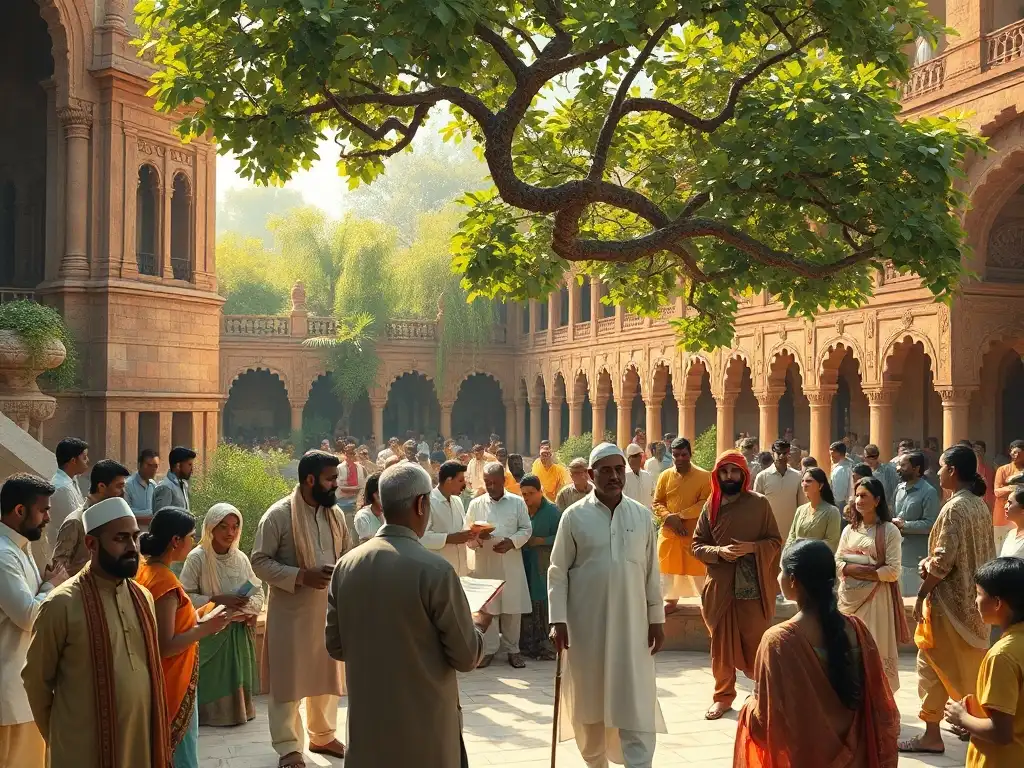
The legacy of ancient Indian multilingual education is profound and far-reaching, influencing not just the educational systems of India, but also shaping the broader landscape of multilingualism in education worldwide. Ancient Indian universities, such as Nalanda and Takshashila, were not merely centers of learning; they were vibrant melting pots of languages, cultures, and ideas. These institutions fostered an environment where students were encouraged to learn in multiple languages, which was essential for accessing a diverse array of texts and philosophies.
The emphasis on multilingualism in ancient education created a foundation for critical thinking and cross-cultural communication, skills that remain vital in today's globalized world. In a society marked by linguistic diversity, ancient Indian universities played a crucial role in ensuring that knowledge transcended linguistic barriers, allowing for a richer, more inclusive educational experience.
Lasting Influence on Contemporary Educational Practices
The principles of ancient Indian multilingual education continue to resonate in contemporary educational practices. Modern educational systems increasingly recognize the importance of multilingualism, as evidenced by the inclusion of multiple languages in curricula across the globe.
| Key Aspects of Ancient Indian Multilingual Education | Contemporary Practices |
|---|---|
| Diverse Language Instruction | Multilingual Education Models |
| Students learned in languages such as Sanskrit, Pali, and local dialects, fostering an inclusive learning environment. | Schools often implement bilingual or multilingual immersion programs to enhance cognitive skills and cultural awareness. |
| Cultural Exchange | Global Learning Environments |
| Students from various regions and cultures interacted, sharing knowledge and perspectives. | International exchange programs and online collaborative projects promote cultural understanding among students. |
| Critical Thinking Development | Interdisciplinary Approaches |
| The study of multiple languages and philosophies encouraged analytical and comparative thinking. | Modern pedagogies emphasize critical thinking through cross-disciplinary studies, encouraging students to draw connections across subjects. |
These aspects highlight how ancient practices can inform and enhance current educational frameworks, promoting a broader understanding of knowledge that transcends linguistic limitations.
The Importance of Preserving Multilingualism in Education Today
In today's increasingly interconnected world, the preservation of multilingualism in education is more crucial than ever. The ability to communicate across languages fosters collaboration and understanding in diverse contexts, from international business to intercultural dialogue.
Benefits of Multilingual Education:
- Cognitive Development: Research shows that multilingual education enhances cognitive flexibility, problem-solving skills, and creativity.
- Cultural Competence: Learning multiple languages equips students with the cultural insights necessary to navigate global societies effectively.
- Economic Opportunities: Proficiency in multiple languages opens up a wider range of job opportunities in the global job market.
As we reflect on the rich heritage of ancient Indian multilingual education, it becomes clear that embracing and promoting multilingualism today is essential for nurturing a well-rounded, culturally aware, and capable generation. By integrating these lessons into contemporary education systems, we honor the legacy of ancient Indian universities while preparing students to thrive in a diverse world.
Frequently Asked Questions
What role did ancient Indian universities play in multilingual education?
Ancient Indian universities, such as Nalanda and Takshashila, were centers of learning that promoted multilingual education by offering courses in various languages, including Sanskrit, Prakrit, and Pali.
How did the curriculum in ancient Indian universities support multilingual education?
The curriculum included diverse subjects like philosophy, mathematics, and literature, requiring students to learn and engage with texts in multiple languages, thus fostering a multilingual environment.
What were the benefits of multilingual education in ancient India?
Multilingual education enhanced cognitive skills, encouraged cultural exchange, and prepared students for international trade and diplomacy, contributing to a rich intellectual legacy.
How did ancient Indian scholars contribute to linguistic diversity?
Ancient Indian scholars, through their translations and writings, contributed significantly to linguistic diversity, allowing for the preservation and dissemination of knowledge across different languages.
What can modern educators learn from ancient Indian approaches to multilingual education?
Modern educators can adopt strategies from ancient Indian universities, emphasizing the importance of cultural context and language diversity to create more inclusive and effective learning environments.
Final Reflection: Embracing the Legacy of Ancient Indian Multilingual Education
In exploring the profound impact of ancient Indian multilingual education, we uncover a rich tapestry of knowledge that resonates with our contemporary world. The ability to communicate across languages and cultures was not merely a skill but a cornerstone of intellectual growth and societal harmony in ancient India. Today, as we navigate an increasingly globalized society, the lessons from these ancient institutions remind us of the power of multilingualism in fostering understanding and collaboration among diverse communities.
The influence of ancient Indian universities on the cultural and social landscape is undeniable. These institutions were not just centers of learning; they were vibrant hubs where ideas flourished, and diverse languages coexisted. The legacy of this multilingual education continues to shape our educational philosophies and practices today. As we strive for inclusivity in our modern classrooms, we can draw inspiration from the words of Mahatma Gandhi, who said, A language is something infinitely greater than grammar and philology. It is the poetic testament of the genius of a race and culture, and the living embodiment of the thoughts and fancies that have moulded them.
This perspective encourages us to appreciate the depth and richness that multilingual education brings to our lives.
As we reflect on the importance of ancient Indian multilingual education, I invite you to consider how you can incorporate these lessons into your own life. Whether through learning a new language, engaging with diverse cultures, or fostering environments of inclusivity, each of us has the power to contribute to a more harmonious and understanding world. Embrace the spirit of ancient Indian universities and take action to celebrate and promote multilingualism in your community. Together, we can honor this legacy and pave the way for a future where knowledge knows no linguistic boundaries.
Unlock the Secrets of Multilingual Education!
Thank you for exploring the fascinating world of ancient Indian universities with us! You’ve just taken a step into the rich history of multilingual education that has shaped the roots of our diverse learning systems today. Now, let’s turn that knowledge into action.
Here are a few ways you can deepen your understanding and connect with this inspiring legacy:
- Join a local workshop or seminar centered on multilingual education to engage with educators and enthusiasts who share your interests.
- Dive deeper into history by reading books or articles about ancient Indian scholars and their innovative methodologies—consider sharing your findings with others who might appreciate this knowledge.
- Follow our community! Subscribe to our newsletter for more insights, or connect with us on social media to engage in discussions about historical education practices.
Which aspect of multilingual education from ancient India resonates the most with you, and how do you believe it can influence contemporary learning methods?