
The Intersection of Ancient Indian Botany and Modern Herbal Remedies

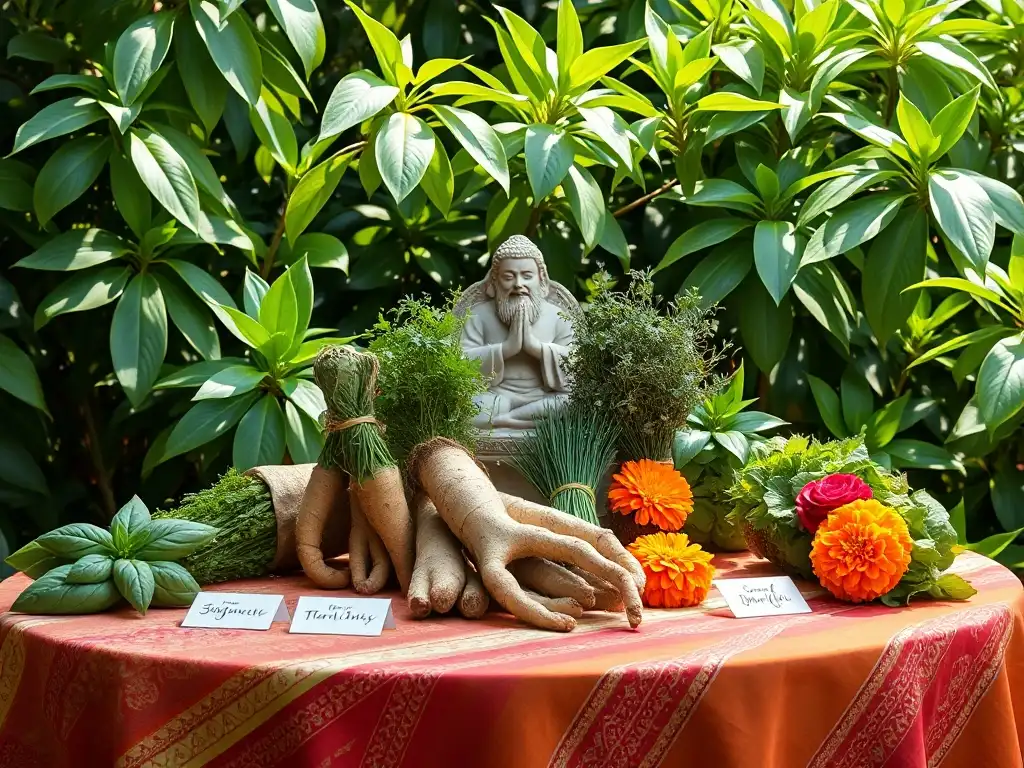
Welcome to Ancient India History, where we embark on a captivating journey through the rich tapestry of India's past. Here, we delve into the extraordinary realm of Ancient Indian herbal medicine practices, revealing how these age-old techniques continue to influence modern wellness. As you explore the intersection of ancient Indian botany and modern herbal remedies, prepare to uncover the wisdom of civilizations that thrived thousands of years ago. What secrets of health and healing might await you in the pages ahead? Join us as we illuminate the remarkable contributions of ancient India to contemporary life!
- Introduction to Ancient Indian Herbal Medicine Practices
- Key Principles of Ancient Indian Herbal Medicine Practices
- Notable Ancient Indian Plants and Their Healing Properties
- Modern Applications of Ancient Indian Herbal Medicine
- Comparative Analysis of Ancient and Modern Herbal Remedies
- Addressing Common Misconceptions about Ancient Indian Herbal Medicine
- Conclusion: Embracing the Wisdom of Ancient Indian Herbal Practices Today
-
Frequently Asked Questions
- What are the key contributions of ancient Indian herbal medicine practices?
- How did botanical knowledge develop in ancient India?
- What role did spirituality play in ancient herbal practices?
- How do modern herbal remedies compare to ancient practices?
- What are some popular herbs used in ancient Indian medicine?
- Final Reflection: Embracing the Wisdom of Ancient Indian Herbal Medicine
- Explore the Healing Power of Ancient Indian Plants!
Introduction to Ancient Indian Herbal Medicine Practices
Ancient Indian herbal medicine practices have roots that stretch back thousands of years, intertwining with the rich tapestry of Indian culture, spirituality, and daily life. From the sophisticated urban planning of the Indus Valley Civilization to the philosophical advancements during the Gupta Empire, the knowledge of botany and its applications in medicine played a crucial role in shaping health practices.
This article delves into the intersection of ancient Indian botany and modern herbal remedies, highlighting the enduring legacy of these practices and their relevance in today's health landscape. By exploring the deep-seated traditions of herbal medicine, we can appreciate how ancient wisdom continues to inform contemporary approaches to wellness.
Understanding the Roots of Ancient Indian Botany
The foundations of ancient Indian botany can be traced back to texts such as the Atharva Veda, which dates to around 1200 BCE. This sacred text is a treasure trove of information on medicinal plants and their uses, reflecting the intricate relationship between nature and health.
- Key Contributions:
- Sushruta Samhita: Written by the ancient physician Sushruta, this text is one of the earliest medical treatises and includes detailed descriptions of surgical techniques and herbal remedies.
- Charaka Samhita: Another seminal work, this text focuses on internal medicine and discusses various herbs, their properties, and their therapeutic applications.
These texts emphasize the holistic approach of ancient Indian medicine, which viewed the body, mind, and spirit as interconnected. The knowledge of botany was not merely academic but was deeply embedded in daily practices and rituals, showcasing a profound respect for nature and its healing capabilities.
The Evolution of Herbal Remedies in Ancient Civilizations
The evolution of herbal remedies in ancient Indian civilizations reflects a dynamic interplay between tradition, observation, and experimentation. Over centuries, various cultures contributed to the understanding and application of botanical knowledge.
- Indus Valley Civilization: Evidence suggests that the people of this civilization utilized a variety of plants for medicinal purposes. Archaeological findings indicate the presence of medicinal herbs, leading to early practices of herbal therapy.
- Buddhist Influence: The spread of Buddhism in the 6th century BCE facilitated the exchange of medicinal knowledge across Asia. Monasteries became centers for herbal studies, where monks meticulously documented the properties of various plants and their uses.
- Ayurveda: By the time of the Gupta Empire (circa 320-550 CE), Ayurveda had crystallized as a comprehensive system of medicine, integrating insights from ancient botany. This system emphasized the use of herbs not only for healing but also for maintaining overall well-being.
The transition from traditional knowledge to a more formalized system of herbal medicine illustrates the adaptability and resilience of ancient practices, which continue to inspire modern herbal remedies today.
Key Principles of Ancient Indian Herbal Medicine Practices

Ancient Indian herbal medicine practices are deeply rooted in a rich tradition that emphasizes the interplay between nature and human health. Central to this tradition are several key principles that guide the use of herbs for healing and wellness.
- Balance and Harmony: The foundational belief in ancient Indian medicine, particularly Ayurveda, is that health is a state of balance among the body, mind, and spirit. Imbalances often manifest as illnesses, and herbal remedies are designed to restore this equilibrium.
- Individualization of Treatment: Each individual is unique, and ancient Indian herbal medicine recognizes this by tailoring treatments to the specific needs, constitution (Prakriti), and imbalances (Vikriti) of the person.
- Use of Whole Plants: Ancient practices often involve using entire plants rather than isolated compounds. This holistic approach ensures that all synergistic components of the plant work together, enhancing the therapeutic effects.
- Seasonal and Geographical Considerations: The efficacy of herbs can vary based on seasonal and regional variations. Practitioners of ancient Indian herbal medicine take into account the local environment and climate to ensure the best outcomes.
- Preventive Care: Ancient Indian herbal medicine emphasizes prevention over cure. Regular use of specific herbs can bolster immunity and enhance overall health, making it a proactive approach to wellness.
The Role of Ayurveda in Ancient Indian Herbal Remedies
Ayurveda, often referred to as the "Science of Life," is a comprehensive system that integrates physical, mental, and spiritual health. It plays a pivotal role in ancient Indian herbal medicine practices by offering a framework through which herbs are understood and utilized.
- Dosha Theory: Central to Ayurveda is the concept of the three doshas—Vata, Pitta, and Kapha. Each dosha represents different physical and emotional characteristics. Herbal remedies are prescribed based on an individual's dosha balance, aiming to restore harmony.
- Herbal Formulations: Ayurveda utilizes a vast array of herbs, often in combinations that create synergistic effects. Common formulations include Chyawanprash, a health tonic made from amla (Indian gooseberry) and other herbs, known for its immune-boosting properties.
- Rasayana and Sattva: In Ayurveda, rasayana refers to rejuvenating herbs that promote longevity and vitality. Additionally, the cultivation of sattva, or mental clarity, is encouraged through specific herbs that enhance cognitive function and emotional well-being.
The integration of Ayurvedic principles into herbal practices provides a robust framework that has been applied for thousands of years, influencing modern herbal remedies and wellness trends worldwide.
Holistic Approaches to Health: Mind, Body, and Spirit
The holistic philosophy of ancient Indian herbal medicine emphasizes the interconnectedness of the mind, body, and spirit. This comprehensive view is essential for understanding the effectiveness of herbal treatments.
- Mind-Body Connection: Ancient texts suggest that emotional and psychological states can significantly affect physical health. Herbs such as Ashwagandha (Withania somnifera) are used not only for their physical benefits but also for their ability to reduce stress and enhance mental health.
- Meditation and Herbal Synergy: Practices such as meditation are often combined with herbal treatments to enhance their effects. For instance, the use of Tulsi (Holy Basil) is common in both tea and as a meditative aid, promoting overall well-being.
- Spiritual Healing: Many herbs are considered sacred and are used in spiritual rituals. Herbs like Sandalwood are not only valued for their medicinal properties but also for their spiritual significance, believed to purify the mind and enhance spiritual practices.
This holistic approach ensures that treatment is not merely a physical intervention but a comprehensive strategy that addresses the entire individual, fostering a deeper sense of healing and wellness.
The Importance of Natural Ingredients in Traditional Treatments
Natural ingredients form the cornerstone of ancient Indian herbal medicine practices, reflecting a deep respect for nature and its healing properties. The selection and use of these ingredients are guided by specific principles that enhance their effectiveness.
- Purity and Quality: Ancient practitioners emphasized the importance of using pure, uncontaminated herbs. The quality of ingredients is believed to directly influence the efficacy of remedies. Practices such as wildcrafting—harvesting plants in their natural habitat—are still valued to ensure the highest quality.
- Seasonal Harvesting: The timing of harvesting herbs is crucial. For example, certain herbs may contain higher concentrations of active compounds when harvested at specific times of the year, such as during the full moon, which is often considered auspicious.
- Sustainable Practices: Ancient Indian herbal medicine promotes sustainability, advocating for the responsible harvesting of plants to preserve their populations and ecosystems. This practice not only ensures the availability of herbs but also respects the environment.
- Culinary and Medicinal Integration: Many herbs used in traditional treatments are also common culinary ingredients. For instance, Turmeric (Curcuma longa) is celebrated for its health benefits and is a staple in Indian cuisine, illustrating the seamless blend of culinary and medicinal traditions.
The importance of natural ingredients in ancient Indian herbal medicine practices underscores a holistic understanding of health that remains relevant in contemporary herbal and dietary practices. This wisdom continues to inspire modern approaches to herbal remedies, emphasizing the value of nature in fostering health and healing.
Notable Ancient Indian Plants and Their Healing Properties
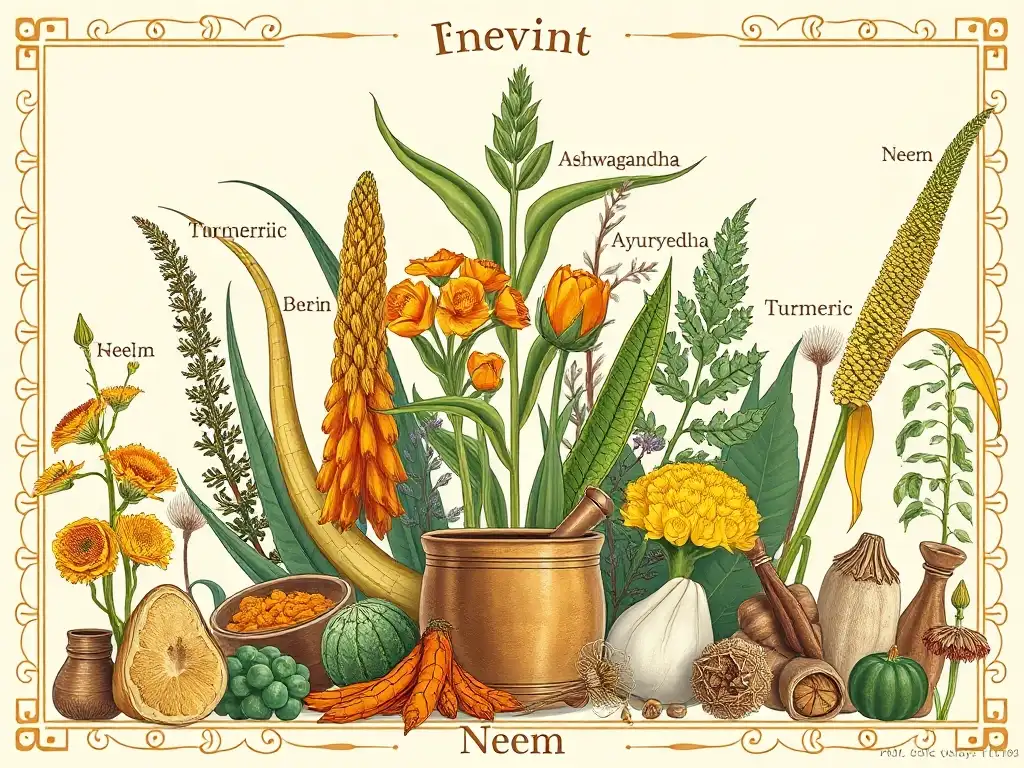
Turmeric: The Golden Spice with Medicinal Benefits
Turmeric, known as Curcuma longa, has been revered in ancient Indian herbal medicine practices for centuries. This vibrant yellow spice is not only a staple in Indian cuisine but also a powerful medicinal herb. The key compound in turmeric, curcumin, is renowned for its anti-inflammatory and antioxidant properties, making it a valuable ally in promoting overall health.
- Anti-inflammatory Effects: Numerous studies have demonstrated that curcumin can significantly reduce inflammation in the body. This property is particularly beneficial for conditions like arthritis and other inflammatory disorders.
- Digestive Health: Turmeric has been traditionally used to aid digestion. It stimulates bile production, which is essential for the digestion of fats and can help alleviate symptoms of bloating and gas.
- Skin Health: The antibacterial and anti-inflammatory properties of turmeric make it effective in treating various skin conditions, including acne and eczema. Its application in skincare has seen a resurgence in modern herbal remedies, often incorporated into face masks and ointments.
- Cognitive Function: Emerging research suggests that curcumin may enhance cognitive function and protect against neurodegenerative diseases like Alzheimer's. Its ability to cross the blood-brain barrier is a notable aspect of its medicinal profile.
Ashwagandha: The Adaptogenic Herb for Stress Relief
Ashwagandha, or Withania somnifera, is a powerful adaptogen that has been used in ancient Indian herbal medicine practices to combat stress and promote mental well-being. Its name translates to "smell of the horse," reflecting its revitalizing properties.
- Stress Reduction: Ashwagandha is known for its ability to lower cortisol levels, the hormone associated with stress. By modulating the body's response to stress, it helps improve overall resilience.
- Anxiety and Depression: Clinical studies have shown that ashwagandha can significantly reduce symptoms of anxiety and depression, making it a popular choice in modern herbal therapies aimed at mental health.
- Energy and Stamina: This herb is believed to enhance physical performance and endurance, making it a favorite among athletes and those engaged in physical activities.
- Immune Support: Ashwagandha also plays a role in boosting the immune system, promoting overall health and vitality.
Neem: Nature's Antiseptic and Its Applications
Neem, known scientifically as Azadirachta indica, is often referred to as "nature's pharmacy" due to its vast array of medicinal properties. Its use in ancient Indian herbal medicine practices is well-documented, particularly for its antiseptic and healing properties.
- Antiseptic Properties: Neem oil and extracts are commonly used in topical applications to treat cuts, wounds, and infections. Its potent antibacterial and antifungal properties make it an effective natural remedy.
- Skin Health: Neem is widely used in skincare products for its ability to combat acne, psoriasis, and other skin conditions. Its anti-inflammatory properties soothe irritated skin and promote healing.
- Oral Health: Traditionally, neem twigs have been used as toothbrushes in India. Its antibacterial properties contribute to oral hygiene, preventing cavities and gum disease.
- Blood Sugar Regulation: Research indicates that neem may help regulate blood sugar levels, making it a valuable herb for those managing diabetes.
Incorporating these notable plants into modern herbal remedies highlights the enduring legacy of ancient Indian herbal medicine practices and their relevance in contemporary health and wellness.
Holy Basil (Tulsi): The Sacred Herb with Multiple Uses
Holy Basil, known as Tulsi in Sanskrit, holds a revered place in ancient Indian herbal medicine practices. This aromatic herb is not only an integral part of Hindu rituals but also boasts an impressive range of therapeutic properties that have been recognized for centuries.
Medicinal Qualities
Tulsi is renowned for its adaptogenic properties, meaning it helps the body adapt to stress and promotes mental balance. The plant contains numerous phytochemicals, including eugenol, which is known for its anti-inflammatory and antioxidant benefits. Research has indicated that consuming Tulsi can help reduce anxiety, lower blood pressure, and improve overall cardiovascular health. Additionally, Tulsi is often utilized in Ayurvedic medicine to treat respiratory issues, digestive disorders, and skin ailments.
Culinary Uses
Beyond its medicinal applications, Holy Basil is widely used in Indian cuisine. Its distinct flavor enhances various dishes, from curries to soups, and it is often brewed as a tea. This culinary versatility not only adds taste but also infuses the food with its health benefits, making it a staple in households across India.
Spiritual Significance
In Hindu culture, Tulsi is considered a sacred plant and is often referred to as the "Mother of Herbs." It is commonly planted around homes and temples to purify the environment. The leaves of Tulsi are used in religious ceremonies and are believed to foster spiritual growth and well-being. This dual role as both a spiritual symbol and a medicinal herb underscores its profound significance in ancient Indian culture.
Modern Applications
Today, the healing properties of Tulsi have attracted global interest, with modern herbal remedies incorporating this ancient herb in various forms, including capsules, extracts, and teas. Research continues to explore its potential benefits in treating conditions such as diabetes, asthma, and even certain types of cancer. As interest in holistic health grows, Tulsi stands at the forefront of a revival in ancient Indian herbal medicine practices, bridging the gap between traditional knowledge and contemporary wellness.
Holy Basil (Tulsi) exemplifies the rich heritage of ancient Indian herbal medicine practices, showcasing its multifaceted uses in both health and spirituality, while continuing to inspire modern applications in the field of herbal remedies.
Modern Applications of Ancient Indian Herbal Medicine
Integrating Ancient Practices into Contemporary Herbal Remedies
The integration of ancient Indian herbal medicine practices into contemporary health and wellness routines has garnered significant attention in recent years. These practices, rooted in traditions like Ayurveda, emphasize holistic approaches to health, utilizing a wide array of plants and herbs for medicinal purposes. By understanding the foundational principles of ancient Indian botany, modern practitioners can create remedies that not only address specific ailments but also promote overall well-being.
- Holistic Health Approach: Ancient Indian herbal medicine focuses on the balance of mind, body, and spirit. This holistic perspective encourages the use of a diverse range of herbs, each with unique properties, to create synergistic effects.
- Sustainable Sourcing: The revival of interest in ancient practices has led to a greater emphasis on sustainable sourcing of herbs. Many modern herbalists aim to cultivate native plants traditionally used in Indian medicine, ensuring that these resources remain available for future generations.
- Scientific Validation: Recent research has begun to validate the efficacy of many traditional herbs. For instance, studies have highlighted the antimicrobial properties of Tulsi (Holy Basil) and the anti-inflammatory benefits of Turmeric. This scientific backing offers a compelling argument for the incorporation of herbal remedies into modern healthcare.
- Personalized Herbal Formulations: Inspired by ancient practices, modern herbal medicine often emphasizes personalized formulations tailored to the individual's unique constitution or 'Prakriti.' This approach mirrors the Ayurvedic principle of treating the individual rather than just the disease.
Case Study: The Rise of Ayurvedic Products in the Wellness Industry
The wellness industry has witnessed a remarkable surge in Ayurvedic products, reflecting a growing consumer interest in natural and holistic health solutions. Ayurvedic principles, which emphasize the use of specific herbs and dietary practices to promote balance and wellness, have found a niche in the Western market.
- Market Growth: In recent years, the global Ayurvedic market has been valued at over $4 billion, with projections indicating substantial growth as consumers seek alternatives to conventional medicine. This trend highlights an increasing acceptance of ancient Indian herbal medicine practices.
- Product Diversity: The variety of products available has expanded dramatically, ranging from herbal supplements and teas to skincare and beauty items. Brands are innovating by incorporating traditional herbs like Ashwagandha, Amla, and Neem into their offerings, capitalizing on their known health benefits.
- Consumer Education: Many companies are investing in consumer education, providing information about the origins and benefits of Ayurvedic ingredients. This educational approach helps demystify ancient practices, making them more accessible to a broader audience.
- Regulatory Challenges: Despite the rapid growth, the Ayurvedic sector faces regulatory hurdles in various markets. Ensuring compliance with health and safety standards while maintaining the integrity of traditional practices is a challenge that many brands are navigating.
Popular Modern Brands Utilizing Ancient Indian Herbal Knowledge
Several modern brands have successfully integrated ancient Indian herbal knowledge into their product lines, demonstrating the enduring relevance of these practices in today's market. Here are a few notable examples:
| Brand Name | Key Products | Notable Ingredients |
|---|---|---|
| Patanjali | Herbal medicines, personal care | Tulsi, Ashwagandha |
| Himalaya | Supplements, skincare | Amla, Neem |
| Forest Essentials | Luxury skincare, wellness products | Turmeric, Brahmi |
| Kottakkal Arya Vaidya Sala | Ayurvedic remedies | Ginger, Triphala |
Each of these brands exemplifies how ancient Indian herbal medicine practices can be effectively utilized in modern formulations. By combining traditional knowledge with contemporary marketing strategies, they not only honor the rich heritage of Indian botany but also cater to the evolving needs of global consumers seeking natural health solutions.
The intersection of ancient Indian herbal medicine practices and modern applications is a vibrant field, showcasing the adaptability and relevance of these age-old traditions in today's health-conscious society. As research continues to uncover the benefits of these herbal remedies, we can expect further integration into mainstream wellness practices.
Comparative Analysis of Ancient and Modern Herbal Remedies

Similarities Between Ancient Indian and Contemporary Herbal Practices
Ancient Indian herbal medicine practices have significantly influenced contemporary herbal remedies, resulting in a rich tapestry of similarities that showcase the enduring legacy of traditional knowledge. Both systems emphasize the holistic view of health, focusing not only on the physical symptoms but also on the emotional and spiritual well-being of the individual.
- Use of Natural Ingredients:
- Both ancient and modern practices prioritize the use of natural plant-based substances.
- Common herbs like Tulsi (Holy Basil), Ashwagandha, and Neem are utilized in both systems, reflecting their timeless relevance.
- Focus on Preventive Health:
- Ancient texts, such as the Charaka Samhita, advocate for preventive measures, which align with modern herbalism's goal of promoting overall health rather than merely treating ailments.
- Dietary recommendations and lifestyle changes are integral to both approaches, underscoring the importance of maintaining balance.
- Emphasis on Individualization:
- Both traditions recognize that treatment should be tailored to the individual.
- In ancient Indian practices, this is often described through the concept of Prakriti (body constitution), while modern herbalism may use personalized assessments to identify the most suitable remedies.
Differences in Preparation, Usage, and Efficacy
While there are notable similarities, the differences between ancient and modern herbal remedies are equally significant, particularly in their preparation, usage, and perceived efficacy.
- Preparation Techniques:
- Ancient Indian practices often involve complex methods of preparing herbal formulations, such as decoctions, infusions, and powders, which are meticulously described in ancient texts.
- Contemporary herbal remedies may favor simpler methods, such as capsules, teas, or tinctures, which can sometimes sacrifice the depth of preparation for convenience.
- Dosage and Administration:
- In ancient practices, dosages are traditionally guided by season, individual constitution, and specific health conditions, making them very personalized.
- Modern herbal remedies often come with standardized dosages, which can sometimes overlook the nuanced understanding found in traditional practices.
- Scientific Validation and Efficacy:
- Ancient Indian herbal medicine practices rely heavily on empirical knowledge passed down through generations, often lacking formal scientific validation.
- In contrast, contemporary herbalism increasingly incorporates scientific research to validate the efficacy of herbal remedies, though this can lead to debates over the standardization of traditional practices.
Recommendations for Choosing the Right Herbal Remedies
Selecting the appropriate herbal remedy requires careful consideration, given the rich history and modern applications of ancient Indian herbal medicine practices. Here are some recommendations to guide individuals in their choices:
- Consultation with Experts:
- Engage with qualified practitioners of traditional medicine or licensed herbalists who understand both ancient methodologies and modern applications. This can ensure a balanced approach to treatment.
- Quality of Ingredients:
- Always prioritize high-quality, sustainably sourced herbs. Look for products that specify their sourcing and preparation methods to ensure they align with traditional practices.
- Personal Health Assessment:
- Consider personal health conditions, allergies, and medication interactions. Utilizing a holistic approach, assess your unique constitution before selecting remedies.
- Start with Traditional Formulations:
- Whenever possible, opt for traditional formulations that have stood the test of time, as these often embody a wealth of knowledge regarding preparation and usage.
- Monitor Effects:
- Keep a journal to track the effects of herbal remedies on your health. This can help in identifying what works best for your body over time.
By blending ancient wisdom with modern insights, individuals can make informed choices that honor the profound legacy of ancient Indian herbal medicine practices while benefiting from contemporary advancements in health and wellness.
Addressing Common Misconceptions about Ancient Indian Herbal Medicine

Myth: Ancient Remedies Lack Scientific Backing
One prevalent myth surrounding Ancient Indian herbal medicine practices is the belief that these remedies lack scientific validation and are based solely on anecdotal evidence. This misconception often stems from a broader skepticism towards traditional healing systems, which are sometimes viewed as outdated in the face of modern medical advancements. However, this perception overlooks a wealth of historical knowledge that has been meticulously documented over centuries.
Ancient texts like the Charaka Samhita and Sushruta Samhita provide detailed accounts of medicinal plants and their therapeutic uses, emphasizing empirical observations made by practitioners. For instance, the use of Tulsi (Holy Basil) for respiratory issues and Ashwagandha (Withania somnifera) for stress relief showcases an understanding of plant properties long before contemporary pharmacology emerged.
In reality, many ancient practices are beginning to be recognized and validated by modern research, challenging the notion that they lack scientific basis. The integration of traditional knowledge with cutting-edge research methodologies is paving the way for a more nuanced understanding of herbal medicine.
Reality: Research Supporting the Efficacy of Traditional Herbs
Recent studies have increasingly highlighted the medicinal properties of various herbs used in Ancient Indian herbal medicine practices, substantiating their efficacy through scientific research. For example, research published in journals such as Phytotherapy Research and Journal of Ethnopharmacology has demonstrated the anti-inflammatory, antioxidant, and adaptogenic properties of numerous traditional herbs.
Notable Examples of Research Findings:
- Turmeric (Curcuma longa): Known for its active ingredient, curcumin, studies have shown its potential in reducing inflammation and combating chronic diseases such as arthritis and cancer.
- Neem (Azadirachta indica): Research indicates that neem possesses antimicrobial, antiviral, and anti-fungal properties, making it a valuable asset in treating skin conditions and infections.
- Ginger (Zingiber officinale): Evidence supports ginger's effectiveness in alleviating nausea and aiding digestion, with clinical trials confirming its use in postoperative patients and during pregnancy.
These findings are not merely coincidental; they underscore the sophisticated understanding of botanicals and their applications that ancient practitioners possessed. As scientists continue to explore the pharmacological potential of these herbs, ancient Indian herbal medicine practices are gaining recognition as a credible source of healing.
Product Spotlight: Evidence-Based Herbal Supplements
In the context of modern applications of Ancient Indian herbal medicine, several evidence-based herbal supplements have gained popularity in recent years. These products not only leverage traditional knowledge but also adhere to rigorous scientific standards to ensure their efficacy and safety. Here are a few noteworthy supplements:
| Product Name | Key Ingredients | Benefits | Research Support |
|---|---|---|---|
| Curcumin MAX | Curcumin from Turmeric | Anti-inflammatory, antioxidant | Clinical studies on curcumin's effects |
| Neem Extract | Neem Leaf | Antimicrobial, skin health | Studies on neem's antibacterial properties |
| Ashwagandha Capsules | Ashwagandha Root | Stress relief, adaptogenic | Research on cortisol reduction |
| Ginger Root Powder | Ginger | Digestive aid, anti-nausea | Trials confirming efficacy in nausea relief |
These supplements exemplify the integration of traditional wisdom with modern science, offering consumers a reliable means of accessing the benefits of ancient herbal practices. Each product is formulated based on extensive research, ensuring that users can trust the therapeutic claims backed by scientific evidence.
Addressing misconceptions about Ancient Indian herbal medicine practices is crucial for recognizing their value in contemporary health care. The ongoing research supporting these traditional remedies illustrates their relevance and effectiveness, paving the way for future innovations inspired by this rich legacy.
Conclusion: Embracing the Wisdom of Ancient Indian Herbal Practices Today
The legacy of ancient Indian herbal medicine practices has left an indelible mark on the field of modern herbalism. As we delve deeper into the intersection of ancient botany and contemporary health solutions, it becomes clear that the principles and methods established by ancient practitioners continue to resonate today. These practices not only emphasize the therapeutic potential of plants but also advocate for a holistic approach to health that encompasses physical, mental, and spiritual well-being.
The integration of ancient wisdom into modern herbal remedies serves as a bridge, connecting us to our past while guiding us towards a more sustainable and health-conscious future. By understanding and applying these time-tested practices, we can harness the full potential of nature’s pharmacy, ensuring that the rich heritage of ancient Indian herbal medicine is preserved and adapted for future generations.
The Future of Herbal Medicine Inspired by Ancient Indian Traditions
The future of herbal medicine is poised for growth and innovation, particularly as we draw inspiration from ancient Indian traditions. Research is increasingly validating many of the principles established by early herbalists, highlighting the efficacy of various herbs used in Ayurveda and other Indian medicinal systems.
- Research and Development:
- Modern scientists are conducting extensive studies to explore the pharmacological properties of traditional herbs such as Ashwagandha, Tulsi, and Turmeric.
- Collaborative efforts between botanists, pharmacologists, and practitioners of ancient medicine are paving the way for new formulations that blend traditional wisdom with modern science.
- Integration into Healthcare Systems:
- Many healthcare systems are beginning to recognize the value of incorporating herbal medicine into their treatment protocols.
- This paradigm shift not only offers patients a broader range of treatment options but also respects the cultural significance of these ancient practices.
- Personalized Herbal Remedies:
- The future may see a rise in personalized herbal remedies, where treatments are tailored to individuals based on their unique physiological and psychological profiles, much like the Prakriti (constitution) assessments in Ayurveda.
Encouraging Sustainable Practices in Modern Herbalism
Sustainability is a critical consideration in the evolution of herbal medicine, particularly as demand for natural remedies increases. Emphasizing sustainable practices not only honors the ecological balance emphasized in ancient Indian herbal medicine but also ensures the longevity of precious plant resources.
- Ethical Sourcing:
- Practitioners and companies must prioritize ethically sourced herbs, respecting local ecosystems and the communities that cultivate them.
- Engaging with indigenous knowledge holders can provide insights into sustainable harvesting practices that have been used for centuries.
- Cultivation and Conservation:
- There is a growing movement to cultivate medicinal plants in controlled environments, reducing the pressure on wild populations and promoting biodiversity.
- Initiatives aimed at conserving traditional knowledge about herbal practices can play a crucial role in preserving both the plants and the cultural heritage associated with them.
- Education and Awareness:
- Raising awareness about the benefits of sustainable practices among consumers and practitioners is vital.
- Educational programs can empower individuals to make informed choices about the herbal products they use, encouraging a shift towards sustainability in the herbal industry.
The future of herbal medicine, inspired by ancient Indian traditions, holds great promise. By embracing sustainable practices, we can ensure that the wisdom of the past continues to thrive in our modern world, providing effective solutions for health and well-being while protecting the planet for future generations.
Frequently Asked Questions
What are the key contributions of ancient Indian herbal medicine practices?
Ancient Indian herbal medicine practices, particularly from the Ayurvedic tradition, laid the groundwork for many modern herbal remedies. They emphasized the use of natural ingredients for healing, influencing both local and global medical systems.
How did botanical knowledge develop in ancient India?
Ancient Indian civilizations, particularly during the Indus Valley period, cultivated extensive botanical knowledge. They documented various plants and their medicinal properties, which were passed down through texts like the Sushruta Samhita and Charaka Samhita.
What role did spirituality play in ancient herbal practices?
In ancient India, herbal medicine was often intertwined with spiritual beliefs. Many practitioners viewed the use of herbs not just as a physical remedy but also as a way to achieve spiritual balance and enhance overall well-being.
How do modern herbal remedies compare to ancient practices?
Many modern herbal remedies can trace their roots back to ancient practices. However, contemporary approaches often integrate scientific research and clinical trials to validate the effectiveness of these traditional remedies.
What are some popular herbs used in ancient Indian medicine?
Some of the most notable herbs from ancient Indian medicine include Tulsi (holy basil), Ashwagandha, and Turmeric. These herbs are renowned for their therapeutic properties and continue to be utilized in both traditional and modern herbal treatments.
Final Reflection: Embracing the Wisdom of Ancient Indian Herbal Medicine
The exploration of ancient Indian herbal medicine practices reveals a profound connection between our past and present, highlighting the enduring relevance of traditional knowledge in today's world. As we navigate the complexities of modern health challenges, the insights gleaned from ancient practices remind us that nature has always been a source of healing. The resurgence of interest in herbal remedies is not merely a trend; it is a recognition of the wisdom that has stood the test of time.
Cultural and social landscapes are continually shaped by the integration of ancient wisdom into contemporary practices. The revival of ancient Indian botany is influencing not only individual health choices but also broader societal attitudes towards sustainability and holistic well-being. As we embrace these time-honored traditions, we find ourselves echoing the sentiments of Mahatma Gandhi, who said, The greatness of a nation and its moral progress can be judged by the way its animals are treated.
This quote resonates deeply as we consider our relationship with nature and the ethical implications of our health choices.
I invite you to reflect on the lessons of ancient Indian herbal medicine and consider how they can enrich your own life. Whether through incorporating herbal remedies into your wellness routine or advocating for sustainable practices, each small action contributes to a larger movement towards harmony with nature. Let us honor the legacy of our ancestors by embracing their knowledge and wisdom, ensuring that the gifts of ancient botany continue to thrive in our modern world.
Explore the Healing Power of Ancient Indian Plants!
Thank you for diving into the fascinating world of ancient Indian botany and its influence on modern herbal remedies! We hope you’ve uncovered valuable insights that inspire you to continue your journey into holistic healing. Now, let's put this knowledge into action!
Here are a few steps you can take right now:
- Start your own herbal garden! Choose a few native plants that resonate with you and grow them at home. Not only will you have direct access to these remedies, but nurturing plants can be incredibly therapeutic.
- Connect with local herbalists or join a community workshop to learn how to prepare herbal remedies safely and effectively.
- Share your newfound knowledge! Discuss the benefits of traditional remedies with friends and family or write about your experiences on social media to promote holistic health.
Which plant from ancient Indian botany are you most excited to explore further in your journey toward natural healing?