
The Science of Sound: Ancient Indian Music Theory and Its Modern Applications

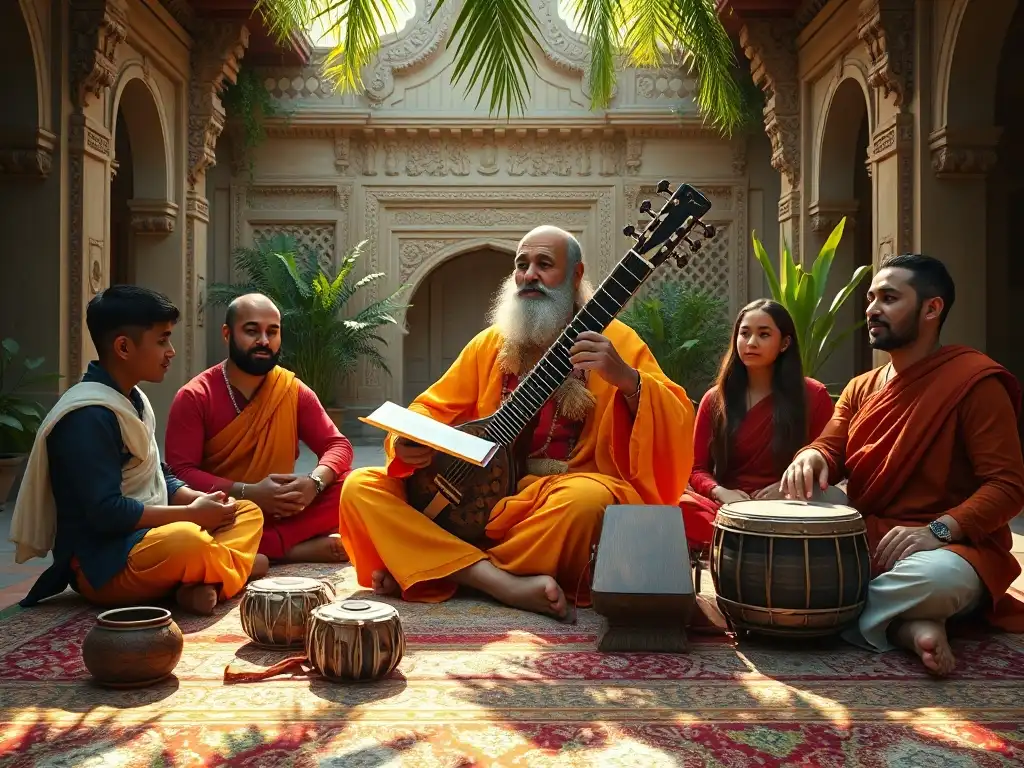
Welcome to Ancient India History, where we invite you to embark on a fascinating journey through the vibrant tapestry of ancient Indian civilizations. From the majestic Indus Valley to the illustrious Gupta Empire, our exploration reveals the profound cultural contributions that have shaped our world.
Dive into our featured article, "The Science of Sound: Ancient Indian Music Theory and Its Modern Applications," as we unravel the intricacies of ancient Indian music theory—a captivating blend of art and science that continues to influence contemporary music and innovation. Prepare to be intrigued and inspired as you discover how these timeless principles resonate in today's creative landscape!
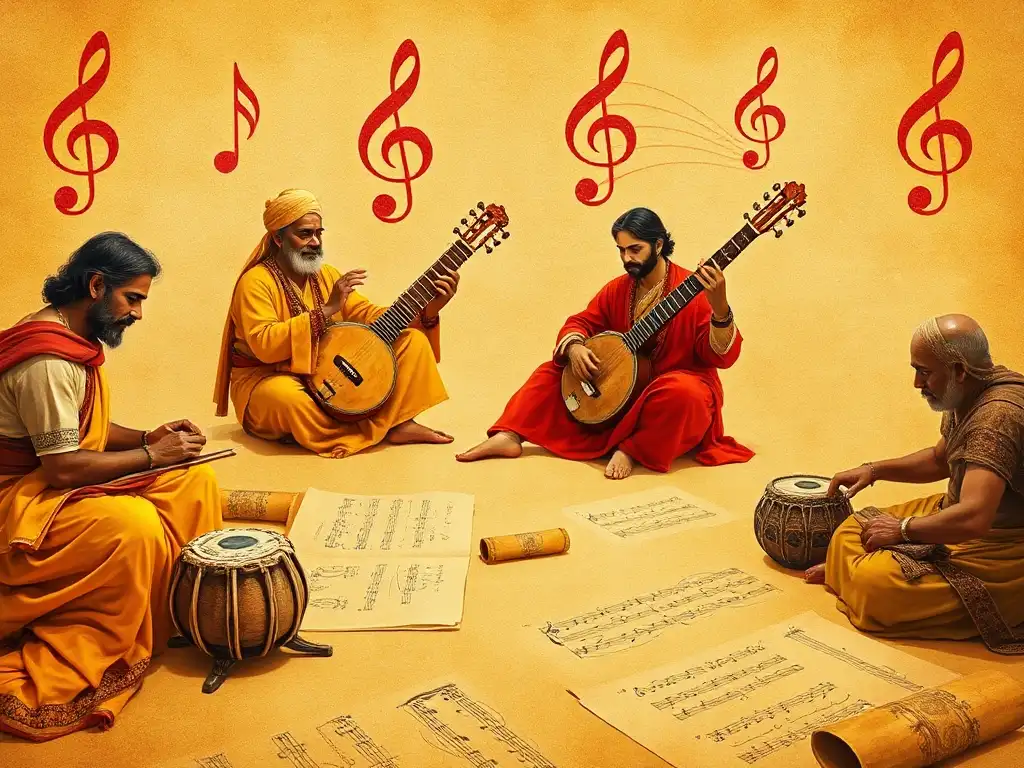
Exploring the depths of Ancient Indian music theory not only uncovers a rich tapestry of cultural heritage but also reveals the profound scientific principles that underpin musical practices. This article delves into the historical evolution, core principles, and modern applications of ancient music theory, showcasing how these time-honored concepts continue to influence contemporary music and sound technology. By bridging the gap between ancient wisdom and modern innovation, we aim to highlight the enduring legacy of Indian civilizations in the realm of sound and music.
Introduction to Ancient Indian Music Theory
Ancient Indian music theory is a complex and sophisticated field that has evolved over thousands of years, deeply intertwined with the cultural, spiritual, and philosophical aspects of Indian civilization. Rooted in texts such as the Natya Shastra and Samaveda, this theory encompasses a wide range of musical concepts, including:
- Ragas: Melodic frameworks that dictate the structure and emotion of a piece.
- Talas: Rhythmic cycles that provide the timing and pace of music.
- Swara: Musical notes that form the basis of melodies.
The significance of ancient Indian music theory extends beyond mere entertainment; it is often viewed as a means of connecting to the divine and expressing intricate human emotions. This holistic approach to music underscores its role not just as art, but as a profound science that explores the relationship between sound and the universe.
Historical Overview of Ancient Indian Music Theory
The history of ancient Indian music theory can be traced back to the Vedic period, around 1500 BCE, when chanting and hymns played a vital role in religious practices. The Samaveda, one of the four Vedas, is particularly notable for its musical content, emphasizing the importance of melody and rhythm in Vedic rituals.
As time progressed, various texts emerged, each contributing to the development of music theory:
- Natya Shastra (circa 200 BCE - 200 CE): Written by Bharata Muni, this comprehensive treatise covers various aspects of performing arts, including music, dance, and drama. It outlines the concepts of raga and tala, establishing the foundation for classical Indian music.
- Sangeet Ratnakara (13th century): Authored by Sharangadeva, this seminal work synthesizes earlier theories and introduces new concepts, providing insights into the performance and pedagogy of music.
- Gharana System: By the 18th century, the emergence of gharanas (musical schools or lineages) further diversified Indian music, each with its unique stylistic nuances and interpretations of ragas and talas.
Throughout history, these texts and traditions have shaped the rich landscape of Indian music, influencing not only the arts but also social and cultural practices.
Core Principles of Ancient Indian Music Theory
At the heart of ancient Indian music theory lie several core principles that define its unique character and functionality:
- Raga System: Ragas are more than mere scales; they encapsulate specific moods and times of the day, guiding musicians in their improvisations and compositions. Each raga is associated with distinct emotional qualities, which can evoke various feelings in listeners.
- Tala Framework: The tala system provides a rhythmic structure that is integral to Indian music. Comprising a set of beats arranged in cycles, talas allow for intricate rhythmic patterns, enhancing the expressiveness of the performance.
- Swara and Its Variations: The concept of swara refers to the individual notes in a raga. Indian music recognizes seven basic swaras (Sa, Re, Ga, Ma, Pa, Dha, Ni), with several variations (shuddha, komal, tivra) that enrich the melodic possibilities.
- Improvisation and Creativity: A hallmark of ancient Indian music is the emphasis on improvisation, allowing artists to express their creativity while adhering to the established frameworks of ragas and talas.
These principles not only demonstrate the complexity of ancient Indian music theory but also highlight its relevance in the context of modern music education and sound design. As we explore the modern applications of these concepts, we uncover how ancient wisdom continues to inspire contemporary practices in diverse fields, from music therapy to acoustic engineering.
Modern Applications of Ancient Indian Music Theory
Ancient Indian music theory, known for its intricate systems and profound principles, finds significant applications in contemporary contexts, ranging from therapeutic practices to modern compositions. The core concepts of Raga (melodic framework) and Tala (rhythmic cycles) are utilized not only in performance but also in various forms of music therapy. Practitioners harness these elements to create soundscapes that promote relaxation, healing, and emotional well-being.
In the realm of arts, many modern composers draw inspiration from ancient Indian music theory to create fusion genres that blend traditional sounds with contemporary styles. This blend not only preserves the cultural heritage but also introduces ancient concepts to new audiences, expanding their relevance and appreciation.
Moreover, the principles of ancient Indian music theory have been integrated into software development for music production tools, allowing artists to explore traditional forms through modern technology. Features that emulate the nuances of Raga and Tala enable musicians to experiment and innovate while rooted in history.
The Influence of Ancient Indian Music Theory on Current Music Education
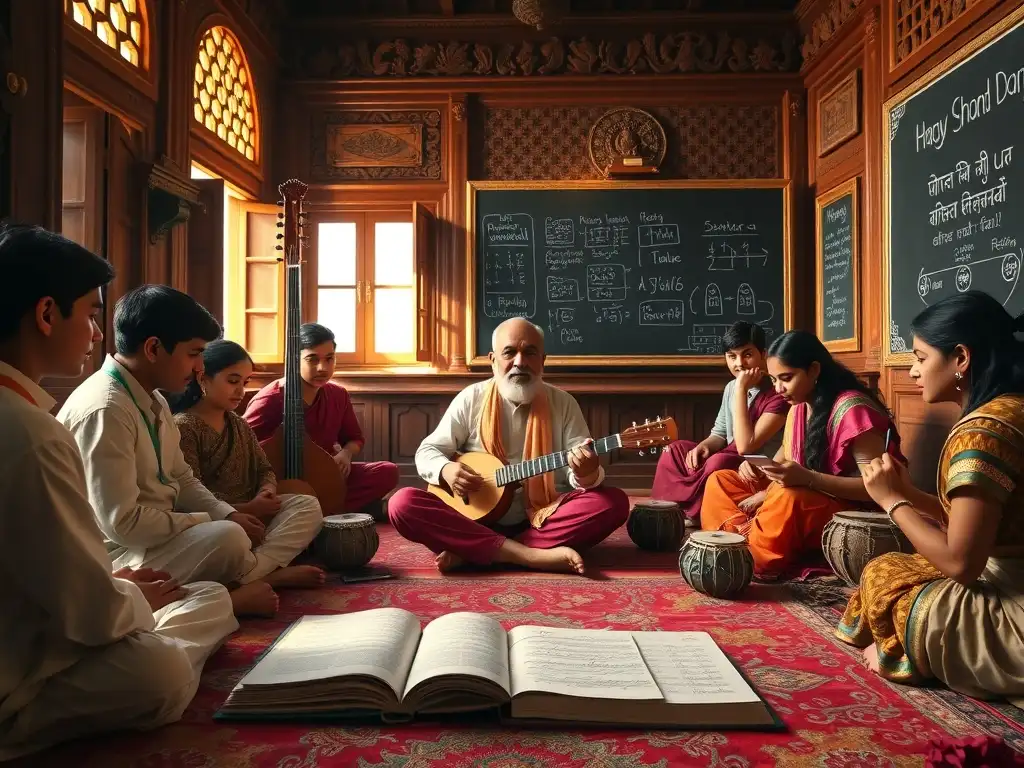
Ancient Indian music theory has significantly influenced current music education systems, particularly in India and around the world. Educational institutions are increasingly incorporating the study of Ragas and Talas into their curricula, acknowledging their pedagogical value. This approach not only aids in developing a deeper understanding of music but also fosters creativity and improvisational skills among students.
The structured yet flexible nature of ancient Indian music theory encourages students to explore various musical expressions while adhering to foundational principles. Schools and universities now offer specialized courses that delve into the intricacies of ancient texts, such as Natya Shastra and Sangeet Ratnakara, providing students with a comprehensive understanding of the theoretical framework that governs Indian classical music.
Furthermore, workshops and seminars focused on ancient Indian music theory are gaining popularity, creating platforms for interaction between traditional musicians and contemporary learners. This exchange of knowledge enhances the educational experience by grounding modern techniques in historical contexts, thereby enriching the overall musical landscape.
Technological Innovations Inspired by Ancient Indian Music Theory
The intricate structures of ancient Indian music theory have inspired a range of technological innovations in recent years. One key area is the development of digital audio workstations (DAWs) that incorporate features specifically designed for Indian classical music. These tools allow musicians to compose and arrange pieces that respect the nuances of Raga and Tala, facilitating a seamless integration of traditional music into the digital realm.
Additionally, artificial intelligence (AI) and machine learning algorithms are being employed to analyze and generate compositions based on ancient Indian music theory. Such advancements not only enhance the creative process but also provide insights into the underlying patterns and structures of Indian classical music, enabling a deeper appreciation of its complexity.
Moreover, mobile applications that teach and practice Indian music theory have emerged, making ancient knowledge accessible to a broader audience. These apps often include interactive lessons that cover various aspects, such as Raga identification and Tala practice, thus bridging the gap between traditional teachings and modern technology.
The interplay between ancient Indian music theory and modern innovations continues to thrive, ensuring that this rich heritage remains relevant and influential in today's musical landscape.
Conclusion: The Relevance of Ancient Indian Music Theory Today
Ancient Indian music theory holds a significant place not only in the historical context of Indian culture but also in contemporary practices and innovations. The principles established by ancient scholars like Bharata Muni in his seminal work, the Natya Shastra, and the Sama Veda have laid the foundation for understanding music as a science deeply intertwined with spirituality, mathematics, and psychology.
Today, the relevance of ancient Indian music theory is apparent in various fields, including education, therapy, and even technology. The concepts of raga and tala, which classify melodies and rhythms, continue to inspire modern composers and musicians, allowing them to explore new avenues in sound and expression. Moreover, the therapeutic applications of music, rooted in ancient traditions, are increasingly recognized in wellness practices, emphasizing the healing power of sound.
In addition, the resurgence of interest in mindfulness and meditation has brought ancient Indian music back into the spotlight, as its calming and restorative qualities are integrated into modern therapeutic practices. From yoga sessions accompanied by traditional Indian instruments to the use of mantras for mental well-being, the echoes of ancient wisdom resonate in today’s fast-paced world, proving its timelessness and adaptability.
Call to Action
As we continue to explore the depths of ancient Indian music theory, we invite you to engage with this rich heritage. Whether you're a musician seeking to incorporate traditional elements into your work, a student of history interested in the philosophical implications of sound, or simply a curious learner, there are countless resources available to deepen your understanding.
- Join Workshops: Participate in workshops or classes that focus on ancient Indian music practices to gain hands-on experience and knowledge from experts.
- Explore Recordings: Listen to traditional Indian music, paying attention to its structures and nuances, and consider how these can inform contemporary compositions.
- Read Further: Dive into texts like the Natya Shastra or modern interpretations of ancient theories to understand their relevance and application today.
- Share Your Thoughts: Engage in discussions or online forums about ancient Indian music theory to share insights and learn from others.
By embracing the teachings of ancient Indian music theory, we can carry forward this legacy, fostering a deeper appreciation for the art of sound and its myriad applications in our lives today. Let the wisdom of the ancients guide your journey into the world of music and its profound impact on culture and society! 🎶
- Introduction to Ancient Indian Music Theory
- Historical Overview of Ancient Indian Music Theory
- Core Principles of Ancient Indian Music Theory
- Modern Applications of Ancient Indian Music Theory
- The Influence of Ancient Indian Music Theory on Current Music Education
- Technological Innovations Inspired by Ancient Indian Music Theory
- Conclusion: The Relevance of Ancient Indian Music Theory Today
- Call to Action
Frequently Asked Questions
What is Ancient Indian music theory?
Ancient Indian music theory refers to the systematic study of music as practiced in ancient India, encompassing various aspects such as ragas, talas, and melodic structures.
How did ancient Indian music theory influence modern music?
The principles of Ancient Indian music theory have significantly impacted contemporary music through the incorporation of ragas and rhythmic patterns, enriching the global musical landscape.
What are the main components of ancient Indian music theory?
The main components include ragas (melodic frameworks), talas (rhythmic cycles), and swaras (notes), which together create the foundation of Indian classical music.
How does ancient Indian music theory differ from Western music theory?
While Ancient Indian music theory emphasizes improvisation and modal systems, Western music theory tends to focus on harmonic structures and fixed compositions, reflecting different cultural approaches to music.
Are there any modern applications of ancient Indian music theory?
Yes, ancient Indian music theory is applied in various fields, including music therapy, film scoring, and fusion genres, showing its relevance and adaptability in today's musical practices.
Final Reflection: The Timeless Resonance of Ancient Indian Music Theory
The exploration of ancient Indian music theory reveals its profound relevance in today's world, bridging the gap between tradition and modernity. As we navigate an increasingly complex landscape of sound and technology, the principles rooted in ancient practices offer invaluable insights into harmony, rhythm, and emotional expression. This enduring legacy reminds us that music is not merely an art form but a universal language that transcends time and culture.
The influence of ancient Indian music theory extends beyond the realm of music itself, shaping our cultural and social landscapes in profound ways. From its intricate scales and ragas to its meditative qualities, this ancient wisdom continues to inspire contemporary musicians, educators, and listeners alike. As Ravi Shankar once said, "> Music is the universal language of mankind." This sentiment underscores the idea that the teachings of ancient Indian music theory resonate deeply within us, fostering a sense of connection and understanding that is essential in our diverse world.
As we reflect on the lessons of ancient Indian music theory, I invite you to consider how these principles can enrich your own life. Embrace the rhythms of your existence, explore the melodies that resonate with your spirit, and allow the wisdom of the past to guide your creative journey. By integrating these timeless teachings, we can cultivate a deeper appreciation for the art of sound and its transformative power, ensuring that the echoes of ancient traditions continue to inspire future generations.
Unleash the Power of Sound in Your Life!
Thank you for journeying through the fascinating world of ancient Indian music theory with us! You've discovered how these timeless principles continue to resonate today. Now, it’s time to take your newfound knowledge and make an impact!
Here’s how you can start exploring the science of sound:
- Dive deep into the rhythms: Listen to traditional Indian music and explore its intricate patterns. Let the melodies inspire your own creativity.
- Share your insights: Engage in discussions with friends or online communities. Talk about the influence of music on health and wellness.
- Experiment with sound: Incorporate sound healing techniques into your daily routine! Create a relaxing environment using music or various tones to enhance your mood and concentration.
How will you harness the power of sound to enrich your life today? We invite you to share your thoughts!