
How Ancient Indian Festivals Promote Sustainability and Nature Conservation

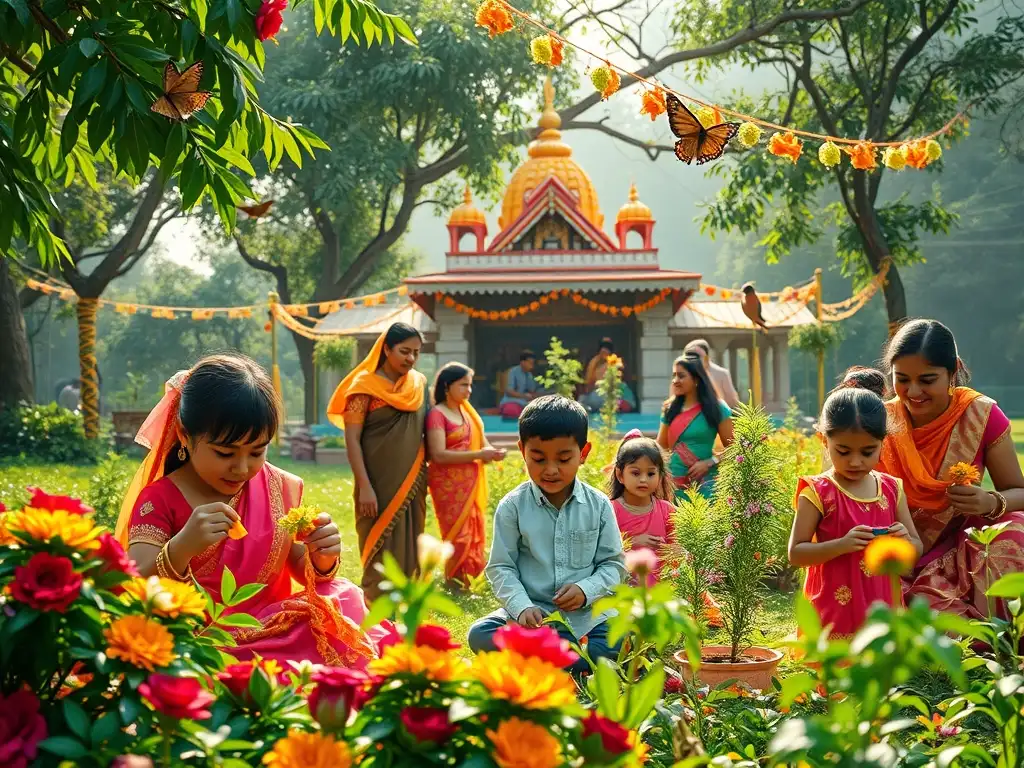
Welcome to Ancient India History, where we invite you to embark on a fascinating journey through the vibrant tapestry of ancient Indian civilizations. In our featured article, “How Ancient Indian Festivals Promote Sustainability and Nature Conservation,” we delve into the remarkable ways that age-old traditions not only celebrate life but also champion the ideals of sustainability. Discover how festivals rooted in ancient wisdom continue to inspire modern practices of environmental stewardship. Join us as we unravel the profound connection between culture and conservation, igniting your curiosity to learn more about the enduring legacy of ancient Indian festivals.
- Introduction to Ancient Indian Festivals and Sustainability
- Ancient Indian Festivals Promoting Environmental Awareness
- The Role of Community in Sustainable Celebrations
- Symbolism of Nature in Ancient Indian Festivals
- Modern Relevance of Ancient Indian Festivals and Sustainability
- Conclusion: Integrating Ancient Wisdom with Modern Practices
- Frequently Asked Questions
- Final Reflection: Embracing Sustainability Through Ancient Wisdom
- Embrace Sustainability: Join the Celebration!
Introduction to Ancient Indian Festivals and Sustainability
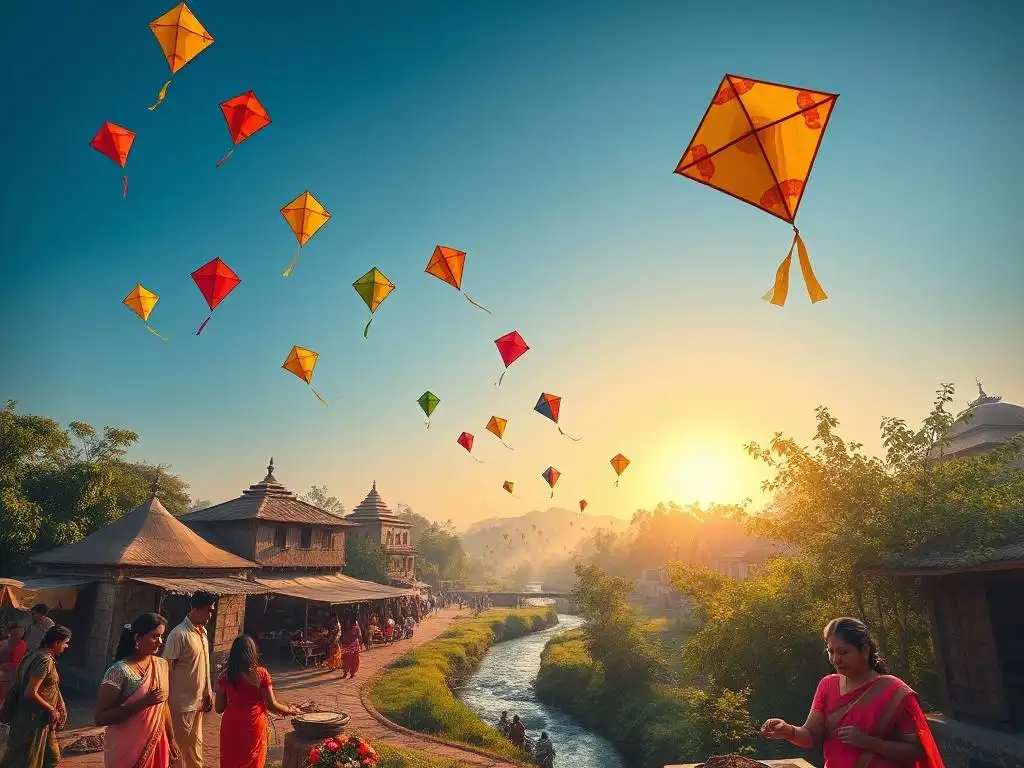
Ancient Indian festivals are not merely occasions for celebration; they are vibrant expressions of the rich cultural tapestry woven over millennia. These festivals, deeply rooted in the traditions and beliefs of various Indian civilizations, serve as a reflection of the values, customs, and lifestyles of the people. One particularly noteworthy aspect of many ancient Indian festivals is their intrinsic connection to sustainability and nature conservation. By examining how these festivals promote ecological awareness and environmental stewardship, we can gain valuable insights into the sustainable practices that have been part of Indian culture long before modern environmentalism took hold.
In this article, we will explore the significance of these festivals within ancient Indian culture as well as their role in fostering a sense of responsibility towards the environment. We will delve into the various practices and rituals that underscore the principles of sustainability and demonstrate how these traditions continue to inspire contemporary movements for nature conservation.
Importance of Festivals in Ancient Indian Culture
Festivals in ancient India were multifaceted events that held profound significance for communities. They served several purposes:
- Religious Observance: Many festivals were tied to religious beliefs, celebrating deities and mythological events that reinforced spiritual and cultural identities.
- Community Bonding: Festivals provided an opportunity for communal gathering and bonding, strengthening social ties and fostering a sense of belonging.
- Agricultural Cycles: Many ancient festivals were closely linked to agricultural cycles, marking the sowing and harvesting seasons, and celebrating the bounty of nature.
The rituals and practices associated with these festivals often emphasized gratitude towards nature and the importance of living in harmony with the environment. For instance, harvest festivals like Pongal and Makar Sankranti illustrate the respect for agricultural cycles and the natural resources that sustain life.
Overview of Sustainability in Ancient Practices
Sustainability was an implicit aspect of many ancient Indian practices, with a focus on preserving the environment and respecting natural resources. Here are some key elements that highlight this connection:
- Nature Reverence: Ancient Indian texts, such as the Vedas and Upanishads, emphasize the sanctity of nature. Elements like rivers, trees, and animals were often considered sacred, fostering a culture of reverence and protection.
- Rituals and Offerings: Many festivals involved rituals that promoted eco-friendly practices, such as using biodegradable materials for decorations and offerings to deities, minimizing environmental impact.
- Seasonal Awareness: The timing of festivals was often aligned with seasonal changes, reflecting an understanding of ecological rhythms and the importance of conserving resources during lean periods.
These practices not only illustrate the sustainability ethos prevalent in ancient Indian festivals but also provide a foundation for contemporary efforts aimed at environmental conservation. As we explore these themes further, we will uncover how ancient wisdom can inform modern sustainability initiatives.
Ancient Indian Festivals Promoting Environmental Awareness
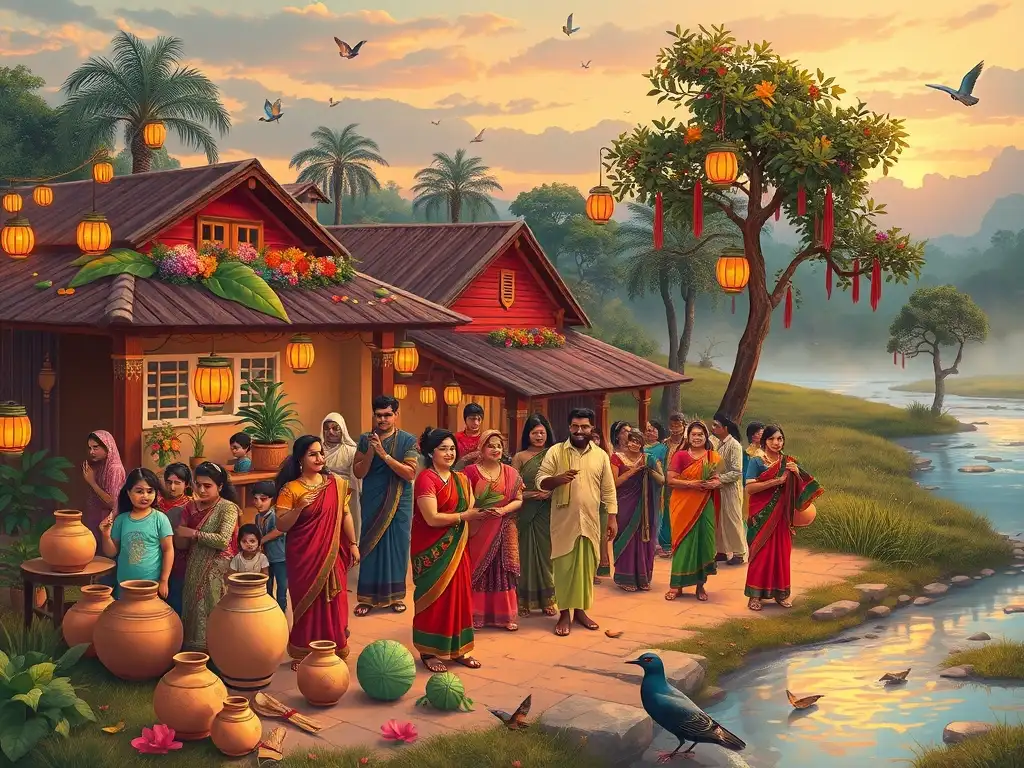
Ancient Indian festivals are deeply intertwined with the rhythms of nature and the agricultural calendar, promoting sustainability and environmental consciousness. These festivals not only celebrate cultural heritage but also instill a sense of responsibility towards the environment. They emphasize a harmonious relationship with nature, encouraging communities to engage in practices that protect and preserve the ecosystem.
Festivals Celebrating Nature and Its Bounty
Festivals in ancient India often coincide with seasonal changes and agricultural cycles, reflecting the community's dependence on nature. They celebrate the bounty of the earth and the significance of sustainable practices in agriculture.
Harvest Festivals: Acknowledging Agricultural Sustainability
Harvest festivals, such as Pongal, Baisakhi, and Makar Sankranti, are prime examples of how ancient Indian festivals promote sustainability. These festivals are celebrated at the end of the harvest season, acknowledging the hard work of farmers and the gifts of nature.
- Pongal: Celebrated in Tamil Nadu, this festival marks the end of the harvest and is dedicated to the Sun God. The traditional dish, Pongal, made from newly harvested rice, is prepared and offered to nature as a gratitude gesture.
- Baisakhi: In Punjab, this festival celebrates the harvest of rabi crops. It emphasizes the importance of sustainable farming practices and community bonding through shared meals and festivities.
- Makar Sankranti: This festival signifies the transition of the sun into the zodiac of Capricorn and marks the beginning of the harvest season. People participate in kite flying, symbolizing aspiration and the joy of nature's bounty.
Each of these festivals emphasizes the importance of agricultural sustainability, promoting practices that respect seasonal cycles and ecological balance. By celebrating the harvest, communities reinforce their connection to the land and the importance of nurturing it.
Rituals and Practices that Foster Conservation
Ancient Indian festivals incorporate rituals and practices that foster conservation and environmental stewardship. Many of these customs are rooted in respect for nature and reflect a deep understanding of ecological balance.
Eco-friendly Rituals in Hindu Festivals
Hindu festivals, in particular, are rich with eco-friendly rituals that promote sustainability. These practices often involve using natural materials and engaging in activities that aid in environmental conservation.
- Use of Natural Colors: During festivals like Holi, the use of chemical-free colors made from flowers and herbs is encouraged. This practice not only enhances the celebration but also promotes the use of sustainable resources.
- Ganesh Chaturthi: Traditionally, idols of Lord Ganesha were made from clay, which could dissolve in water. However, modern practices have shifted towards using eco-friendly materials, promoting the idea of immersing idols made from biodegradable substances.
- Diwali and Planting Trees: During Diwali, the festival of lights, many communities engage in the tradition of planting trees. This act symbolizes the promotion of a greener environment and the importance of conserving nature for future generations.
These rituals highlight the significance of eco-conservation in ancient Indian festivals, encouraging communities to adopt sustainable practices in their celebrations. By intertwining spirituality and environmental awareness, these festivals promote a culture of respect and care for the planet.
Ancient Indian festivals play a crucial role in promoting sustainability and environmental awareness. Through their celebrations and rituals, they instill a deep respect for nature, fostering a culture that values conservation and sustainable practices.
The Role of Community in Sustainable Celebrations

The role of community in sustainable celebrations is a fundamental aspect of ancient Indian festivals that echoes the values of collective responsibility and environmental stewardship. These festivals serve not only as a platform for cultural expression but also as a means to promote sustainability through communal participation.
Collective Responsibility in Festivals
Ancient Indian festivals are deeply rooted in the community's shared values and beliefs, where each member plays a crucial role. This collective responsibility is evident in various aspects of festival celebrations, such as:
- Resource Sharing: Communities come together to pool resources for decorating, preparing food, and organizing events. This sharing minimizes waste and promotes sustainable practices.
- Traditional Practices: Many festivals involve rituals that honor nature, such as harvesting celebrations where communities express gratitude to the earth. These practices instill a sense of responsibility towards the environment.
- Education and Awareness: Festivals often include storytelling and educational sessions that highlight the importance of sustainability and conservation. Elders pass down knowledge about traditional ecological practices, reinforcing the community's commitment to the environment.
These practices collectively foster an environment where sustainability becomes a shared goal, ensuring that future generations can enjoy the same natural resources.
Community Engagement in Nature Conservation Efforts
Community engagement in nature conservation during ancient Indian festivals is a vital part of maintaining ecological balance. This engagement manifests in various ways, including:
- Tree Planting Drives: Many festivals coincide with tree planting initiatives. For example, during the festival of Maha Shivaratri, communities often plant saplings as a tribute to Lord Shiva, symbolizing their commitment to protecting nature.
- Cleanliness Drives: Festivals like Diwali and Holi inspire community members to participate in cleanliness drives before and after the celebrations. This not only beautifies the environment but also raises awareness about waste management and pollution reduction.
- Wildlife Protection Initiatives: Celebrations such as Makar Sankranti involve activities that promote the protection of migratory birds. Communities engage in birdwatching events and create awareness about the importance of preserving natural habitats.
The active involvement of community members in these initiatives highlights a collective effort towards conserving nature, reinforcing the idea that sustainability is a shared responsibility.
Collaborative Initiatives During Festivals
Collaborative initiatives during ancient Indian festivals often lead to innovative solutions for environmental challenges. Some notable examples include:
- Eco-friendly Decorations: Many communities have started to use biodegradable materials for decorations during festivals like Navratri and Ganesh Chaturthi, reducing plastic waste significantly.
- Sustainable Offerings: Festivals encourage the use of organic materials for offerings, such as flowers and fruits. This practice not only honors the deities but also ensures that the offerings are compostable and do not harm the environment.
- Partnerships with NGOs: Many festivals see collaborations between local communities and non-governmental organizations (NGOs) focused on environmental conservation. These partnerships organize workshops, awareness campaigns, and clean-up drives that engage the entire community.
Through these collaborative efforts, ancient Indian festivals become a powerful catalyst for promoting sustainability and nature conservation, ensuring that the cultural heritage is preserved alongside the ecological balance.
The community’s role in ancient Indian festivals goes beyond celebration; it is a cornerstone for fostering sustainability and environmental consciousness. By engaging collectively and participating in nature conservation initiatives, communities uphold their traditions while ensuring a healthier planet for future generations.
Symbolism of Nature in Ancient Indian Festivals
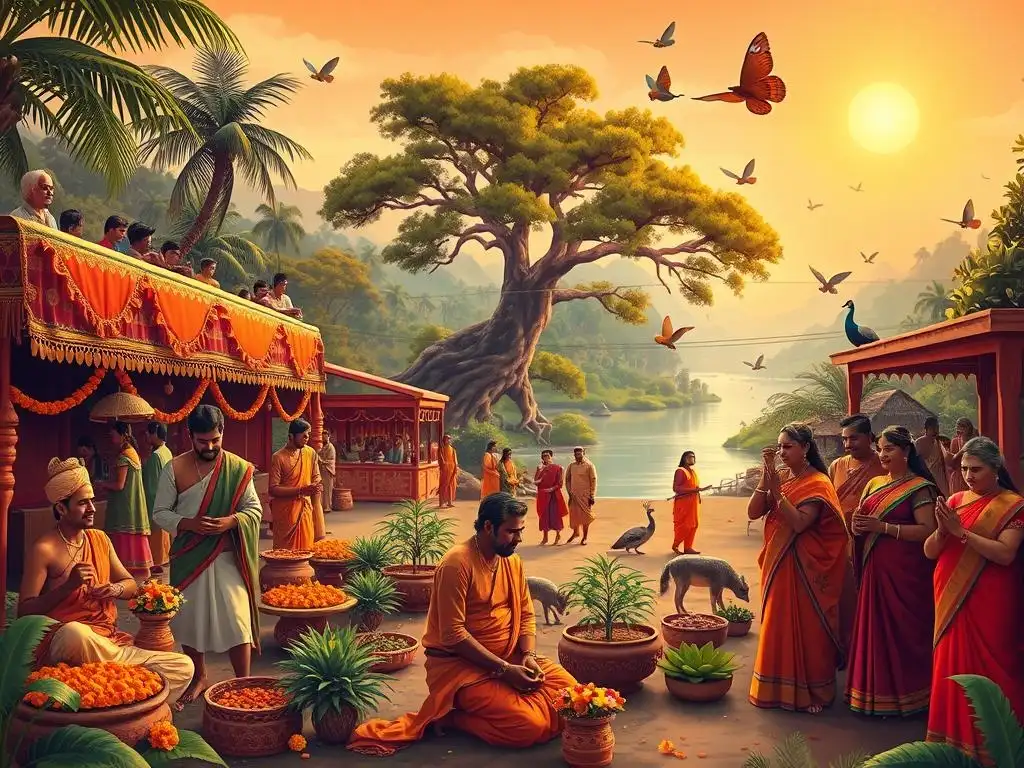
In ancient Indian festivals, nature is not merely a backdrop but a central theme that symbolizes the intricate relationship between humanity and the environment. The festivals often reflect a deep reverence for the natural world, illustrating how ancient Indian civilizations recognized the importance of sustainability and ecological balance. This understanding is embedded in rituals, practices, and beliefs that celebrate various elements of nature such as rivers, mountains, and flora.
Deities and Nature: A Reverence for the Environment
The connection between deities and nature is pivotal in many ancient Indian festivals. For example, Ganga Dussehra celebrates the river Ganga, revered as a goddess. This festival not only honors the spiritual significance of the river but also highlights the importance of water conservation. Devotees engage in rituals that involve cleaning the riverbanks and offering prayers for the river's health, reinforcing the idea of preserving natural water sources.
Similarly, Vasant Panchami, which marks the arrival of spring, venerates the goddess Saraswati, who embodies wisdom and knowledge. The festival involves planting mustard seeds, symbolizing new life and agricultural prosperity. This practice serves as a reminder of the importance of agriculture and biodiversity in sustaining communities.
| Festival | Associated Deity | Element of Nature | Sustainable Practice |
|---|---|---|---|
| Ganga Dussehra | Ganga | Water | River cleaning and conservation rituals |
| Vasant Panchami | Saraswati | Flora | Planting seeds to promote agriculture |
| Navaratri | Durga | Earth | Eco-friendly decorations and rituals |
Mythology and Its Lessons on Sustainability
Ancient Indian mythology is rich with stories that impart lessons on sustainability and the importance of living in harmony with nature. These narratives often feature gods and goddesses who embody natural forces, teaching followers the value of respecting and preserving the environment.
One such story is that of Krishna and the Govardhan Hill. In this tale, Krishna lifts the Govardhan Hill to protect the villagers from torrential rains caused by the wrath of Indra, the god of rain. This myth not only emphasizes the significance of mountains as protectors of the ecosystem but also teaches the importance of unity in the face of environmental challenges. By venerating natural formations, the festival associated with this story, Govardhan Puja, encourages sustainable practices such as responsible land use and respect for natural resources.
Stories Promoting Respect for Nature
The lessons imparted through ancient stories resonate with modern principles of sustainability. For instance, the tale of Ramayana illustrates Hanuman's journey to bring back medicinal herbs from the Himalayas to save Lakshmana. This narrative underscores the value of biodiversity and the need to conserve medicinal plants, which have been vital for traditional medicine.
Another powerful story is that of Lord Shiva and the sacred Banyan tree. The tree is often associated with longevity and sustenance, representing the interconnectedness of life. The festival of Maha Shivaratri involves rituals that honor this sacred tree, promoting the practice of planting and conserving trees to enhance environmental health.
These mythological stories serve as powerful reminders of the ethical and moral responsibilities that individuals hold towards nature. By embedding these lessons within festival celebrations, ancient Indian cultures have fostered a legacy of sustainability that continues to inspire contemporary practices.
Modern Relevance of Ancient Indian Festivals and Sustainability
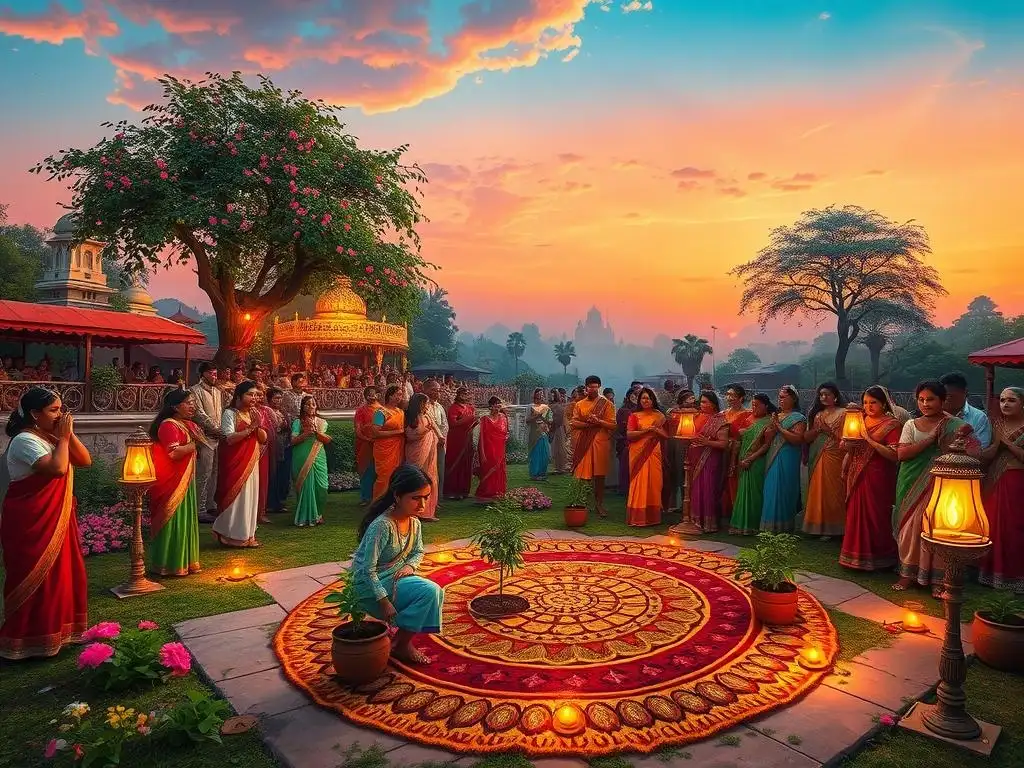
Ancient Indian festivals are not merely relics of the past; they hold significant relevance in contemporary society, especially in the context of sustainability and nature conservation. As the world grapples with climate change, pollution, and resource depletion, these festivals offer a blueprint for harmonizing human activities with the natural environment. The practices and philosophies underlying these celebrations often emphasize the importance of nature, community, and sustainability.
Reviving Ancient Practices in Contemporary Celebrations
In recent years, there has been a resurgence in the revival of ancient practices associated with Indian festivals that promote sustainability. Many communities are increasingly recognizing the importance of integrating traditional wisdom into modern celebrations. For instance:
- Use of Eco-Friendly Materials: Traditional festivals like Ganesh Chaturthi are now celebrated with eco-friendly idols made from clay and natural colors, reducing the environmental impact of plastic and chemical pollutants.
- Community Participation: Many festivals encourage collective activities, such as planting trees or cleaning local water bodies, fostering a sense of community responsibility towards the environment.
- Seasonal Foods: Festivals often revolve around seasonal produce, encouraging the consumption of local and organic food, which not only supports local farmers but also reduces carbon footprints associated with food transportation.
Reviving these practices not only helps in conserving the environment but also strengthens cultural identity and community bonds, making sustainability an integral part of modern festivities.
Influence on Modern Environmental Movements
Ancient Indian festivals have also influenced broader environmental movements across the globe. The philosophies and rituals associated with these festivals often align with modern sustainability goals. For instance:
- Celebrating Nature: Festivals such as Makar Sankranti emphasize the importance of the sun and seasonal changes, promoting an understanding of natural cycles and ecological balance.
- Rituals of Gratitude: Many festivals involve rituals that express gratitude towards nature, such as thanking the earth for its bounties, reinforcing the idea of stewardship and respect for the environment.
- Awareness Campaigns: Modern organizations often draw inspiration from these ancient traditions to develop campaigns that raise awareness about environmental issues, using cultural narratives to connect with diverse audiences.
By integrating these ancient practices into modern environmental efforts, activists can leverage the cultural significance of festivals to foster a deeper commitment to sustainability.
Case Studies of Festivals Leading to Environmental Change
Several specific instances illustrate how ancient Indian festivals have catalyzed environmental change:
- Ganesh Chaturthi: The immersion of Ganesh idols in water bodies raised concerns about pollution. In response, communities began advocating for eco-friendly idols and organized awareness campaigns about water conservation, leading to significant improvements in local water quality.
- Diwali: Traditionally celebrated with the bursting of firecrackers, Diwali has seen a shift towards the use of eco-friendly alternatives such as clay lamps and the promotion of noise-free celebrations. This change has significantly reduced air pollution levels during the festival.
- Holi: The festival of colors has been transformed with the introduction of organic colors derived from flowers and herbs. This not only reduces chemical exposure but also encourages sustainable farming practices among local farmers.
- Pongal: This harvest festival emphasizes the importance of sustainable agriculture and local food systems. Celebrating the harvest with traditional dishes made from locally sourced ingredients supports local farmers and promotes biodiversity.
These case studies highlight the potential for ancient Indian festivals to inspire meaningful environmental change, showcasing a harmonious relationship between culture and sustainability. By understanding and revitalizing these practices, communities can foster a culture of conservation that resonates with both tradition and contemporary environmental ethics.
Conclusion: Integrating Ancient Wisdom with Modern Practices

The exploration of ancient Indian festivals reveals a profound connection between cultural celebrations and sustainability, offering valuable insights for modern environmental practices. These festivals, deeply rooted in the philosophies of nature and community, provide a framework for celebrating life while promoting ecological awareness. By integrating ancient wisdom into contemporary practices, we can foster a deeper respect for the environment and inspire a collective commitment to sustainability.
Call to Action for Sustainable Celebrations
As we commemorate ancient Indian festivals, it is crucial to adopt practices that honor both tradition and the environment. Here are some actionable steps to promote sustainability during celebrations:
- Use Eco-Friendly Materials: Opt for biodegradable or reusable decorations instead of plastic. For instance, during Diwali, consider using clay diyas instead of electric lights and synthetic decorations.
- Natural Offerings: When making offerings during festivals, choose organic and locally sourced materials. This not only supports local farmers but also minimizes carbon footprints associated with transportation.
- Community Involvement: Engage your community in clean-up drives post-festival celebrations. Encourage collective participation in initiatives like tree planting or waste segregation to reinforce the importance of environmental stewardship.
- Educate and Share: Use the platform of festivals to educate attendees about sustainability. Share traditional practices that align with ecological conservation, such as the significance of using natural colors during Holi.
By implementing these practices, we can ensure that our celebrations resonate with the values of sustainability, echoing the teachings of our ancestors.
Final Thoughts on the Role of Ancient Indian Festivals in Environmental Conservation
Ancient Indian festivals serve as a testament to the harmonious relationship between human culture and the natural world. These celebrations not only reflect the spiritual and cultural identity of the people but also embody principles of respect and conservation for the environment.
The rituals and customs associated with these festivals remind us of our responsibility toward nature. For example, the harvest festivals emphasize the importance of agriculture and biodiversity, while festivals like Makar Sankranti celebrate the sun's role in sustaining life.
As we navigate the challenges of modern environmental crises, the lessons drawn from ancient Indian festivals can guide us toward sustainable living. By honoring these traditions, we can cultivate a culture that values ecological balance and inspires future generations to cherish the natural world.
By embracing the philosophy of ancient Indian festivals, we can create a sustainable future that honors our past while nurturing the planet for generations to come.
Frequently Asked Questions
What are ancient Indian festivals focused on sustainability?
Many ancient Indian festivals emphasize nature conservation and sustainable practices, celebrating the environment through rituals that honor natural elements, such as water, earth, and trees.
How do ancient festivals reflect environmental values?
Ancient festivals often include rituals and customs that promote sustainable living, encouraging communities to respect and protect their natural resources, such as through the celebration of harvest and seasonal changes.
Can you give examples of festivals that promote sustainability?
Festivals like Makar Sankranti and Pongal celebrate the harvest and promote agricultural practices that are in harmony with the environment, emphasizing the importance of biodiversity and sustainable farming.
What role do rituals play in these festivals?
Rituals in ancient Indian festivals serve to reinforce cultural values related to nature conservation, teaching communities to live in balance with their surroundings and to respect the cycles of nature.
How can modern society learn from ancient festivals?
Modern society can draw inspiration from ancient festivals by integrating sustainable practices and environmental consciousness into current celebrations, fostering a deeper connection with nature and promoting sustainability.
Final Reflection: Embracing Sustainability Through Ancient Wisdom
The relevance of ancient Indian festivals in today's world cannot be overstated; they serve as a powerful reminder of our responsibility toward sustainability and nature conservation. As we navigate the complexities of modern life, these festivals illuminate pathways to a more harmonious existence with our environment. They teach us that sustainability is not merely a contemporary trend but a timeless principle woven into the fabric of our cultural heritage.
The influence of these festivals extends far beyond their celebratory nature; they are a testament to the deep-rooted connection between culture and ecology. The rituals and practices associated with these festivals encourage communities to engage with nature, fostering a sense of stewardship that is crucial in our fight against environmental degradation. In every walk with nature, one receives far more than he seeks.
— John Muir. This quote encapsulates the essence of what these ancient celebrations offer: a profound understanding of our place within the natural world and the importance of preserving it for future generations.
As we reflect on the lessons imparted by ancient Indian festivals, let us commit to integrating these principles into our daily lives. Consider how you can celebrate sustainability in your own way, whether through mindful consumption, community engagement, or simply appreciating the beauty of nature around you. The wisdom of the past can guide us toward a more sustainable future, and it is our responsibility to honor that legacy by taking action today.
Embrace Sustainability: Join the Celebration!
Thank you for exploring how ancient Indian festivals contribute to sustainability and nature conservation! Your interest demonstrates a commitment to preserving our planet while honoring rich traditions. Now, let’s put that knowledge into action!
Here are some empowering steps you can take today:
- Participate in a local festival that celebrates nature—immerse yourself in traditions that promote environmental awareness!
- Share your insights on social media to inspire your friends and family to adopt eco-friendly practices.
- Explore the stories of ancient festivals—read more, delve deeper, and discover how you can incorporate these sustainable practices into your daily life.
How will you celebrate the connection between culture and conservation this year?