
The Art of Weaving: Understanding the Spiritual Significance in Ancient Indian Culture

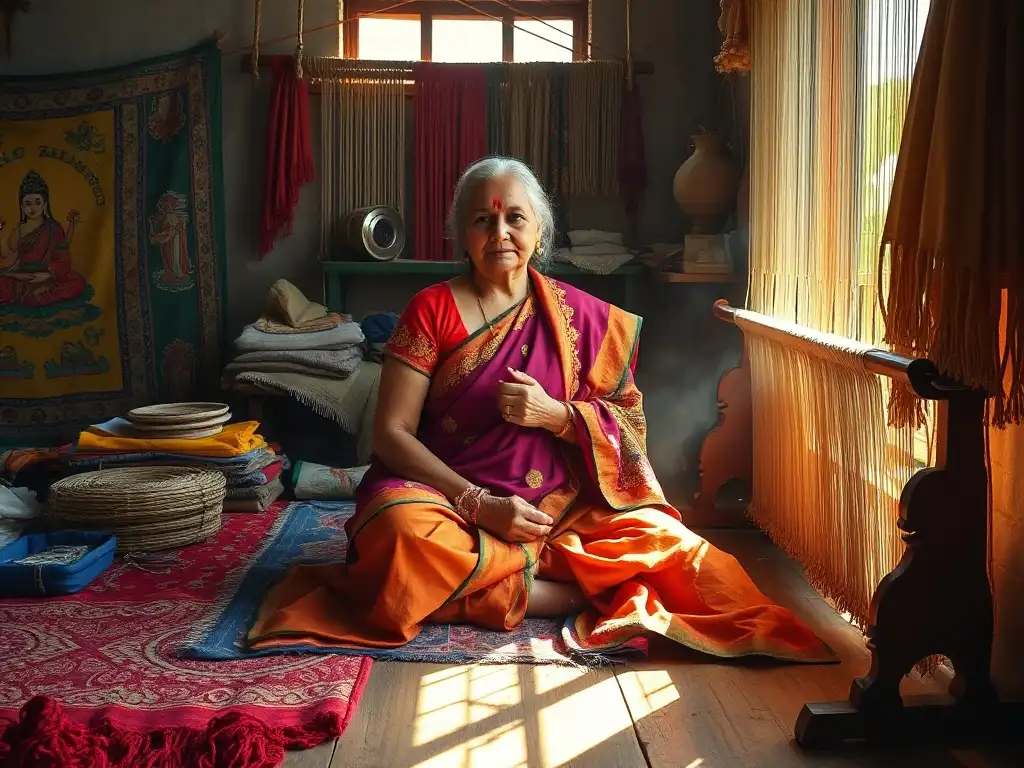
Welcome to Ancient India History, where we embark on a fascinating journey through the rich tapestry of India's past. In our latest article, "The Art of Weaving: Understanding the Spiritual Significance in Ancient Indian Culture," we unravel the intricate connections between craftsmanship and spirituality that have shaped the very fabric of Indian civilization.
As we delve into the profound meanings behind weaving, you'll discover how this timeless art form transcends mere utility to embody cultural heritage and spiritual expression. Get ready to explore the threads that bind history, culture, and spirituality in a way that will leave you eager to learn more!
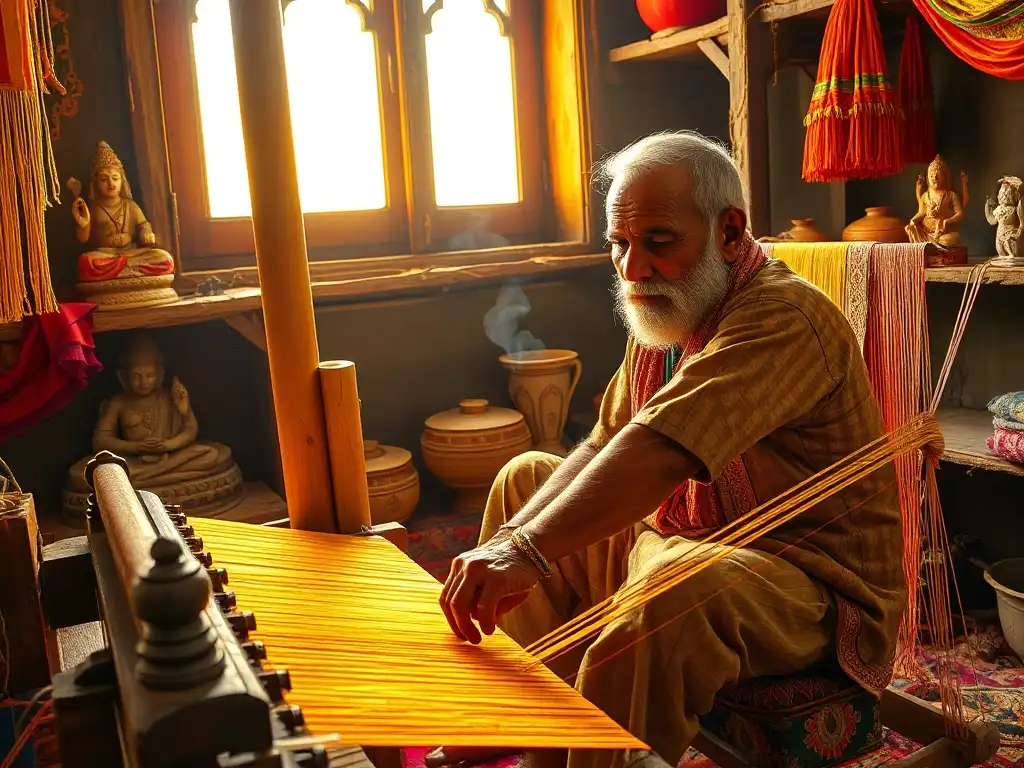
Weaving is not merely a craft in India; it is an age-old tradition steeped in cultural and spiritual significance. From the intricate patterns of the Indus Valley Civilization to the sophisticated techniques developed during the Gupta Empire, the art of weaving has been woven into the very fabric of Indian society.
This article explores the profound spiritual significance of weaving in India, revealing how it transcends the functional aspect of creating textiles to embody deeper meanings and connections to heritage, identity, and spirituality. By delving into the historical context and societal roles of weaving, we can appreciate its enduring legacy and the intricate relationships it fosters within communities.
Introduction to the Spiritual Significance of Weaving in India
Weaving in ancient India was a practice imbued with spirituality, often intertwined with various religious beliefs and cultural narratives. The act of creating textiles was not just about producing cloth; it was a sacred art form that represented the connection between the physical and spiritual worlds. Different weaving patterns and techniques often held specific meanings, reflecting the beliefs and values of the society that produced them.
For instance, many weavers invoked deities and performed rituals before commencing their work, believing that their craftsmanship would be enhanced through divine blessings. This intersection of labor and spirituality is what made weaving a revered vocation among many communities. The textiles produced were often used in religious ceremonies, symbolizing purity and devotion, and were integral to the cultural fabric of ancient Indian life.
Historical Context of Weaving in Ancient India
The history of weaving in India dates back thousands of years, with evidence found in archaeological sites such as Mohenjo-Daro and Harappa, where finely woven textiles were discovered. These early civilizations laid the groundwork for a rich tradition of textile production that would flourish over the centuries.
The Evolution of Weaving Techniques in Ancient Indian Civilizations
As we examine the evolution of weaving techniques, it is essential to recognize how these methods varied across different regions and time periods. For example:
- Indus Valley Civilization: Known for its sophisticated cotton textiles, this early civilization showcased advanced weaving techniques that included spinning and dyeing.
- Vedic Period: Textiles began to hold more than just practical uses; they became integral to rituals and ceremonies, often crafted with symbolic motifs.
- Gupta Empire: This era saw the rise of luxurious silk weaving, with intricate patterns that carried both aesthetic and spiritual meanings.
Each period not only advanced the technical aspects of weaving but also deepened its spiritual connotations, as textiles became symbols of identity and tradition.
The Role of Weaving in Ancient Indian Society
Weaving was a vital part of the socio-economic structure of ancient Indian societies. It provided livelihoods for countless families and fostered community bonds through collaborative efforts. Beyond the economic implications, weaving also played a crucial role in cultural identity, as different regions developed unique styles and motifs that reflected their heritage.
The spiritual significance of weaving in ancient India is a testament to the intricate relationship between art, culture, and spirituality. As we continue to explore this fascinating subject, we will uncover the layers of meaning embedded in this timeless craft, revealing how it continues to influence modern Indian textiles and society.
Spiritual Significance of Weaving in India
Weaving in ancient India transcended the mere creation of textiles; it was imbued with deep spiritual significance that reflected the very essence of life, culture, and tradition. The act of weaving was often considered a sacred practice, representing the interconnectedness of all living beings. This connection was symbolically portrayed through the intricate patterns and motifs that adorned textiles, each telling a story and carrying spiritual messages. The process of weaving itself was seen as a form of meditation, where the weaver would engage in a rhythmic dance, channeling their energy and intentions into the fabric they created.
In many communities, weaving was not just an art form but also a means of preserving ancient wisdom and cultural narratives. Textiles became a canvas for expressing religious beliefs, rituals, and social values. The spiritual significance of weaving in India can be observed in various religious texts and practices, where woven items are often used in ceremonies, signifying purity, protection, and blessings.
Symbolism of Weaving in Ancient Indian Beliefs
The symbolism of weaving in ancient Indian beliefs is rich and multifaceted. Weaving was often likened to the intricate web of life, where each thread represented an individual, and the woven fabric symbolized the community's unity. This analogy was prevalent in various philosophical and spiritual contexts, illustrating the belief that every person plays a vital role in the larger tapestry of existence.
Furthermore, specific motifs and patterns in textiles were imbued with symbolic meanings. For example, the lotus motif, frequently seen in traditional weavings, represents purity and spiritual enlightenment, while geometric patterns often symbolize harmony and balance. These symbols served as reminders of the spiritual principles that governed life and were used in rituals to invoke blessings and protection.
In addition, weaving was considered a divine craft, with many artisans believing their skills were a gift from the gods. This belief imbued their work with a sense of sacredness, as each piece created was seen as a tribute to their spiritual lineage.
Weaving and Its Connection to Indian Philosophy
Weaving has strong connections to Indian philosophy, particularly in concepts such as Dharma (duty) and Karma (action). The act of weaving was viewed not only as a skilled craft but also as a fulfilling duty that contributed to the community's wellbeing. Weavers believed that by creating beautiful textiles, they were fulfilling their Dharma, which in turn would bring positive Karma to themselves and their families.
Moreover, the interconnectedness of threads in weaving parallels the philosophical idea of interconnectedness in Indian thought. Just as individual threads come together to create a cohesive fabric, individuals in society are seen as interconnected, each playing a vital role in the greater whole. This philosophy is deeply rooted in ancient texts such as the Upanishads, which emphasize the unity of all beings and the importance of collective harmony.
Traditional Indian Textiles with Spiritual Significance
Traditional Indian textiles are not only renowned for their beauty but also for their deep spiritual significance. Each textile tells a story and embodies the traditions, beliefs, and values of the culture from which it originates. The craftsmanship involved in creating these textiles reflects a profound understanding of materials, techniques, and spiritual symbolism.
Overview of Iconic Indian Textiles
Several iconic textiles in India hold spiritual significance, each representing unique cultural heritage. For instance:
- Banarasi Silk: Renowned for its intricate patterns and gold and silver brocade, often used in bridal wear, symbolizes prosperity and auspiciousness.
- Kanchipuram Silk: Known for its vibrant colors and durable weave, it is often worn during religious ceremonies, symbolizing purity and devotion.
- Pashmina Shawls: Made from the fine wool of Himalayan goats, these shawls are associated with luxury and warmth, often used in spiritual practices and rituals.
- Ikat: This resist-dyeing technique results in distinctive patterns, often used in garments that celebrate community events and rituals.
These textiles not only serve practical purposes but also act as conduits for spiritual expression and cultural identity.
The Role of Colors and Patterns in Weaving
Colors and patterns in traditional Indian textiles carry significant spiritual meanings and are carefully chosen to align with specific cultural and religious beliefs. Each color is imbued with symbolism:
- Red: Represents fertility, passion, and auspiciousness, commonly used in wedding attire.
- Yellow: Symbolizes knowledge and learning, often associated with spiritual teachers and rituals.
- Green: Represents nature and harmony, frequently used in textiles for festivals and celebrations.
Patterns are equally important, with each design element reflecting spiritual concepts. For example, the Madhubani style often features natural motifs and deities, conveying stories from mythology and spirituality. The use of intricate patterns not only enhances the aesthetic appeal of textiles but also serves as a means of communicating deeper spiritual truths.
The spiritual significance of weaving in India is deeply rooted in its cultural heritage. It reflects the community's beliefs, practices, and the philosophical underpinnings that have shaped the identity of Indian civilization over centuries.
Case Studies: Weaving in Spiritual Practices
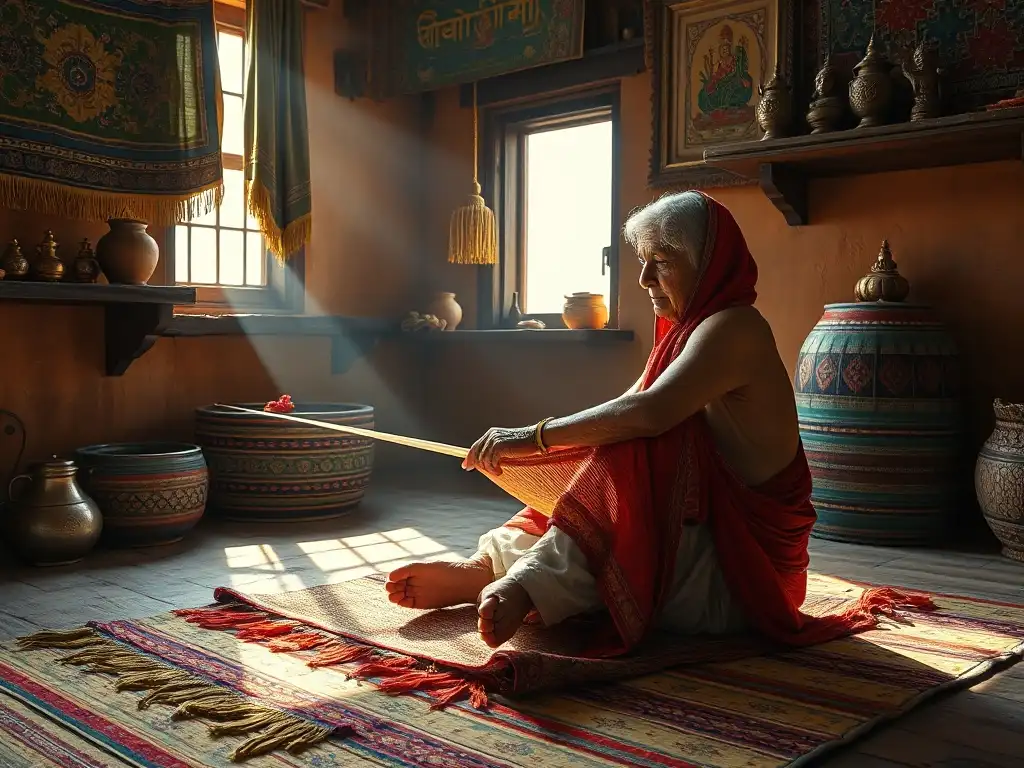
Weaving has long been intertwined with the spiritual practices of various cultures across India. This relationship is particularly evident in the way textiles are used in rituals, art, and daily life. The case studies presented here illustrate how weaving transcends mere functionality and enters the realm of the sacred.
One prominent example is the use of kanchipuram silk sarees in weddings, particularly in South India. These sarees are not just garments but are considered auspicious and are often adorned with motifs that depict deities and symbols of prosperity. The process of weaving these sarees is steeped in tradition, with each motif carrying a spiritual narrative that connects the wearer to their heritage and beliefs.
Another significant case study involves the Banarasi sarees, known for their intricate designs and rich texture. Traditionally, these sarees are woven with gold and silver threads and are often used in religious ceremonies. The artisans, or weavers, often invoke blessings during the weaving process, believing that their craftsmanship imbues the fabric with spiritual energy.
Weaving and Rituals in Indian Festivals
Festivals in India are vibrant reflections of its rich tapestry of beliefs and traditions, and weaving plays a crucial role in many of these celebrations. For instance, during Navratri, the nine nights dedicated to the worship of the goddess Durga, traditional attire made from handwoven fabrics is a common sight. Each day corresponds to a different color, and the fabrics worn symbolize various aspects of the divine feminine.
Moreover, the festival of Pongal in Tamil Nadu showcases the importance of woven mats and textiles. These are used to create altars for offerings during the celebration, emphasizing how weaving is integral to both the physical and spiritual aspects of the festival. The mats, often made from local reeds and grasses, serve as a connection between the earth and the divine, grounding the rituals in nature while elevating them to a sacred experience.
The Influence of Weaving on Art Forms in India
Weaving has significantly influenced various art forms in India, where textiles are not only practical items but also canvases for artistic expression. The intricate patterns and motifs found in traditional textiles often reflect local folklore, mythology, and spirituality.
For example, the Madhubani painting style from Bihar often features woven patterns that mirror the intricate designs found in the region's textiles. This art form employs weaving-like techniques in its visuals, symbolizing the interconnectedness of art and craft. The themes explored in these paintings often include depictions of gods and goddesses, further reinforcing the spiritual significance of weaving.
In addition, block printing—another traditional technique—borrows from the aesthetics of weaving. The designs, often inspired by nature and spirituality, demonstrate a deep respect for the environment and the divine. The process itself is a meditative practice, as artisans carefully apply dye to fabric, reflecting a spiritual dedication to their craft.
Modern Interpretations of Traditional Weaving
As global interest in sustainable fashion grows, modern interpretations of traditional weaving techniques are emerging. Many contemporary designers are reimagining ancient practices to create textiles that resonate with today’s ethos while honoring their spiritual roots. These interpretations often blend traditional motifs with modern aesthetics, creating a dialogue between the past and the present.
For instance, designers are increasingly using handloom fabrics in their collections, promoting slow fashion principles that respect the environment and the artisans behind the craft. This revival not only preserves the spiritual narratives embedded in these textiles but also introduces them to new audiences who value authenticity and cultural heritage.
The Revival of Traditional Weaving Techniques
Efforts to revive traditional weaving techniques have gained momentum in recent years, with an emphasis on sustainability and the preservation of cultural identity. Organizations and NGOs are working closely with artisans to provide training, resources, and market access, ensuring that these time-honored practices do not fade into obscurity.
The resurgence of interest in khadi, a handspun and handwoven cloth, exemplifies this revival. Originally promoted by Mahatma Gandhi as a symbol of self-reliance and independence, khadi is now embraced for its eco-friendly properties and unique textures. This movement not only supports artisans but also reinforces the spiritual significance of weaving as a form of resistance and empowerment.
Spiritual Significance of Weaving in Contemporary Practice
In contemporary settings, the spiritual significance of weaving continues to manifest in various ways. Many artisans view their work as a form of meditation, with the rhythmic motions of weaving serving as a pathway to mindfulness and spiritual connection. This practice helps them maintain a sense of identity and purpose, as they weave stories and prayers into every piece of fabric.
Additionally, workshops and retreats focused on weaving are becoming popular, where participants engage in the craft while exploring its spiritual dimensions. These gatherings often emphasize the meditative aspects of weaving, allowing individuals to connect with themselves and others through shared creativity and cultural heritage.
Overall, the spiritual significance of weaving in India remains a vibrant and evolving aspect of its cultural landscape, bridging ancient practices with contemporary interpretations and fostering a deeper understanding of craftsmanship and spirituality.
Conclusion: The Enduring Legacy of Weaving in Indian Culture
The art of weaving in ancient India is not merely a craft; it embodies a rich tapestry of spiritual significance that has evolved over millennia. Weaving served as a bridge connecting the physical and metaphysical realms, where each thread woven into fabric represented a deeper connection to the cosmos and the divine. The intricate designs and patterns found in traditional textiles often carry symbolic meanings, reflecting the beliefs and values of the communities that created them.
This enduring legacy can be seen in the continued reverence for handwoven textiles today, where artisans uphold ancient techniques and traditions. As the world increasingly turns towards sustainable practices, the spiritual significance of weaving remains relevant, infusing modern textiles with the wisdom of the past. The preservation of these practices not only honors the skills of ancient weavers but also fosters a greater appreciation for the spiritual narratives embedded within each piece of cloth.
The spiritual dimensions of weaving also highlight the communal aspects of this art form. Weaving was often a collective effort, bringing together families and communities, reinforcing social bonds, and passing down traditions from generation to generation. This communal spirit continues to thrive in the contemporary textile industry, where initiatives aimed at supporting artisans help revive traditional practices while empowering local communities.
The art of weaving in India transcends mere utility, enriching the cultural landscape with its profound spiritual significance. It stands as a testament to the creativity and resilience of ancient civilizations, reminding us of the interconnectedness of art, spirituality, and community.
Call to Action: Explore the World of Traditional Indian Textiles
Embark on a journey to discover the vibrant world of traditional Indian textiles, where each piece tells a story steeped in history and spirituality. From the delicate handwoven saris of Varanasi to the intricate patterns of Kanchipuram, the diversity of Indian textiles is immense and captivating.
- Visit local exhibitions showcasing traditional weaving techniques and textiles.
- Engage with artisans to learn about their craft and the spiritual narratives woven into their work.
- Participate in workshops to experience the art of weaving first-hand and appreciate the skill involved.
- Support sustainable fashion by choosing handwoven textiles, thus helping to preserve ancient traditions and promote ethical practices.
By exploring these avenues, you not only enrich your understanding of the spiritual significance of weaving in India but also contribute to the preservation of this invaluable cultural heritage. Let your journey into the world of traditional Indian textiles inspire you to connect with the past while appreciating the artistry and spiritual depth that continues to resonate today. 🌍🧵
- Introduction to the Spiritual Significance of Weaving in India
- Historical Context of Weaving in Ancient India
- Spiritual Significance of Weaving in India
- Traditional Indian Textiles with Spiritual Significance
- Case Studies: Weaving in Spiritual Practices
- Modern Interpretations of Traditional Weaving
- Conclusion: The Enduring Legacy of Weaving in Indian Culture
- Call to Action: Explore the World of Traditional Indian Textiles
- What is the spiritual significance of weaving in ancient India?
- How did weaving contribute to ancient Indian society?
- Which ancient civilizations in India were known for their weaving techniques?
- What materials were commonly used in ancient Indian weaving?
- How does weaving relate to spiritual practices in ancient India?
Frequently Asked Questions
What is the spiritual significance of weaving in ancient India?
The spiritual significance of weaving in ancient India is deeply rooted in cultural traditions. It symbolizes the interconnection between life, spirituality, and the universe, often reflecting divine patterns and cosmic order.
How did weaving contribute to ancient Indian society?
Weaving played a crucial role in ancient Indian society by fostering community bonds and providing a source of livelihood. It also served as a medium for artistic expression, showcasing the rich cultural heritage of various regions.
Which ancient civilizations in India were known for their weaving techniques?
The Indus Valley Civilization and the Gupta Empire are notable for their advanced weaving techniques. These civilizations produced intricate textiles that were not only functional but also held cultural significance.
What materials were commonly used in ancient Indian weaving?
In ancient Indian weaving, artisans commonly used cotton, silk, and wool. These materials were chosen for their durability, availability, and ability to be dyed in vibrant colors, enhancing the aesthetic value of the textiles.
How does weaving relate to spiritual practices in ancient India?
Weaving is often associated with spiritual practices in ancient India, where the act is seen as a form of meditation. It is believed to bring together the physical and spiritual realms, making it a vital aspect of various rituals and ceremonies.
Final Reflection: The Spiritual Tapestry of Weaving in India
The spiritual significance of weaving in India transcends mere craftsmanship; it embodies a profound connection to heritage, identity, and the divine. In today's fast-paced world, where mass production often overshadows traditional practices, the art of weaving serves as a poignant reminder of our roots and the stories interlaced within each thread. This ancient practice not only preserves cultural narratives but also invites us to reflect on the deeper meanings woven into the fabric of our lives.
The influence of weaving on Indian culture is a testament to its enduring legacy, shaping social identities and fostering community bonds. The intricate patterns and motifs found in traditional textiles often symbolize spiritual beliefs and regional histories, making each piece a unique narrative. As Mahatma Gandhi once said, "> The soul of India lives in its villages," highlighting how the art of weaving is not just a skill but a vital expression of cultural continuity and spiritual depth.
As we contemplate the lessons embedded in the art of weaving, let us embrace the call to reconnect with our own narratives and the traditions that shape us. I invite you to reflect on the threads of your life—what stories do they tell? How can you weave your own experiences into a tapestry that honors both your heritage and your aspirations? By recognizing the spiritual significance of weaving, we can cultivate a deeper appreciation for the interconnectedness of our lives and the rich cultural tapestries that bind us all.
Unveil the Spiritual Tapestry of Ancient Weaving!
Thank you for diving into the intricate world of weaving and its deep spiritual significance in ancient Indian culture! We hope you’ve uncovered the rich stories and symbolism tied to this beautiful art form. Now, it’s time to take your newfound knowledge further and engage with the spiritual legacy of weaving.
Here are some actionable steps you can take:
- Explore traditional weaving techniques by attending a local workshop or an online class to experience the process firsthand.
- Share your insights! Discuss what you’ve learned about the spiritual significance of weaving with family and friends, or even on social media to inspire others.
- Connect with local artisans to learn about their craft and the spiritual stories behind their creations. This is a wonderful way to support and engage with your community.
What new perspective on creativity and spirituality have you discovered from the art of weaving? We invite you to share your thoughts below!