
Understanding the Different Types of Indian Silk: Which One is Right for You?

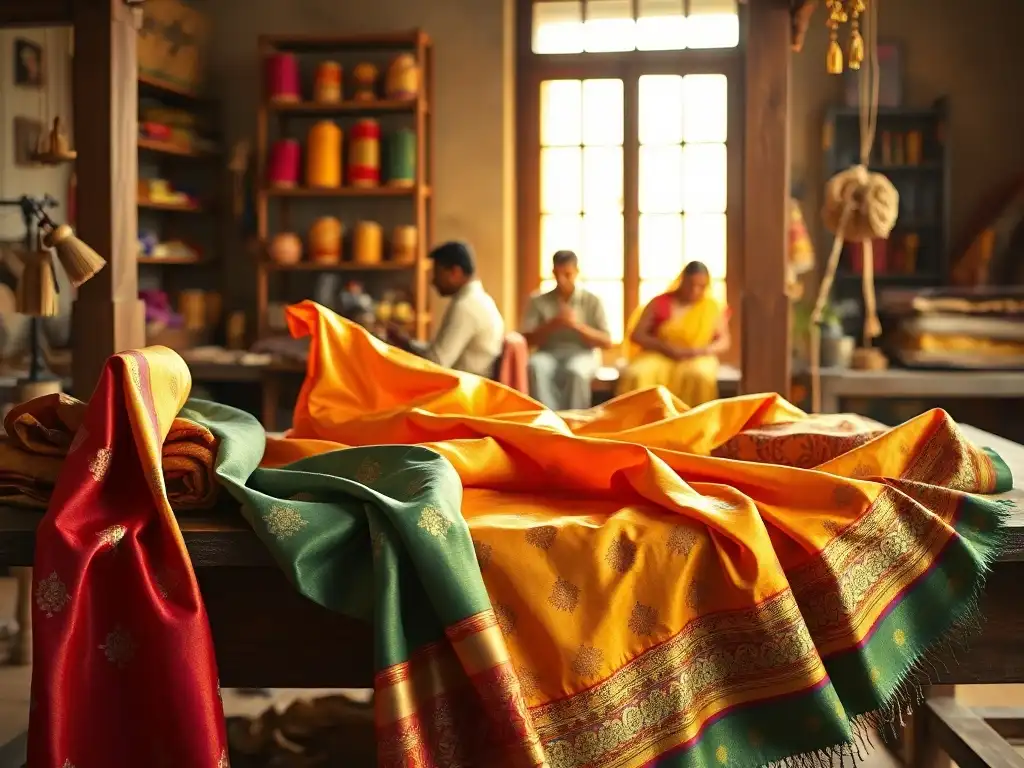
Welcome to Ancient India History, where we embark on a journey through the rich tapestry of India's past, uncovering the remarkable civilizations that shaped its identity. Today, we delve into the luxurious world of silk fabrics, exploring the different types of Indian silk that have adorned royalty and commoners alike for centuries. What makes each type unique, and how can you choose the perfect silk for your next fashion statement? Join us as we unravel the intricate threads of history and culture woven into these exquisite textiles. Your exploration begins now!
Understanding the Different Types of Indian Silk Fabrics: Which One is Right for You?

Silk has been an integral part of Indian culture and tradition for centuries, synonymous with luxury, elegance, and artistry. The diverse array of silk fabrics produced across the subcontinent reflects the rich heritage and craftsmanship of ancient Indian civilizations. From the opulent Banarasi silk to the delicate Tussar, each type of Indian silk carries its own unique characteristics, history, and cultural significance. In this guide, we will delve into the different types of Indian silk fabrics, helping you understand their features and find the perfect match for your needs, whether for traditional wear, festive occasions, or modern fashion statements.
Introduction to Indian Silk Fabrics
Indian silk fabrics are renowned worldwide for their quality, texture, and vibrant colors. The production of silk in India dates back to ancient times, with the earliest evidence of silk weaving found in the Indus Valley Civilization. Over the centuries, different regions of India have developed distinct styles and techniques, resulting in a rich tapestry of silk varieties.
- Key Features of Indian Silk:
- Lustrous Finish: Indian silk fabrics are known for their sheen and smooth texture, making them highly desirable for various garments.
- Durability: High-quality silk is not only luxurious but also strong and long-lasting, ensuring that your investment withstands the test of time.
- Versatility: Whether it's a saree, kurta, or dupatta, Indian silk can be crafted into a wide range of clothing styles.
Understanding the different types of Indian silk fabrics will not only enhance your appreciation for this textile but also empower you to make informed choices when purchasing silk garments.
The Rich Heritage of Indian Silk
Silk weaving in India is interwoven with cultural narratives, rituals, and regional identities. Each type of silk fabric has its own story, often linked to the geographical area of production and the traditional methods employed by artisans.
- Varieties of Indian Silk:
- Mulberry Silk: Known for its smooth texture and glossy appearance, it is produced primarily in Karnataka and Tamil Nadu.
- Tussar Silk: Famous for its rich, textured finish and natural golden color, Tussar silk is primarily woven in Jharkhand and Bihar.
- Ikat Silk: A unique tie-dye technique that creates intricate patterns, primarily associated with the states of Odisha and Gujarat.
- Banarasi Silk: Originating from Varanasi, this silk is celebrated for its opulence, featuring intricate zari work and elaborate designs.
The legacy of Indian silk is not just about textiles; it embodies the artistry and craftsmanship of generations of skilled weavers. By exploring the various types of Indian silk, you can appreciate the artistry behind each fabric and its significance in the broader context of Indian history and culture.
Types of Indian Silk Fabrics
Indian silk fabrics are renowned for their elegance, quality, and intricate craftsmanship. Each type of silk boasts unique characteristics that cater to different tastes and uses. Here’s a closer look at some of the most popular types of Indian silk fabrics:
1. Banarasi Silk
Originating from Varanasi, Banarasi silk is famous for its opulent designs and rich textures. This fabric is typically woven with intricate patterns, often featuring motifs inspired by Mughal art. The luxurious feel of Banarasi silk makes it a popular choice for wedding attire and formal occasions.
Characteristics:
- Made from fine silk yarn.
- Heavily embellished with zari (gold or silver thread).
- Known for its durability and rich color palette.
Banarasi silk sarees are particularly sought after, often becoming family heirlooms due to their exquisite craftsmanship and timeless appeal.
2. Kanchipuram Silk
Kanchipuram silk, also known as Kanjivaram silk, hails from Tamil Nadu and is celebrated for its vibrant colors and traditional designs. This silk is characterized by its thick texture and the use of contrasting shades, making it a favorite for bridal wear.
Characteristics:
- Handwoven using high-quality silk.
- Features bold colors and traditional motifs, such as peacocks and temples.
- Renowned for its durability and glossy finish.
Kanchipuram silk sarees are often considered a symbol of elegance and grace, perfect for festive occasions and weddings.
3. Mysore Silk
Mysore silk, produced in the Mysore region of Karnataka, is known for its soft texture and rich luster. This type of silk is lighter than other types and is often used for both sarees and lightweight garments.
Characteristics:
- Made from pure silk with a fine weave.
- Features simple designs, often with a subtle sheen.
- Highly breathable, making it suitable for warm climates.
Mysore silk sarees are versatile and can be worn for both casual and formal events, showcasing simplicity and elegance.
4. Tussar Silk
Tussar silk, also known as Kosa silk, is produced from the cocoons of wild silkworms. It is distinguished by its natural gold hue and textured surface, making it a favorite among those who appreciate organic fabrics.
Characteristics:
- Has a rustic, earthy appearance.
- Often features hand-painted or block-printed designs.
- More affordable compared to other silk types.
Tussar silk is popular for sarees, stoles, and ethnic wear, providing a unique aesthetic that stands out in traditional fashion.
5. Eri Silk
Eri silk is produced primarily in Northeast India and is known for its warmth and comfort. This type of silk is unique as it is made from the cocoons of Eri silkworms, which can be harvested without killing the insect.
Characteristics:
- Soft and warm, ideal for cooler climates.
- Often features a natural, creamy color with a slightly coarse texture.
- Eco-friendly and sustainable due to the harvesting method.
Eri silk is commonly used for shawls and stoles, providing a cozy option for winter wear.
How to Choose the Right Type of Indian Silk Fabric
Selecting the right type of Indian silk fabric involves considering various factors that align with your personal preferences and intended use. Here are some guidelines to assist in your decision-making process.
Factors to Consider
- Purpose: Determine the primary use of the silk fabric. For weddings and formal events, opt for luxurious types like Banarasi or Kanchipuram silk. For casual wear, consider Mysore or Tussar silk.
- Comfort: Consider the climate and comfort level. Lighter silks like Mysore are suitable for warm weather, whereas Eri silk provides warmth during cooler seasons.
- Design Preference: Different silks offer varying design elements. If you prefer vibrant colors and intricate patterns, Kanchipuram or Banarasi silk may be ideal. For a more understated look, Mysore or Eri silk is preferable.
- Budget: Prices can vary significantly between types. Tussar and Eri silk are generally more affordable, while Banarasi and Kanchipuram silks can be more expensive due to their intricate craftsmanship.
Comparing the Types of Indian Silk Fabrics
Here is a quick comparison table summarizing the key features of each type of Indian silk fabric:
| Type of Silk | Texture | Design | Best For |
|---|---|---|---|
| Banarasi Silk | Rich and luxurious | Intricate patterns, zari work | Weddings, formal attire |
| Kanchipuram Silk | Thick and vibrant | Bold colors, traditional motifs | Bridal wear, festive occasions |
| Mysore Silk | Soft and light | Simple designs | Casual and formal wear |
| Tussar Silk | Rustic and earthy | Hand-painted/block-printed | Sarees, ethnic wear |
| Eri Silk | Soft and warm | Natural, creamy appearance | Shawls, winter wear |
By considering these factors and comparing the different types of Indian silk fabrics, you can make an informed choice that best suits your style and needs.
Caring for Indian Silk Fabrics
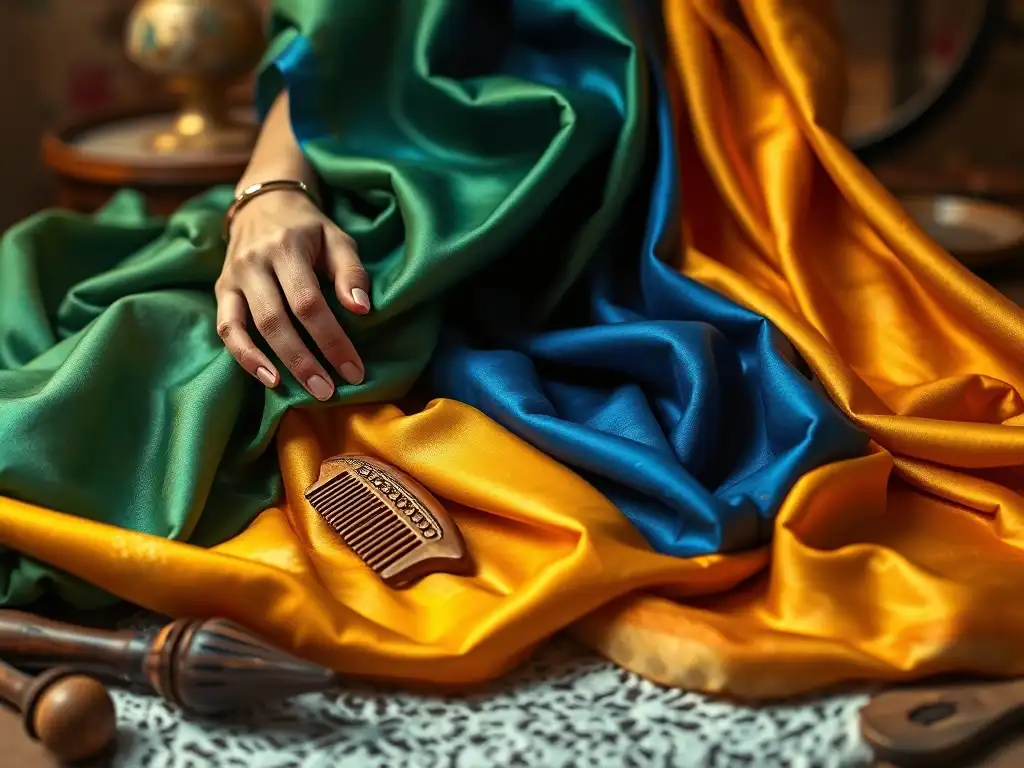
Caring for Indian silk fabrics is essential to maintain their luster, texture, and longevity. Silk is a delicate material that requires special attention during cleaning, storage, and handling. Here are some key tips to ensure your Indian silk garments remain in pristine condition:
- Washing: Always opt for gentle washing methods. Hand wash your silk fabrics in cold water using a mild detergent specifically formulated for silk. Avoid using bleach or harsh chemicals, as they can damage the fibers. If dry cleaning is preferred, ensure that the cleaner is experienced with silk garments.
- Drying: After washing, do not wring or twist silk fabrics. Instead, lay them flat on a clean, dry towel to absorb excess water. Avoid direct sunlight during drying, as UV rays can fade the color and weaken the fibers. Air drying in a shaded area is the best approach.
- Ironing: If your silk fabric is wrinkled, iron it on a low heat setting while it is still slightly damp. Place a thin cloth between the iron and the silk to prevent direct contact, which can lead to burns or shiny spots. Always test a small area first to ensure the heat settings are suitable.
- Storage: To prevent damage from pests, store silk garments in breathable cotton bags or wrap them in acid-free tissue paper. Avoid plastic bags, as they can trap moisture and cause mildew. Ensure that the storage area is cool and dry, away from direct sunlight.
By following these care guidelines, you can preserve the beauty and integrity of your Indian silk fabrics for years to come.
Conclusion: Finding Your Perfect Indian Silk Fabric
Choosing the right type of Indian silk fabric can be a delightful yet overwhelming experience, given the multitude of options available. Each type of silk has its unique characteristics, texture, and suitability for various purposes, whether it be for traditional wear, contemporary fashion, or home décor.
To find your perfect Indian silk fabric, consider the following factors:
- Purpose: Determine the intended use of the fabric. For instance, heavier silks like Kanjivaram are ideal for bridal wear, while lighter fabrics such as Chiffon are perfect for evening wear.
- Seasonality: Consider the climate and season. Lighter silks are better for warm weather, while thicker silks provide warmth during cooler months.
- Maintenance: Think about how much effort you're willing to invest in caring for your silk. Some fabrics are more delicate and require special care, while others are more durable.
- Budget: Indian silk fabrics vary in price based on their type, weaving techniques, and craftsmanship. Set a budget that aligns with your needs and explore options within that range.
By keeping these factors in mind, you can navigate through the different types of Indian silk fabrics and select the one that best fits your style and requirements.
Additional Resources
To further enhance your understanding and appreciation of Indian silk fabrics, consider exploring the following resources:
- Books: Look for titles that delve into the history and techniques of Indian silk weaving, such as "Silk Weaving in India" or "The Art of Indian Textiles."
- Online Courses: Enroll in online courses that focus on textile design, weaving techniques, and the cultural significance of Indian silks.
- Workshops: Participate in local workshops or events that showcase Indian textile crafts. Engaging with artisans can provide firsthand knowledge and appreciation for the craft.
- Documentaries: Watch documentaries on Indian textiles that explore the rich history and artistry behind these fabrics, highlighting the techniques and cultural stories associated with them.
By utilizing these resources, you can deepen your knowledge of Indian silk fabrics and make informed choices in your future purchases.
Frequently Asked Questions
What are the main types of Indian silk fabrics?
The main types of Indian silk fabrics include Tussar, Muga, Mulberry, and Banarasi silk, each known for its unique texture and weaving techniques.
How is Tussar silk different from Mulberry silk?
Tussar silk is produced from wild silk moths and has a coarse texture, while Mulberry silk comes from domesticated silkworms, resulting in a smoother and shinier fabric.
What is the significance of Banarasi silk in Indian culture?
Banarasi silk is renowned for its opulent designs and intricate patterns, often used in traditional attire for weddings and festivals, symbolizing heritage and elegance.
How can I choose the right silk fabric for my needs?
Consider factors like occasion, comfort, and care requirements. For formal events, opt for Banarasi silk, while for casual wear, Tussar silk may be more suitable due to its durability.
Are there specific care instructions for Indian silk fabrics?
Yes, it's essential to hand wash or dry clean silk fabrics, avoiding harsh detergents and direct sunlight to maintain their luster and longevity.
Final Reflection: Embracing the Rich Tapestry of Indian Silk
Understanding the different types of Indian silk fabrics is not just about appreciating their beauty; it is about recognizing their cultural significance and the craftsmanship that goes into each thread. In today's world, where fast fashion dominates, the allure of Indian silk stands as a testament to the artistry and heritage of textile production. Each type of silk tells a story, reflecting the traditions and values of the regions they come from, making them not only luxurious choices but also meaningful ones.
Cultural appreciation for Indian silk continues to thrive, influencing fashion trends and sustainable practices alike. The intricate weaves and vibrant colors of silk fabrics serve as a bridge connecting generations, reminding us of our roots while inspiring contemporary designs. As Mahatma Gandhi once said, "The best way to find yourself is to lose yourself in the service of others." This sentiment resonates deeply with the artisans who pour their heart and soul into creating these exquisite textiles, ensuring that their legacy endures.
As you explore the types of Indian silk fabrics, I invite you to reflect on your own relationship with textiles and fashion. Consider the stories behind the garments you choose to wear and the impact they have on the world around you. By embracing the richness of Indian silk, you not only adorn yourself with elegance but also support sustainable practices and honor the artisans who dedicate their lives to this timeless craft. Let your choices be a celebration of culture, craftsmanship, and conscious living.
Unveil the Beauty of Indian Silk Today!
Thank you for taking the time to explore the intricate details of Indian silk with us! You’ve now uncovered the unique characteristics and rich history of this exquisite fabric. Ready to delve deeper and discover which type of silk best suits your style and needs?
Here are a few actionable steps you can take right now:
- Explore Local Markets: Visit nearby fabric shops or local fairs to experience the vibrant textures of various Indian silks firsthand.
- Share your newfound knowledge with friends and family by discussing the differences and your favorites on social media. You might inspire someone to find their perfect silk piece!
- Consider trying your hand at craft projects with silk remnants—think scarves, accessories, or even home decor items to showcase the elegance of Indian craftsmanship.
What’s the first silk fabric you’re excited to try, and how do you envision wearing it? Your thoughts could spark a great conversation—share them below!