
The Preservation of Ancient Indian Theater: Challenges and Solutions

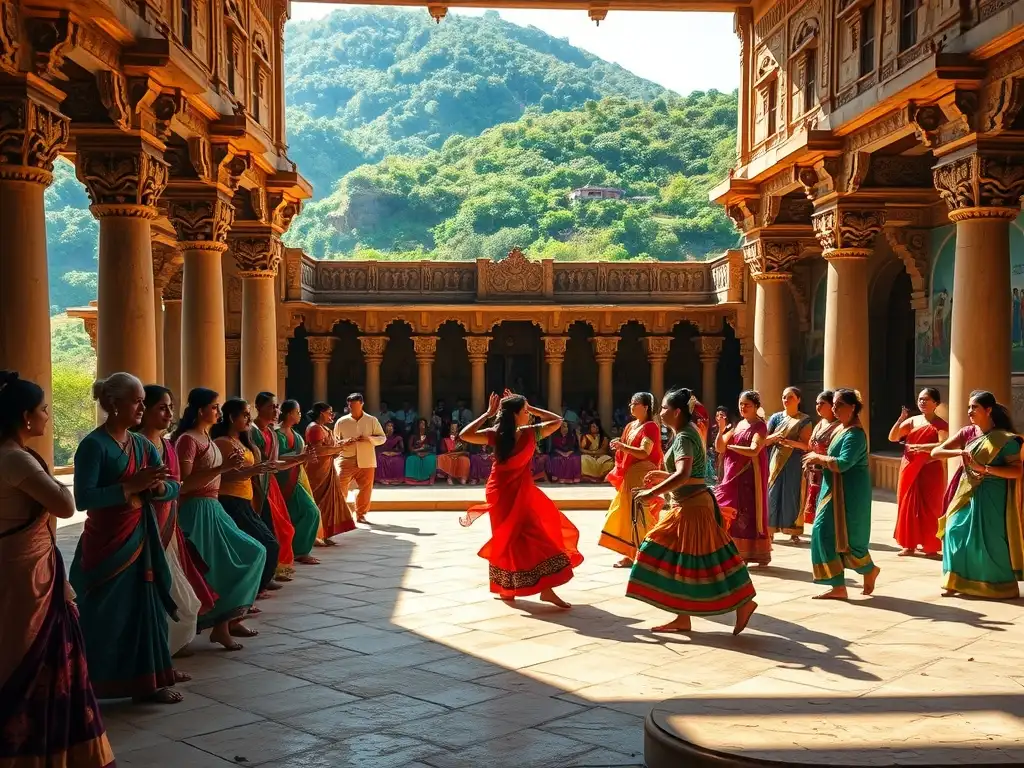
Welcome to Ancient India History, where we embark on an enlightening journey through the vibrant tapestry of India's past. In this exploration, we shine a spotlight on the captivating world of theater, specifically focusing on "Preserving Ancient Indian Theater". As we delve into the challenges and solutions surrounding this artistic legacy, you'll uncover the intricate connections between culture, creativity, and preservation.
Prepare to be intrigued by the stories and techniques that have shaped ancient Indian theater, and let your curiosity guide you as you uncover the rich contributions of our ancestors. Dive deeper with us and discover what makes this art form not just a relic of the past, but a vital part of our cultural identity today!
Introduction to Ancient Indian Theater
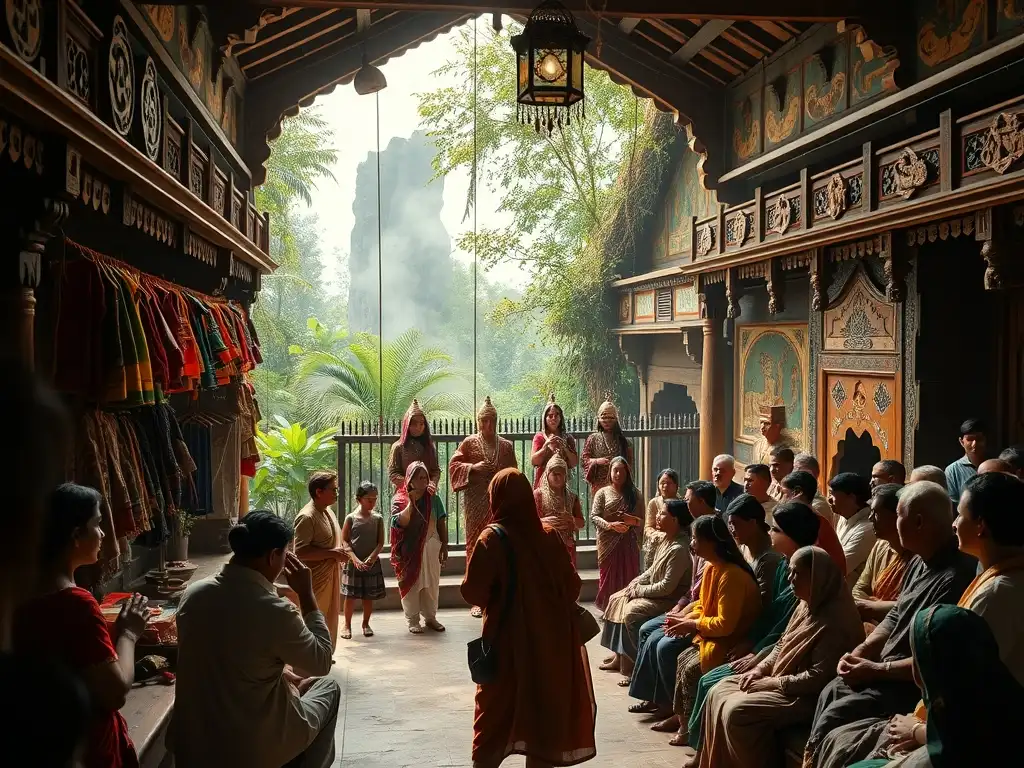
The world of ancient Indian theater is a tapestry woven with rich narratives, vibrant performances, and profound cultural expressions. From the intricate dance dramas of the Natya Shastra to the folk traditions of various regions, ancient Indian theater reflects the diverse heritage and artistic ingenuity of its time.
The preservation of these theatrical forms is crucial, not only for cultural continuity but also for understanding the socio-political landscapes that shaped them. As we delve into the complexities surrounding the preservation of ancient Indian theater, we will explore the various challenges it faces today, alongside potential solutions that can help in safeguarding this invaluable aspect of our heritage.
Overview of Ancient Indian Theater Traditions
Ancient Indian theater encompasses a wide range of artistic expressions, from classical forms like Kathakali and Bharatanatyam to folk traditions such as Tamasha and Nautanki. These performances are steeped in mythological narratives, historical epics, and regional folklore, often incorporating music, dance, and drama in a seamless blend.
- Key characteristics of ancient Indian theater include:
- Use of Sanskrit and regional languages: Many ancient plays were composed in Sanskrit, while others utilized local dialects, reflecting the linguistic diversity of India.
- Integration of dance and music: Performance arts were not merely dramatic; they were holistic experiences that combined various art forms.
- Religious and cultural themes: Many theatrical performances were tied to religious festivals and rituals, emphasizing their role in societal values and traditions.
Significance of Preserving Ancient Indian Theater
Preserving ancient Indian theater is vital for several reasons:
- Cultural Identity: These art forms are integral to India’s cultural identity and heritage, offering insights into historical narratives and traditional practices.
- Educational Value: Ancient theater serves as a rich resource for scholars and students, providing context to the evolution of performing arts and their societal implications.
- Artistic Inspiration: The techniques and stories from ancient theater continue to inspire contemporary artists, enriching modern theater and performance art.
Challenges in Preserving Ancient Indian Theater
Despite its significance, the preservation of ancient Indian theater faces numerous challenges that threaten its continuity and relevance in contemporary society.
Cultural Erosion and Urbanization
The rapid pace of urbanization has led to cultural erosion, where traditional performances are sidelined in favor of modern entertainment forms. As urban centers expand, the rural roots of many theatrical traditions are at risk of being lost, resulting in:
- Disconnection from tradition: Younger generations may lack exposure to traditional forms, leading to a decline in interest and participation.
- Commercialization of art: The emphasis on profit over authenticity often results in the dilution of traditional practices.
Lack of Documentation and Historical Records
A significant challenge in preserving ancient Indian theater is the scarcity of comprehensive documentation and historical records. Many traditional performances were passed down orally, and crucial details may have been lost over time. This lack of formal records hampers efforts to:
- Reconstruct historical performances: Without reliable documentation, reviving authentic performances becomes increasingly difficult.
- Research and scholarship: The absence of data limits academic research, reducing the understanding of these art forms within a historical context.
Decline of Traditional Performance Practices
The decline in traditional performance practices is evident in many regions, where the younger generation shows a preference for contemporary forms of entertainment. This decline is exacerbated by:
- Reduced training opportunities: Lack of access to formal training in traditional arts leads to fewer practitioners.
- Changing audience preferences: Growing exposure to global media influences audience tastes, often at the expense of indigenous performances.
Financial Constraints and Funding Issues
Financial challenges pose a significant barrier to the preservation of ancient Indian theater. Many traditional performing arts are not adequately funded, leading to:
- Limited resources for training and production: Performers often struggle to secure funding for costumes, props, and training programs.
- Inadequate promotion and marketing: Without sufficient financial backing, traditional performances struggle to reach wider audiences, further risking their survival.
By addressing these challenges and exploring potential solutions, we can strive to ensure that ancient Indian theater continues to thrive and enrich our cultural landscape for generations to come.
Solutions for the Preservation of Ancient Indian Theater
Preserving Ancient Indian Theater is crucial for maintaining the rich cultural tapestry of India's historical performance arts. Various solutions have emerged to tackle the challenges associated with preserving these art forms. By employing a multi-faceted approach, stakeholders can ensure that the legacy of ancient theater continues to thrive in contemporary society.
Community Engagement and Grassroots Movements
Community engagement plays a pivotal role in the preservation of ancient theater. Local communities, often the custodians of traditional performances, are essential in revitalizing interest in these art forms. Grassroots movements have proven effective in:
- Organizing Festivals: Local festivals celebrating ancient theater can attract audiences and performers, fostering a sense of pride and continuity. Events like the Ramlila in North India exemplify how community involvement can keep traditions alive.
- Workshops and Training Programs: Initiatives aimed at teaching traditional performance techniques to younger generations help to ensure that skills and knowledge are passed down. These programs can also include collaboration with local artists, enhancing authenticity.
- Documentation of Oral Traditions: Many ancient theater forms rely on oral storytelling. Engaging community members in documenting these narratives through recordings or written texts preserves the essence of the art form for future generations.
Government and Institutional Support for Theater Preservation
Government and institutional support is vital for the sustainability of ancient theater. Effective strategies include:
- Funding and Grants: Government initiatives that provide financial support to theater companies and artists can alleviate the economic pressures that threaten the survival of traditional performances. Grants can be directed towards productions that revitalize ancient scripts and styles.
- Cultural Policy Frameworks: Establishing policies that recognize and promote traditional theater as part of national heritage can encourage broader support. Countries such as India have made strides in forming cultural policies that prioritize arts education and preservation.
- Partnerships with Institutions: Collaborations with universities and cultural institutions can facilitate research and development projects focused on ancient theater. Such partnerships can lead to scholarly work that documents and analyzes these performances, providing a richer understanding of their historical context.
Incorporating Technology in Preservation Efforts
Technology can be a powerful ally in the preservation of ancient Indian theater. Key approaches include:
- Digital Archiving: Creating digital archives of performances, scripts, and interviews with artists can ensure long-term preservation. Projects like the National Digital Library of India aim to make such resources accessible to a broader audience.
- Virtual Reality and Augmented Reality: Utilizing VR and AR technologies can enhance the experience of traditional theater. By creating immersive environments, audiences can engage with ancient performances in innovative ways, thus attracting younger generations.
- Social Media and Online Platforms: Leveraging social media to promote traditional theater can significantly increase visibility. Platforms like YouTube allow for the dissemination of performances, enabling global audiences to experience regional art forms.
Education and Awareness Programs on Ancient Theater
Education and awareness initiatives are crucial for fostering appreciation for ancient theater. Strategies include:
- Curriculum Integration: Incorporating ancient theater studies into school curriculums can help students understand its cultural significance. Highlighting local traditions can nurture a sense of identity and belonging.
- Public Awareness Campaigns: Campaigns aimed at raising awareness about the importance of preserving ancient theater can mobilize community support. Collaborations with local artists and historians can create informative content that resonates with the public.
- Workshops for Educators: Providing training for teachers on how to effectively communicate the history and significance of ancient theater can enhance educational outcomes. Such workshops can equip educators with the tools needed to inspire students.
Case Studies in Preservation Efforts
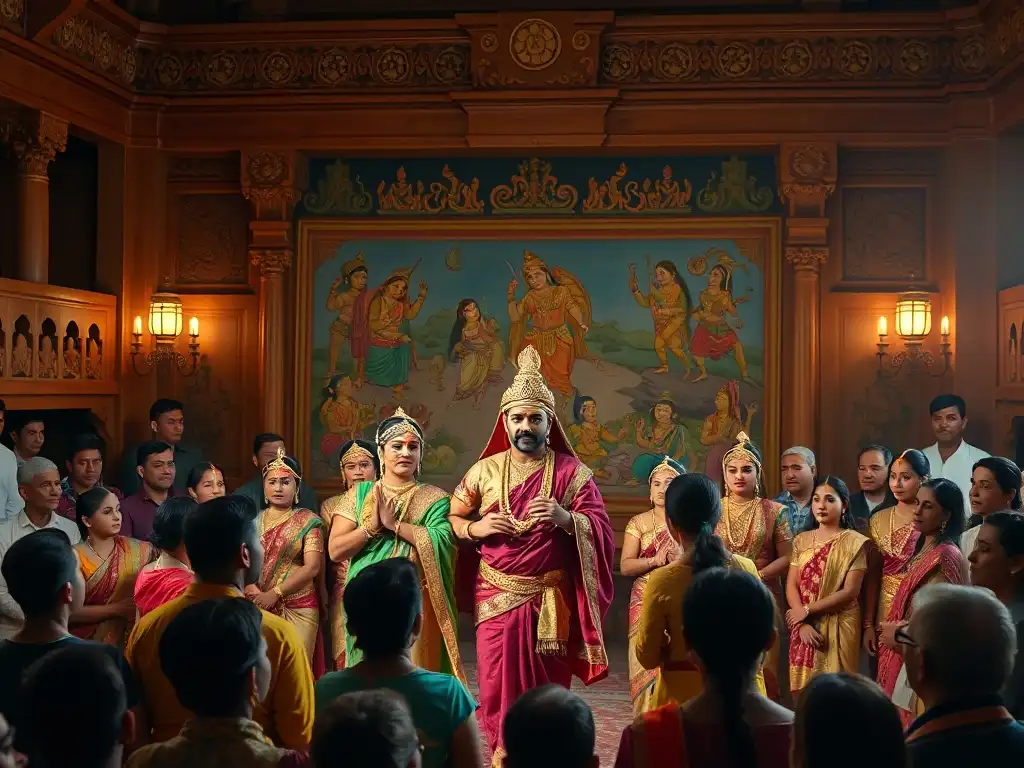
Examining specific case studies can provide valuable insights into successful preservation strategies for ancient Indian theater.
Successful Initiatives in Preserving Regional Theater Styles
Several regional initiatives illustrate effective preservation methods:
- Koodiyattam in Kerala: Recognized by UNESCO as an Intangible Cultural Heritage, Koodiyattam has benefitted from both community and institutional support. Training programs, festivals, and the establishment of dedicated schools have helped maintain this ancient art form.
- Yakshagana in Karnataka: This traditional theater form has seen revitalization through efforts to engage youth. Community performances and workshops have played a crucial role in attracting younger audiences, ensuring its survival.
Comparative Analysis of Preservation Strategies in Different Regions
A comparative analysis reveals diverse approaches to preserving ancient theater across India:
- North vs. South India: Northern regions often rely on government funding and institutional support, while southern states tend to emphasize community engagement and grassroots initiatives. This divergence highlights the importance of context-specific strategies tailored to local needs.
- Urban vs. Rural Dynamics: Urban areas may leverage technology and media to promote ancient theater, while rural communities often focus on grassroots efforts. Understanding these dynamics can guide future preservation initiatives, ensuring they are appropriately adapted to their environments.
By embracing these solutions and learning from past efforts, stakeholders can work collectively to preserve the rich legacy of ancient Indian theater for future generations.
The Future of Ancient Indian Theater Preservation
The future of preserving ancient Indian theater hinges on a multifaceted approach that integrates traditional practices with modern innovations. As the world becomes increasingly globalized, the need to maintain cultural uniqueness is paramount. The preservation efforts must not only focus on safeguarding the physical artifacts and scripts but also on revitalizing the performances and community engagements that encapsulate these ancient traditions.
Educational institutions, cultural organizations, and government bodies play a crucial role in this preservation journey. By encouraging research, hosting workshops, and facilitating collaborations between experienced artists and new learners, a vibrant ecosystem can emerge that nurtures both ancient and contemporary forms of theater. This approach ensures that the richness of ancient Indian theater continues to influence modern storytelling and performance arts.
Innovative Approaches to Keeping Traditions Alive
Innovative approaches are essential in keeping the traditions of ancient Indian theater alive. One such strategy is the integration of technology into traditional performances. Digital platforms can be utilized to archive performances, allowing for broader access and engagement. For instance, creating virtual reality experiences of classical plays can immerse audiences in the historical context of these works, bridging the gap between past and present.
Moreover, cross-disciplinary collaborations that blend theater with other art forms, such as dance and visual arts, can rejuvenate ancient narratives and attract younger audiences. Community-driven initiatives, such as local theater festivals that celebrate traditional performances, can also foster a sense of pride and ownership among local populations, ensuring that these practices are passed down through generations.
The Role of Modern Theater in Reviving Ancient Practices
Modern theater plays a pivotal role in reviving ancient practices by reinterpreting traditional narratives for contemporary audiences. This reinterpretation not only breathes new life into ancient scripts but also makes them relevant to today's societal issues. For example, contemporary adaptations of ancient epics like the Mahabharata and Ramayana can explore themes of justice, identity, and morality, resonating with modern audiences while preserving the core values of these texts.
Additionally, the fusion of modern techniques with traditional storytelling methods can enhance the overall aesthetic and impact of performances. Utilizing elements such as multimedia presentations, innovative soundscapes, and diverse casting can create a richer narrative experience that honors ancient traditions while appealing to the sensibilities of today’s viewers. This blending of old and new is crucial for ensuring the sustainability of ancient Indian theater in the modern cultural landscape.
Conclusion on the Importance of Preserving Ancient Indian Theater
The preservation of ancient Indian theater is not merely an act of safeguarding history; it is a vital endeavor that sustains the cultural fabric of society. Ancient theater serves as a repository of moral values, societal norms, and historical narratives that define the identity of a people. As such, preserving these art forms is essential for fostering cultural continuity and appreciation among future generations.
By recognizing the intrinsic value of ancient theater, communities can foster a deeper connection to their heritage, promoting cultural pride and understanding. This preservation also facilitates cross-cultural dialogues, enriching the global artistic landscape with the unique perspectives and stories of ancient Indian civilizations.
Final Thoughts on Cultural Heritage and Its Significance
In the face of rapid modernization, the significance of preserving cultural heritage, particularly ancient Indian theater, cannot be overstated. As we navigate through contemporary challenges, these ancient art forms offer timeless wisdom and insights that remain relevant today. By championing innovative preservation methods and encouraging active participation in theater, we not only honor our past but also enrich our present and future.
Ultimately, the endeavor to preserve ancient Indian theater is a collective responsibility that requires the commitment of artists, scholars, and the community at large. Embracing this challenge ensures that the vibrant legacy of ancient Indian theater continues to inspire and educate generations to come, reinforcing the importance of cultural heritage in our rapidly changing world.
- Introduction to Ancient Indian Theater
- Challenges in Preserving Ancient Indian Theater
- Solutions for the Preservation of Ancient Indian Theater
- Case Studies in Preservation Efforts
- The Future of Ancient Indian Theater Preservation
- Conclusion on the Importance of Preserving Ancient Indian Theater
- What are the main challenges in preserving ancient Indian theater?
- How does ancient Indian theater contribute to cultural identity?
- What solutions are proposed for the preservation of ancient Indian theater?
- Why is ancient Indian theater important to modern society?
- How can technology aid in preserving ancient Indian theater?
Frequently Asked Questions
What are the main challenges in preserving ancient Indian theater?
The main challenges include lack of funding, a diminishing audience, and the deterioration of traditional skills among artists that threaten the survival of these art forms.
How does ancient Indian theater contribute to cultural identity?
Ancient Indian theater plays a crucial role in shaping and expressing cultural identity by reflecting the values, traditions, and stories of Indian society through performance.
What solutions are proposed for the preservation of ancient Indian theater?
Proposed solutions include increased government support, the establishment of training programs for new artists, and the promotion of community engagement to revitalize interest in these traditional performances.
Why is ancient Indian theater important to modern society?
It is important because it serves as a link to history, provides insights into historical narratives, and fosters appreciation for artistic expression in contemporary culture.
How can technology aid in preserving ancient Indian theater?
Technology can aid preservation through digital archiving, online platforms for performances, and virtual reality experiences that allow broader access to these rich theatrical traditions.
Final Reflection: Embracing the Legacy of Ancient Indian Theater
The preservation of ancient Indian theater is not just a cultural obligation; it is a vital connection to our historical identity. In a world increasingly dominated by rapid technological advancements and shifting cultural paradigms, the importance of safeguarding our rich theatrical heritage has never been more pressing. The challenges we face today, from globalization to the decline of traditional art forms, underscore the urgency of our mission to preserve these invaluable narratives and performances that have shaped our society for centuries.
Cultural heritage is the soul of a community, and ancient Indian theater is a profound expression of this heritage. Its influence extends beyond mere entertainment; it serves as a medium for storytelling, social commentary, and the transmission of values across generations. As we navigate the complexities of modern life, we must remember the words of the renowned playwright Habib Tanvir: The theater is a mirror to society, reflecting its joys and sorrows.
This reflection is essential in understanding our roots and fostering a sense of belonging in an ever-changing world.
As we conclude this exploration of preserving ancient Indian theater, I invite you to reflect on your own role in this cultural journey. Consider how you can contribute to the revival and sustainability of these art forms in your community. Whether through attending performances, supporting local artists, or engaging in educational initiatives, every action counts. Together, we can ensure that the vibrant legacy of ancient Indian theater continues to inspire future generations, reminding us of our shared history and the beauty of our diverse cultural tapestry.
Embrace and Support the Revival of Ancient Theater Today!
Thank you for taking the time to explore the rich heritage of ancient Indian theater. Your interest is essential in preserving these priceless cultural treasures! Now, it's time to take action and make a difference.
Here are some simple yet impactful steps you can take right now:
- Join a local theater group that focuses on ancient Indian plays—your participation can help keep these traditions alive!
- Share this article with your friends and family to raise awareness about the challenges facing ancient theater today.
- Attend or promote cultural events that showcase ancient performances—experience the magic firsthand and inspire others to do the same!
What unique ways do you think we can further engage our communities in revitalizing ancient Indian theater?